(images: Tiago Cabral)
Dress to Impress :: 1930’s patterns
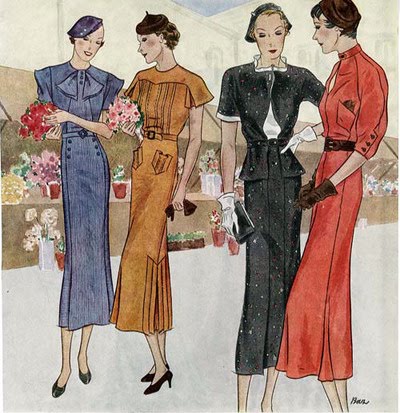
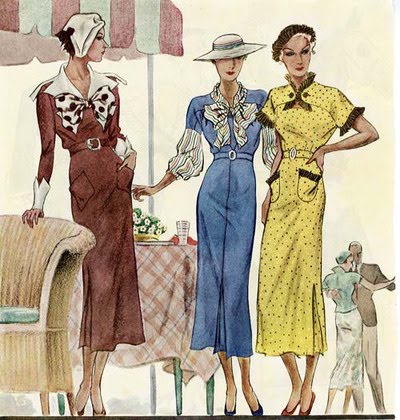
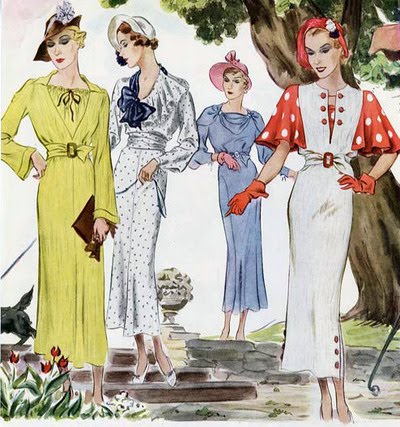
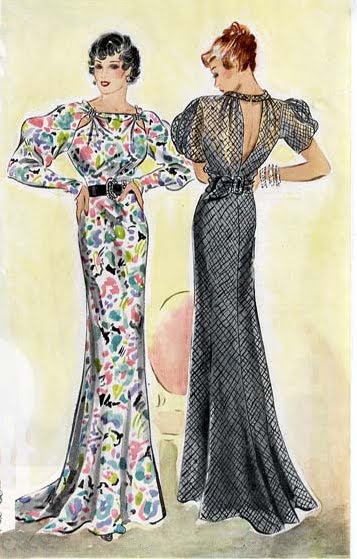
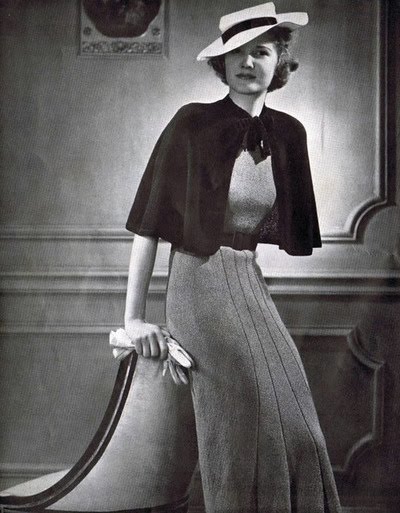
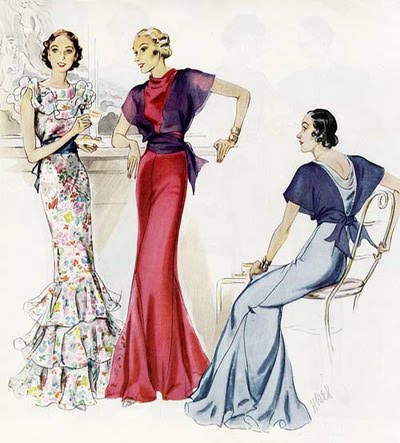
Como prometido, hoje volto a mostrar-vos vestidos dos anos 30. Estes desenhos são todos ilustrações de moldes da McCall’s (empresa que ainda hoje existe) de 1934 e 1935. Gosto imenso deste género de vestidos, apesar de não poder usar saias tão direitas (ai, as minhas ancas portuguesas!)…
–
As promised, today I’m back with 1930’s dresses. These are all illustrations from McCall’s patterns (a company that’s still alive and well) from 1934 and 1935. As much as I love this style, I really can’t wear skirts such as these (oh, my Portuguese hips!)…
Scrappy Carrier Bag Store (Grocery Bag Dispenser) Tutorial
October is scrap busters month at Sew, Mama, Sew: what a brilliant idea! People who sew tend to gather piles and piles of scraps… we are reluctant to throw away even the tiniest bit of our lovely fabrics, right? Well, it’s time to put them into use!
Today I’m going to try to show you how to make a scrappy carrier bag store (or, if you prefer, a grocery bag dispenser). Even though we’re all trying to reduce our use of plastic carrier bags, some of them manage to end up inside a dawer or under the sink… So I suggest we start storing them in a neat, handy way!
–
Materials
– fabric scraps in matching/contrasting colours
– rectangle of matching/contrasting fabric for loop (for hanging) (50 x 6 cm)
– square of muslin (approx. 45 x 45 cm)
– braided elastic, 1 cm wide (cut 2 lenghts of 15 cm)
– tailor’s chalk
– rotary cutter
– clear plastic ruler
– self-healing mat
– pins
– all-purpose thread
– sewing machine
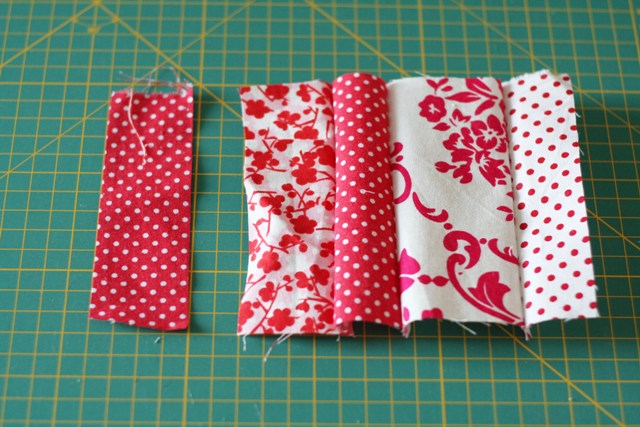
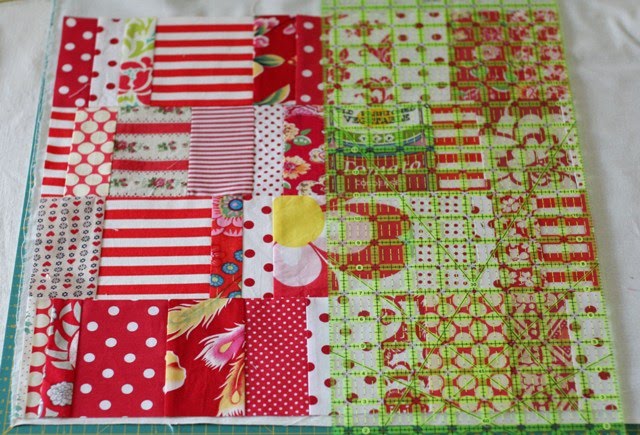
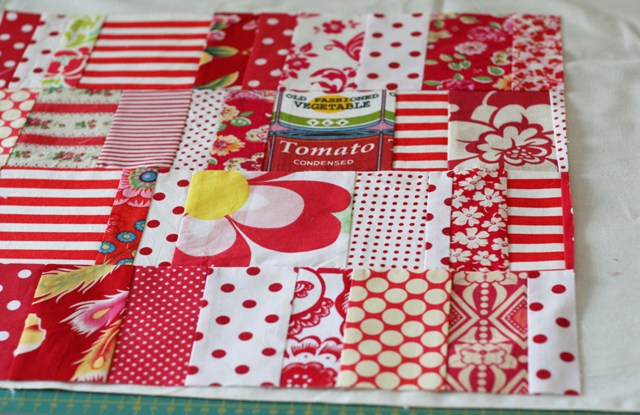
1. Select your fabric scraps. The goal is to end up with a 45 x 45 cm (approx.!) square of pieced fabric. I decided I’d construct 4 strips, each of them approx. 12 cm wide. So I cut my scraps into rectangles that were 12 cm long (all of different widths).
–
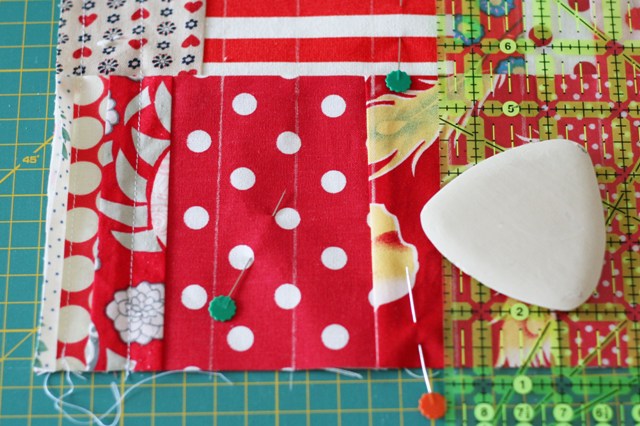
2. Piece scraps rather randomly. Aim for a total length of 45 cm (minimum), but don’t worry if it gets a little longer, as you’ll trim it later. Press.
–
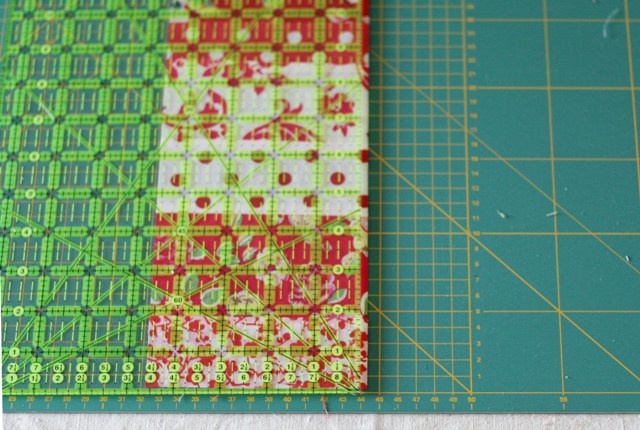
3. Square it up. Repeat the piecing, pressing and squaring up 3 times. You’ll end up with 4 pieced rectangles, each of them measuring approx. 45 x 12 cm.
4. Arrange the strips in a pleasing way and sew them together. Press.
5. Square it up. This is the carrier bag store’s outer fabric.
6. Place the pieced fabric on top of your muslin and cut along the sides. You’ll get a piece of muslin that has the exact same mesurements as the pieced fabric. The muslin is the inside (lining) of the carrier bag store.
7. Pin in place.
8. Trace lines for quilting with tailor’s chalk. I traced mine 2,5 cm apart.
9. Quilt it.
10. Zig-zag all around the rectangle.
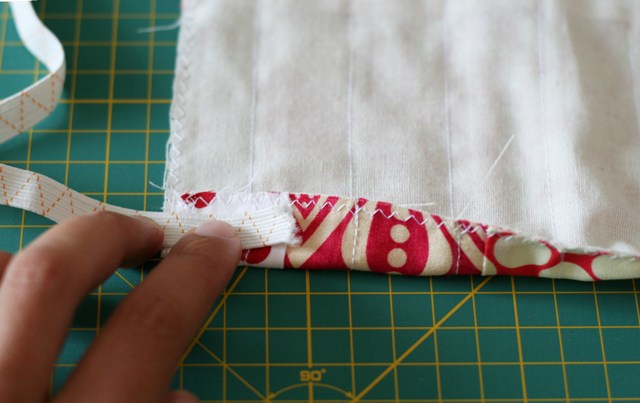
11. Get one lenght of elastic. Fold and press one raw edge (wrong sides together), approx. 1,7 cm.
12. Sew in 0,5 cm from raw edge.
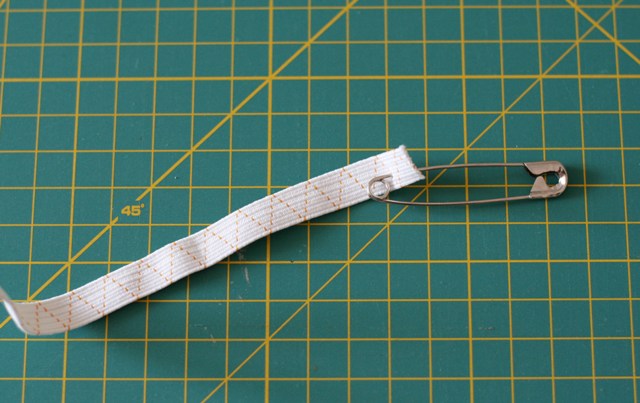
13. Attach a safety pin to one end of elastic and insert it into the tube you just made. Stitch the other end of elastic (the one that has no safety pin) to the end of the tube. This will prevent the elastic from “escaping”.
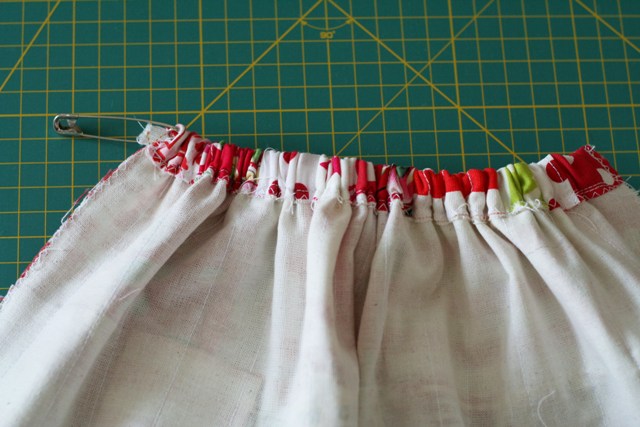
14. Push and pull the elastic through. Distribute the fabric equally throughout the elastic. Get rid of the safety pin and stitch the other end of the tube, making sure you enclose the elastic. Repeat with the other raw end.
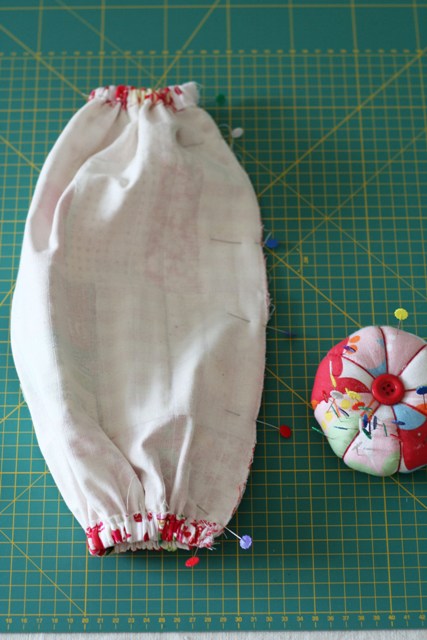
15. Turn the pieced sides together (lining facing up), pin in place and sew. Turn it inside out.
16. Take the 50 x 6 cm rectangle for loop, sew right sides together (along the lenght)and turn it inside out. Press. Now pin the loop in place and sew. Stuff the top with those nasty plastic bags and pull them out of the bottom. You’re done!
(images: Constança Cabral)
Campo :: Countryside
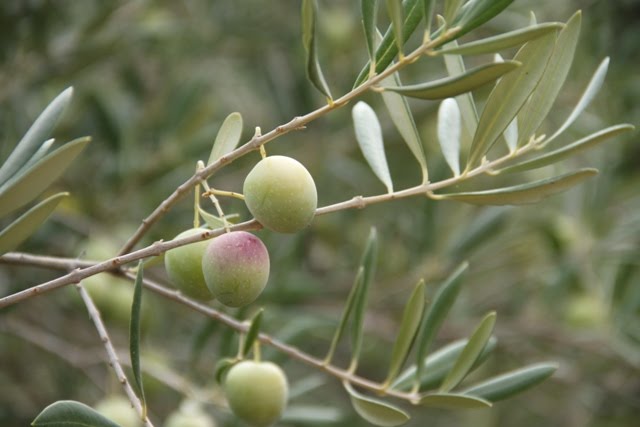
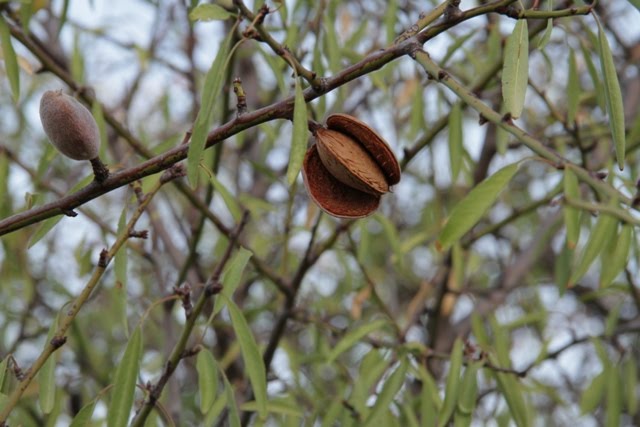
Estivemos no Douro Internacional, região de vinho, azeite e amêndoas. Às vezes apetecia-me deixar a cidade para trás e mudar-me para o campo. Tudo parece mais real e verdadeiro por lá.
–
We spent the weekend up north in a region called Douro Internacional, which is full of vines, olives and almonds. Sometimes I feel like leaving city life and moving to the country. Everything seems more real and truthful over there.
(images: Tiago Cabral)
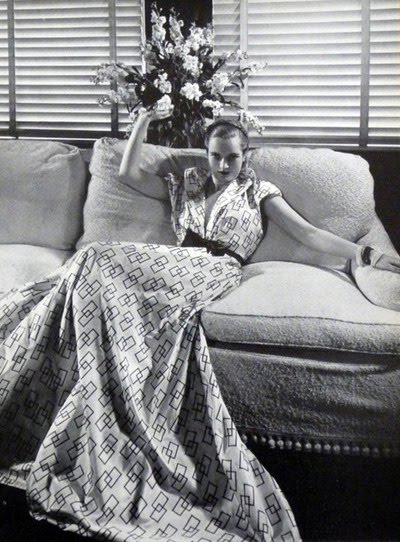
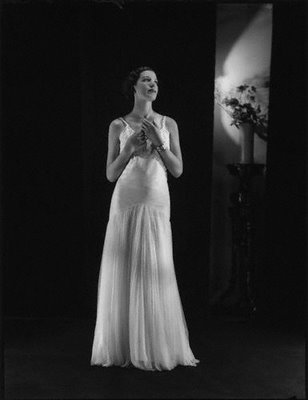
Dress to Impress :: 1930’s
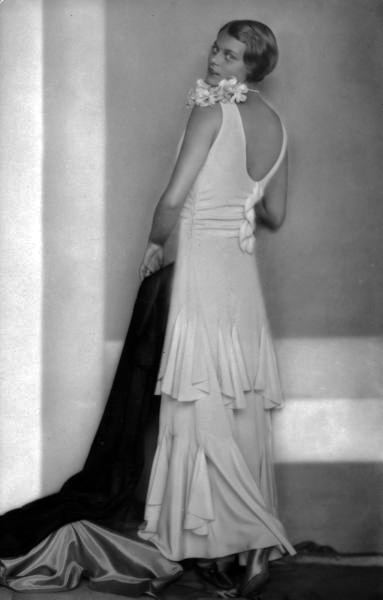
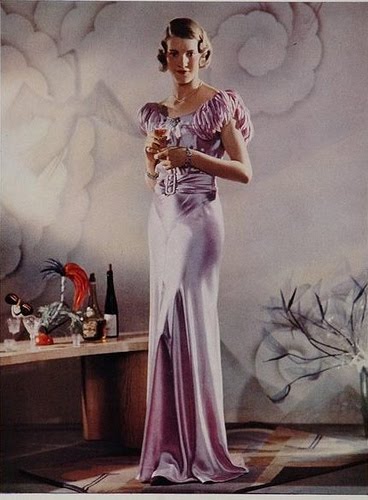
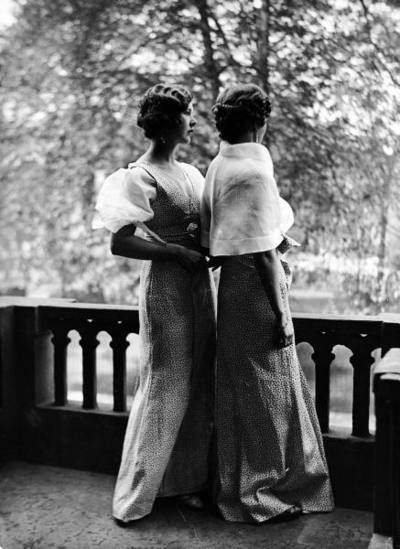
Inspirada nos primeiros romances de Nancy Mitford (The Pursuit of Love e Love in a Cold Climate; há até uma mini-série baseada neles), este mês vou concentrar-me em vestidos dos anos 30. Caracterizada por silhuetas esguias, decotes favorecedores, cinturas marcadas e muitos folhos, a moda desta década parece-me muito mais natural e interessante do que a dos loucos anos 20. Outubro = 1930’s aqui no Saídos da Concha!
–
Inspired by Nancy Mitford‘s early novels (The Pursuit of Love and Love in a Cold Climate; there’s even a mini-series based on both of them), this month I’m going to feature 1930’s dresses. This decade was characterized by sleek silhouettes, lovely cleavages, frills and a return to the natural waisline and I find it much more interesting than 1920’s fashion. October = 1930’s here at Saídos da Concha!
1932
1934
1934
1935
1935
1936
1937 (Bette Davis)
1930’s
(images: My Vintage Vogue)
Máxima Interiores
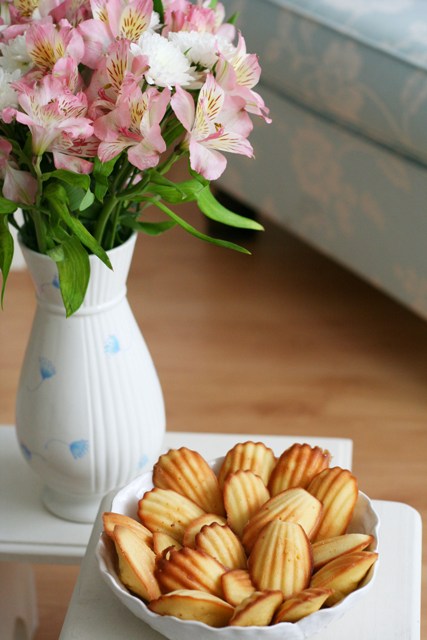
Em honra da equipa da Máxima Interiores que me visitou hoje, comprei flores e fiz madalenas. E respondi a muitas perguntas, fui fotografada e até filmada! Obrigada às cinco senhoras que cá vieram a casa pelo interesse e extrema simpatia. A reportagem sai no número de Novembro. Estou toda contente!
–
In honour of the Máxima Interiores team that paid me a visit today, I bought flowers and baked madeleines. And I also answered many questions, was photographed and even filmed! I’d like to thank again the five ladies who came here today for their interest and kindness. The piece will be out in the Novembe issue. I’m so happy!
(image: Constança Cabral)
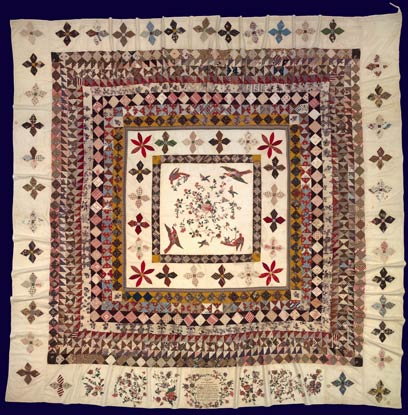
Quilts 1700 – 2010: Hidden Histories, Untold Stories
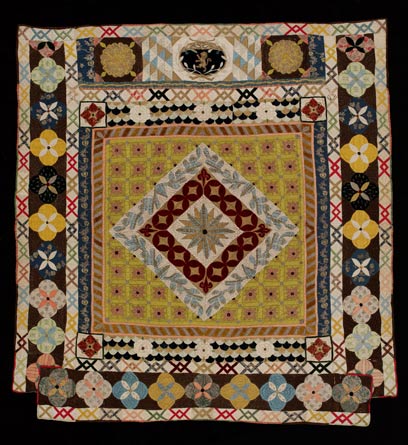
Estou entusiasmadíssima! Acabo de descobrir que, de 20 de Março a 4 de Julho de 2010, vai estar patente no V&A uma exposição de 65 quilts britânicos, elaborados entre 1700 e os dias de hoje. Os detalhes da exposição podem ser lidos aqui ; o catálogo já está disponível para pre-order na Amazon e em Junho haverá um colóquio de dois dias sobre o tema. Não posso, não quero e não vou perder isto!!
–
I’m so excited! I just found out that the V&A will present its first ever exibition of British quilts, with exemples dating from 1700 to the present day, from March 20th to July 4th 2010. You can read all about it here ; the catalogue is already available to pre-order at Amazon and there’s even going to be a two-days conference on the subject. I can’t, I won’t miss this for the world!!
–
Bishops Court quilt, Unknown, 1690-1700. Museum no. T.201-1984
Set of Chintz bed hangings (detail), 1730-50. Museum no. 242-1908.
Rajah Quilt, Made by convicts on board HMS Rajah, 1841, National Gallery of Australia, Canberra
Ainda os Retalhos :: More Scraps
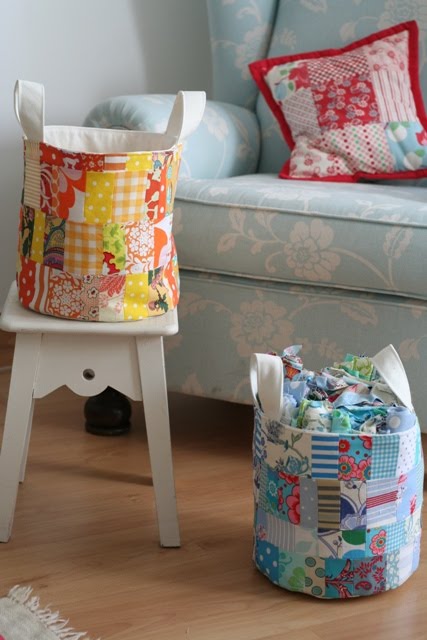
Calmamente vou fazendo mais baldes de/para retalhos; ontem à noite acabei o amarelo/cor-de-laranja. A propósito, já sabem que Outubro é o mês dos retalhos no Sew, Mama, Sew? Toca a participar!
–
I’m slowly making more scrap buckets; yesterday evening I finished the yellow/orange one. By the way, do you know that October is scrap busters month at Sew, Mama, Sew? Be sure to participate!
(image: Constança Cabral)
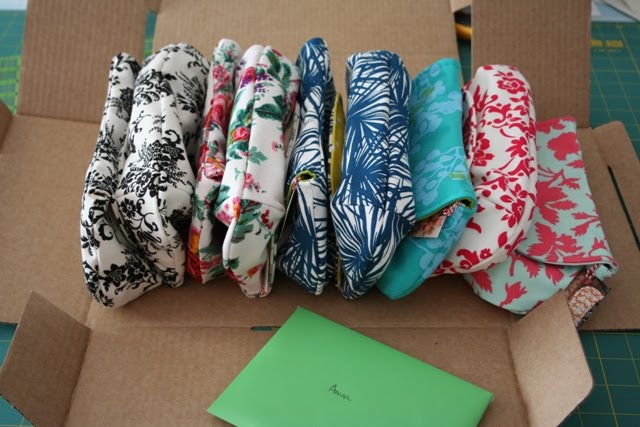
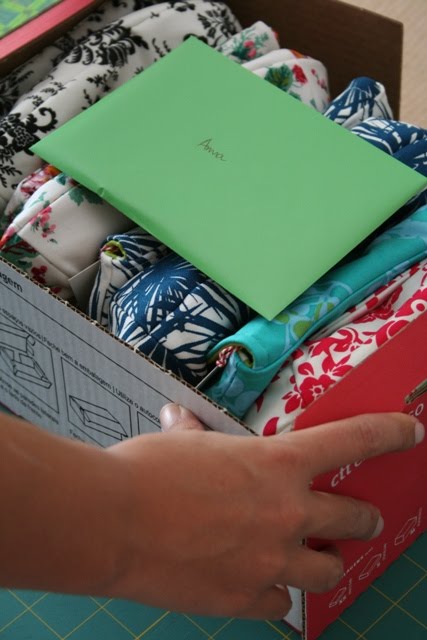
Encomenda Especial :: Custom Order
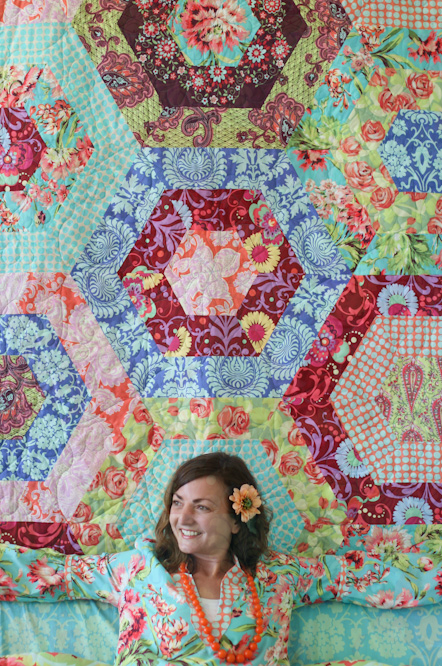
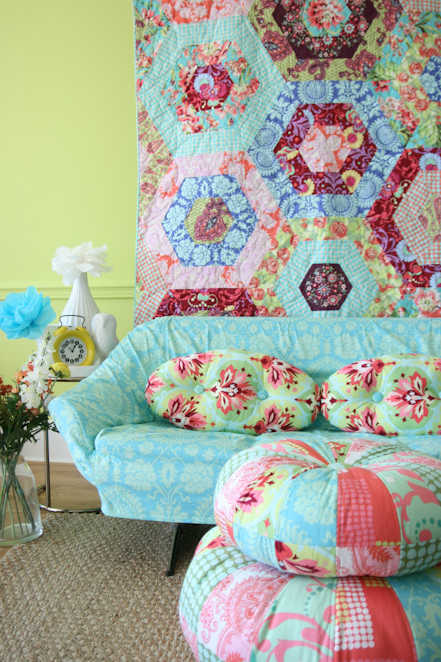
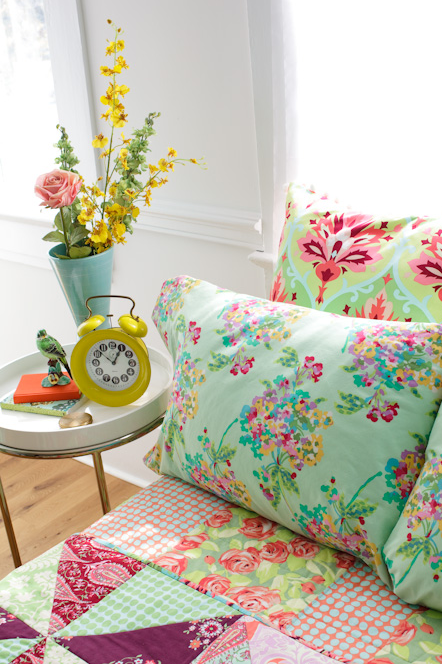
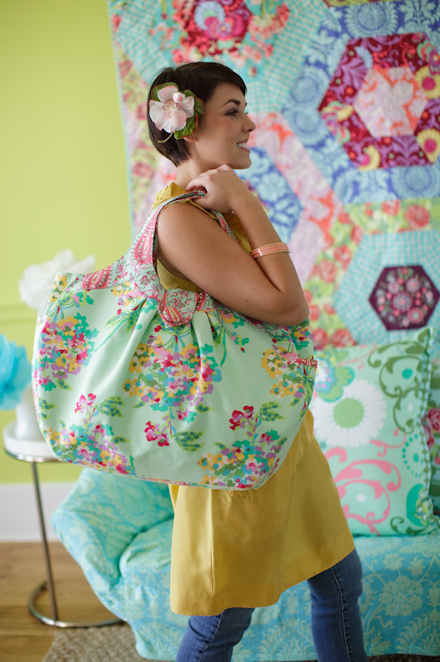
Love by Amy Butler
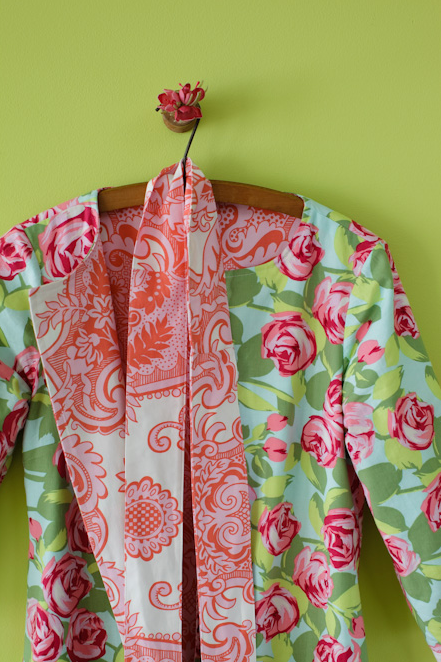
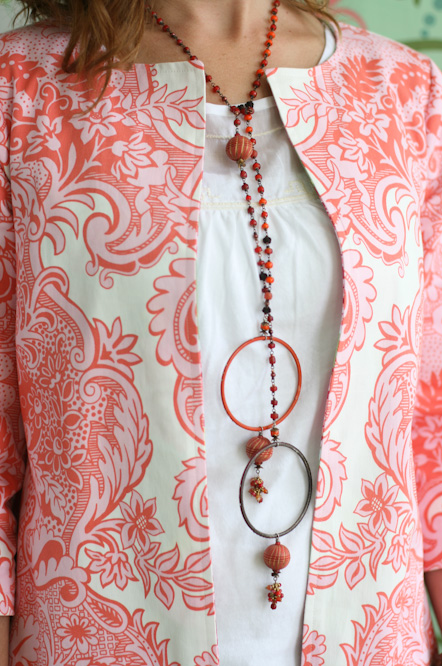
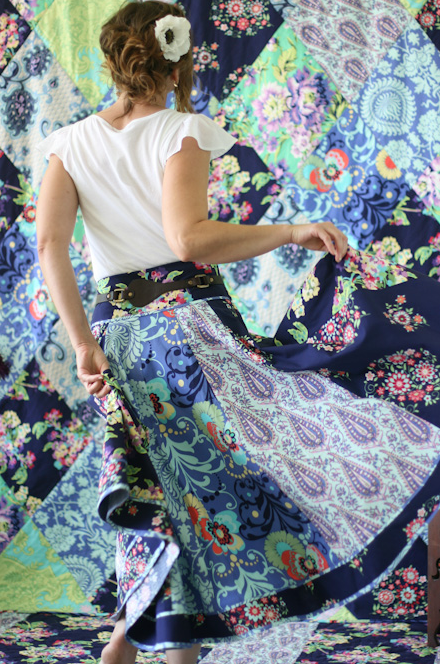
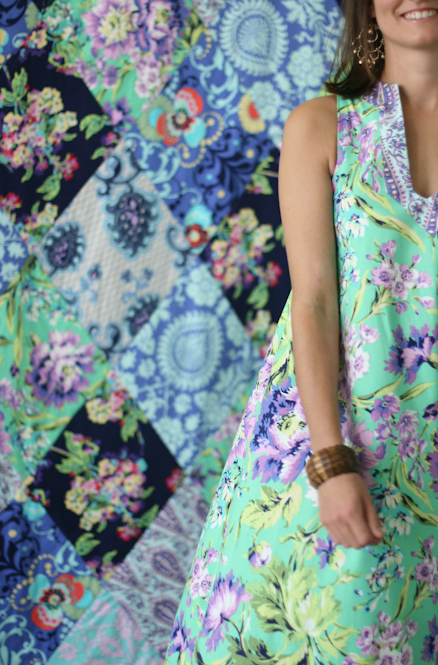
Já viram a nova linha de tecidos que a Amy Butler vai lançar no próximo mês? Adoro os padrões e, como sempre, as fotografias e o styling são fora de série. Também reparei que há novos modelos de roupa, carteiras e quilts… estarão para ser lançados num futuro breve? A colecção Love pode ser vista na íntegra aqui .
–
Have you seen Amy Butler’s new fabric line? I love the prints and – as always – both the photography and styling are amazing. I’ve also noticed that there are new patterns for clothes, bags and quilts… will they be released in the near future? You can see this new Love collection here.
(images: Amy Butler )