Afinal o que é um quilt? Qual a diferença entre patchwork e quilting? E faz sentido utilizar estes termos em inglês?
Um quilt é uma colcha. Quilting significa acolchoar, seja à mão, à máquina (doméstica ou long-arm), atando pequenos nós ou até cosendo botões em pontos estratégicos. Um quilt é composto por três camadas:
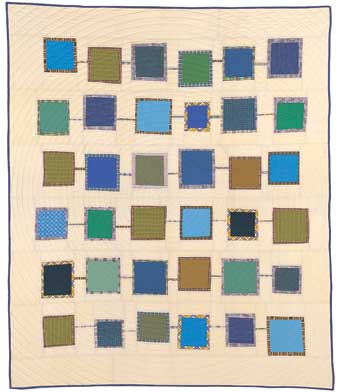
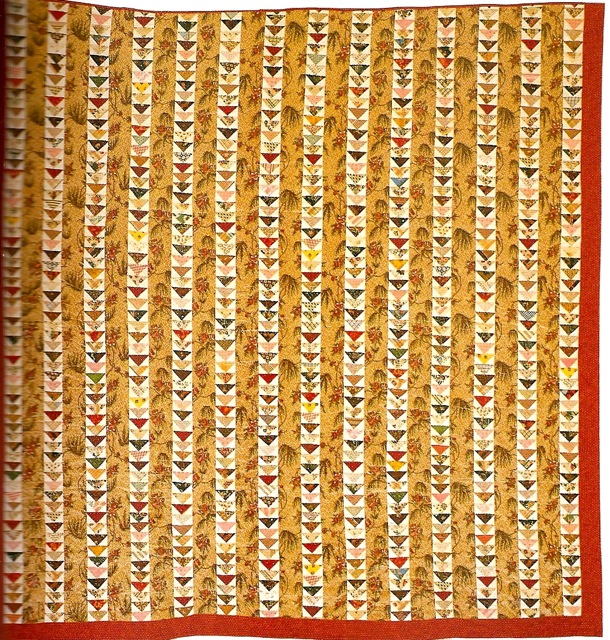
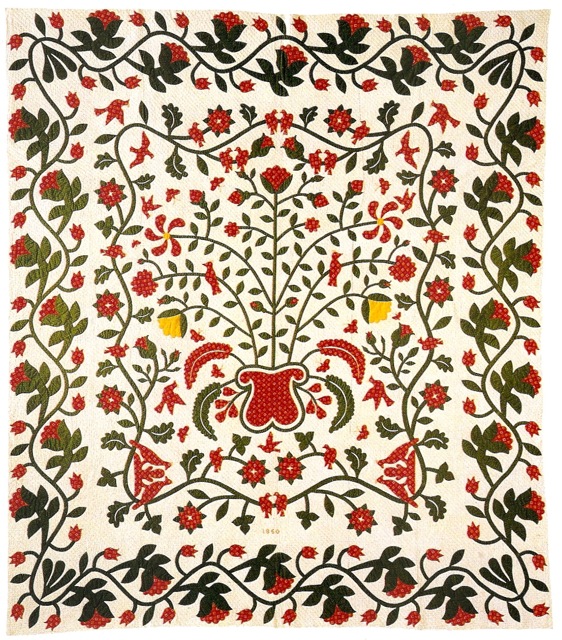
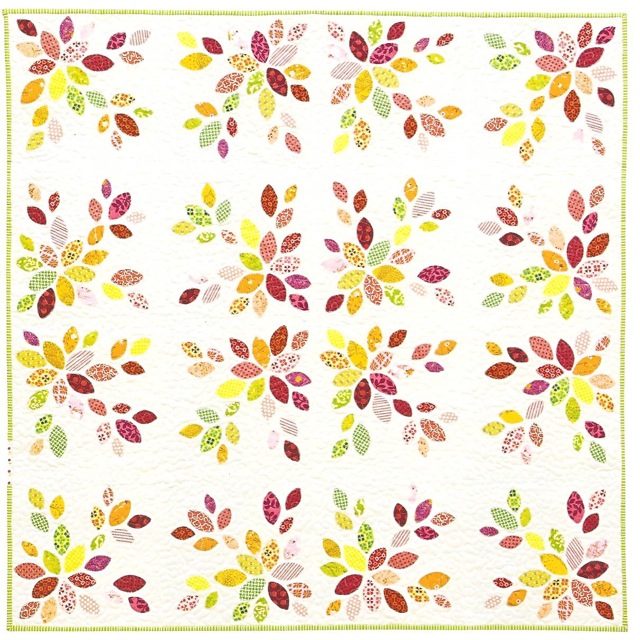
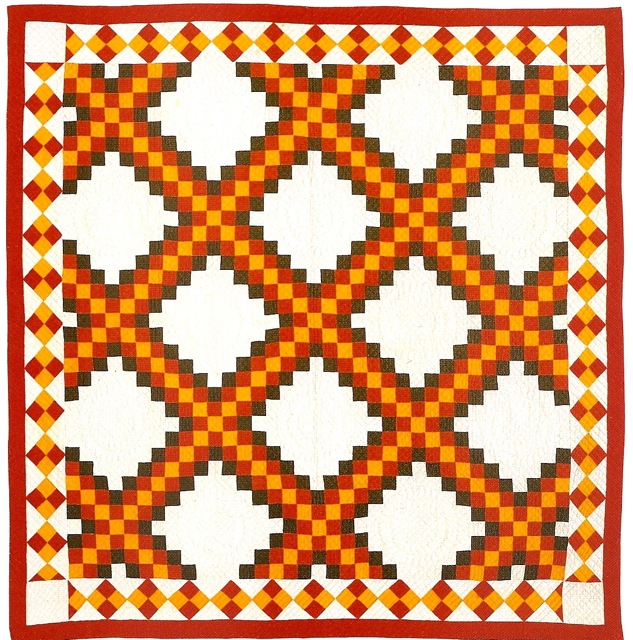
– top (a parte de cima), que pode ser feita de (1) pedaços de tecido cosidos uns aos outros (estes retalhos são os patches, que dão o nome ao patchwork); (2) apenas um tecido (no caso dos wholecloth quilts); (3) motivos em appliqué (pedaços de tecido aplicados em cima de um tecido-base).
– batting (US)/wadding (UK) (o enchimento), a camada isoladora, que confere corpo e peso ao quilt e que, conforme o material utilizado (algodão, lã, polyester), pode aquecer muito ou pouco. Normalmente usa-se um tipo de enchimento comercial fabricado especificamente para quilting, mas há quem use flanela e quem recicle tecidos velhos, cobertores, etc.
– backing (o forro), que pode ser em patchwork ou não (normalmente usa-se apenas um tecido).
Dá-se o nome de quilt sandwich a estas três camadas colocadas umas em cima das outras (top + batting + backing) para em seguida serem acolchoadas.
Depois de acolchoado, o quilt é debruado com uma fita a que se dá o nome de binding. O binding pode ser simples, duplo, cortado a direito ou em viés.
O termo
quilting também é usado para significar o
hobby e a indústria (que, por sinal, vale milhões nos EUA). Apesar de haver mantas de retalhos em todas as culturas, os
quilts tal como os entendemos hoje em dia são herdeiros de uma forte tradição anglo-saxónica — daí a terminologia ser em inglês e as medidas imperiais (é quase impossível escapar às polegadas). Se tiverem interesse em explorar a história dos
quilts, há dois livros de que gosto especialmente:
The American Quilt. A History of Cloth and Comfort. 1750-1950 e
Quilts 1700-2010. Hidden Histories, Untold Stories.
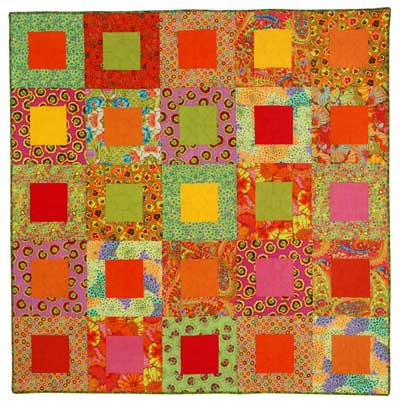
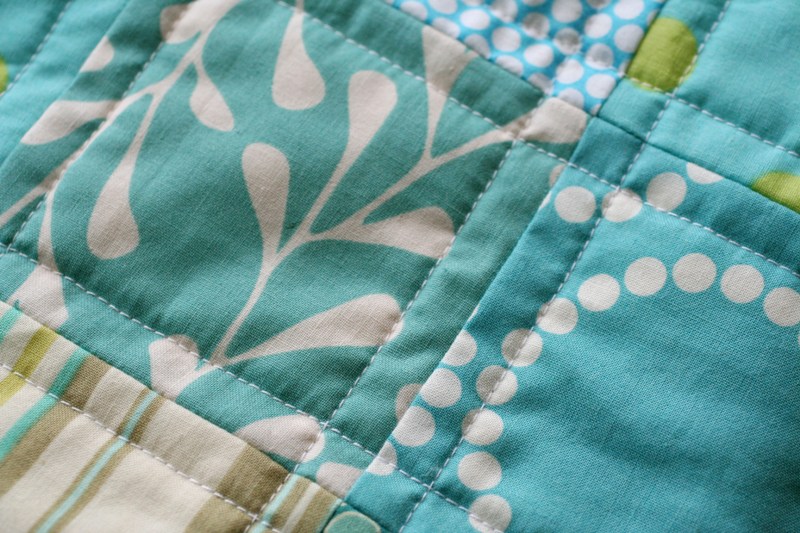
patchwork top (quilted using a domestic sewing machine)
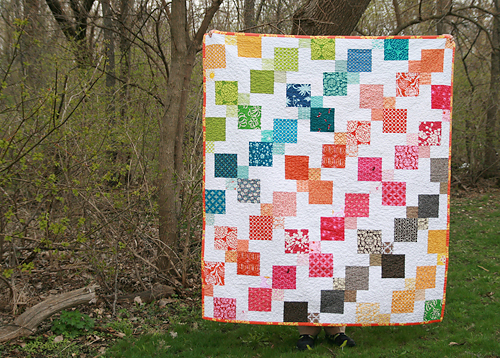
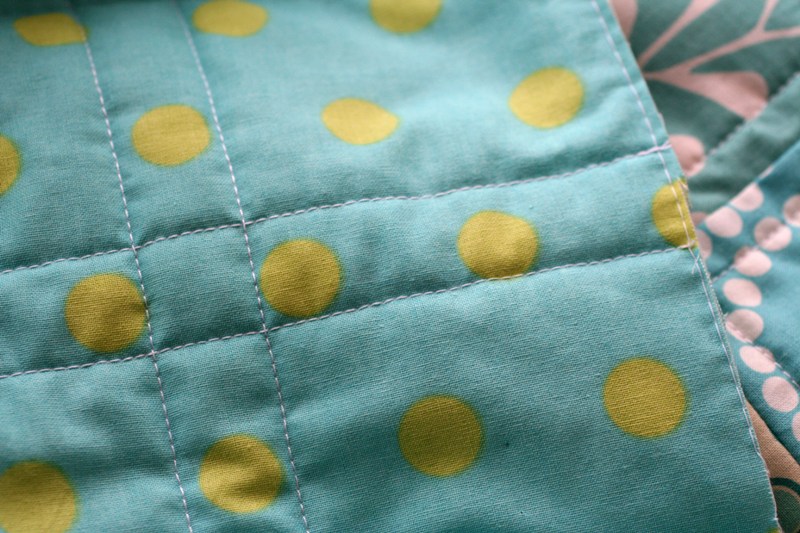
backing (quilted using a domestic sewing machine)
quilt sandwich (top + batting/wadding + backing)
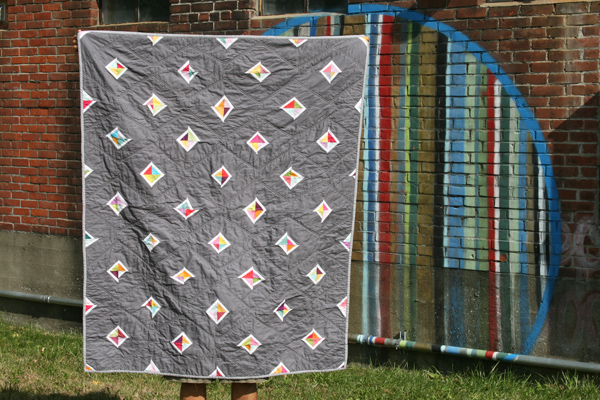
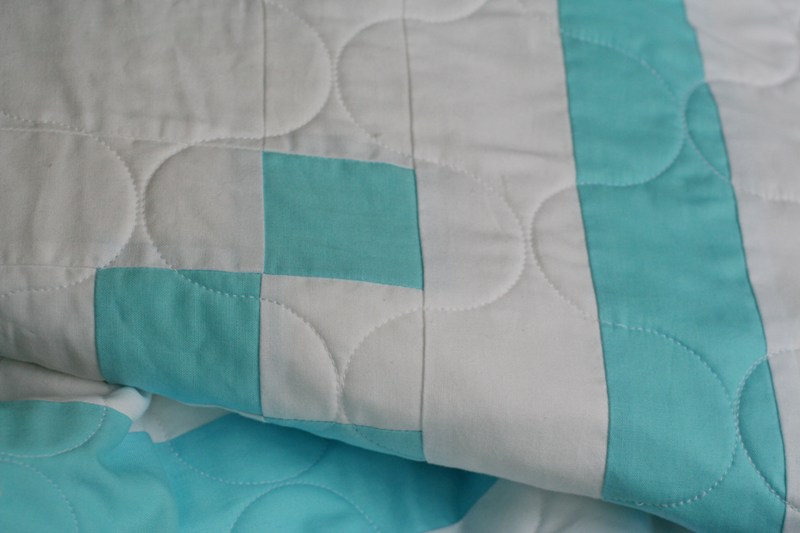
patchwork top (long-arm quilting)
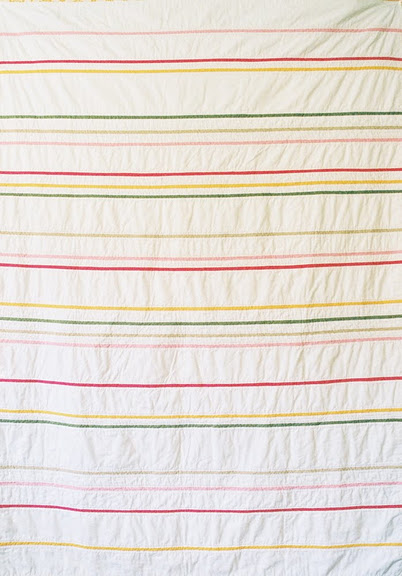
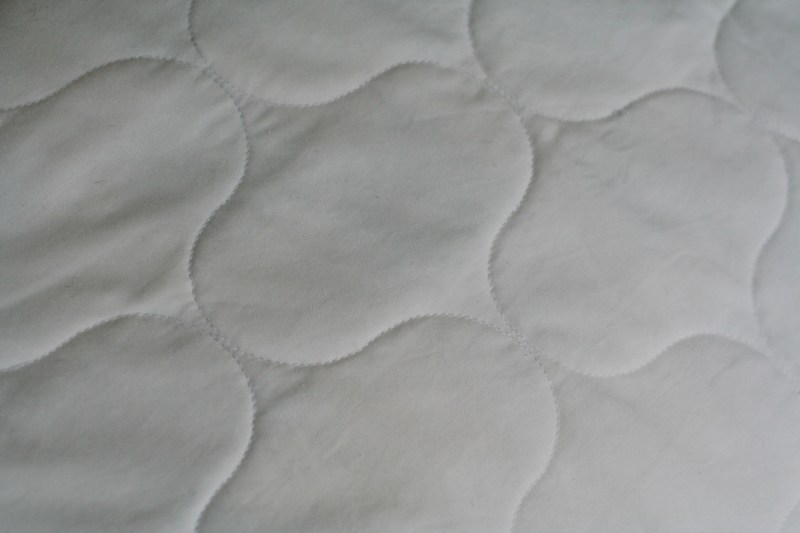
backing (long-arm quilting)
What exactly is a quilt? And what is the difference between patchwork and quilting?
A quilt is a type of bed cover. Quilting means stitching fabric layers together, either by hand or by machine (either domestic or long-arm), or even by sewing ties or buttons. A quilt is composed of three layers:
– top (the top fabric layer), which can be made out of (1) patchwork (patches of fabric sewn together to make blocks); (2) a single piece of fabric (in this case we’d call it a “wholecloth quilt”); (3) appliqué motifs (fabric shapes sewn onto a fabric background).
– batting (US)/wadding (UK), the filling, the insulating layer that gives the quilt body and substance and that, depending on the material chosen (cotton, wool, polyester), can be warmer or cooler. Quilters tend to use commercial batting sold especially for quilting, but some people choose flannel or recycle old fabrics, blankets, etc.
– backing, for which you can use a pieced cloth or a single fabric.
A quilt sandwich is when you place all these three layers over each other (top + batting + backing) to prepare them for the quilting step.
After having been quilted, the quilt is finished with a fabric strip called binding. Binding encloses raw edges and can be single, double, cut on the grain or on the bias.
Quilting also means the hobby or the industry (which, by the way, is worth millions in the USA). If you’re interested in digging deeper into the history of quilting, I especially like these two books: The American Quilt. A History of Cloth and Comfort. 1750-1950 and Quilts 1700-2010. Hidden Histories, Untold Stories.
(photos: Constança Cabral)

















 Constanca Cabral