Toucador :: Dressing Table


No meu quarto de solteira havia um toucador em forma de rim, com uma saia às riscas e um tecido florido da Laura Ashley no tampo. Quando me casei o quarto não era suficientemente grande para duas cómodas e um toucador, e passei a arranjar-me na casa-de-banho. Não sou de me embonecar muito, mas não há dúvida de que um toucador, apesar de não ser fundamental, é algo muito agradável (e ultra-feminino).

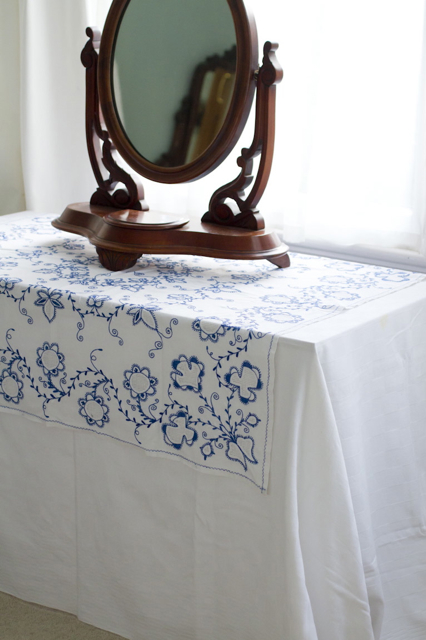
Há anos que me apetecia voltar a ter um móvel assim. Fartei-me de procurá-lo em Inglaterra e agora aqui na Nova Zelândia, mas nunca consegui encontrar o toucador perfeito (ou, quando o encontrei, estava bastante acima do meu orçamento). Ao ler o The Perfectly Imperfect Home (um livro absolutamente delicioso que recomendo vivamente), deparei-me com a solução ideal: uma simples mesa coberta de tecido e um espelho.

Para fazer a mesa, usámos um tampo de MDF e umas pernas do Ikea que tínhamos trazido na mudança. Depois de montada (o Rodrigo está a revelar-se um verdadeiro entusiasta do DIY… fartou-se de ajudar!), cobri-a com duas toalhas de mesa que já estão impróprias para consumo (cerzidas em demasiados sítios e com aquelas nódoas de humidade que são tão difíceis de tirar). O espelho foi comprado num antiquário em Woodville.

Estou toda contente porque não só tenho um toucador, como consegui pôr a uso duas toalhas que vieram das casas das nossas avós e que estavam praticamente destinadas à gaveta dos trapos.

In my room when I was a teenager there was a kidney shaped dressing table with a striped skirt and a Laura Ashley floral fabric on top. When we got married the room wasn’t large enough for two chests of drawers and a dressing table, so I used the mirror in the bathroom instead. However, a dressing table is a very nice thing indeed and I’ve been longing for one for years.

I searched high and low for a beautiful, affordable dressing table without any success (the pretty ones tend to be over my budget). And one day whilst reading The Perfectly Imperfect Home (a delightful book that I highly recommend), I found the answer: a simple table covered in fabric and a mirror.

To make the table we’ve used an inexpensive MDF board and some spare Ikea table legs we had in the garage. After putting the table together (Rodrigo was a great little helper… he shows signs of being very keen on DIY!) I covered it with two old tablecloths that were in a terrible state: darned in too many places and full of those yellow spots that are so hard to get rid of. The mirror was bought in a nice antique shop in Woodville.

I’m really happy, not only because I now have my own dressing table, but I also rescued two towels that used to belong to our grandmothers that were destined for the rag bag.


(photos: ©Constança Cabral)

Lãs + Fazendas :: Wool + Tartan

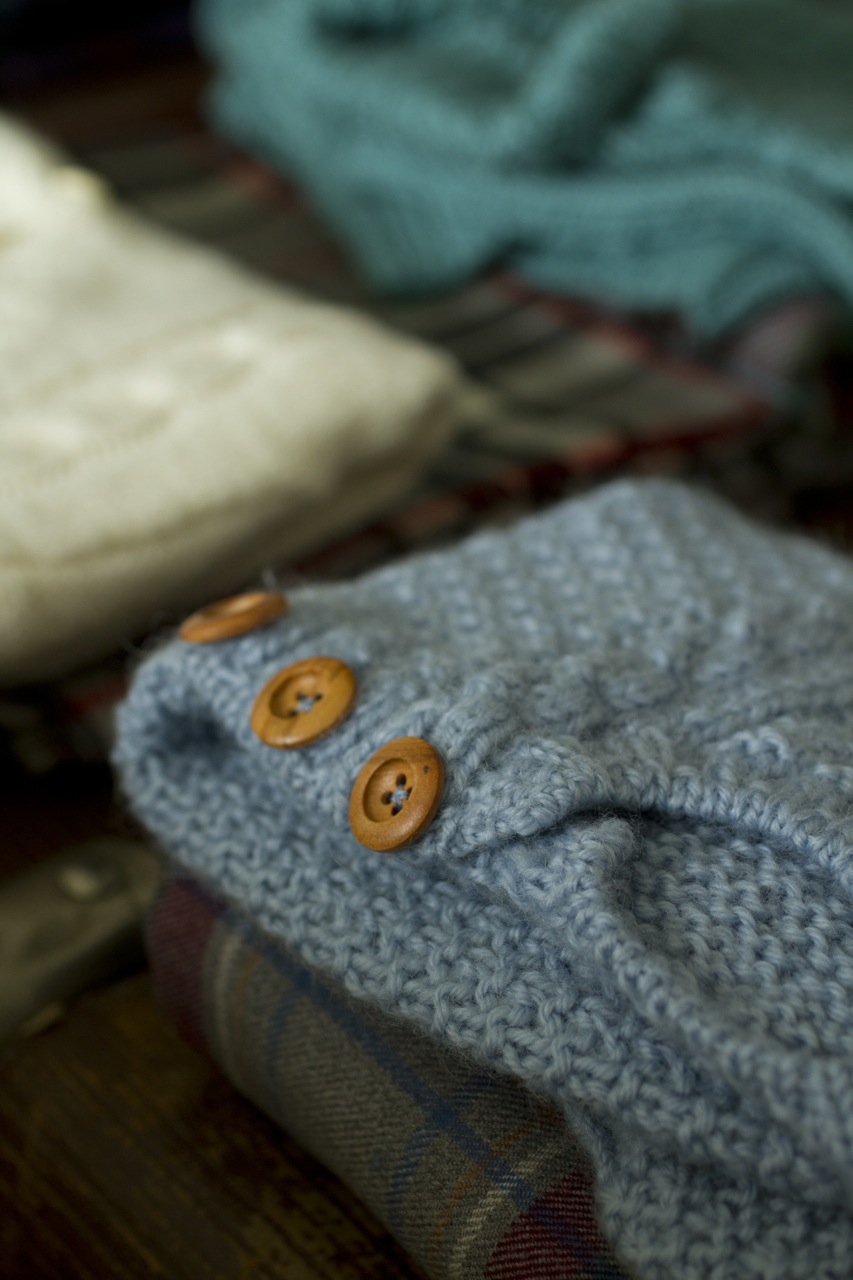
Chegou a altura do ano em que apetece começar a combinar camisolas de lã com fazendas escocesas. Quero fazer alguns macaquinhos para o Rodrigo e estive a fazer alguns ensaios preliminares para tentar perceber o que é que fica bem com o quê. Agora há que escolher o molde e começar a coser! (as camisolas e casacos que hoje mostro foram tricotados pela minha mãe, pela minha sogra e por mim; as fazendas foram todas aproveitadas de saias)
It is the time of year for starting to match wool jumpers and tartans. I want to make some rompers for Rodrigo and spent some time finding out what goes with what. Now I just have to pick a pattern and start sewing! (the jumpers and cardigans on show were hand-knitted by my mother, by my mother-in-law and by me; the tartans have come from old skirts and kilts)
(photos: Tiago Cabral)

Novos Usos :: Repurposing

“The ‘toast rack’ is a peculiarly English object. My father, who lives in America and has become somewhat American in his tastes and habits, calls it a ‘toast cooler’ and claims that its sole function is to ensure that one’s toast gets stone cold as quickly as possible. English supporters of the toast rack would argue that it keeps toast dry and crisp, that separating the slices of toast and standing them upright stops them becoming soggy, which is what happens to American toast, served piled up hugger-mugger in a humid, perspiring stack on the plate, sometimes even wrapped in a napkin to retain yet more moisture. The English would rather have their toast cool and dry than warm and damp. American toast lacks reserve and dignity: it is too sweaty and indiscreet and emotional.”
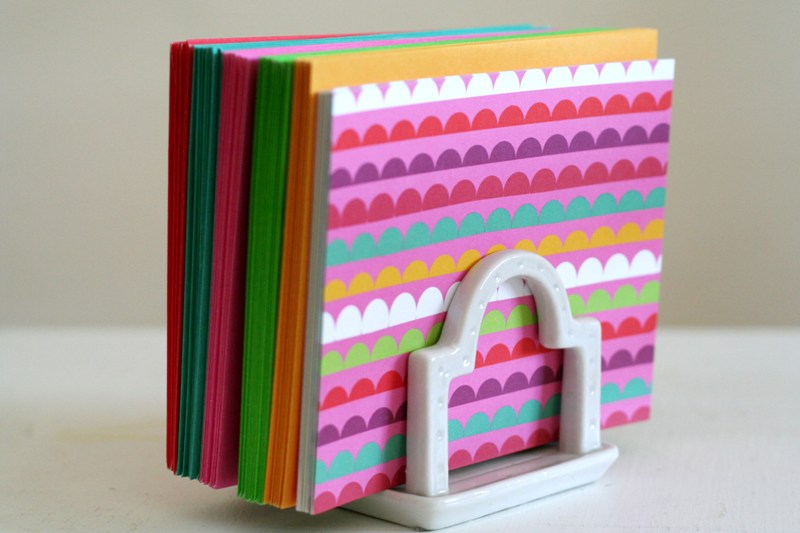
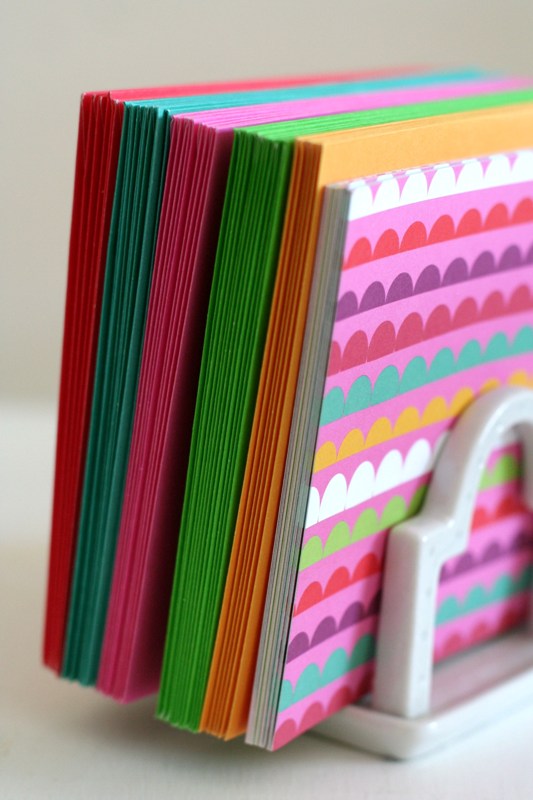
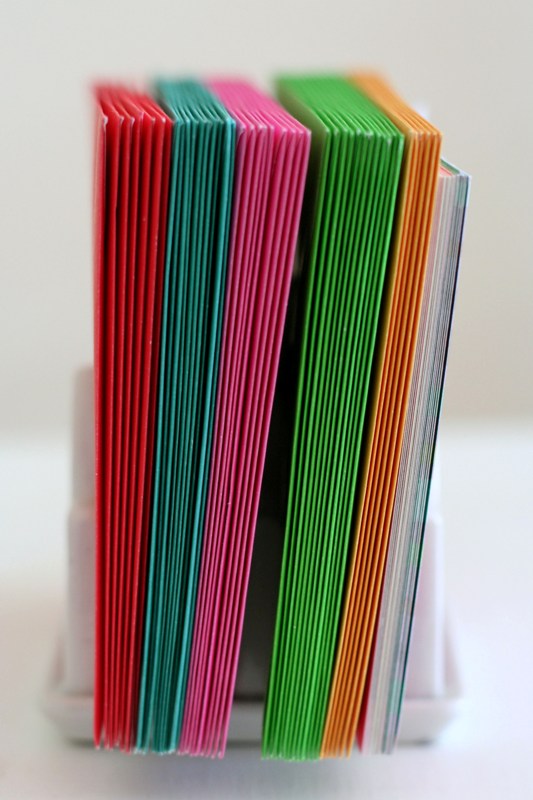
Apesar de eu comer torradas duas vezes por dia, nunca me passaria pela cabeça usar um “arrefecedor de torradas”. No entanto, são objectos engraçados que estão sempre a aparecer em feiras de velharias. Há uns tempos comprei um branco, de loiça, e uso-o para guardar envelopes e cartões de agradecimento.
(por sinal, o livro que refiro é hilariante e extremamente informativo)

Even though I eat toast twice a day, I have no use for a toast rack. However, they are eye-catching objects that regularly come up for sale at antique fairs and flea markets. A while ago I bought a white porcelain one, very pretty, and use it to sort my thank-you cards and envelopes. 
(that book is hilarious and extremely informative, by the way)

(photos: Constança Cabral)

Sacos de Alfazema :: Lavender Bags

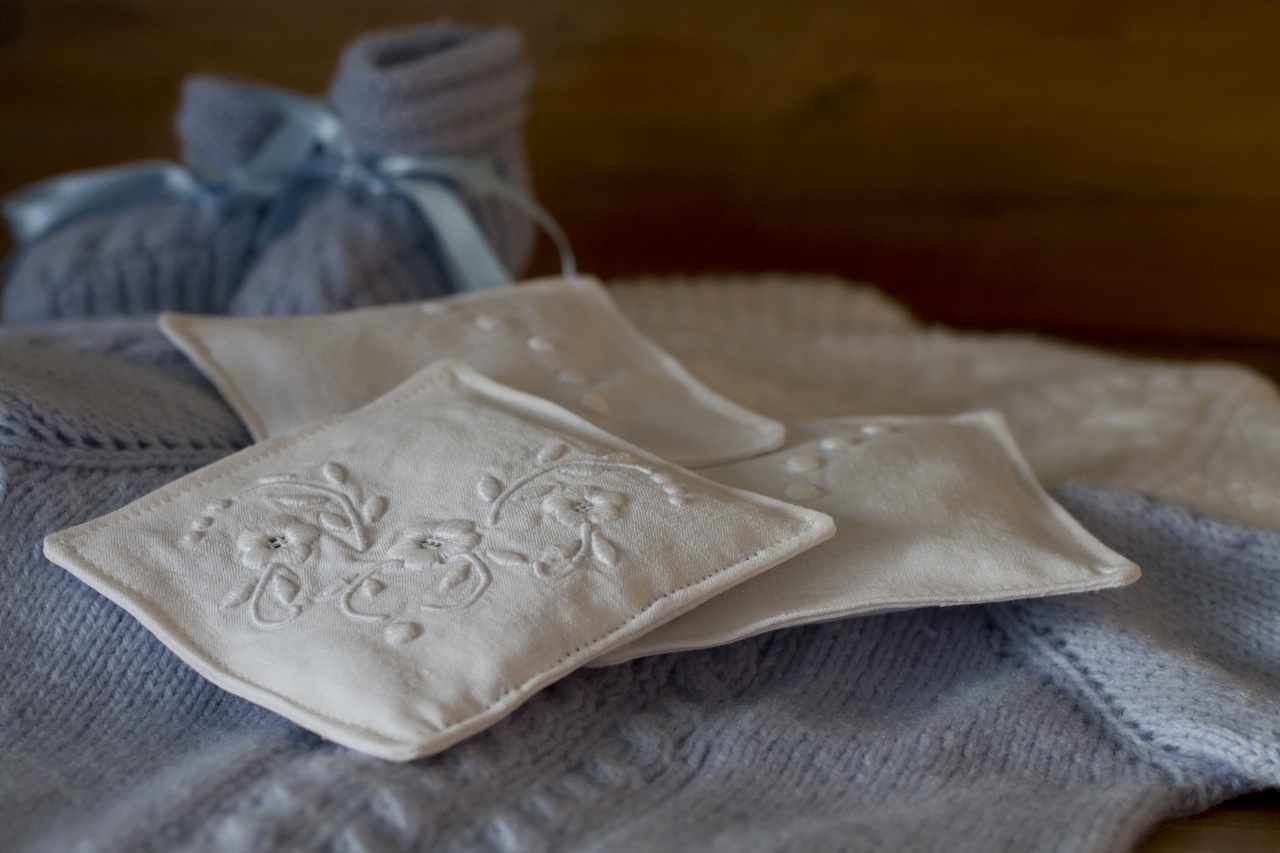
Saudosismos à parte, há certas coisas que nunca deveriam passar de moda. Gavetas a cheirar a alfazema, por exemplo, são algo tão delicioso, tão intemporal e tão simples de alcançar. Todos nós, mesmo aqueles que nunca pregaram um botão na vida, temos restos de tecidos em casa: roupa que passou de moda ou que já não serve, écharpes de seda com vestígios de traças, lenços de assoar bordados que já ninguém usa, fronhas que já não cabem nas almofadas de hoje em dia, lençóis das avós que são demasiado curtos para as camas contemporâneas. Vamos transformá-los em algo útil e agradável, então!
(estes sacos são aproveitamentos dos restos destes lençóis e vão perfumar as gavetas da cómoda do bebé — os tricots, esses foram feitos pela minha sogra)

Certain things should never get out of fashion. Lavender scented drawers, for instance, are so timeless, so lovely and so simple to achieve. Everyone, even those amongst us who have never sewn a button in their lives, have bits of fabric lying around in their homes: clothes that are outdated or that no longer fit, silk scarves with moth damage, embroidered handkerchiefs that no-one uses anymore, old pillow cases and sheets that are too small for today’s pillows and beds. Why not turn them into something useful and nice, then?


(these lavender bags have been made with leftovers from these sheets and are destined for the baby’s chest of drawers — the hand-knits are my mother-in-law’s work)

(photos: Tiago Cabral)

Alcofa :: Moses Basket

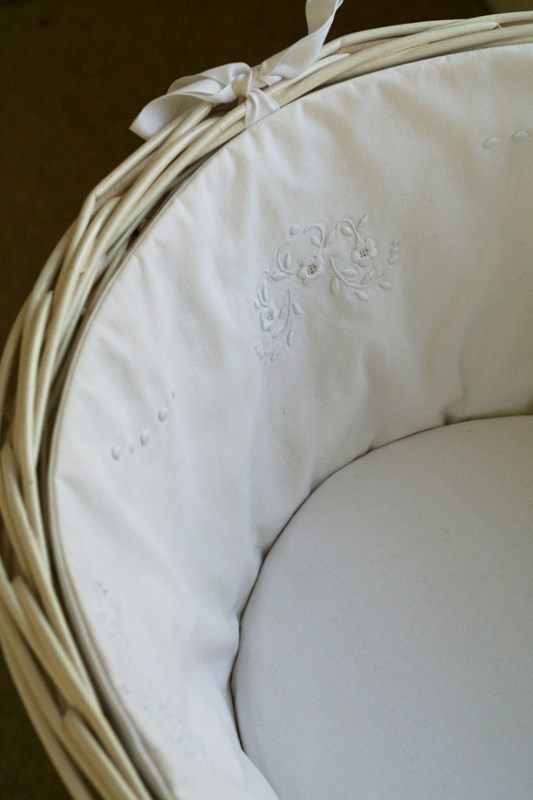
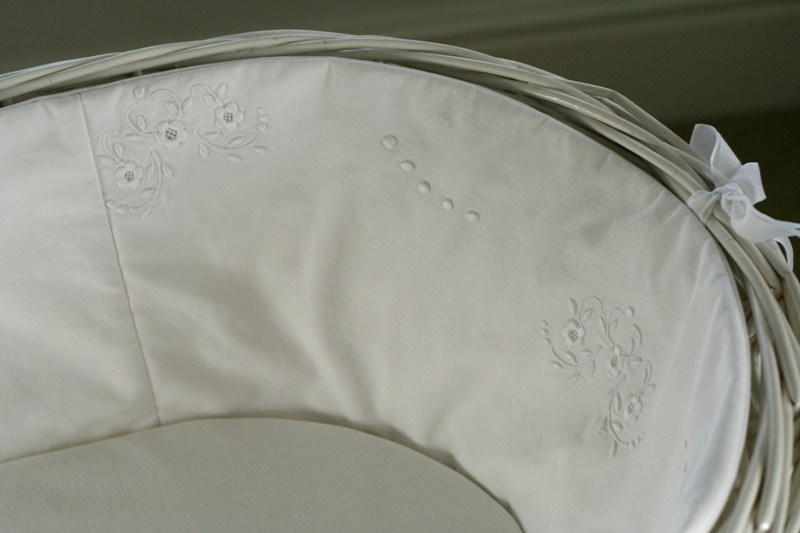
Finalmente forrei a alcofa! Utilizei um dos lençóis antigos que vieram de casa dos meus avós paternos e no meio incluí uma camada daquele enchimento de algodão que utilizo para os quilts. Também fiz um lençol de baixo com elástico e, como quero fazer mais dois, estou a pensar fotografar o processo para o partilhar aqui convosco (é mesmo muito fácil e tão mais prático do um lençol normal).

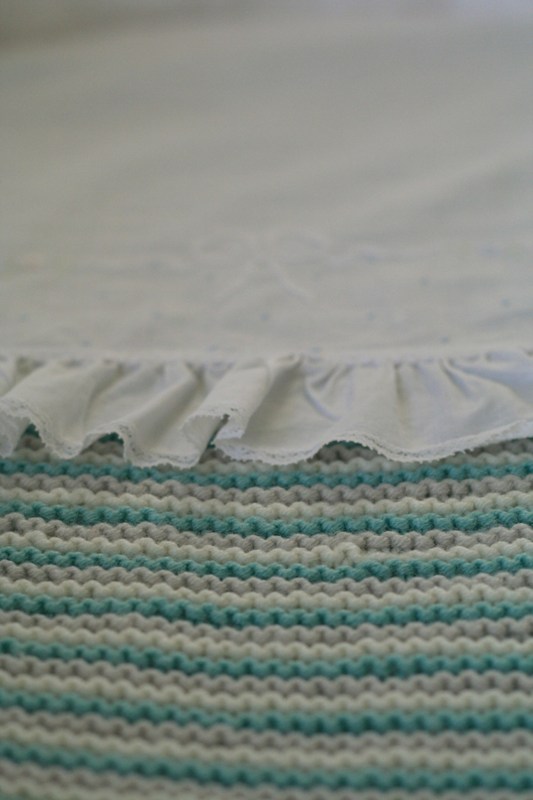
Aproveitei para fazer a cama com um lençol de cima que foi da minha mãe quando era bebé e com uma manta em tricot (esta mais recente e feita a quatro mãos pela minha avó e pela minha mãe) — o modelo vem neste livro e a lã é esta.

I’ve finally lined the moses basket! To make the cover I used one of those old sheets that came from my paternal grandparents’ house and a layer of cotton wadding. I’ve also sewed a fitted sheet and, since I want to make two more, I’m thinking of photographing the process so I can share it with you (it’s so simple and much more practical than a regular sheet).


I made the bed with a lovely sheet that belonged to my mother when she was a baby and a hand-knitted blanket (recently made by both my grandmother and my mother) — the pattern came from this book and the yarn is this one.


(photos: Constança Cabral)
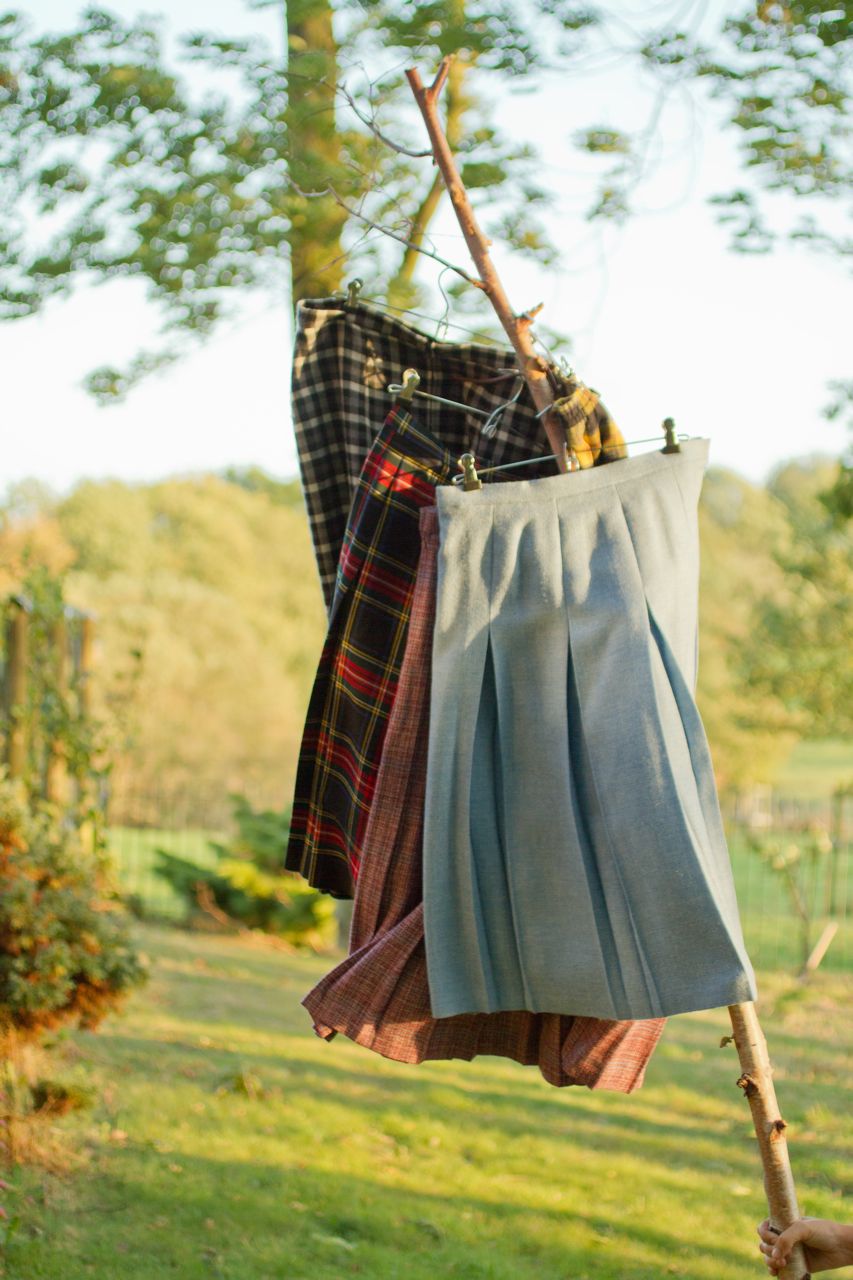
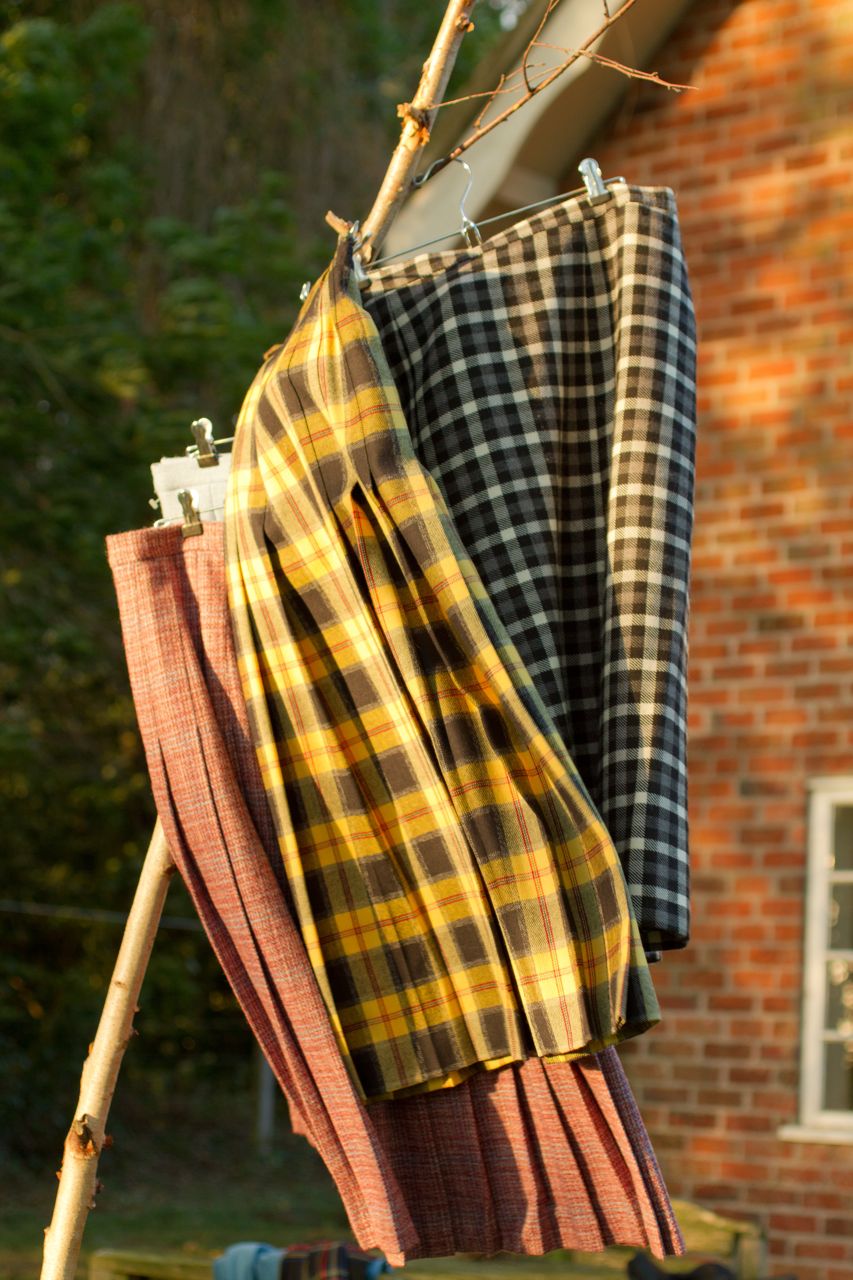
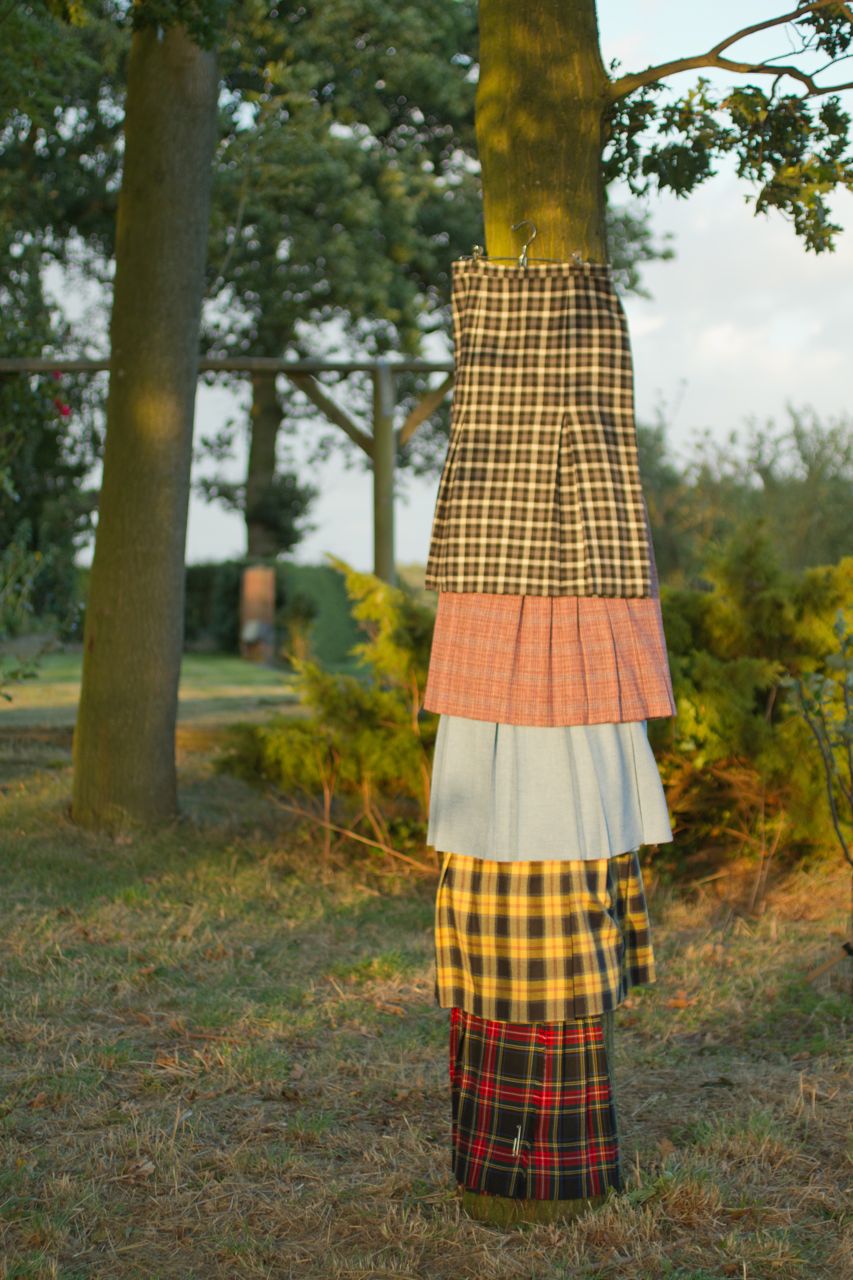
Kilts = Fabric

Estou toda contente porque agora que o Outono chegou, as lojas de caridade voltaram a ter stock de Inverno — o que significa saias e casacos de fazendas em pura lã, excelentes para desmanchar e reaproveitar! 
I’m thrilled because now that autumn is here, charity shops have winter clothes back in stock — which means pure wool skirts and jackets, ripe with potential to be taken apart and re-used for something else!

(photos: Tiago Cabral)

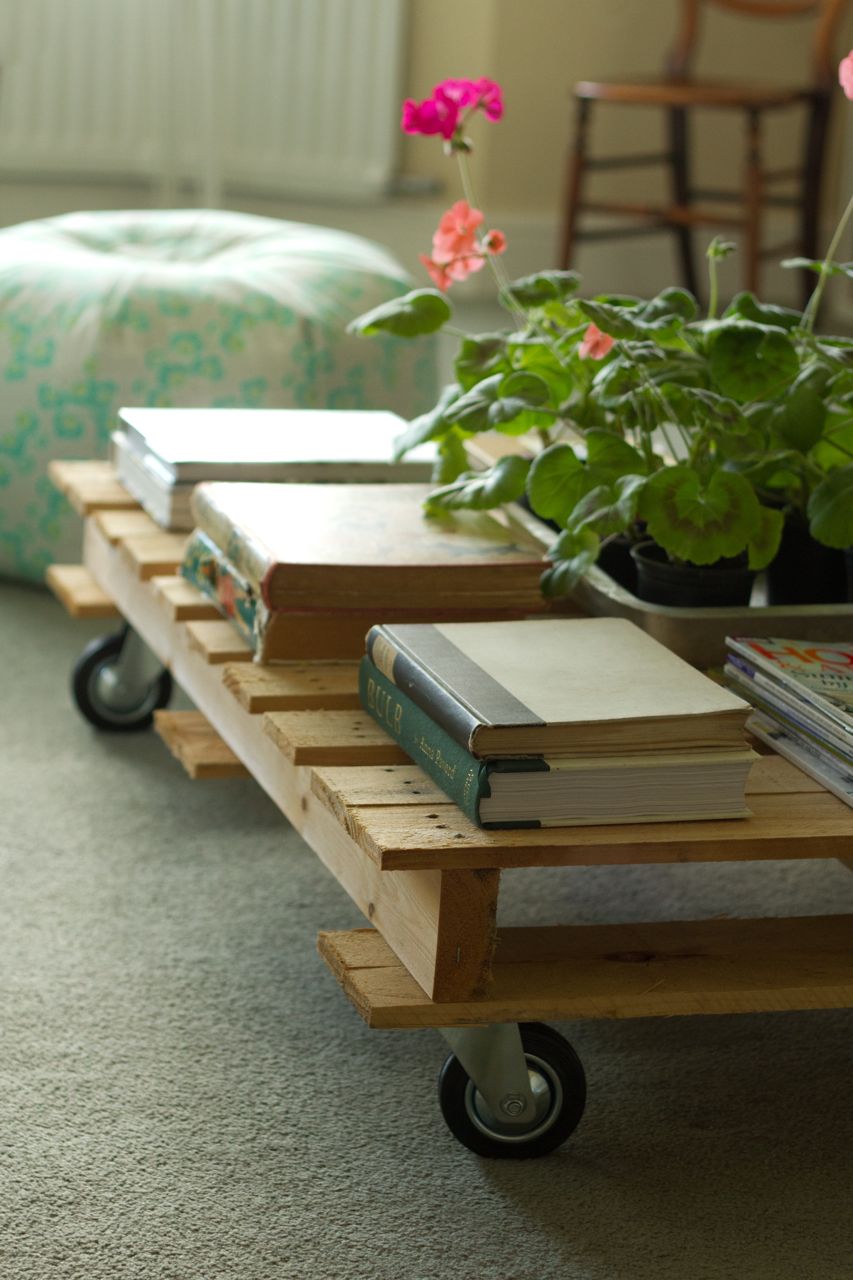
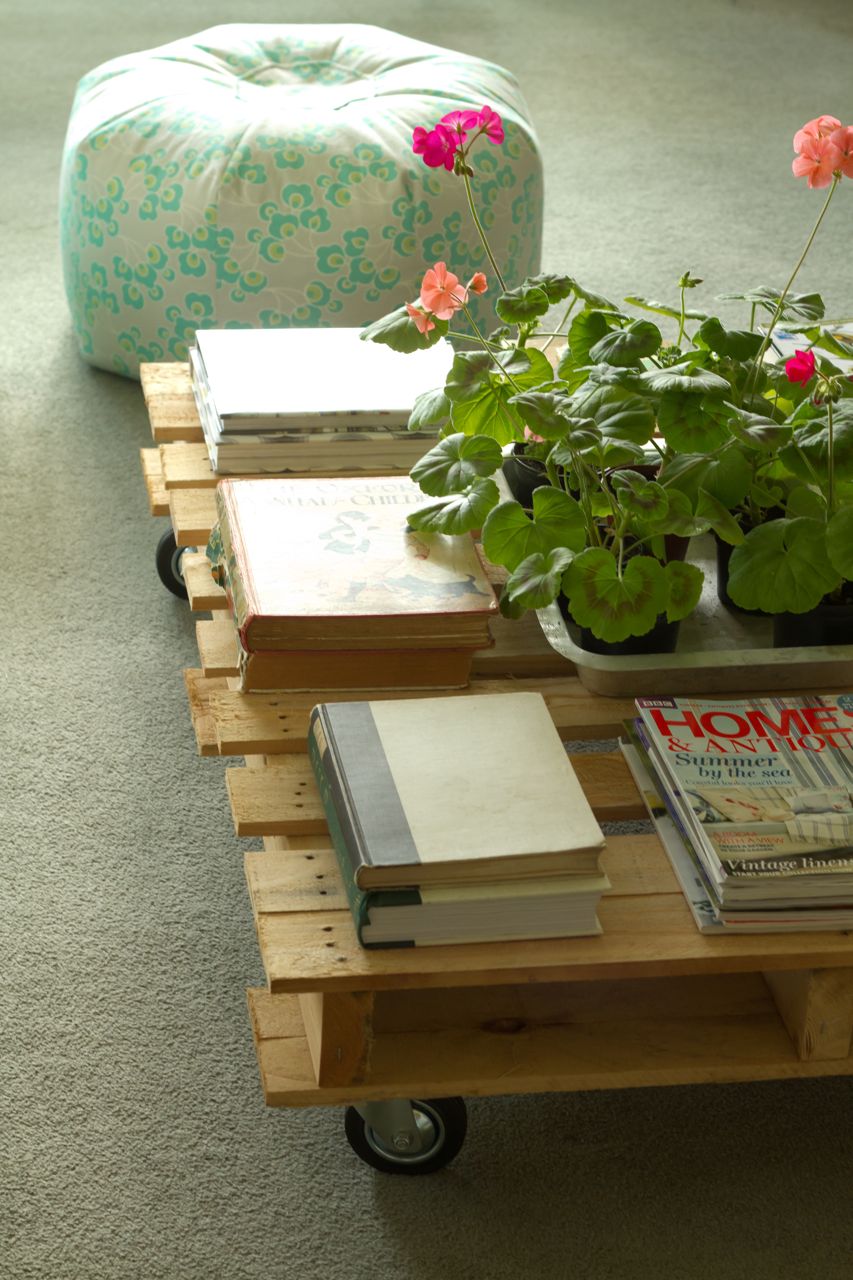
De Palette a Mesa de Café :: From Pallet to Coffee Table

Como transformar uma palette numa mesa de café:
1. ir buscar uma palette ao lixo (escolher uma em bom estado);
2. esfregá-la com uma solução de água e lixívia;
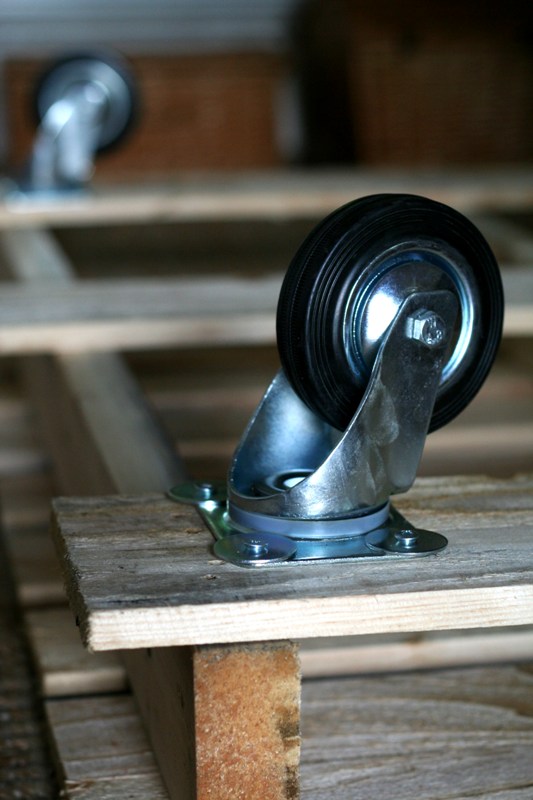
3. comprar quatro grandes rodas (as maiores que forem vendidas no armazém de bricolage) e aparafusá-las à parte de baixo da palette, uma em cada canto;
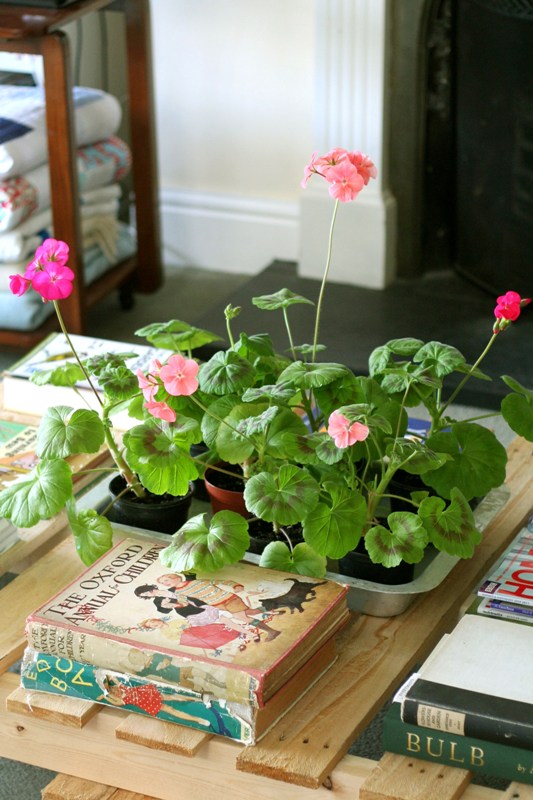
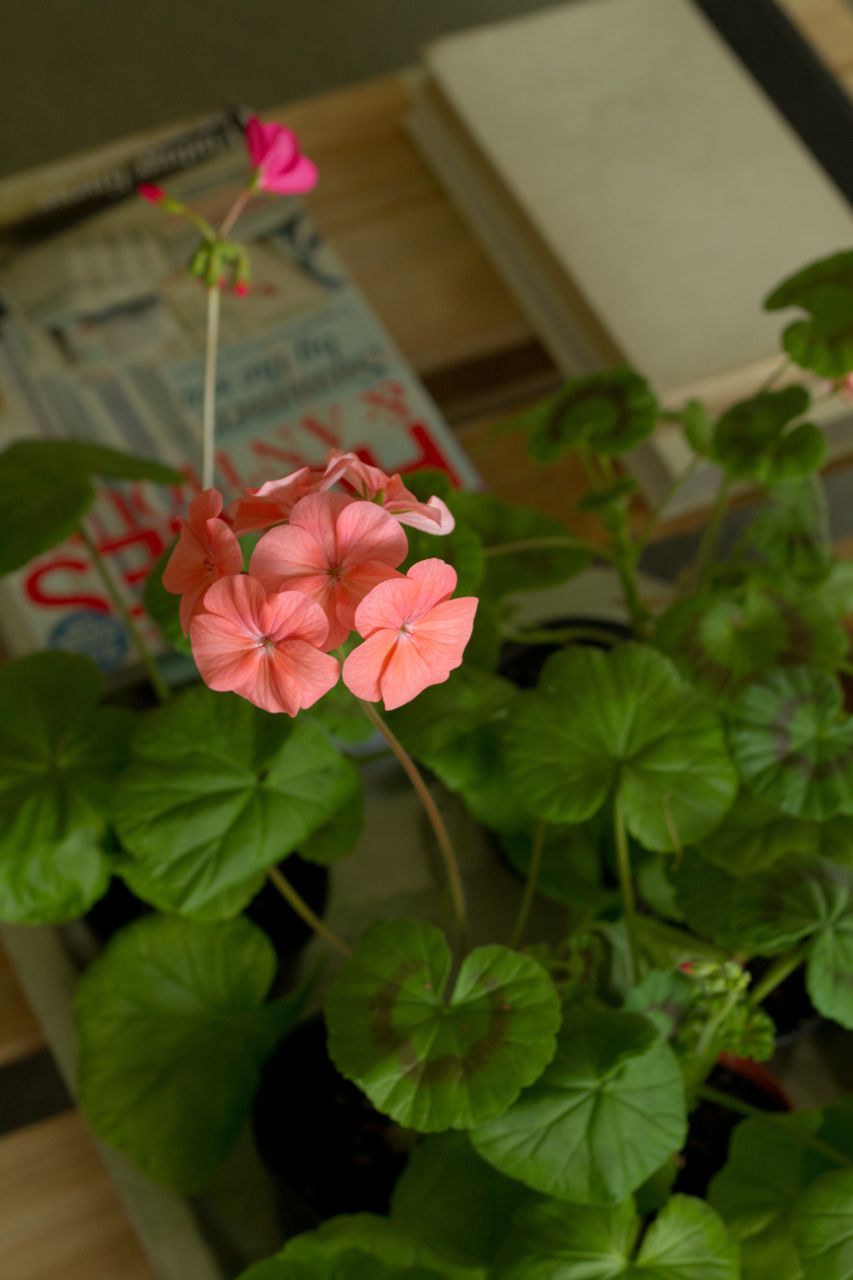
4. colocar a mesa à frente do sofá e enchê-la de livros, revistas e flores (estou tão orgulhosa das minhas sardinheiras!).
How to turn a pallet into a coffee table:

1. find a nice looking pallet near some waste bins;

2. wash it thoroughly with water and bleach;

3. buy four castor wheels (choose the largest ones your local diy shop sells) and screw them under the pallet, one on each corner;

4. place the table in front of your sofa and fill it with books, magazines and flowers (I’m so proud of my pelargoniums!).

(photos: 2, 3, 5- Tiago Cabral; 1, 4- Constança Cabral)
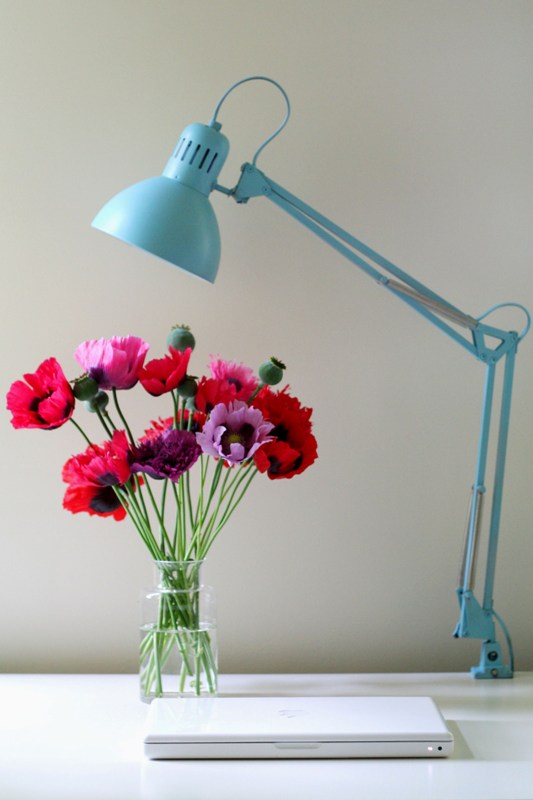
Pintar um Candeeiro :: Painting a Desk Lamp


No escritório temos três candeeiros Tertial do Ikea que, se bem que práticos, têm pouca graça. Há muito tempo que queria pintá-los de azul e ontem o Tiago realizou esse meu desejo (ele tem muito mais jeito do que eu para pintar com spray). Agora só tenho de fazer uns cortinados a condizer!
In the study we’ve got three Tertial lamps from Ikea — although very effective, I’ve always felt they were a bit bland. I’ve been meaning to paint them blue for long and yesterday Tiago made my wish come true (he’s just so much better that me when it comes to spray painting). Now all I need to do is sew some complementing blinds!
 
(photos: 1, 3 – Constança Cabral; 2- Tiago Cabral)

Pacotes de Sementes :: Seed Packets


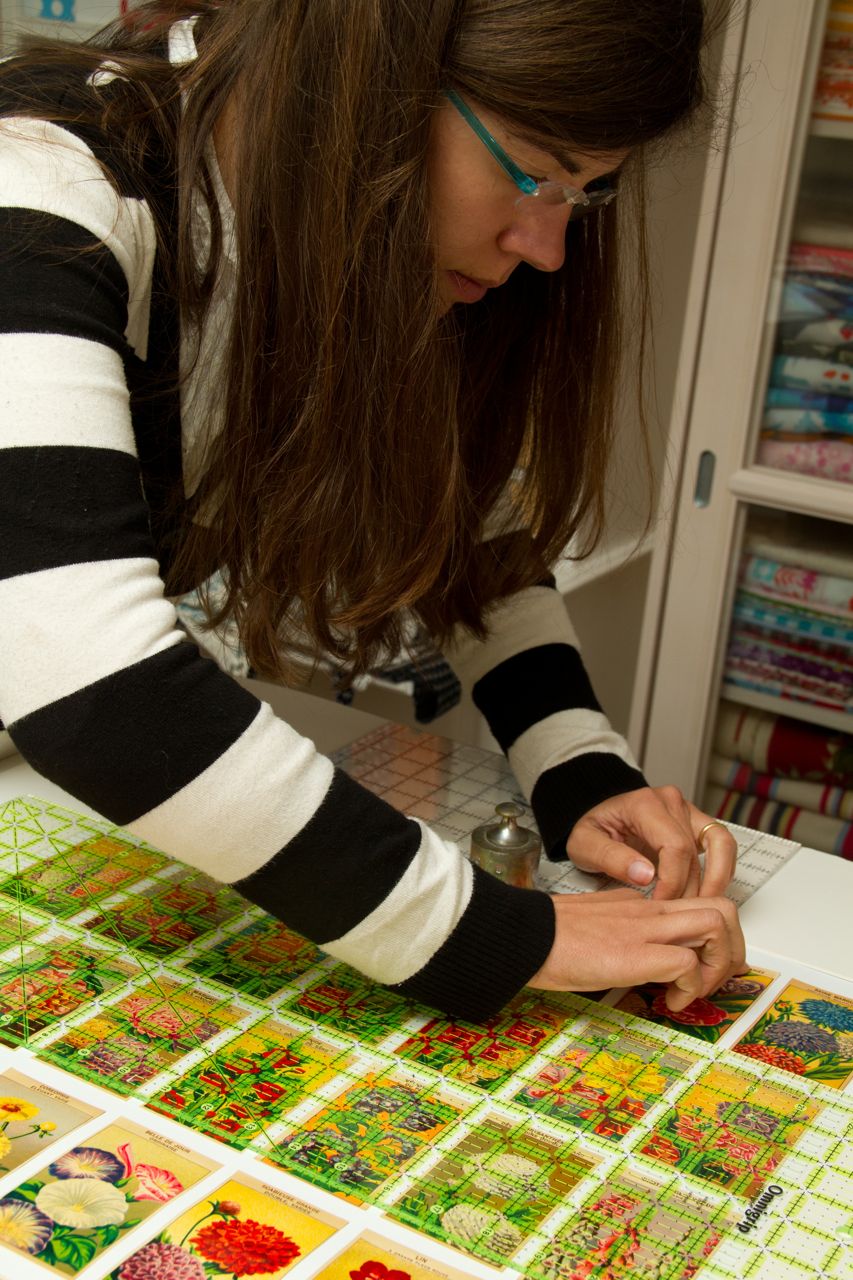
Há uns tempos comprei vários conjuntos de etiquetas francesas para pacotes de sementes. Estas etiquetas, produzidas nos anos 20, nunca chegaram a ser usadas; no entanto, apesar de terem 90 anos, estão novas. As cores são vibrantes e os desenhos muito engraçados. Lembrei-me de dividi-las entre flores e legumes e com elas fazer dois grandes quadros para a nossa casa-de-jantar (cujo tema é assumidamente botânico). Ao dispô-las e colá-las senti-me a fazer uma nova colecção de cromos.
A while ago I bought several sets of vintage French seed packet labels. These labels were produced in the 1920s but were never used and despite being 90 years old, they are in excellent condition. The colours are vibrant and the illustrations charming. I thought I’d divide them into two categories — flowers and vegetables — and use them to make two large wall hangings for our dining room (whose theme is undoubtedly botanical). While I was laying them out and glueing them, I felt again like a child with a new collection of trading cards.
(photos: 1-6: Tiago Cabral; 7- Constança Cabral)

Lojas de Caridade :: Charity Shops

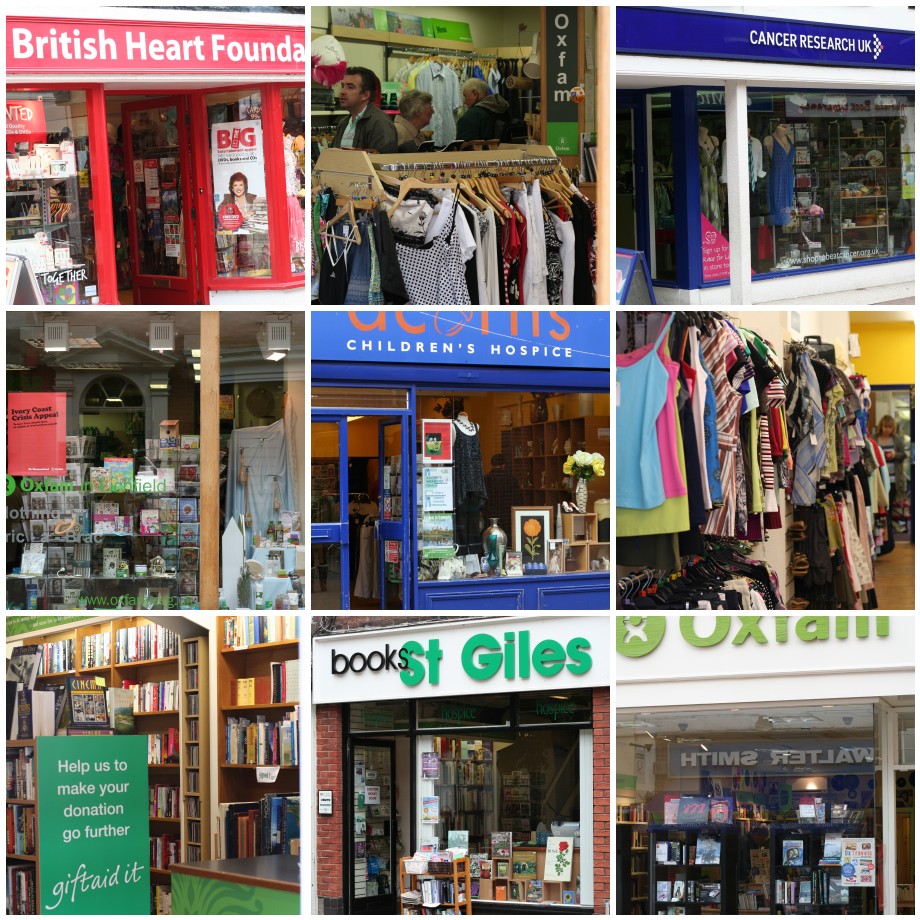
Falo muito em lojas de caridade e já várias pessoas me pediram para escrever sobre o assunto. As lojas de caridade que frequento aqui em Inglaterra são espaços comerciais geridos por uma instituição de caridade (há dúzias e dúzias de obras de caridade diferentes), que vendem produtos em segunda mão e onde trabalham voluntários. São lojas em ruas normais (não pensem que se localizam em becos escondidos), onde se encontra tudo desde roupa, sapatos, livros, loiças, brinquedos, tecidos… tudo a preços baratíssimos. Algumas lojas tambem vendem móveis e outras são especializadas num só produto (as minhas preferidas são as livrarias). Vivem de doações, usufruem de muitos benefícios fiscais e todo o lucro vai para a obra de caridade a que a loja pertence. A meu ver, são instituições extraordinárias porque todas as entidades envolvidas ganham com elas. O cidadão comum tem um sítio onde deixar aquilo que já não quer ou de que já não precisa, em vez de deitar tudo para o lixo; os clientes das lojas de caridade têm acesso a uma panóplia enorme de coisas, desde roupa da estação passada até loiça com mais de 50 anos, passando por livros, discos, etc.; as obras de caridade têm rendimentos alternativos às doações em dinheiro (mais informações aqui).
I keep mentioning charity shops and several people have asked me to write about them. The charity shops I frequent here in England are retail outlets run by parent charities (there are dozens and dozens of them) that sell second-hand goods and that are staffed by volunteers. Most of them are located in the high street and there you’ll find things like clothes, shoes, books, crockery, toys, fabrics… all sold very cheaply. Some shops also sell furniture and others are specialised in particular products (my favourite ones are charity bookshops). Almost all stock is donated, they get various tax concessions and the profit goes to the parent charity. As far as I’m concerned, they are quite extraordinary because everyone involved wins something. The average person has a place to leave their unwanted things instead of throwing them away; the customers have access to a myriad of things like last season’s clothes, 50-year-old crockery, books, music, etc.; charities have an alternative revenue stream to money donations (more information here).
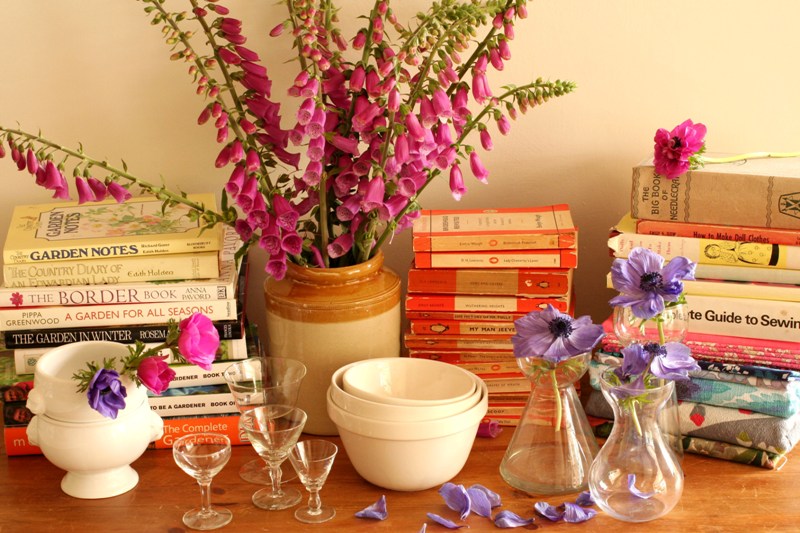
Como é óbvio, estas lojas estão repletas de tralha. Mas, se uma pessoa for atenta e persistente, consegue lá descobrir muitos tesouros. Tudo depende da paciência e dos interesses de cada um. Eu, por exemplo, quando entro nestas lojas vou directa aos livros, depois espreito as loiças e a roupa de corpo e de casa (sempre em busca de tecidos bons). Por vezes é entrada por saída, mas em certas dias posso passar horas a folhear livros (sempre arrumados por temas). Tudo o que aparece na imagem aqui em cima veio de lojas de caridade, incluindo a mesa, e é uma boa amostra daquilo que me interessa. Há quem goste de comprar roupa, chávenas de chá, puzzles, chapéus…
Of course these shops are full of junk. But there are also treasures to be found, provided that you are attentive and persistent. It all depends of one’s patience and interests. Take me, for example: when I enter these shops I go straight to the bookshelves, then I take a look at the bric-à-brac section and I browse the clothes and household rails (always in search of good fabrics). Sometimes it only takes me two minutes but on certain days I can spend hours looking at books (always sorted out by themes). Everything in the picture above has come from charity shops, table included, and is a good sample of which things interest me. Some people enjoy buying clothes, teacups, puzzles, hats…
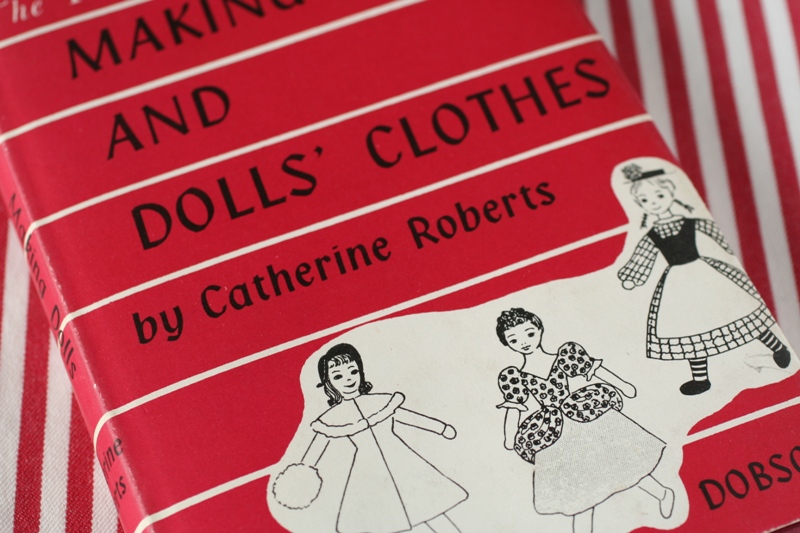
E como quero que tirem algum proveito destas minhas incursões, comprei um livro para sortear. O título é The Real Book of Making Dolls and Dolls’ Clothes e foi publicado em 1959. O sorteio estará aberto até domingo; para participar, basta deixar um comentário a este post.
And because I want you to benefit from my excursions, I bought this book to give away. The title is ‘The Real Book of Making Dolls and Dolls’ Clothes’ and it was published in 1959. To enter the giveaway just leave a comment below; I’ll draw a winner next Sunday.
(photos: Constança Cabral)