O Melhor do Meu Dia :: The Best of My Day

O objectivo deste meu blog tem sido, desde cedo, focar-me no melhor dos meus dias e motivar-me a fazer mais e melhor. Há alturas em que mostro mais flores, outras mais costura, mais bolos, mais Rodrigo. Por vezes não mostro nada — ou porque estou cansada, ou porque estou a processar uma grande mudança (nestes últimos anos tem havido muitas mudanças), ou porque estou cheia de vazio. 
O que é certo e que só temos uma vida e não sabemos quanto tempo andaremos por cá… por isso mais vale fazer força para registar (e celebrar) os momentos bons.
A Catarina e a Ana acabam de lançar um repto — que já se tornou movimento — intitulado “o melhor do meu dia“:
No final do dia, antes de fechar os olhos e ceder ao cansaço, fazemos um exercício: escolher o melhor do nosso dia. Fazemos as pazes com o que correu mal, aceitamos as respostas que ainda precisam de tempo, acalmamos os medos e as angústias e guardamos apenas o melhor. Podem ser horas de festa ou apenas um instante de silêncio.
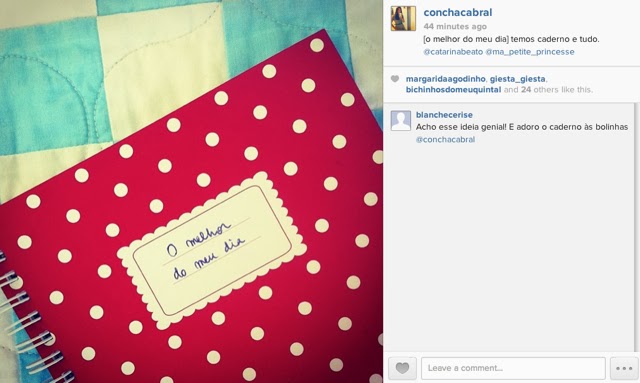
Eu aderi imediatamente. Para além de mostrar estes instantes no Instagram, arranjei um caderno onde, à noite, o Tiago e eu escrevemos os pontos altos dos nossos dias. 
Vamos todos participar?
Early on, the main goal of this blog has been to focus on the best of my days and to motivate me to make more and make better. There are times when I show you lots of flowers, other times it’s sewing, or cakes, or Rodrigo. Sometimes I show nothing — either because I’m tired, or I’m processing a big change (these past few years have brought me a lot of changes), or because I’m full of emptiness.

The thing is, we’ve only got one life and we don’t know how long we’ll be around… so we might as well try and register (and celebrate) the good moments.

Catarina e a Ana are two Portuguese bloggers that I love and they’ve recently come up with a challenge called “the best of my day”. I immediately joined: I’m sharing my moments on Instagram and Tiago and I got a little notebook where we write the best of our days before going to sleep.

Will you join us?

Em Ponto Pequeno :: Small Scale Objects

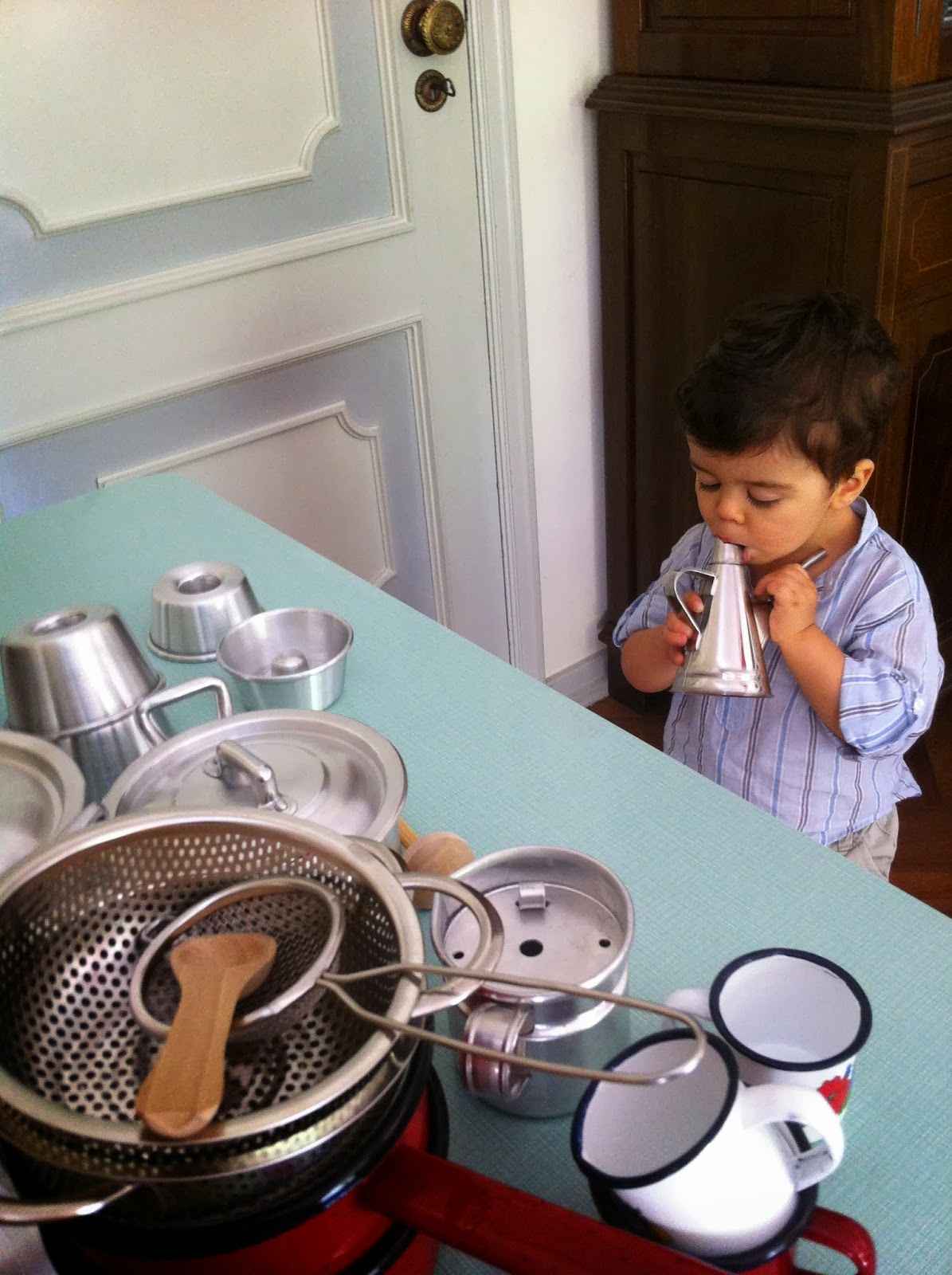
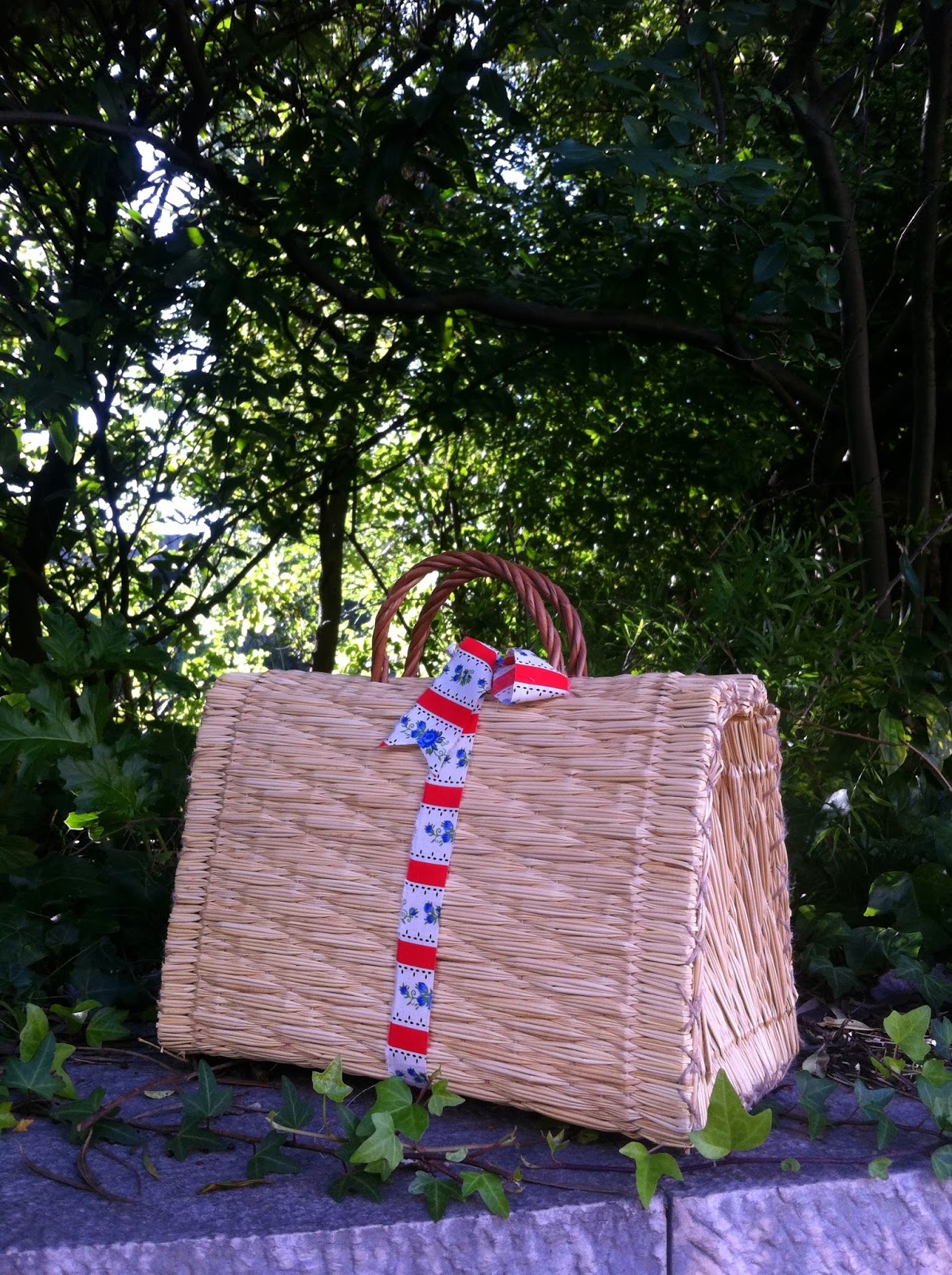
Desde pequena que gosto de brinquedos que funcionam mesmo. Ferros que aquecem, aspiradores que trabalham, e por aí fora (alguns potencialmente perigosos, é verdade). No fundo, o que eu gosto é de objectos em ponto pequeno. Em casa da minha avó havia (há) um mini tanque da roupa, uma mini tábua de engomar, um mini ferro eléctrico, um mini serviço de chá da Vista Alegre — tudo coisas que fizeram as delícias das gerações mais velhas e nas quais ainda gosto de mexer, confesso. Quando, no Verão, ia com a minha avó à lota de Sesimbra, levava a minha própria alcofinha (igual à alcofa da minha avó, mas pequena) e a senhora do peixe punha lá dentro um linguado para mim, que eu transportava toda orgulhosa até casa.
Agora que estou em Portugal, tenho batido todas as feiras, drogarias e lojas de artigos de cozinha em busca de miniaturas. Quanto mais toscas e saloias, melhor. Tachos de esmalte, panelas de alumínio, uma almotolia igual à que temos na nossa cozinha, fervedor de leite, cafeteira, passadores… só a tábua e o rolo da massa é que são brinquedos, tudo o resto é mesmo a sério. 
Já juntei uma bela colecção, que foi dividida entre o Rodrigo e as primas gémeas que acabaram de fazer 1 ano. As gémeas receberam os seus utensílios dentro da alcofa de palha. Não acham que foi um presente giro?

Ever since I was a child I’ve enjoyed real working toys. Irons that get hot, vacuum cleaners that work,  and so on (potentially dangerous, I know). I’ve now realised that I truly enjoy small scale objects. At my grandmother’s there’s a mini washing tub, a mini ironing board, a mini electric iron, a mini porcelain tea set — things that have been played with for decades and which still fascinate me. During the summer holidays I used to go along with my granny to the fish market and I’d carry a basket similar my granny’s, only smaller, and the fish lady would place a little sole inside it. That used to make my day!

Now that I’m in Portugal I’ve been searching through every market, old grocery stall and kitchen shop for little kitchen objects. The simpler, the better. Enamel pots, aluminum pans, a traditional olive oil container just like the one we’ve got in our kitchen, an old fashioned milk boiler, a coffee maker, a couple of strainers… only  the wooden board and dough roller are meant to be toys — everything else is “for real”.

I’ve amassed quite a collection, which has been divided between Rodrigo and his twin cousins who’ve just turned one. The twins got their kitchen kit inside that basket in the last picture. Don’t you think it was a nice present?

(photos: © Constança Cabral)

Avós :: Grannies

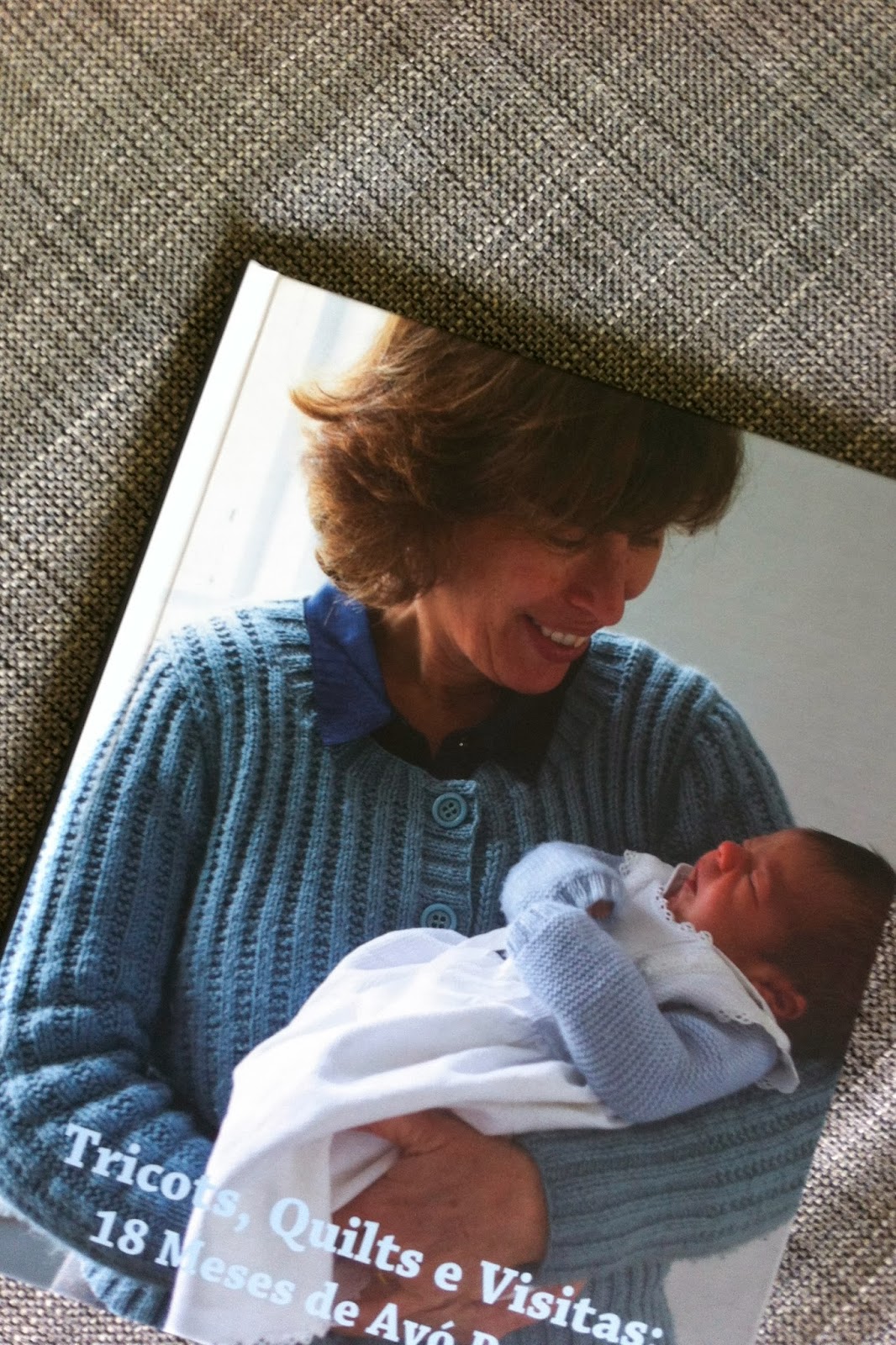
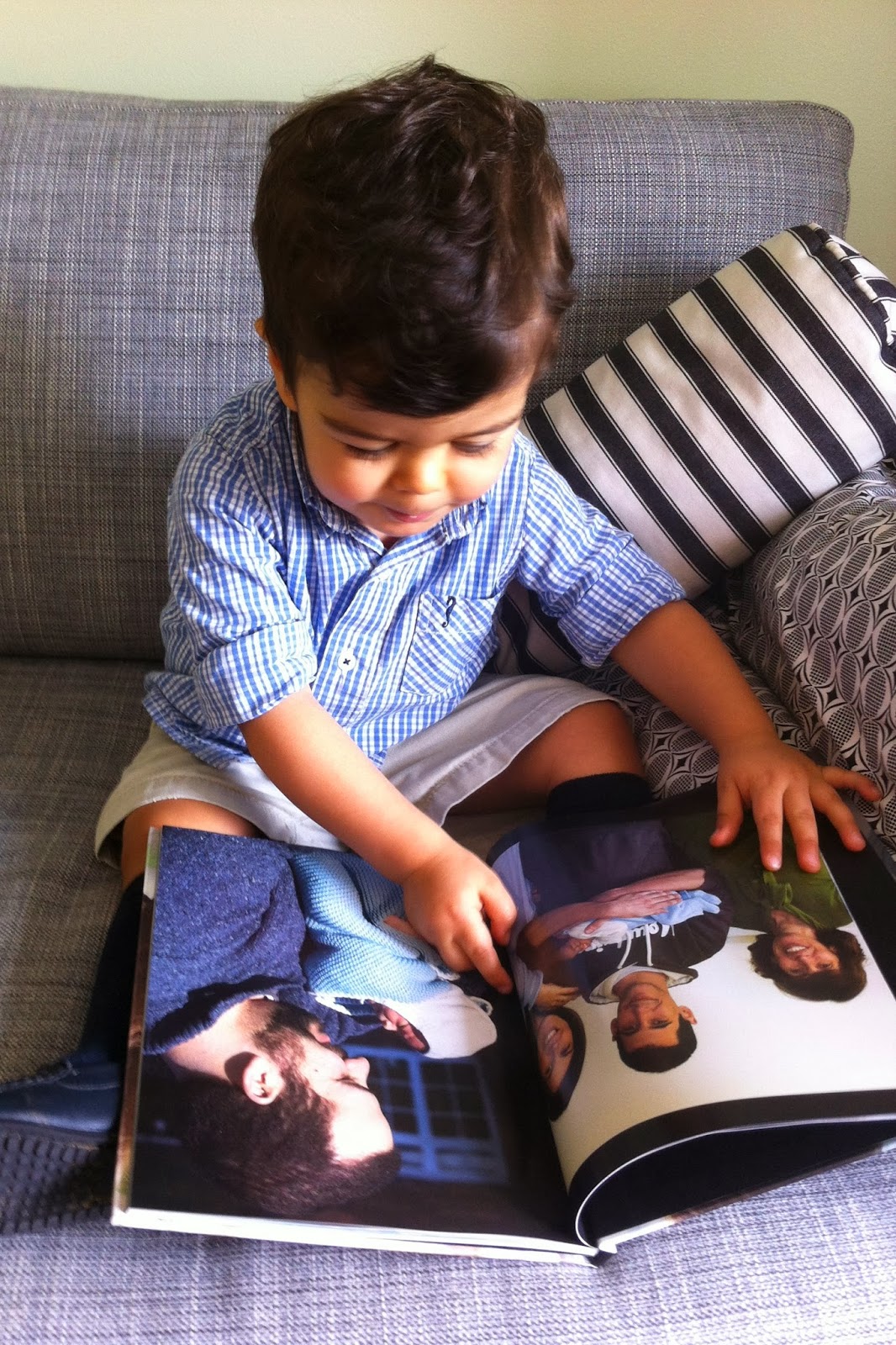
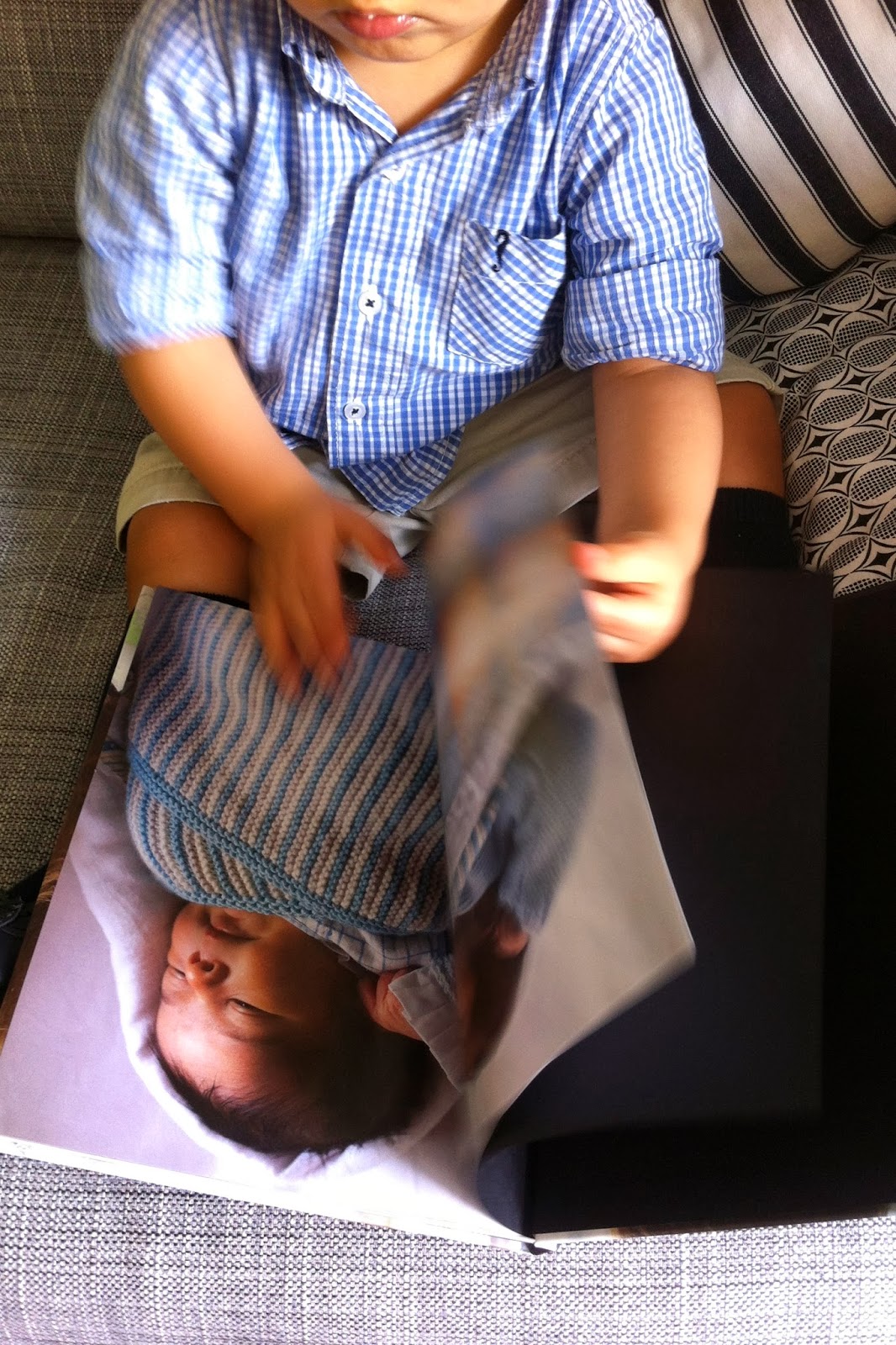
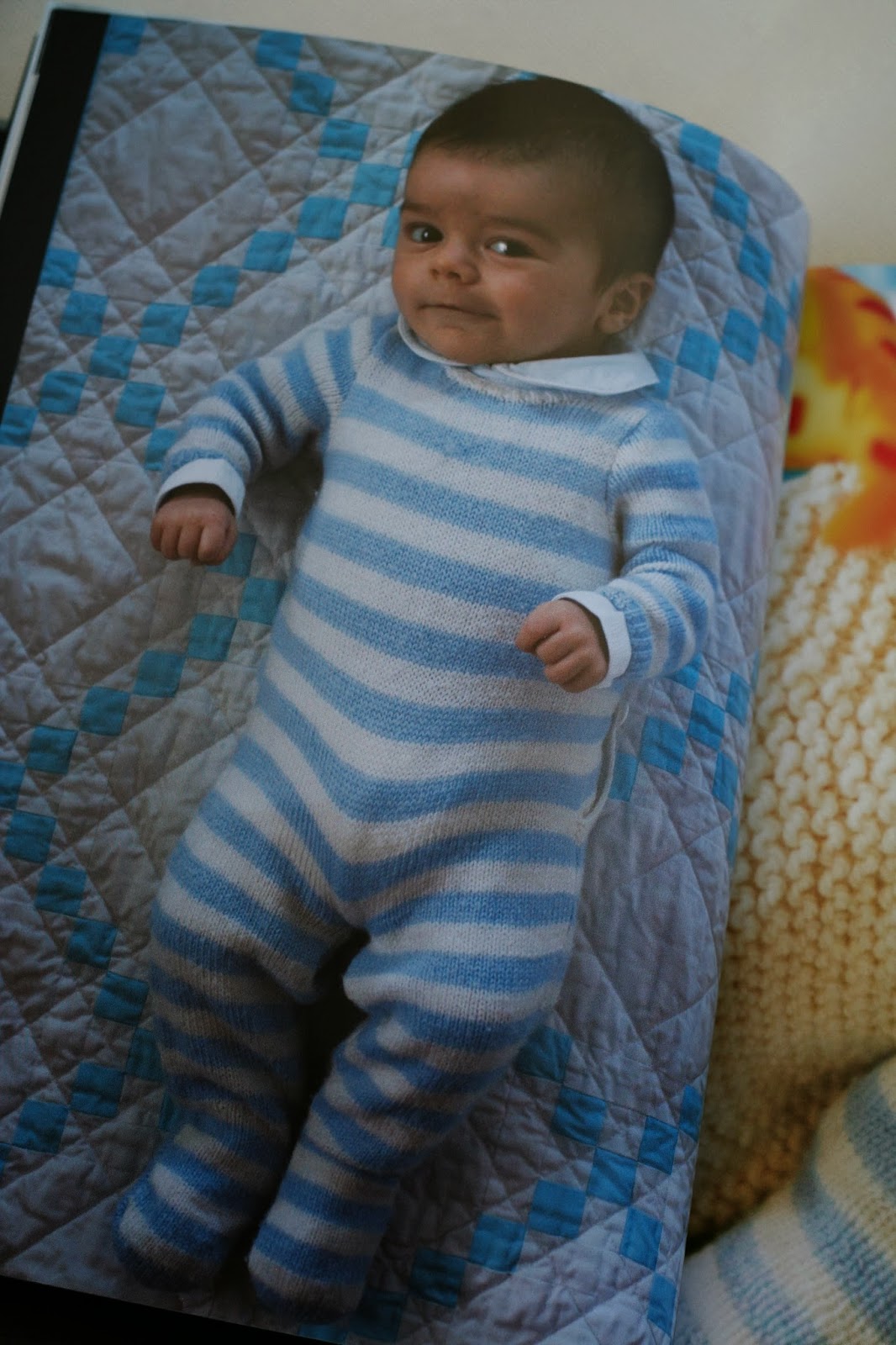
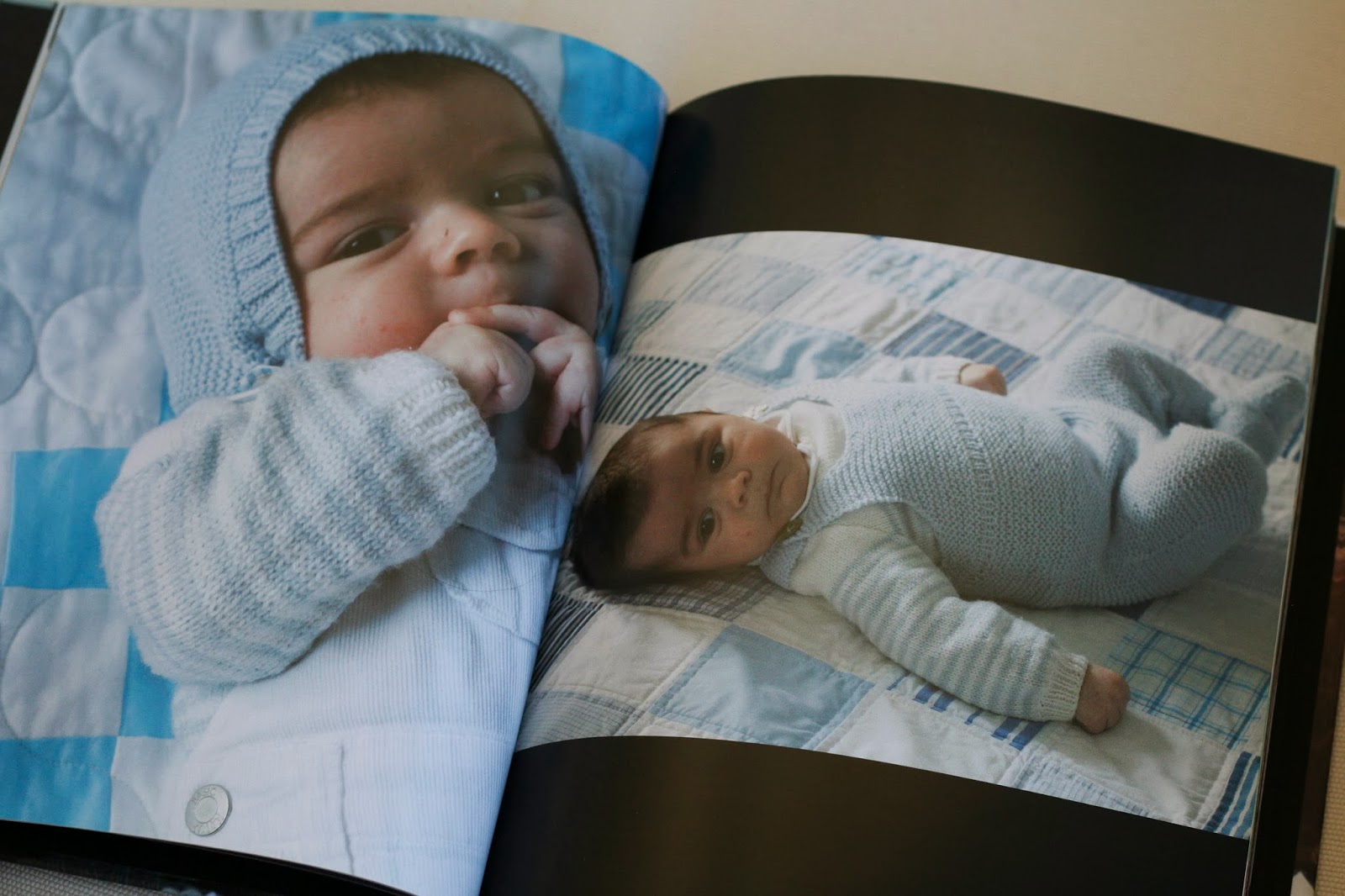
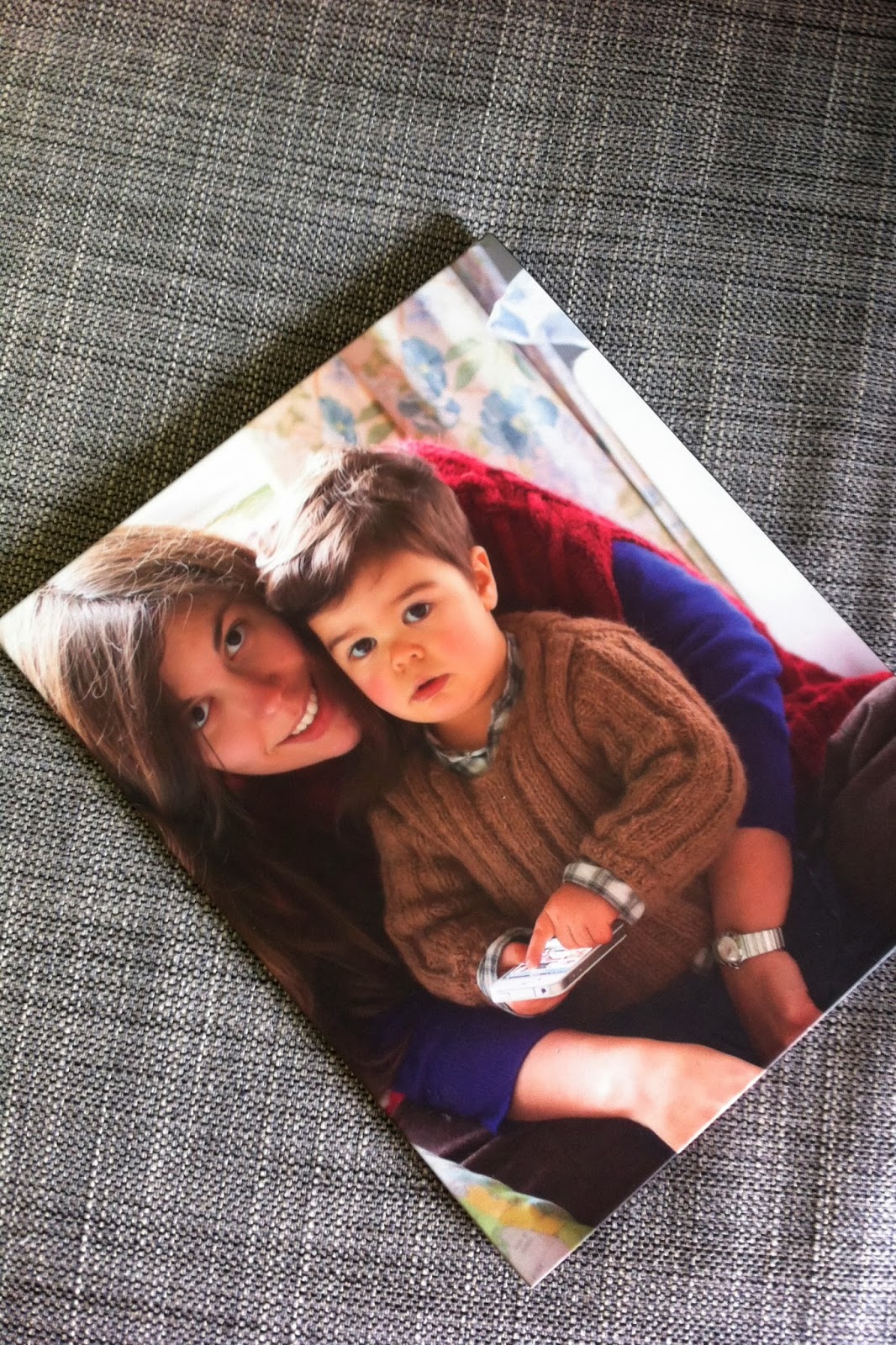
O Rodrigo tem a sorte de ter duas avós que têm feito muitas coisas para ele: camisolas, mantas, toucas, botas, enfim. Avós prendadas e avós generosas. Logo nos primeiros meses de vida dele comecei a pensar que teria de encontrar uma maneira de agradecer tantas horas passadas a tricotar e a coser para a criatura. E um dia tive uma ideia: quando o Rodrigo completasse um ano, que tal oferecer um livro a cada uma das avós? Um livro que mostraria não só a evolução dele, como todas as peças feitas pelas avós… algo entre um mostruário do neto e um catálogo de façanhas.
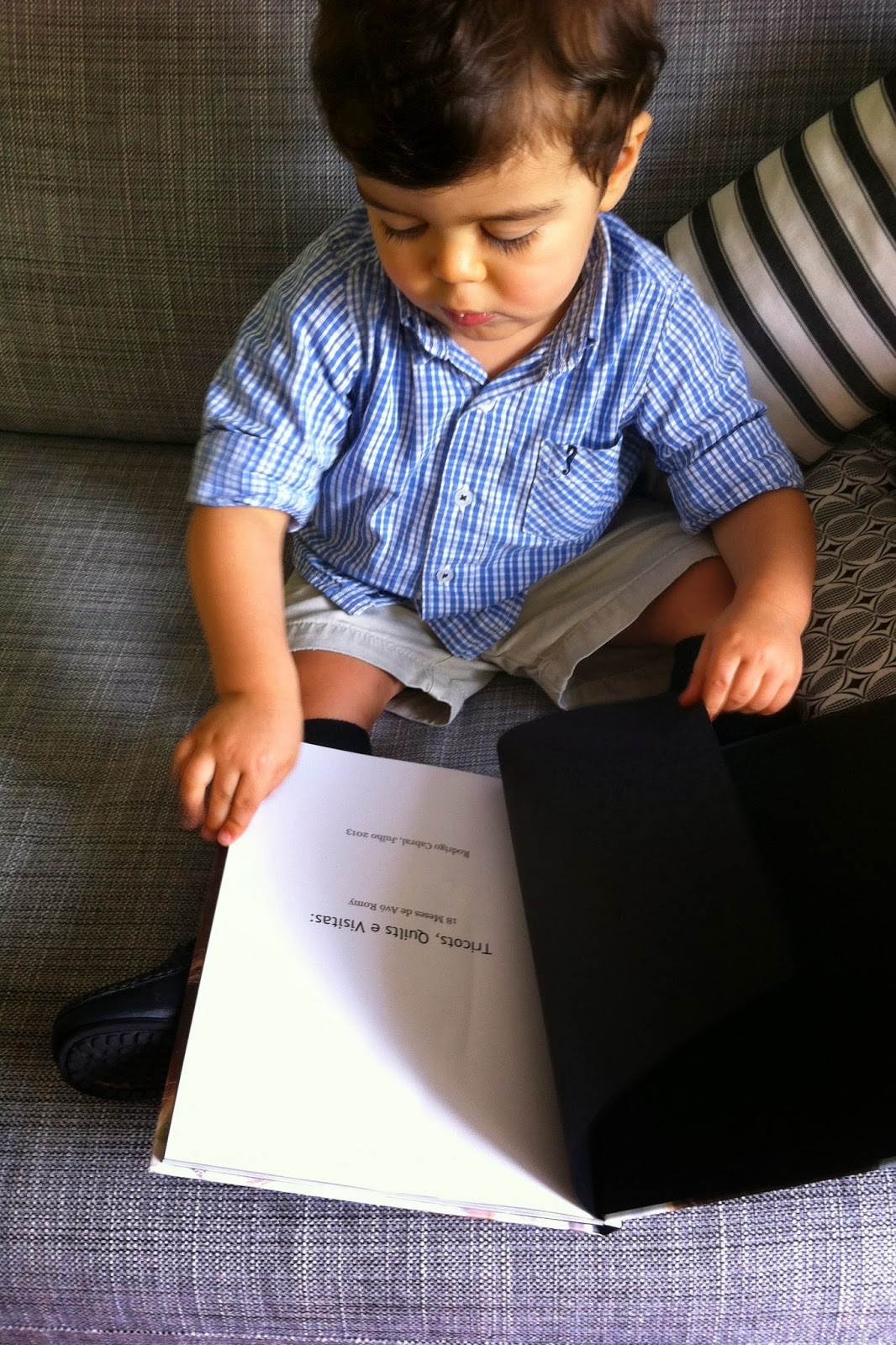
Fizemos, pois, dois livros. Este que vos mostro hoje é o da minha mãe, que acabou por incluir ano e meio de tricots, quilts e visitas a Inglaterra e a Lisboa. E não é que o Rodrigo adora vê-lo? Aponta as pessoas e diz “pai”, “mãe”, “avó”, “tio” e “bebé”, claro. Muitos bebés. Sempre o mesmo bebé!
Rodrigo is fortunate enough to have two grandmothers who’ve been making a lot of things for him: cardigans and sweaters, hats, booties, quilts, etc. While he was still very young I started thinking that I had to come up with a way of saying thank you for all those hours spent knitting and sewing for the little one. One day I came up with an idea: once Rodrigo turned one, how about putting together a book for each grandmother? A book that would feature not only his evolution, but also every piece made by granny… something to show off both the grandson and their skills.

So we made two books. The one I’m sharing with you today is my mother’s, which ended up by including 18 months of hand-knits, quilts and visits to England and Portugal. The funny thing is that Rodrigo loves looking at it! He points at people and says “mum”, “dad”, “granny”, “uncle” and “baby”, of course. He loves all the babies!

(photos: © Constança Cabral)

Tecidos :: Fabrics

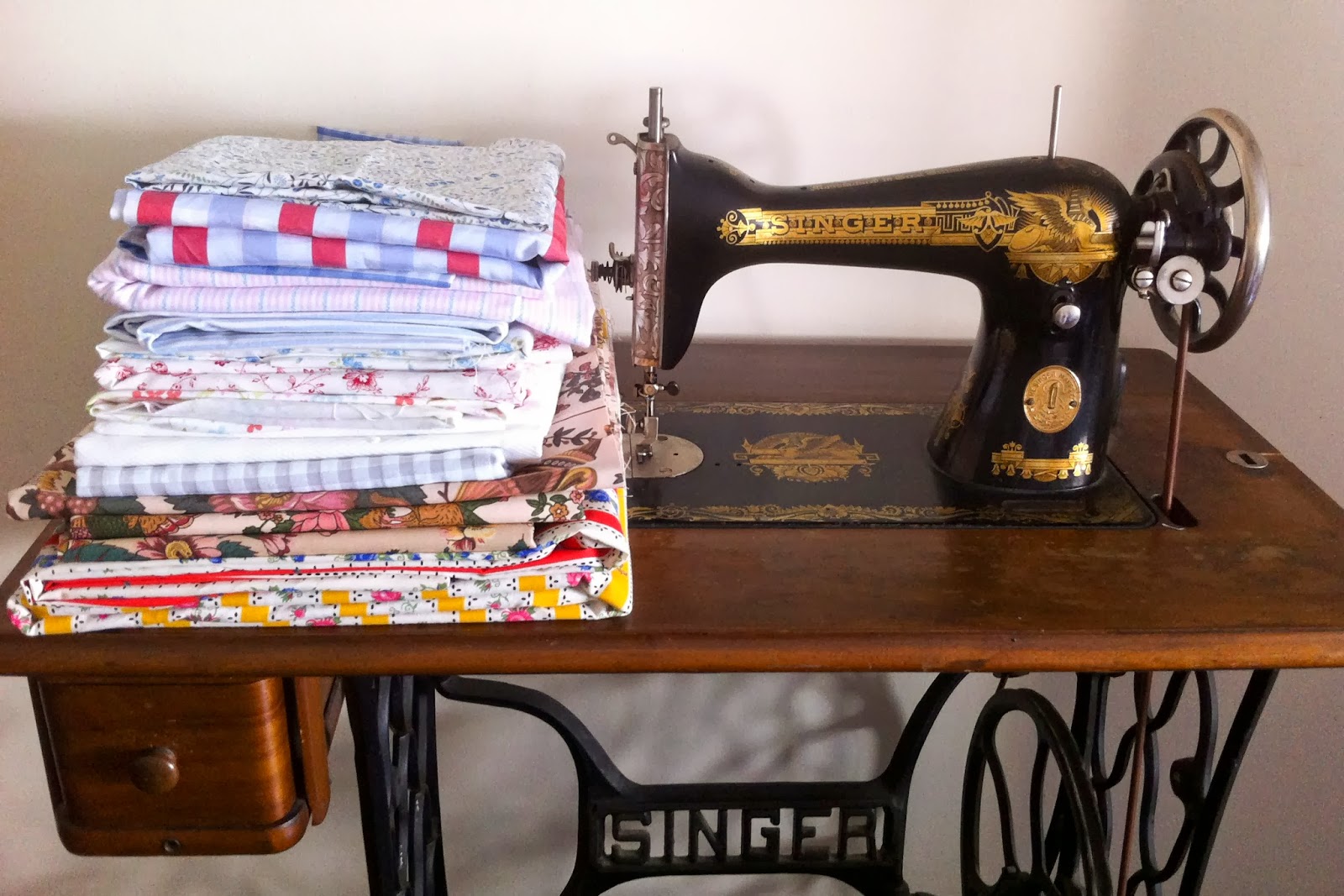
Vim passar dois meses a Lisboa cheia de planos e expectativas. Trabalhar um bocado mas divertir-me outro bom bocado. Matar saudades das pessoas, da cidade, do país. Aproximar o Rodrigo da família. Voltar a casa.
Trabalhei muito, mas não o suficiente. Ainda há muitos amigos por ver. O Rodrigo desenvolveu uma paixão pelos avós. 
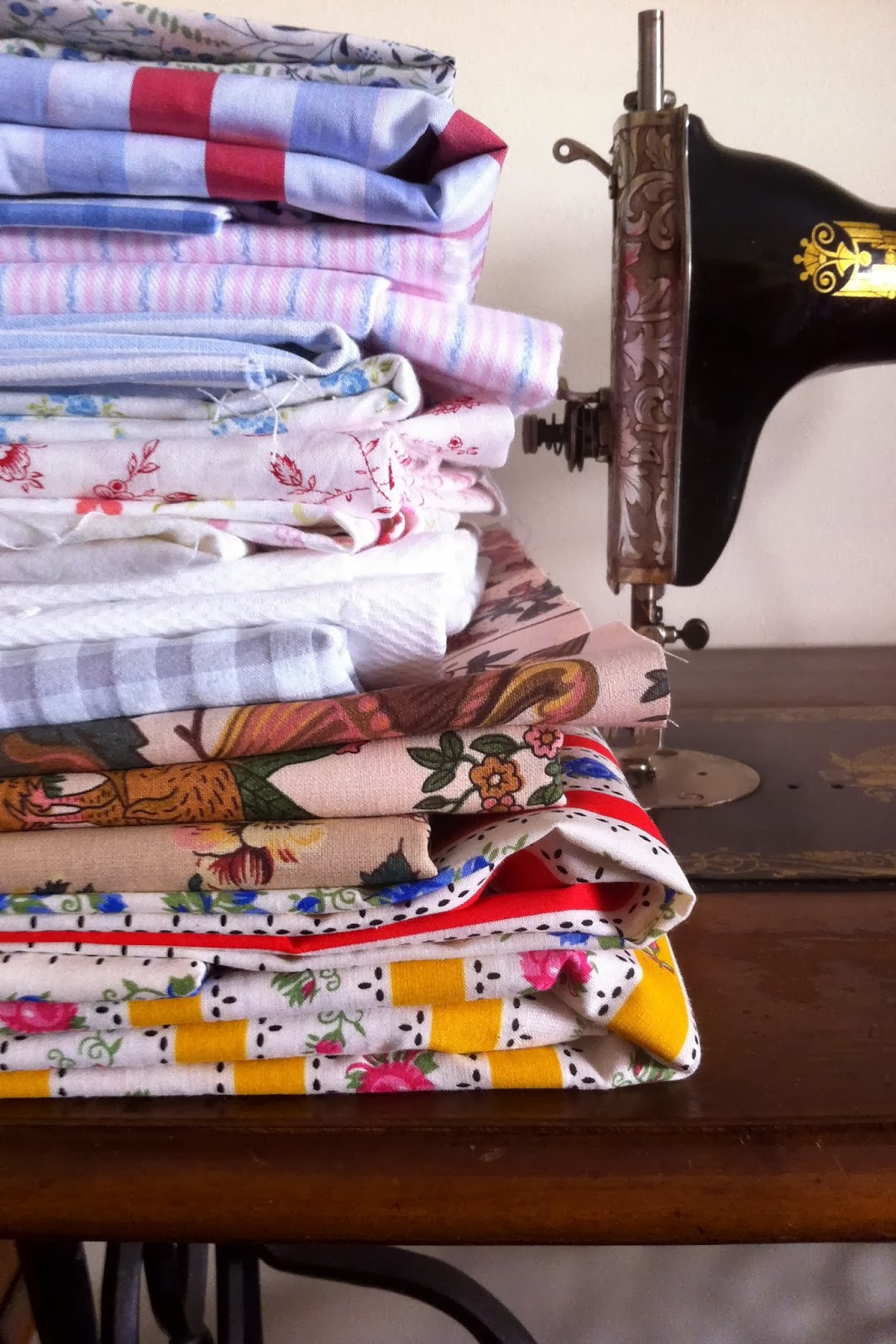
Aquilo que não estava nos planos mas que acabou por acontecer: comprei tecidos. Bastantes tecidos. Há chitas e piqués, cambraias e algodões de camisas, uma flanela, uma sarja, e um ou outro Liberty. E assim se criam mais planos para os próximos meses: um quilt diferente, roupa e um sonho.
I arrived in Lisbon carrying hopes and plans for the next two months. To work hard and to play hard. To “kill the longing” for my people, my city, my country. To get Rodrigo closer to his family. To come home, really.

I’ve worked hard but not enough. There are still friends I want to meet. Rodrigo is in love with his grandparents.

Something that wasn’t planned but happened anyway: I’ve bought fabric. Lots of fabric. Chitas (traditional Portuguese prints) and piqués, shirting fabrics and delicate lawns, one cut of flannel, one cut of stripey twill and a bit of Liberty for good measure. And thus I create plans for the next few months: one quilt, some clothes and a dream.
(photos: © Constança Cabral)

Jogo da Memória de Pano :: Fabric Memory Game

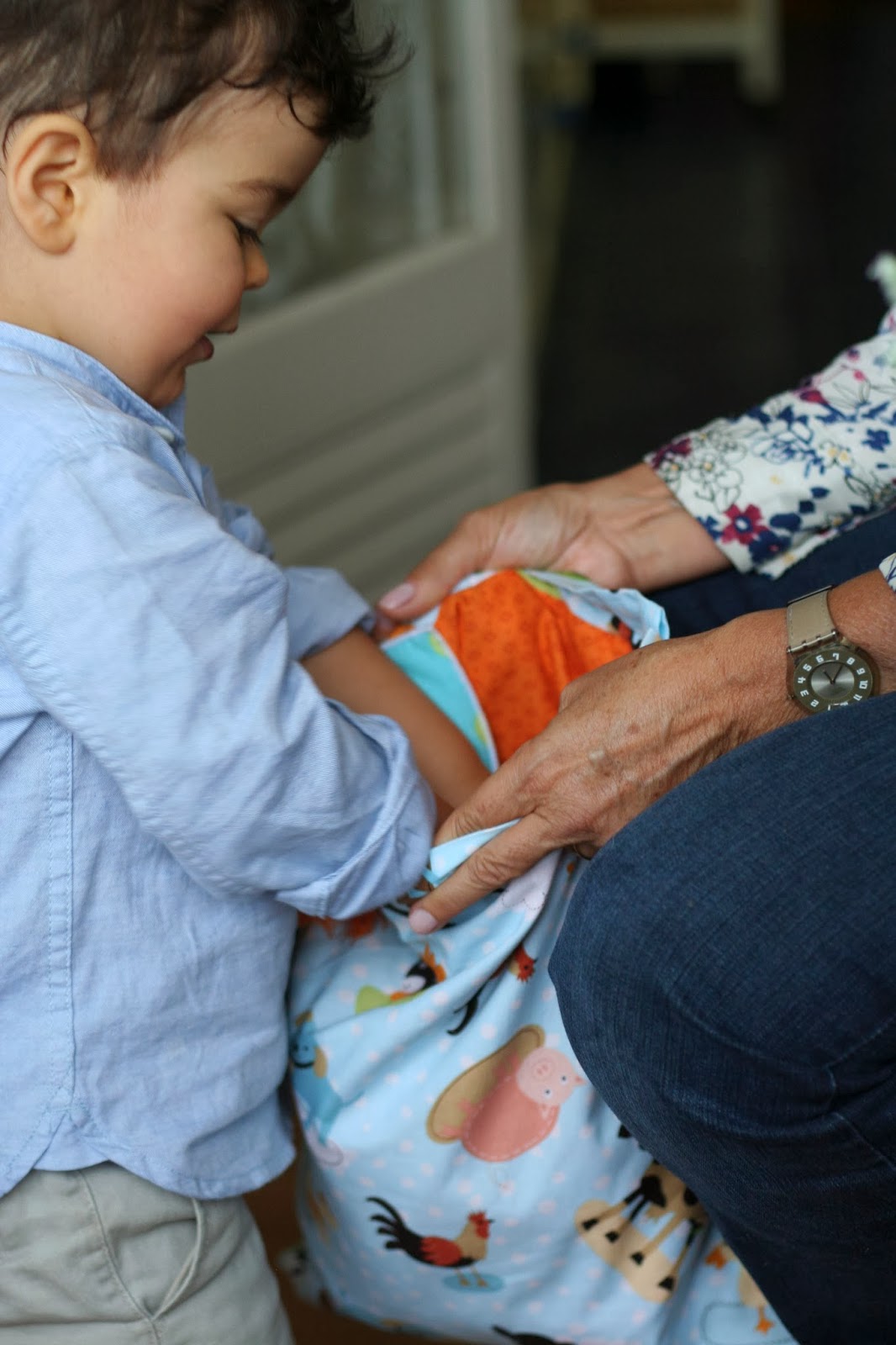
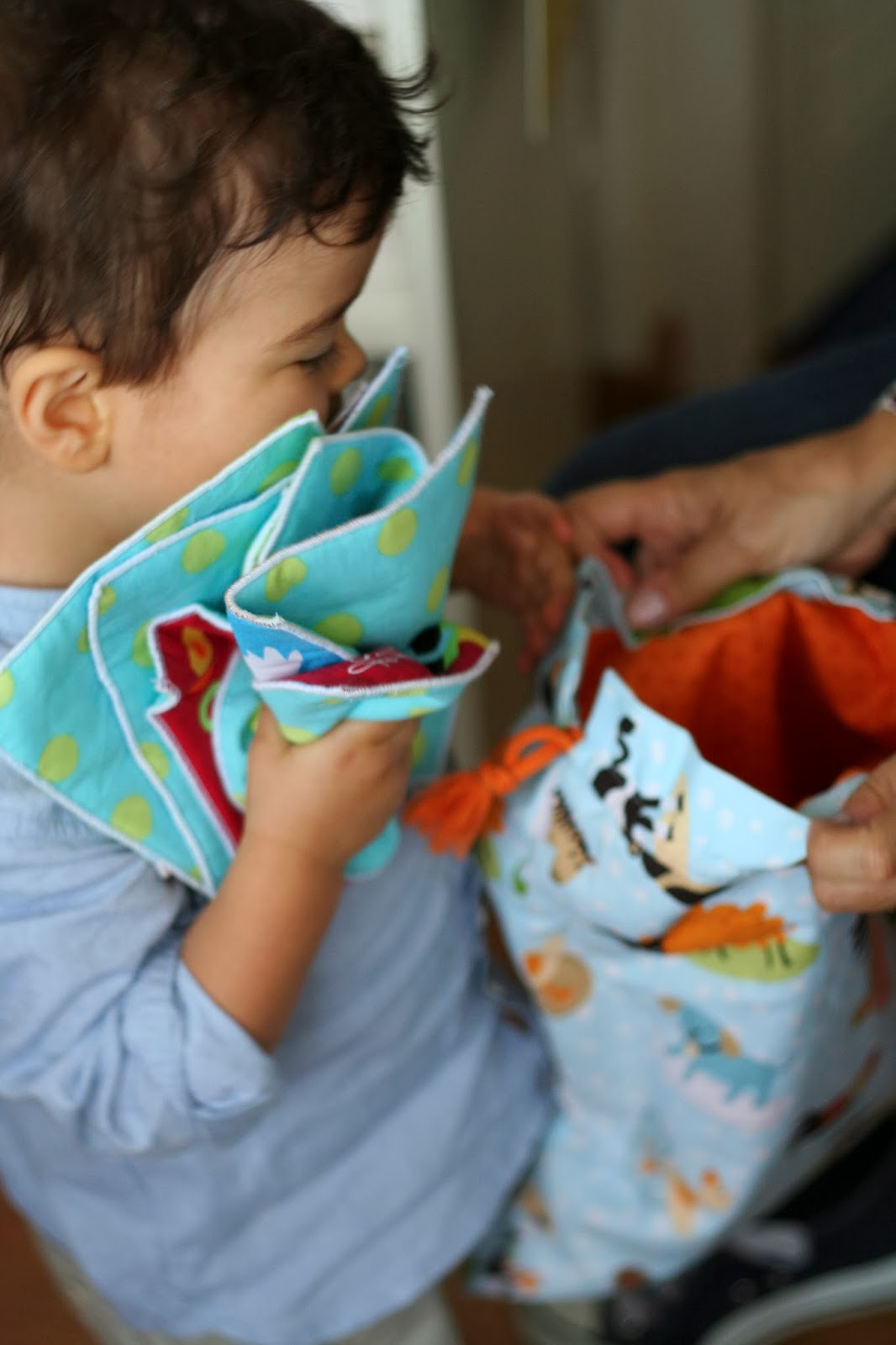
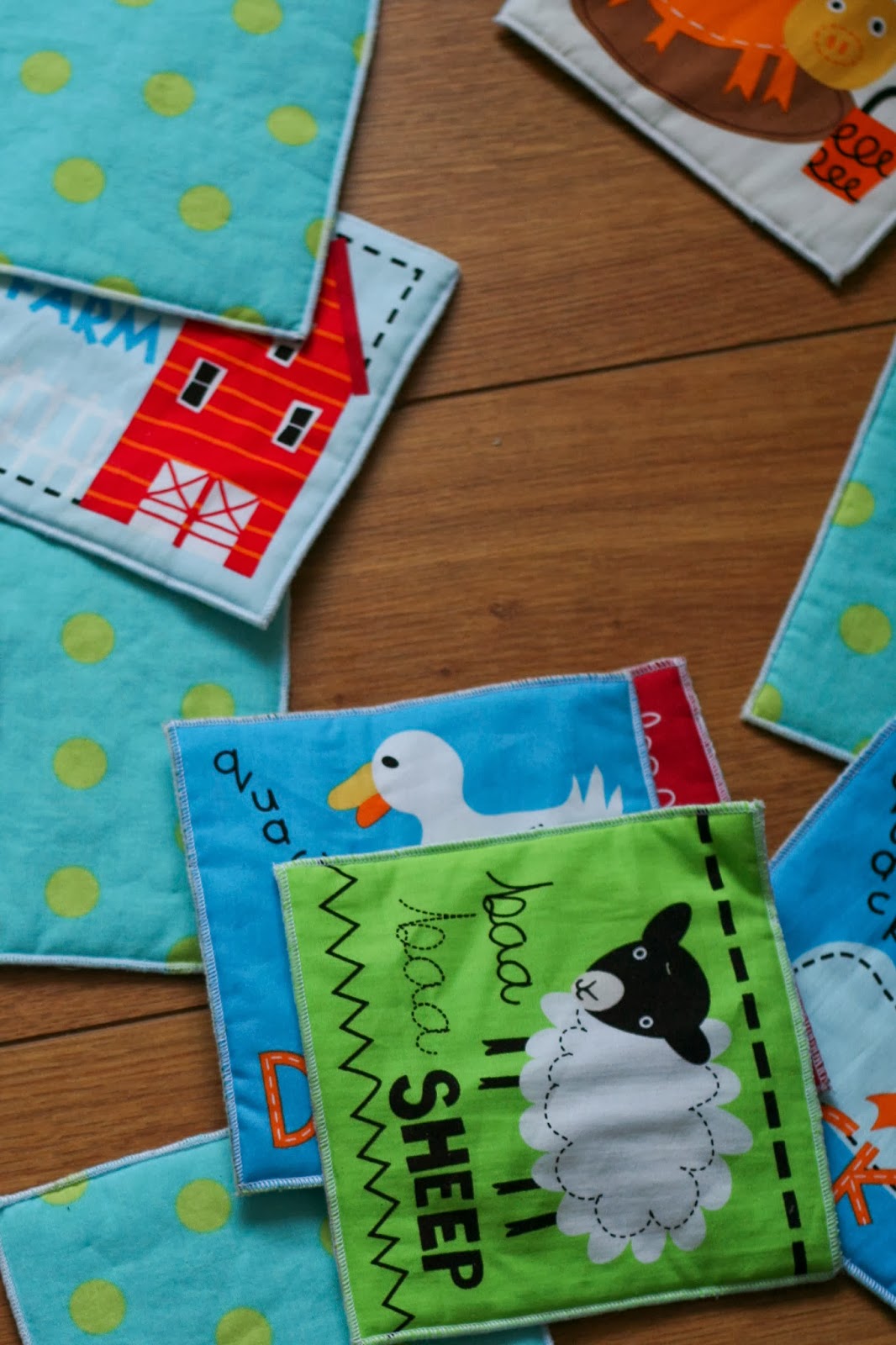
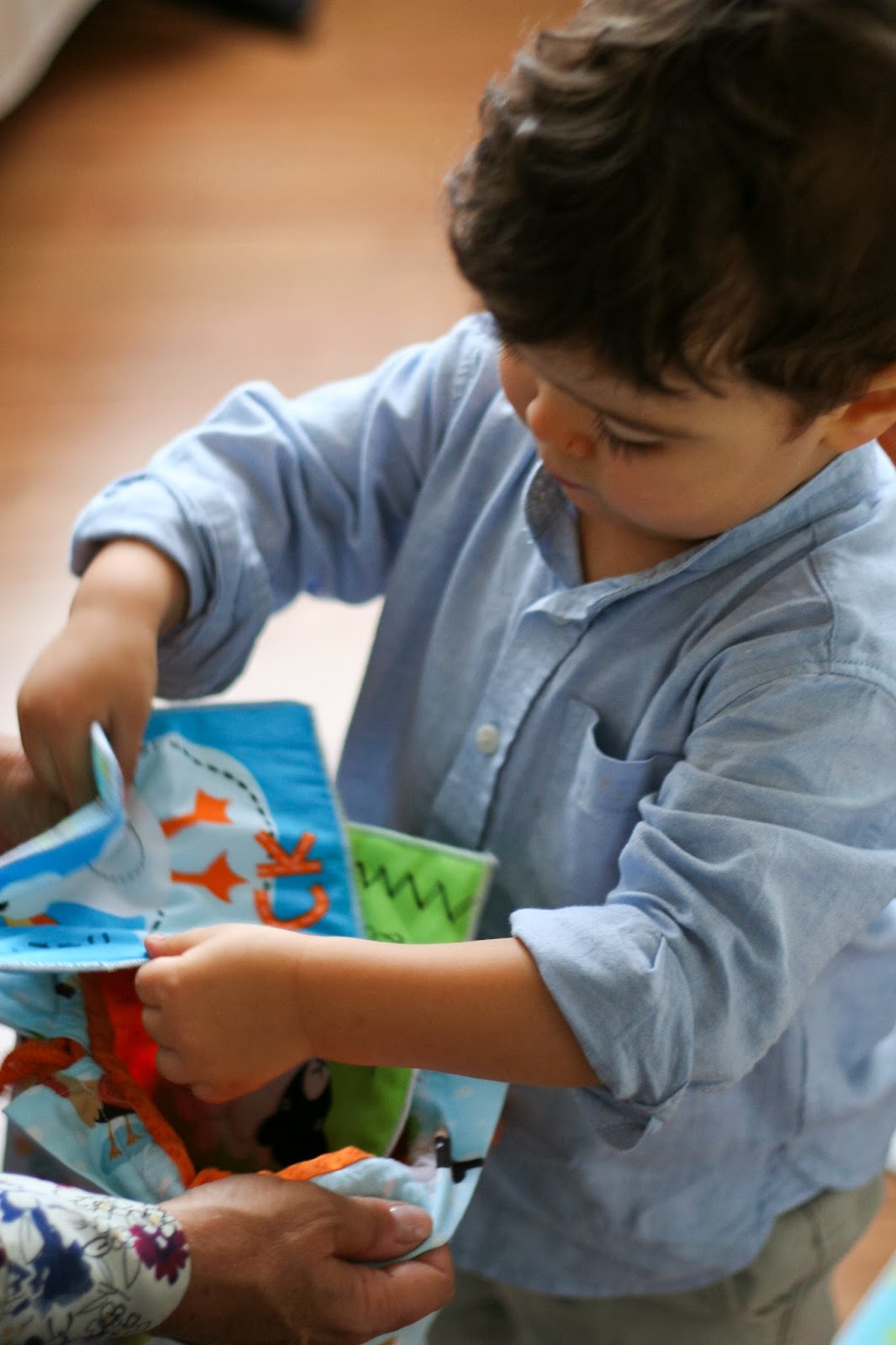
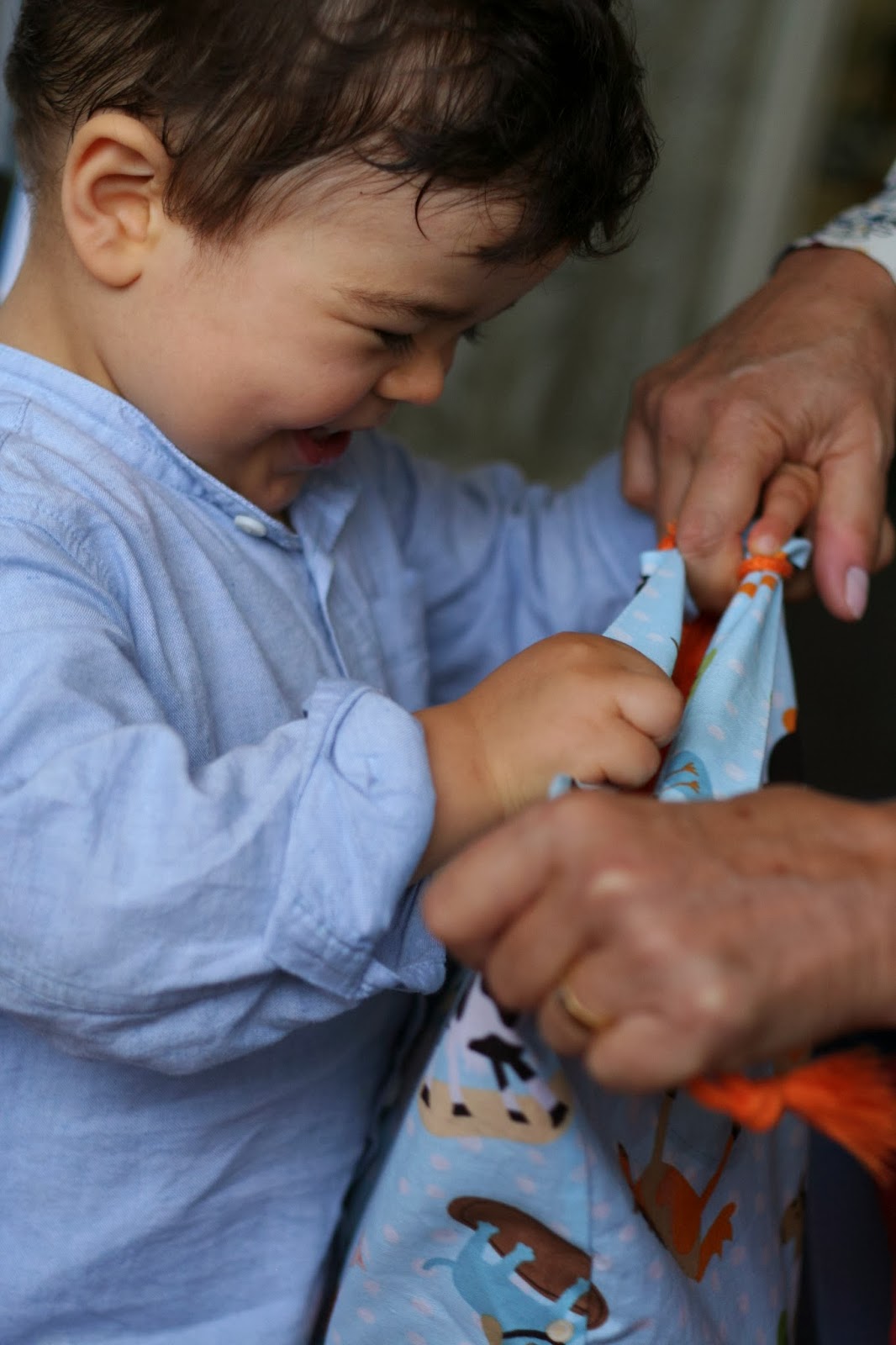
A minha mãe tem feito coisas giríssimas para o Rodrigo. A mais recente é um daqueles jogos da memória, feito em tecido, com saco a condizer e tudo. Este é um jogo que vai crescendo à medida dele: agora a brincadeira é tirar e pôr os quadrados no saco e fazer os sons dos animais; mais tarde virão as palavras e a descoberta dos pares. 

Nunca me canso de admirar as potencialidades dos tecidos e das máquinas de costura… e uma mãe/avó habilidosa também dá muito jeito!


My mother sews the cutest things for Rodrigo. The most recent one is a memory game made up in fabric, with a matching drawstring bag. This is a game that grows with the child: now he has fun placing the squares in the bag and taking them out, as well as making animal sounds; later he’ll say the words and find the pairs.

I’ll never get tired of singing the praises of textiles and sewing machines… a crafty mother/grandmother  also comes in handy!


(photos: © Constança Cabral)

Campo :: Countryside

Há quase quatro anos mudei-me de Lisboa para o campo inglês e acordei para a natureza. Efeitos (defeitos?) da vida urbana — no momento em que passei a viver sem prédios, nem carros, nem pessoas à volta, comecei, de facto, a ver todas aquelas coisas para as quais, até então, apenas olhava.
E hoje em dia, apesar de ainda gostar muito da cidade, gosto ainda mais de não ter de lá viver durante todo o ano. 
(agora na Nova Zelândia a mudança tem sido ainda mais drástica, mas ainda é muito cedo para escrever sobre ela)
Tudo isto para dizer que, de há uns anos para cá, vibro com cada folha, flor e fruto que se atravessem no meu caminho. As viagens de carro deixaram de ser aborrecidas e as estações do ano ganharam um encanto redobrado. Neste recente passeio ao Douro, o Tiago ouviu dezenas de vezes frases como “olha aquele castanheiro carregadíssimo!!”, “tantas amoras!!”, “já viste aquelas flores??”, “olha-me estas bagas cor-de-laranja!!”, “Tiago, pára o carro!!”…
E as memórias de infância? Essas também começaram a surgir de onde menos se esperava. Não que a minha infância tenha sido especialmente bucólica (não foi), mas as crianças, mesmo as citadinas, acabam por passar bastante tempo ao ar livre. E agora, quando sinto o cheiro de uma figueira num dia quente, volto a ter 8 anos durante uns segundos.
Ridículo? Enternecedor? Não interessa: a verdade é que agora sinto-me muito mais desperta para o mundo. E cheia de vontade de um dia vir morar para o campo português.

Nearly four years ago I moved from Lisbon to the English countryside and suddenly I was awakened by nature. That was the effect (defect?) of country vs. urban life — when I found myself no longer living in a flat, with no cars and no people around me, I began to notice all those things that I only used to quickly glance at.

Nowadays I still love the city but you know what I love even more? Not having to live there all year round.

(in New Zealand things have changed even more for me but it’s still early days to write about it)

All the above to say that nowadays every leaf, flower and fruit gives me a thrill. Road trips are no longer boring and the seasons are more exciting than ever before. During our recent trip to the Douro valley, Tiago was forced to listen to dozens of cries like “look at that sweet chestnut tree laden with fruit!!”, “all those blackberries!!”, “have you noticed those flowers??”, “just take a look at these orange berries!!”, “Tiago, stop the car!!”…

Childhood memories have been triggered too. Not that my youth was particularly bucolic (it wasn’t), but children — even urban children — do tend to spend a lot of time outdoors. Nowadays when I sense the sweet smell of a fig tree on a very hot day, I feel like I’m 8 years old for a split second.

Ridiculous? Endearing? It doesn’t matter, really: truth is, I now feel much more awake. And full of hope to one day put down roots in the Portuguese countryside.
(photo: © Constança Cabral)

Brevemente :: Soon

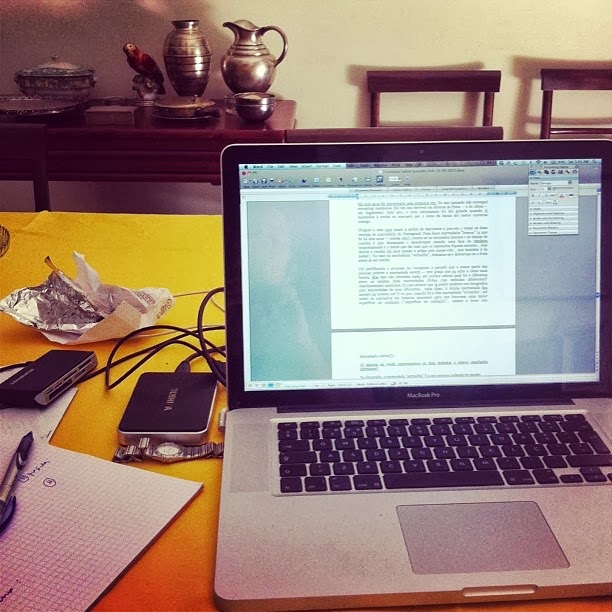
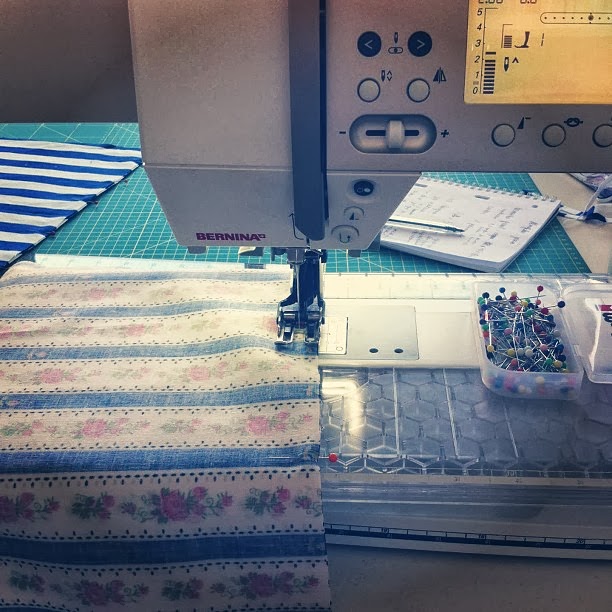
Ando a braços com um grande projecto e tenho passado a maior parte destas férias com a seguinte vista: computador, máquina de costura, mais computador… O prazo não poderia ser mais apertado mas vai valer a pena! Espero poder contar-vos tudo muito em breve.
I’m working on a big project and I’ve been spending my holidays in Portugal with this view: computer, sewing machine, computer yet again… The deadline is super tight but it’ll definitely be worth it in the end! I’ll share more with you as soon as I can.
(photo: © Constança Cabral)

Me @ Homes & Antiques

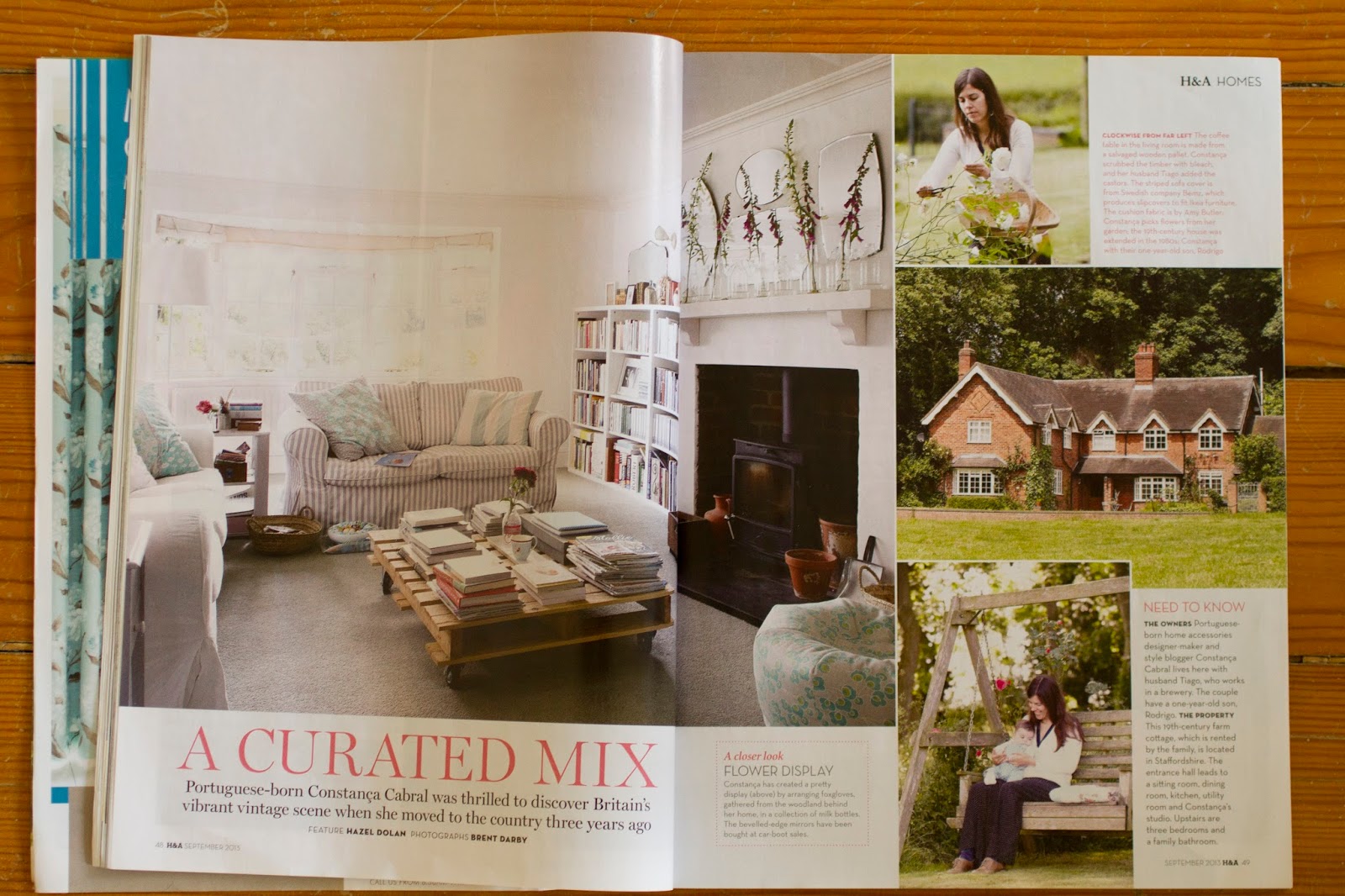
A nossa casa inglesa apareceu no número de Setembro da revista britânica Homes & Antiques. O texto é da Hazel Dolan e as fotografias do Brent Darby. Fico mesmo contente por podermos guardar esta recordação de uma casa tão especial. E o Rodrigo era tão pequeno!
Our English home was featured in the September issue of British magazine Homes & Antiques. The words are by Hazel Dolan and the photos by Brent Darby. I’m glad that we get to keep such a great memento from a very special house. And look, Rodrigo was so little!

Revistas Antigas :: Vintage Magazines

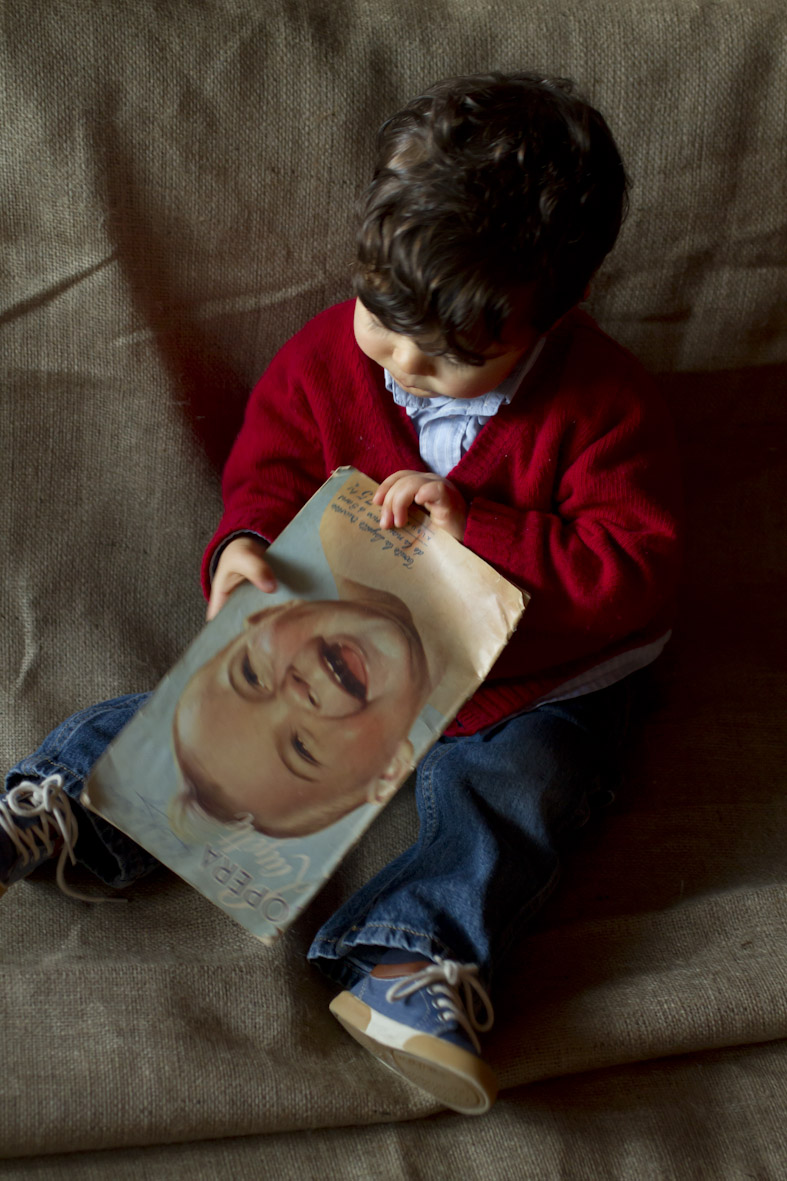
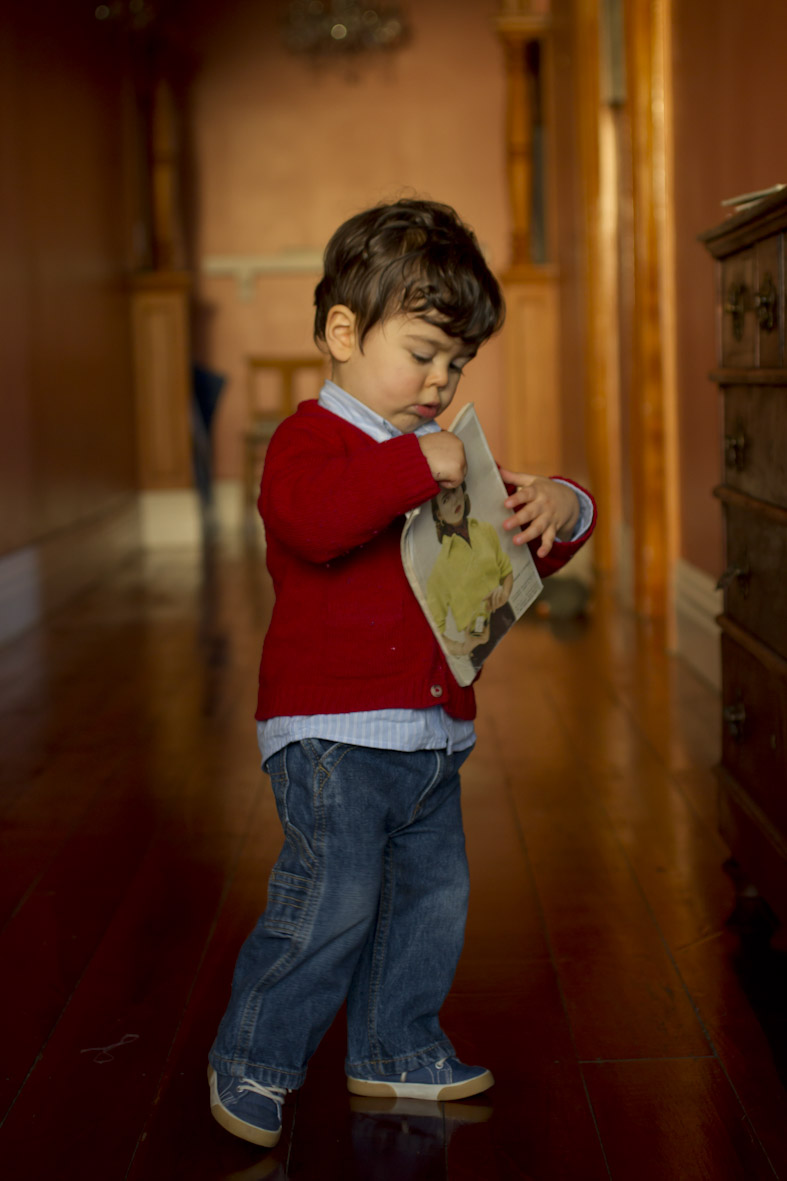
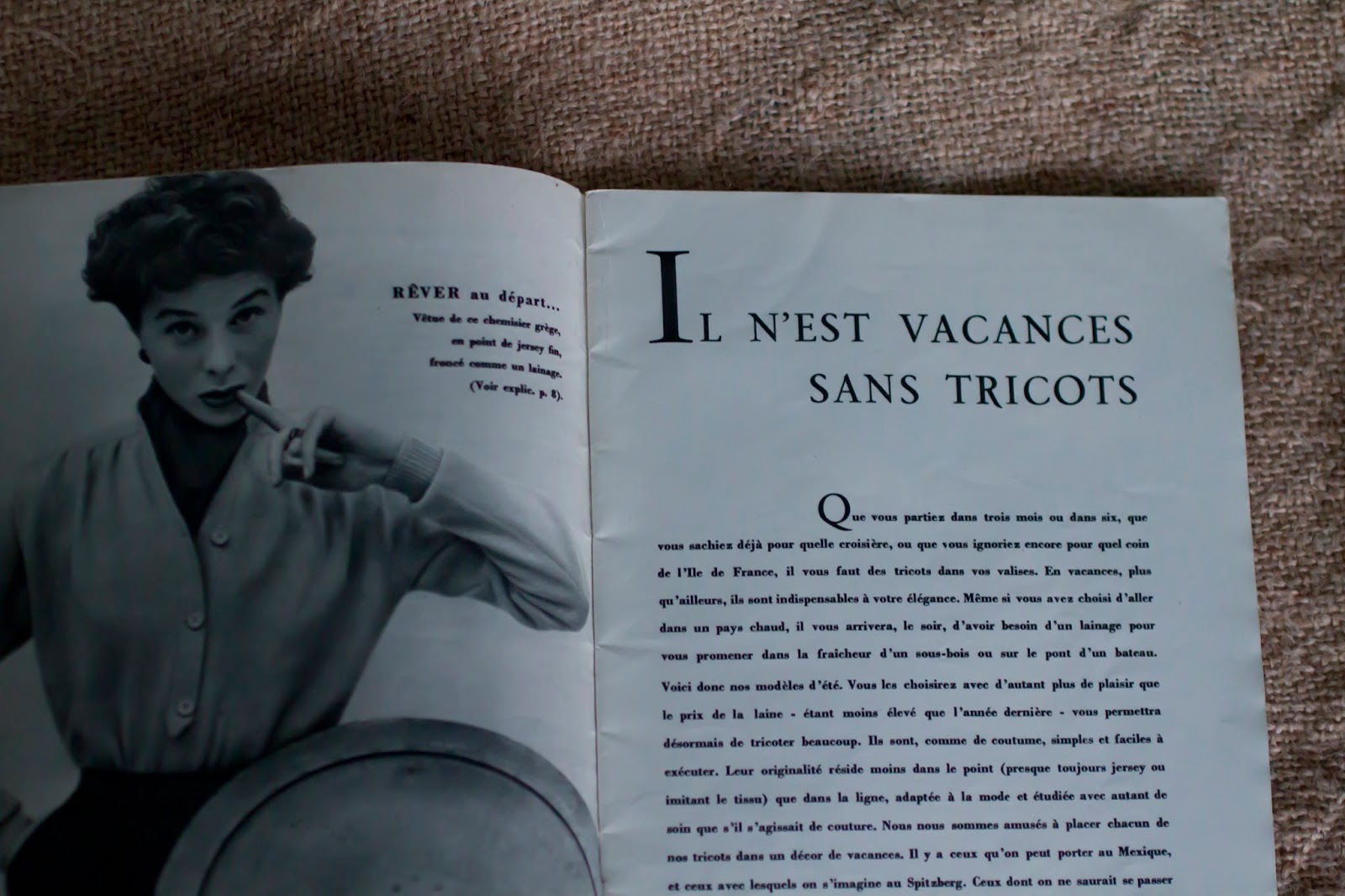
Há uns tempos recebi um pacote cheio de revistas antigas de costura e tricot vindas da Mariana. Não me poderiam ter dado um melhor presente: estou a deliciar-me com as fotografias, ilustrações e ideias — algumas completamente ultrapassadas, felizmente (espartilhos para crianças?), mas outras completamente actuais (modelos de toucas, casaquinhos e meias para bebés, por exemplo). Espero conseguir seguir algumas instruções… manter-vos-ei a par. Obrigada novamente, Mariana, adorei!

Recently I received a parcel sent by Mariana filled with vintage sewing and knitting magazines. This was the perfect gift for me: I’m taking so much pleasure from the old photos, illustrations and ideas. Some of the suggestions haven’t stood the test of time, thank goodness (corsets for children?) but most of them are incredibly timeless (adorable layette items, for example). I hope I’ll be able to follow some of the instructions… I’ll keep you posted. Thanks again, Mariana!

(photos: © Constança Cabral)

Bibes :: Art Smocks

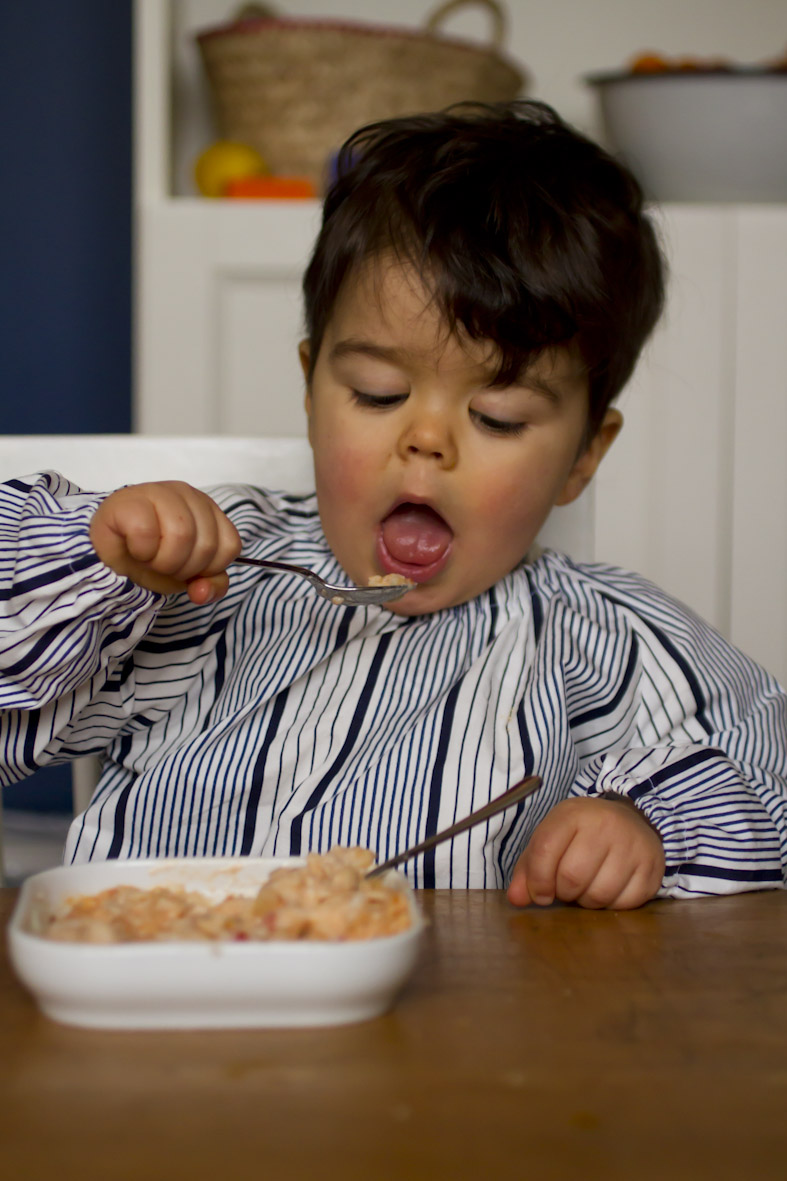
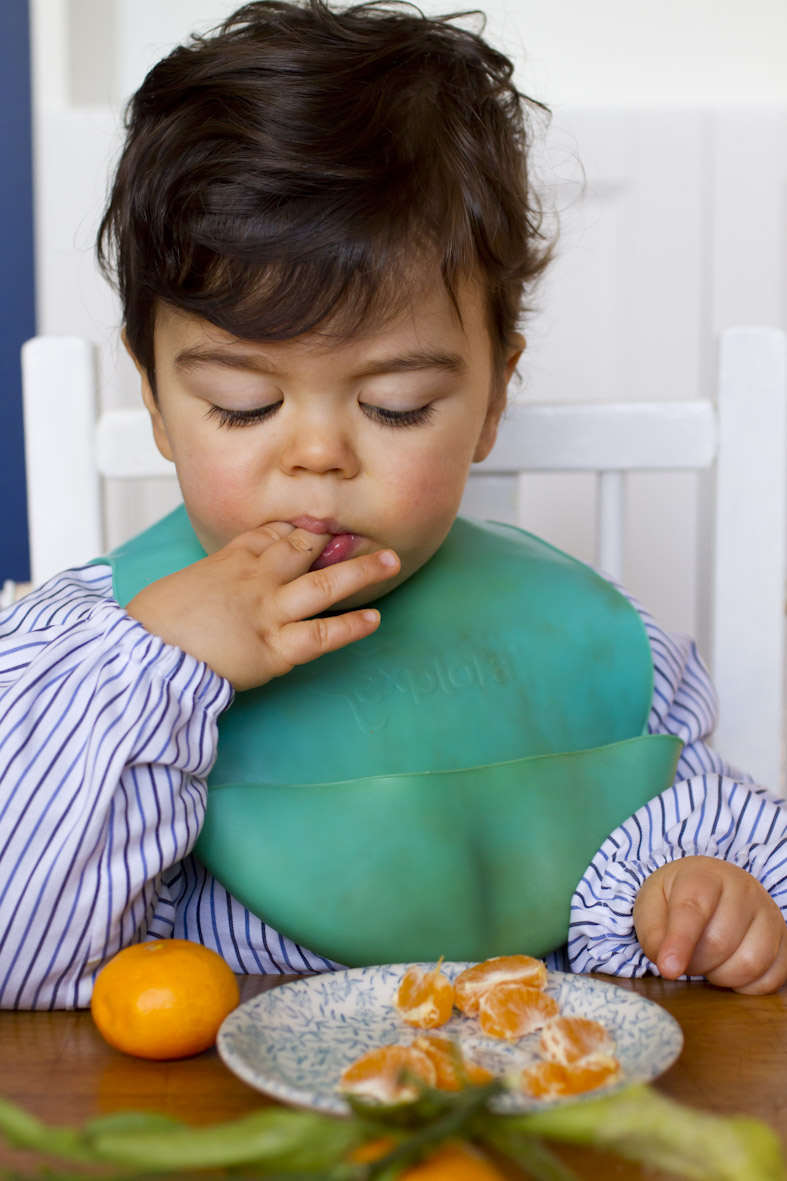
Na maior partes das casas com crianças pequenas, as horas das refeições são momentos delicados… e a nossa casa não é excepção. Há alturas em que o Rodrigo está bem-disposto e bem dormido e come tudo sem problemas: sopa, prato e sobremesa. Mas há aqueles dias em que o jantar é uma verdadeira batalha. Bem ou mal, fica sempre tudo sujo: ele, a mesa e o chão. Um babete não é suficiente — precisamos de um bibe por baixo do babete!
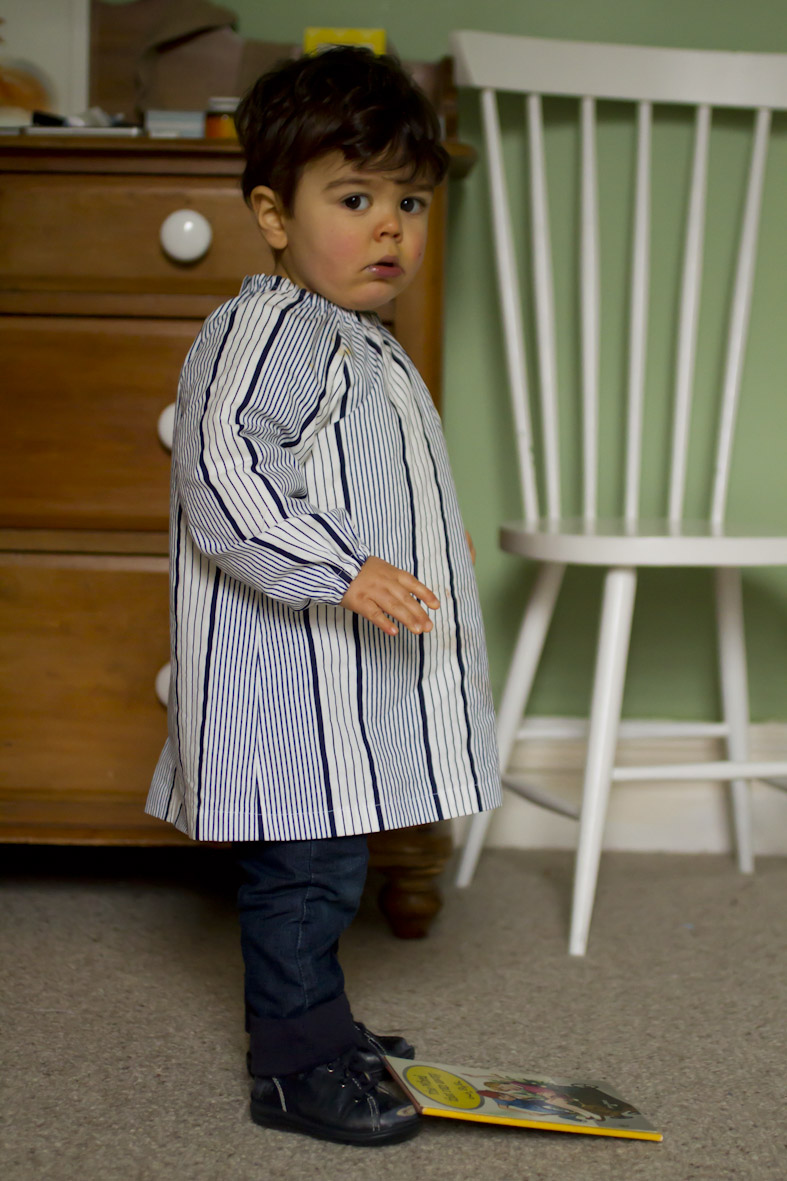
Há quem, para este efeito, goste muito de bibes impermeáveis, mas eu prefiro ter vários bibes em tecidos laváveis a altas temperaturas (mais vale uma nódoa de sopa do que sopa a escorrer). Mas cada mãe tem as suas preferências, claro. Em Portugal é muito fácil comprar bibes de todos os padrões e feitios; aqui nem por isso, porque crianças não usam bibes na escola — quando são mais velhos usam farda, mas os mais pequenos vão com a roupa de todos os dias. A solução? Fazer eu própria os ditos bibes!
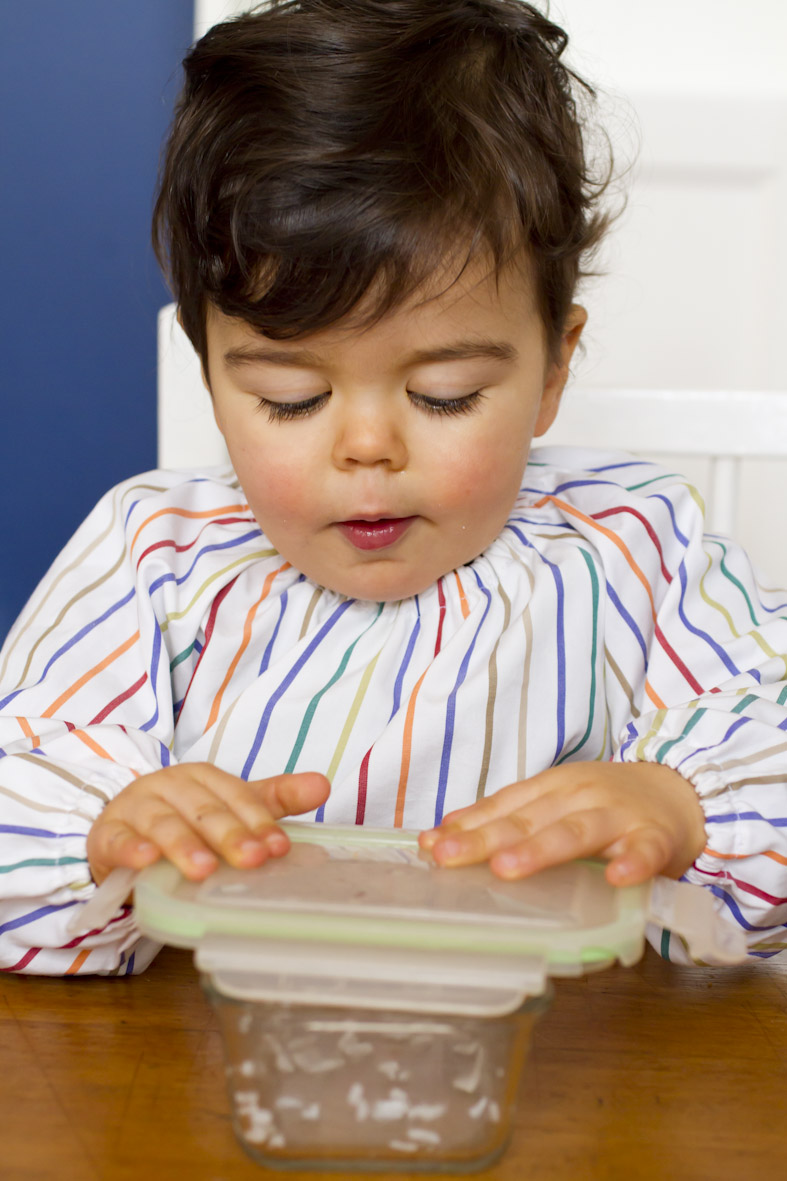
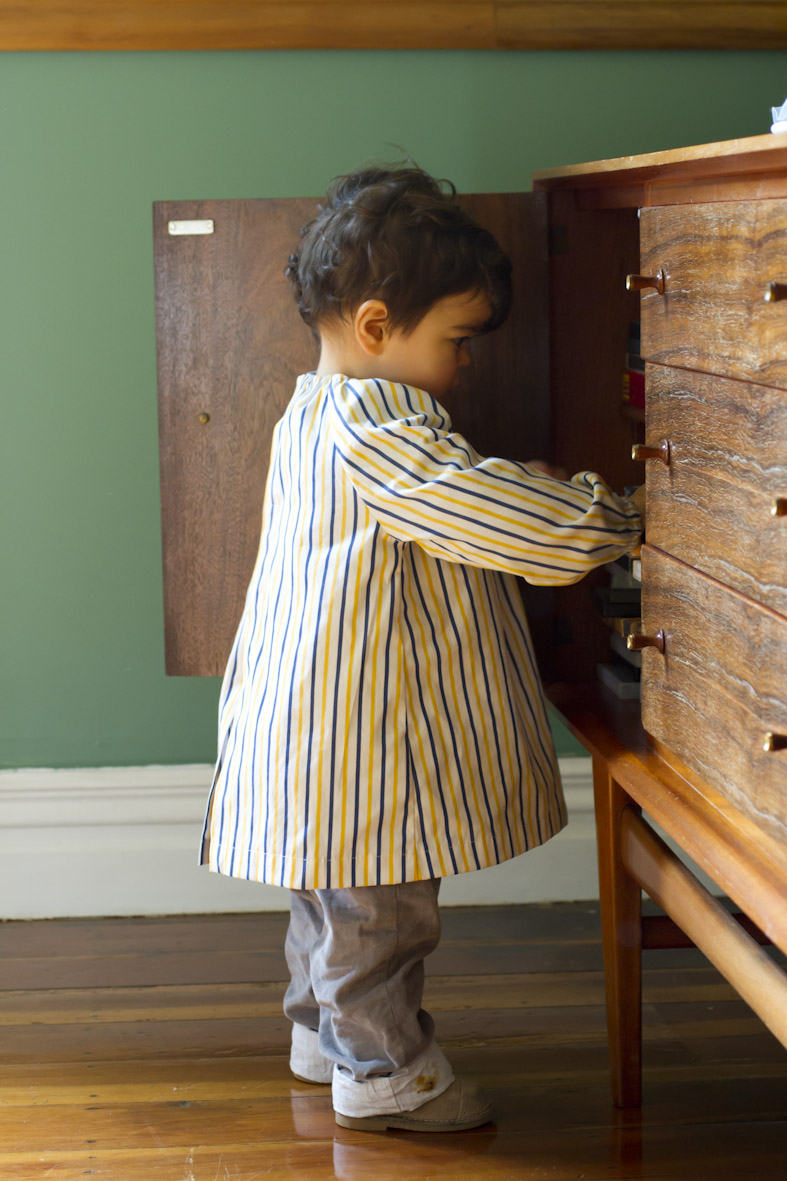
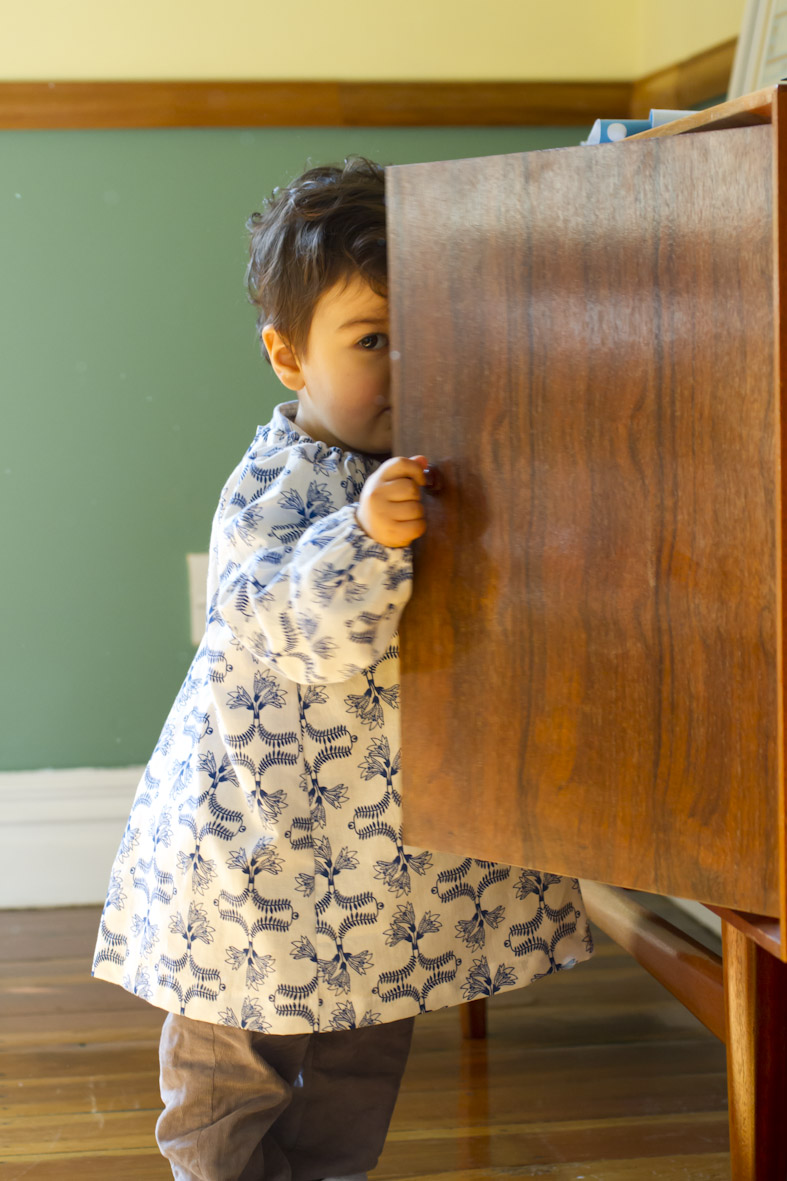
O molde que usei foi o Art Smock do livro Little Things to Sew. Fiz cinco art smocks: dois com tecidos do Ikea (primeira e última fotografias) e três com camisas do meu pai (2ª, 3ª e 4ª fotografias). Os bibes feitos com as camisas foram os que me deram mais gozo, porque adoro aproveitar peças de roupa que, por uma razão ou outra, foram postas de lado.
Mais uma vez constatei a excelência de tudo o que a Liesl Gibson produz (conhecem a marca de moldes infantis Oliver + S?). As instruções são claras, a construção é inteligente e não há uma única costura exposta (foi a minha estreia nas costuras inglesas!). Fiz o tamanho mais pequeno que, apesar de estar à medida, é suficientemente espaçoso para usar por cima de camisolas e até mesmo de um roupão de Inverno.
Just like in every other home with small children, in our house mealtimes are delicate moments. There are days when Rodrigo is happy and well-rested and he eats everything: soup, main dish and dessert. But there are also those times when a meal is just like a battlefield. Either way, everything is dirty by the end of it: himself, the table and the floor. A bib simply isn’t enough — we need a smock under the bib!

Some people like waterproof fabrics like oilcloth and laminated cottons for this effect but I prefer something that you can wash in a very hot cycle. I’d rather have soup stains than soup running down the smock… but of course every mother is different. In Portugal you can buy cotton smocks in every print and shape because children wear them to nursery and primary school; here in NZ things are different: children wear uniforms when they’re older but when they’re very young they just wear their normal clothes. The solution? Making them myself!

The pattern I used was the Art Smock from the Little Things to Sew book. I sewed five art smocks: two with Ikea fabrics (first and last pictures) and three with some old shirts my father no longer wears (2nd, 3rd and 4th photos). I especially enjoying making the bibs out of the old shirts because the fabrics are such good quality and because I love using up discarded items of clothing.

It was great to realise once again that everything that Liesl Gibson creates is of such high standard (are you familiar with  Oliver + S patterns?). The instructions are clear, the construction is very clever and there isn’t a single exposed seam (this was the first time I ever made French seams!). I sewed the smaller size and have found it true to size but roomy enough to wear over sweaters and even a winter robe. Mealtime smocks: check!

(photo: © Constança Cabral)