Joelheiras Redondas :: Round Knee Pads

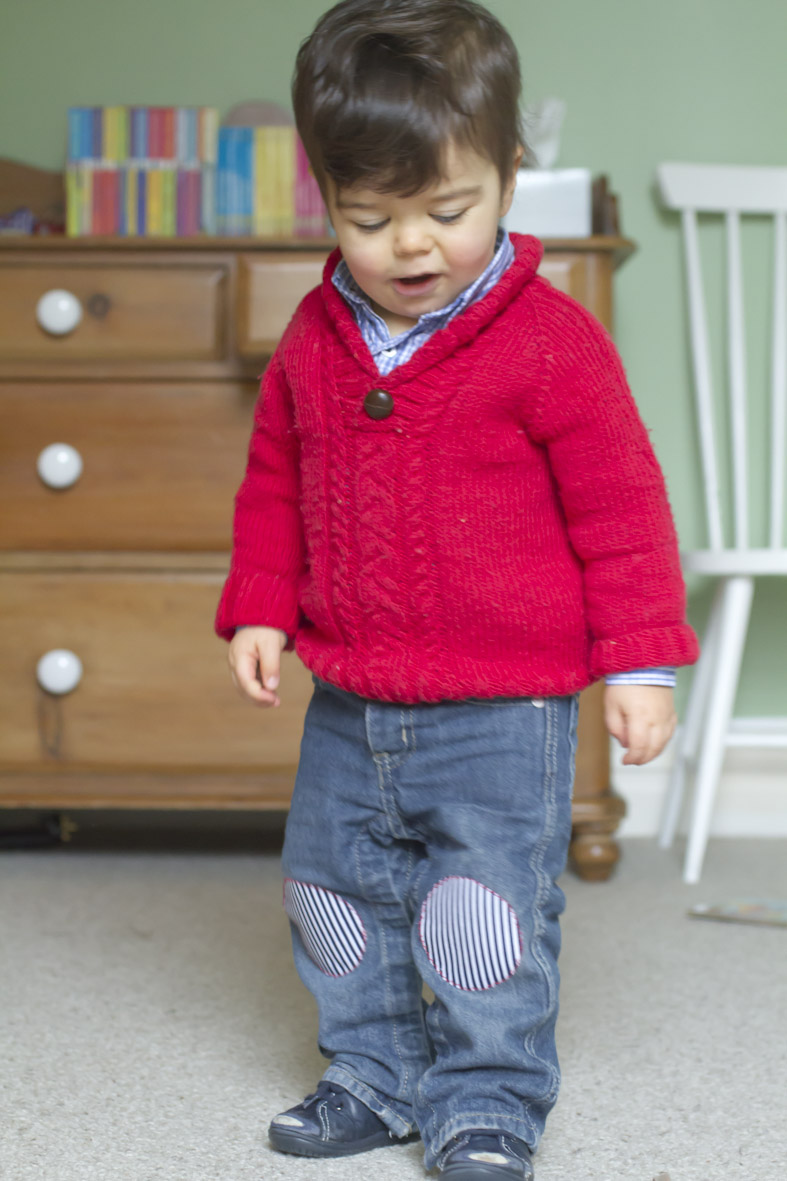
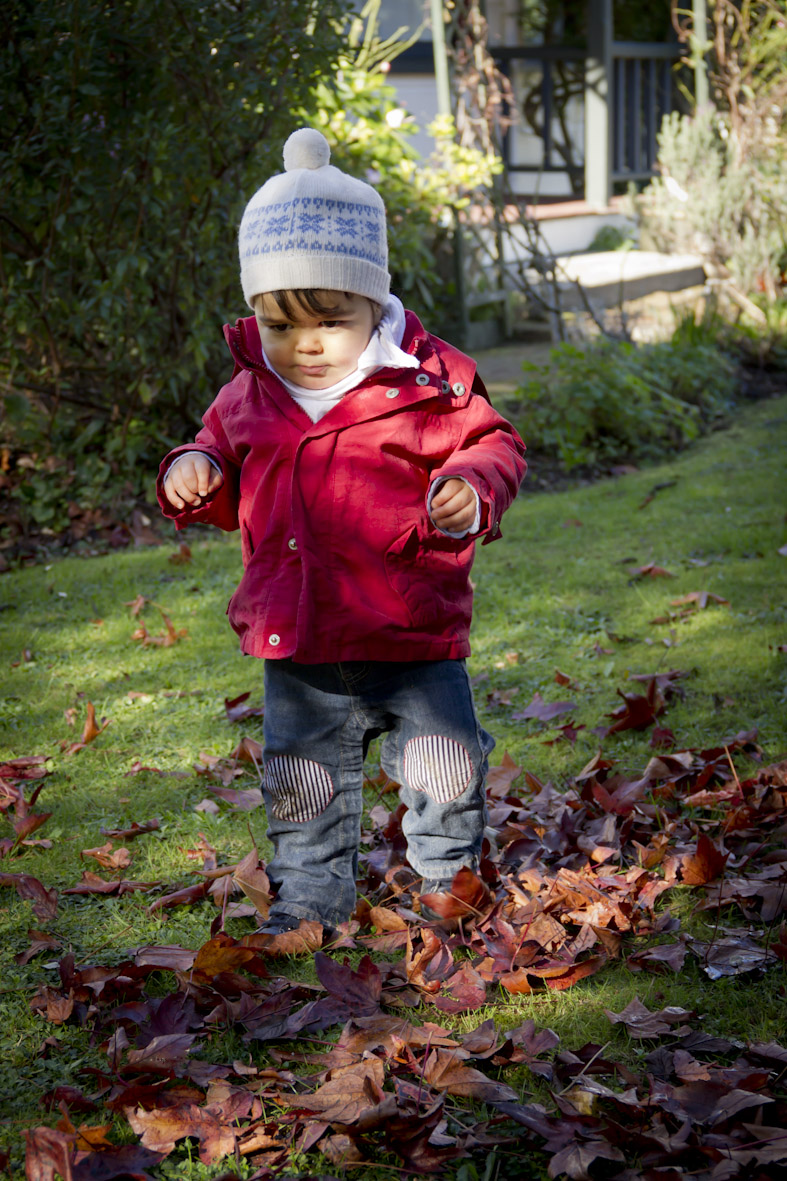
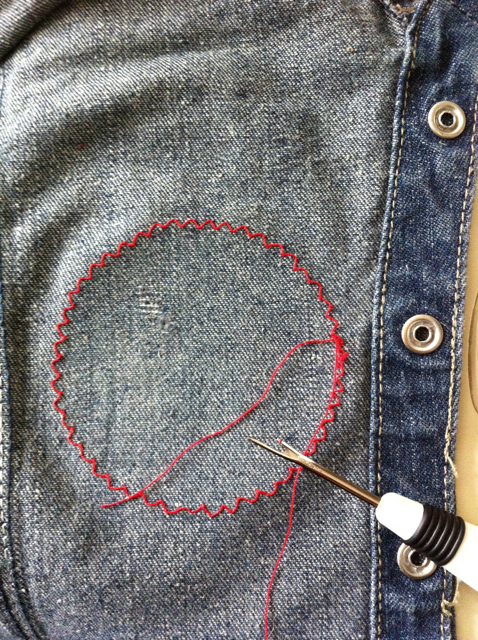
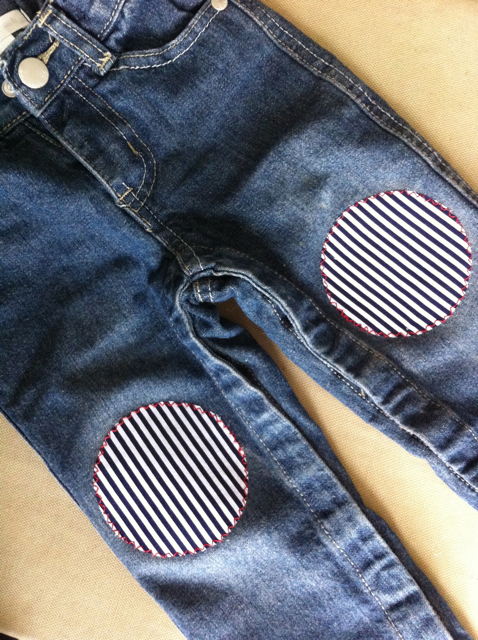
O Rodrigo gatinhou até muito tarde e, claro, os sapatos e as calças ressentiram-se disso. Nos sapatos não há muito a fazer, mas nas calças a solução é simples: joelheiras. Achei que teria graça aplicar umas joelheiras redondas em vez das tradicionais ovais. Mais uma vez, o processo não poderia ser mais simples e rápido (o facto de as calças terem molas entre as pernas ajudou bastante, confesso) — eis como o fiz:

Rodrigo crawled until quite late and, consequently, his shoes and trousers show it. I can’t do much about the shoes but as far as trousers go, there’s a very simple solution: knee pads. I thought it would be fun to sew some round knee pads instead of the traditional oval ones. Again, the process is very simple and quick (the fact that the trousers have snaps on the legs helped a lot, I must say) — here’s how I’ve done it:

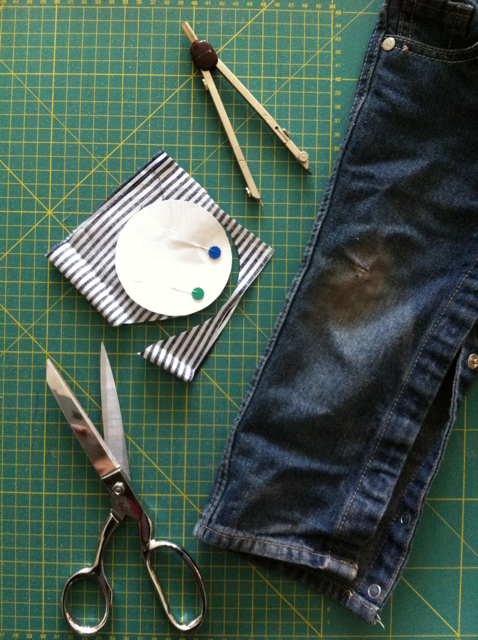
1. Com a ajuda de um compasso (o meu ainda vem dos tempos do colégio), desenhar num papel uma circunferência com o tamanho ideal para a largura das pernas das calças. Recortar o papel e usá-lo como molde para cortar dois círculos de tecido.

1. Using a compass (mine is still the same one from my school days), trace a circle that fits the width of the trousers’ legs onto a piece of paper. Cut it and use it as a template to cut your fabric knee pads.

2. Cortar dois círculos de entretela termocolante para appliqué.

2. Use the same template to cut two circles of appliqué fusible web.

3. Colocar um círculo de tecido por cima de um círculo de entretela e aplicá-los com o ferro de engomar. Fazer o mesmo na outra perna.
3. Place the fabric table on top of the fusible web circle and fuse them together on each leg.

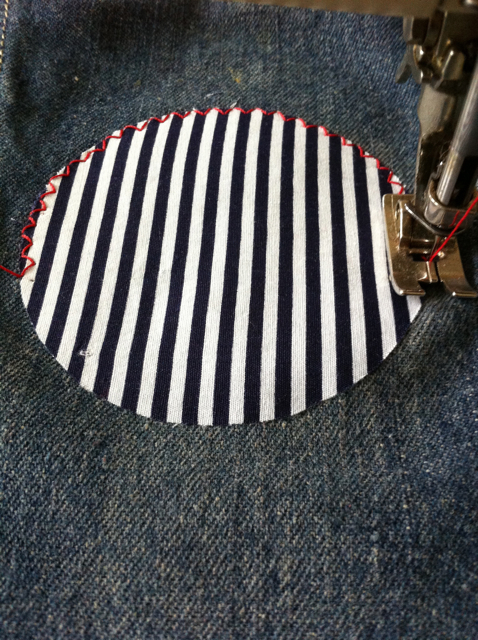
4. Coser à volta de cada joelheira com ponto zigzag. Eu utilizei uma linha grossa para pespontar.
4. Using a zigzag stitch, sew around the raw edges of the circles. I used a thicker thread for contrast.

5. Com a ajuda de um abre-casas, puxar as linhas de cima para o avesso das calças e rematar com dois ou três nós. 
5. With the help of your seam ripper, pull the top threads to the wrong side of the trousers and tie two or three knots.

6. Já está! Há obviamente outras maneiras de aplicar joelheiras, mas isto foi o que fiz e resultou. Espero que durem uns meses!

6. That’s it! There’s obviously other ways to construct and sew knee pads but this is what I’ve done and it has worked fine. I hope they’ll last for a few months!

(photos: © Constança Cabral)

Fazer :: To Make

Apesar de estarmos em pleno Inverno aqui no hemisfério sul, o meu estado de espírito é primaveril. Sinto-me a acordar de um período de dormência e dou por mim a fazer coisas. Reformular o nosso jardim. Planear o guarda-roupa de Verão do Rodrigo. Ler um livro de uma assentada. Sonhar com as férias em Portugal. Coser. Sinto-me a voltar a mim.

Although it’s the dead of winter here in the Southern hemisphere, my mood is spring-like. I can feel myself awakening from dormancy and I’m actually making things. Restructuring the garden. Planning Rodrigo’s summer wardrobe. Reading a book in one sitting. Dreaming of our holidays in Portugal. Sewing. I’m starting to feel like myself again.


(photos: © Constança Cabral)

Calças de Pijama :: Pyjama Bottoms

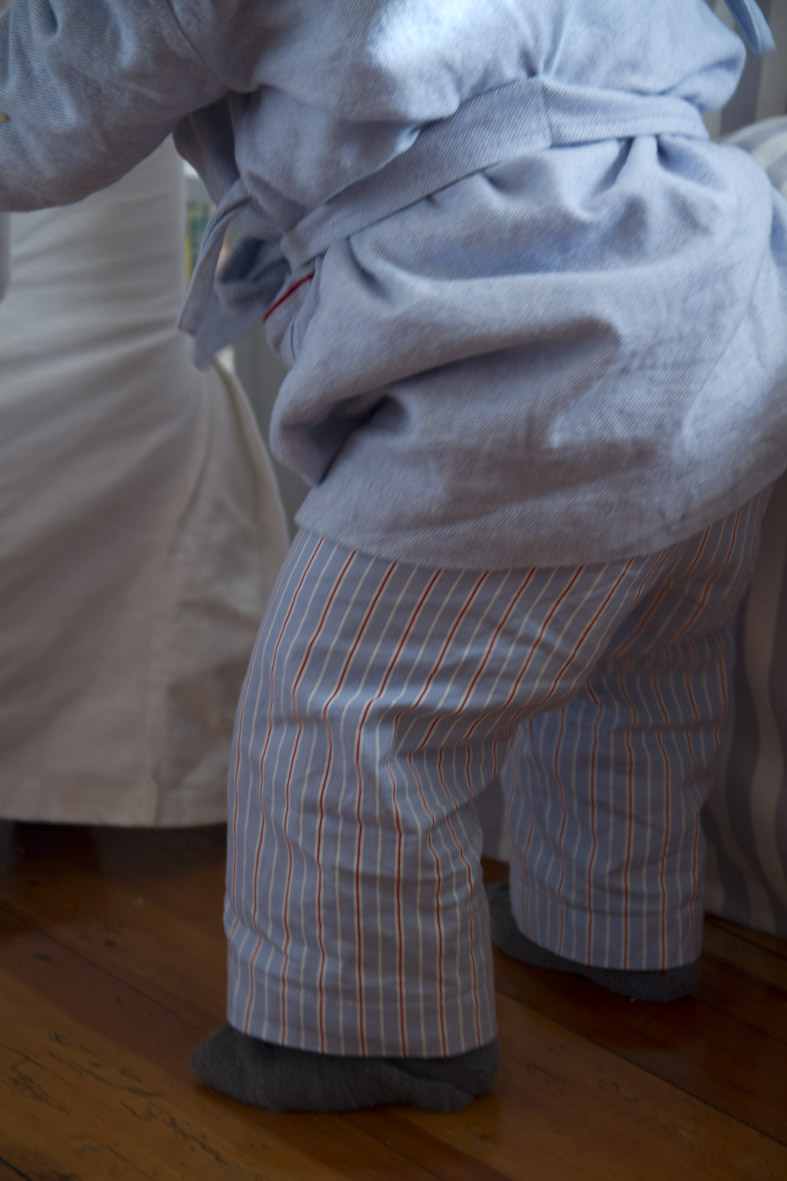
O Rodrigo precisa de umas quantas calças de pijama novas. Há um certo paradoxo na roupa infantil: por um lado, as crianças crescem tão depressa que não parece fazer sentido ter muita roupa mas, por outro, a rapidez com que a roupa fica suja e gasta faz com que seja necessário ter bastantes peças (pelo menos no caso de pessoas que não têm nem querem ter um secador de roupa… talvez um dia venha a ser mesmo indispensável, mas vou adiando o mais possível a compra de tal máquina).
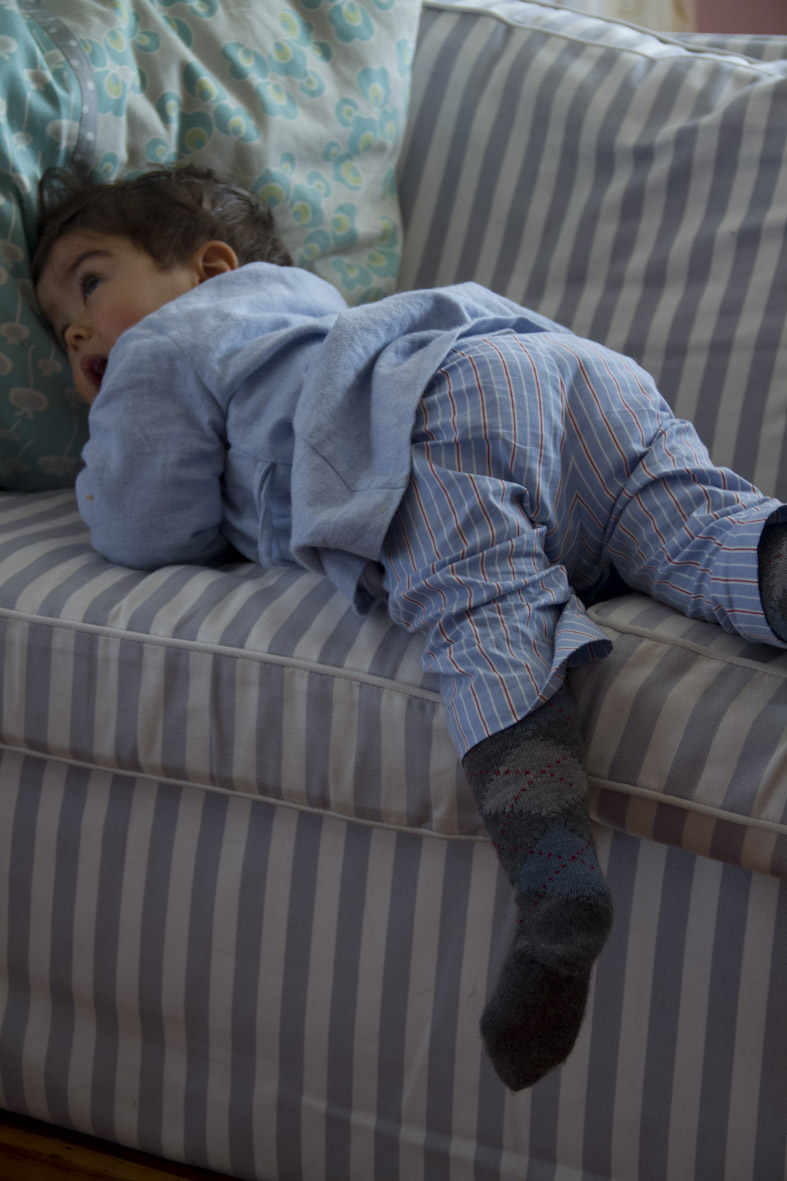
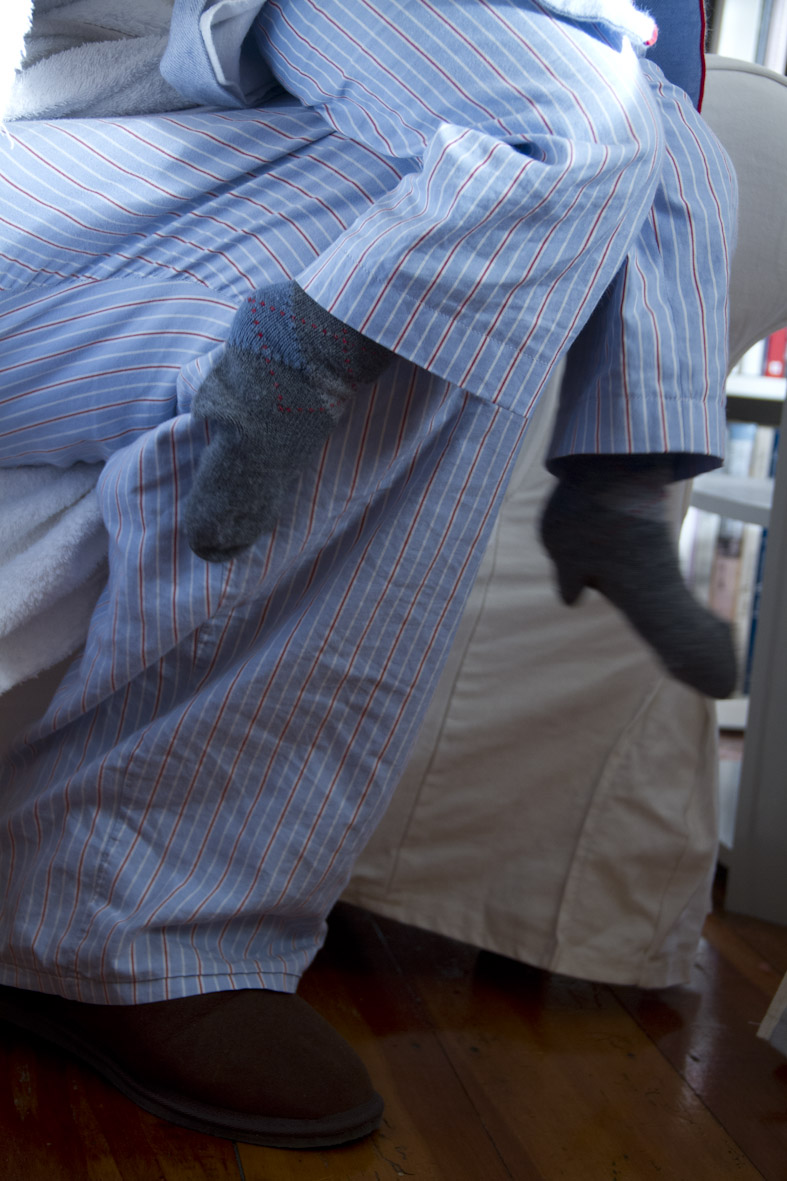
Segui um molde Oliver+S (a versão digital dos Bedtime Story Pajamas) mas com pequenas modificações: apesar de ter cortado o tamanho 18-24 meses (que, por falar nisso, fica quase-demasiado-justo), prolonguei a altura das pernas até ao tamanho de 3 anos — assim as calças duram mais tempo (isto se não se rasgarem entretanto) e pude fazer uma (generosa) bainha normal, em vez de usar tiras de tecido para as debruar, como as instruções indicavam. 
Por graça, fiz as calças do Rodrigo com o mesmo tecido que usei há 4 anos para fazer umas calças de pijama para o Tiago. Tal pai, tal filho!
Rodrigo needs a couple of new pairs of pyjama bottoms. There’s a certain paradox associated with children’s clothing: on the one hand, kids grow so quickly that there’s no point in them having a lot of clothes; however, their clothes often get stained and worn out  and that why it’s convenient to have a few extra pieces (especially as I don’t have and don’t want to buy a tumble dryer… maybe one day it’ll be indispensable but for now I’m postponing it as much as I can).

I followed a pattern by Oliver+S (the digital version of the Bedtime Story Pajamas) with some minor alterations: although I cut a size 18-24M (which, by the way, turned out almost-too-small), I lengthened the legs by cutting them a size 3T — that way the trousers will hopefully be worn a bit longer (provided that they don’t get destroyed in the meantime) and also because that enabled me to sew regular hems (albeit quite generous ones), bypassing the need to bind them with an extra piece of fabric (as per instructions). 

When I was picking out the fabric, I thought it would be fun to choose the same material I used 4 years ago to make a pair of pyjama bottoms for Tiago. Like father, like son!

(photos: © Constança Cabral)

De Volta à Costura :: Back to Sewing


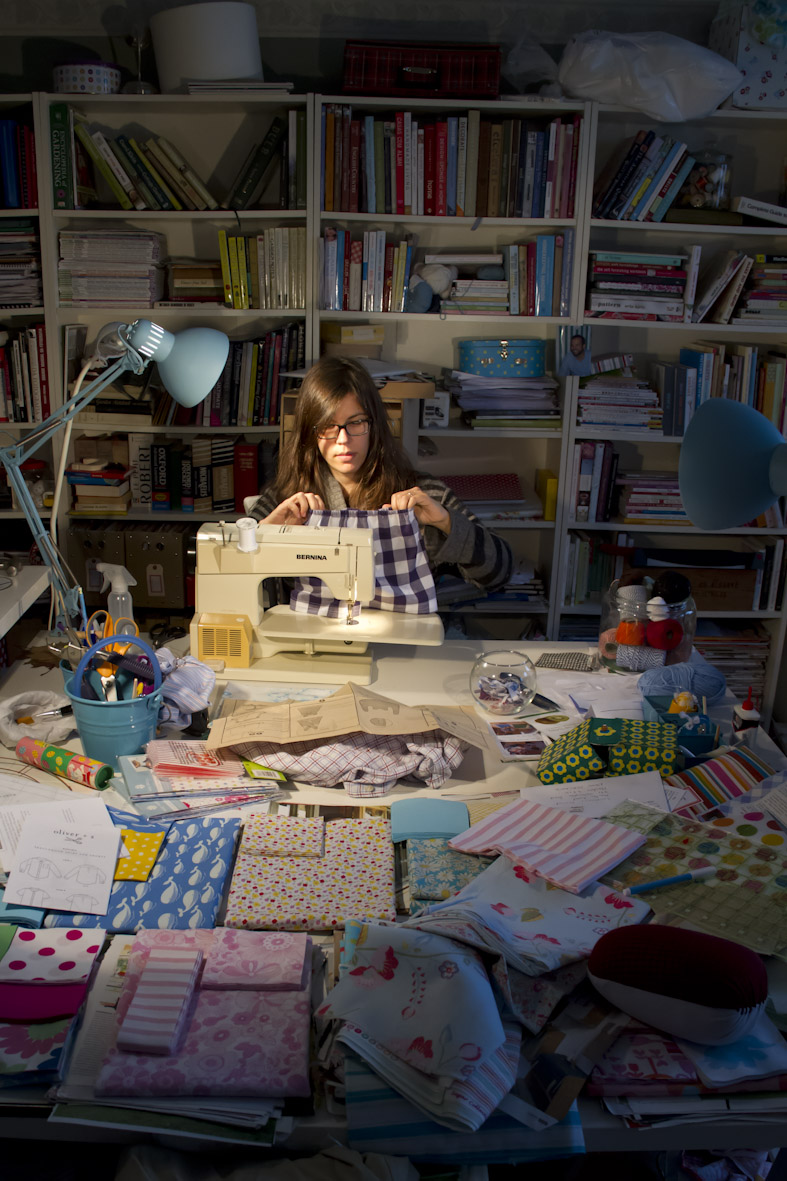
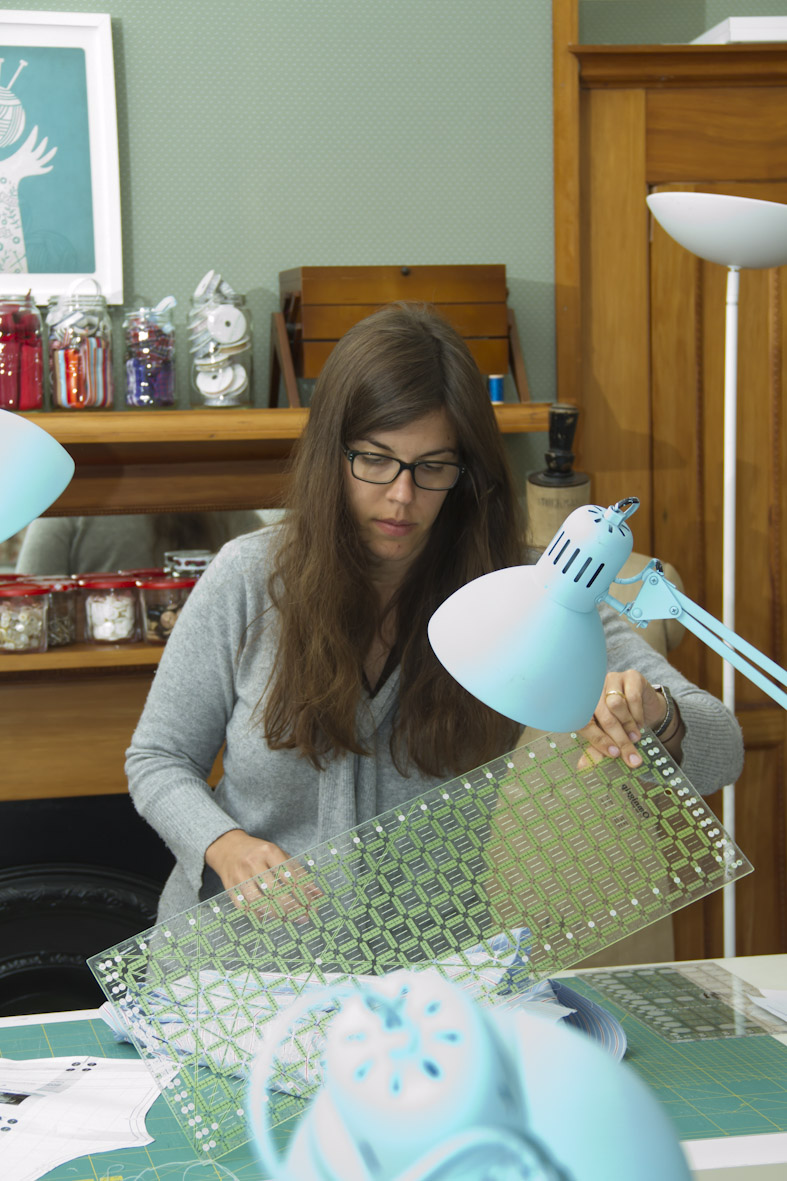
Com tanta coisa por fazer cá em casa (arrancar papel de parede, pintar, fazer cortinados, uma cozinha nova… e não há dia em que não mudemos os móveis de sítio), tenho estado muito pouco tempo no escritório. Mas hoje à tarde estava a chover (como se vê pela luz destas imagens) e, visto que o Rodrigo precisa de calças de pijama novas, dei finalmente uso à máquina de costura. Mais detalhes brevemente.
With so much to do around the house (rip off wallpaper, paint, sew curtains, a new kitchen… and we keep rearranging the furniture) I haven’t been in the study much. But today it was raining (as you can see by the light in these pictures) and since Rodrigo really needs a few pairs of pyjama bottoms, I finally put the sewing machine to use. More details soon.
(photos: © Constança Cabral)

Escolher a Primeira Máquina de Costura :: Choosing your First Sewing Machine

Que máquina de costura hei-de comprar?

… é a pergunta que mais me fazem. Recebo muitos emails a pedir conselhos sobre este assunto, de pessoas que querem começar a coser mas que não sabem: 1- quanto devem gastar numa primeira máquina; 2- que marca e modelo devem escolher.
Uma pessoa que começa a coser não quer gastar muito dinheiro numa máquina xpto cheia de pontos, ecrãs computorizados e acessórios extravagantes. Não faz sentido estar a comprar uma máquina caríssima quando ainda não sabemos sequer se lhe iremos dar muito uso.
Mas, como sabem, sou da opinião de que devemos sempre tentar comprar coisas de boa qualidade. Quem compra bom compra só uma vez, não é verdade? Comprar de forma consciente é uma atitude inteligente e ecológica. E mau material, para além de ter um tempo de vida útil bastante limitado (e as nossas lixeiras estão a rebentar pelas costuras), é meio caminho andado para uma vida cheia de frustrações (maus fornos/maus ingredientes = maus bolos, por exemplo). 
A solução? Comprar uma máquina de costura em segunda mão. 
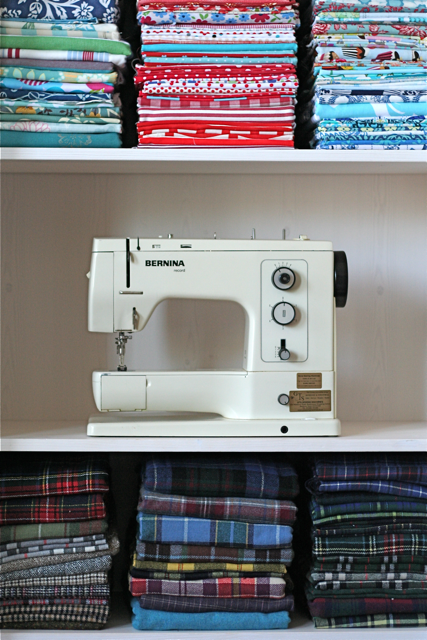
Mas não uma máquina qualquer! Uma máquina de metal, eléctrica, dos anos 60/70/início dos anos 80. Se possível, uma Bernina. Ainda melhor se essa máquina tiver sido a máquina topo de gama da época em que foi lançada.
Uma máquina antiga de metal cose tudo e resiste a tudo. A gama de pontos pode ser mais limitada mas, sinceramente, quantas vezes usamos todos aqueles pontos mais mirabolantes?
Querem saber a minha experiência em relação a máquinas de costura?
A minha mãe tinha uma Singer comprada em meados dos anos 80, uma máquina de plástico bege que fez muitos cortinados e muitas colchas lá para casa (hoje em dia tem uma Bernina Quilter’s Edition mas isso é outra história). A minha avó tem uma Oliva giríssima, verde azeitona (claro!), de metal, integrada num móvel também ele muito giro. Só que essa máquina é a pedal e, verdade seja dita, quem cosia lá muito era a costureira que ia lá a casa uma vez por semana, e a quem devo muitos fatos de Carnaval. A minha avó já me tentou ensinar a trabalhar com ela, mas eu sou a pessoa mais descoordenada do mundo e não gosto nada daquela história de ter de acertar com o ritmo do pedal ao mesmo tempo que estou concentrada em coser a direito. 
Ora bem, quando me comecei a entusiasmar por costura, pedi à minha mãe que me ensinasse a coser. Mas a tal Singer estava com imensos problemas de tensão, por isso acabei por receber uma máquina de costura nos anos. Escolhemos uma Pfaff Hobby 1042, que na altura custou cerca de €300. Se seguem o meu blog desde o início sabem que me fartei de coser com ela, mas rapidamente cheguei à conclusão de que precisava de uma máquina mais robusta. A Pfaff não cosia várias camadas de lona, a Pfaff tinha problemas de tensão, a Pfaff quando aquecia muito tinha de ser desligada até que conseguisse recuperar o fôlego. Francamente, eu estava a ficar farta da Pfaff. Ainda contemplei comprar uma máquina industrial em segunda mão, mas a que vi (uma Bernina, isto já em Inglaterra) era enorme e muito barulhenta. E foi nessa altura que percebi que se comprasse a melhor máquina doméstica  antiga (eléctrica) que conseguisse encontrar, ficaria muitíssimo bem servida. 
Passei horas na internet a fazer pesquisa e cheguei à conclusão de que tinha de tentar encontrar uma Bernina dos anos 60/70. E, passados uns tempos, consegui comprar a minha Bernina Record 830 numa loja de máquinas de costura por cerca de £250 (o mesmo preço da modesta Pfaff Hobby 1042, portanto… a Pfaff nunca deveria ter existido na minha vida… deveria era ter comprado logo uma Bernina antiga… mas quem não sabe é como quem não vê).
A Bernina Record 830 é uma máquina fantástica. Por ter sido comprada num especialista, veio a coser na perfeição. Caso tivesse sido comprada no eBay ou algo no género, teria de a ter mandado fazer uma revisão — mesmo assim, teria compensado. Já tive de a mandar arranjar uma vez (por culpa minha) e não houve problema nenhum — ainda há muitas peças e muitas pessoas que percebem destas máquinas.
A relação qualidade/preço de uma máquina antiga de qualidade é excelente. Por isso, o meu conselho é sempre este: se estiver à procura de uma primeira máquina de costura, compre uma máquina de costura antiga, a melhor que conseguir encontrar.

Which sewing machine should I buy?
… here’s a question I get asked all the time. I receive many emails asking for advice on buying a sewing machine from people who want to start sewing but who don’t know 1- how much they should spend on their first sewing machine; 2- which brand and model they should choose.
Someone who is just starting out doesn’t want to spend too much money on a fancy machine full of crazy stitches, computerised screens and extravagant accessories. It really doesn’t make much sense to splurge on something that you still don’t know if you’re going to use a lot or not.


On the other hand, I strongly believe that you should always buy things of good quality. When you buy quality you only have to buy once, right? Buying consciously is an intelligent, eco-friendly move. Poor quality stuff not only has a very limited life (and quite frankly, rubbish dumps are bursting at the seams), it also can make your life very frustrating (i.e. bad oven/bad ingredients = bad cakes).


The solution? Buy a second-hand sewing machine. 
But not just any old sewing machine! Find an electric, metal sewing machine from the 1960s/1970s/early 1980s. A Bernina, if possible. Better still if that machine was top of the range when it first came out.
An old metal sewing machine is heavy-duty and reliable. It sews everything. It may not have 60 different stitch patterns but let’s be honest: how often will you actually use them? 


Do you want to know my personal experience?


My mother had a Singer that she bought in the mid-1980s, a beige plastic machine that sewed many curtains and bedspreads for our home (nowadays she owns a Bernina Quilter’s Edition but that’s a whole other story). My grandmother has got a super cute Oliva (a classic Portuguese vintage brand), olive green (naturally!), metal, integrated in a nice wooden cupboard.  But it’s a treadle machine, which was mainly used by the seamstress that used to work there once a week and to whom I own many a Carnival costume. My granny has tried teaching me how to use it but I am a joke when it comes to motor coordination and I can’t get the hang of that thing.
Well, to cut a long story short: when I discovered the wonderful world of sewing I asked my mother to teach me how to use her sewing machine. However, that sewing machine was having serious tension problems so I ended up getting a sewing machine for my birthday. We choose a Pfaff Hobby 1042 which at the time cost about €300. If you’ve been following my blog since the beginning you’ll know that I sewed a lot with that machine. But I quickly realised that I needed something stronger: the Pfaff couldn’t cope with two or three layers of canvas; the Pfaff suffered from tension problems; the Pfaff would get very hot and then I would have to turn it off and wait for it to cool down and catch its breath. Seriously, I was getting fed up with Miss Pfaff. I actually contemplated getting an industrial sewing machine but the one I looked into (a Bernina — this was already in England) was huge and very loud. And that’s when it occured to me that I would be much better served if I bought the best (electric) vintage domestic sewing machine I could find. 
I spent hours online researching the subject and came to the conclusion that I would try to find a Bernina from the 60s/70s. And some months later I bought my Bernina Record 830 in a sewing machine shop for approximately £250 (roughly the same amount we payed for the Pfaff Hobby 1042… I should have skipped it entirely and gone straight for the old Bernina… but at the time I didn’t know any better). 
The Bernina Record 830 is a fabulous machine. Because I bought it from a specialist it came in mint condition. Had I bought it from eBay I would have had to get it serviced but it would have still been worth it. I’ve had it repaired once (my fault) but that was no big deal as there are still parts available and people who know how to work them.
Good quality vintage sewing machines are great value for money. So my advice is this: if you’re looking for your first sewing machine, buy the best vintage machine you can find.


(photo: Constança Cabral)

Planos :: Plans

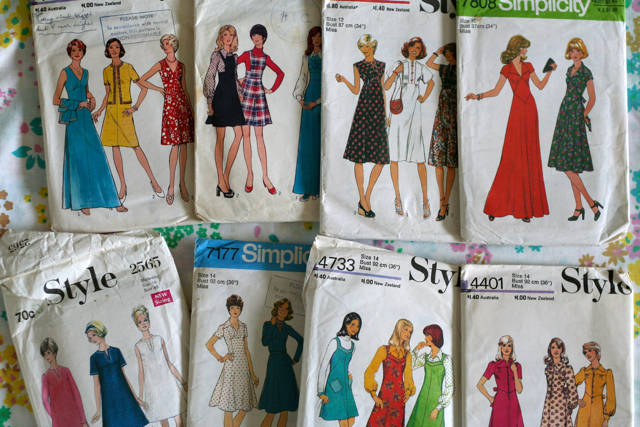
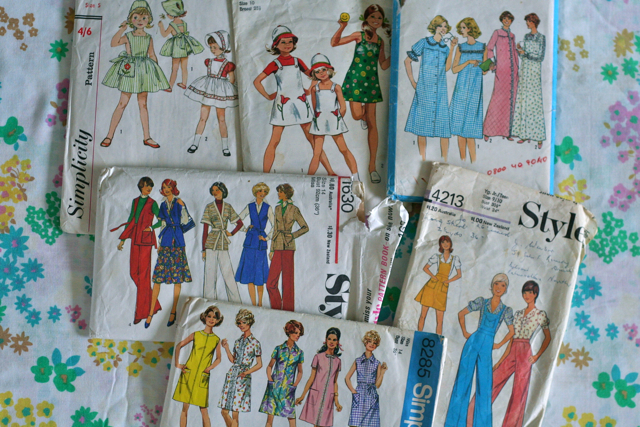
É quase impossível encontrar roupa decente aqui. Não sei se as lojas recebem os restos das colecções europeias, ou se é o meu gosto que é completamente oposto ao gosto neozelandês. O que é certo é que a minha roupa está toda velha e gasta e preciso de coisas novas, e não as vejo à venda.
Mas há muitos moldes antigos com preços incrivelmente baixos. E muitos tecidos em super-saldos.
Acho que este vai ser o ano em que vou mesmo tentar fazer roupa para mim. Ainda não sei bem como vou adaptar os moldes ao meu corpo, mas há muitos sites e livros sobre o assunto, e bolas, não há-de ser assim tão difícil!
Vocês fazem roupa? E usam-na?
I have been having some trouble finding nice clothes for me locally. I’m not sure if the shops receive old stock from overseas or maybe it’s just my taste that’s completely different from the NZ norm. But the fact is I’m in dire need of new clothes because pretty much everything I own is looking rather old and tired, and I don’t see clothes that I want to buy available for sale.

But there are heaps of vintage patterns that are incredibly cheap. And lots of fabrics on super-sale.

I think this is going to be the year I’m actually going to sew clothes for myself. I’m still not sure how I’m going to adapt the patterns to my own measurements but I’m sure there are lots of websites and books on the subject… I mean, it can’t be that hard!

Do you make — and wear — your own clothes?

(photos: Constança Cabral)
Shop Update :: Quilt Kits

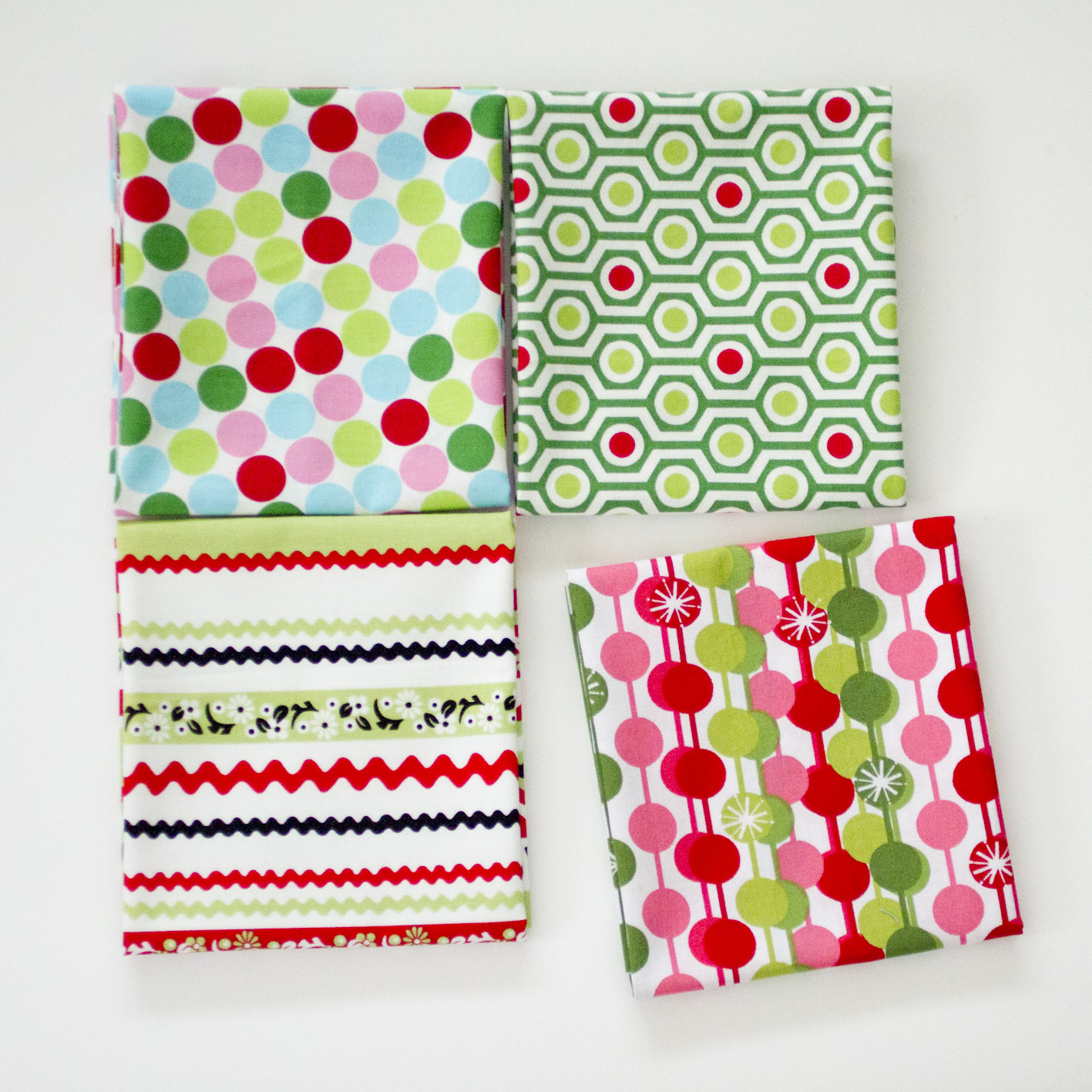
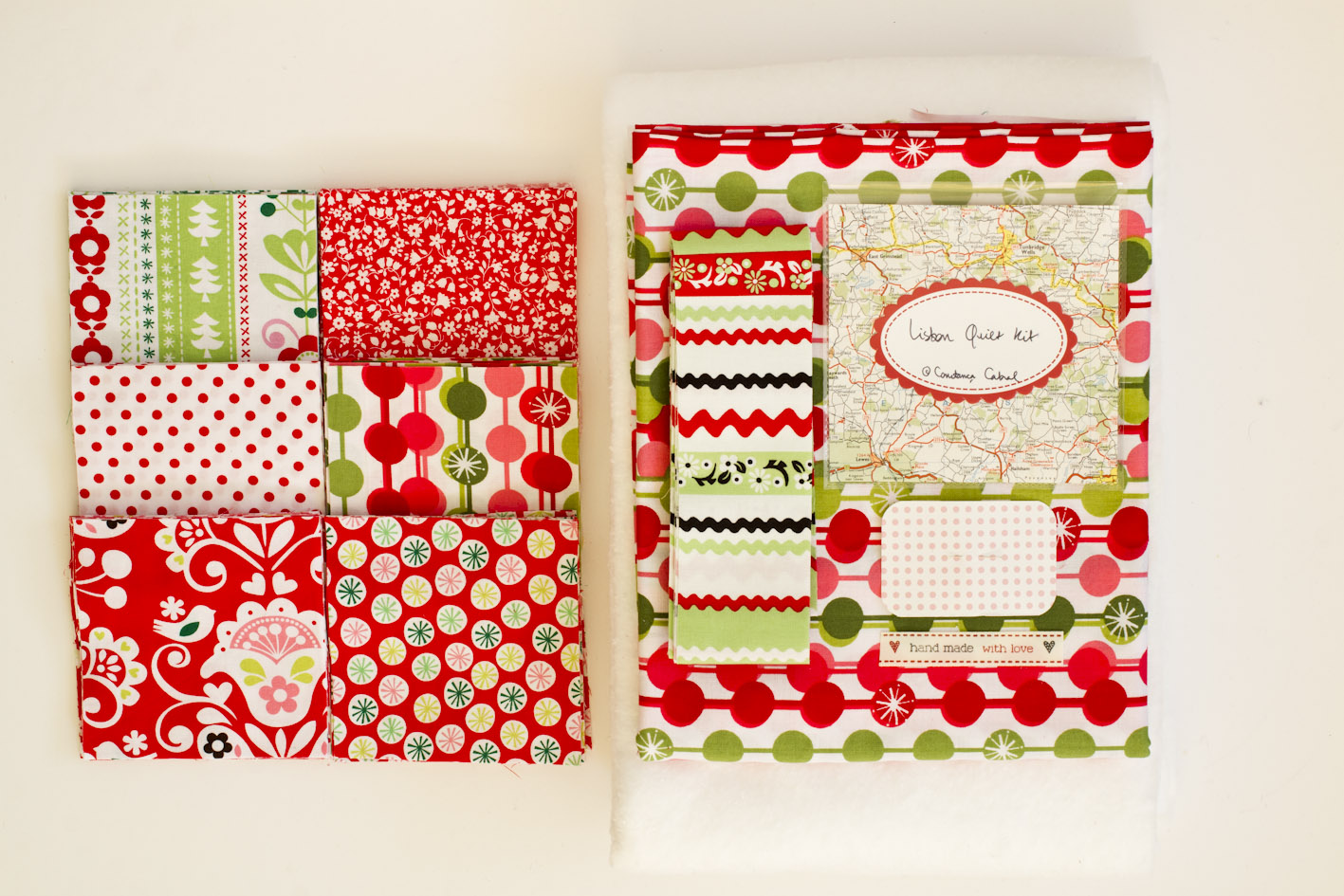
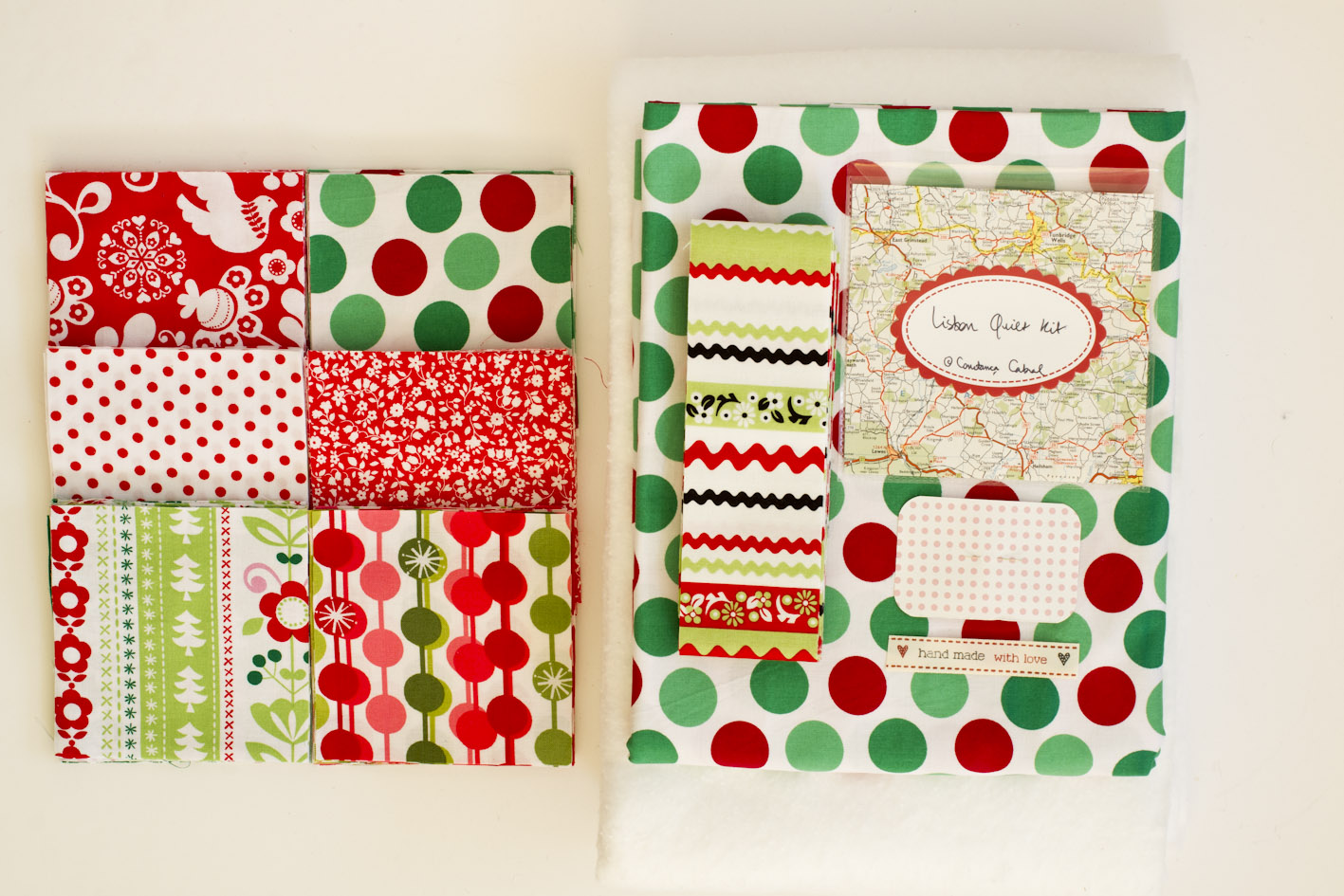
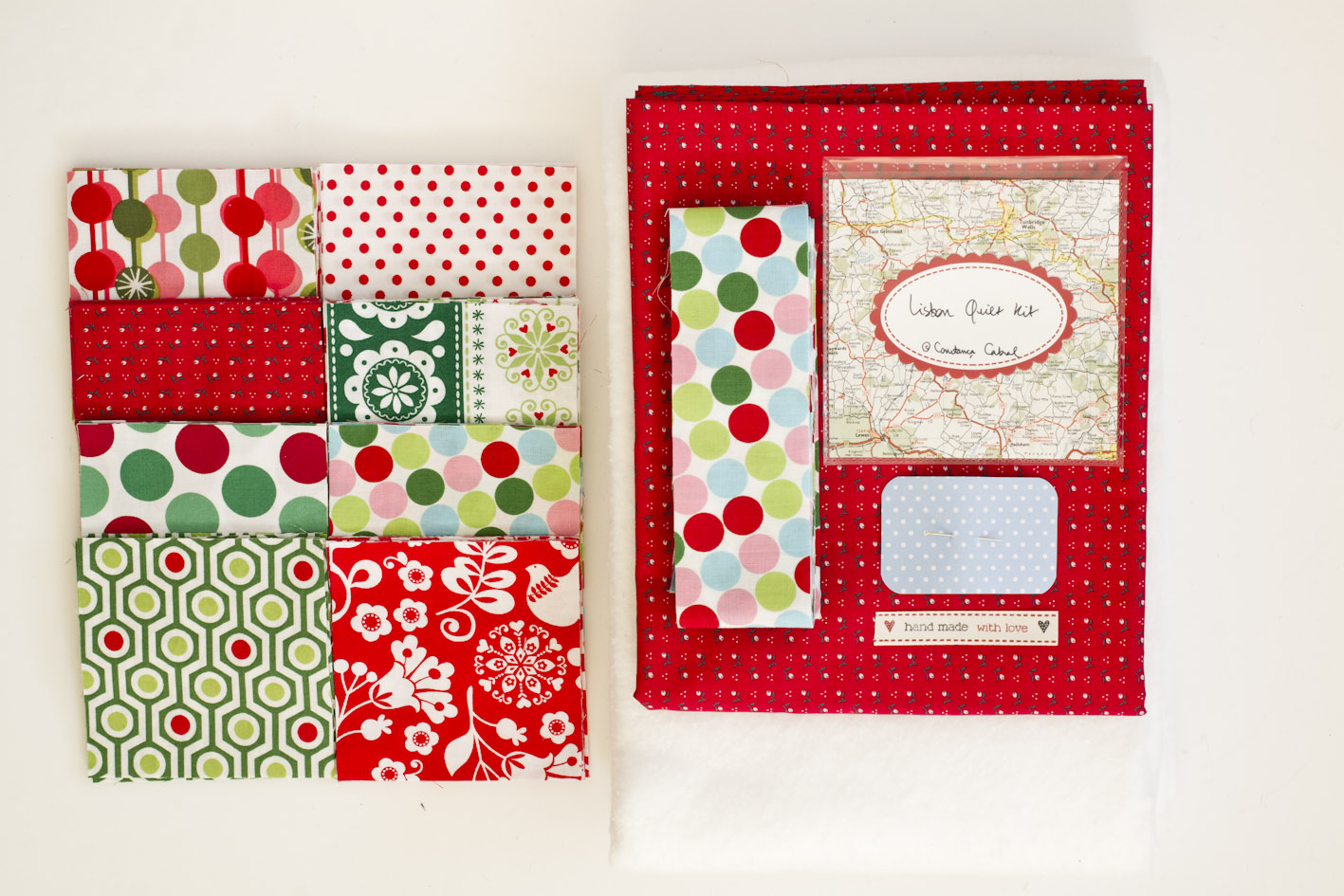
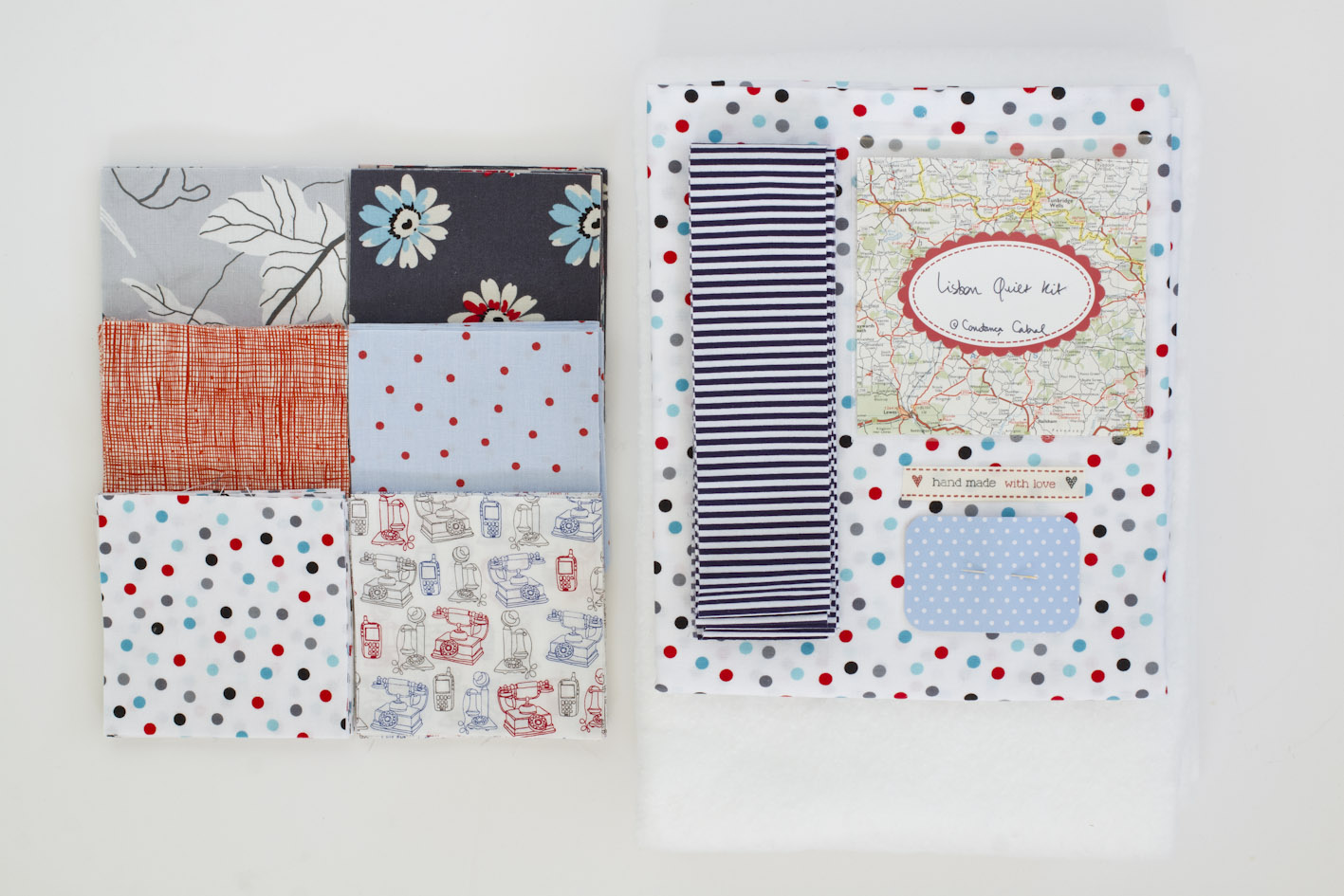
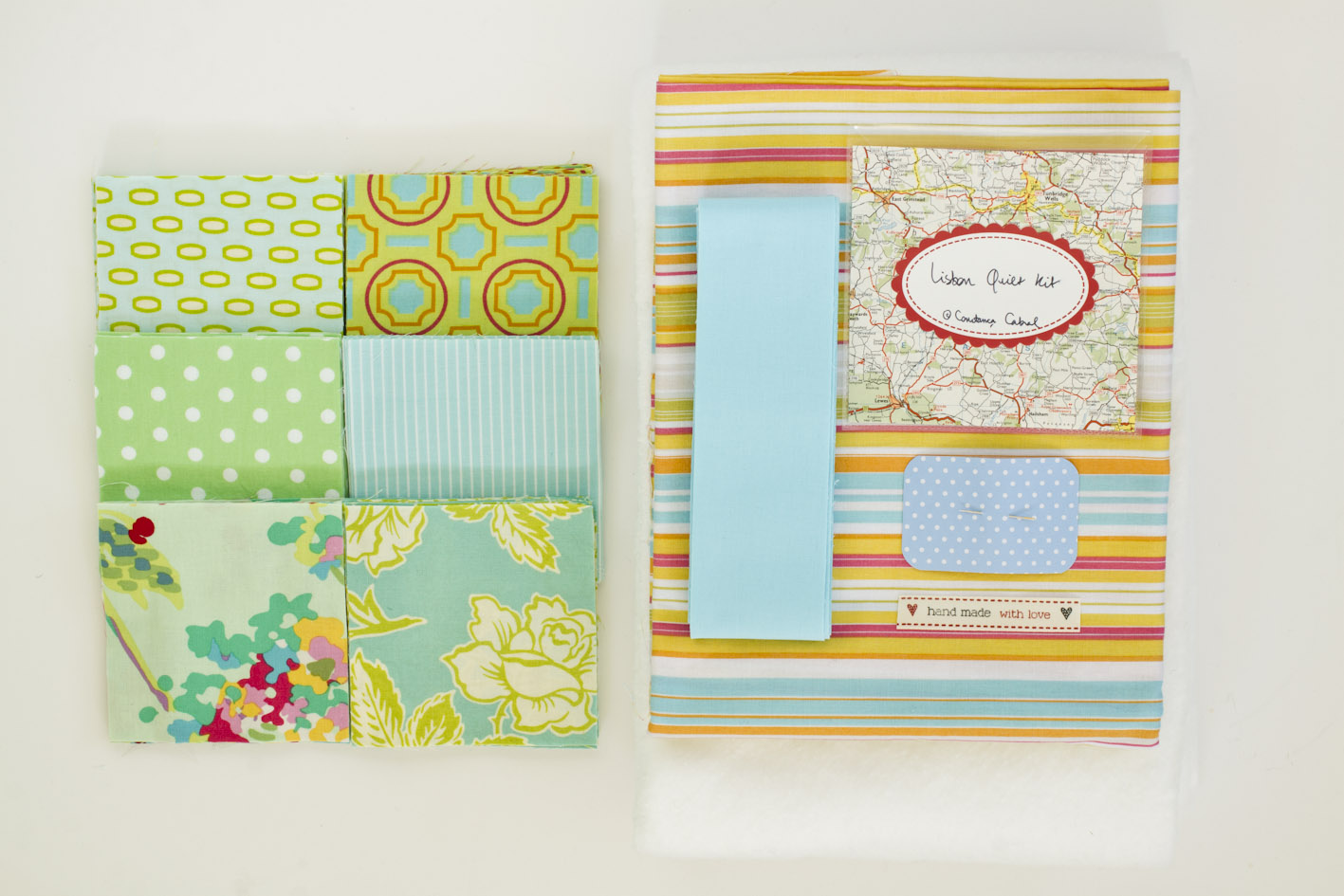
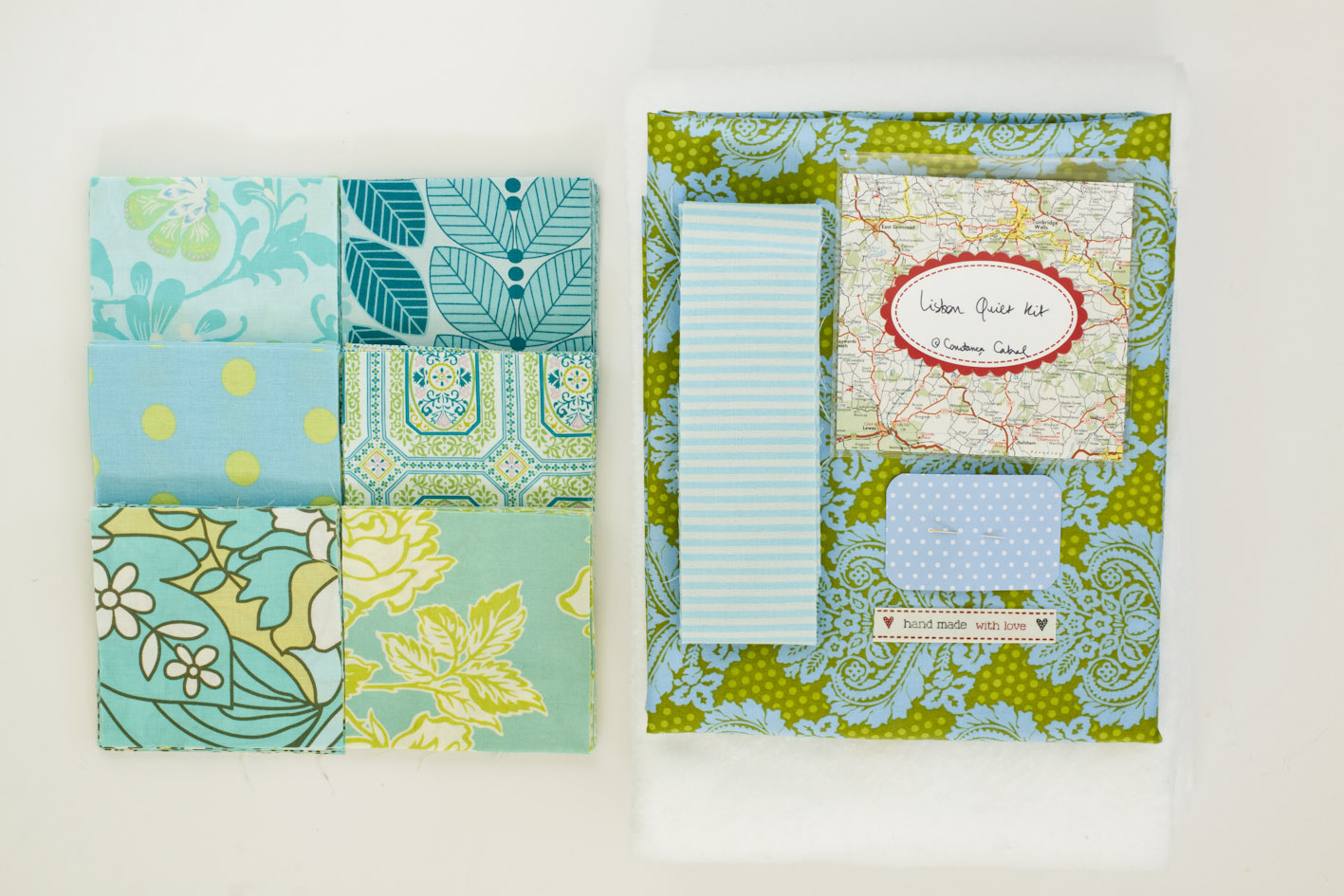
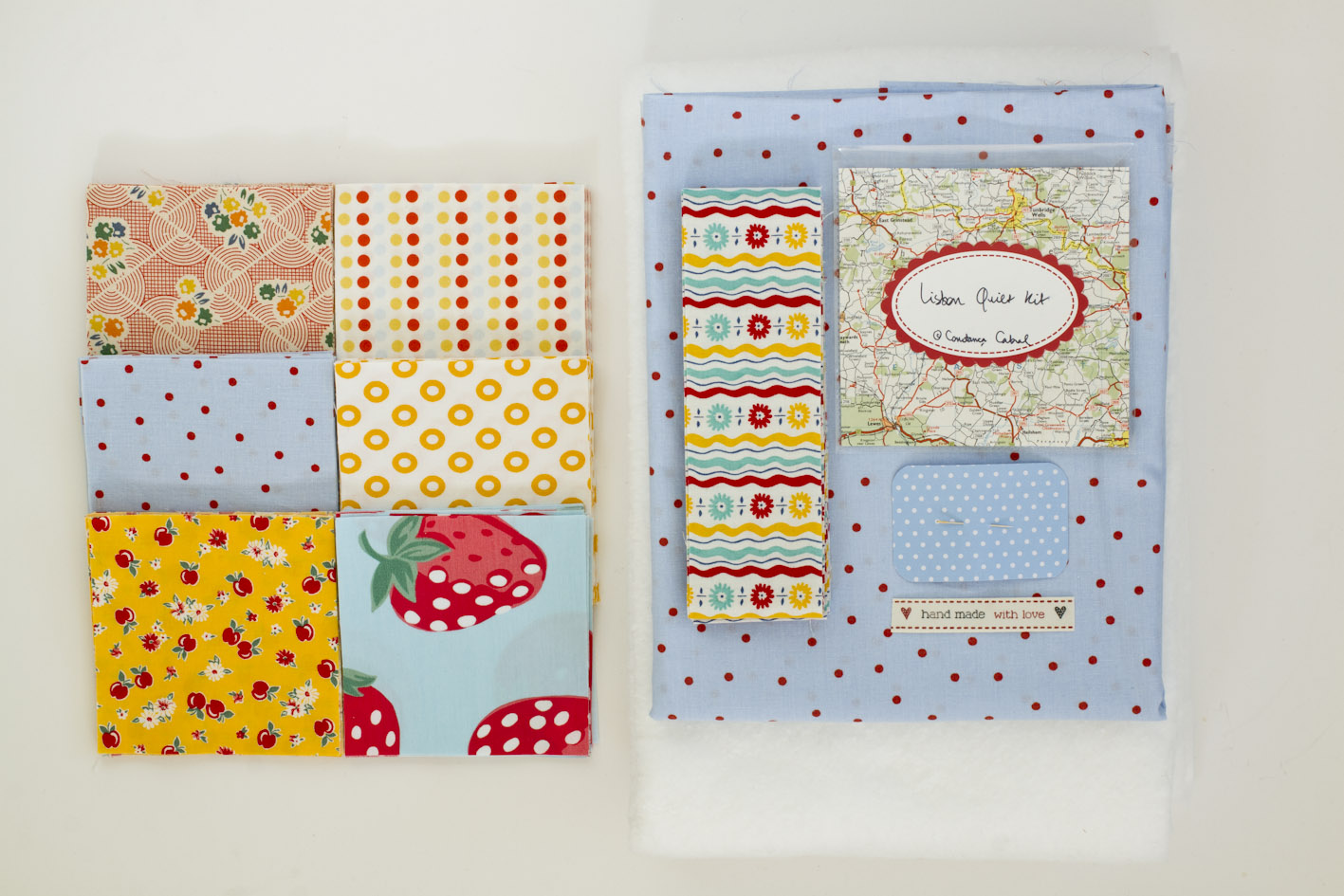
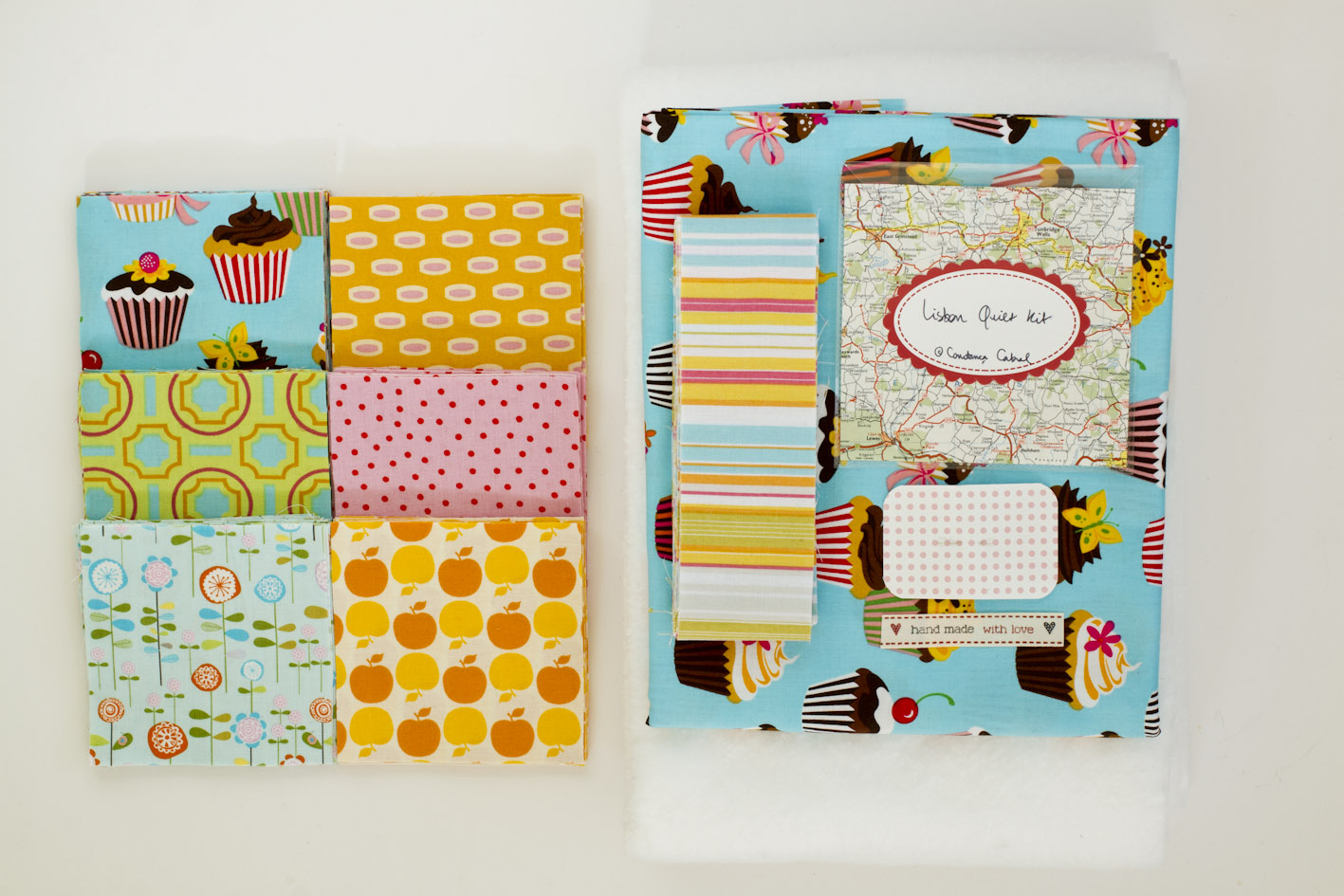
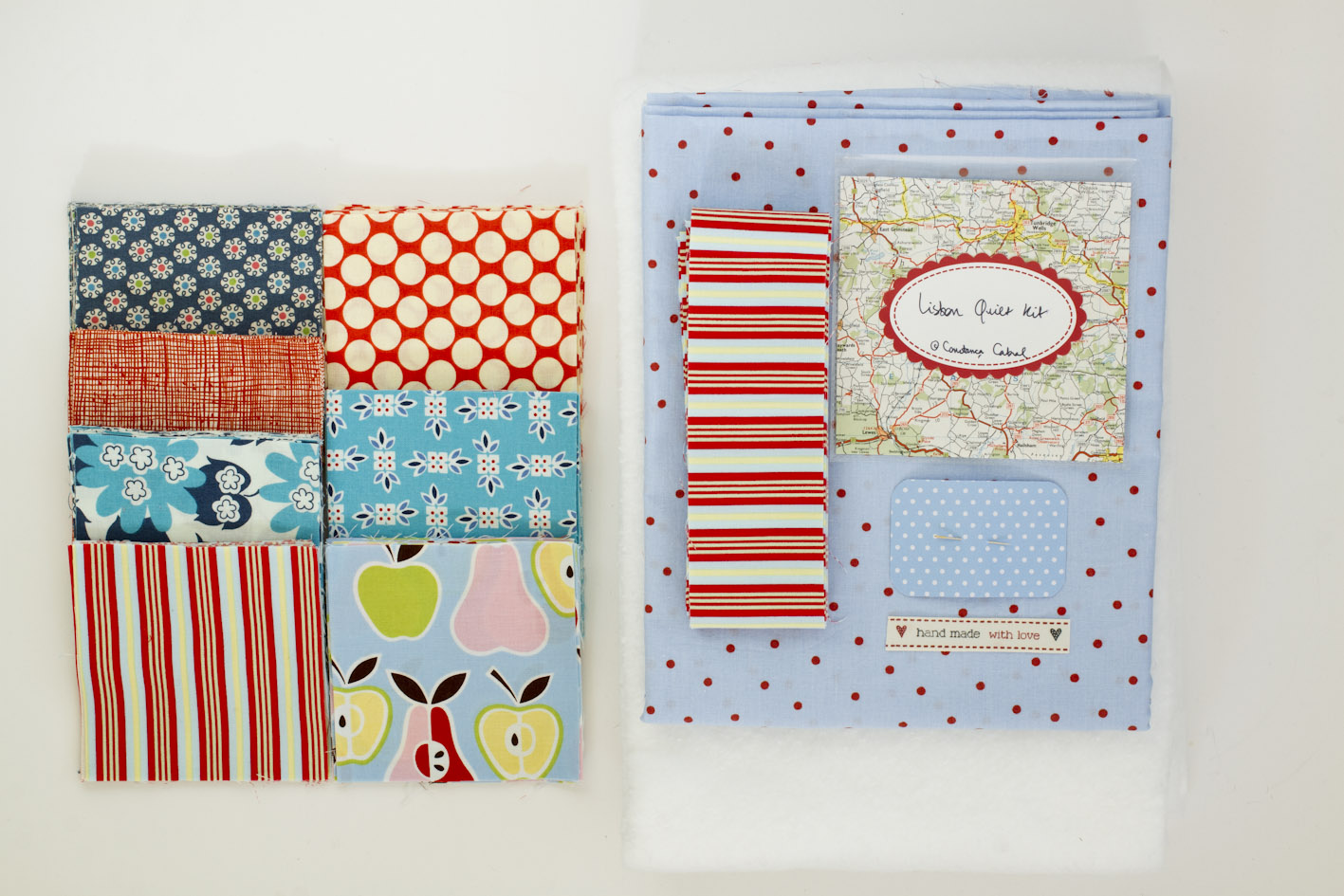
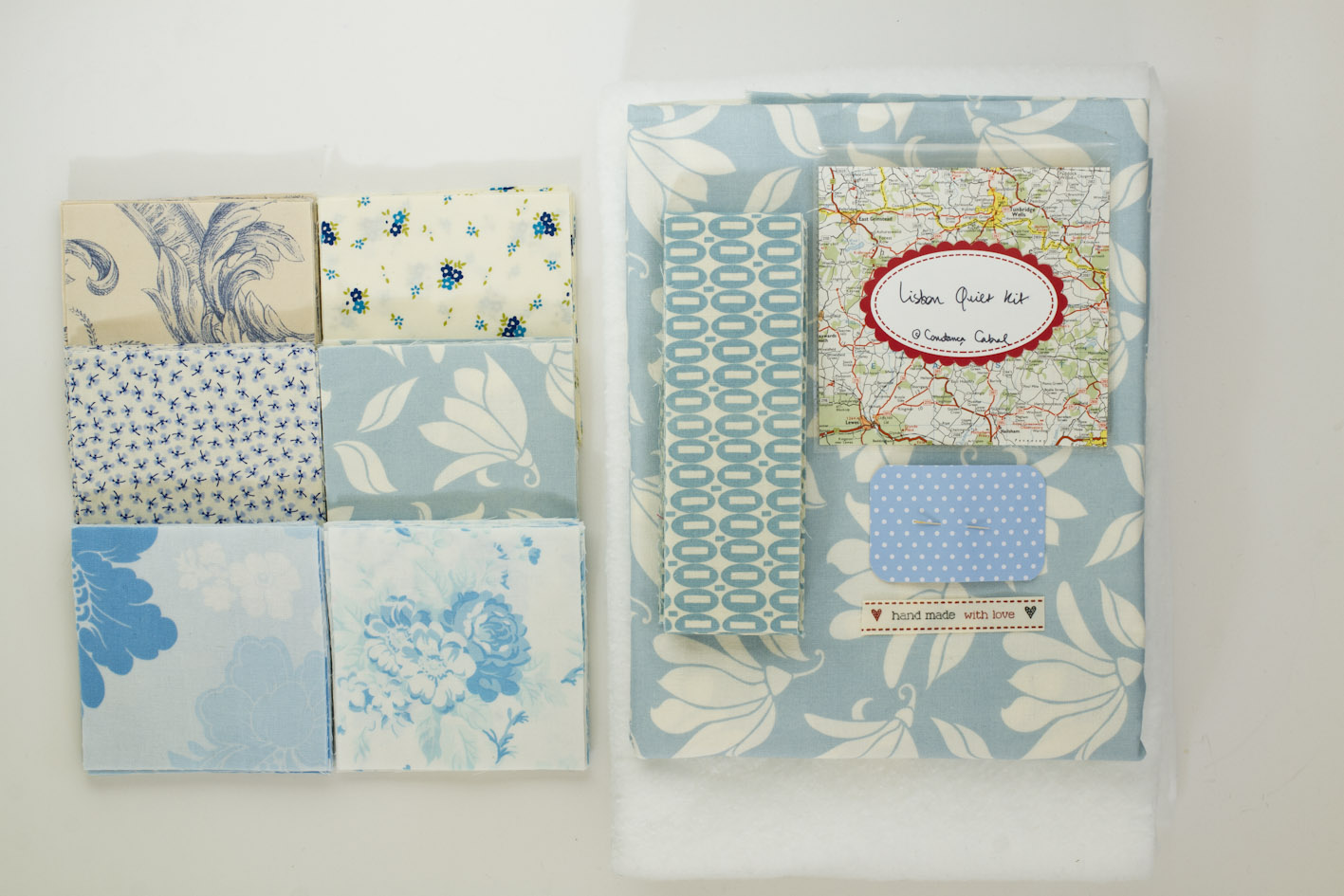
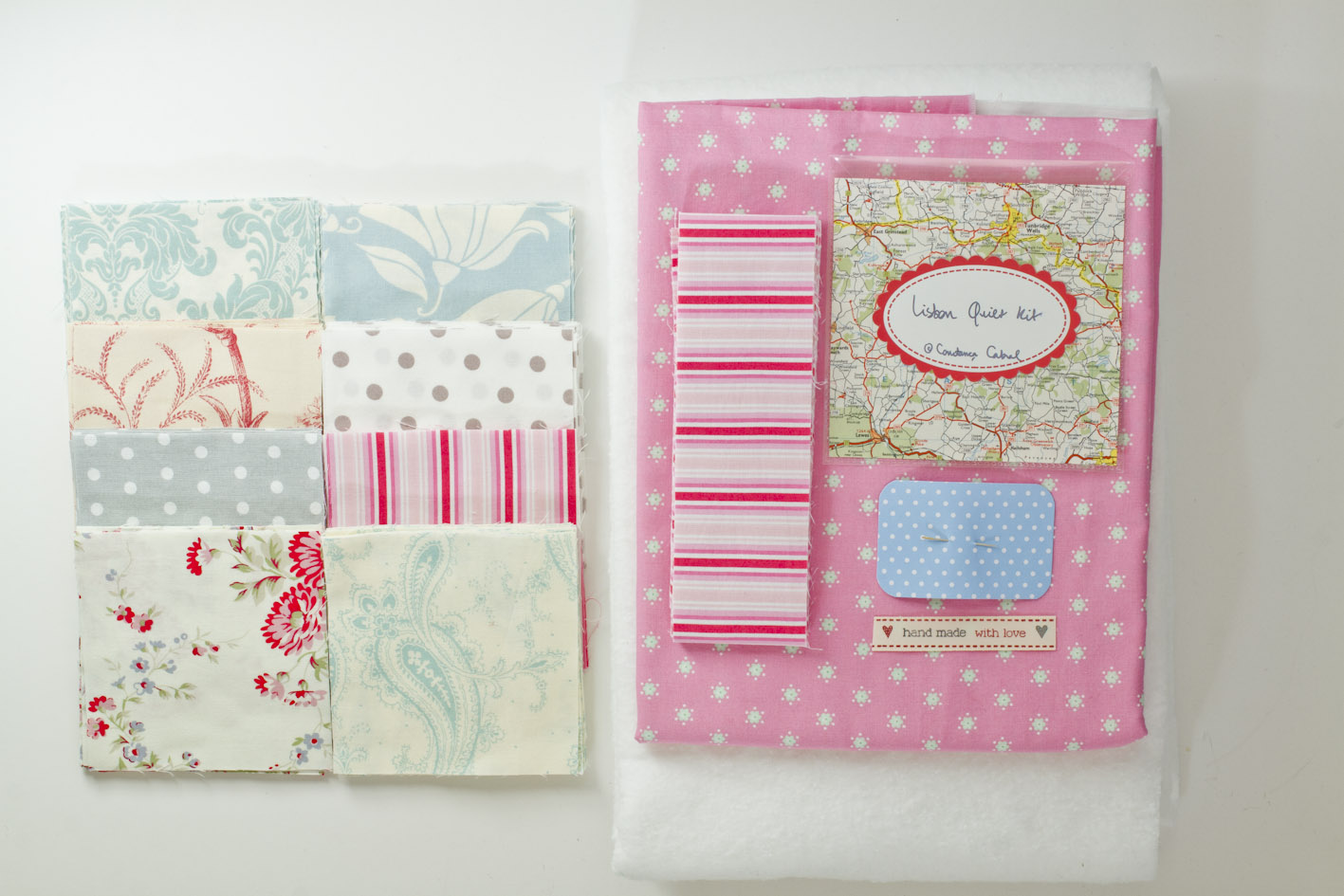
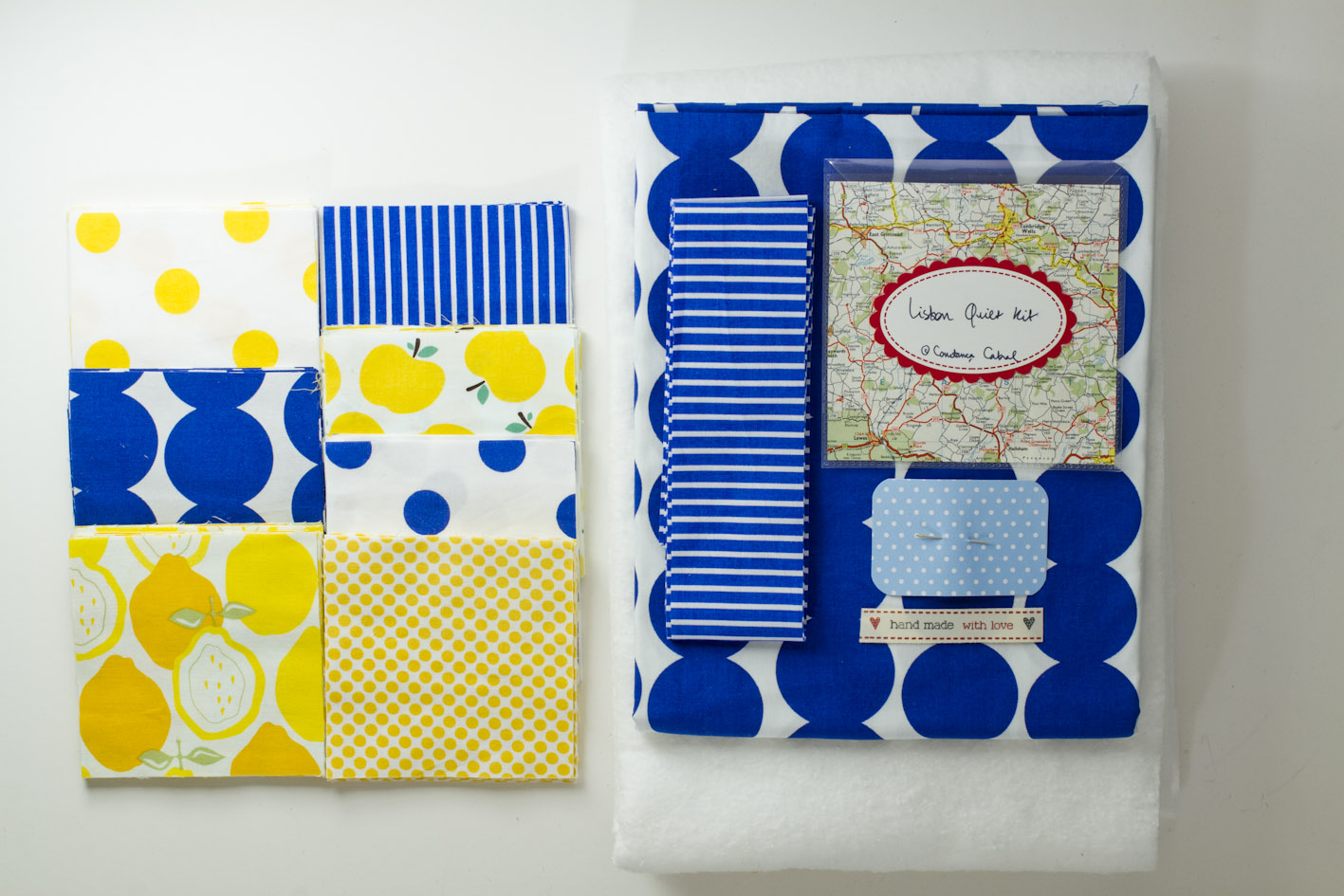
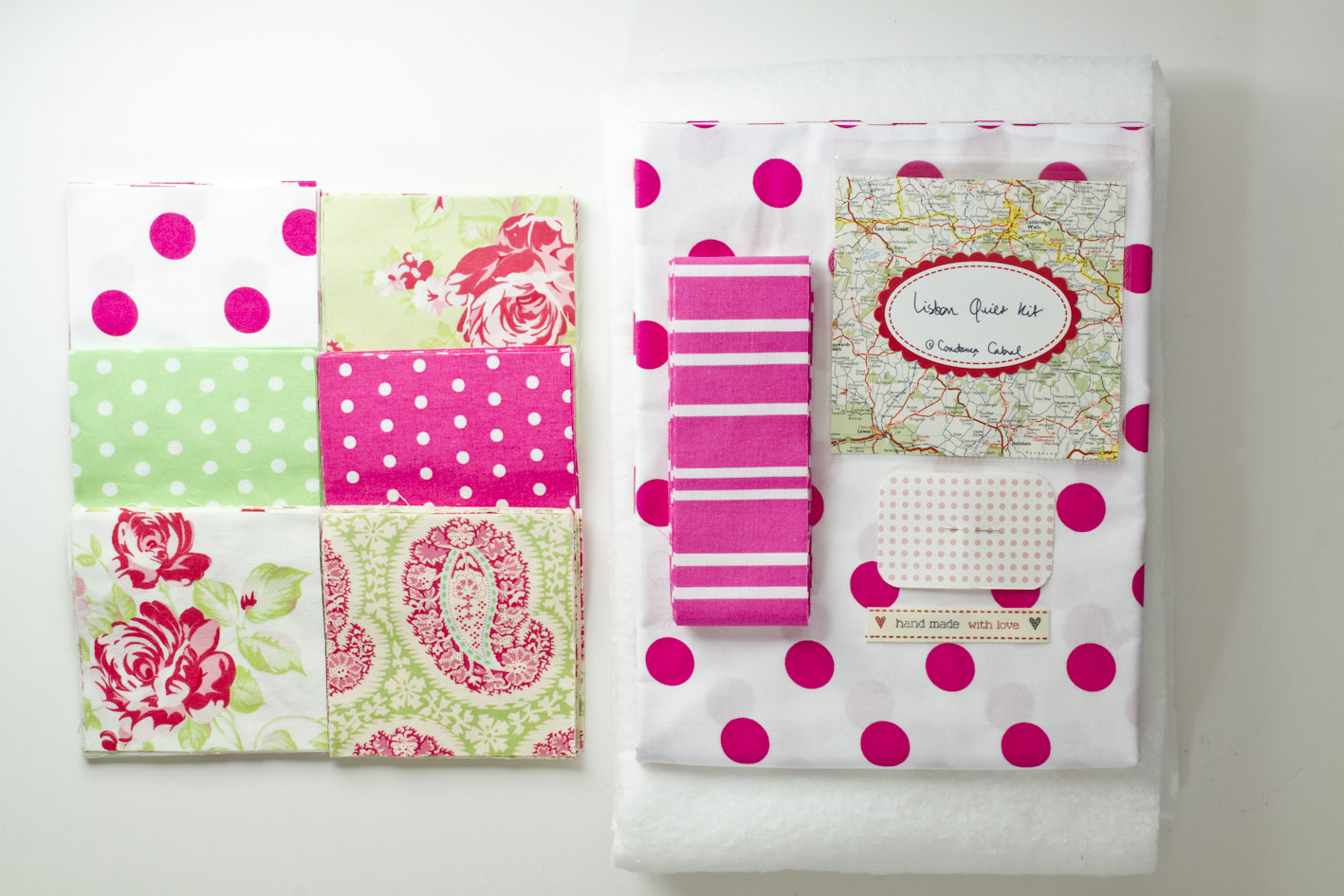
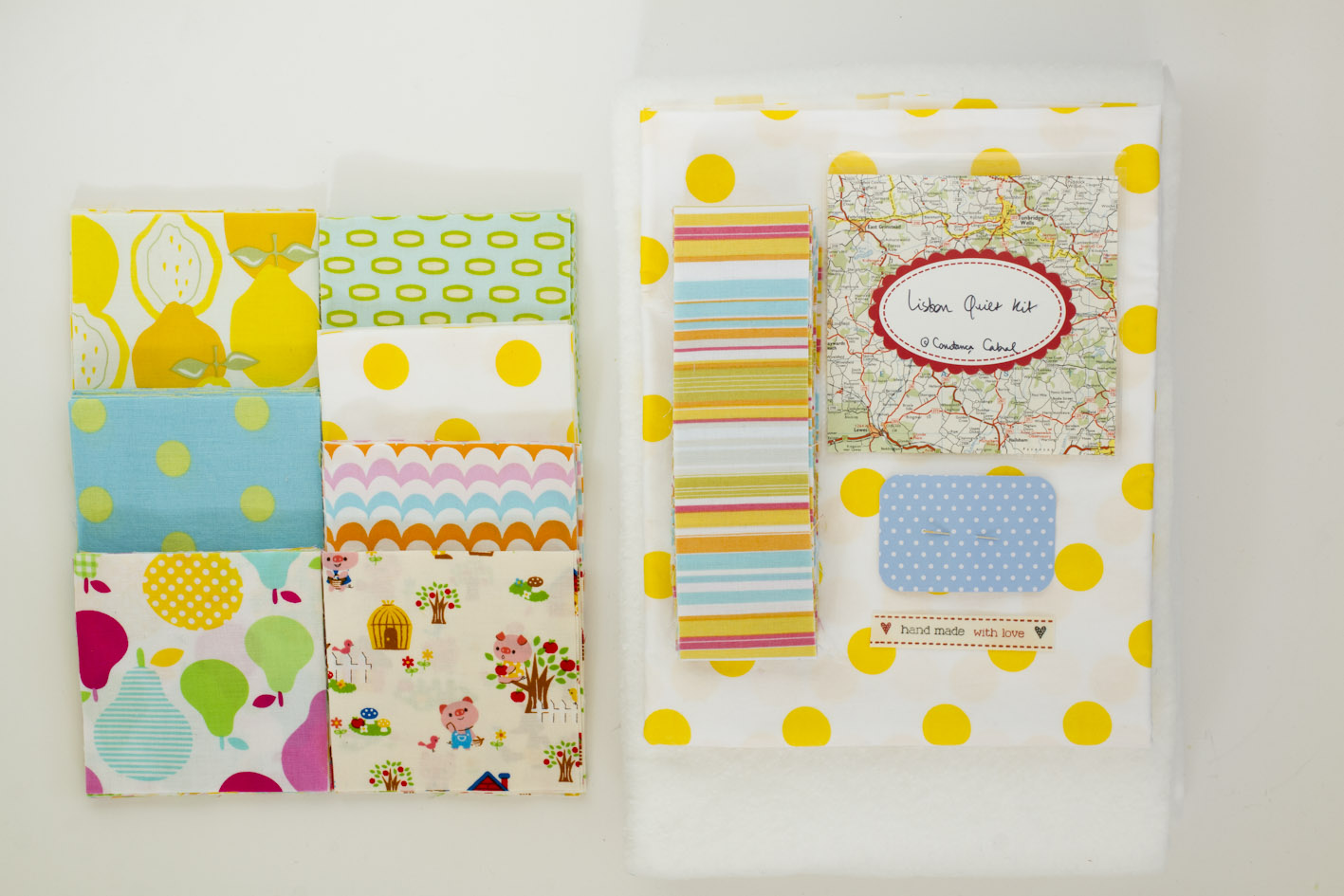
Há novos quilt kits na loja (mais informações sobre os quilt kits aqui). Desta vez até há três especial Natal. Todos vendidos. Muito obrigada!
There are new quilt kits available in my shop (more information about quilt kits here). This time I’ve even included three Christmas kits. Sold out. Thank you so much!
(photos: Constança Cabral)
Roupa de Casa :: Linen


Desde pequena que tenho um verdadeiro fascínio por roupa de casa. Se fizer parte de um enxoval, então ainda melhor. Gosto de olhar para lençóis, fronhas, toalhas de mesa, toalhas de mão, panos de tabuleiro — gosto de abri-los, tocar-lhes e fazer perguntas: quem bordou? quem encomendou? quem usou? para que serve? A minha mãe teve a sorte de ainda ter tido os lençóis do enxoval bordados por umas freiras de Odemira (isso ainda existia nos anos 60? que inveja! quem me dera!). Confesso que não sou grande apreciadora de rendas, mas dêem-me ajours, bordado inglês, ponto cheio, e sou uma mulher feliz.
aqui referi que fui recebendo peças de um serviço Vista Alegre ao longo dos anos. Claro que agradeço e gosto muito, mas não sei se não teria preferido um clássico enxoval de roupa branca. Uma toalha da Madeira, umas toalhas de Viana, muitos lençóis bordados à mão, enfim. Acham que sou louca?
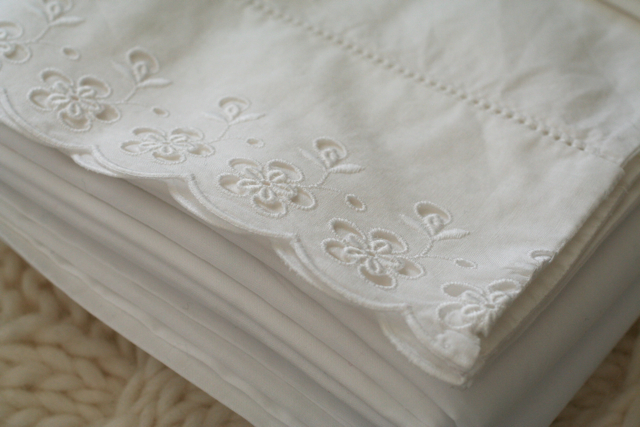
Na altura de escolher um presente de casamento para a minha querida amiga Mafalda, lembrei-me de lhe oferecer lençóis. A Mafalda não é grande amiga de quilts e a minha mãe deu-lhe uma toalha de Viana, por isso as minhas opções encontravam-se bastante limitadas. Comprei um lençol e duas fronhas do melhor pano que encontrei em Lisboa e apliquei-lhes um terminal bordado. O conjunto ficou bonito e simultaneamente prático para os dias que correm (a verdade é que muitos franzidos e fitas e bordados são uma dor de cabeça para lavar e engomar). Claro que há lençóis muito mais requintados à venda (basta ir ao Paris em Lisboa) e óbvio que nada bate um lençol antigo que já foi da bisavó, mas fiquei contente com este presente. Espero que ela tenha gostado (e o Bernardo também)!
Ever since I was a little girl I’ve had a real fascination with house linen. If it’s part of someone’s trousseau, that’s even better. I love looking at bed sheets, pillow cases, tablecloths, linen hand towels, placemats — I like unfolding them, touching them and asking questions: who has embroidered it? who has commissioned it? who has used it? what’s it for? My mother was lucky enough to still have her bed linen embroidered by nuns (did that still exist in the 1960s? I want that too!). I confess I don’t much care for lace but give me hand-drawn hems, broderie anglaise and satin stitch and you’ll make me a very happy woman indeed.

I’ve already told you that I received a full china set over the years but as much as I am thankful and appreciate it, sometimes I wonder if I wouldn’t have preferred an old-fashioned trousseau. Things like wonderful tablecloths, lots of hand-embroidered bed sheets, the lot. Do you think I’m crazy?

When the time came to choose a wedding present for my dear friend Mafalda, I thought I’d give her bed linen. She doesn’t like quilts and my mother had already given her an embroidered tablecloth so my options were quite limited. I bought one plain sheet and two pillowcases (the best quality ones I could find in Lisbon) and stitched an eyelet panel over the edges. I think the set turn out both beautiful and practical for daily living (truth is, frills and ribbons and elaborated embroideries are a pain to wash and iron). Of course there’s much more refined bed linen available out there (you simply have to pop into Paris em Lisboa) and naturally nothing beats an antique bed sheet that used to belong to your great-grandmother, but I was pleased with this gift. I sincerely hope she likes it (and her husband as well)!

(photos: Constança Cabral)