Mãos à Obra!

“Este livro é sobre criatividade, gratificação e independência. 
Sobre saberes antigos adaptados à vida presente. 
Sobre descoberta e imaginação. 
Este livro é sobre coisas feitas à mão.”
É assim que começa “Mãos à Obra!”, o meu livro com a Marcador, que vai ser lançado amanhã em Portugal. Escrevo estas palavras com um aperto no estômago — sinto uma enorme alegria mas também uma boa dose de nervosismo. Um livro! Escrevi um livro!
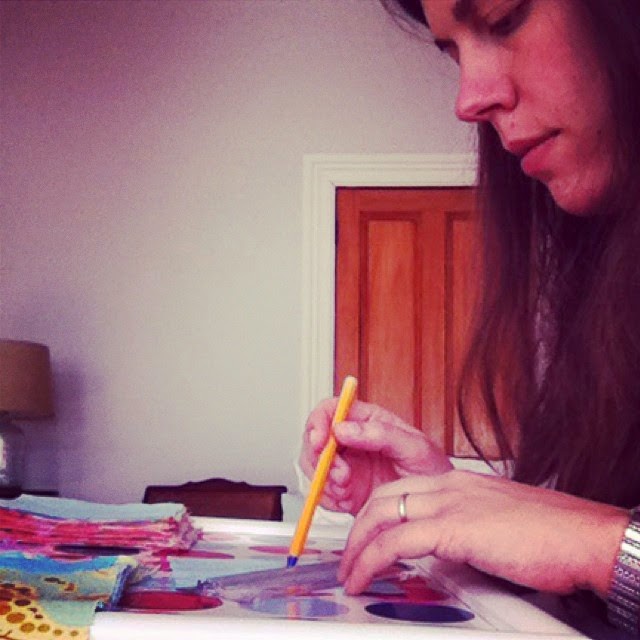
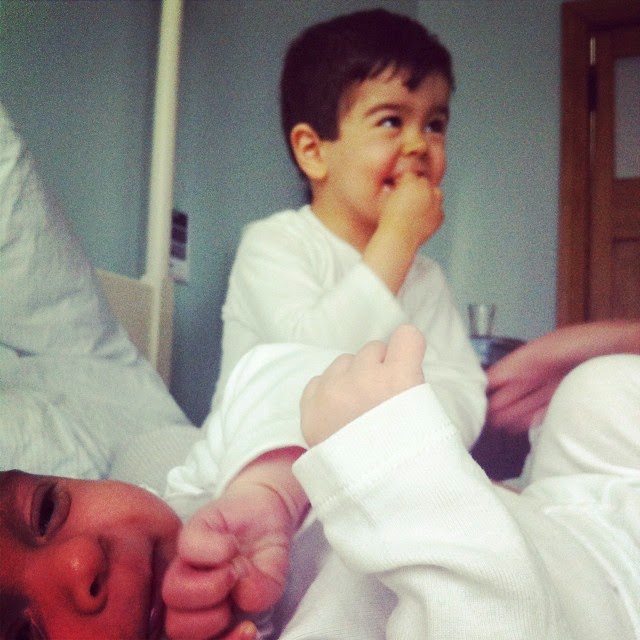
Fui desafiada a escrevê-lo há dois anos e trabalhei nele com muito entusiasmo e afinco. Tentei ser criativa nos projectos, perfeita nos acabamentos e rigorosa nas explicações. A Marcador fez um excelente trabalho de design, paginação e revisão (escrevi o livro “à antiga” mas os textos foram todos revistos conforme o novo acordo ortográfico). As fotografias foram tiradas pelo Tiago e por mim em três países diferentes. Quando assinei o contrato, o Rodrigo era um bebé de colo e ei-lo agora, um rapazinho com quase 3 anos! Escrevi e fotografei parte do livro já com o Pedro na minha barriga, e revi provas nos intervalos das sestas. 
O blog foi o ponto de partida, mas o livro é muito mais do que o blog. Tem quase 50 projectos de costura, culinária, jardinagem e decoração e o tema subjacente é a casa. No capítulo introdutório fiz um apanhado das minhas opiniões e convicções a respeito deste estilo de vida que escolhi e estabeleci as bases para as diferentes matérias do livro. Há muito tempo que não escrevia tão intensamente — foi uma oportunidade óptima para repensar as minhas escolhas e tentar transmitir-vos aquilo em que acredito.
O livro está dividido em quatro partes: Primavera, Verão, Outono e Inverno. Já sabem que sou grande adepta de tirar o maior partido das estações do ano e fazer o possível por torná-las especiais. Ao tornar os nossos dias especiais, estamos a tornar a nossa vida especial. Não pretendo que nos tornemos todas meninas prendadas — longe disso! —; o meu objectivo é descomplicar estes assuntos e ajudar a desfazer o mito de que a criatividade é uma qualidade inata, que é concedida apenas a algumas pessoas.  
Quantas vezes ouvimos dizer “não tenho jeito de mãos” ou “não tenho imaginação”? Isso para mim não faz sentido. Nós somos capazes de tudo, desde que tenhamos muita curiosidade, bastante vontade, alguma paciência e um certo empenho. O importante é não ter medo de dar o primeiro passo.
Espero sinceramente que gostem do resultado. Ao longo deste processo tive sempre os leitores do blog muito presentes na minha cabeça. Se escrevi um livro, foi graças a vocês. E, por isso, o livro acaba assim:
“E a todos os leitores do meu blog, pelo interesse e entusiasmo com que têm vindo a acompanhar as minhas aventuras pelo mundo.”
Obrigada!
[o livro vai estar à venda em livrarias e hipermercados de Portugal, e online aqui]

//player.vimeo.com/video/109113108


“This is a book about creativity, gratification and independence.
About time honoured practices carried through to modern times.
About discovery and imagination.
This is a book about making things by hand.”

These are the first lines of “Mãos à Obra!” , my book with Marcador, which will be out tomorrow in Portugal. I’m writing these words with butterflies in my stomach — I feel tremendous joy but also a fair amount of nervousness. A book! I’ve written a book!

I was invited to write it two years ago and I worked on it long and hard, and with great enthusiasm. I  did my best to come up with creative projects, neat workmanship and clear instructions. The publisher did a great job in terms of design and edits. The photos were taken both by Tiago and myself, in three different countries. When I signed the contract Rodrigo was just a baby and look at him now, a little boy who’s almost 3! I wrote and photographed the final part of the book with Pedro already inside me and  proofread it in between nap times.

This blog was the starting point for the book but the book is so much more than just the blog. The almost 50 projects cover topics like sewing, baking, preserving, gardening, flower arranging and decorating and they all revolve around the idea of home life. The first chapter lays the foundation for the various themes and I delve deep into my choices and opinions on the subject of home living, appreciating the simple things in life and, of course, making things by hand. I had not written in such an intensive way in a long time and it was a great opportunity for me to rethink my beliefs and share my thoughts with you.

The book is laid out in four main sections: spring, summer, autumn and winter. You already now I am passionate about making the most of what’s in season and trying to make them feel special. By making our days special we are making our lives special. My aim isn’t to make women feel like they’ve got to become “accomplished ladies” — on the contrary, my goal with this book is to uncomplicate these subjects and to help dispel the myth that creativity is an innate skill that only graces certain people.

How many times have we heard things like “I’m not good with my hands” and “I have no imagination”? To me, that’s nonsense. We can make everything we set our hearts into as long as we have lots of curiosity, a strong will, a bit of patience and a fair amount of commitment. What’s important is to not being afraid of taking the first step.

I sincerely hope you’ll enjoy this book. Throughout this process I’ve always had my blog readers in mind. If I’ve written a book it’s because of you. And so the last sentence of the book is:

“To all my blog readers, for following my adventures around the world with so much interest and enthusiasm.”

Thank you!

[the book is written in Portuguese but if you’d like to buy it and have it shipped internationally, you can do so here]
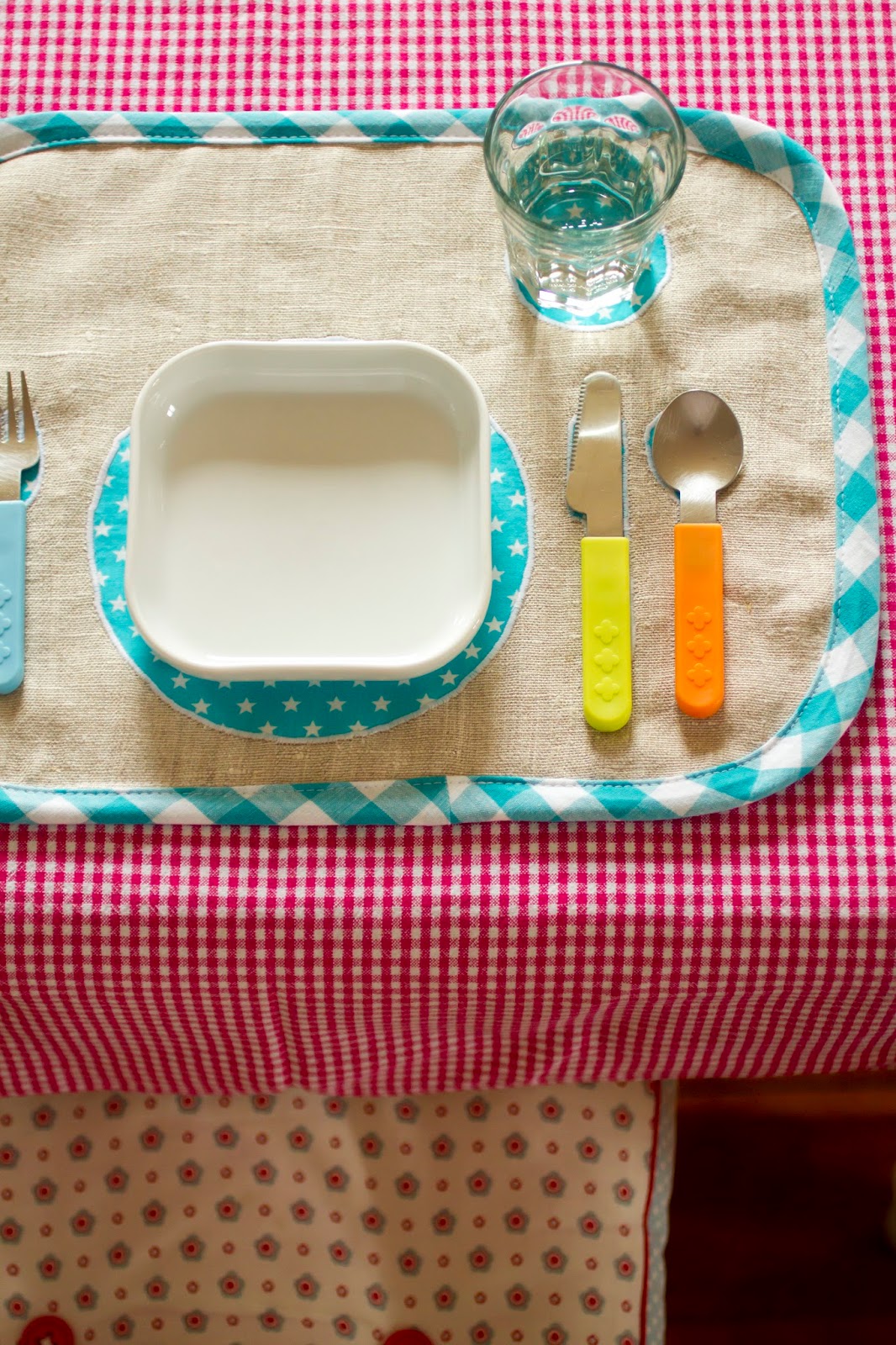
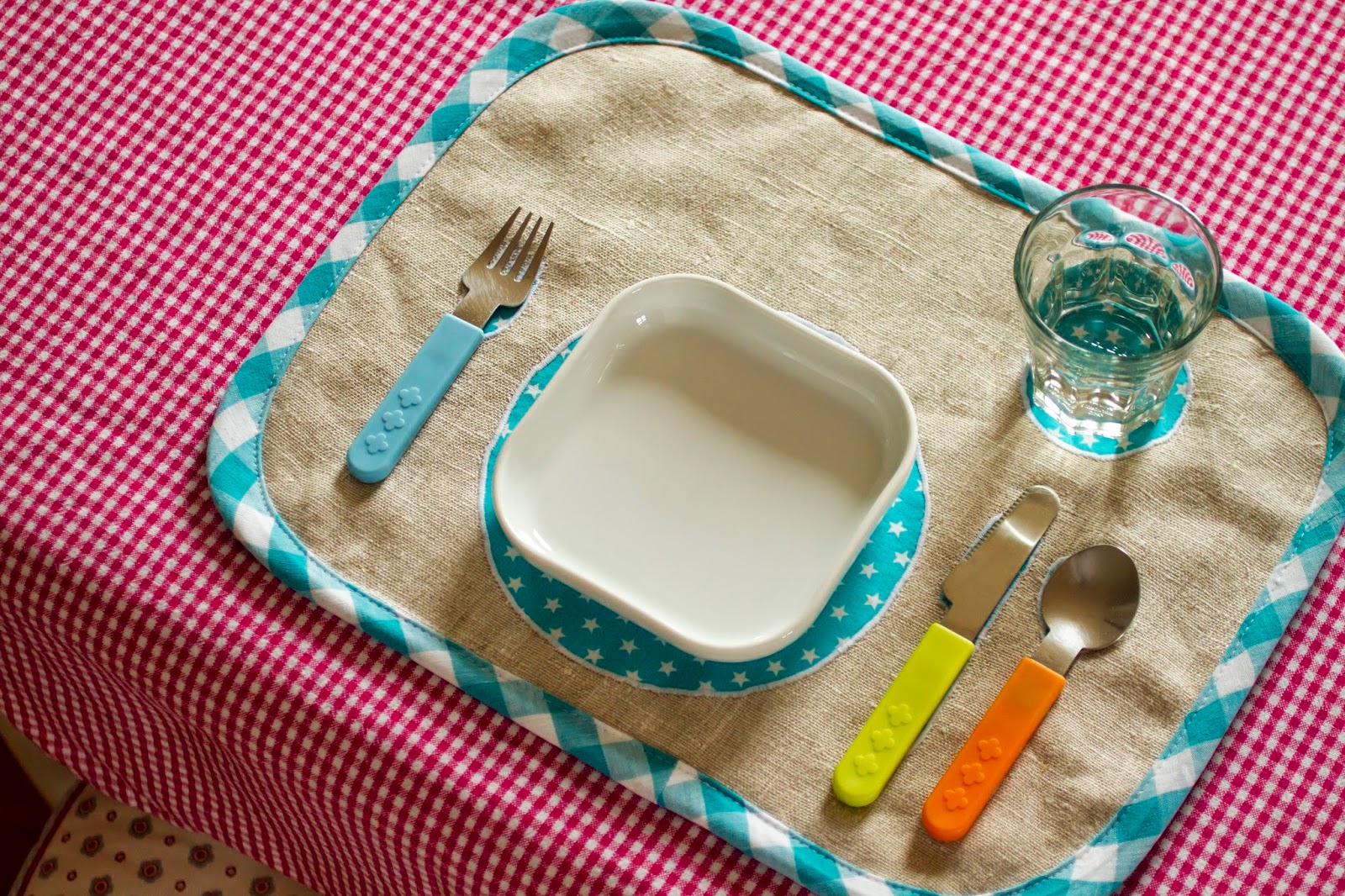
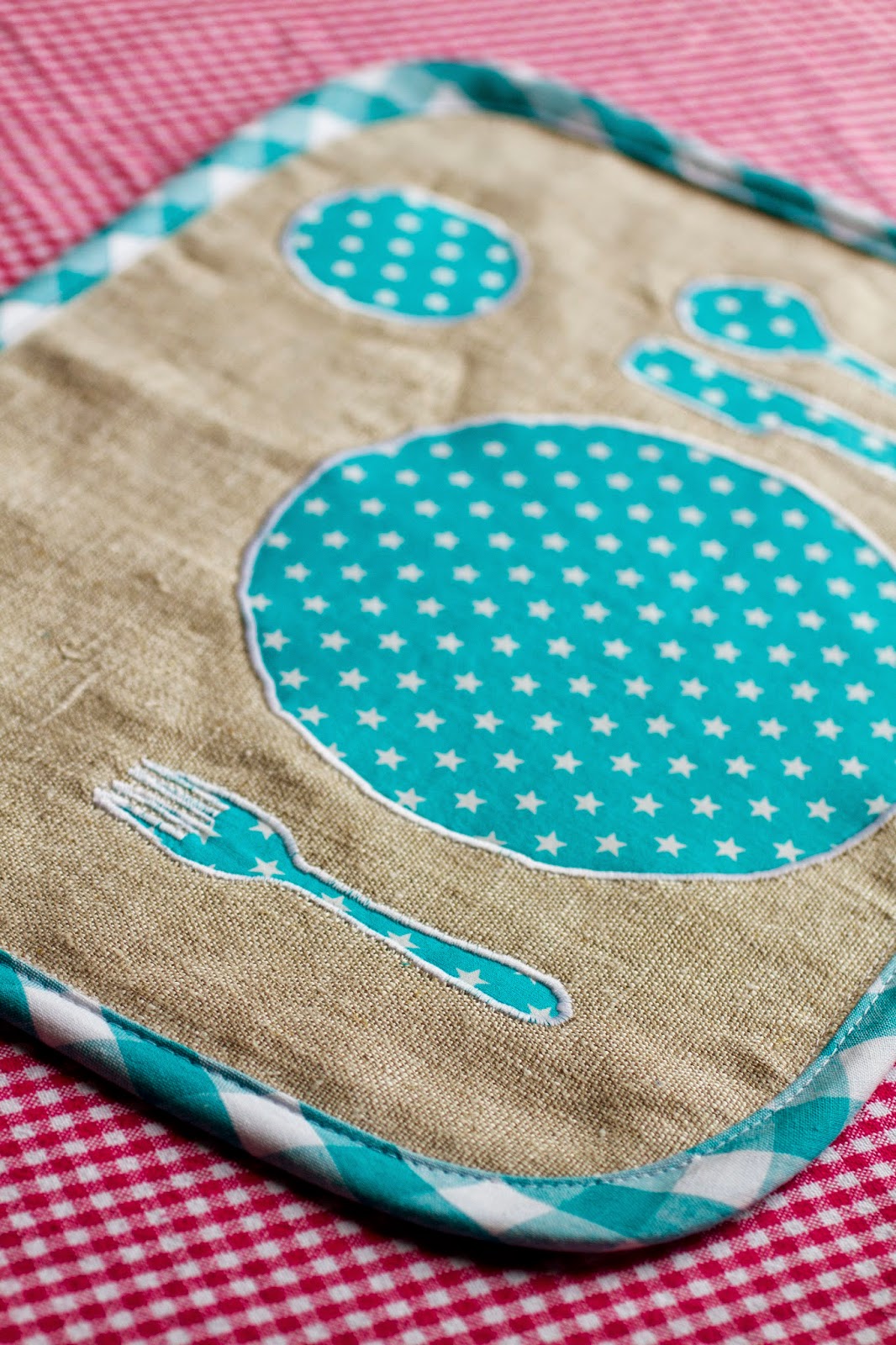
Individual Montessori :: Montessori Placemat

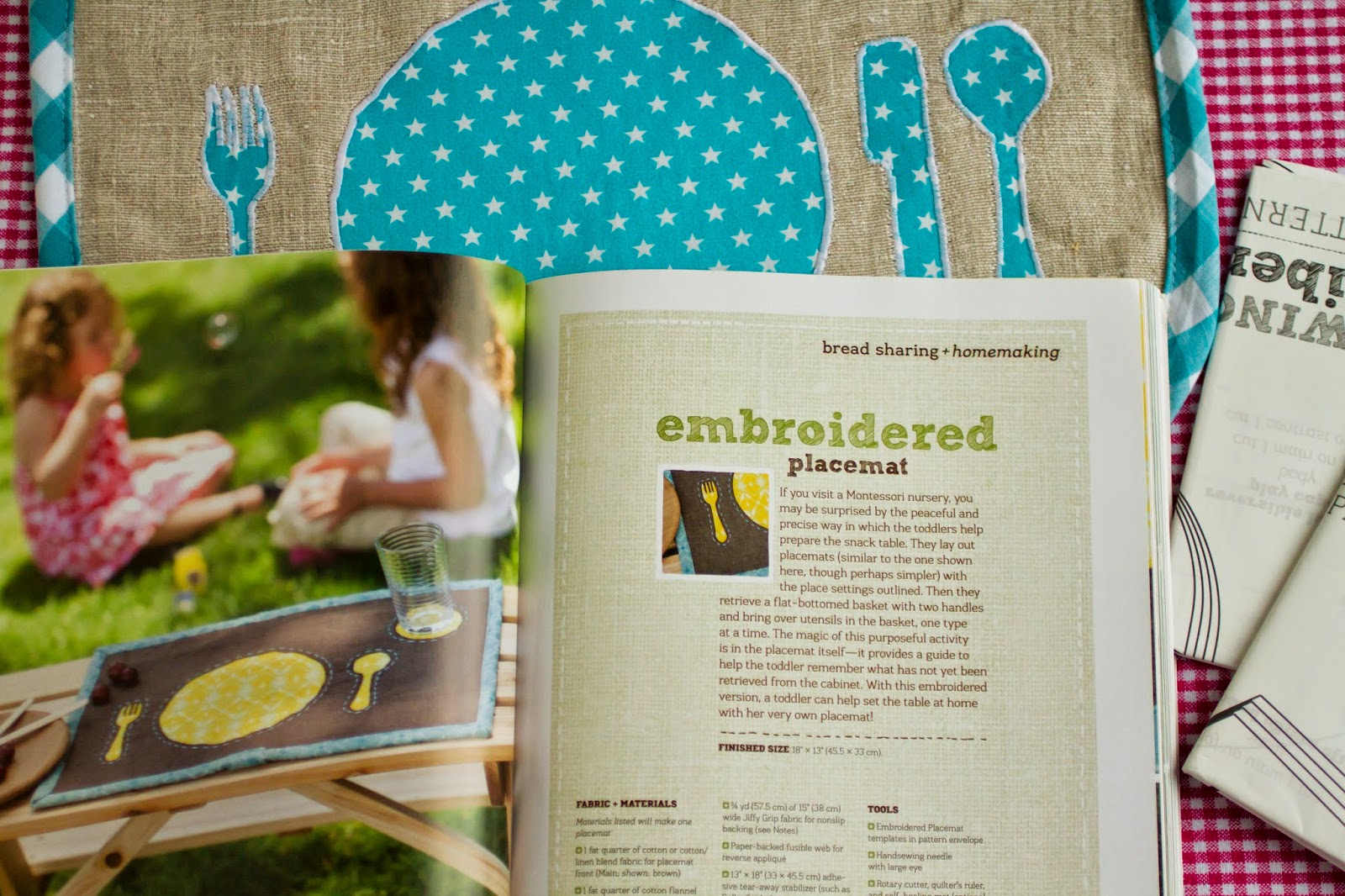
De todos os métodos educativos, aquele com que me identifico mais é o Montessori. Fomentar a independência das crianças, fazê-las participar nas tarefas quotidianas, proporcionar-lhes autonomia e, consequentemente,  auto-estima, conferir-lhes liberdade dentro de parâmetros bem definidos… tudo isto faz muito sentido cá em casa. Não levo tudo à letra (até porque o meu conhecimento da filosofia Montessori é superficial), mas gosto de ir tirando ideias de alguns livros e blogs.
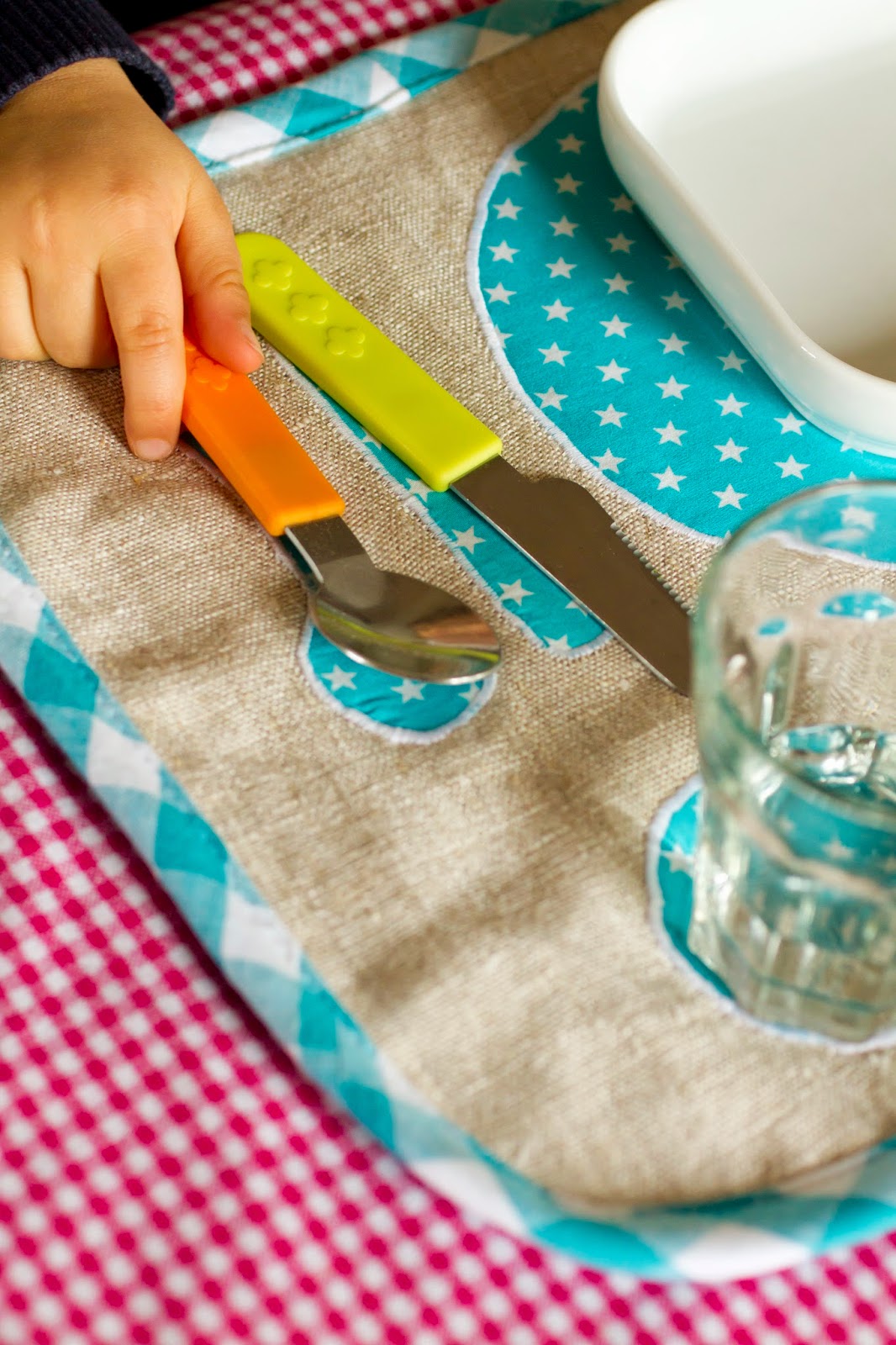
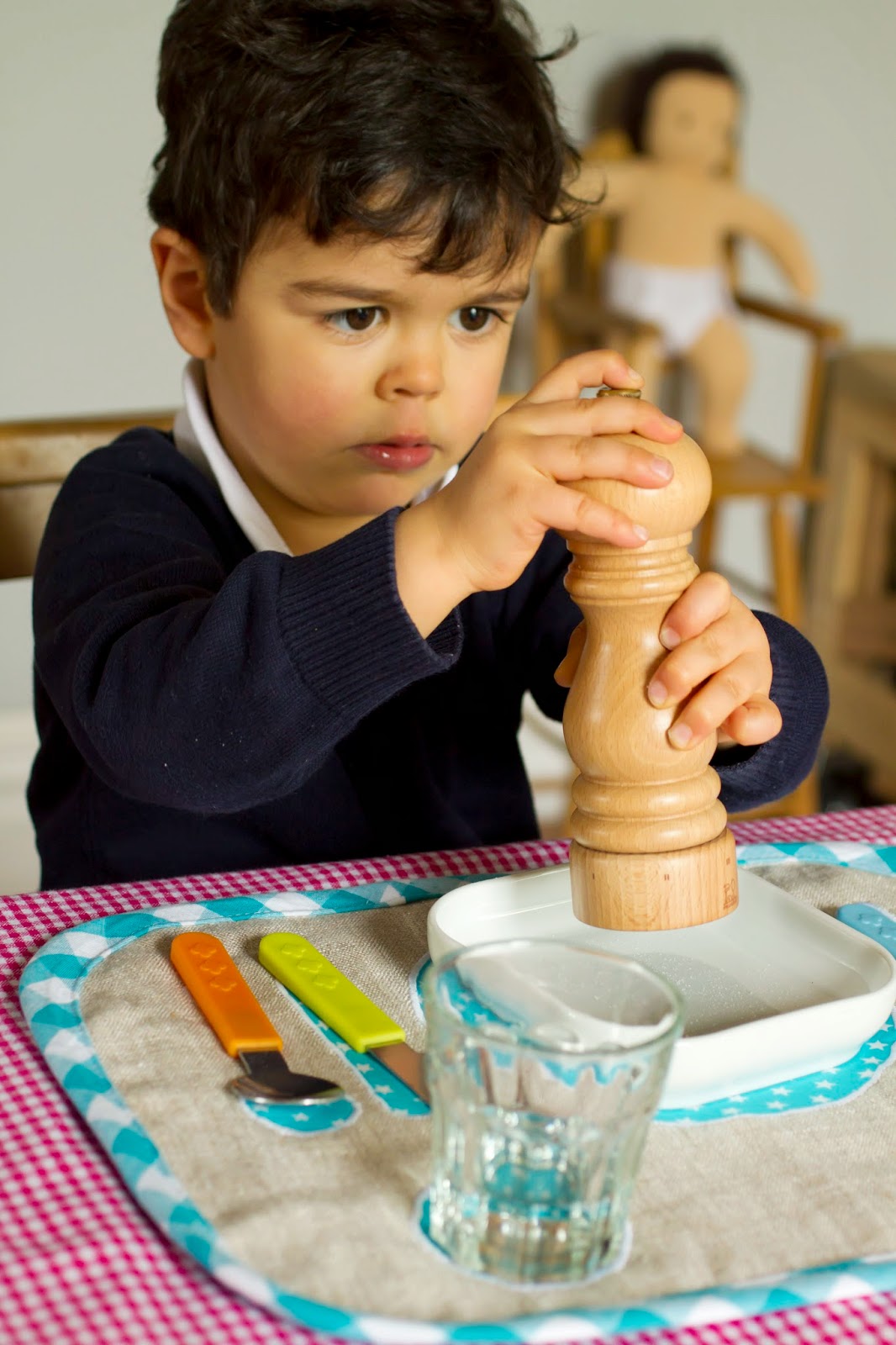
Um dos blogs de inspiração Montessori que leio há anos é o Sew Liberated. Quando começou, chamava-se Montessori By Hand e a Meg, a sua autora, era professora numa pequena comunidade rural no México. A Meg escreveu dois livros e gosto especialmente do segundo: Growing Up Sew Liberated. Já tenho o livro há muito tempo, mas só agora é que fiz o meu primeiro projecto — um individual para o Rodrigo. O Rodrigo adora participar em todas as actividades domésticas e diverte-se sempre muito a pôr a mesa. Agora vai ser ainda mais fácil!
Fiz algumas alterações ao modelo original:
– em vez de reverse appliqué, apliquei as formas em cima do linho;
– acrescentei uma faca (desenhada por mim);
– arredondei os cantos;
– não bordei os contornos das formas.
Foi a primeira vez que tentei fazer ponto cheio na máquina de costura (um zig-zag muito apertado) e o resultado não ficou muito perfeito… há que continuar a praticar. E não vão faltar oportunidades para isso, porque este individual ficou sujo no fim do primeiro almoço e vou ter de fazer mais dois ou três!
PS. Outro blog Montessori de que gosto muito: How We Montessori.


From all the teaching methods out there, Montessori is the one that speaks to me. Fostering children’s independence, making them participate in everyday activities, providing them with autonomy and, therefore, self-esteem, granting them a good dose of freedom within clearly defined boundaries… all this makes a lot of sense in our home. I don’t take everything literally (my knowledge of the Montessori philosophy is quite superficial) but I enjoy reading a few books and blogs on the subject.

One of the Montessori-inspired blogs that I follow is Sew Liberated. Back when it first started it was called Montessori By Hand and Meg, its author, was teaching in a small rural community in Mexico. Meg has written two books and I especially love the second one: Growing Up Sew Liberated. Even though I’ve owned a copy for years, my first project from it was only made last week — a placemat for Rodrigo. He loves taking part in all sorts of domestic jobs and always has a lot of fun setting the table. Now it’s going to be even easier for him to do so!

I made a few alterations to Meg’s original design:
– instead of doing reverse appliqué, I appliqued the templates to the linen background;
– I added a knife (I drafted it myself);
– I rounded the corners;
– I didn’t embroider the shapes.

It was the first time I tried my hand at satin stitching in the machine and the results are a bit wonky… oh well, I guess I’ll just have to keep practising. I’ll actually have plenty of chances to do that because this placemat was so dirty after just one lunch, which means I’ll have to make a couple more!

PS. Another Montessori blog I love: How We Montessori.

(photos© Constança Cabral)

Auto-retratos :: Self-Portraits


Não sou grande fotógrafa, mas acho que tenho um olho razoável e um dia gostava imenso de me dedicar a sério a aprender fotografia. Até lá vou-me divertindo com a máquina do Tiago e com o telemóvel. Comprei um iPhone assim que chegámos à NZ e fico contente por poder registado momentos que, de outra forma, ficariam esquecidos para sempre.
(Por vezes dou por mim a pensar como gostaria de ter podido fazer o mesmo durante os 3 anos em Inglaterra, e até mesmo em fases anteriores: o Inter-Rail pelo sul da Europa, o Erasmus em Paris, a faculdade, as viagens com as amigas, o namoro com o Tiago, a vida de recém-casada…)
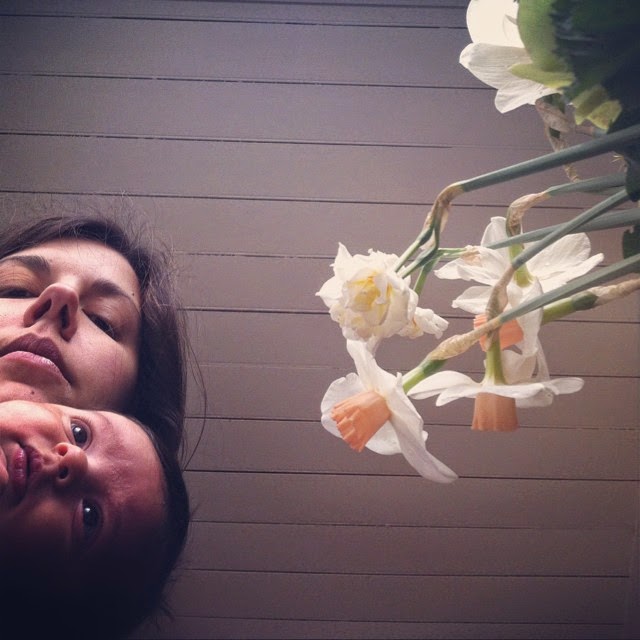
Mas voltando às fotografias tiradas com o telemóvel — há uma aplicação que me diverte especialmente: o TimerCam. Conhecem-no? Não é mais do que um temporizador, mas permite 1- tirar auto-retratos em ângulos diferentes (sem ter de estender o braço); 2- apanhar momentos inesperados (especialmente com crianças, porque nunca sabemos o que vão fazer no segundo seguinte!).
Tenho um iPhone 4 e a câmara não é nada de especial, mas vai cumprindo as suas funções. Gosto imenso destas fotografias agora e sei que, um dia mais tarde, vou adorar rever estes vislumbres da nossa vida quotidiana.
I’m not a skilled photographer but I reckon I’ve got a reasonable eye and one day I’d love to dive deep into the world of photography. Until then I’ll keep playing with Tiago’s camera and my phone. I bought an iPhone as soon as we moved to NZ and I’m glad I’ve been able to register moments that would have otherwise been forgotten.
 
(Sometimes I find myself wishing that I could have done the same during those 3 years in England and even in other phases of my life: the Inter-Rail across southern Europe, the Erasmus in Paris, the university days, the trips I took with my friends, the first years with Tiago, life as a newly-wed…)
 
Anyway, back to iPhone photos — I’ve been having lots of fun with a particular app: TimerCam. Do you use it too? It’s just a timer, but it enables you to 1- take self-portraits in all sorts of angles (thus making the whole “reach-out-your-arm selfie” totally unnecessary) and 2- catch unexpected moments (this is especially true when you’re photographing children, as you never know what they’ll do next!).
 
I’ve got an iPhone 4 and even though the camera isn’t brilliant, it performs its function. I love these pictures now and I’m sure that, in a few years time, I’ll treasure these snippets of our daily life.
(photos© Constança Cabral)

Boneco Waldorf :: Waldorf Doll

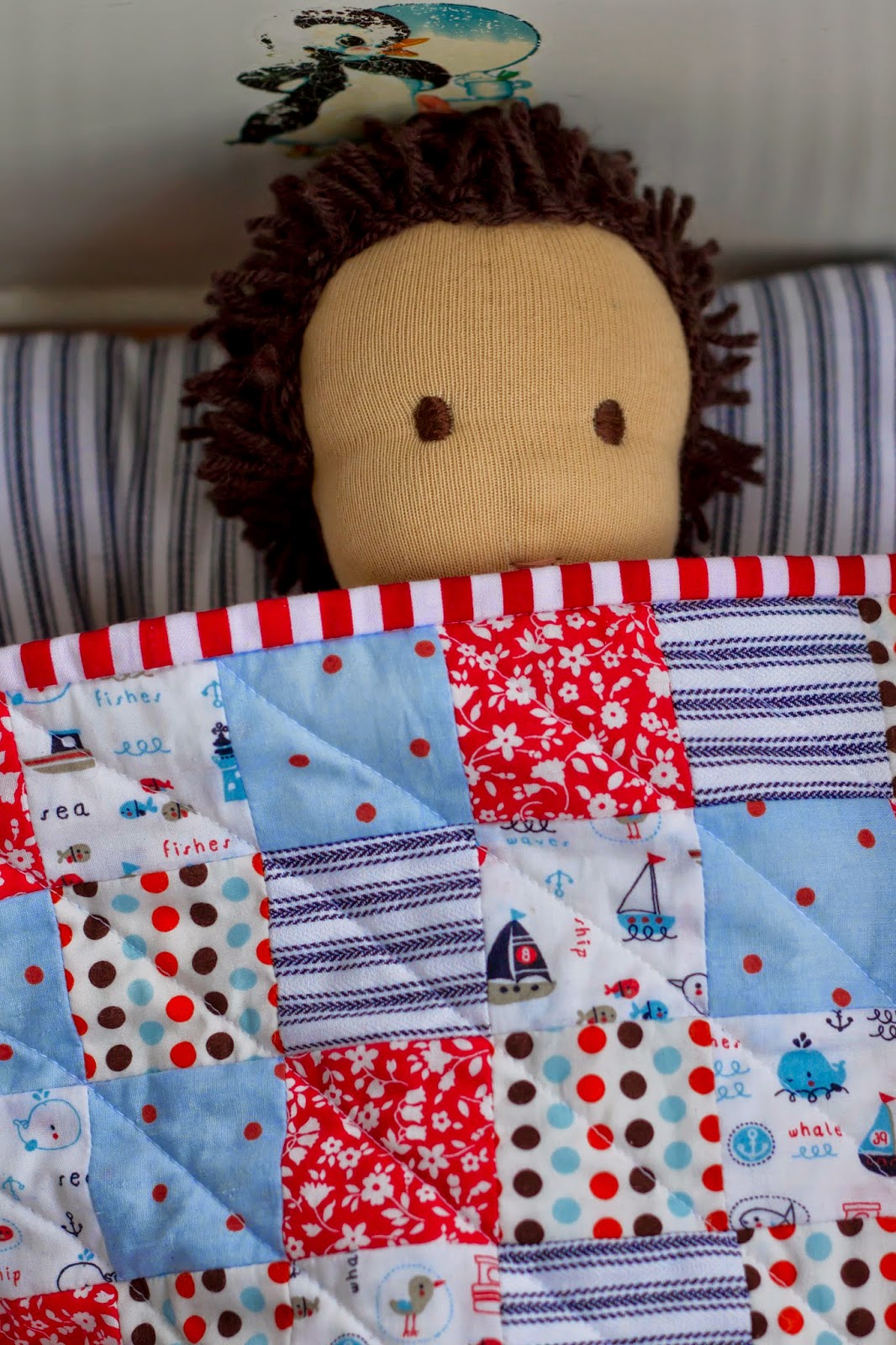
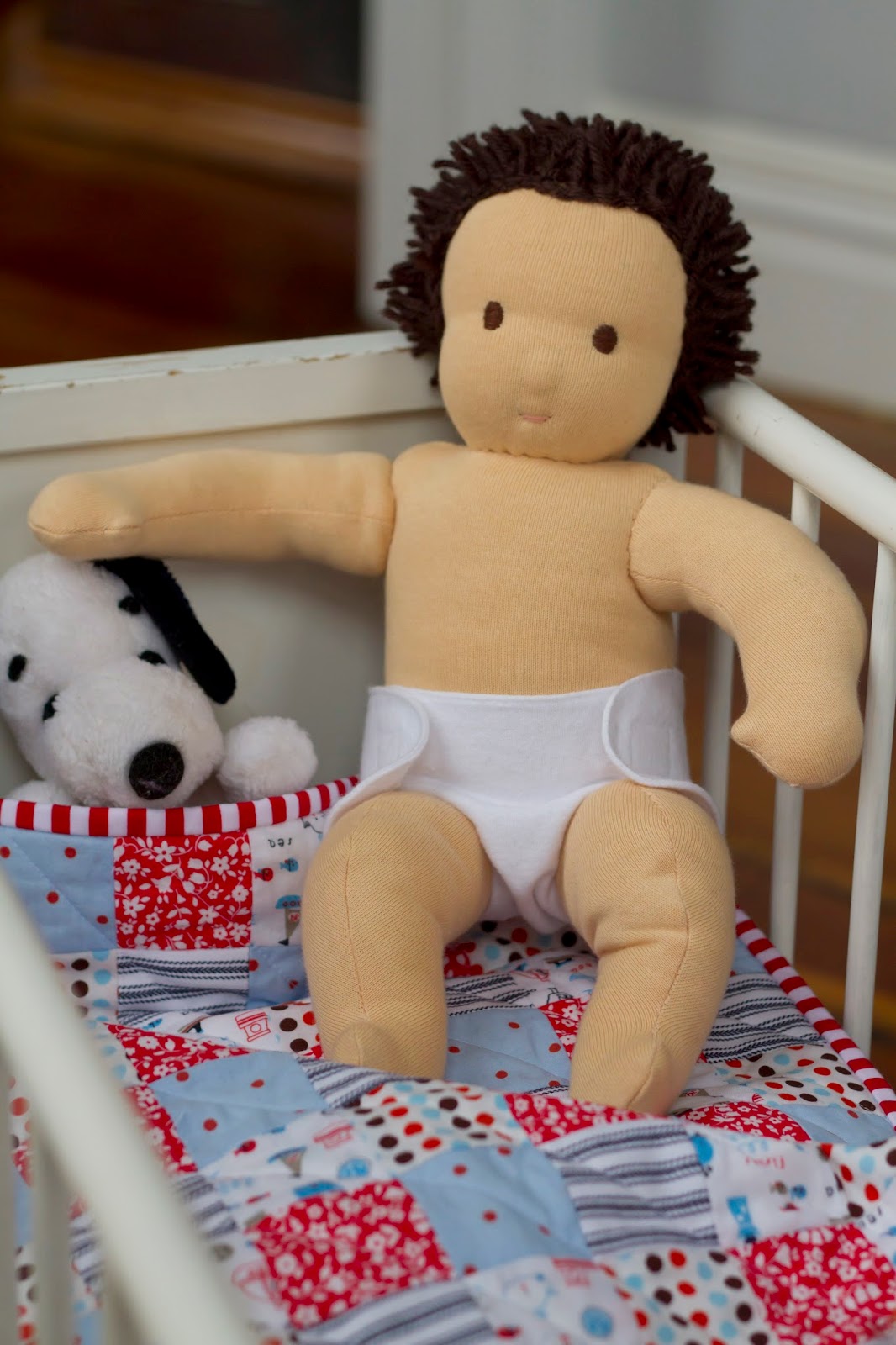
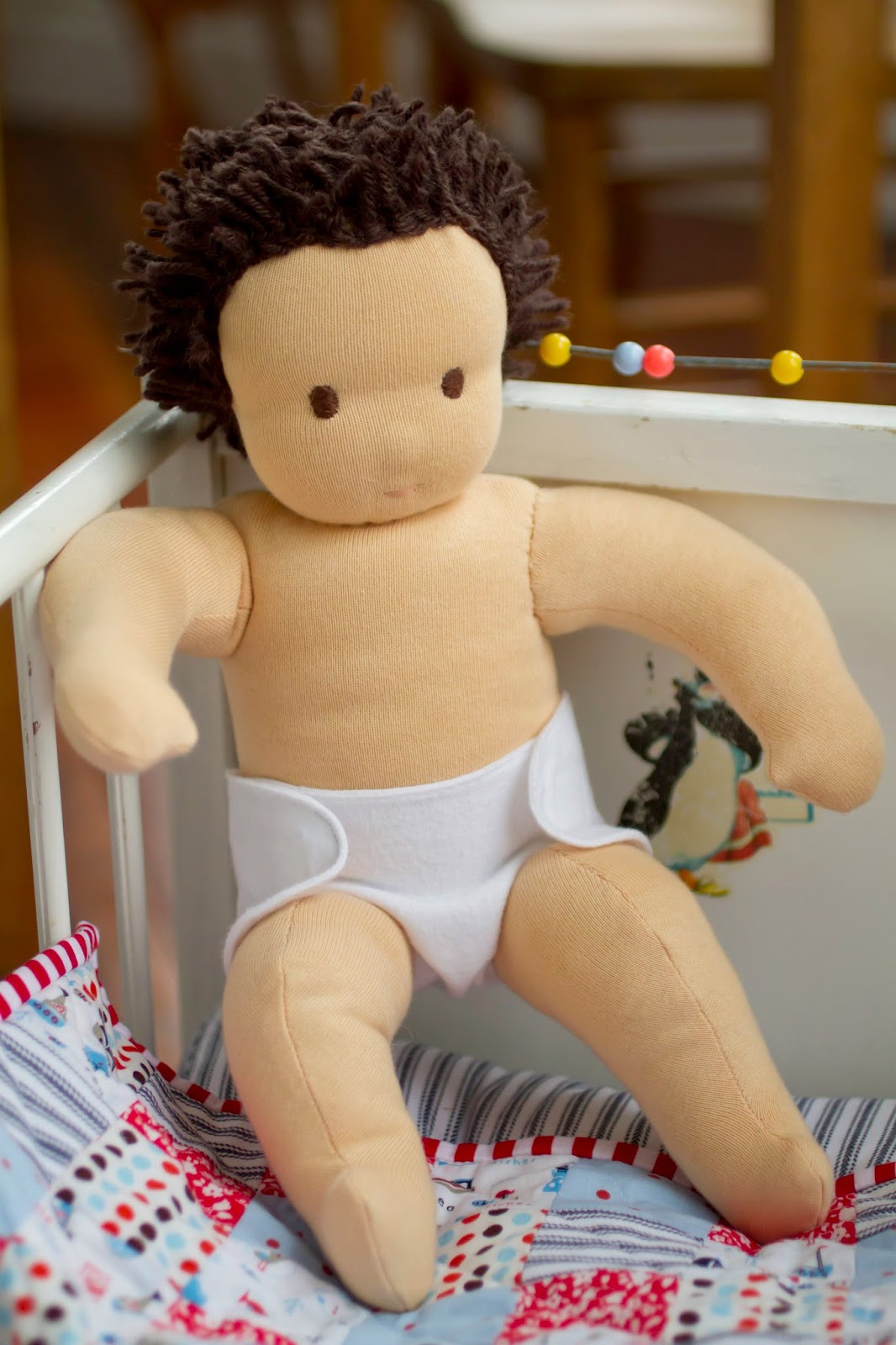
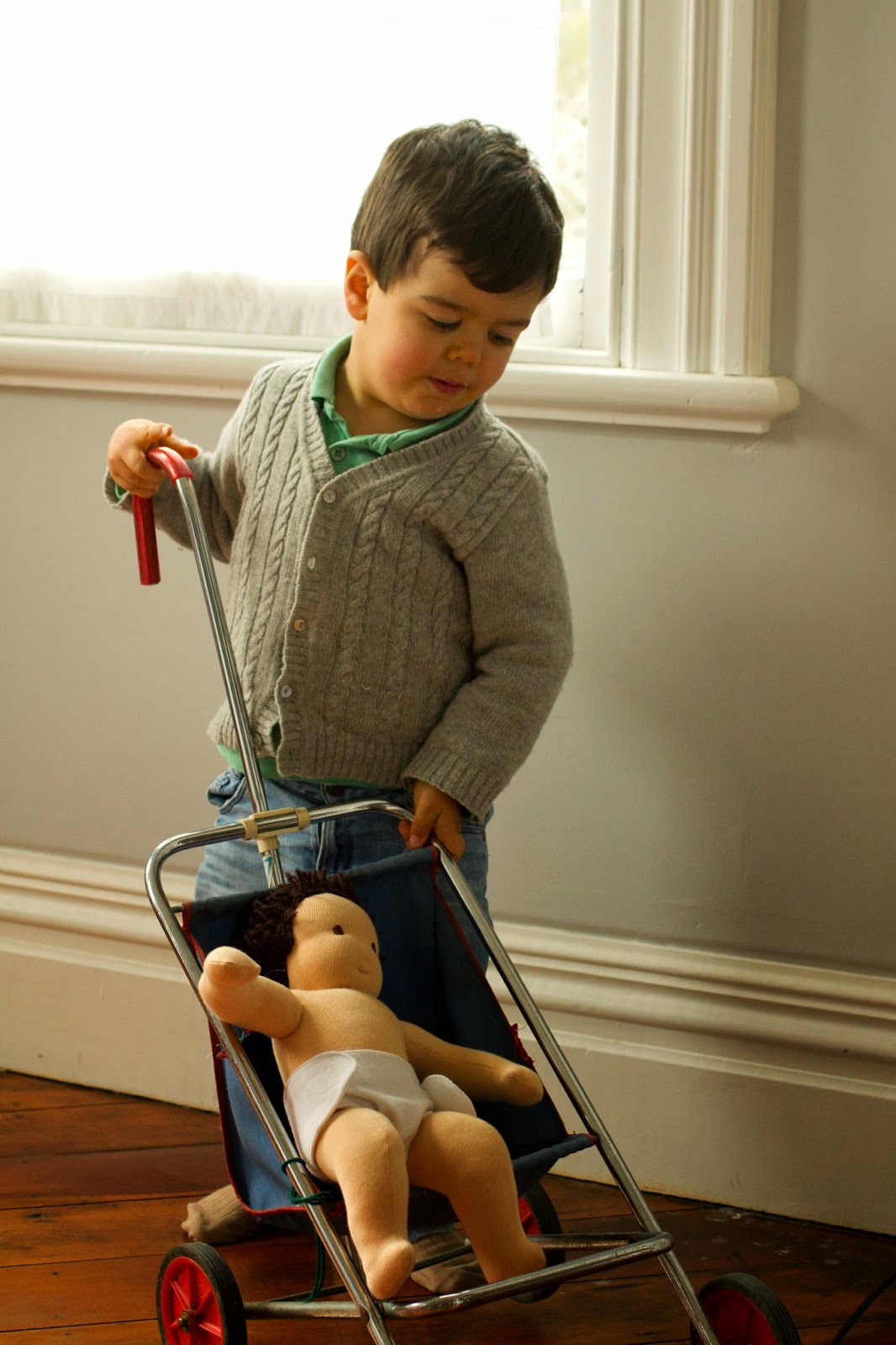
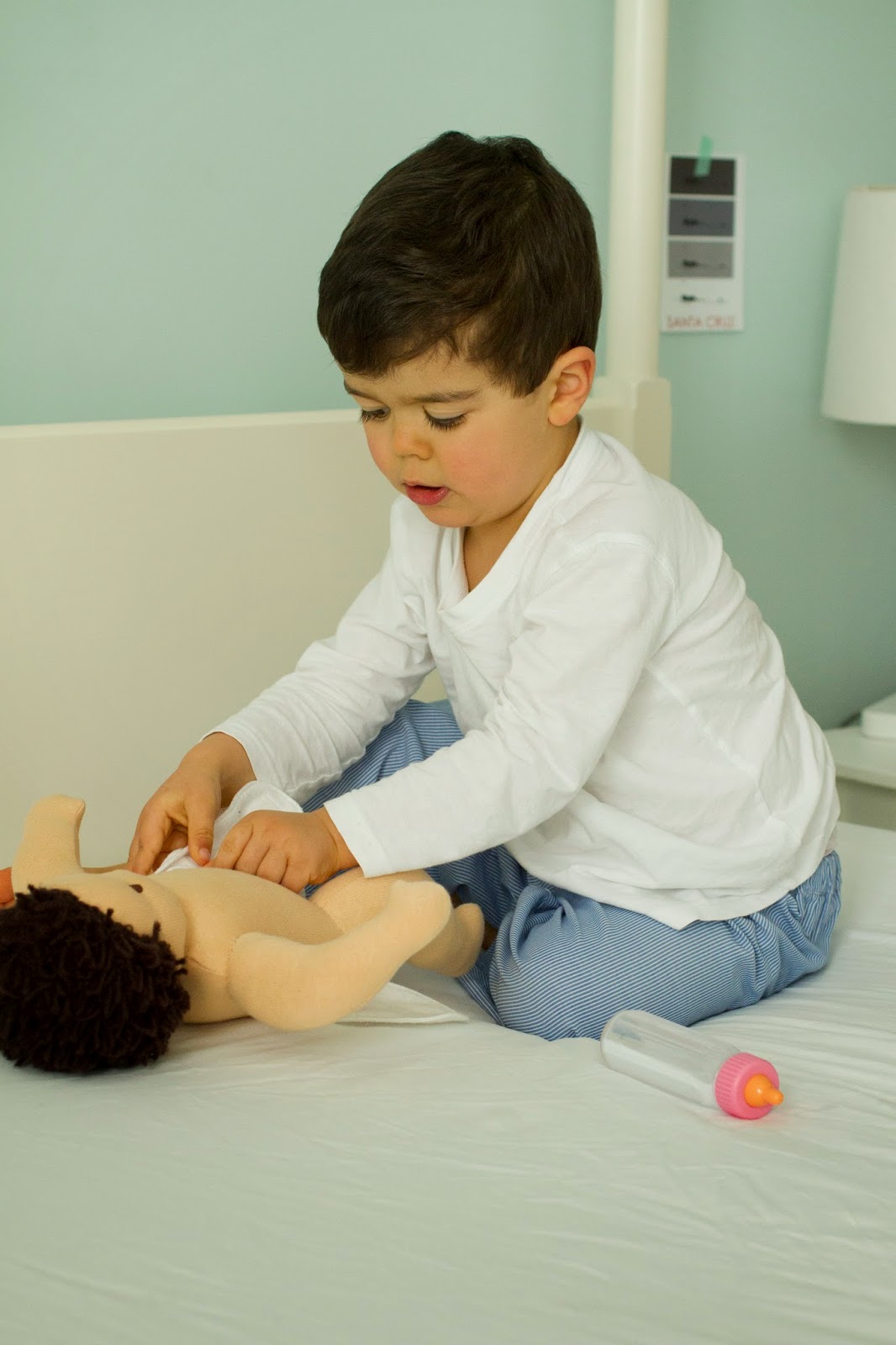
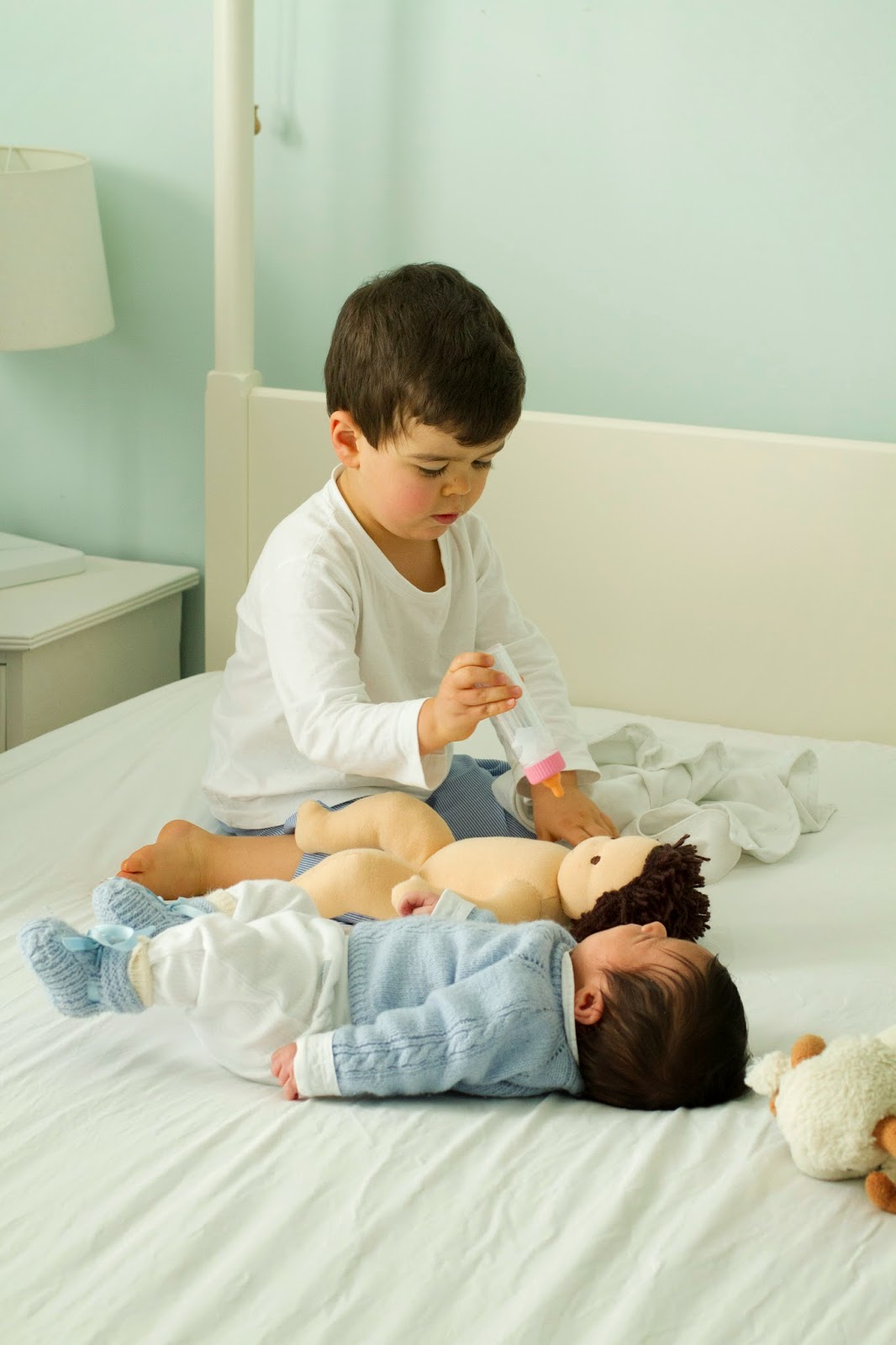
Acabei o boneco Waldorf uns dias antes de o Pedro ter nascido. A minha mãe fez o cabelo (obrigada, mãe!) e eu acrescentei alguns confortos à vida dele: um colchão, uma manta, uma cama, um biberon e até um carrinho de passeio (tanto a cama como o carrinho foram comprados em 2ª mão num mercado aqui nas redondezas). Ainda não lhe fiz roupa, mas isso virá a seu tempo.
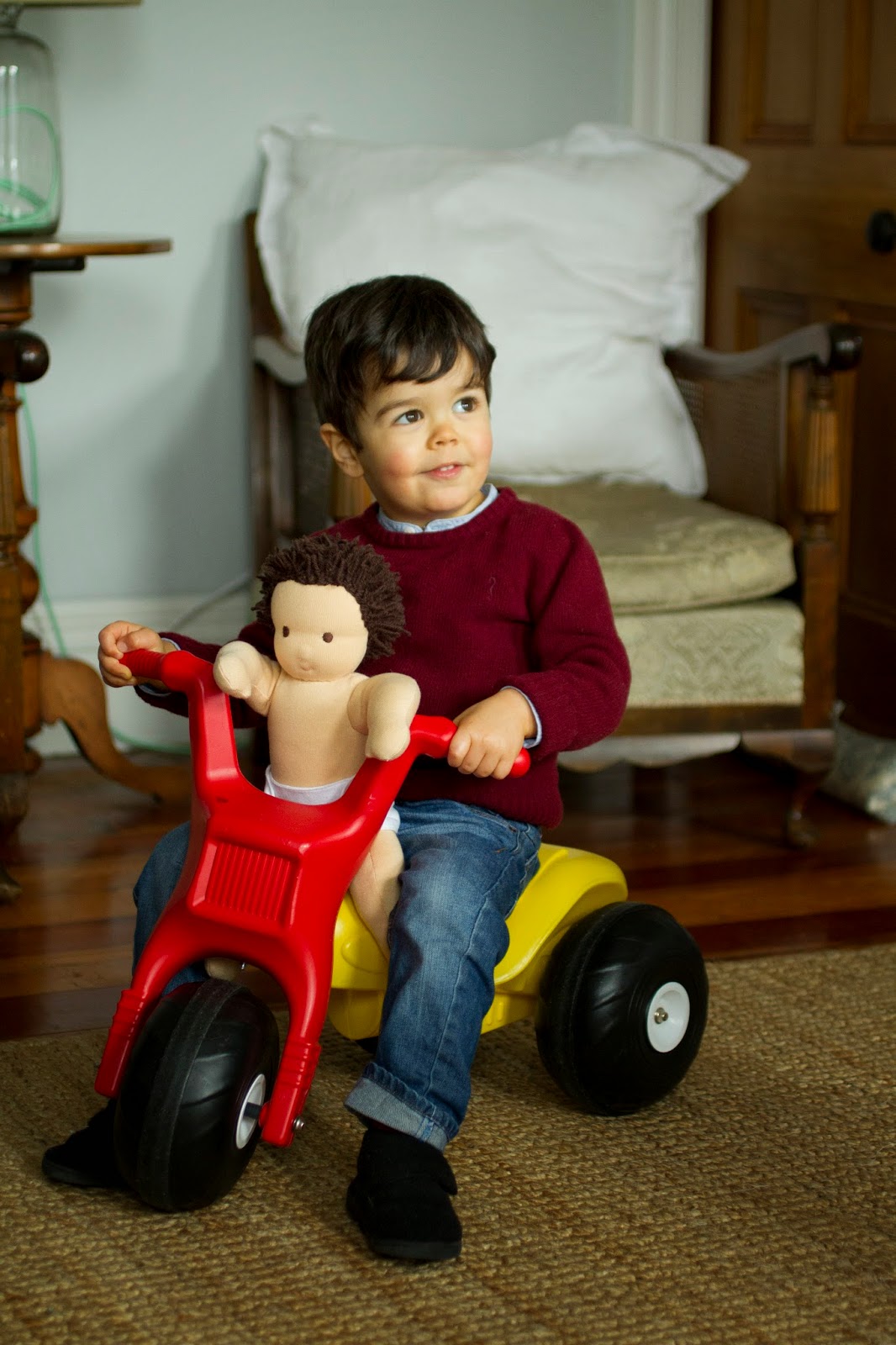
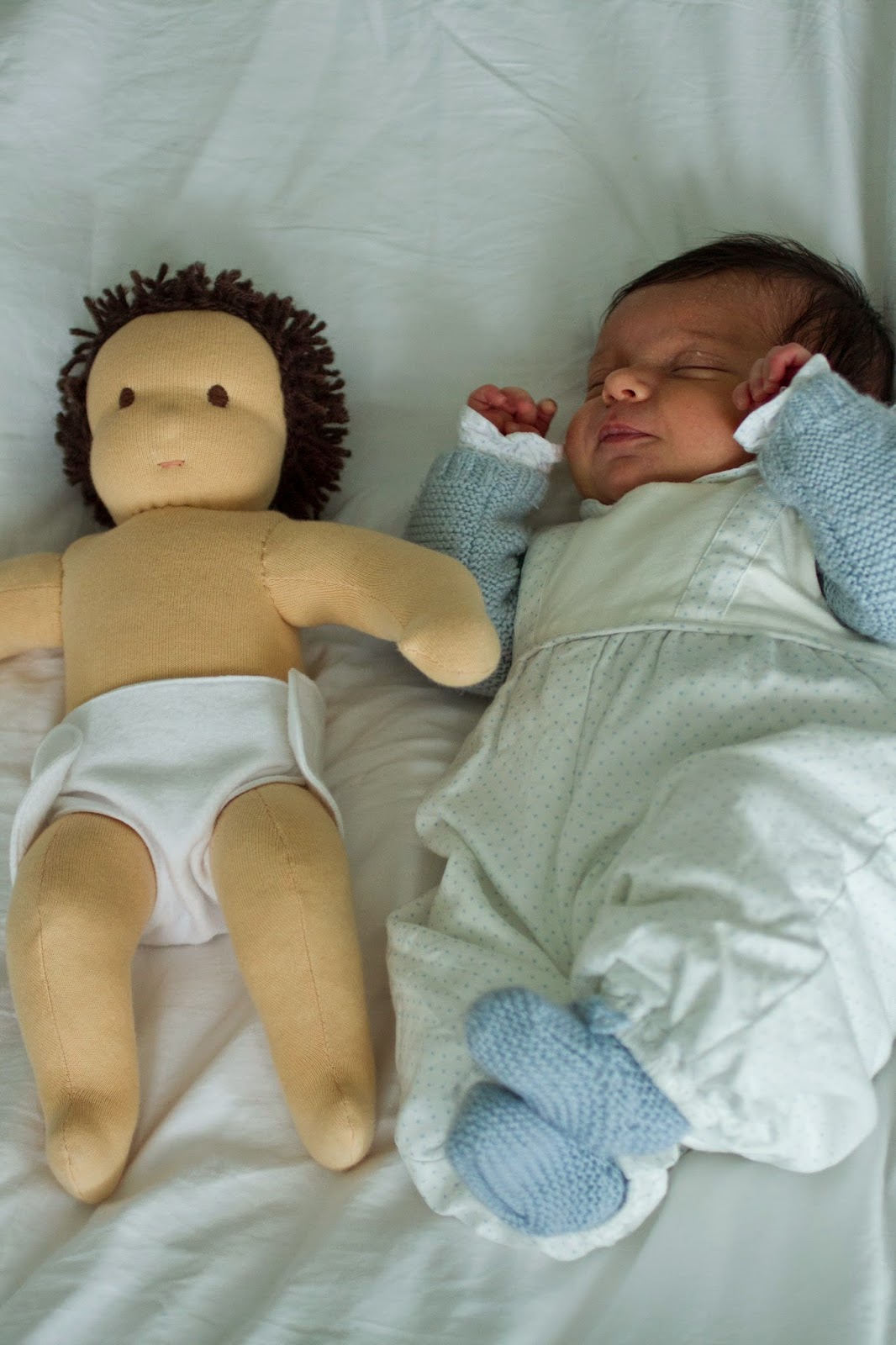
No primeiro mês de vida do Pedro, o Rodrigo não ligou nenhuma ao boneco. Mas neste fim-de-semana passado tudo mudou: o boneco foi passeado, apertado, lavado e alimentado. Tem muita graça vê-lo a repetir aquilo que fazemos com o Pedro.
PS. Progressos do boneco Waldorf: 1 e 2.
I finished the Waldorf doll a few days before Pedro was born. My mother crocheted the wig (thanks, mum!) and I added some comforts to his life: a mattress, a quilt, a bed, a bottle and even a pushchair (both the bed and the pushchair were bought second hand at a local market). I still haven’t sewn any clothes for him but I know I’ll do that eventually.

During Pedro’s first month, Rodrigo didn’t pay any attention to the doll. But this past weekend he suddenly took an interest and the doll was fed, changed, cuddled and pushed around the house. It’s so funny to watch him mimic what he sees us doing with Pedro.

PS. Waldorf doll progress: 1 and 2.
(photos© Constança Cabral)

Por Aqui :: Around Here


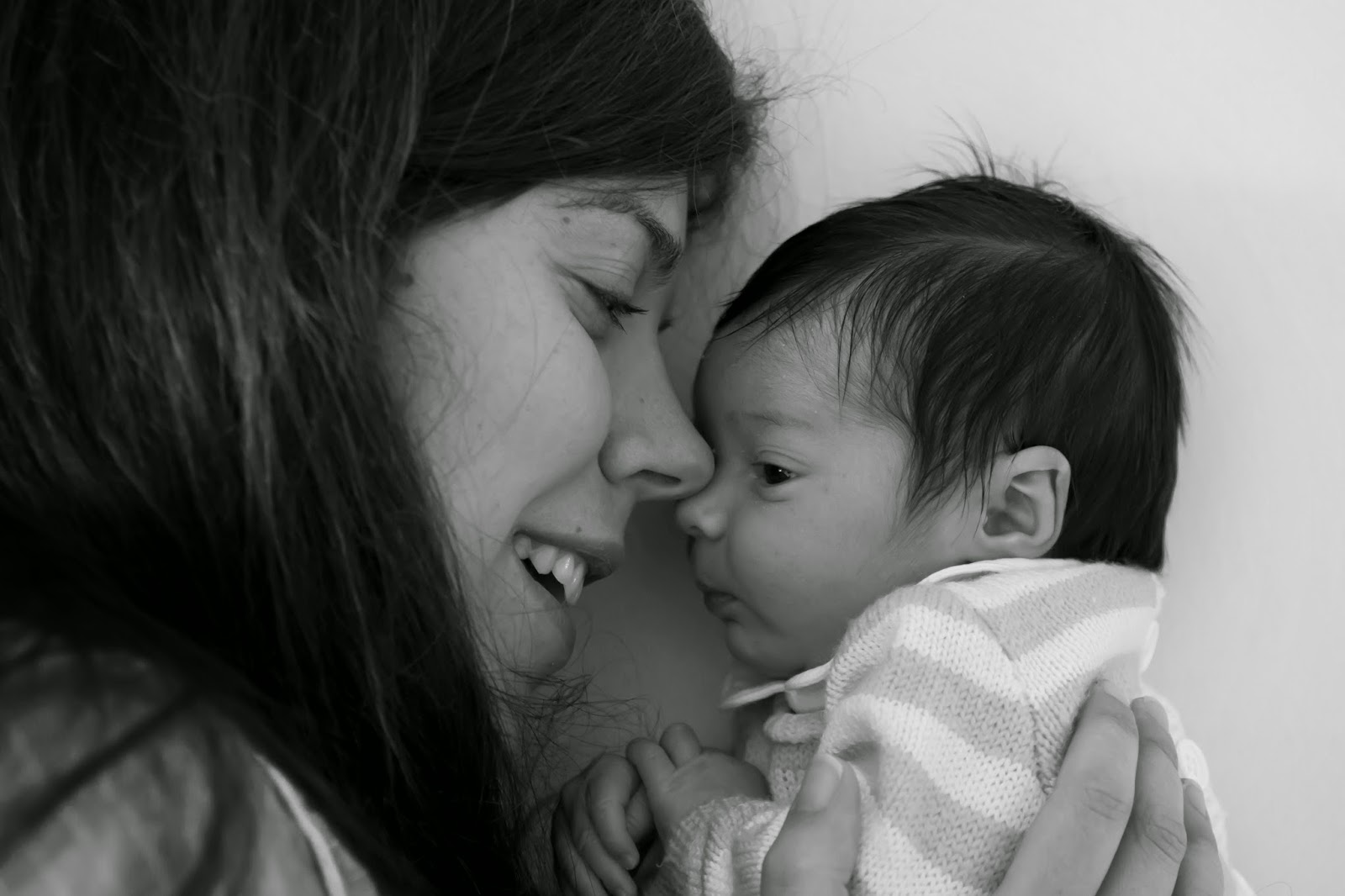
Plantámos três árvores de fruto. Cozinhámos e fizemos bolos. Continuei o meu quilt (426 triângulos!). O Pedro dormiu e mamou e engordou. Aproveitámos os últimos dias com a avó. E a Primavera está à porta!
 
We planted three fruit trees. We cooked and baked. I worked on my quilt (426 triangles!). Pedro slept and fed and put on weight. We made the most of the last days with granny. And spring is just around the corner!


(photos© Constança Cabral)

Grão a Grão :: Little by Little

Ter um blog “criativo” (chamemos-lhe assim, mesmo correndo o risco de parecer pedante) é um pau de dois bicos: por um lado, funciona como estímulo à criatividade e como poderosa ferramenta de automotivação; por outro, há sempre aquela pressão de mostrar trabalho feito e avançar para o próximo projecto. 
Mas fazer à mão é mais do que produzir: é fazer as coisas com calma e alguma ponderação e saborear o processo. Nem tudo tem de ser imediato — nem pode ser, porque fazer à mão leva tempo. Muito tempo. 
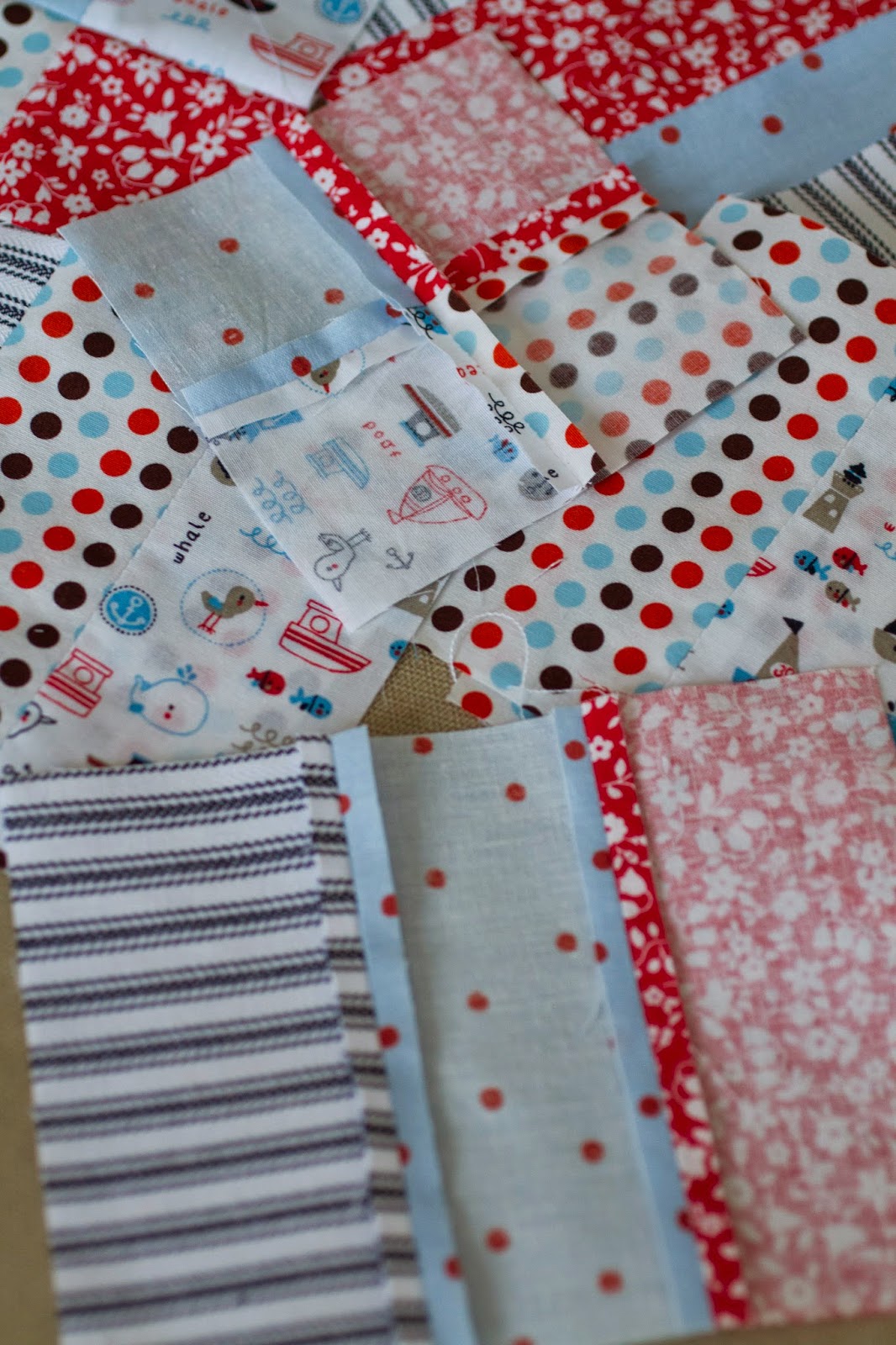
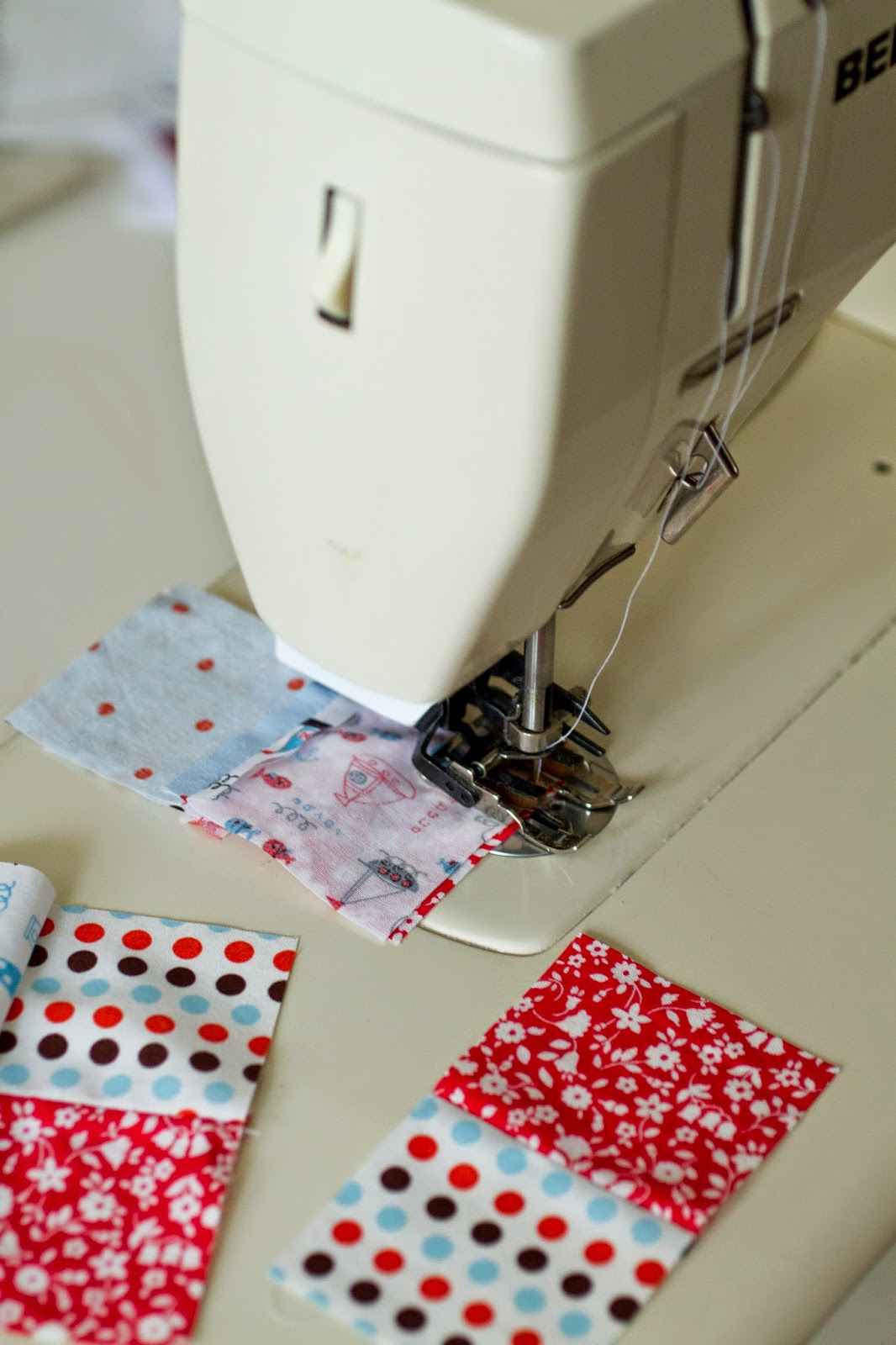
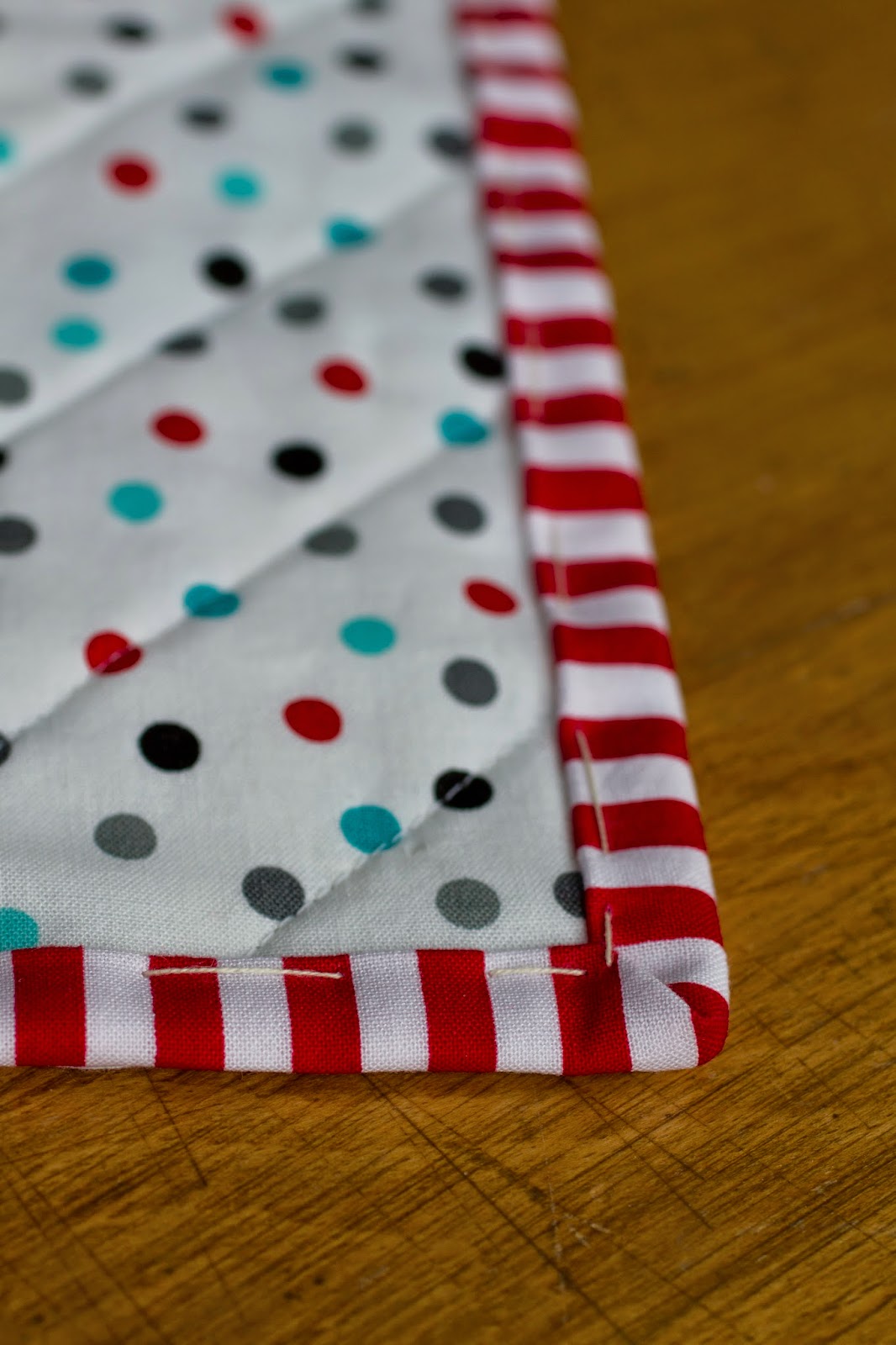
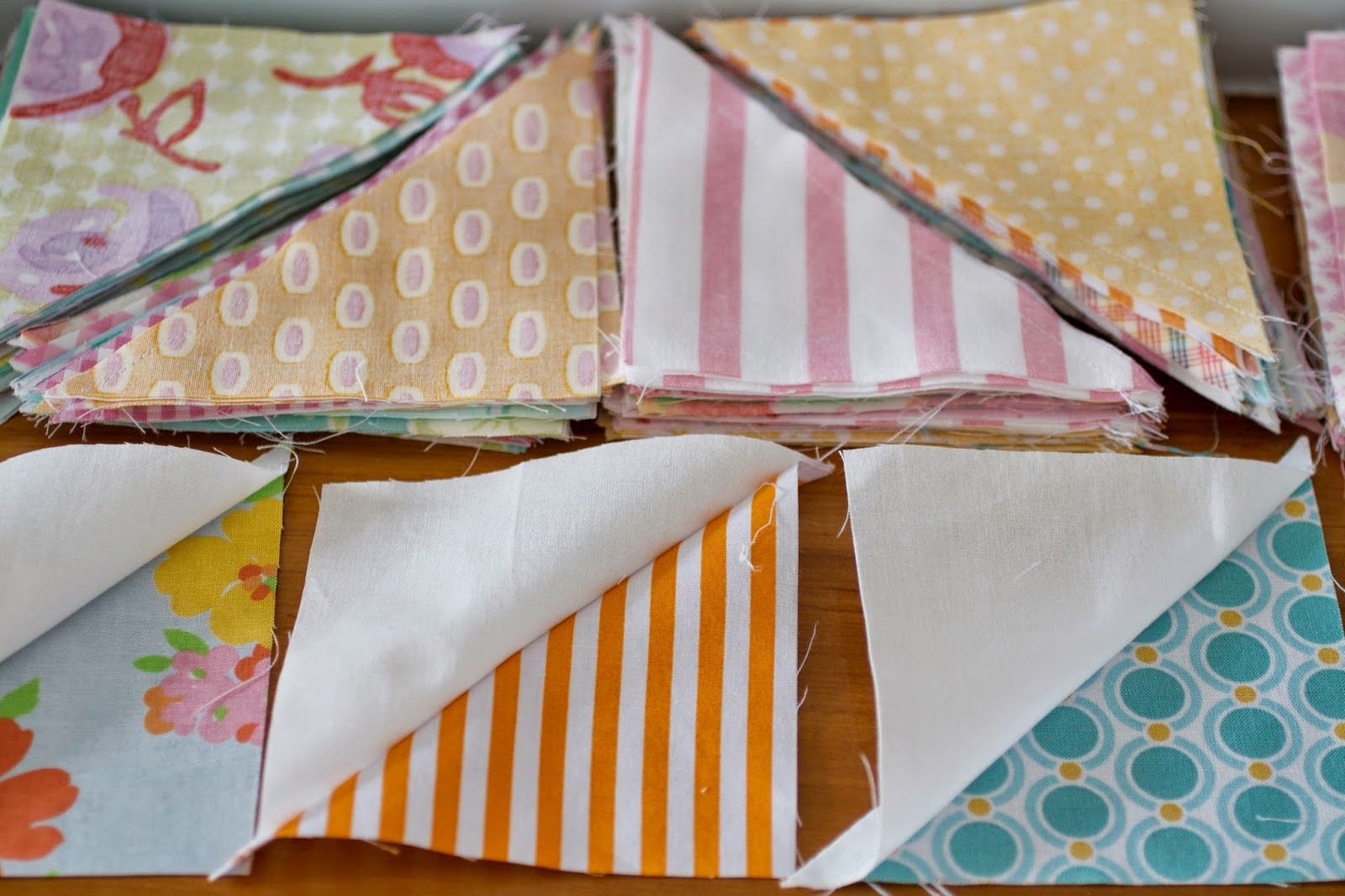
Na antevéspera de o Pedro nascer comecei a fazer um quilt para mim. Peguei nas sobras dos quilt kits*, seleccionei as cores e os padrões mais frescos e femininos e avancei para um quilt de triângulos. Vai ter o tamanho de uma cama de solteiro, para que possa mais tarde servir como colcha, manta, tenda, tapete de picnic… A ideia de fazer um quilt com um recém-nascido cá em casa poderá parecer completamente louca (se as coisas feitas à mão levam muito tempo, os quilts então podem demorar uma eternidade) mas tudo depende do estado de espírito com que se aborda o projecto em questão. Este quilt é para se ir fazendo, dez minutos aqui, quinze ali, durante uma sesta, um tempo morto. 
E um dia vou olhar para este quilt e pensar “fi-lo quando o Pedro era bebé”.
* por falar em quilt kits, tenho uma série de kits cortados e à espera de serem fotografados… daqui a uns tempos estarão à venda na loja.

Writing a “creative” blog (let’s call it that, even if it sounds a bit pedantic) is somewhat two-sided: on the one hand, it stimulates the author’s creativity and acts as a powerful self-motivating tool; on the other hand, however, there’s always that pressure to show off finished work and move on to the next project. 

But making by hand is much more than simply producing things: you’re supposed not to rush it and enjoy the process. Not everything has to be immediate — I mean, making by hand usually takes time. A long time.

Two days before Pedro was born I started making a quilt for myself. I took the remnants from my quilt kits*, selected the freshest, most feminine prints and set about making a half-square triangle quilt. I’ve decided to make it for a single bed so that later on it can be used as a bedspread, lap quilt, tent or even as a picnic blanket. The idea of making a quilt with a newborn at home may seem crazy (if things made by hand take a long time, then quilts can take up an eternity) but it all boils down to how one approaches the project. This quilt is meant to be worked on slowly, ten minutes here, fifteen minutes there, during nap time, etc.

One day I’ll look at it and think “I made this quilt when Pedro was a baby”.

* since I mentioned quilt kits, let me just say I’ve got lots of them all cut and assembled and waiting to be photographed… I’m hoping to put them up for sale soon.

(photos© Constança Cabral)

Organizar com Sacos :: Organising with Drawstring Bags

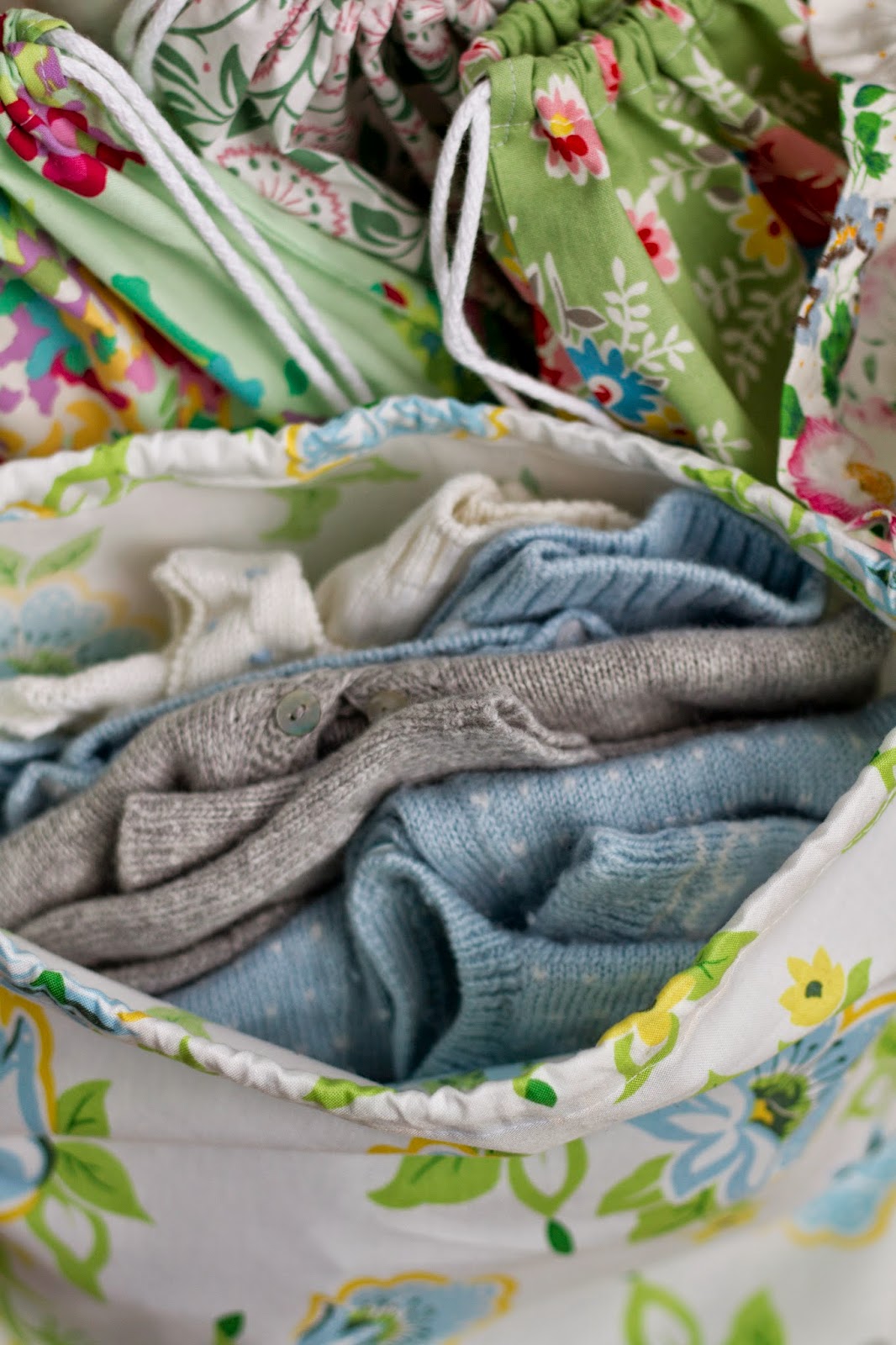
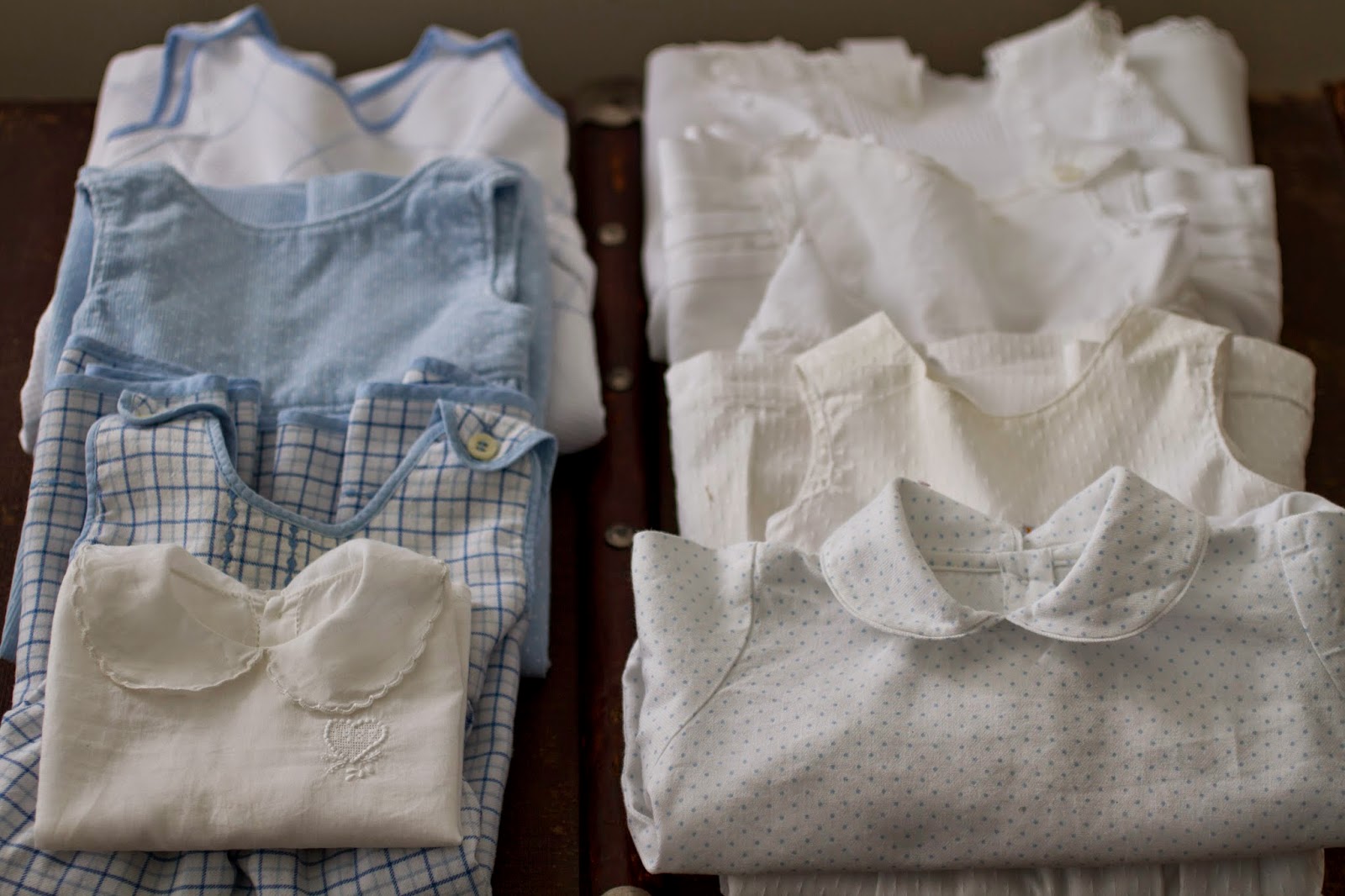
Quando chegou a altura de fazer a mala para levar para o hospital, apercebi-me de que tinha de arranjar uma maneira para organizar a roupa do bebé. Não sei quanto tempo vou lá estar (em Inglaterra fiquei menos de 24 horas, mas como cá os hospitais têm menos gente, talvez lá esteja uns dias) e prefiro levar roupa a mais do que a menos… e quero manter tudo dobrado e arrumado dentro da mala.
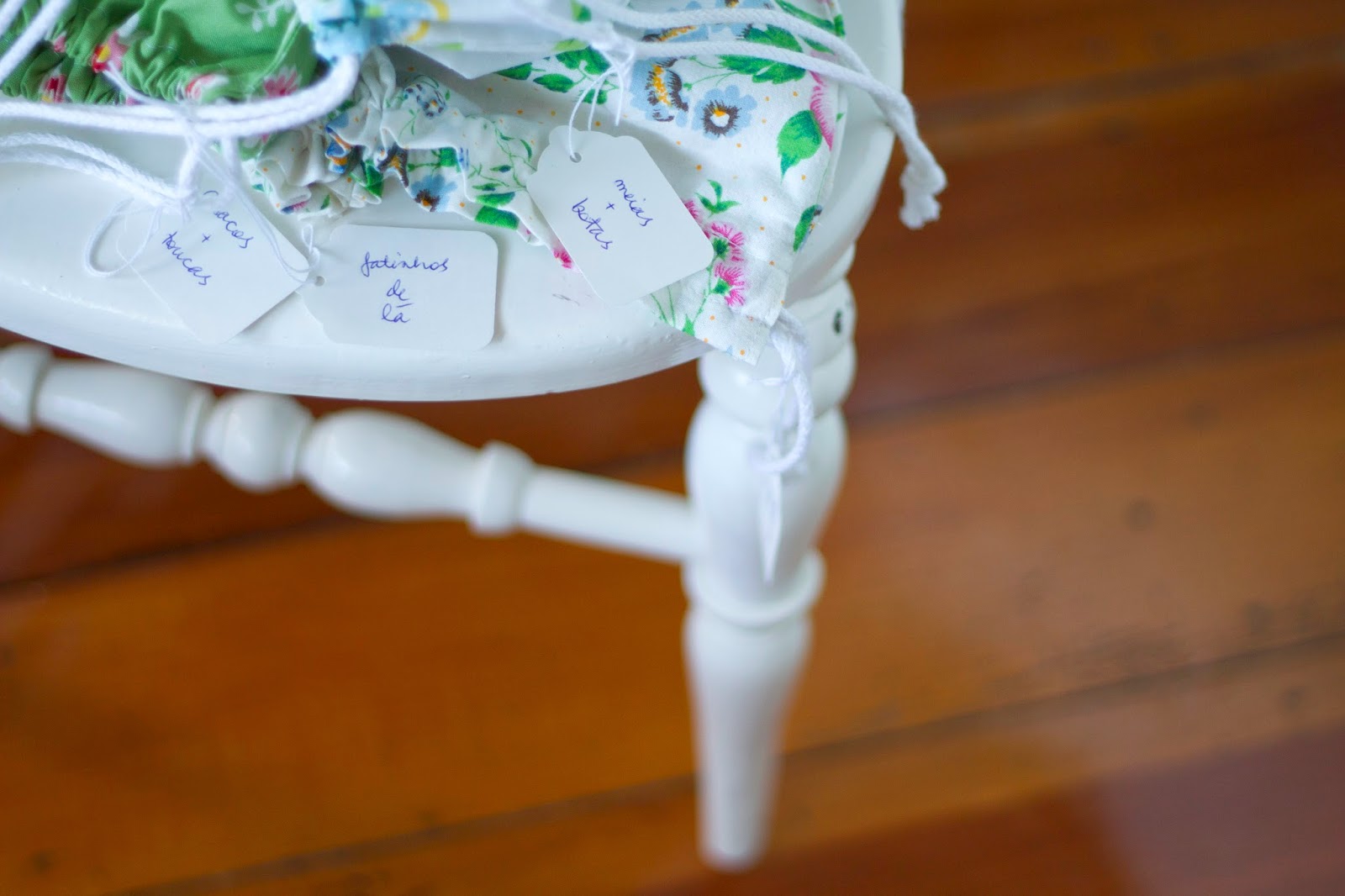
Fiz então uma série de sacos com cordões para separar a roupa por género (optei por separá-la por tipo de peças em vez de fazer toilettes completas para o primeiro dia, segundo dia, etc). E, para facilitar a vida ao Tiago, coloquei etiquetas em todos os sacos. Imaginei-me a pedir-lhe algo como “passa-me um body de golas, um fatinho de lã e umas botas” ou “tira daí um body interior, um pijama e um casaco de malha” e ele ficar a olhar para mim com um ar perdido. Com etiquetas não há que enganar!

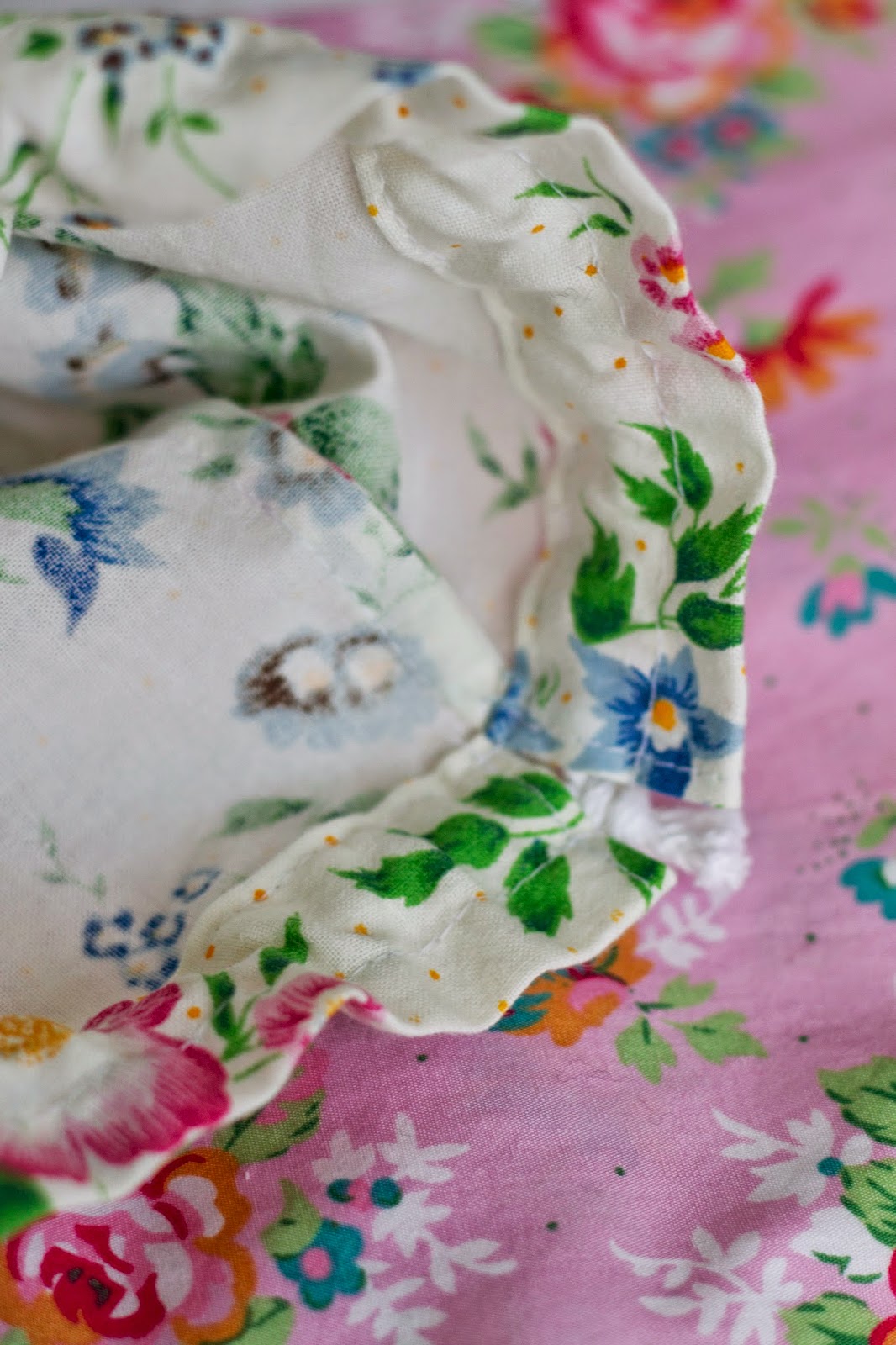
A construção dos sacos é semelhante à deste, mas fi-los ligeiramente mais pequenos (35 x 40 cm) e com costuras inglesas. E escolhi os tecidos mais floridos que encontrei no meu armário — já que vou estar sempre rodeada de rapazes, quero que as minhas coisas sejam ultra femininas!

When I started packing the hospital bag I quickly realised that I had to come up with a way to organise all the baby clothes. I don’t know how long I’m going to stay there (in England it was less than 24 hours but here in NZ hospitals are much less crowded so I might sleep there for a couple of nights) and I’d rather pack too much than too little… and I need some kind of way to keep things tidy inside my bag.

So I sewed a handful of drawstring bags in order to separate the baby clothes by type — and to make things even easier for Tiago I labeled each bag. This way he won’t feel completely puzzled when I ask him something like “pass me a body with collar, a woolen overall and a pair of booties” or ” I need a bodysuit, pyjamas and a cardigan”.

The construction of the bags is similar to what I’ve done here, only slightly smaller (35 x 40 cm) and with French seams. The choice of floral fabrics was very deliberate: since I’m going to be surrounded by boys I want my things to be as girly as possible!

(photos© Constança Cabral)

Por Aqui :: Around Here

Ando com vontade de voltar a publicar posts com apanhados do meu dia-a-dia cá em casa. Posts mais espontâneos e mais mundanos, pequenos vislumbres da minha vida — momentos que, no último ano e meio, passei a partilhar no Instagram e não aqui no blog. Gostava que se tornasse algo frequente (quinzenal? semanal? o melhor é não me comprometer com nada nesta altura): quero desafiar-me a tirar mais fotografias, experimentar ângulos diferentes, tentar captar pormenores e registar estes instantes para a posteridade.
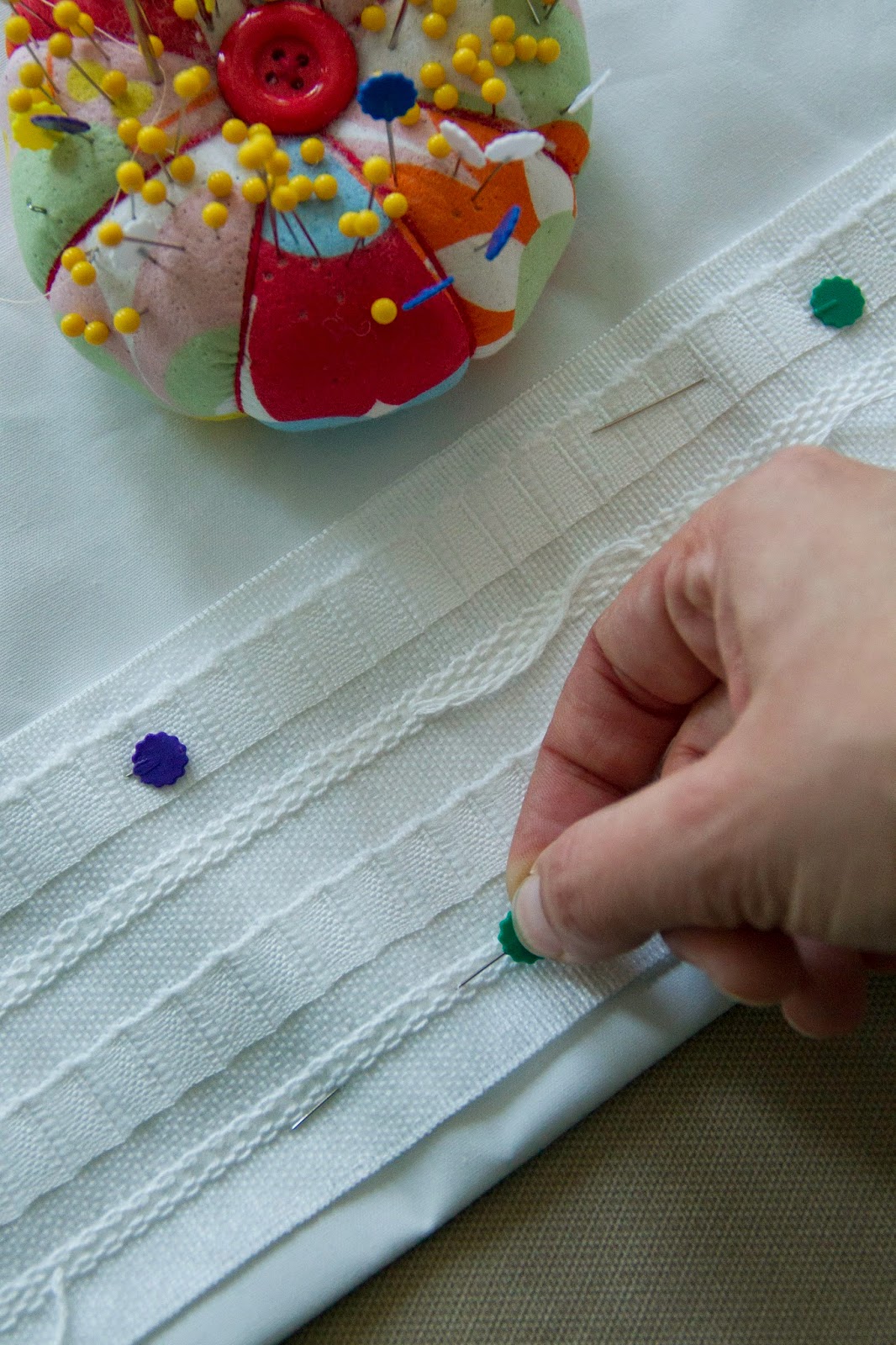
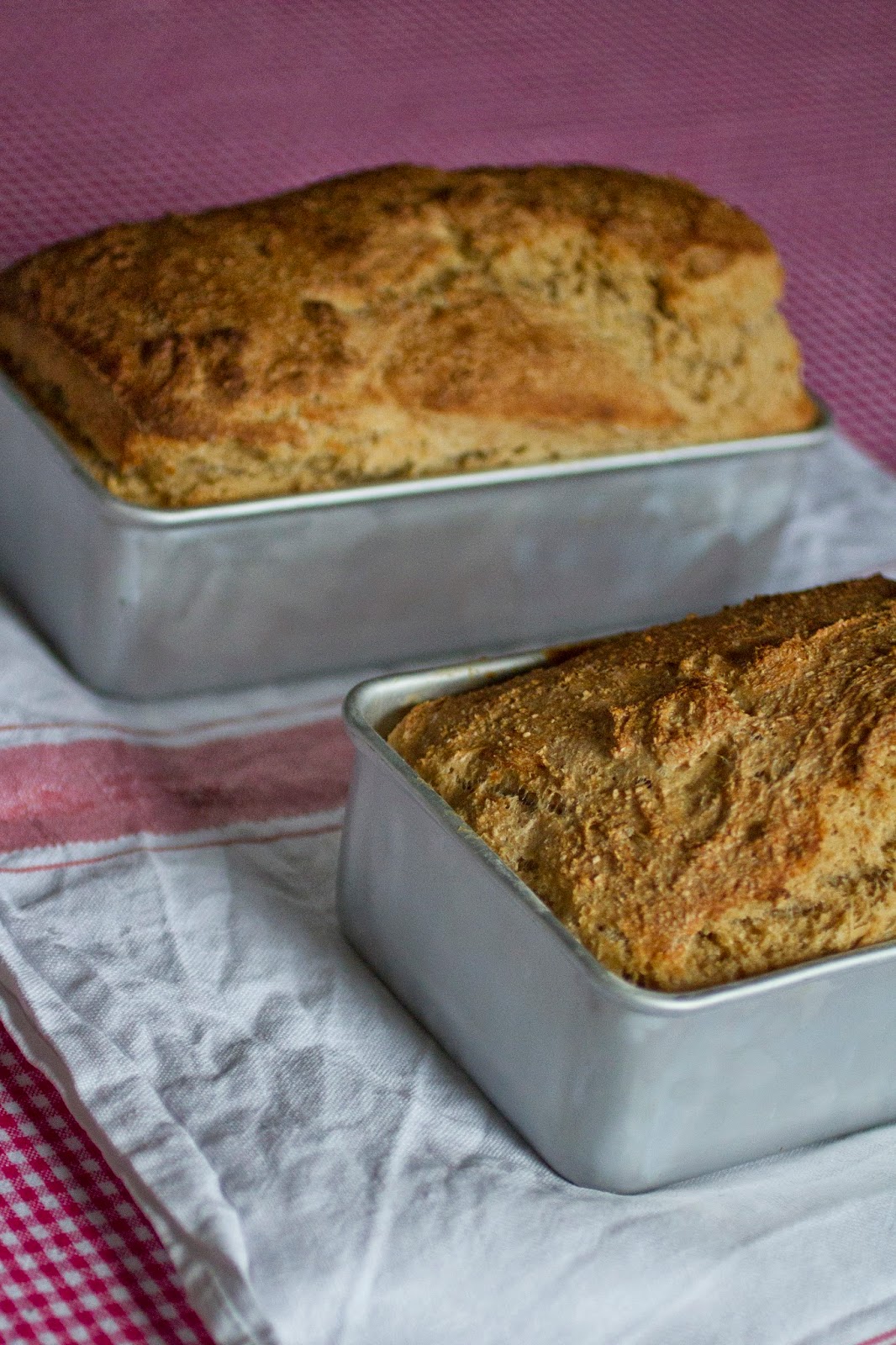
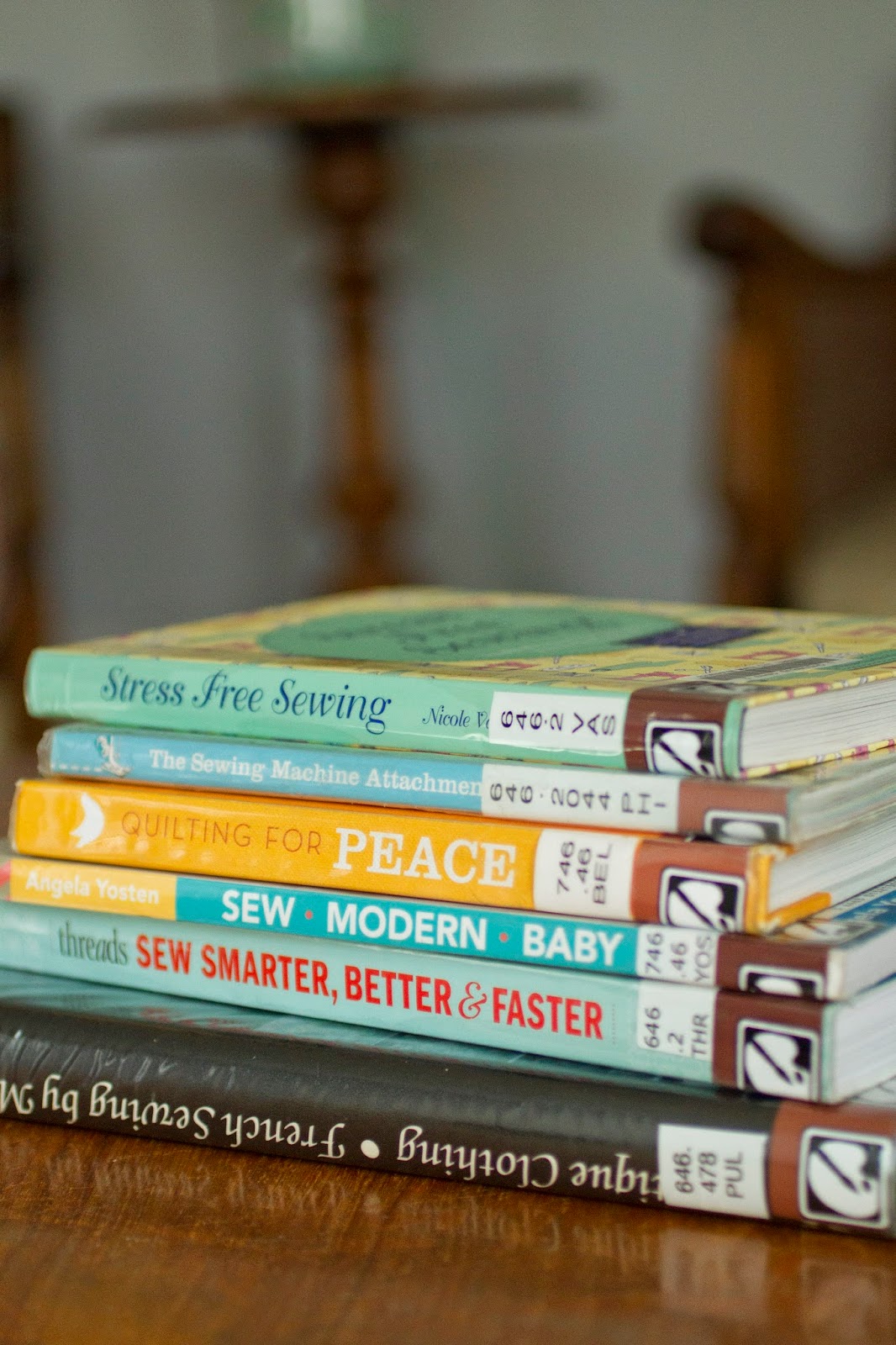
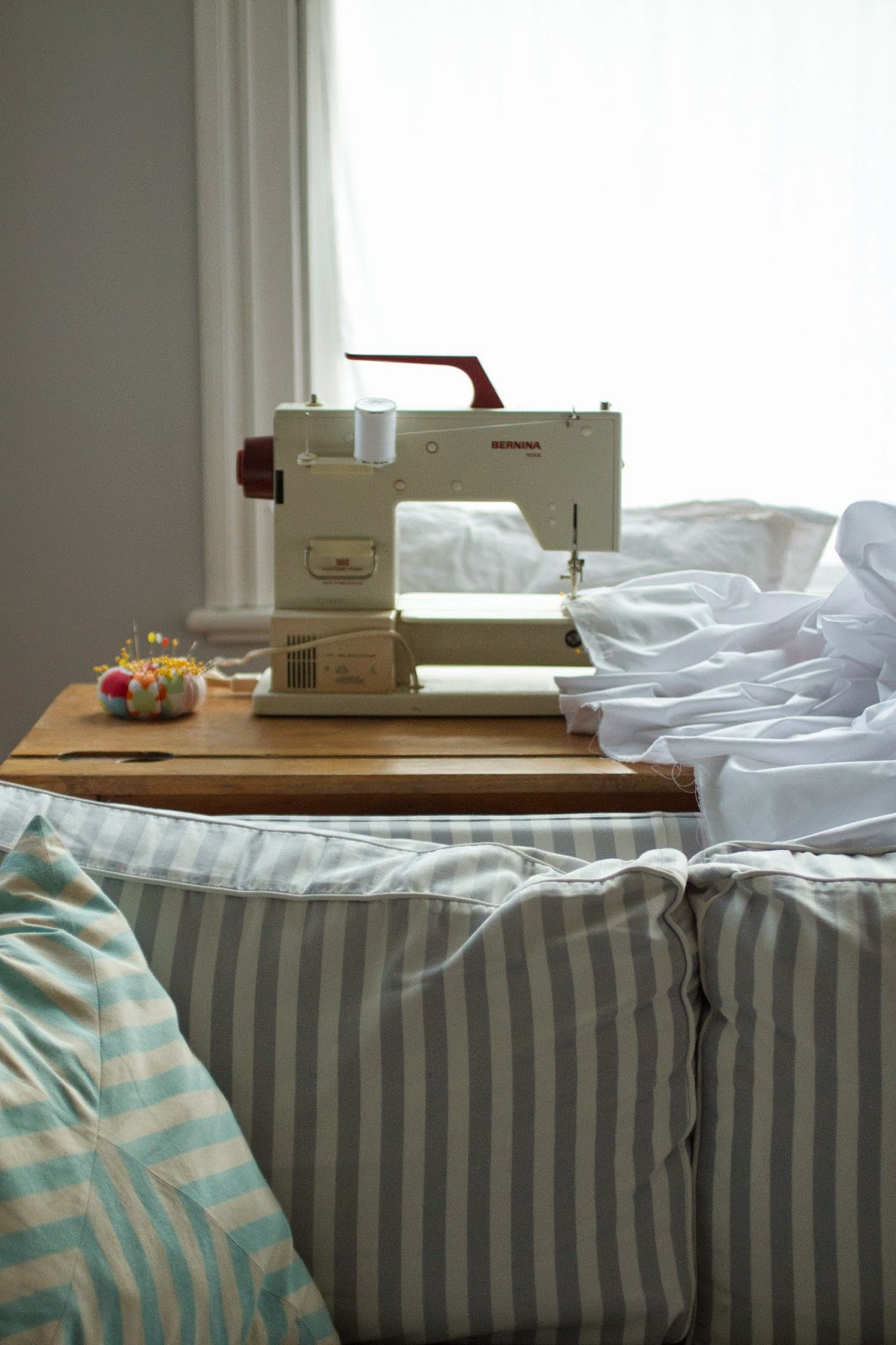
Estou prestes a completar as 40 semanas de gravidez. Tenho passado os últimos dias a fazer cortinados para a bay window do nosso quarto (3 janelas com 3,30 m de altura). A roupa de bebé está toda lavada e arrumada. Trouxe uma série de livros da biblioteca. Tenho aproveitado a ajuda da minha mãe para descansar (e coser). Continuo a fazer pão. Já há flores de Primavera nos jardins e nos supermercados. A minha máquina de costura entregou a alma ao Criador e tive de arranjar uma substituta (a decisão teve de ser tomada rapidamente e acabei por comprar uma Bernina Nova 900 dos anos 80… mas tenho muitas saudades da minha Bernina Record 830 e não vou descansar enquanto não encontrar outra igual).
Ao escrever este post, lembrei-me de um que escrevi há dois anos e meio, uns dias depois de ter completado as 40 semanas do Rodrigo. O país era outro mas também era Inverno (apesar de o mês ser Fevereiro e não Julho). E, curiosamente, os meus dias eram passados de maneira semelhante… ora espreitem aqui.
I’ve been wanting to come back to posting snippets of my days at home. I’m feeling the urge to publish more spontaneous and mundane snapshots here on the blog — some of those moments that I’ve been sharing  on Instagram for the past 18 months. I’d like to do it with some kind of frequency (weekly? fortnightly? maybe this isn’t the best time to make this kind of commitments): I want to challenge myself to take more pictures, try different angles, capture details and freeze some instants of my life.
 
I’m two days short of being 40 weeks pregnant. I’ve been spending the last few days making curtains for the bay window in our bedroom (no small task… I’m talking three windows that are 3,30 m high). All of the baby clothes are washed and ready. I’ve borrowed a few books from the library. I’ve been making the most of the fact that my mother’s here and I’ve been resting (and sewing lots). I’m still baking bread. Spring flowers can be spotted in gardens and supermarkets. My sewing machine died and I had to find a replacement (the decision had to be made quickly and I ended up buying a Bernina Nova 900 from the 1980s… but I’m still mourning my Bernina Record 830 and I shall not rest until I manage to track down another one).
 
Whilst sketching out this post I remembered writing a similar post two and a half years ago when I was a couple of days overdue with Rodrigo. I was living in a different country but it was also winter time (even though the month was February rather than July). And funnily enough, my days were spent in a very similar way… check it out here.
 
(photos© Constança Cabral)


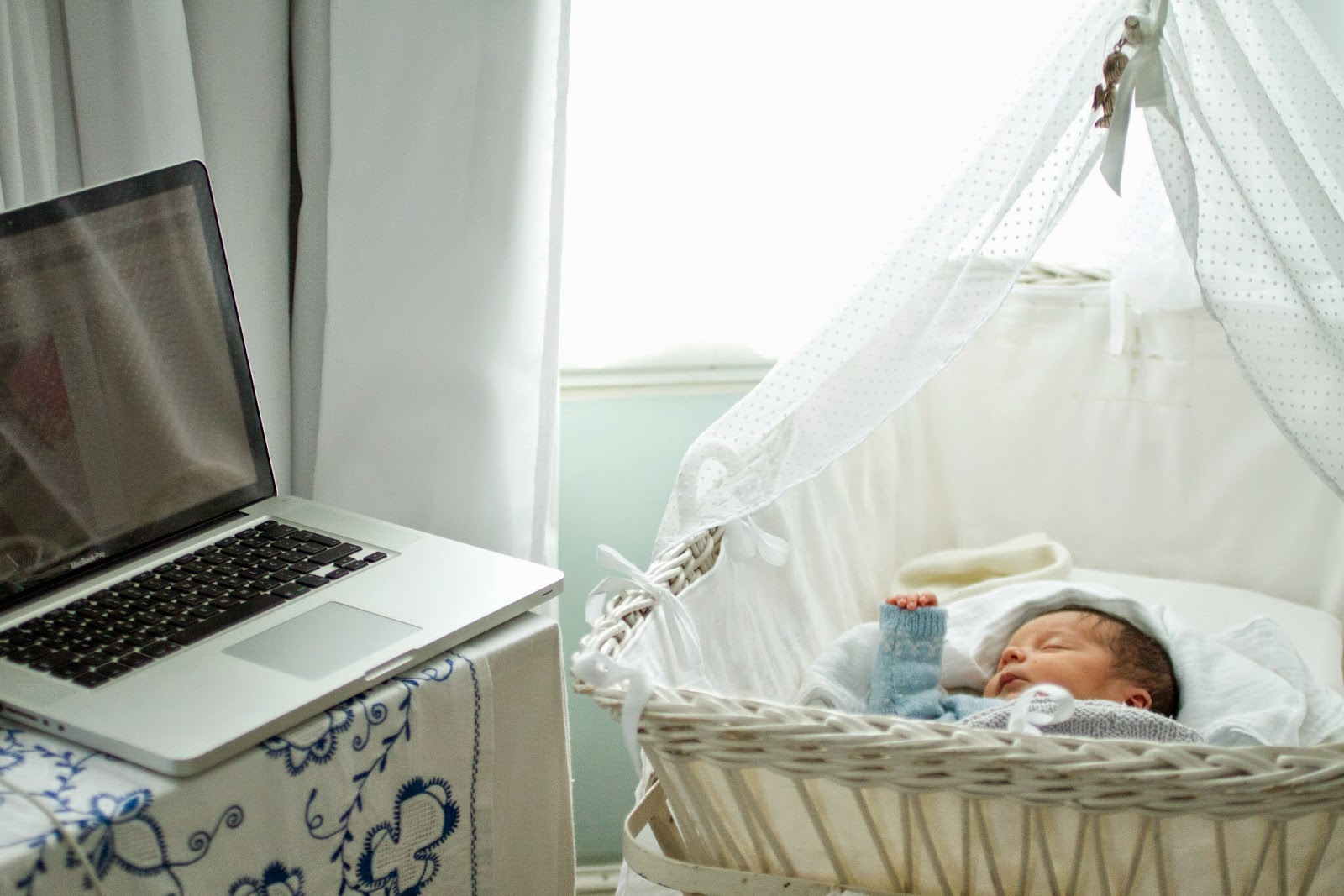
Alcofa II :: Moses Basket II

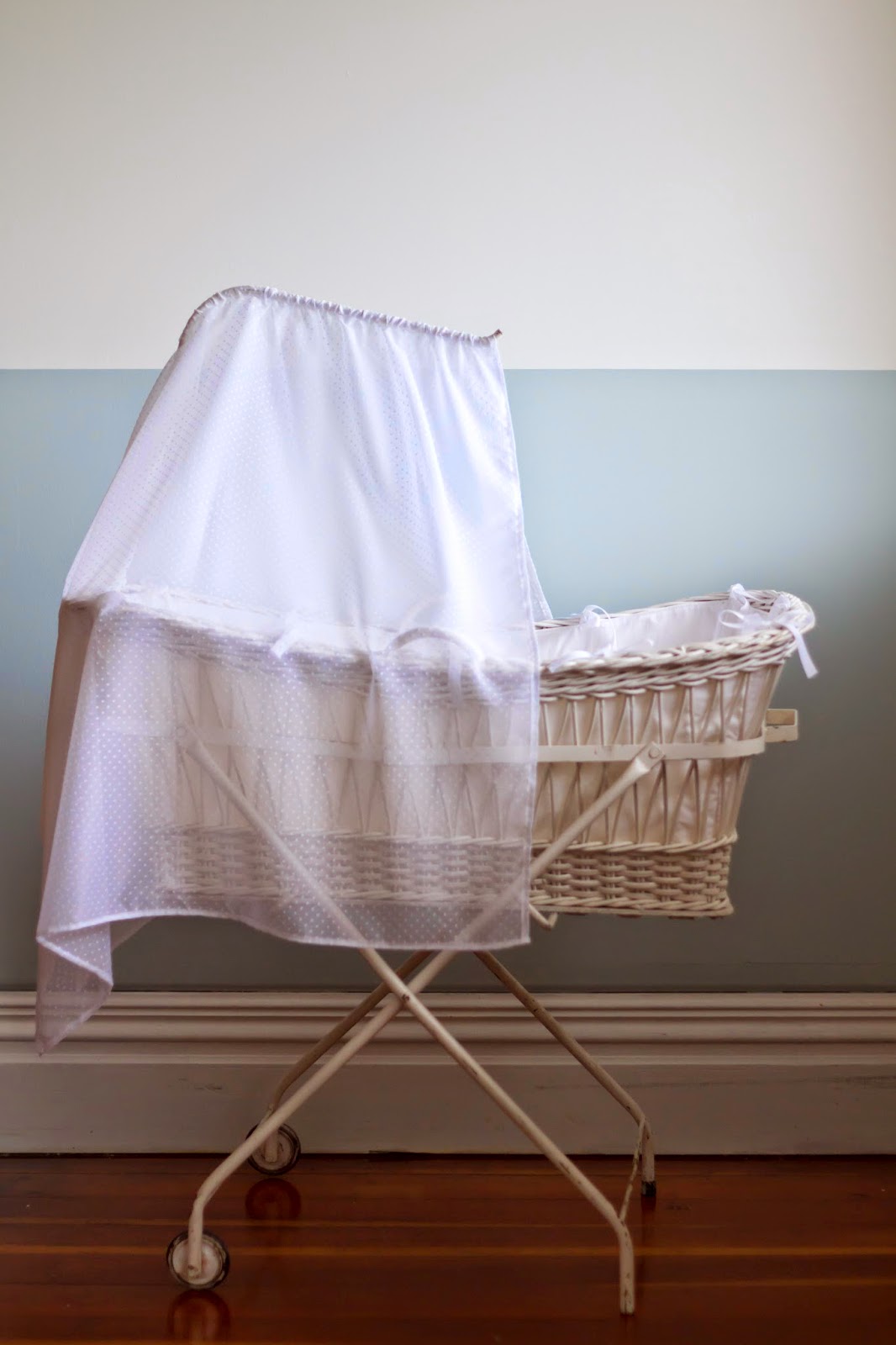
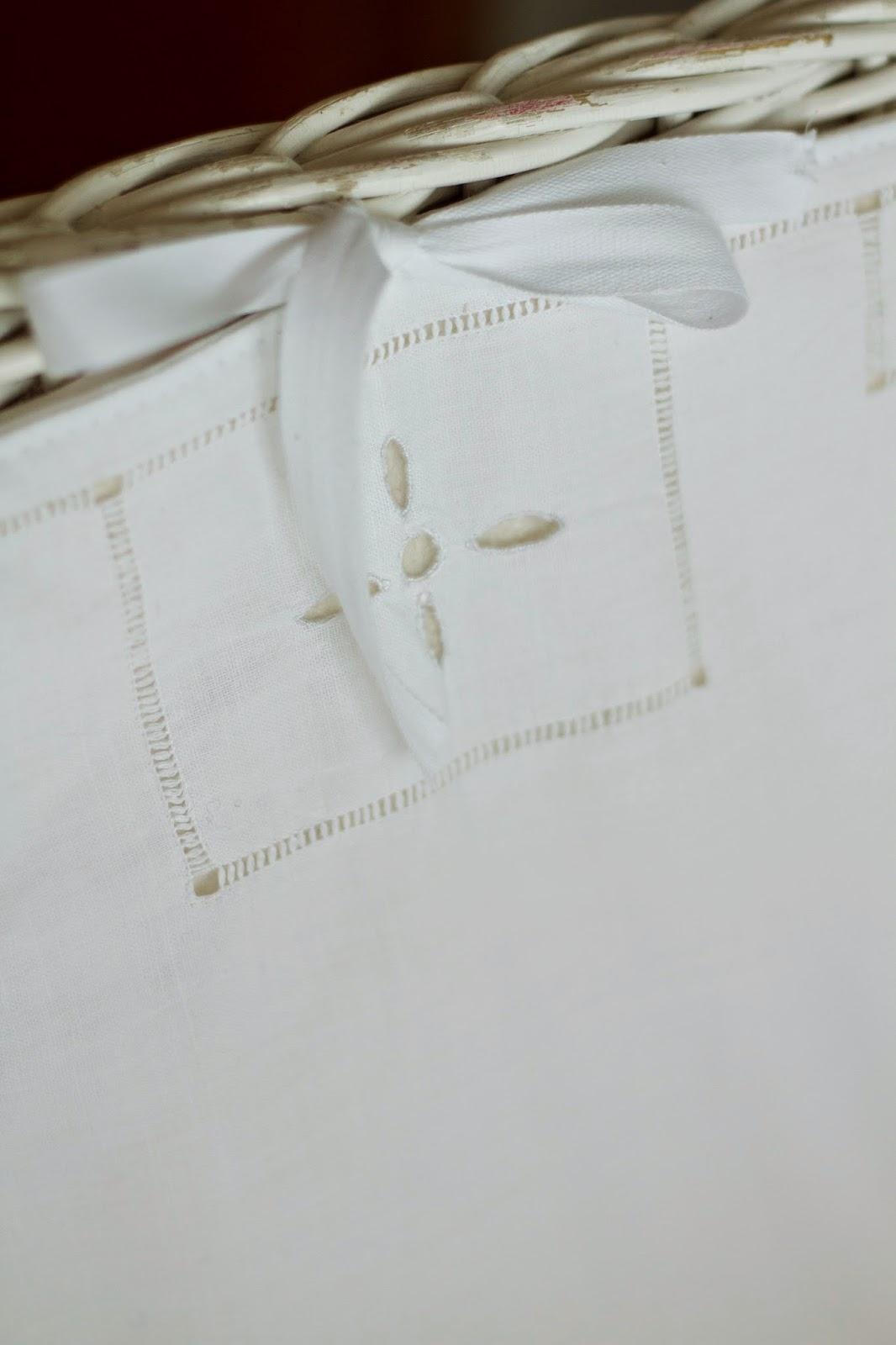
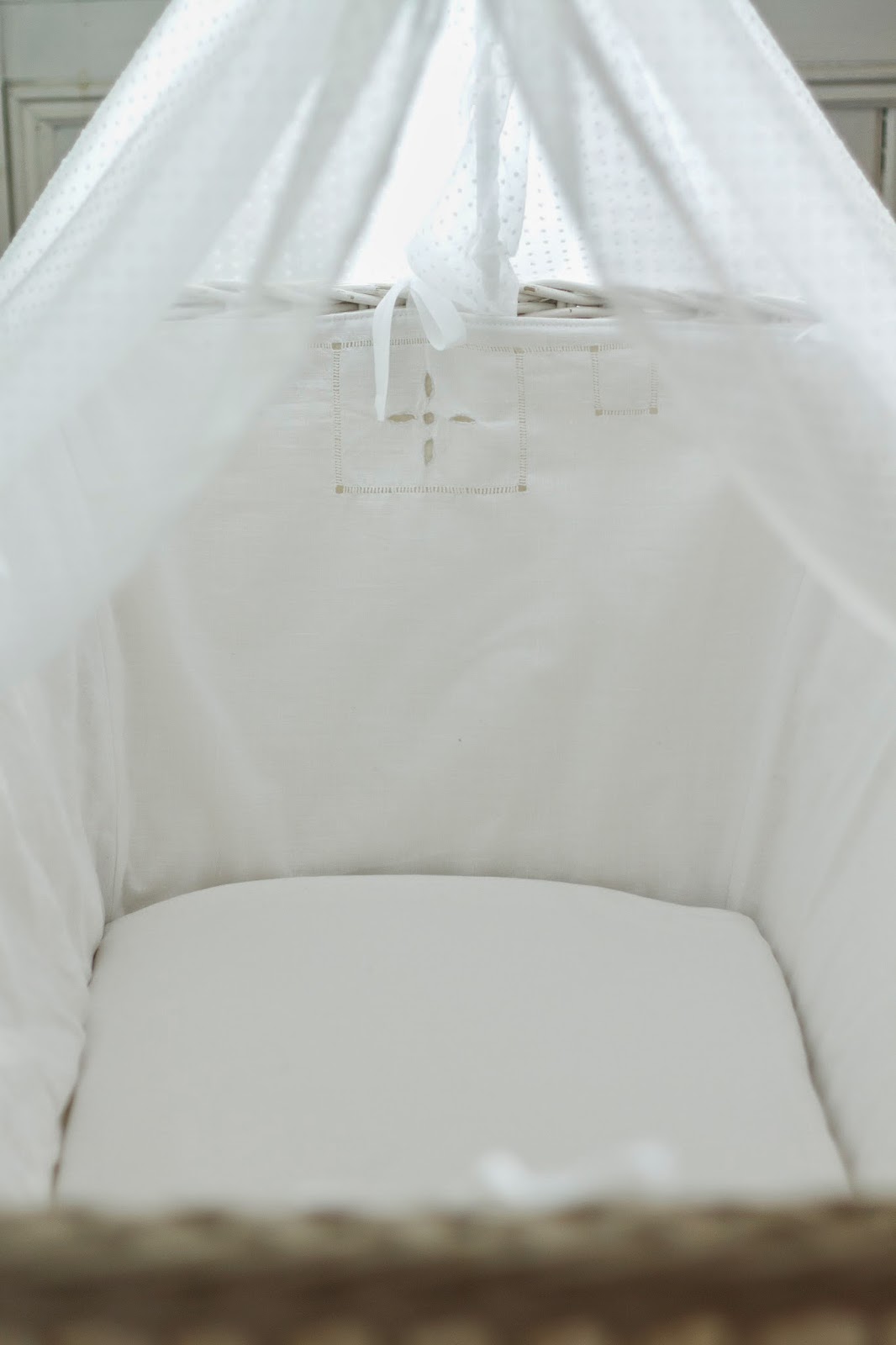
Há dois anos comprei e forrei uma alcofa para o Rodrigo (podem revê-la aqui). Apesar de ter gostado bastante dela (sobretudo porque foi forrada com um lençol dos meus avós), tive alguma pena, por um lado, que não fosse mais funda e, por outro, que não tivesse varão para um véu. 
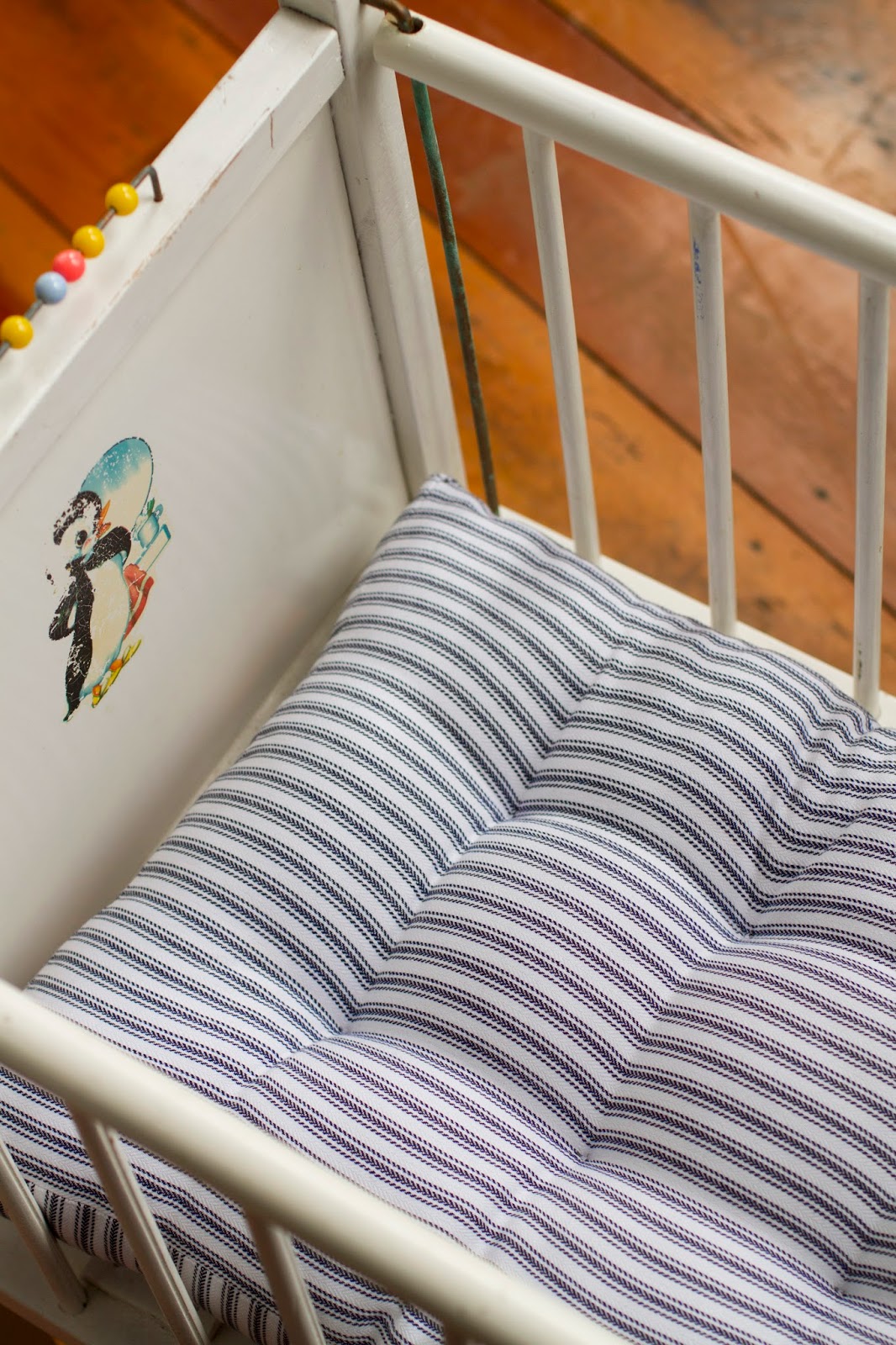
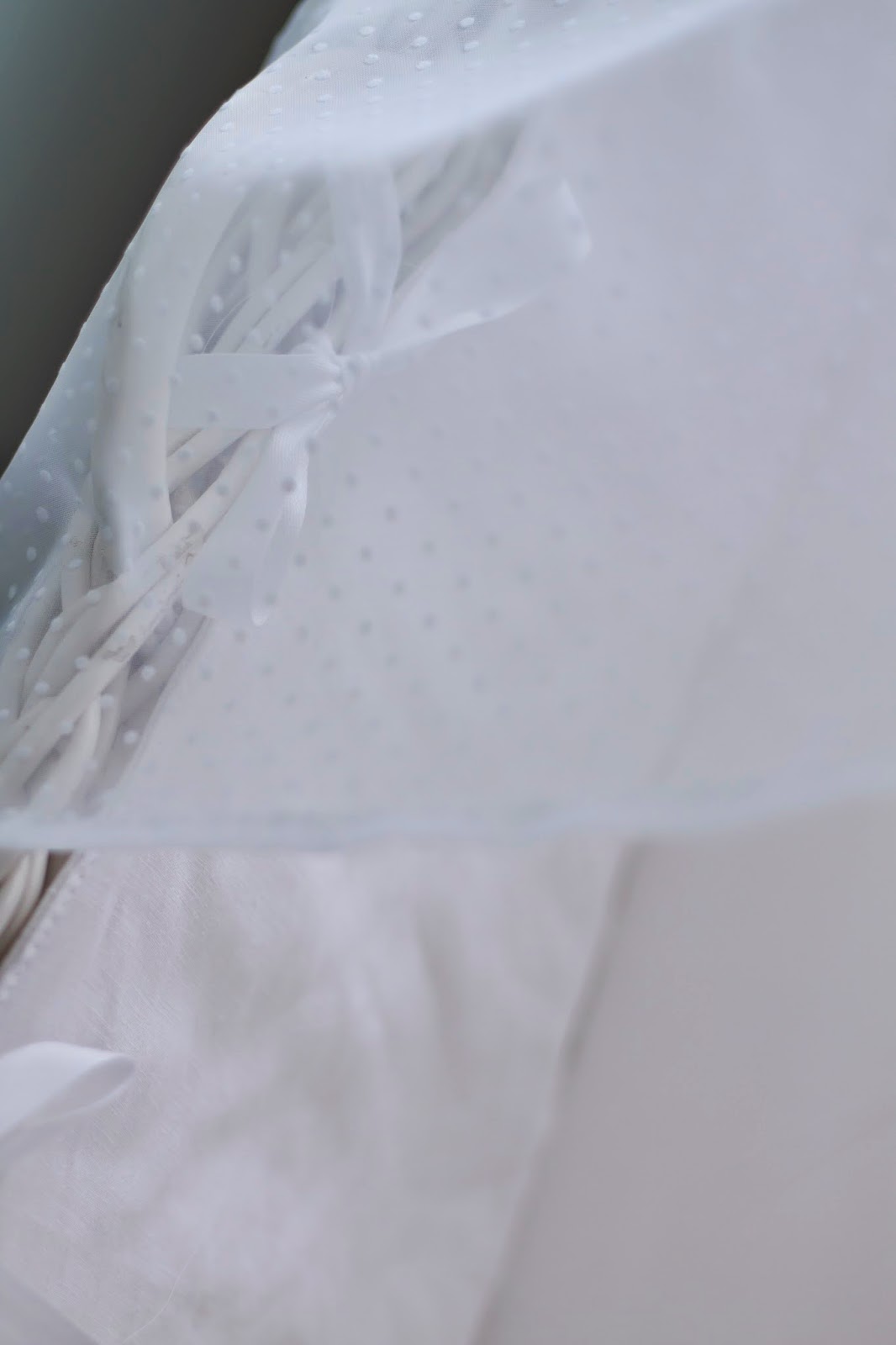
Há um ano, já na Nova Zelândia, deparei-me com uma alcofa antiga numa venda de garagem e não resisti a comprá-la. Uns meses mais tarde, mandei fazer um colchão e forrei-a, desta vez com duas fronhas de travesseiro do enxoval da minha bisavó. Para o véu usei uma cortina de cassa que em tempos esteve pendurada na janela do meu quarto em casa da minha mãe. 
Como já devem ter reparado, tiro um enorme prazer destes reaproveitamentos, tão práticos quanto sentimentais… Como é bom conseguir prolongar o uso das coisas ao longo das gerações! 
Two years ago I bought and lined a moses basket for Rodrigo (you can revisit it here). Even though I was perfectly happy with it (especially because I made the liner using an embroidered bed sheet that used to belong to my grandparents), I always felt a bit sorry that: 1- there was no canopy, and 2- the basket wasn’t a little deeper.

A year ago, here in New Zealand, I came across an old wicker bassinet in a garage sale and couldn’t resist the urge to buy it. A few months later, I ordered a custom mattress and I lined it, only this time around I used two linen pillowcases that were part of my great-grandmother’s trousseau. For the canopy I used a curtain that once hang in my own bedroom at my mother’s. 

As I’m sure you’ve already realised by now I take great pleasure in repurposing these things… for me it’s as practical as it is sentimental. I love being able to prolong the use of things across my family’s generations!

(photos© Constança Cabral)

Capas de Édredon :: Duvet Covers


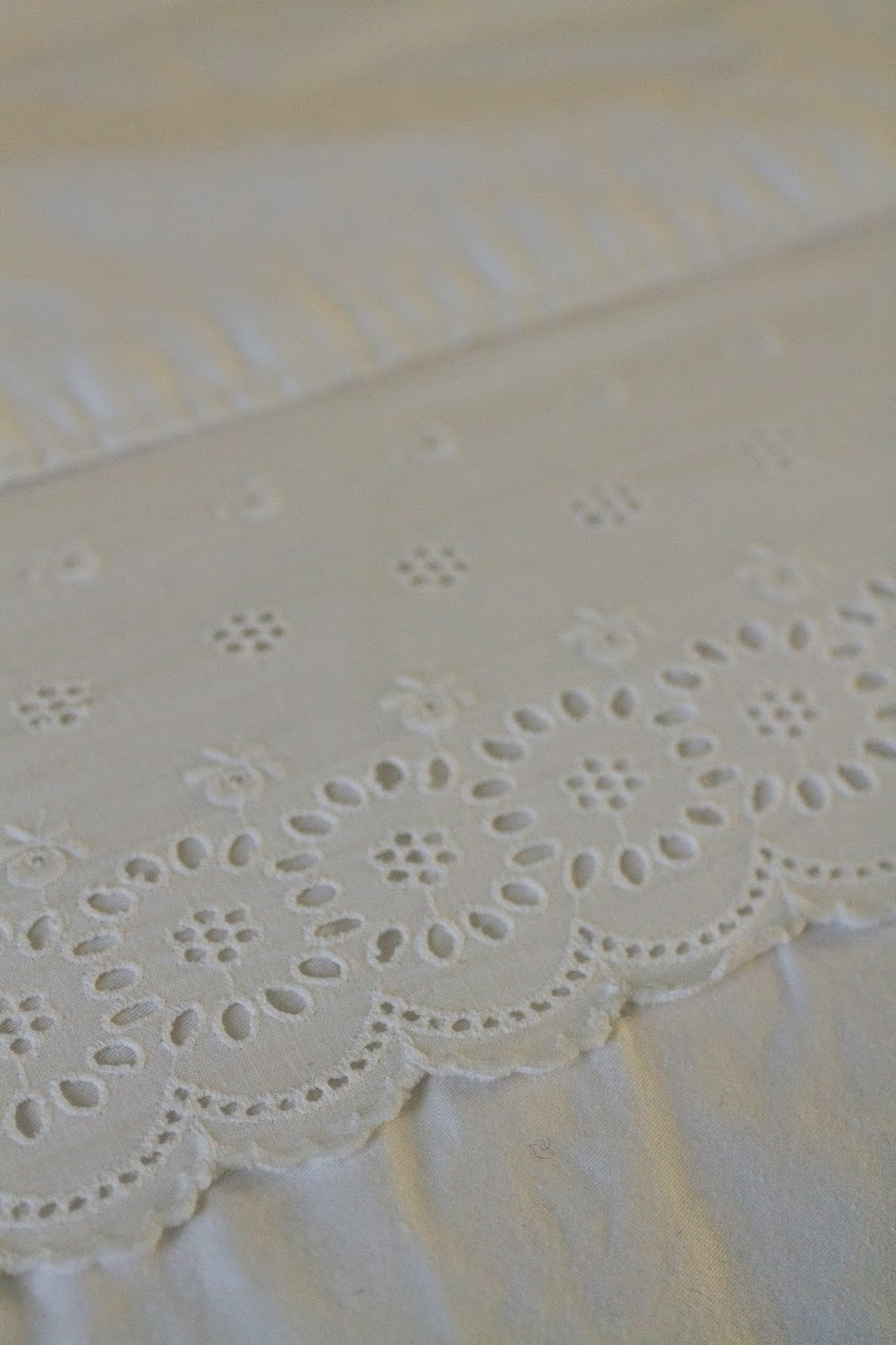
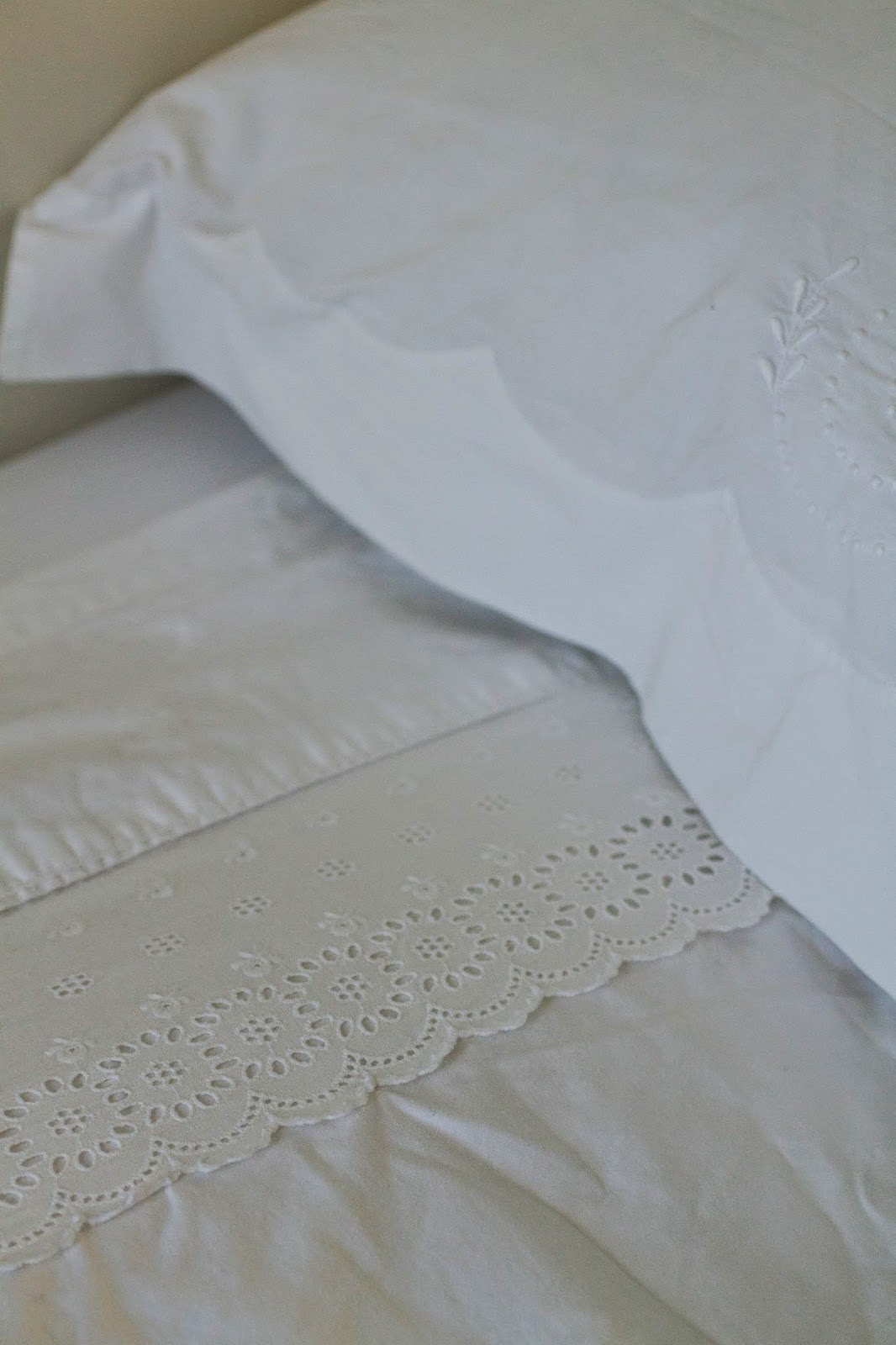
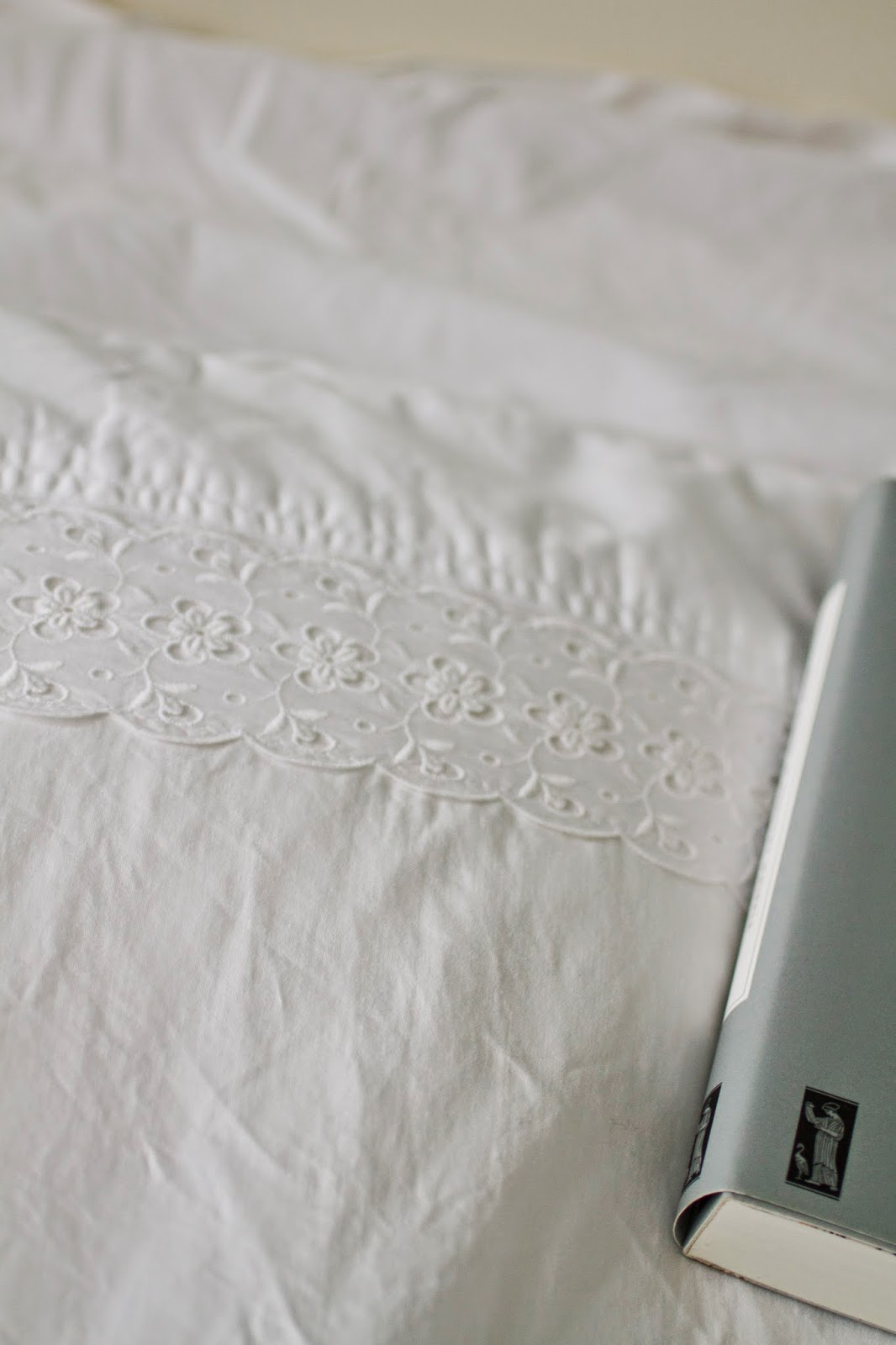
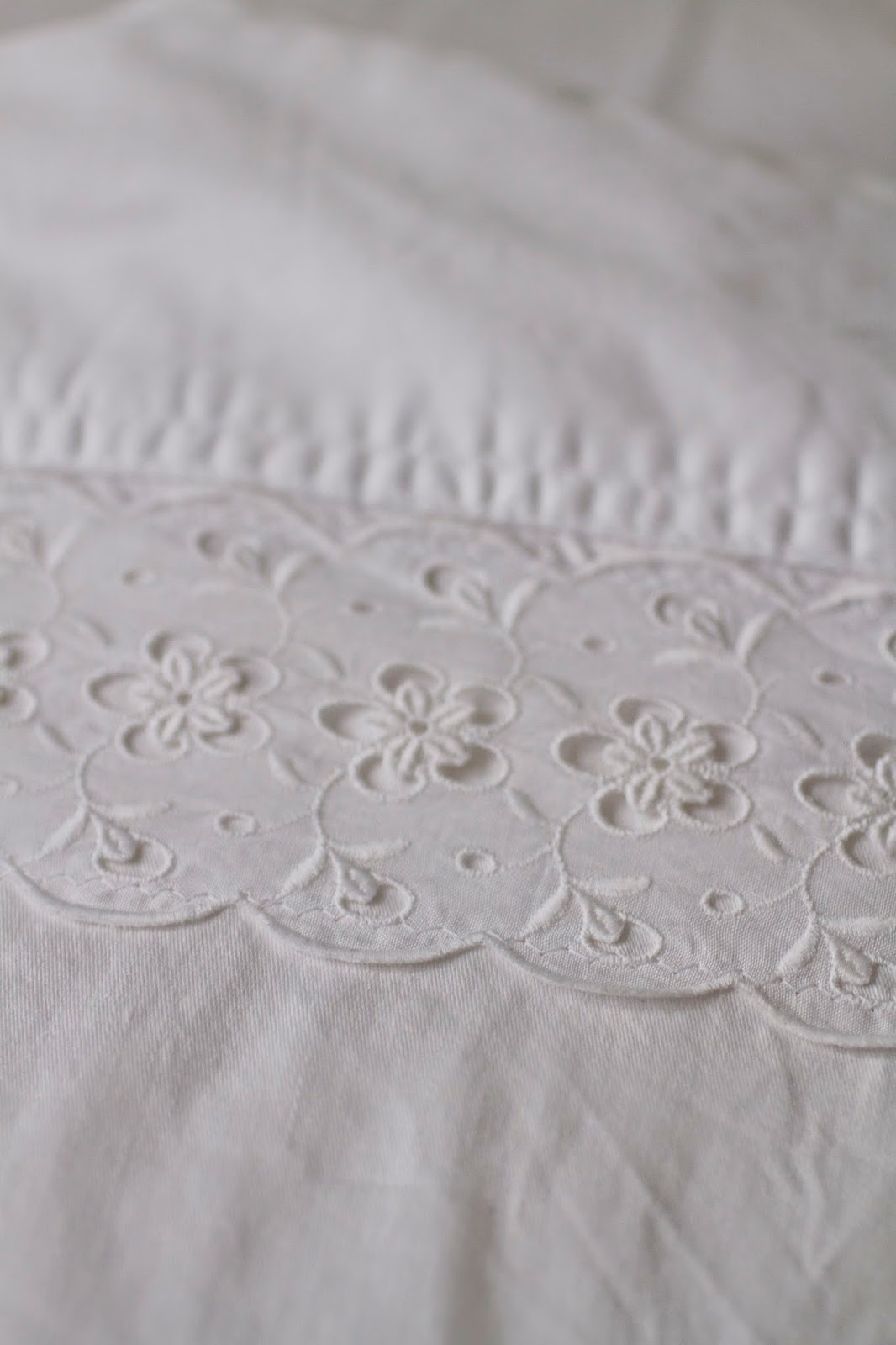
A meu ver, um dos grandes confortos do dia-a-dia é uma cama feita de lavado. Lençóis 100% algodão (ou linho!), bem esticados, a cheirar a sol e, de preferência, brancos. Em Portugal ainda é relativamente fácil e acessível comprar lençóis de óptima qualidade, mas na Nova Zelândia nem por isso. Há uns tempos falei-vos na capa de édredon que fiz para a nossa cama — funciona tão bem que voltei a fazer outras duas.

Se vier a fazer mais uma, já decidi que, em vez de aplicar o bordado em cima do lençol, vou cosê-lo de lado — assim.


As far as I’m concerned, one of the great comforts of everyday life is sleeping on clean sheets in a freshly made bed. Pure cotton (or linen!) sheets, taut and crisp, preferably white and with that lovely smell of having been dried out in the sun. In Portugal it’s still fairly easy and affordable to buy great quality bedding but in New Zealand… not so much. A few months ago I told you about the duvet cover I made for our bed — I like it so much that I’ve already sewn two more.


If I ever make another one, I think I’ll stitch the trimmings sideways rather than on top — just like this one here.