Coroa de Fim de Outono :: Late Autumn Wreath

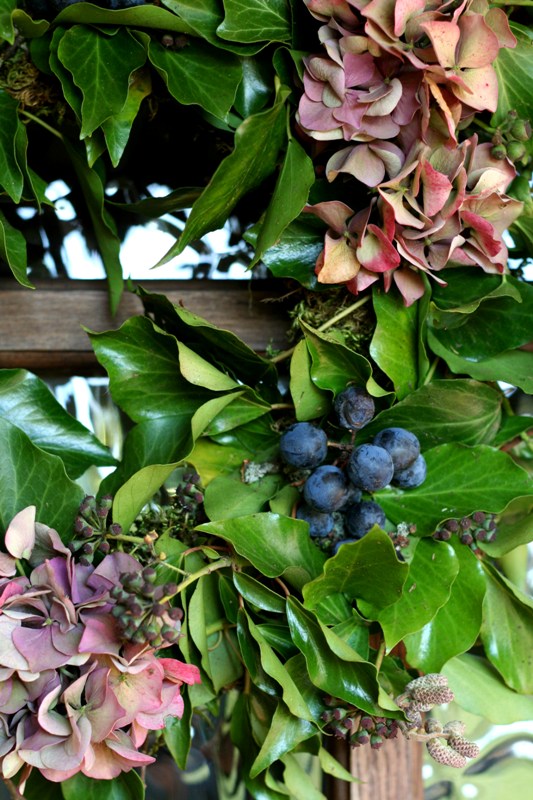
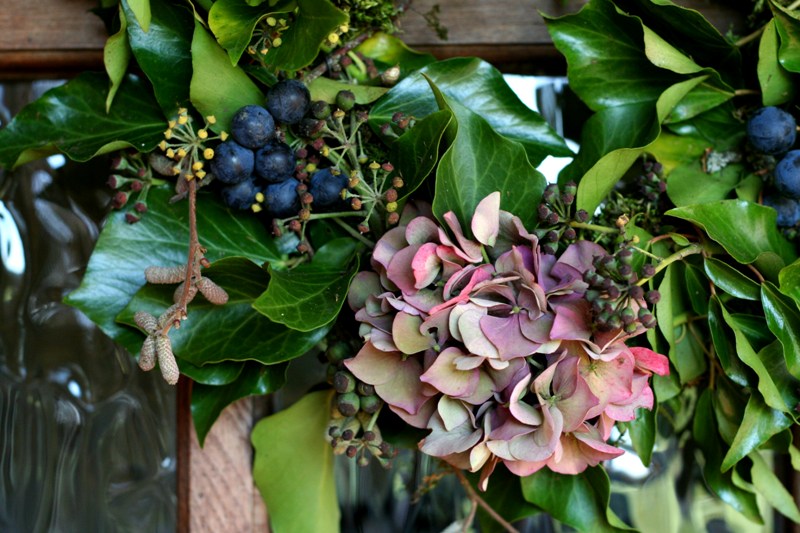
Fiz esta coroa de fim de Outono com musgo, hera, uma hortênsia, alguns abrunhos silvestres e uns pauzinhos cujo nome desconheço. Daqui a uma ou duas semanas começarei a fazer coroas de Natal – mal posso esperar!
I made this late Autumn wreath with moss, ivy, one hydrangea, some sloes and some branches which I’m unable to name. In a week or two I’ll start working on Christmas wreaths – I can’t wait!

(images: Constança Cabral)

Paperwhites :: Narcisos de Papel

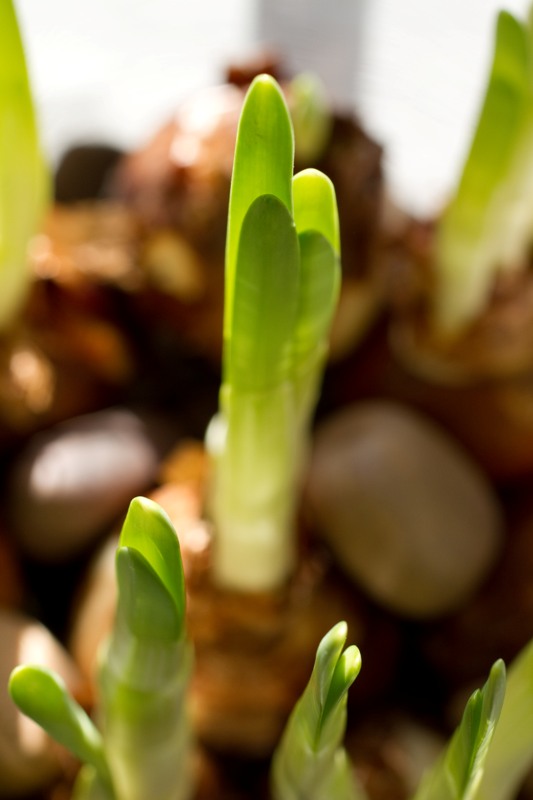
Cá estão os narcisos de papel, altos e perfumados, na cómoda da nossa sala. Não há bolbos mais fáceis: basta juntar algumas pedras e água, e em menos de duas semanas estarão plenamente desenvolvidos. E, desde que soube que são originários de Portugal e Espanha, ainda fiquei a gostar mais deles.
We’ve got some tall, highly scented, paperwhite narcissi standing on a chest of drawers in our sitting room. These bulbs couldn’t be easier to grow: just add some pebbles and water and they’ll show results in less than two weeks’ time. And ever since I learnt that they come from Portugal and Spain I found myself liking them even more.

(images: 1- Tiago Cabral; 2- Constança Cabral)

Tartan Tote

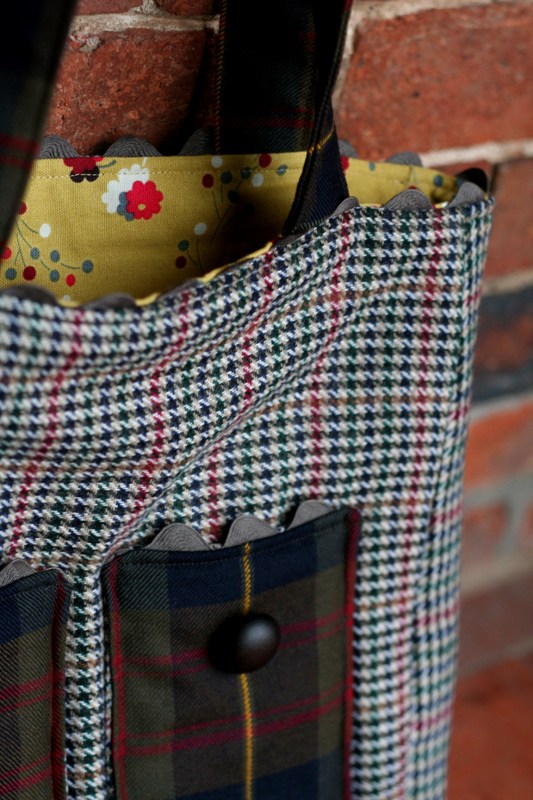
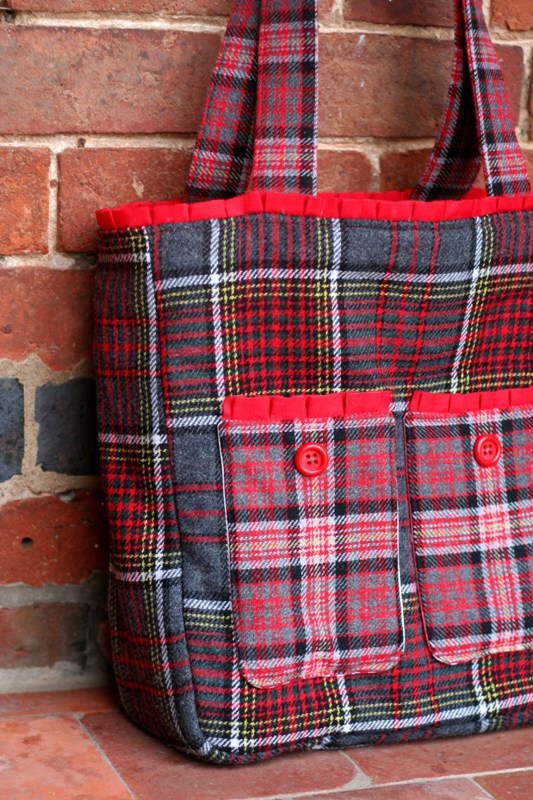
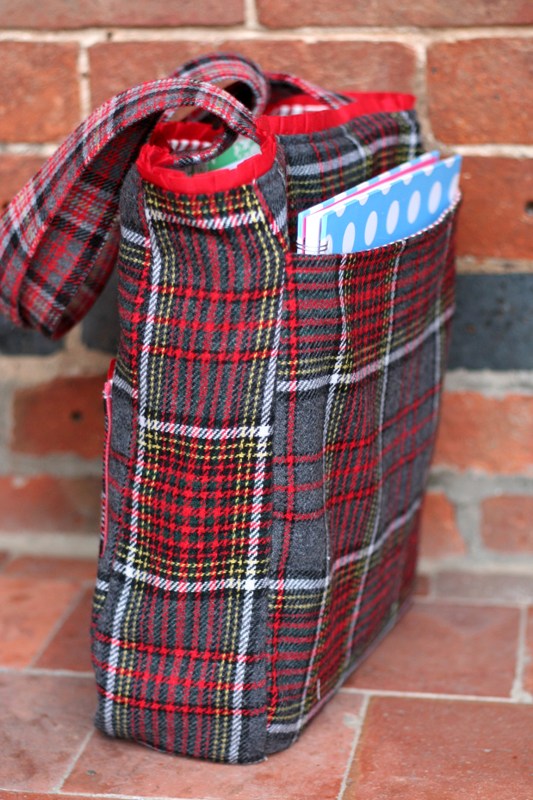
Desenvolvi um novo modelo de saco e não poderia estar mais contente com ele. É espaçoso sem ser demasiado grande, tem vários bolsos e a conjugação de padrões e pormenores vai animar os dias cinzentos de Inverno. Nele cabem dois ou três cadernos, um dossier, um computador portátil, a carteira, chaves, telemóvel, fraldas, biberons, enfim… toda a parafernália do dia-a-dia. Estou a trabalhar numa colecção de sacos idênticos, que estarão na loja em breve.

loja em breve. 

I’ve come up with a new bag pattern and I couldn’t be more pleased with it. It’s roomy without being too large, it features several pockets and I think this conjugation of colours and details will cheer up grey Winter days. It has room for two or three notebooks, a ring binder, a laptop, your purse/wallet, keys and mobile phone, nappies, baby bottles… in a nutshell, all the paraphernalia we carry everyday. I’m working on a collection of bags just like this one and I’m hoping to update my shop soon.  shop soon.

(images: Constança Cabral)

Flores da Semana :: This Week’s Flowers

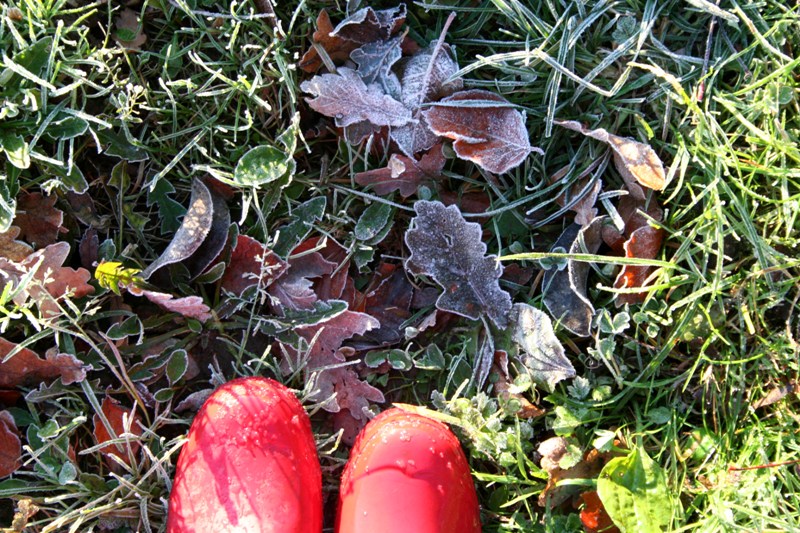
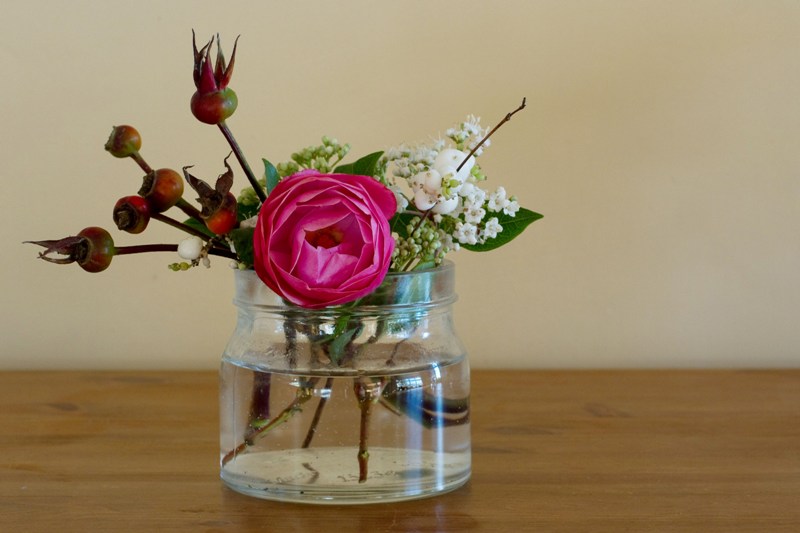
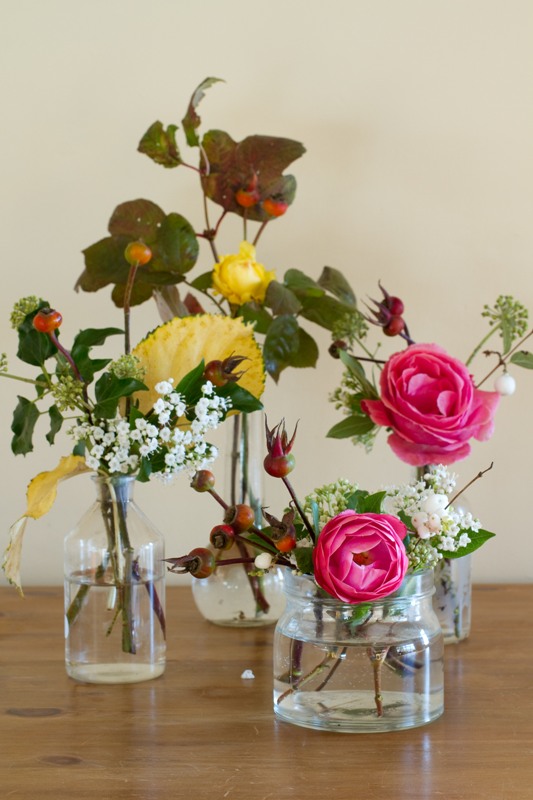
O jardim está quase despido, agora que acordamos com vidros embaciados e geada no chão. Apesar de ainda haver uma ou outra rosa, as roseiras deram frutos, há bagas inesperadas e as folhas continuam a mudar de cor. Dentro de casa, os narcisos de papel despontaram (tenho de tirar fotografias). Estamos a entrar no Inverno…
The garden is almost bare, now that we’ve been waking up to steamed windows and frost on the ground. Although you can find the odd rose here and there, there are many rosehips, unexpected berries and colourful leaves everywhere. Indoors, the paperwhite narcissi have bloomed (I must take pictures). Winter is coming…
(images: Tiago Cabral)

Marmelada :: Quince Paste

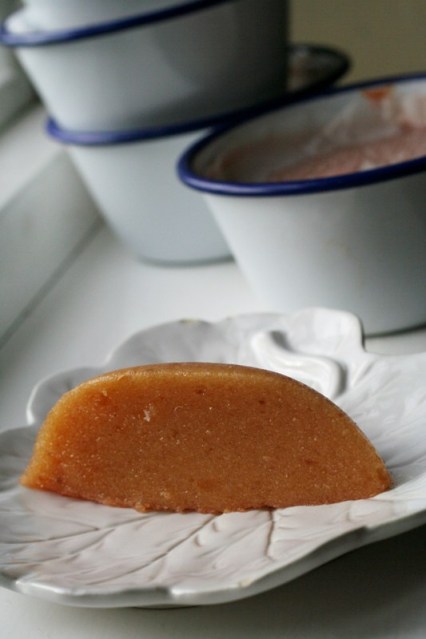
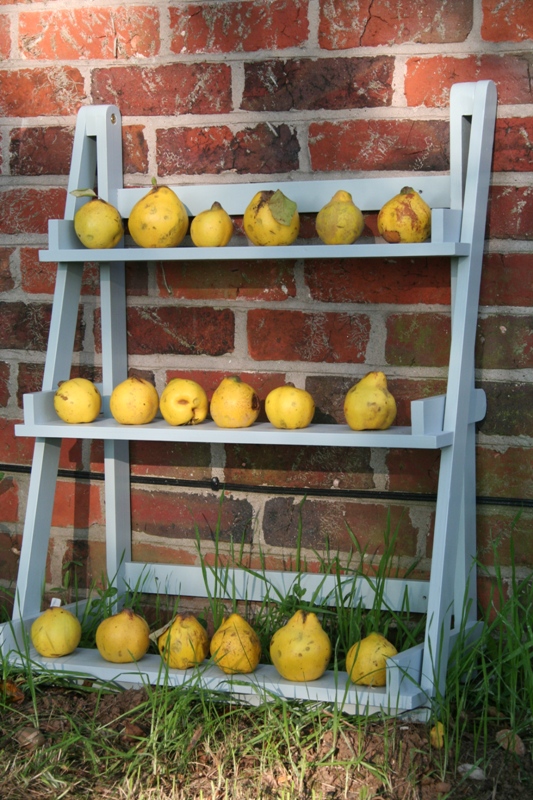
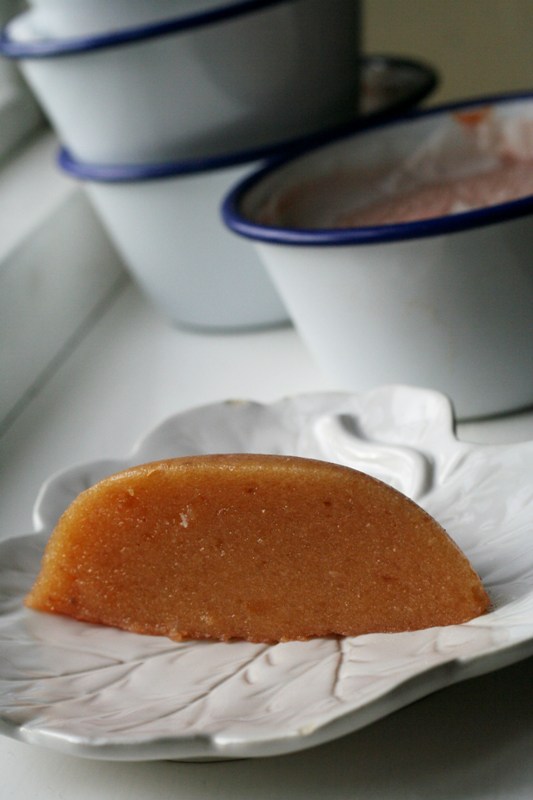
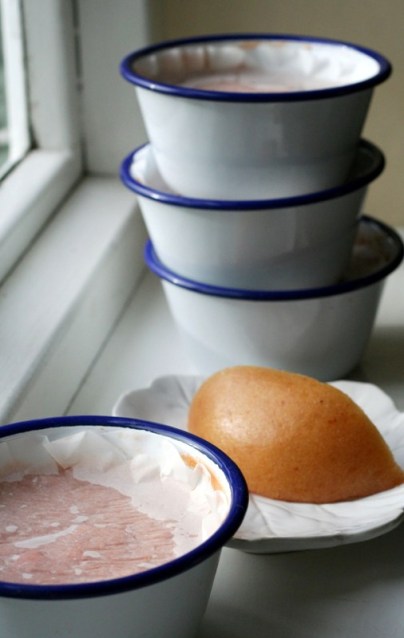
Pela primeira vez na vida fiz marmelada. Pesquisei várias receitas, pedi conselhos e acabei por me decidir pelo clássico Pantagruel, que tem uma receita de “marmelada branca” (supostamente a mais refinada das marmeladas). Esta versão à antiga demora imenso tempo a fazer mas o resultado compensa: a marmelada fica com a dose certa de açúcar e granulosa qb. Quanto aos recipientes, andei pelas lojas de caridade em busca de tigelas antigas mas não tive sorte nenhuma, por isso optei pelas clássicas taças de pudding em esmalte.
For the first time in my life I made marmelada. The english translation for this is “quince cheese” and you may have heard of it as “membrillo”, the Spanish version of this preserve. It’s usually eaten with hard cheese, or cut into squares, dusted with sugar and eaten like a treat. The recipe I followed comes from a classic Portuguese cookery book called Pantagruel. This old-school version of marmelada takes hours to make but the end result is worth every minute. As for containers, usually terracotta or ceramic bowls are used – I searched for old, interesting bowls in charity shops without any luck so I used enamel pudding basins instead.
Marmelada (Pantagruel)

Marmelos bons: 2 kg
Açúcar: 1,2 kg

Lavam-se os marmelos e, para a marmelada ficar branca, cozem-se inteiros, sem lhes tocar com a faca para não escurecerem.

Depois de frios, pelam-se à mão, tiram-se-lhes as pevides com os dedos e passam-se pelo passe-vite [usei a varinha mágica].

Leva-se o açúcar ao lume com água suficiente para o derreter [1/3 do peso do açúcar] e deixa-se ferver até chegar quase a ponto de rebuçado [deitando uma colher de calda em água fria, forma-se uma bola].

Junta-se o polme dos marmelos, e vai-se mexendo com uma colher de pau, até se ver o fundo do tacho. Retira-se do lume e bate-se até completo arrefecimento.

Deita-se em tigelas e deita-se secar até a superfície criar pele.

(Querendo-se fazer marmelada vermelha, cortam-se os marmelos à faca antes de os cozer).

Quince cheese, the Portuguese way

Quinces: 2 kg
Granulated sugar: 1,2 kg

Wash, peel and core the quinces. Cover with water and boil until the fruit is soft. 

Drain the water and process the pulp using a mouli or a hand blender until smooth.

Meanwhile, place the sugar in a pan and cover with 400 ml water. Bring it to a boil and stir until it has dissolved. Let it boil until you reach soft-ball stage (when you drop the syrup into cold water it forms a soft, flexible ball – approx. 120ºC/240ºF).

Add the quince pulp to the syrup and stir with a wooden spoon. It needs to boil violently for approx. 30 minutes and you’ll have to keep stirring (use a long spoon, cover your arms and watch out for burns… it’ll spit like a volcano). The mixture is  ready when you scrape the spoon through it and you can see the base of the pan for a couple of seconds. When it has reached this stage, remove the pan from the heat and keep stirring until it’s cooled down a bit. 

Pour into clean bowls (porcelain, enamel or terracotta). Place the bowls on a windowsill and cover them with parchment paper. Let the paste dry out for at least a week. It will keep for several months inside a pantry or an airing cupboard.

(images: Constança Cabral)

English Country Life :: Bringing Autumn Indoors

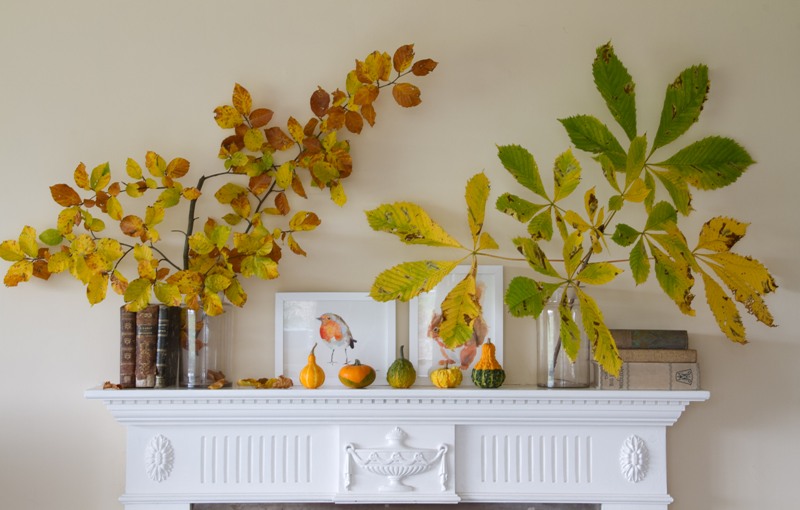
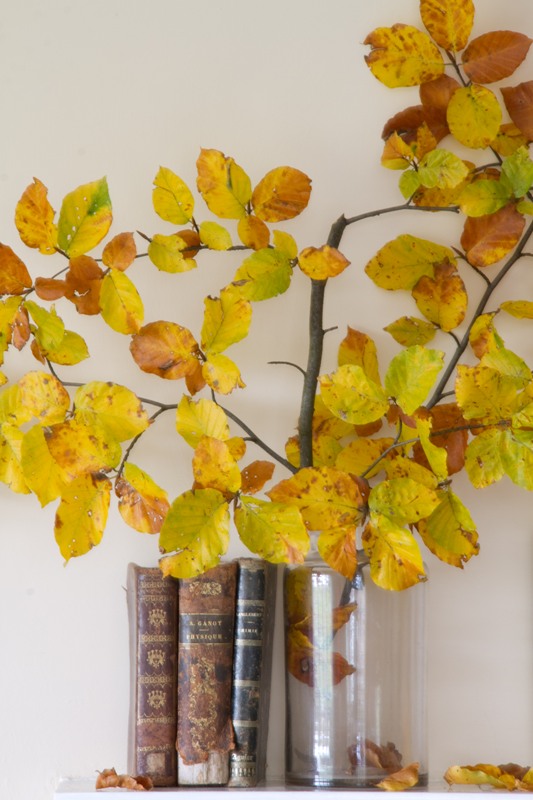
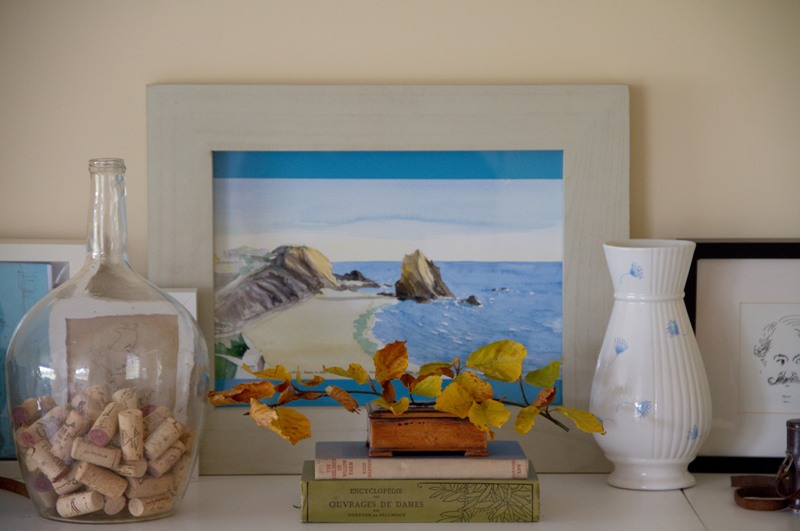
Adoro árvores, especialmente no Outono. Fomos dar um passeio pelo bosque atrás de nossa casa e vim  carregada de ramos amarelos e dourados. Agora posso olhar para as folhas sempre que me apetecer.
I love trees, especially in Autumn. We went for a stroll in the wood behind our house and I came home with loads of yellow and golden branches. Now I can look at the leaves whenever I feel like it.
(images: Tiago Cabral)

English Country Life :: Firewood

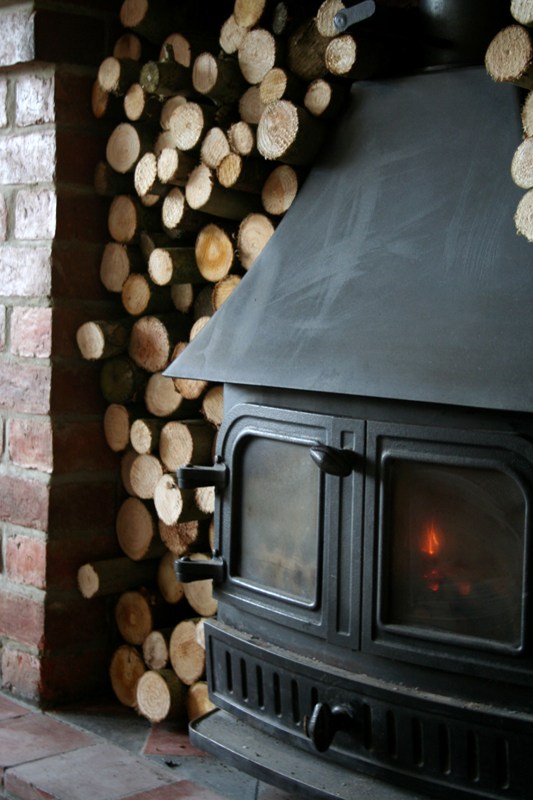
Estamos a preparar-nos para o Inverno e não há nada como carregar lenha para aquecer! Isto foi-nos entregue precisamente na altura em que o Tiago esteve fora… querem adivinhar quem descarregou todos os troncos e os empilhou na garagem?
We are preparing for Winter and there’s nothing like carrying one for keeping one warm! All this wood was delivered precisely whilst Tiago was away for a few days… guess who brought it inside?
(images: Constança Cabral)