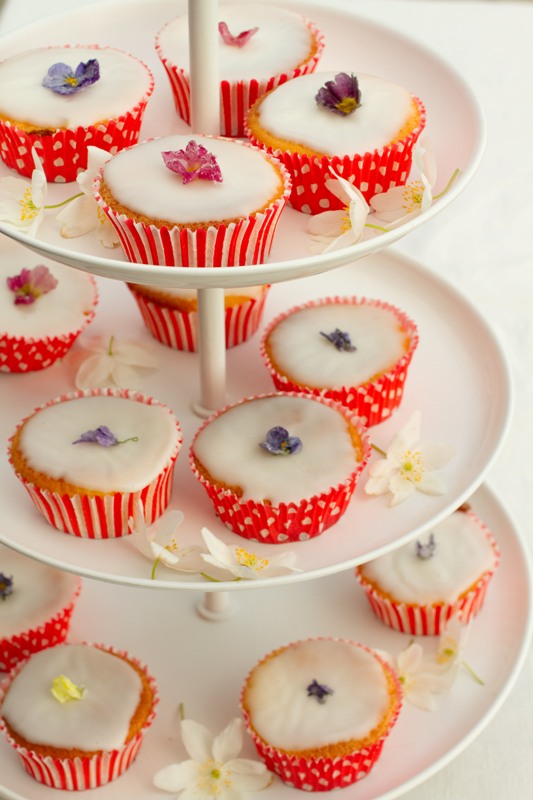
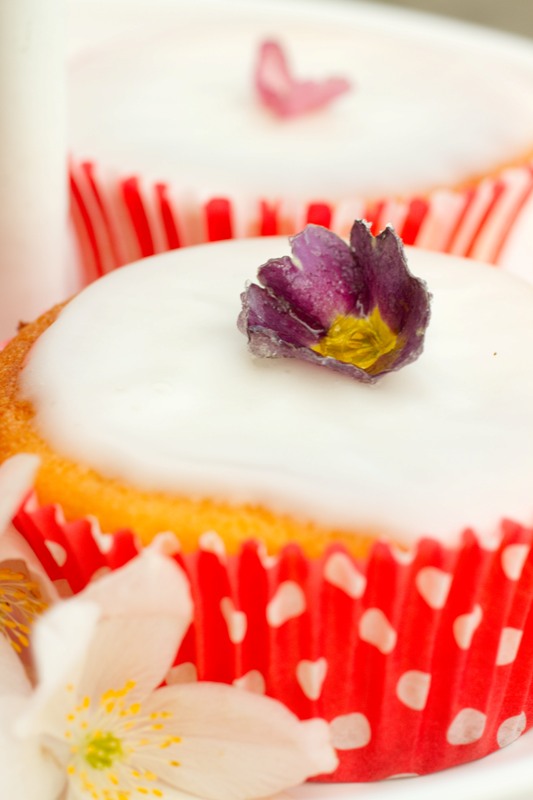
Flores Cristalizadas II :: Crystallized Flowers II

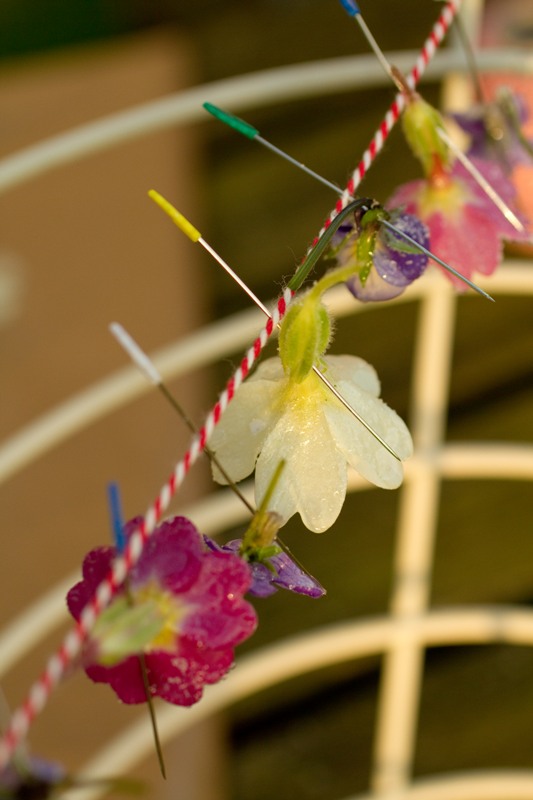
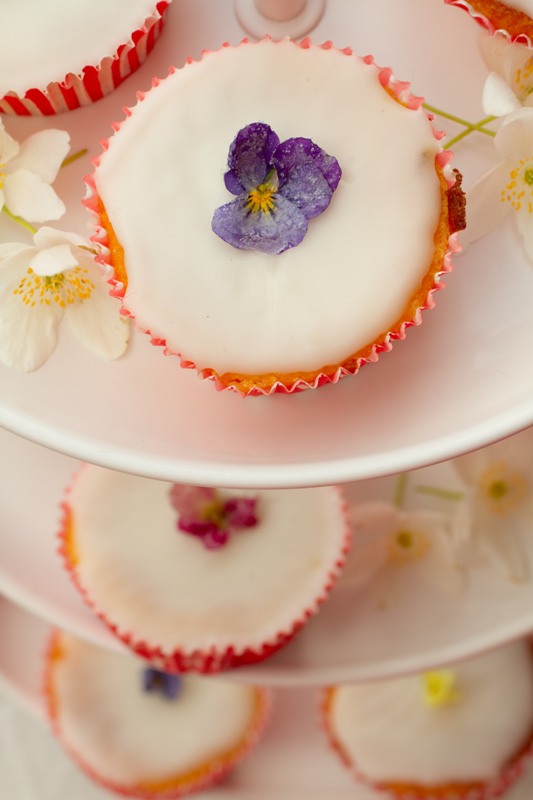
Apesar de embirrar um bocado com cupcakes (reconheço que são giros, mas acho-os quase sempre secos e demasiado doces), pensei logo que seriam a maneira ideal de usar as flores cristalizadas que fiz ontem. Então em vez de fazer uma receita especificamente para cupcakes, fiz o bolo de limão e iogurte com cobertura do flores cristalizadas que fiz ontem. Em vez de fazer uma receita especificamente de cupcakes, fiz a massa de um bolo de iogurte e limão (e respectiva cobertura de sumo de limão e icing sugar) que vem no Baking Bible da Mary Berry. O resultado é óptimo: húmido, fofo e doce qb.

Although I’m not a huge fan of cupcakes (I admit they’re cute but they’re usually too dry and too sweet for my taste), while I was making the crystallized flowers I kept thinking cupcakes would be the ideal way to showcase the flowers. So instead of making a cupcake/fairy cake recipe, I went with the iced lemon and yoghurt cake from  crystallised flowers I couldn’t help thinking that something like a cupcake/fairy cake would be the ideal way of showcasing the flowers. So instead of making a cupcake recipe, I went with the iced yoghurt and lemon cake from Mary Berry’s Baking Bible. The result is delicious: moist, dense and not too sweet. 

(photos: Tiago Cabral)

Spring :: Crystallized Flowers

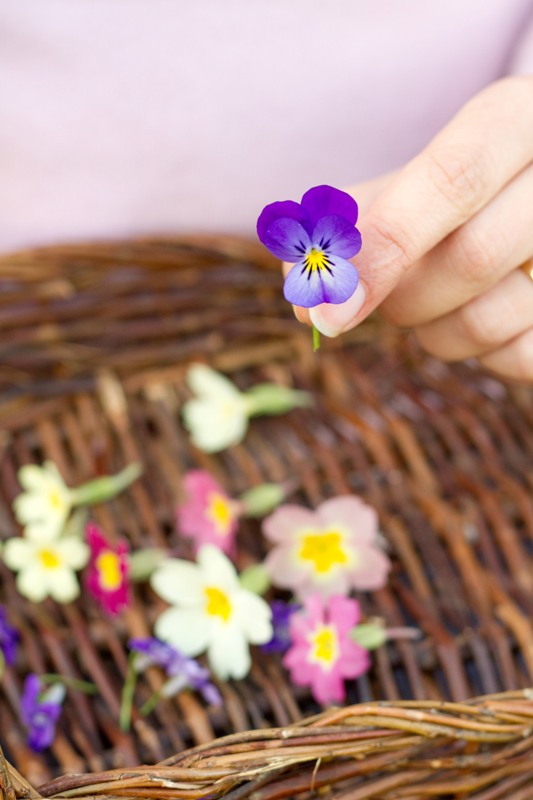
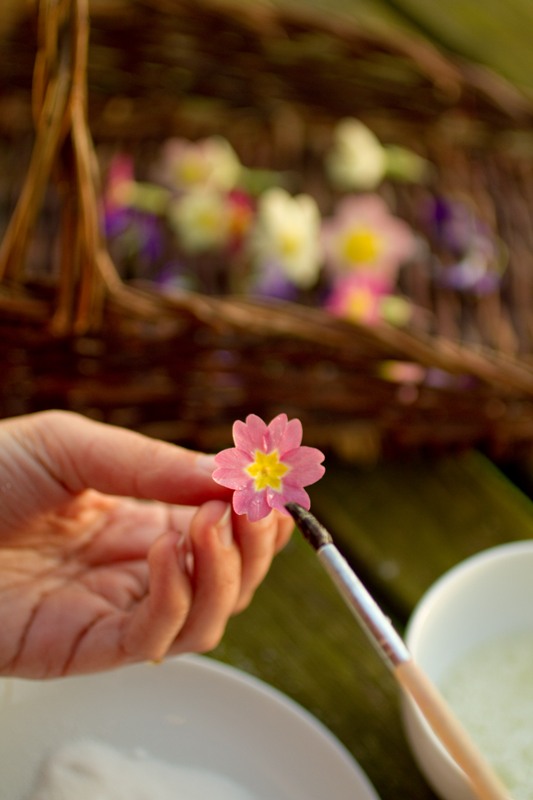
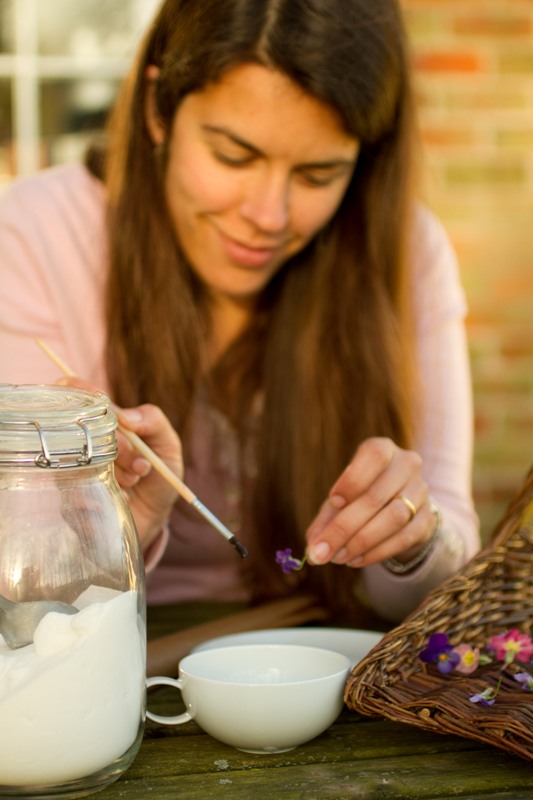
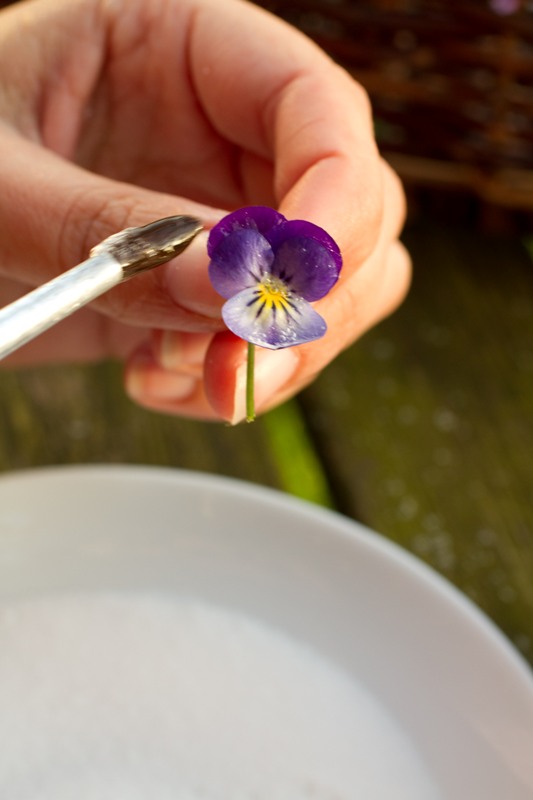
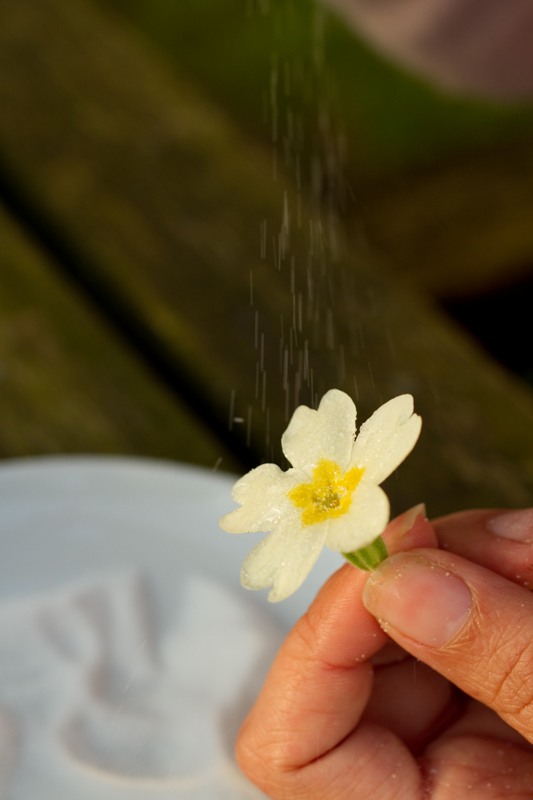
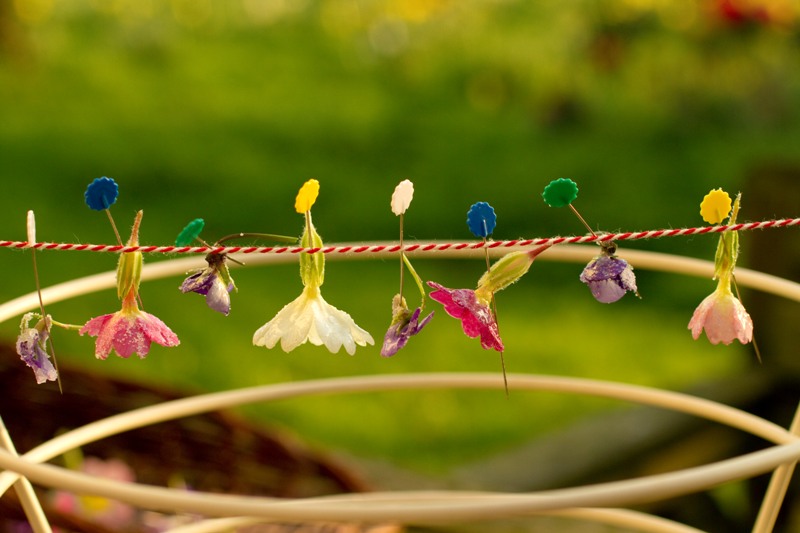
Após ter ouvido a Mary Berry falar no Woman’s Hour sobre flores cristalizadas (capítulo IV deste programa), resolvi experimentar fazer o mesmo. O nosso jardim está cheio de flores comestíveis, como prímulas e violetas, e esta operação foi uma óptima desculpa para aproveitarmos o fim de tarde lá fora. O processo é simplicíssimo: há que primeiro pincelar as flores com uma clara de ovo, batida com umas gotas de água até fazer espuma, e depois polvilhar com açúcar fino. Depois de secas, podem enfeitar bolos e, claro, podem ser comidas! Convém que sejam flores de jardim ou de produção biológica – as flores de florista estão carregadas de pesticidas e não devem ser ingeridas.

After hearing Mary Berry talk about crystallized flowers on Woman’s Hour (chapter IV of this episode), I decided to have a go at it. Our garden is full of edible flowers like primroses and violets so this provided the perfect excuse to spend the sunset outdoors. The operation couldn’t be simpler: first you paint the flowers with an egg white mixed with a few drops of water and whisked until it’s frothy, and then you sprinkle them with caster sugar. When they’re dry you can use them to decorate cakes and you can of course eat them! It’s best to use either garden or organic flowers, since bought flowers are full of chemicals and therefore shouldn’t be eaten.

(photos: Tiago Cabral)
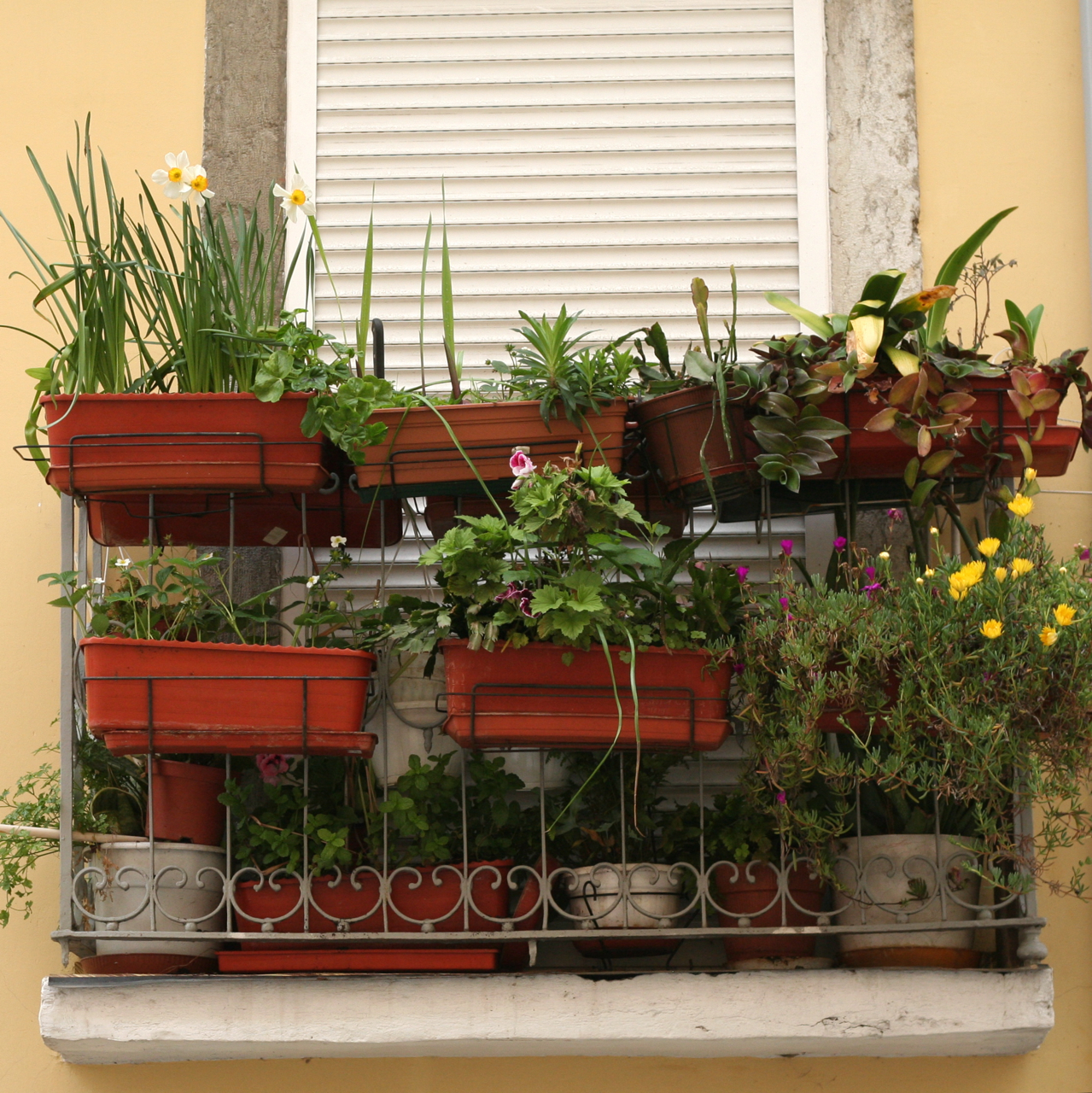
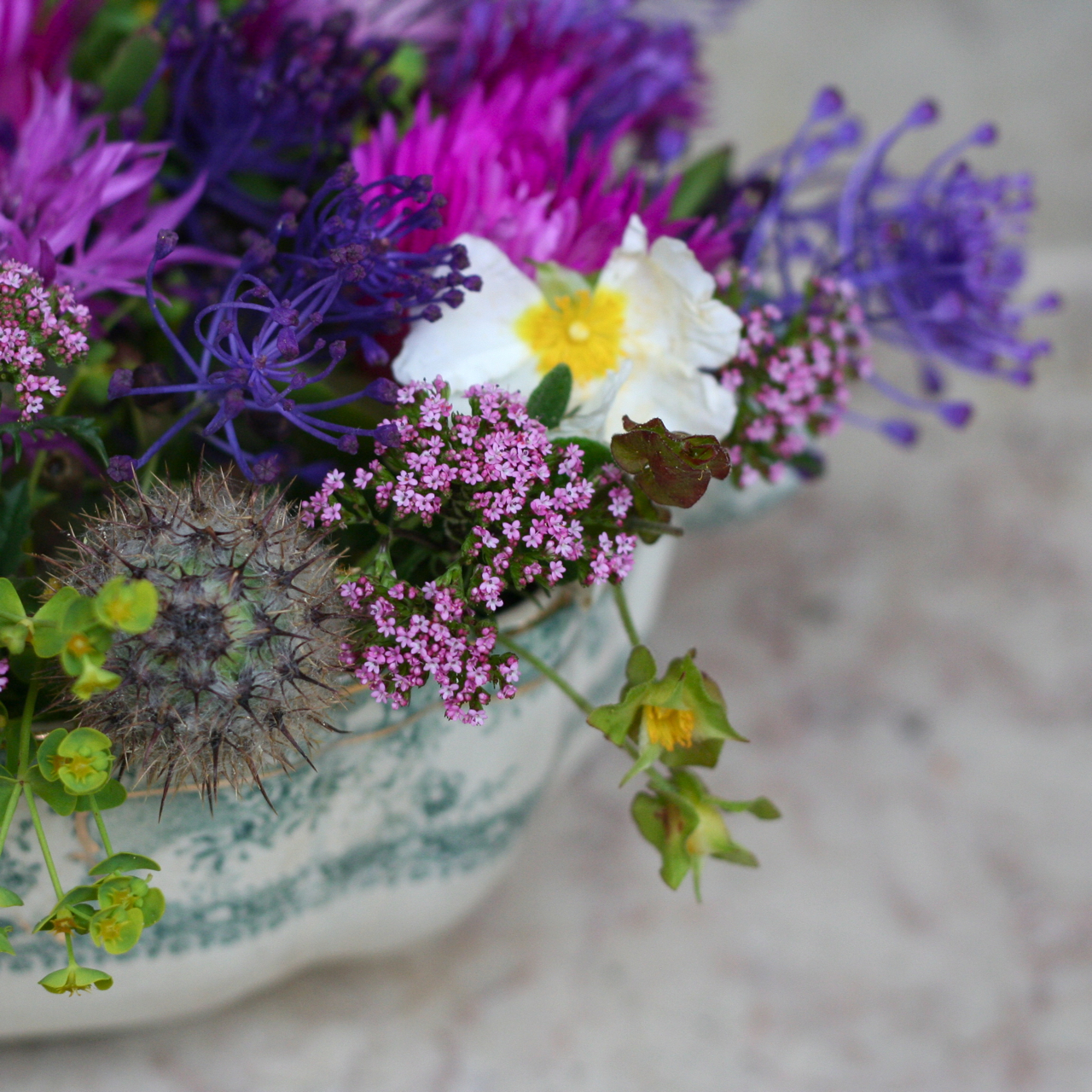
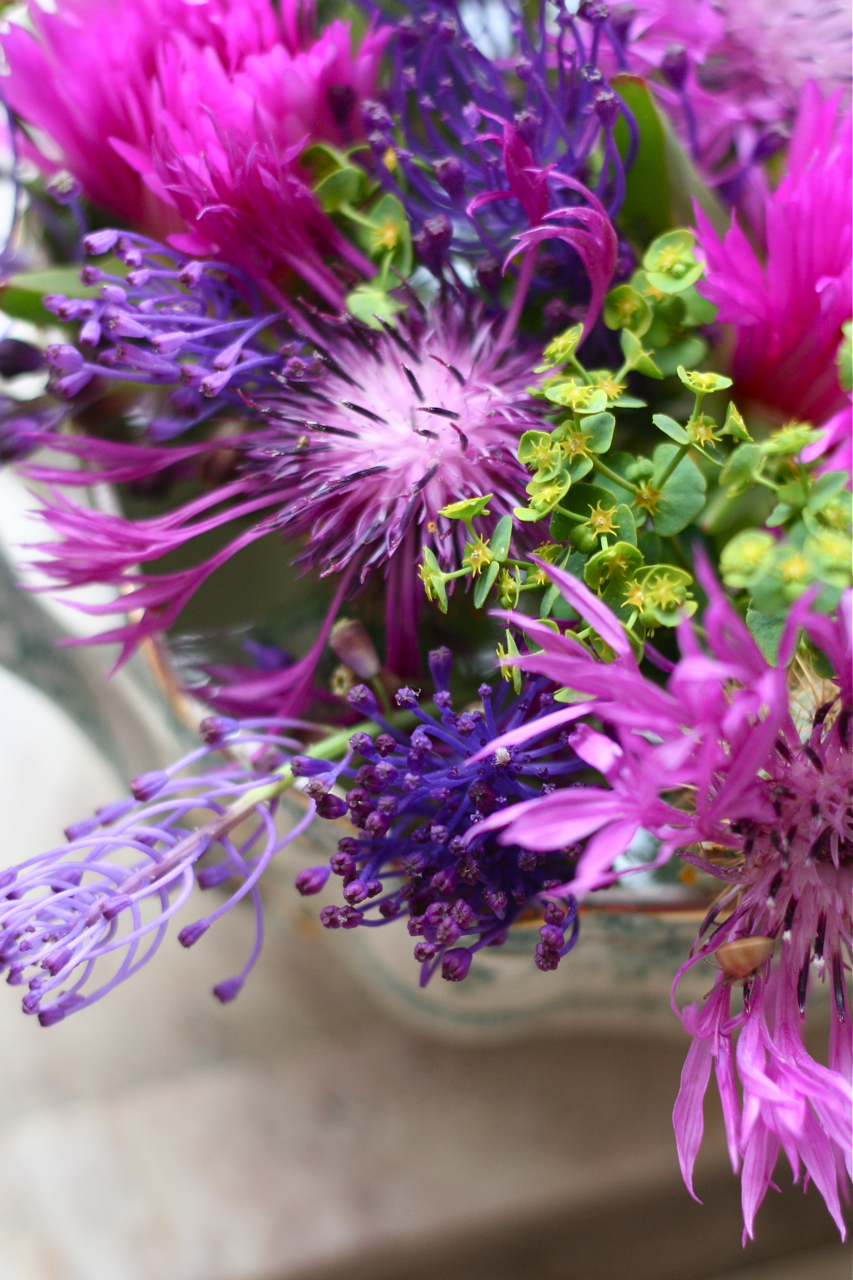
Flores das Dunas :: Coastal Dune Wildflowers

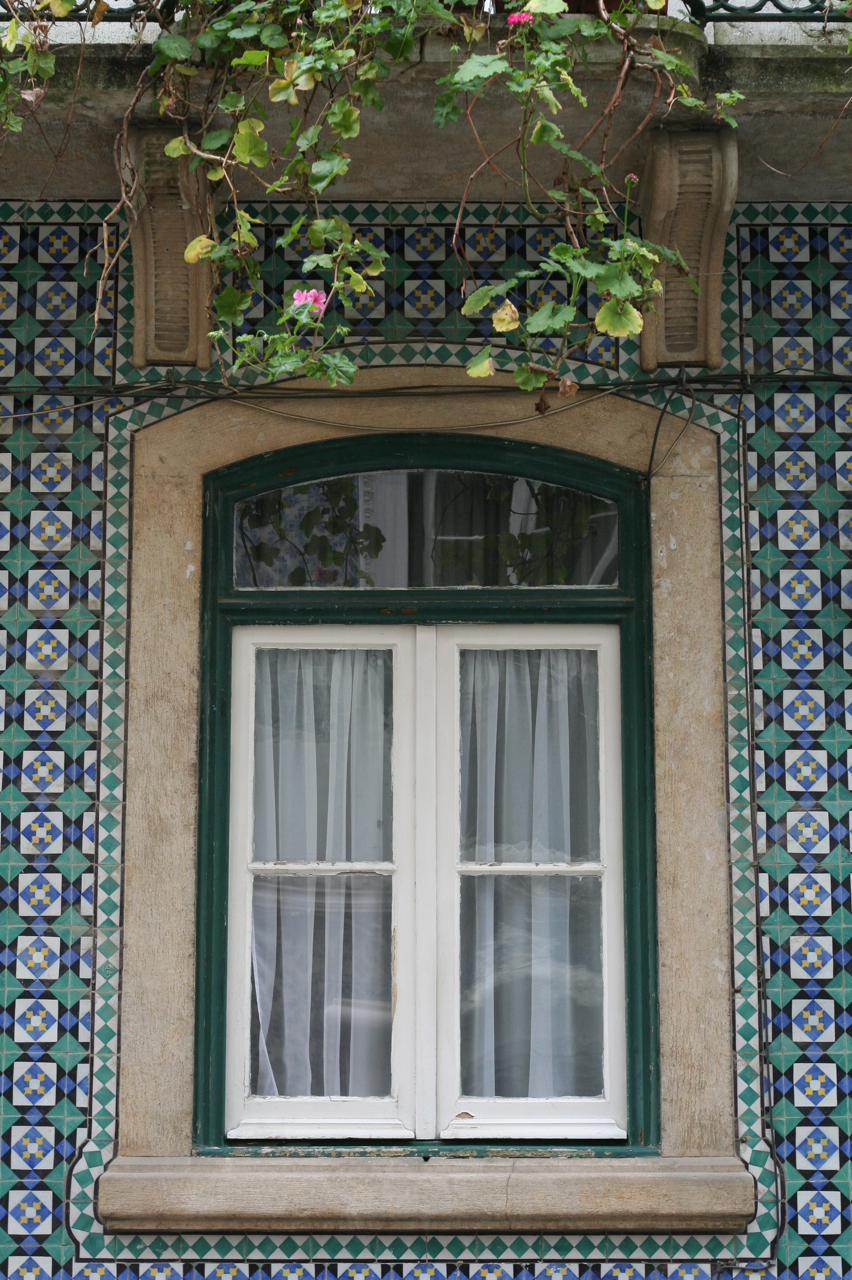
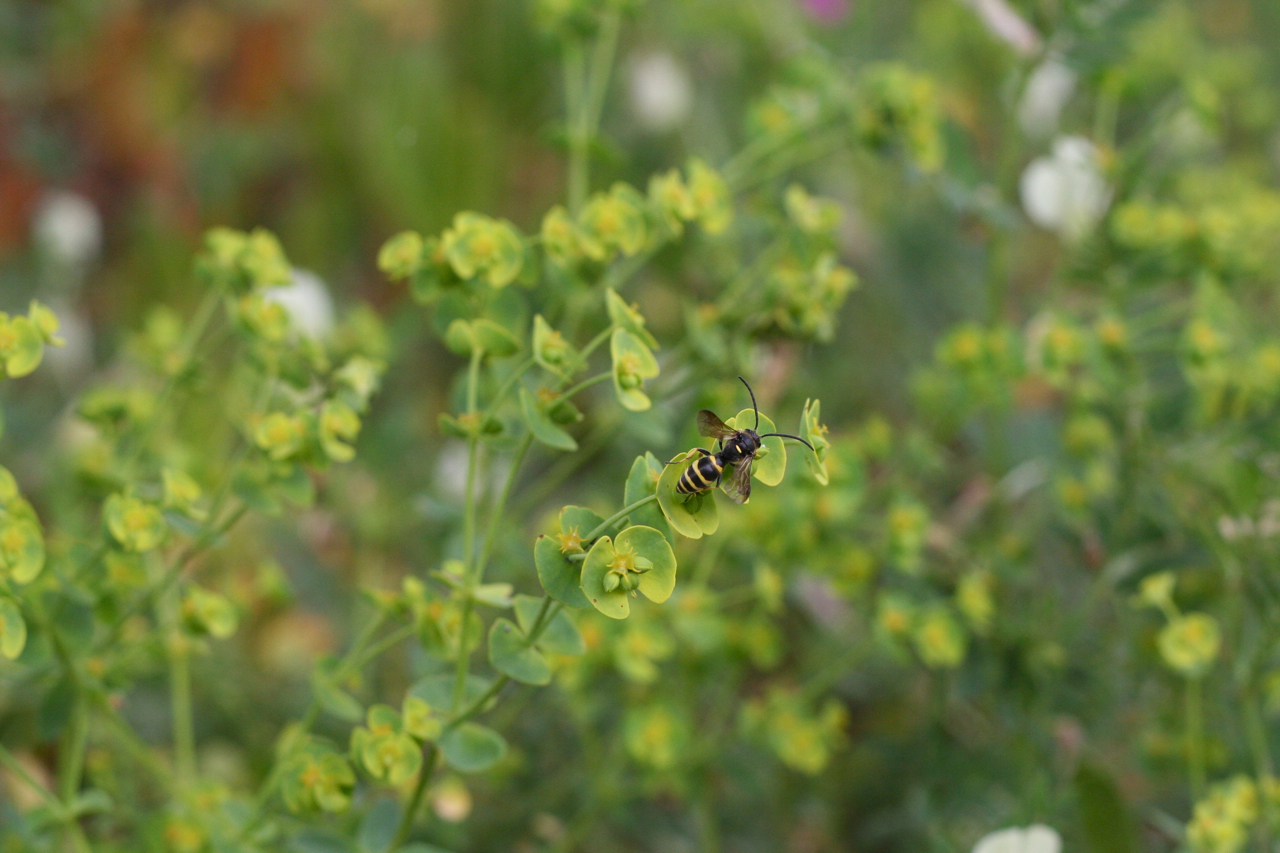
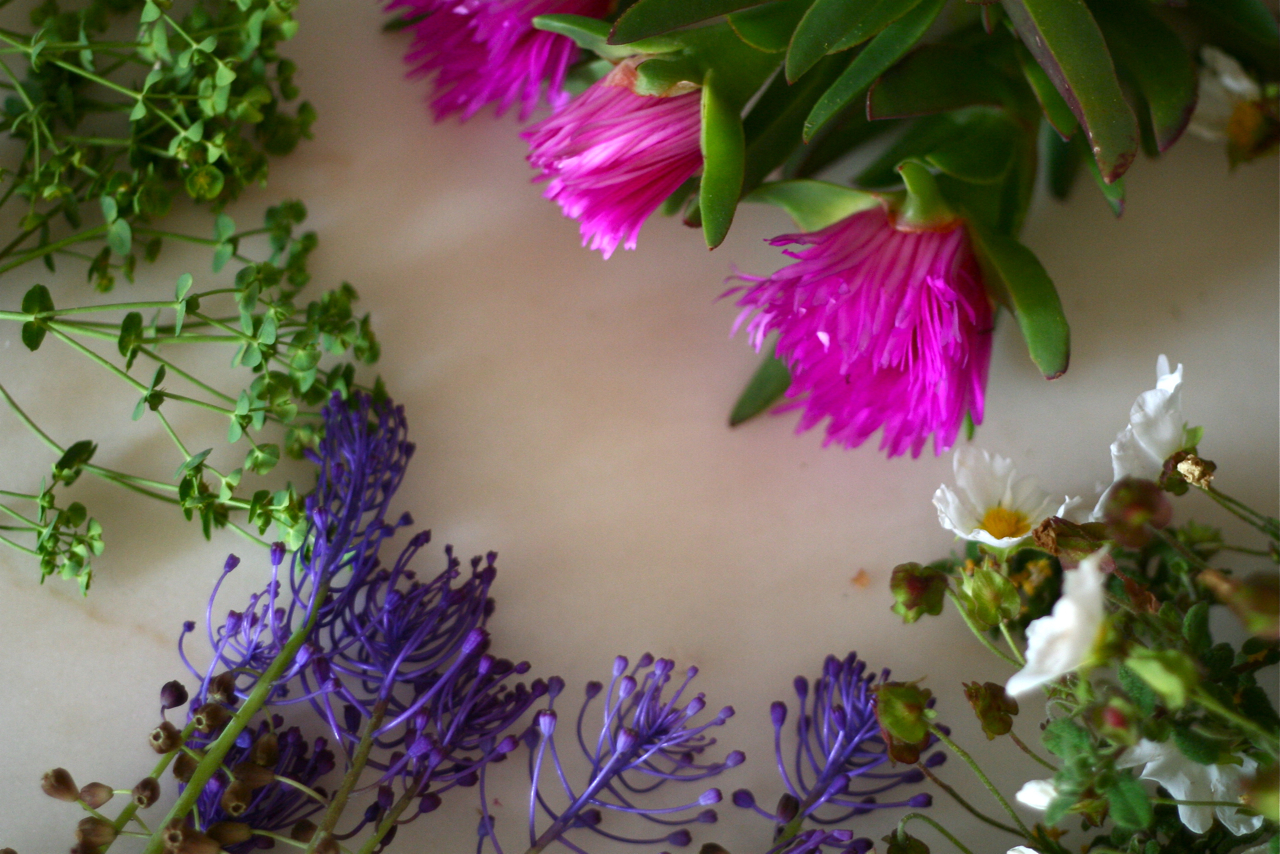
Ando absolutamente fascinada com a pujança da Primavera em Portugal. Tudo está repleto de flores: as ruas de Lisboa, as beiras das estradas, o montado, o pinhal, as dunas. Confesso que nunca tinha andado de olhos tão abertos e espanto-me por ter vivido quase trinta anos aqui sem de facto ter visto nada disto. Portugal é um país extraordinário.
I’m absolutely fascinated by the strength of spring in Portugal. Everything is covered in flowers: the streets in Lisbon, road verges, cork oak fields, pinewoods, costal dunes. I think this is the first time I’m walking around with my eyes wide open and I’m amazed that I’ve lived here for almost thirty years without actually seeing any of this. Portugal is an extraordinary country.

(photos: Constança Cabral)

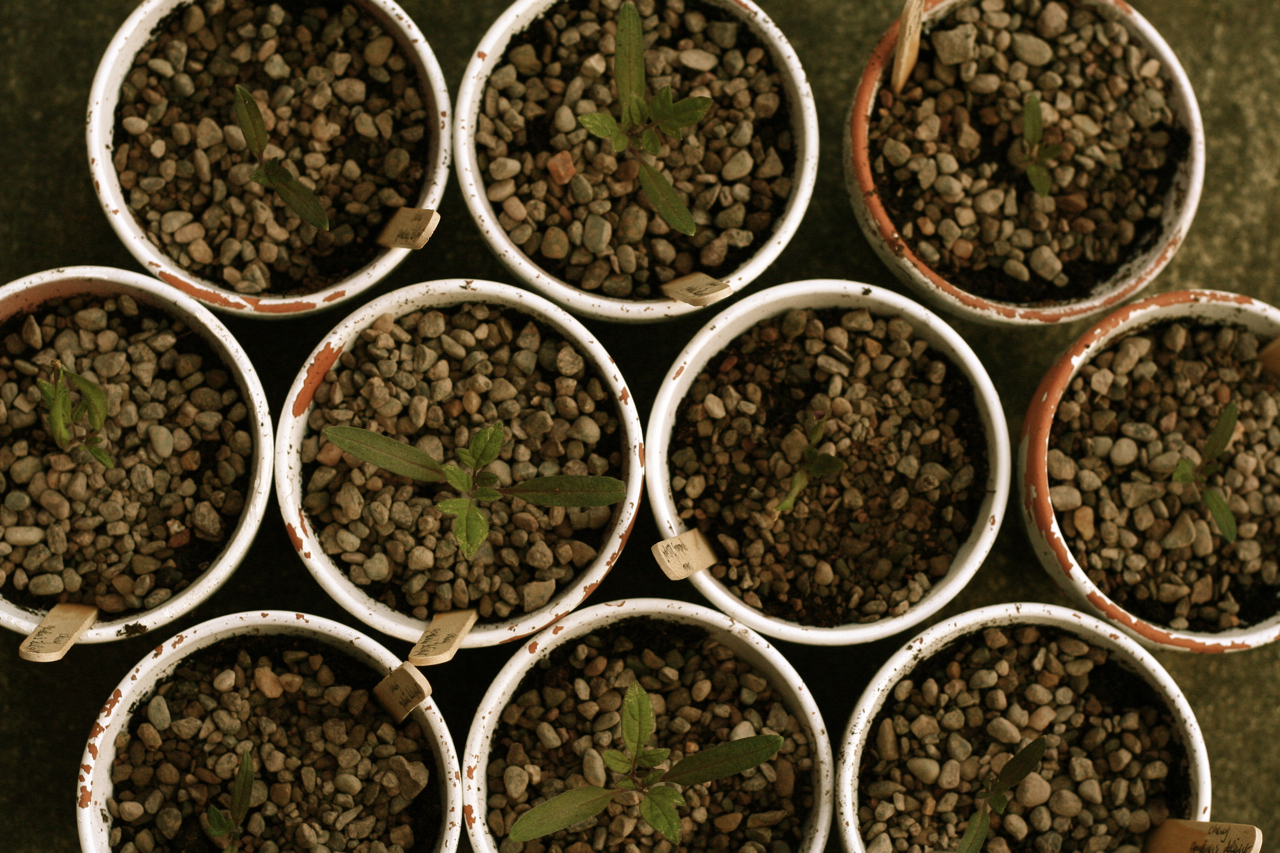
Transplantar :: Potting On

Os tomates-cereja gardener’s delight” que semeei no início de Fevereiro foram transplantados para vasos individuais no domingo passado. Vou tentar documentar todas as fases de cultivo desta variedade tão popular. Será que conseguiremos chegar ao Verão com frutos saudáveis? Veremos…
The cherry tomatoes ‘gardener’s delight’ I sowed in early February were potted on last Sunday. I’m going to try documenting all the steps of growing this much-loved variety. Will we manage to get healthy fruits in Summer? We shall see…

(photo: Constança Cabral)
Spring :: Dungarees for Gardening

Agora que a Primavera chegou e que as plantas crescem pelo menos 1 cm por dia (pode ser só impressão minha… o que é certo é que todos os dias vejo progressos), tenho passado mais tempo no jardim. E, tal como há um ano tive de pôr de lado os vestidos e as sabrinas e comprar camisolas térmicas, calças de fazenda e botas, chego agora à conclusão de que preciso de umas jardineiras… para jardinar.
Now that Spring has arrived and that plants grow at least 1 cm a day (maybe it’s just my impression… but everyday I can see progress on that front), I’ve been spending more time in the garden. And just as it happened a year ago when I had to put away all my dresses and ballerinas and buy some thermal tops, tweed trousers and boots, I’ve now come to the conclusion that I need a pair of dungarees/overalls… for gardening.
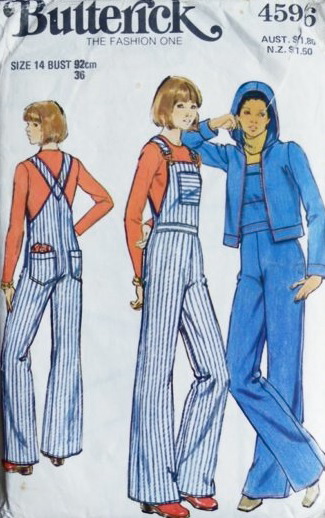
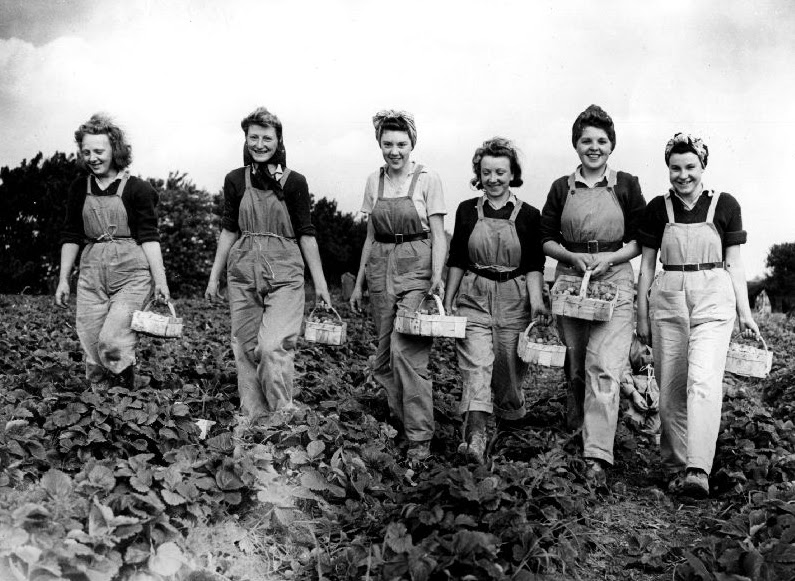
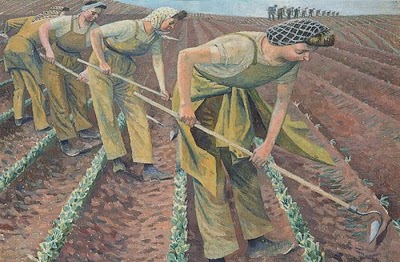
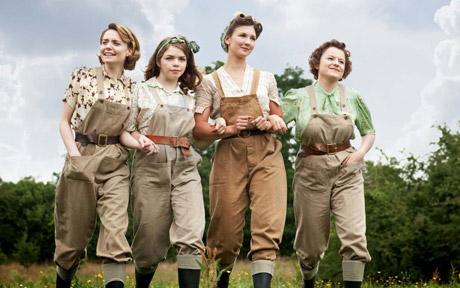
Não me parece que jardineiras estejam na moda em 2011 e não há muitos exemplares à venda. Mas para quê perder horas à procura de algo que talvez nem exista, quando posso fazer um par à minha medida? Encontrei um molde dos anos 70 para o meu tamanho e agora há que descobrir o tecido. Não quero umas jardineiras de ganga, mas sim algo no género do que as Land Girls usavam: cor de camelo e com botões castanhos. Por coincidência estou a ver a série que a BBC transmitiu em 2009 e que mostra essas jardineiras em todo o seu esplendor.
Dungarees aren’t the most fashionable item of clothing in 2011 and I can hardly find any for sale. But why should I spend hours looking for something that might not even exist when I can make my own? I came across a 1970s pattern in my size and now I just have to select the fabric. I’m not going for jeans dungarees — I much rather have something the Land Girls might have worn, camel-coloured and with brown buttons. By coincidence, I’ve been watching the series broadcasted by the BBC in 2009 where those dungarees are shown in all their splendour.

Women’s Land army recruitment poster, 1940s, The Museum of English Rural Life
Strawberry picking on the Chivers Estate near Ely, 1944, The Museum of English Rural Life
Land Girls, 1941, Evelyn Dunbar