Autumn :: Log Carrier

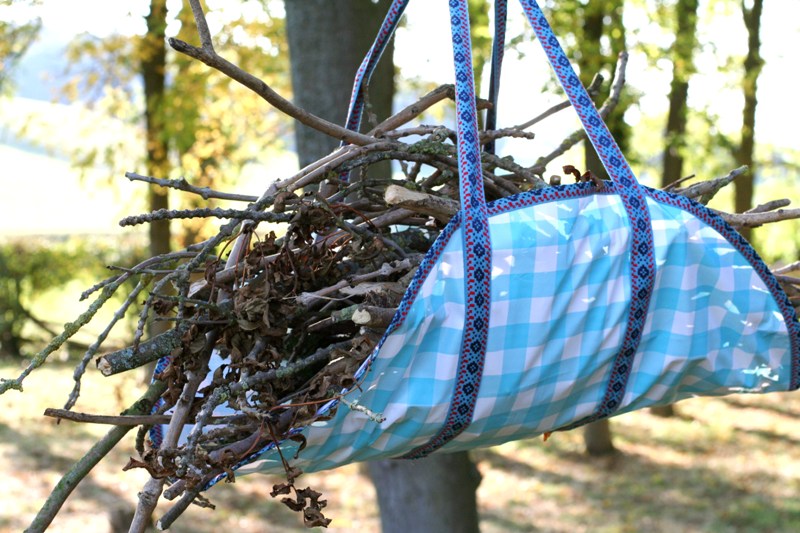
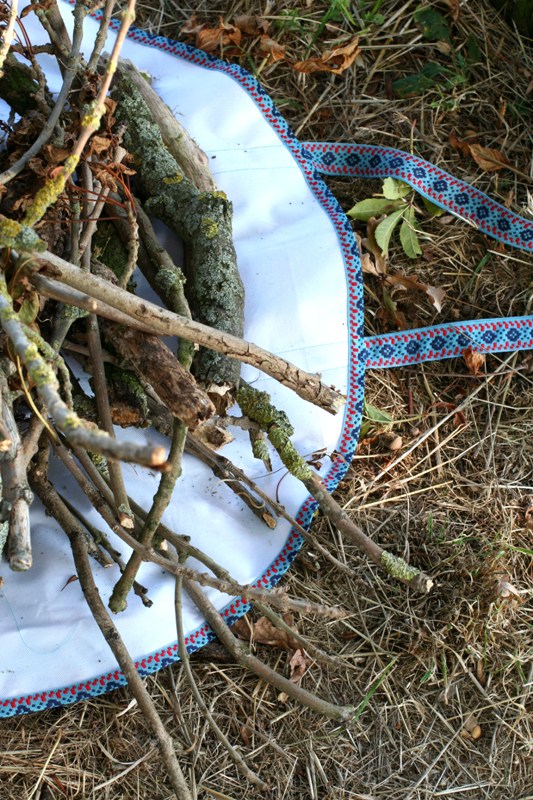
Finalmente fiz algo que o Tiago me andava a pedir há que tempos: um saco para transportar lenha. Não só serve para trazer para dentro de casa a lenha que o Tiago racha no jardim, como é óptimo para apanhar os galhos que vão caindo das árvores (esta zona é bastante ventosa) e que são ideiais para acender a lareira. O sistema não poderia ser mais simples: trata-se apenas de um círculo de oleado (queria ter cortado outro círculo para forrar o interior mas não havia oleado suficiente) debruado com um galão, a que depois cosi duas alças reforçadas. Esperemos que dure!
I’ve finally made something Tiago has been asking for a long time: a log carrier. It’s great not only to carry the wood he cuts in the garden inside, but also to collect those twigs that keep falling from trees (it’s rather windy around here) and which make ideal kindling. The construction of the carrier couldn’t be simpler: it’s just an oilcloth circle (I wish I’d had enough to cut another one in order to line it) bound with tape, with two strong handles sewn to it. Let’s hope it lasts!

(photos: Constança Cabral)

Como Fazer Geleia de Amora :: How to Make Blackberry Jelly

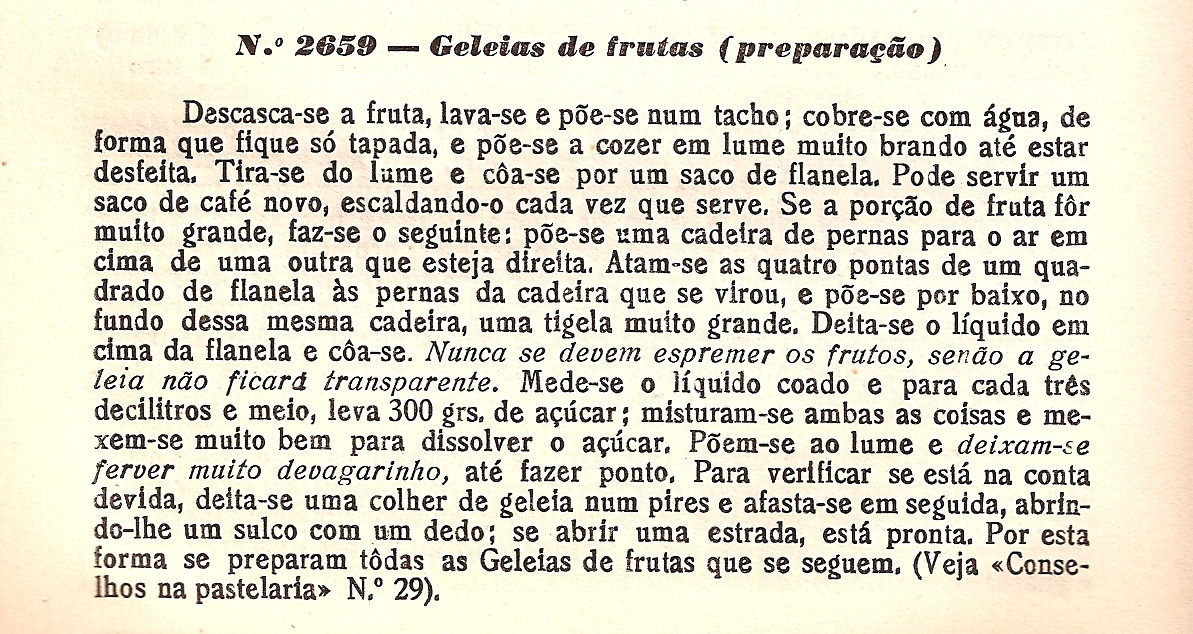
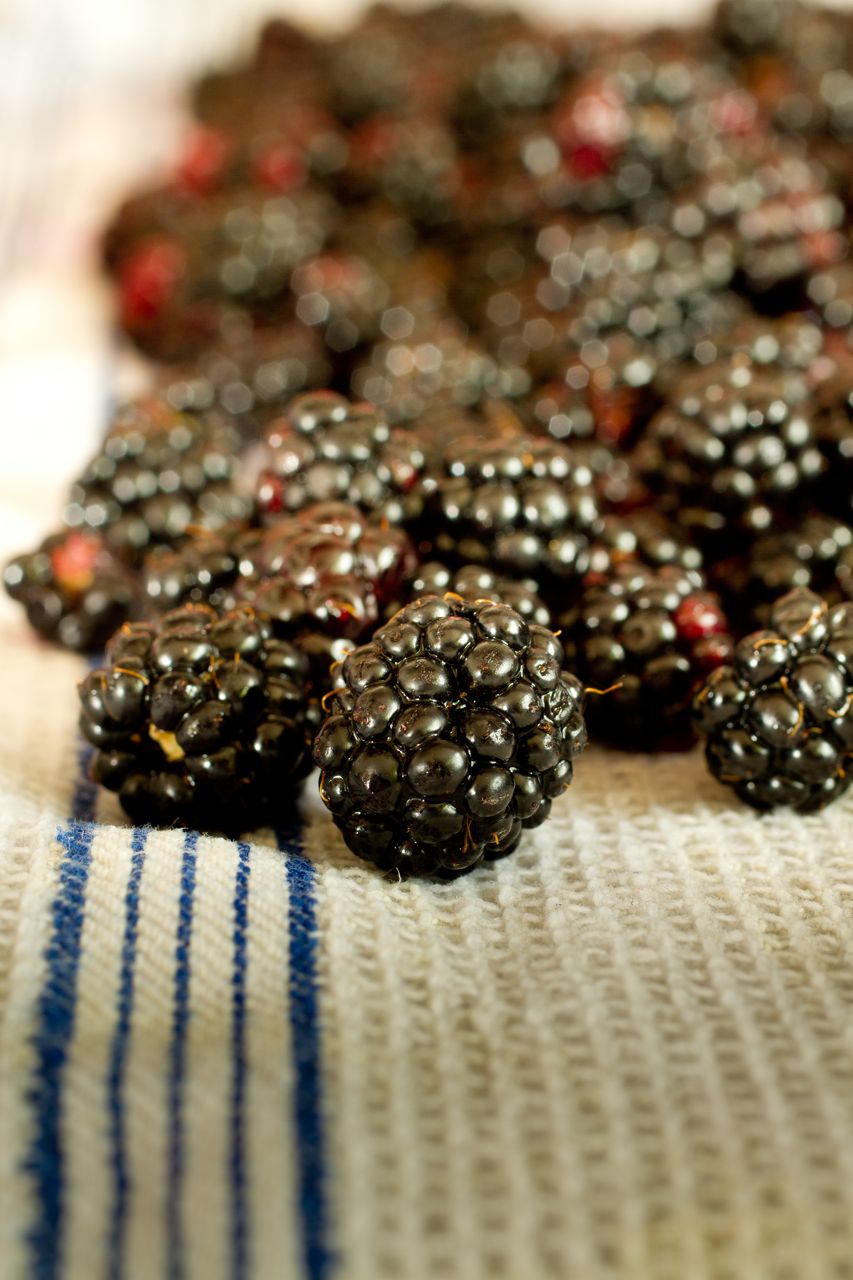
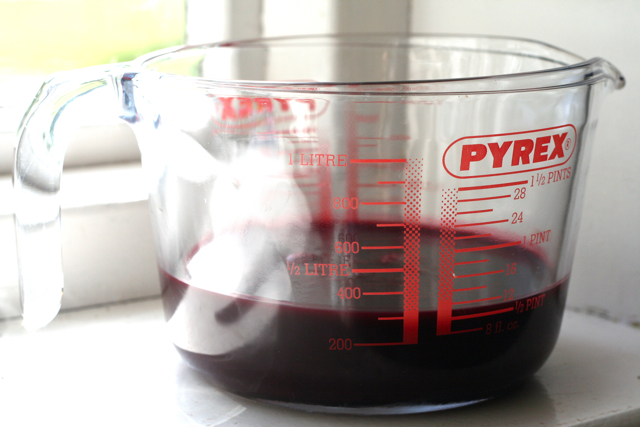
Afinal Setembro foi um mês óptimo para apanhar amoras silvestres. Fiz duas vezes geleia — uma só de amora e outra de amora e maçã (as maçãs têm muita pectina, o que ajuda à gelificação) — e decidi documentar o processo. Digitalizei a receita de geleia do Pantagruel da minha avó (ed. 1952); se quiserem saber mais sobre a forma como eu faço conservas, podem ler o meu post sobre doce de framboesa.
After all September turned out to be a great month to pick wild blackberries. I made jelly twice — the first time I only used blackberries, later on I added cooking apples to the mix (they’re high in pectin, which helps the jelly set) — and decided to document the process. The first image shows a basic jelly recipe from a classic Portuguese cookery book, the Pantagruel (I’ve got my grandmother’s copy from 1952) but there’s a great recipe in Pam Corbin’s preserves book. If you want to know more about how I go about preserving fruit, you can read my post on making raspberry jam.
(photos: Constança Cabral)

Outono :: Autumn

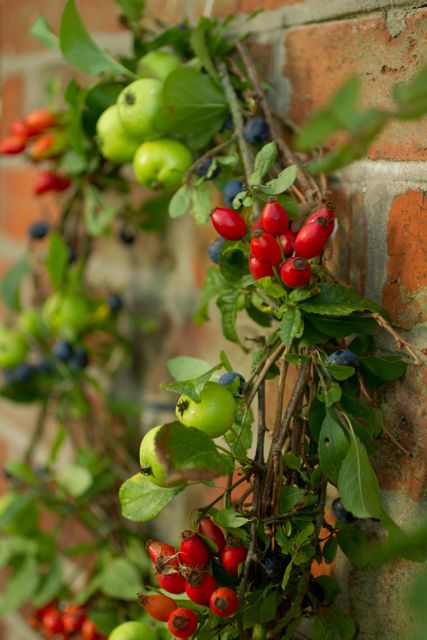
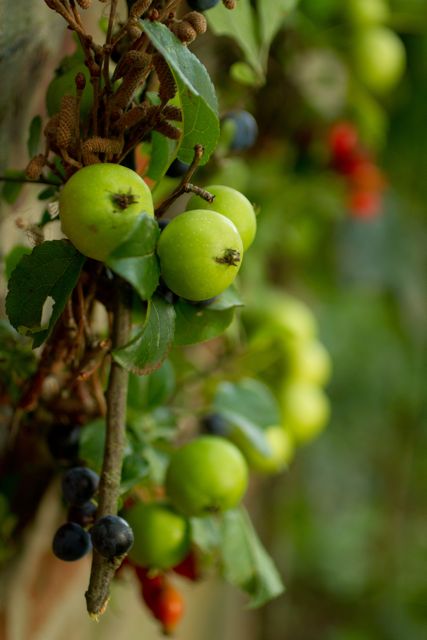
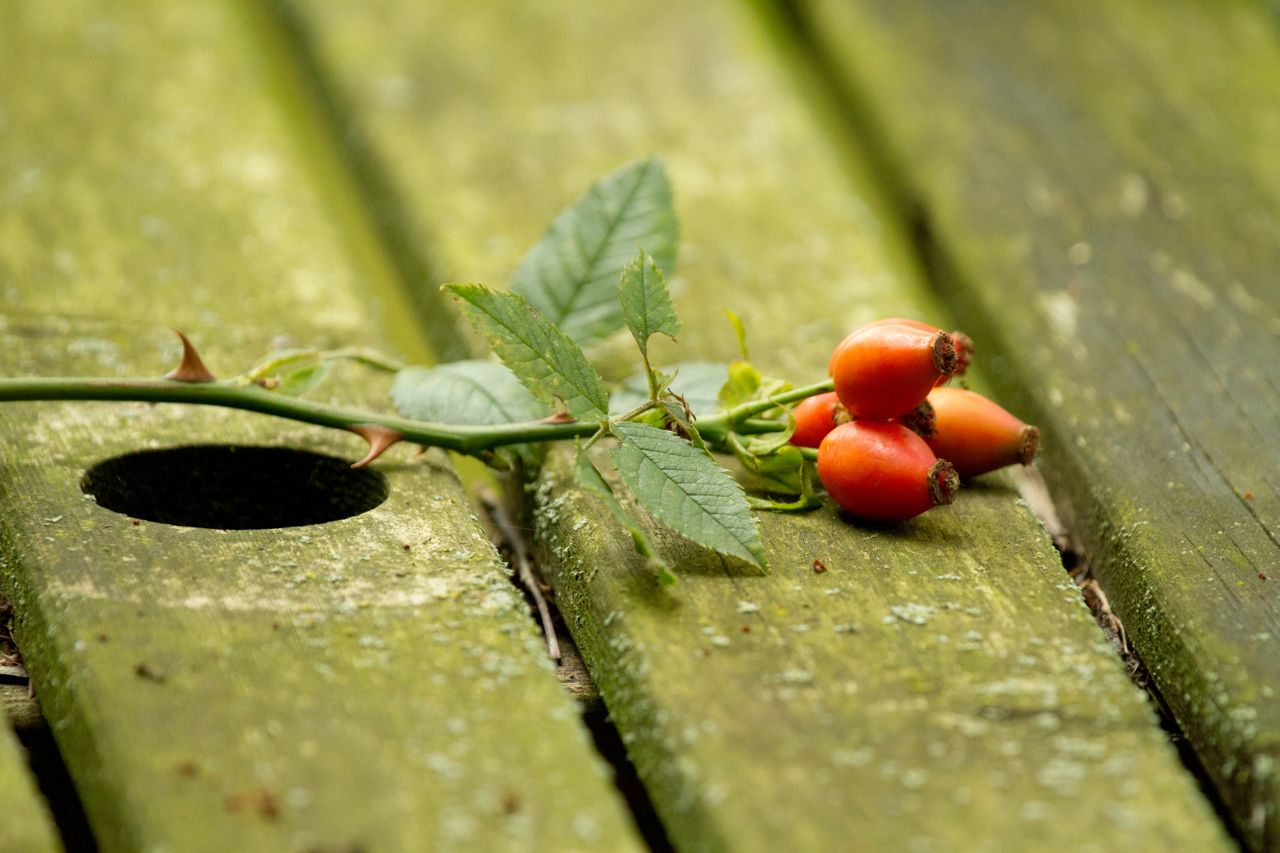
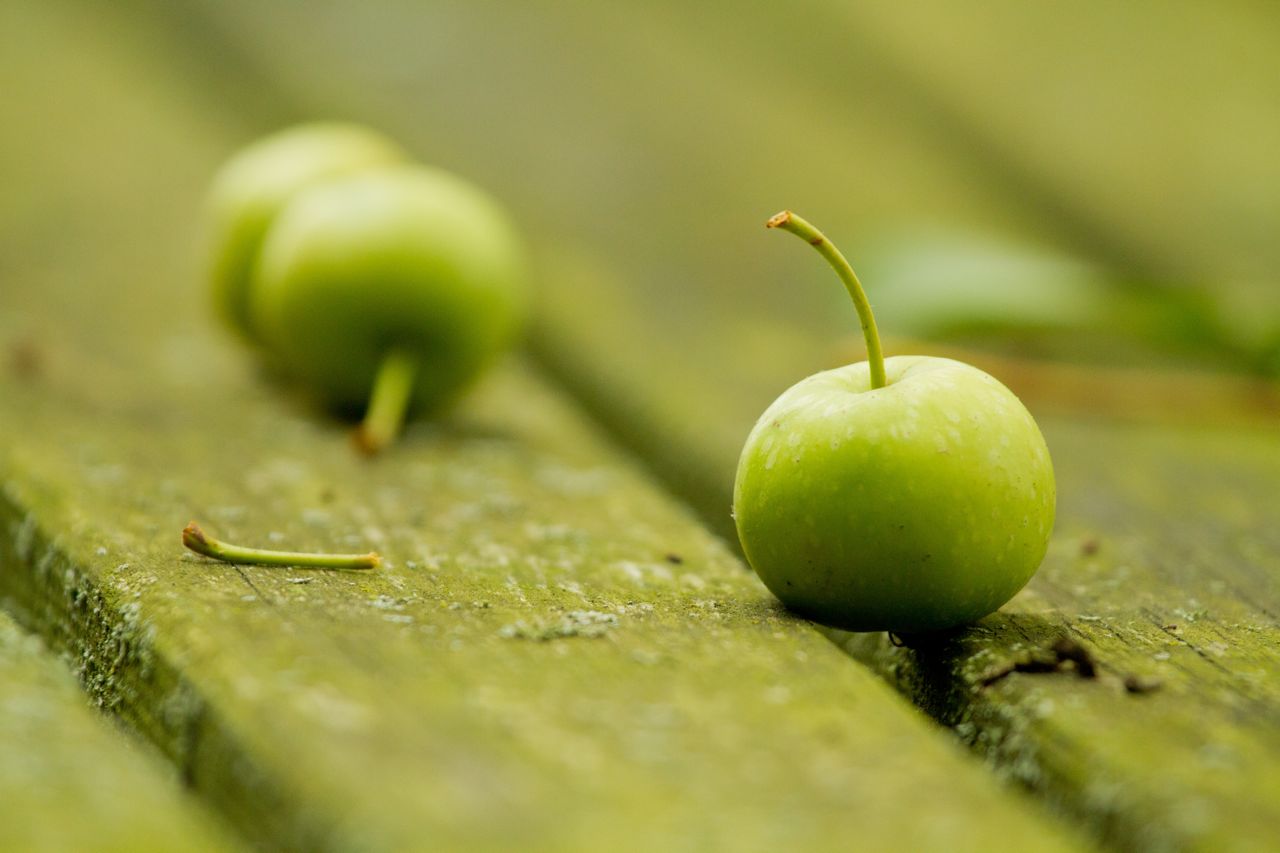
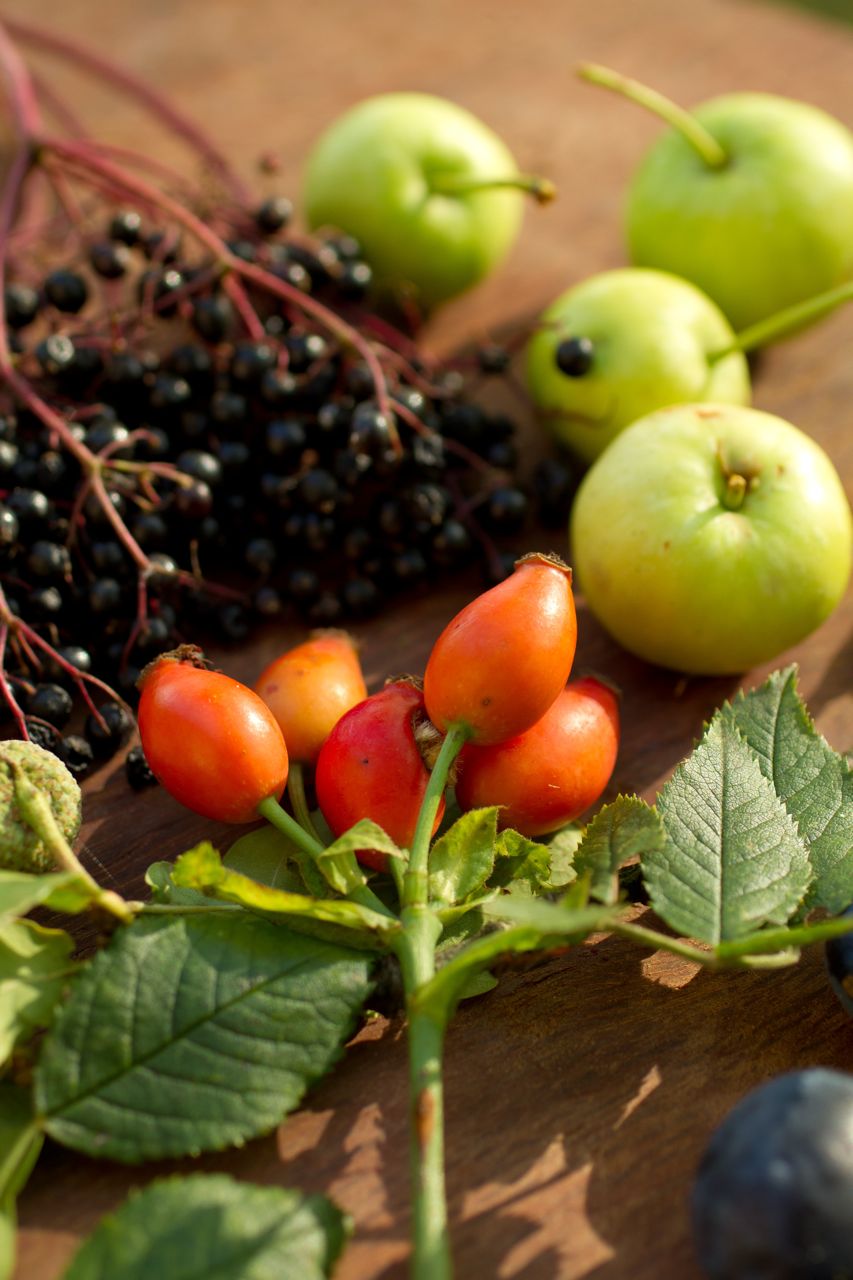
A minha estação preferida em Inglaterra é o Outono. As folhas mudam de cor, as sebes e os arbustos enchem-se de bagas, há bolotas e avelãs pelo chão, maçãs fresquíssimas nas árvores, abóboras de todas as formas e feitios. Apetece forrar livros, vestir uma camisola de lã e uma saia de fazenda escocesa, lanchar torradas e chocolate quente e dar passeios com as mãos nos bolsos.

Autumn is definitely my favourite season in England. The leaves change colour, the hedgerows are laden with berries, acorns and hazelnuts cover the ground, the freshest apples hang on trees and there are pumpkins in every shapes and sizes. You suddenly feel the urge to cover textbooks, wear woolen jumpers and tartan skirts, have toast and hot chocolate for tea and go for a walk with your hands in your pockets. 

(photos: Tiago Cabral)

Abrunhada :: Damson Cheese

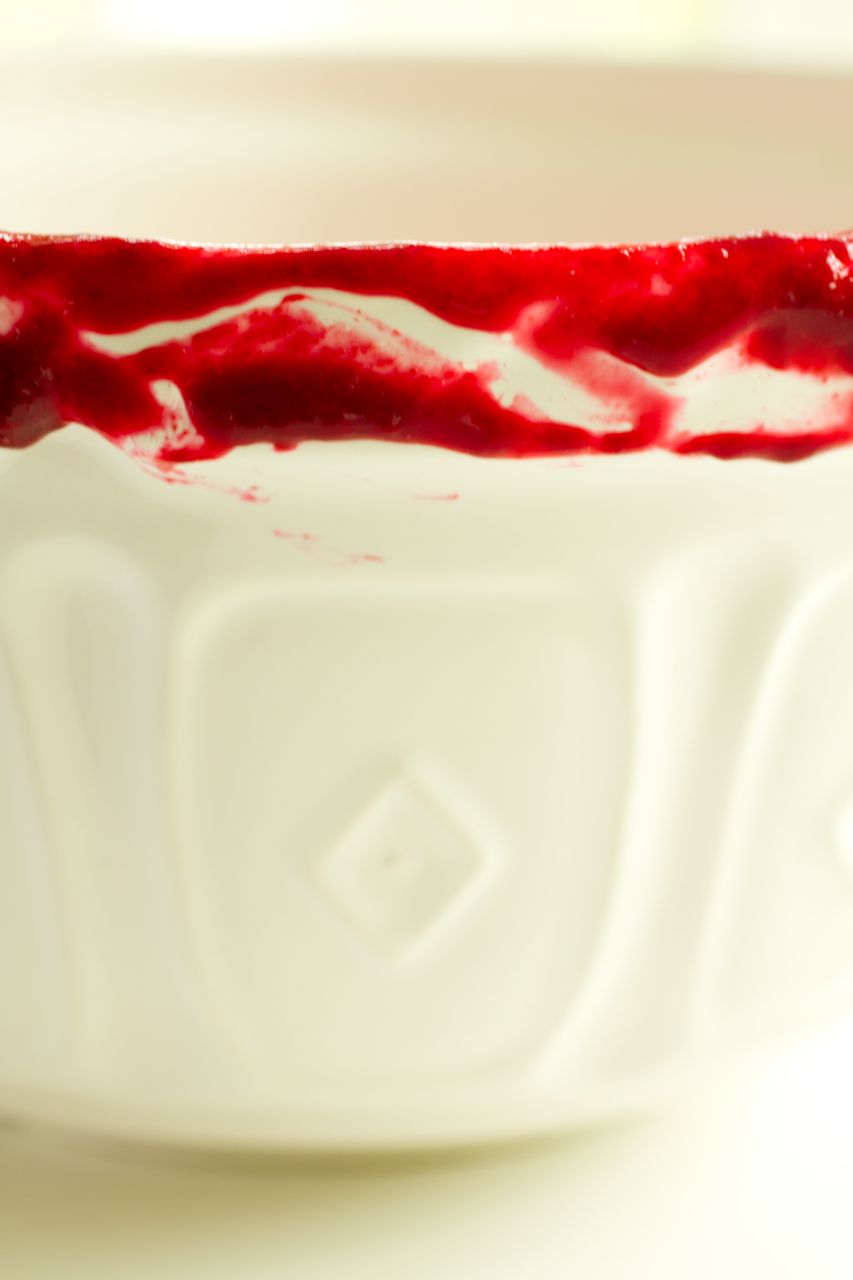
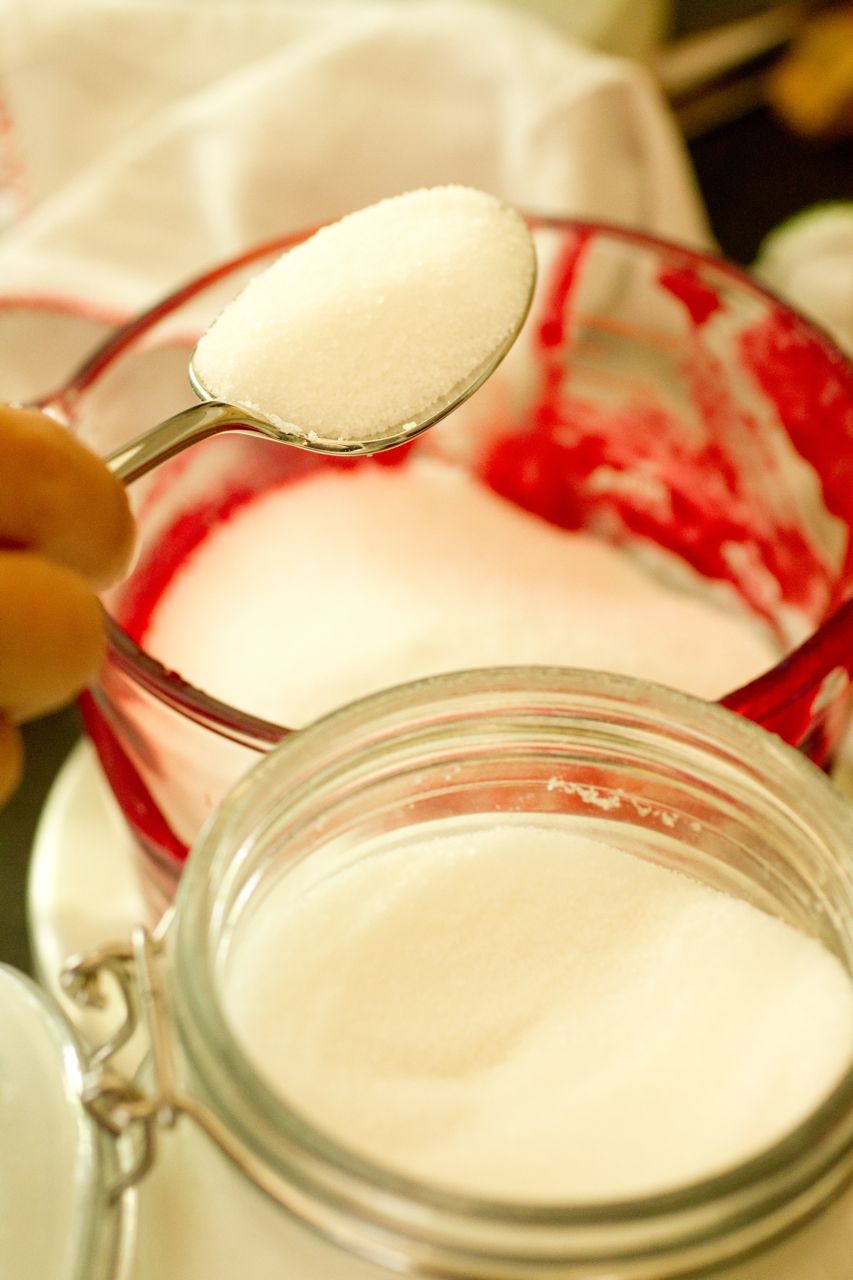
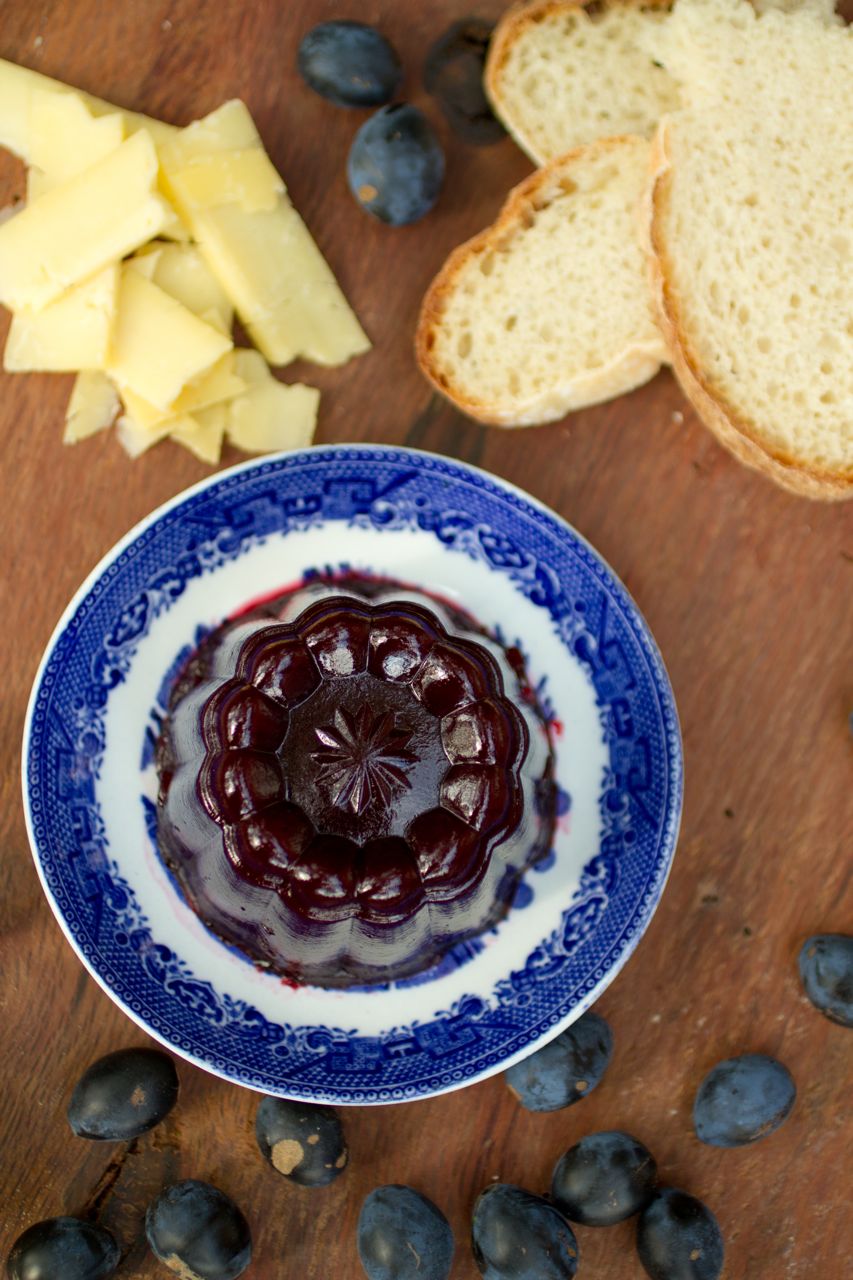
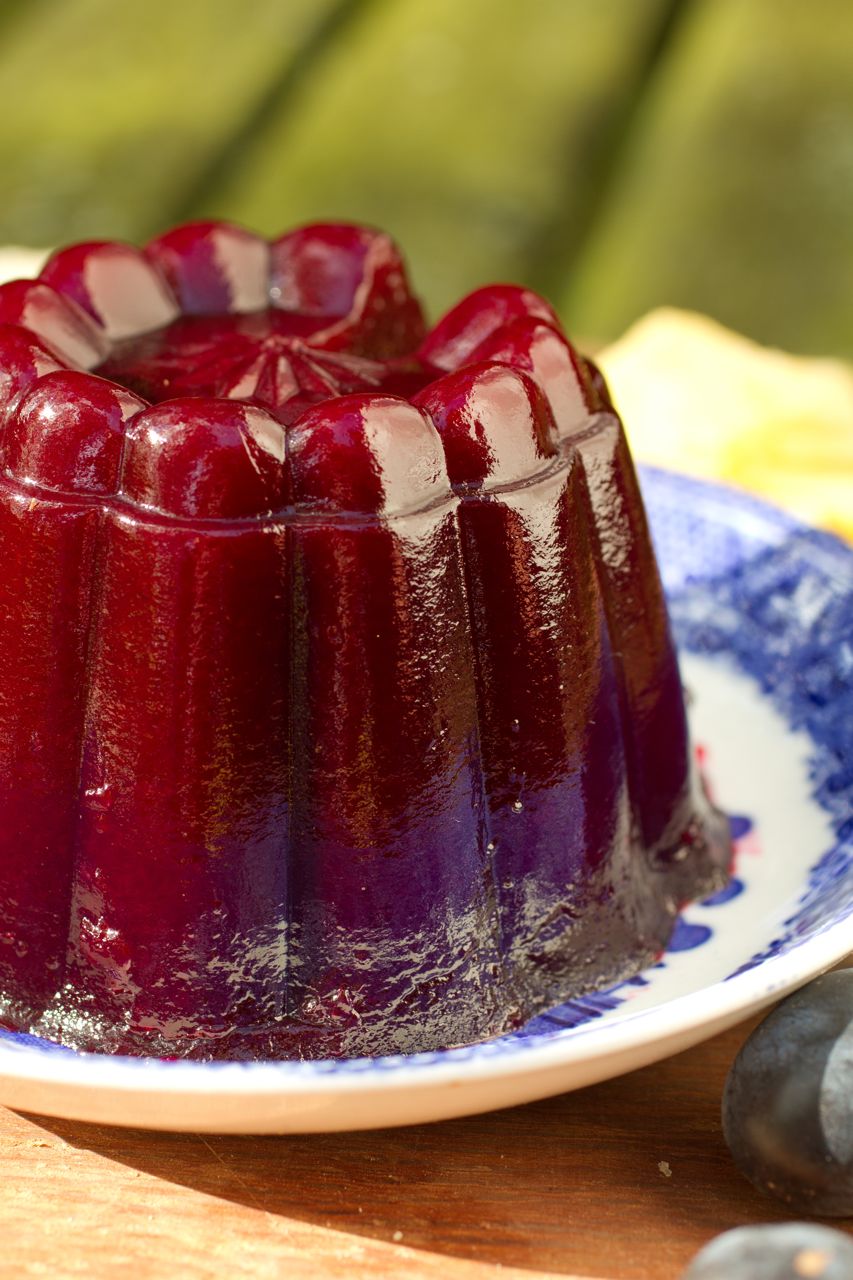
Uma das coisas que fiz com aqueles abrunhos foi abrunhada (marmelada de abrunho). O método que usei é muito parecido com o da marmelada e o resultado é uma pasta moldável, algo ácida e óptima quando combinada com um queijo seco. Primeiro há que cobrir os abrunhos com água num tacho e deixá-los cozer em lume baixo, até que rebentem e as cascas e os caroços se separem da polpa. Passa-se esse preparado por um passador de rede e, para cada 600 ml de puré, adicionam-se 450 g de açúcar. Deixa-se derreter o açúcar em lume baixo e depois ferve-se o preparado com o lume no máximo, mexendo até que faça ponto de estrada (quando a colher de pau faz um risco no fundo do tacho que se aguenta durante alguns segundos). Por fim, deita-se em taças esterilizadas (eu usei uma forma antiga de gelatina), deixa-se secar uns dias e desenforma-se (ou não).
One of the things I made with those damsons was damson cheese. It’s very similar to making quince cheese and the result is a malleable paste, a bit tart and great when paired with dry cheese. Start by covering the damsons with water and let them cook until they burst and the flesh and stones have come away from the pulp. Then push everything through a sieve and for every 600 ml of purée add 450 g of granulated sugar. Let the sugar dissolve in a low heat and then increase the heat and let it boil (keep stirring so it doesn’t burn) until you scrape the spoon through it and you can see the base of the pan for a few seconds. Finally, pour the mixture into sterilised bowls (I used an old glass mould), let it dry for a few days and that’s it!

(photos: Tiago Cabral)

Ameixas Bravas :: Damsons

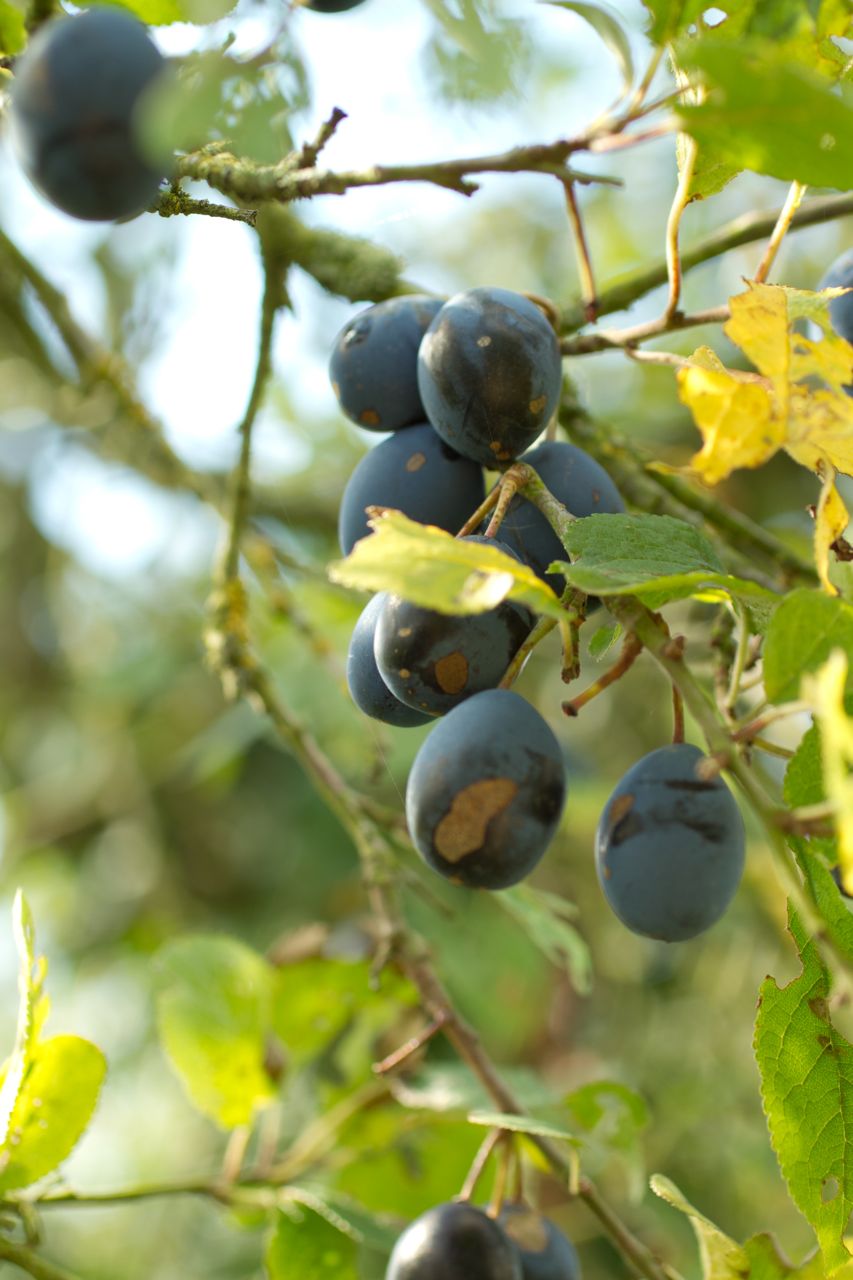
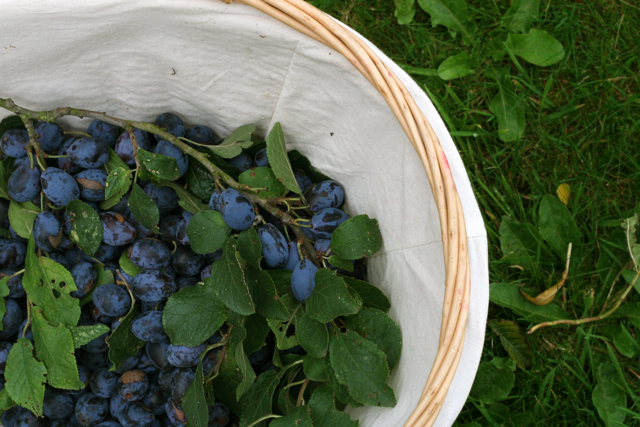
Hoje de manhã saí cedo de casa para ir apanhar amoras. Há um ano apanhei algumas e fiz geleia, e este ano queria repetir a dose. A certa altura um vizinho meteu conversa comigo, disse-me que já era tarde para apanhar amoras e perguntou-me se não queria apanhar antes damsons (um tipo de ameixa muito comum na Grã-Bretanha). Vim para casa com um cesto cheio e planos para fazer doce e licor de ameixa. Como é bom viver no campo! 
This morning I left the house early in search of blackberries. Last year I managed to pick a few and make jelly, and I wanted to do it again this year. Whilst I was raiding the hedgerows a neighbour came up to me, asked me what I was picking and told me it was much too late for blackberries. He was nice enough to offer me some damsons though. I came home with a basket full of fruit and now I’m planning to make damson jam and damson gin. Oh the joys of country living!

(photos: Constança Cabral)

Summer :: Vanilla Ice-Cream

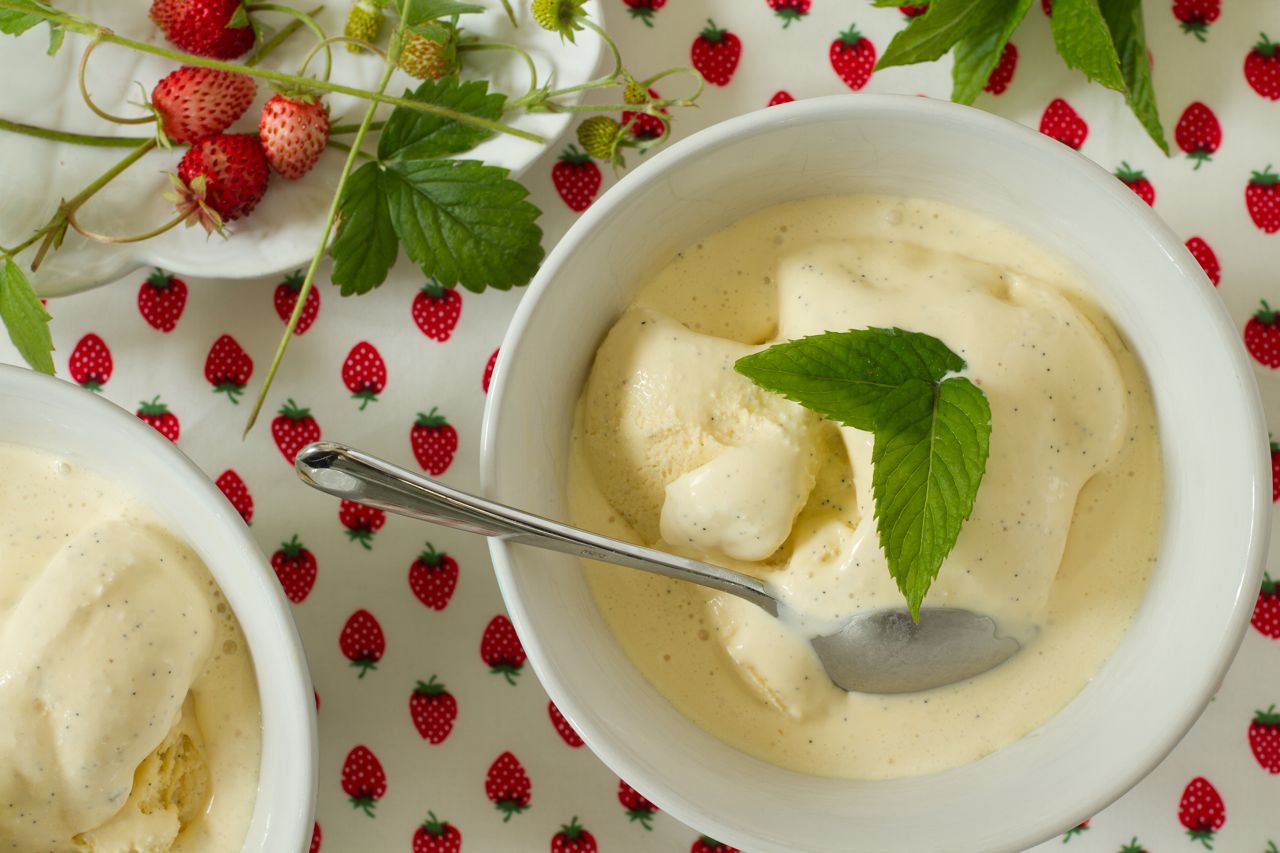
Há que aproveitar os últimos dias de Verão e para isso nada melhor do que fazer gelado em casa. Há uns dias fiz gelado de baunilha, a partir de uma receita deste livro, com ovos, natas, açúcar e uma vagem de baunilha. Como não tenho máquina de gelados, usei aquele velho método de, de hora a hora, quebrar os cristais de gelo com um garfo (fiz isto três vezes). Ficou óptimo!

[por razões de direitos de autor, não transcrevo a receita que utilizei — no entanto, há centenas de receitas semelhantes em livros e sites]
We must make the most of the last days of summer and in this time of year there’s nothing better than eating homemade ice-cream. A couple of days ago I followed a recipe from this book to make vanilla ice-cream using only eggs, cream, sugar and a vanilla pod. Since I don’t own an ice-cream maker I used that old method of breaking up the ice-crystals with a fork every hour for three hours. It turned out great!

[for copyright reasons I won’t transcribe the recipe I followed — however, there are hundreds of similar recipes in books and websites]

(photos: Tiago Cabral)

Morangos Silvestres :: Wild Strawberries

O poder da jardinagem continua a espantar-me. Na Primavera semeei umas sementes de morangos silvestres; pus os vasos à janela, reguei e umas mini-plantas foram crescendo… a certa altura transplantei-as para o jardim e agora tenho morangos! A sério, se eu consigo fazer nascer fruta a partir de sementes microscópicas, qualquer pessoa consegue.
The power of gardening never ceases to amaze me. In spring I sowed wild strawberry seeds; I placed the pots on a windowsill, watered them and several mini-plants started growing… some months later, I transplanted them into the garden and now I’ve got strawberries! Really, if I can make fruit grow out of some microscopic seeds, so can you.

(photo: Constança Cabral)