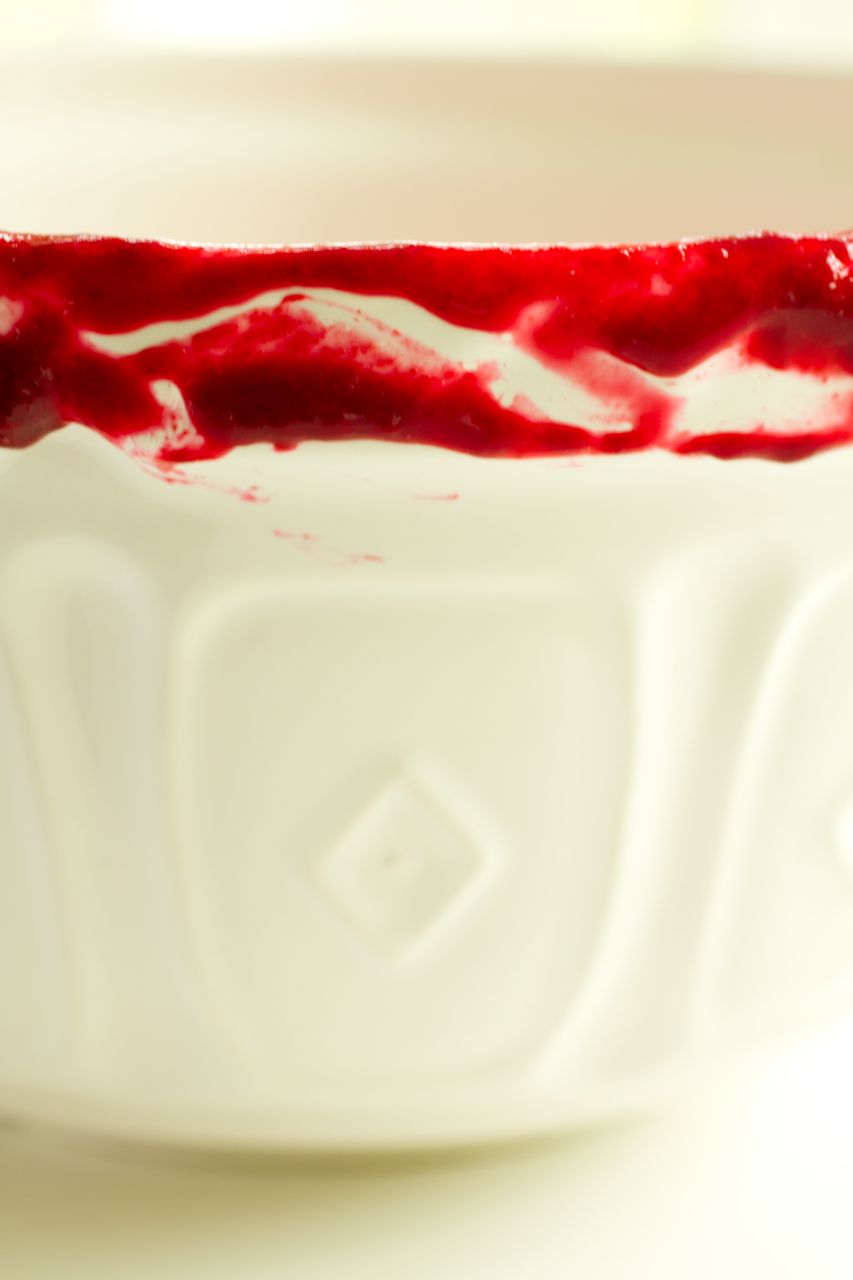
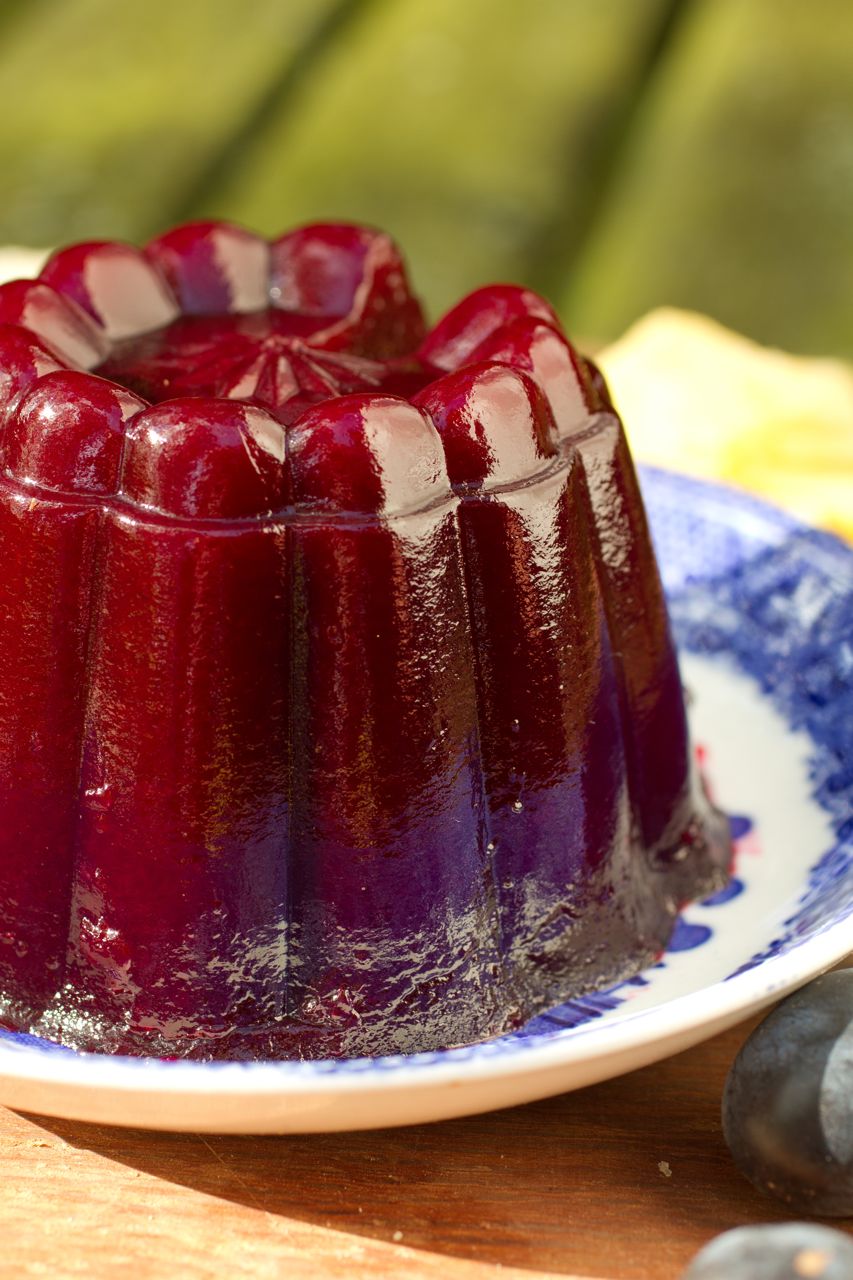
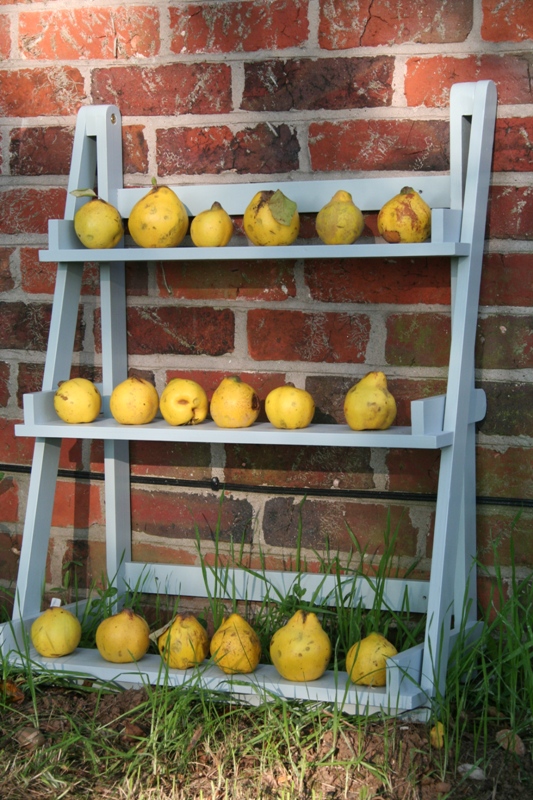
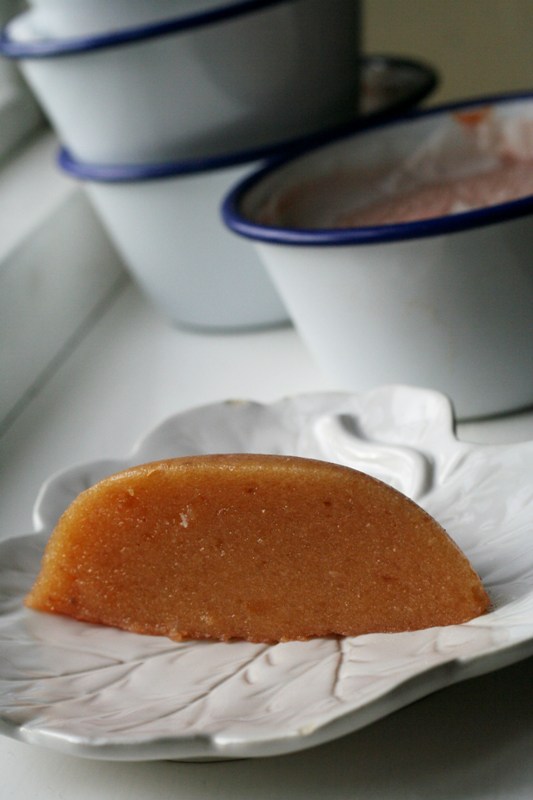
Pela primeira vez na vida fiz marmelada. Pesquisei várias receitas, pedi conselhos e acabei por me decidir pelo clássico Pantagruel, que tem uma receita de “marmelada branca” (supostamente a mais refinada das marmeladas). Esta versão à antiga demora imenso tempo a fazer mas o resultado compensa: a marmelada fica com a dose certa de açúcar e granulosa qb. Quanto aos recipientes, andei pelas lojas de caridade em busca de tigelas antigas mas não tive sorte nenhuma, por isso optei pelas clássicas taças de pudding em esmalte.
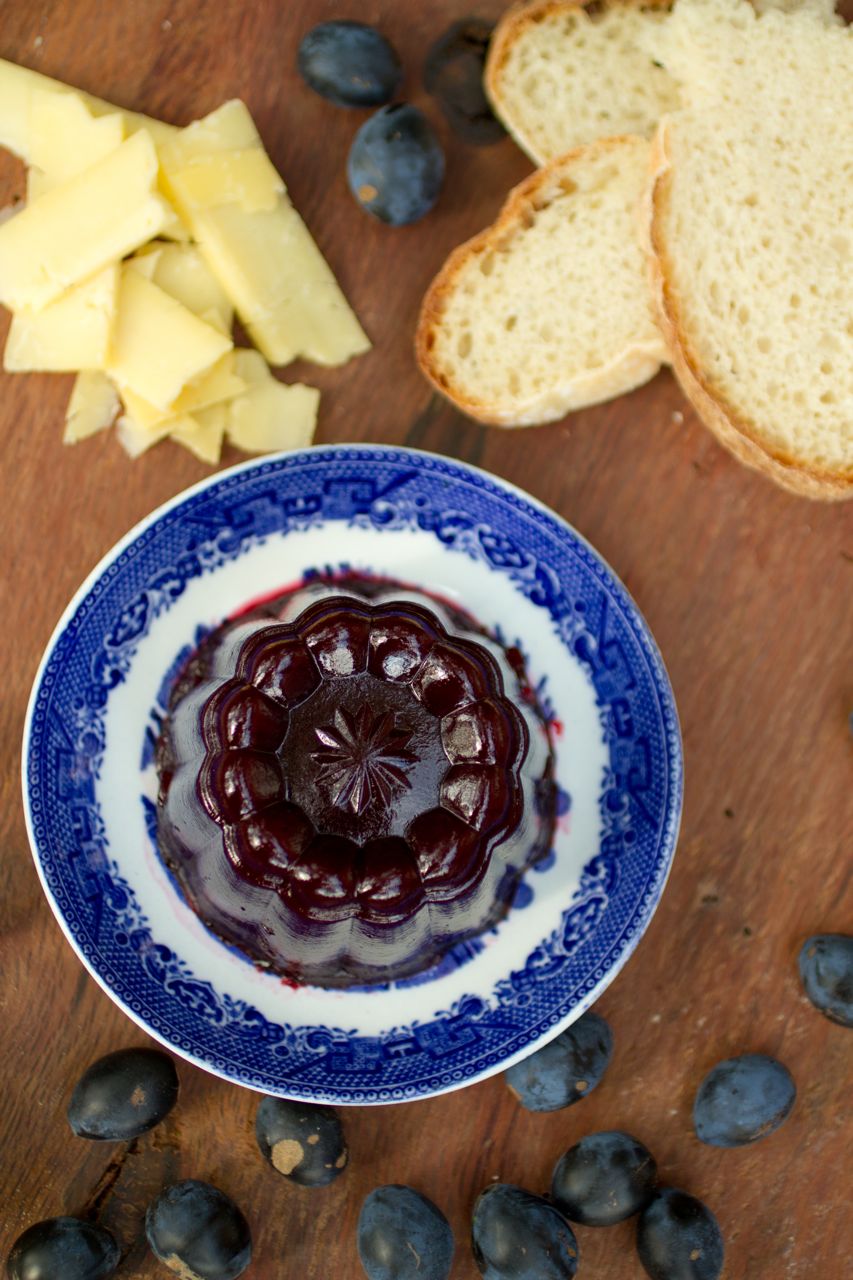
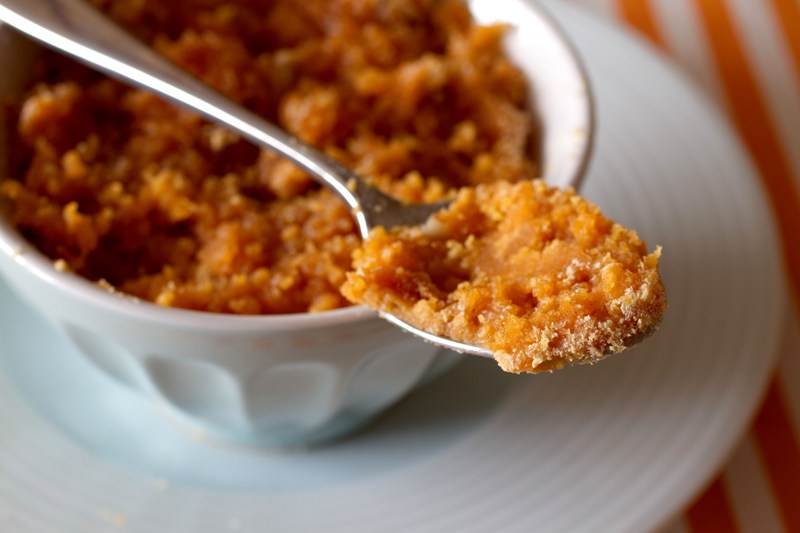
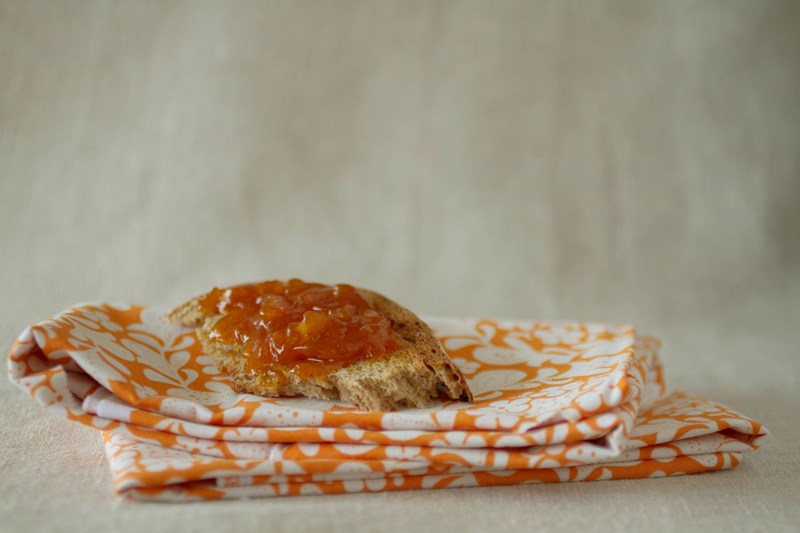
For the first time in my life I made marmelada. The english translation for this is “quince cheese” and you may have heard of it as “membrillo”, the Spanish version of this preserve. It’s usually eaten with hard cheese, or cut into squares, dusted with sugar and eaten like a treat. The recipe I followed comes from a classic Portuguese cookery book called Pantagruel. This old-school version of marmelada takes hours to make but the end result is worth every minute. As for containers, usually terracotta or ceramic bowls are used – I searched for old, interesting bowls in charity shops without any luck so I used enamel pudding basins instead.
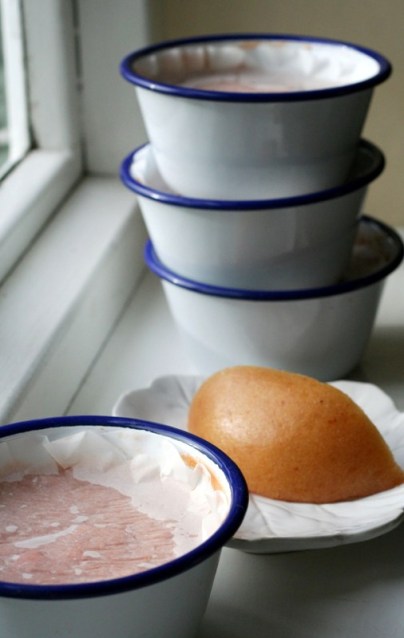
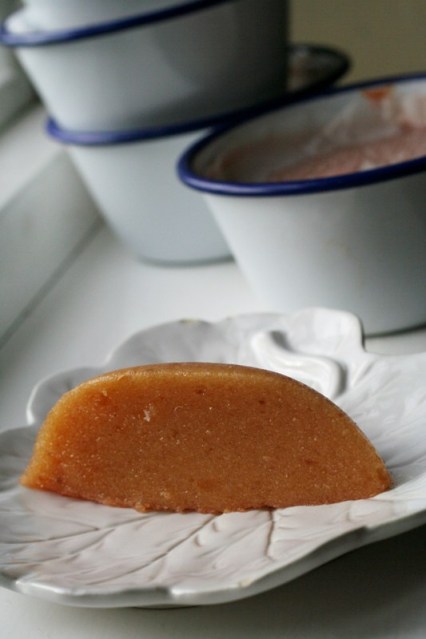
Marmelada (Pantagruel)
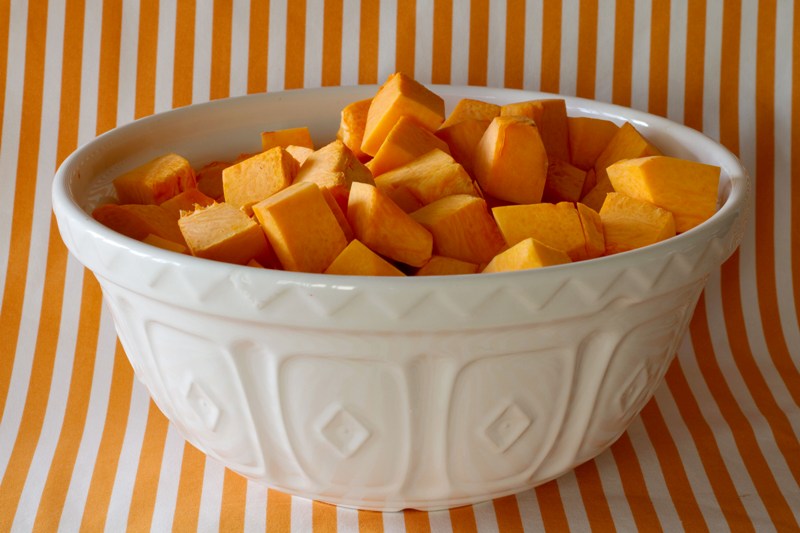
Marmelos bons: 2 kg
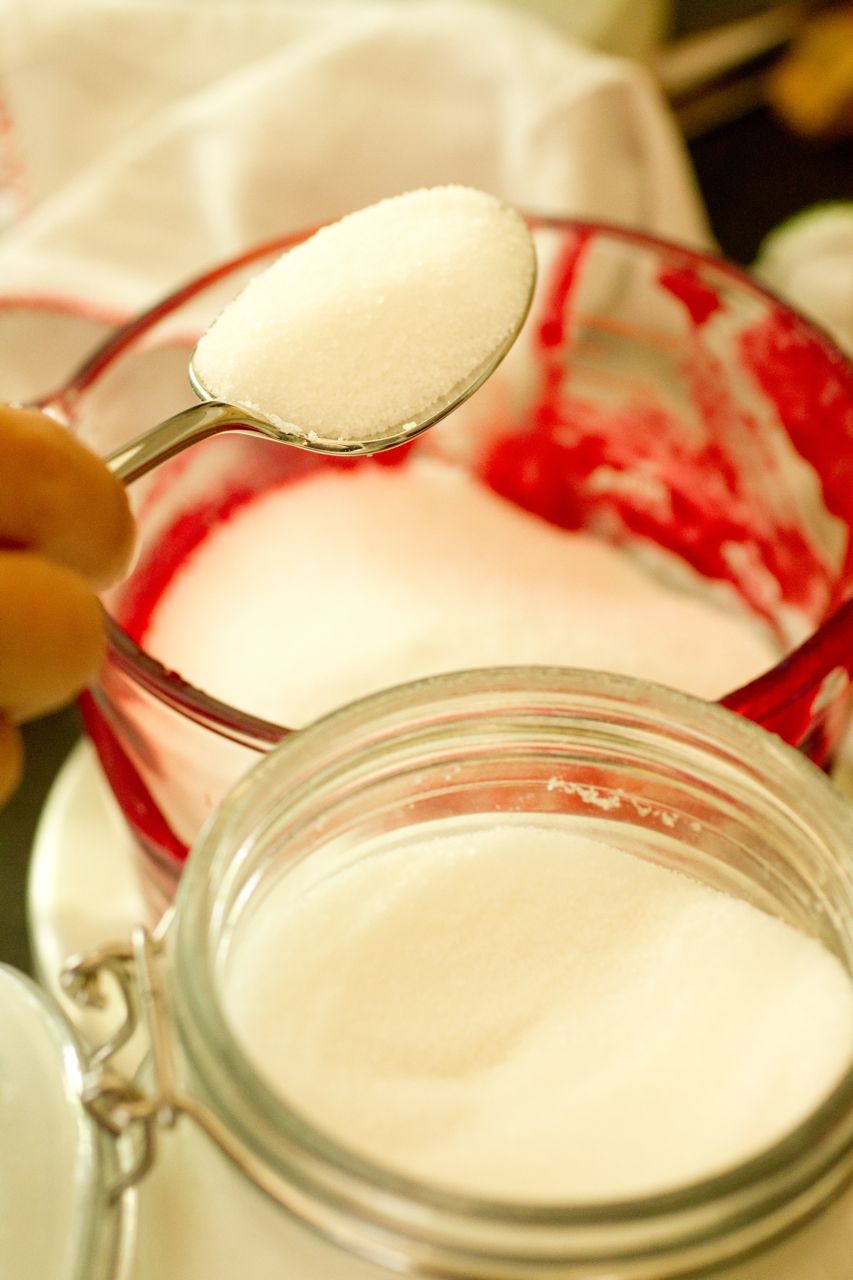
Açúcar: 1,2 kg
Lavam-se os marmelos e, para a marmelada ficar branca, cozem-se inteiros, sem lhes tocar com a faca para não escurecerem.
Depois de frios, pelam-se à mão, tiram-se-lhes as pevides com os dedos e passam-se pelo passe-vite [usei a varinha mágica].
Leva-se o açúcar ao lume com água suficiente para o derreter [1/3 do peso do açúcar] e deixa-se ferver até chegar quase a ponto de rebuçado [deitando uma colher de calda em água fria, forma-se uma bola].
Junta-se o polme dos marmelos, e vai-se mexendo com uma colher de pau, até se ver o fundo do tacho. Retira-se do lume e bate-se até completo arrefecimento.
Deita-se em tigelas e deita-se secar até a superfície criar pele.
(Querendo-se fazer marmelada vermelha, cortam-se os marmelos à faca antes de os cozer).
Quince cheese, the Portuguese way
Quinces: 2 kg
Granulated sugar: 1,2 kg
Wash, peel and core the quinces. Cover with water and boil until the fruit is soft.
Drain the water and process the pulp using a mouli or a hand blender until smooth.
Meanwhile, place the sugar in a pan and cover with 400 ml water. Bring it to a boil and stir until it has dissolved. Let it boil until you reach soft-ball stage (when you drop the syrup into cold water it forms a soft, flexible ball – approx. 120ºC/240ºF).
Add the quince pulp to the syrup and stir with a wooden spoon. It needs to boil violently for approx. 30 minutes and you’ll have to keep stirring (use a long spoon, cover your arms and watch out for burns… it’ll spit like a volcano). The mixture is ready when you scrape the spoon through it and you can see the base of the pan for a couple of seconds. When it has reached this stage, remove the pan from the heat and keep stirring until it’s cooled down a bit.
Pour into clean bowls (porcelain, enamel or terracotta). Place the bowls on a windowsill and cover them with parchment paper. Let the paste dry out for at least a week. It will keep for several months inside a pantry or an airing cupboard.
(images: Constança Cabral)















 Constanca Cabral