Flores de Novembro :: November Flowers

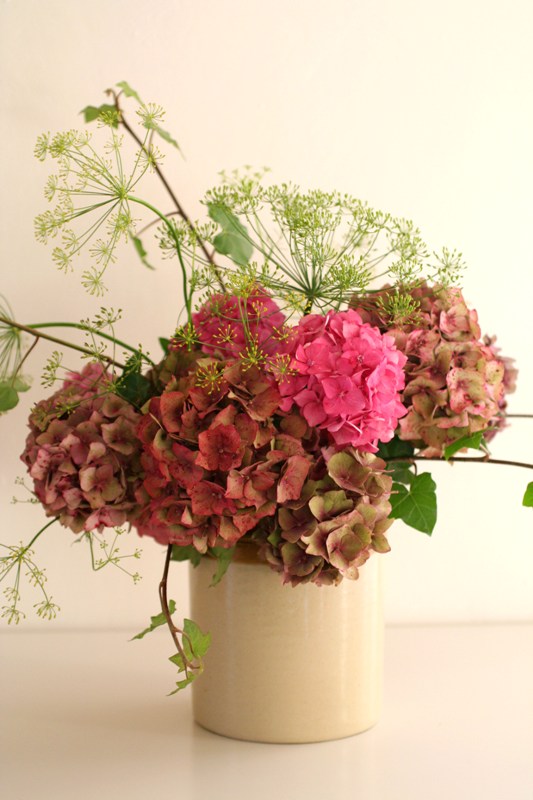
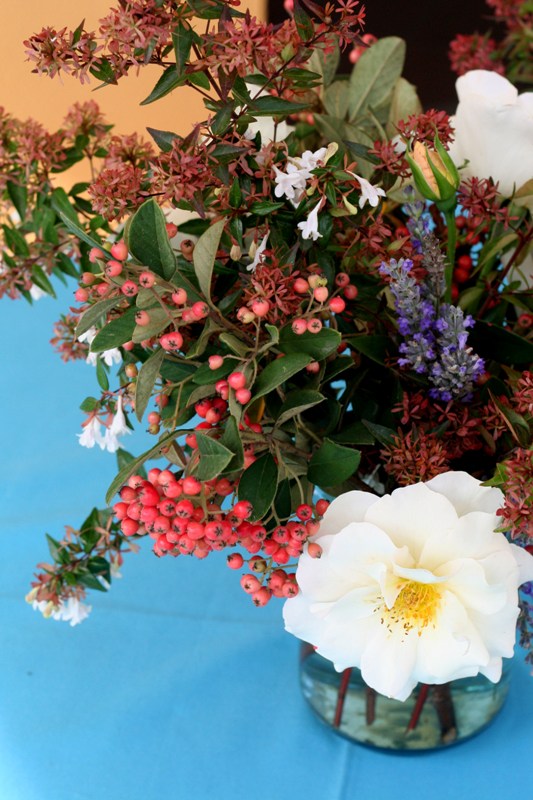
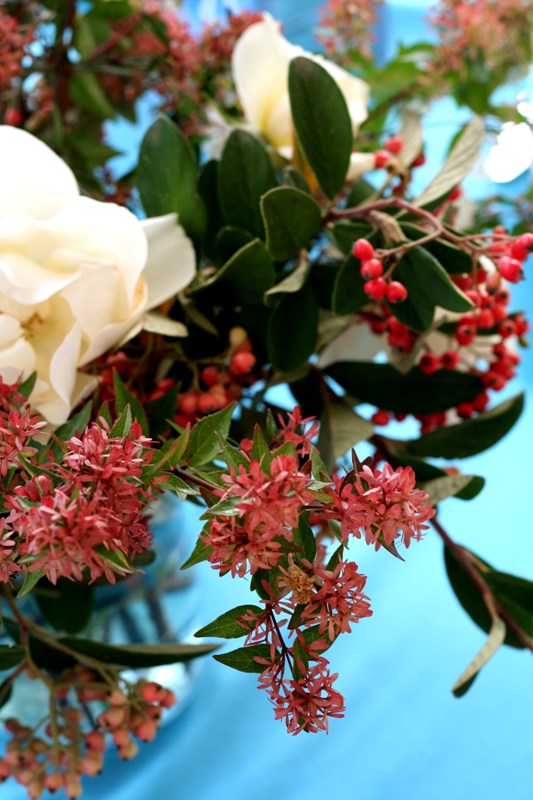
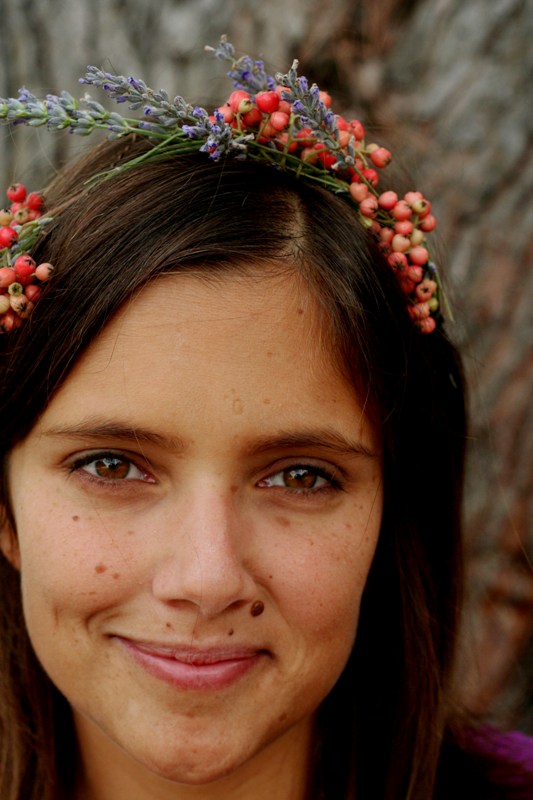
No domingo apanhei as últimas flores do nosso jardim.
O limoeiro já veio para dentro de casa e está cheio de limões verdes e flores novas.
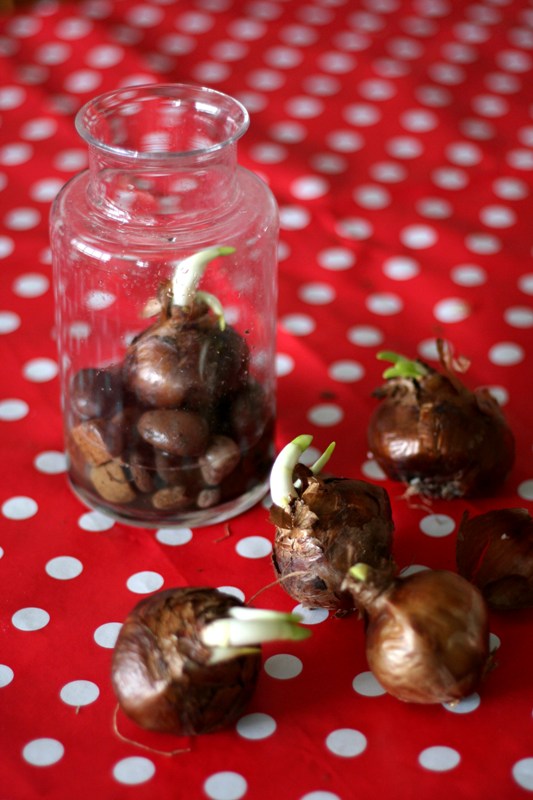
Os narcisos de papel despontaram.
Não posso acreditar que amanhã já seja dia 1 de Dezembro!

On Sunday I picked the last flowers in our garden.
The lemon tree has been indoors for a month now and it’s full of green lemons and new flowers.
The paperwhites have already bloomed.
I can’t believe that December starts tomorrow!

(photos: Constança Cabral)

Autumn :: Roasted Chestnuts

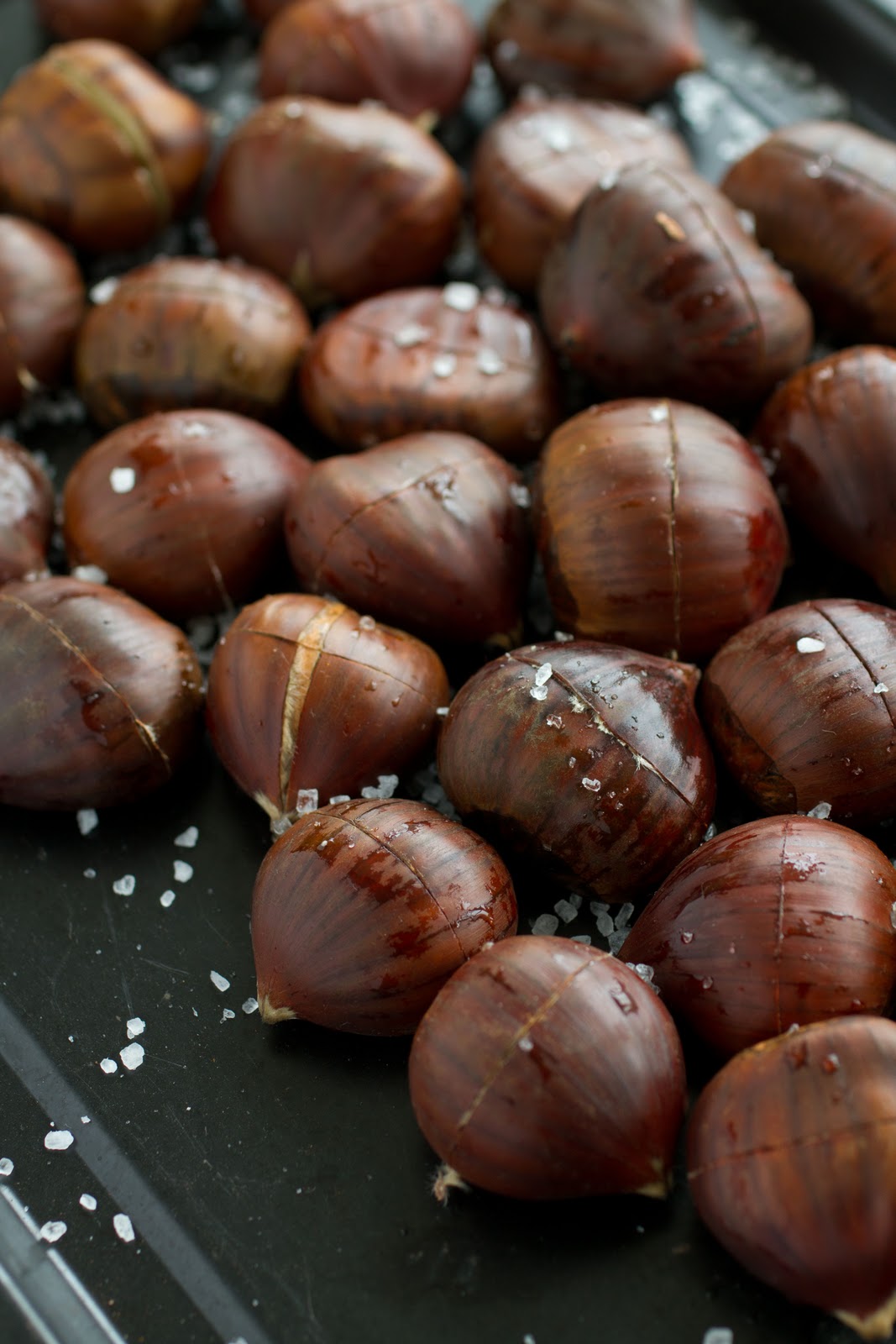
Apesar de não ser grande amiga de rotinas, vibro com rituais — daí dar tanta importância às estações do ano e a tudo o que elas representam. Um dos pontos altos do meu Outono é comer castanhas assadas, seja na rua (em Lisboa são vendidas em todas as esquinas de Outubro a Dezembro), seja em casa. Ontem assámos castanhas — distraímo-nos e ficaram demasiado tempo no forno, mas mesmo assim deu para matar saudades.
Although I’m not too keen on routines, I’m extremely fond of rituals — that’s why seasonal pleasures resonate so much with me. One of the high points of my autumn is eating roast chestnuts, either in the streets (they’re sold in every corner in Lisbon from October to December) or at home. Yesterday we roasted some — we lost track of time and overcooked them but even so they gave us a little taste of home.

(photos: Tiago Cabral)

Autumn :: Apple & Cinnamon Cake

[scroll dow for English]

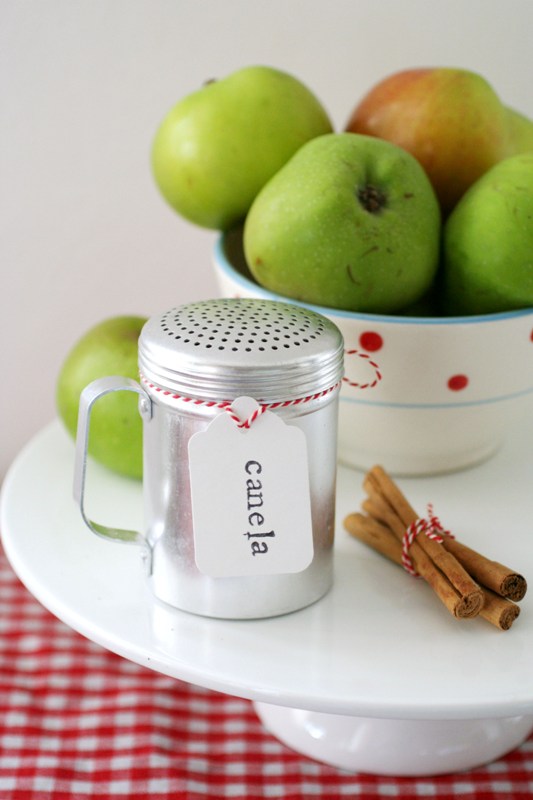
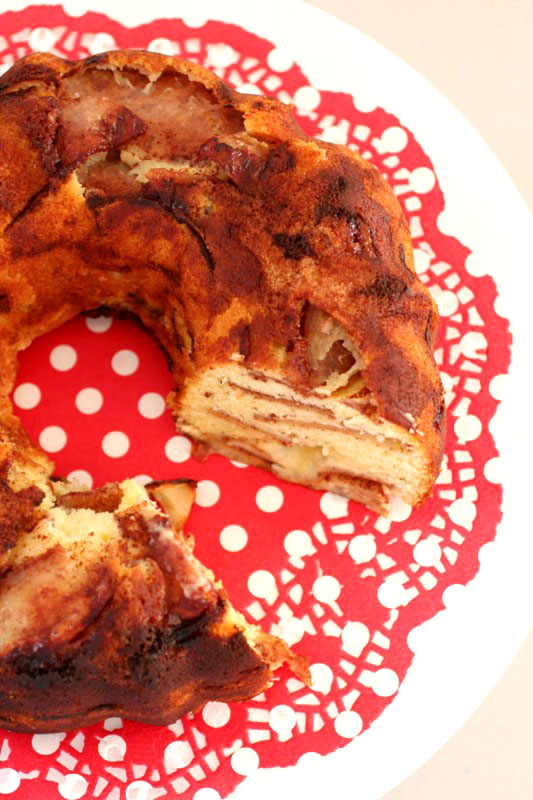
Num fim-de-semana de Outono, nada sabe melhor do que um bolo de maçã e canela ao lanche. Há uns tempos uma vizinha minha deu-me uma série de maçãs Bramley da sua árvore e, em vez de doces e geleias, lembrei-me de fazer um bolo. Se também o quiserem experimentar, aqui fica a receita:

Bolo de Maçã e Canela

4 maçãs (ou 2 maçãs grandes Bramley ou reinenta)
250 g açúcar
150 g manteiga
4 ovos, separados
200 g farinha de trigo
1 c. chá de fermento
canela em pó

1. Untar a forma com manteiga, povilhá-la com canela e cobrir a base com açúcar. Ligar o forno a 180ºC.

2. Descascar as maçãs, cortá-las em fatias finas e polvilhá-las com bastante canela.

3. Bater bem a manteiga com o açúcar até a mistura ficar cremosa e esbranquiçada.

4. Juntar as gemas de ovo e bater.

5. Noutra taça, bater as claras em castelo.

6. Ir incorporando no primeiro preparado, alternadamente, as claras em castelo e a farinha (cuidado para não bater demasiado a massa).

7. Colocar uma camada de fatias de maçã na forma, depois um pouco de massa, em seguida outra camada de maçãs, depois o resto da massa e terminar com as restantes maçãs (nesta altura poderá achar que a massa é curta mas a sério que chega: o truque é alternar camadas grossas de fatias de maçã com camadas finas de massa).

8. O bolo coze durante cerca de meia-hora mas, como todos os fornos são diferentes, é importante ir vigiando a cozedura. Não deixar cozer demasiado, sob pena de o bolo ficar muito seco.

***

On an autumn weekend nothing tastes batter than an apple and cinnamon cake for afternoon tea. Some weeks ago, a lovely neighbour gave me a few Bramley apples from her tree and instead of making yet another preserve, I decided to bake a cake. In case you’re interested in making one yourself, here’s  the recipe:

 
Apple and Cinnamon Cake

4 cooking apples (or 2 large ones)
4 eggs, separated
250 g caster sugar
150 g butter
200 g all-purpose wheat flour
1 teaspoon baking powder
ground cinnamon

1. Grease the tin, coat it with ground cinnamon and cover the bottom in sugar. Preheat the oven to 180ºC.
 
2. Peel and core the apples and cut them into fine slices. Sprinkle them with a fair amount of cinnamon.
 
3. Cream the butter and the sugar until the mixture is white and fluffy.
 
4. Add the egg yolks and beat them in well.
 
5. In another bowl, beat the egg whites until they reach soft peaks.
 
6. Incorporate a spoonful of eggs whites into the cake batter, then some flour, then some more egg whites and so on. Be careful not to overwork it.
 
7. Place a layer of apple slices in the tin, then a layer of cake batter, then a layer of apples, then the remaining batter and finish with the apples (at this point you may think that you’re a little short on batter but it really is enough: the trick is to alternate rather thick layers of apple slices with thin layers of cake batter).
 
8. Bake for approximately half an hour but since every oven is unique, do pay attention. Do not overbake it or else the cake will be too dry.
 

Outono Português :: Portuguese Autumn

Uma ida de fugida a Portugal deu para ver como o Outono é diferente em terras do sul. Tudo é mais seco, até os tons de verde, o campo tem um cheiro doce e o céu é azul.
[os arranjos de flores foram feitos por mim e o modelo é a minha amiga Mafalda]
A short trip to Portugal gave me a glimpse of how different autumn is down south. Everything looks drier, even the shades of green, the countryside is sweetly scented and the sky is blue.

[the flower arrangements were made by me and the model is my friend Mafalda]
(photos: Constança Cabral)

Autumn :: Bulb Planting

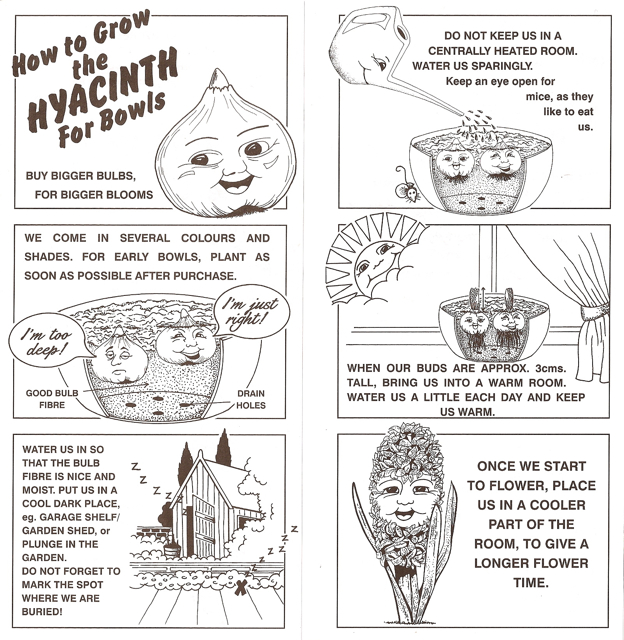
Chegou novamente a altura de plantar bolbos, tanto dentro de casa (para florirem durante o Inverno), como no jardim (para florescerem na Primavera). Esta semana comecei com jacintos (instruções aqui em cima) e narcisos-de-papel. Há um ano foi assim.
It’s that time of the year again: bulb season has begun! You can now plant bulbs indoors (to bloom all through winter) and in the garden (for flowers next spring). This week I’ve started with some prepared hyacinths (instructions above) and paperwhite narcissi. Here‘s what happened last year.
(photos: Constança Cabral)

Licor de Abrunho :: Damson Liqueur

Às vezes ouvimos contar que as nossas avós e bisavós faziam licores em casa. “Extraordinário!”, pensamos, “que senhoras industriosas.” Pois hoje eu venho desfazer um mito: fazer licor em casa é facílimo. Há dezenas de receitas disponíveis (a minha edição do Pantagruel tem 18) mas no fundo trata-se sempre de deixar macerar a fruta em álcool, açúcar e especiarias.
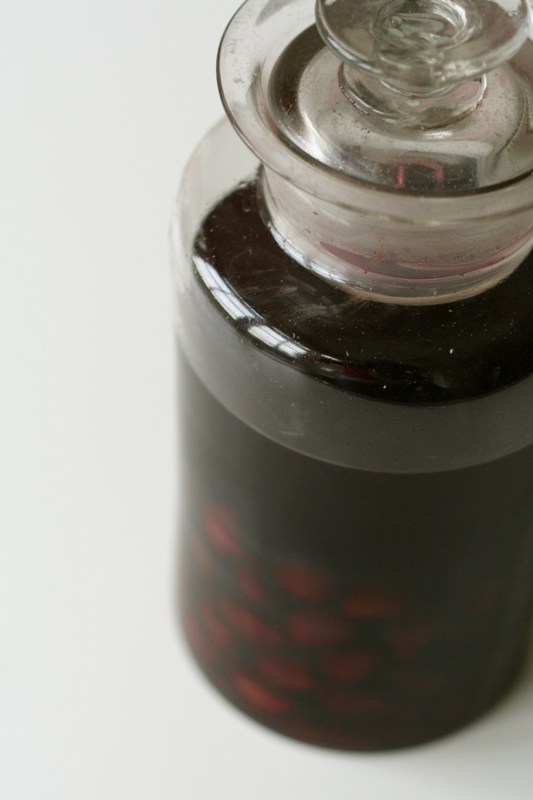
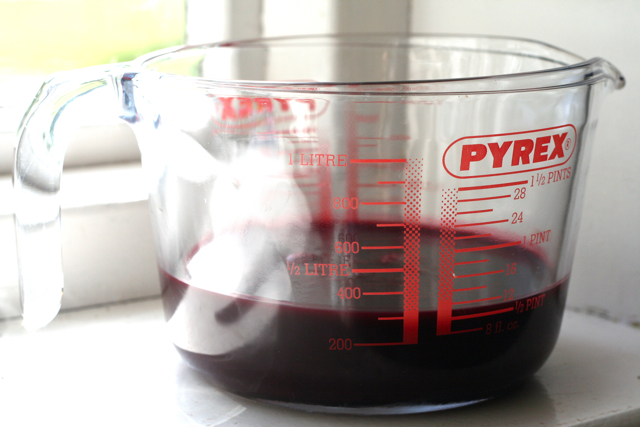
As duas fotografias foram tiradas com um mês de intervalo: é o nosso licor de abrunho, no dia em que foi feito e hoje. No Natal será filtrado e engarrafado — e bebido. O método é simples: meio quilo de fruta, 125 g de açúcar fino, raspa de um limão, um pau de canela e uma garrafa de vodka: tudo para dentro de um frasco grande e limpo (caso estivéssemos a viver em Portugal, teríamos usado aguardente). Agitar todos os dias. Esperar tês meses. Filtrar e engarrafar. O mais engraçado de tudo é que usei um frasco que a minha bisavó materna usava para fazer os licores lá de casa.
Sometimes we hear our family tell tales of how our grandmothers and great-grandmothers used to make liqueurs at home. “How extraordinary”, we think, “such industrious ladies”. Well, today I’m going to undo this myth: homemade liqueurs are the easiest things. There are dozens of recipes available but deep down it all comes to letting the fruit macerate in alcohol, sugar and spices. 

The two pictures above have been taken with a month’s difference: it’s our damson liqueur the day it was prepared and today. By Christmas time we’ll filter and bottle it — and drink it. Here’s how we made it: half a kilo of fruit, 125 g of caster sugar, the zest of a lemon, one cinnamon stick and one bottle of vodka: all poured into a large, clean jar. Shake it every day. Wait 3 months, then strain and bottle it. The loveliest thing was that I utilised the jar my great-grandmother used to employ to prepare her own liqueurs. 

(photos: 1- Tiago Cabral; 2- Constança Cabral)

Arranging Autumn Flowers :: Guest Post @ { TheSneakPeaks }

[Este meu guia passo-a-passo de como fazer arranjos florais de Outono foi inicialmente publicado no blog {TheSneakPeaks} a convite da Ana. Podem ver o post original aqui.]
[My step-by-step guide on how to create autumnal flower arrangements was first posted at {TheSneakPeaks} by Ana‘s request. Check out my original post here.]

O ritmo das estações do ano nunca deixa de me surpreender e fascinar e gosto que o interior da minha casa vá reflectindo o que se passa lá fora. Uma das maneiras mais fáceis e eficazes de alcançar isso é através de arranjos florais sazonais. Sou grande apologista de flores de jardim e de campo. Sei que nem toda a gente tem a sorte de ter um jardim, mas há sempre a possibilidade de reservar um sábado ou um domingo para dar um passeio pelo campo — sabe bem mudar de ares e as beiras das estradas estão carregadas de flores, folhas e frutos interessantes. Estamos a entrar no Outono, a minha estação preferida aqui em Inglaterra (mudei-me de Portugal para Inglaterra em Janeiro de 2010), e a natureza está progressivamente a revestir-se de tons quentes e saturados: amarelos, magentas, castanhos… Inspirada naquilo que me rodeia, criei dois arranjos outonais e vou mostrar-vos como os fiz.

The rhythm of seasons never fails to impress and fascinate me and I like my home to be a reflection of what’s going on outdoors. One of the easiest and most effective ways of achieving this is by creating seasonal flower arrangements. I’m a great fan of garden and country flowers. I know not everyone is lucky to have their own garden but you can always dedicate a Saturday or a Sunday to country pursuits — it feels great to see what nature has to offer and roadside verges are usually laden with interesting flowers, leaves and fruits. Autumn is upon us and it’s definitely my favourite season here in England (I moved from Portugal to England in January 2010). Nature is dressing itself in warm, saturated colours: yellow, magenta, brown… Inspired by what surrounds me at the moment, I’ve created two autumnal arrangements and I’m going to show you how I made them.

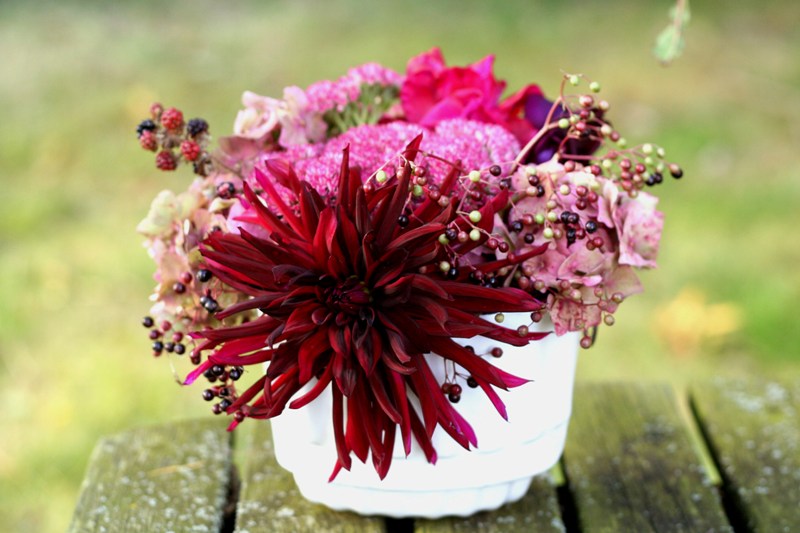
Primeiro há que seleccionar flores, bagas e folhas para os nossos arranjos. Normalmente apanho tudo o que me chama a atenção e só depois decido o que usar em cada arranjo. Neste caso comecei por apanhar hortênsias, uma dália, algumas rosas e bagas de sabugueiro. Tanto no caso das hortênsias como das bagas de sabugueiro, escolhi propositadamente exemplares que não estavam perfeitos: as hortênsias já estavam um bocado passadas e picadas, e as bagas ainda não estavam completamente maduras. A forma como arranjo flores é muito espontânea e nada académica, e vão ver que algumas flores (como as rosas) ficaram de lado, enquanto que outras (ervilhas-de-cheiro, sedum, abrunhos silvestres e até amoras) aparecerão mais à frente. É importante retirar todas as folhas dos caules que ficarão submersas em água, porque apodrecerão rapidamente e contaminarão a água da jarra, o que significa que todo o arranjo se aguentará fresco menos tempo. Há também que escolher os recipientes para os arranjos: eu usei uma jarra de vidro transparente e uma forma de esmalte branco.

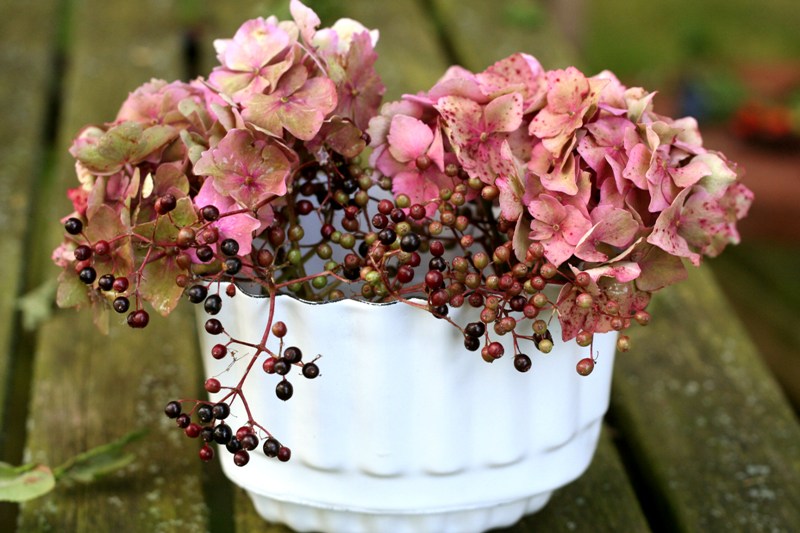
First you need to select the flowers, foliage and berries for your arrangements. I usually pick everything that grabs my attention and only later do I decide what to actually use in each arrangement. In this case I started by picking some hydrangea heads, one dahlia, a handful of roses and a few elderberries. I intentionally picked specimens that didn’t look perfect: the hydrangeas are past their best and the elderberries aren’t fully ripe yet. The way I arrange flowers is quite spontaneous and not academic in the least so you’ll see that some flowers (like the roses) won’t be used at all and some others (sweet peas, sedum, sloes and even blackberries) will put up an appearance later on. An important step is to remove the leaves from the lower portion of the flowers, as they’ll rot quickly and will contaminate the water in the vase, making the whole arrangement last fewer days. You also must choose your containers: I picked a transparent glass vase and a white enamel jelly mould.
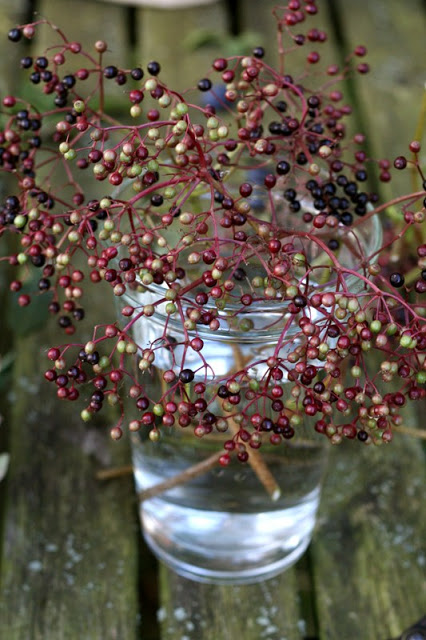

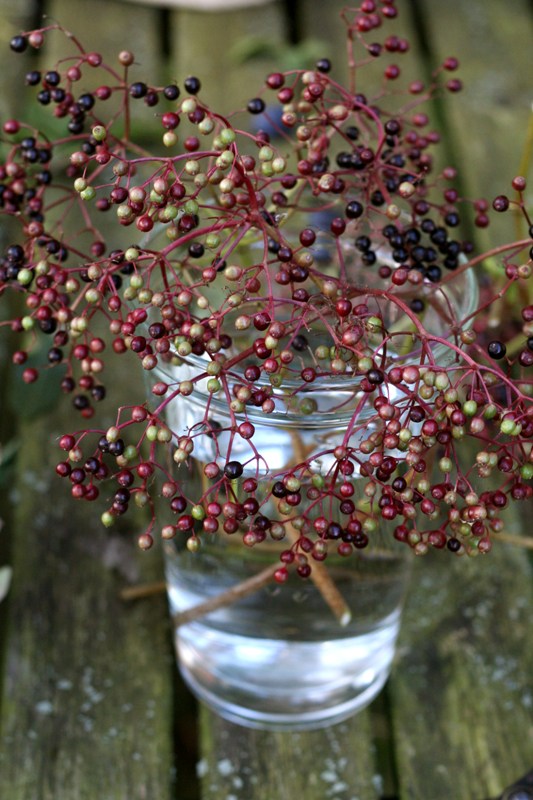
Comecei por fazer o arranjo maior, que pus dentro da jarra transparente. Normalmente faço os meus arranjos por camadas, e neste caso a primeira camada, formada pelas bagas de sabugueiro, serve para amparar as flores que se seguem.


I started with the largest arrangement, which was destined for the glass vase. I usually work in layers and in this particular situation the elderberries make a great first layer, as they’ll anchor the rest of the flower stems.

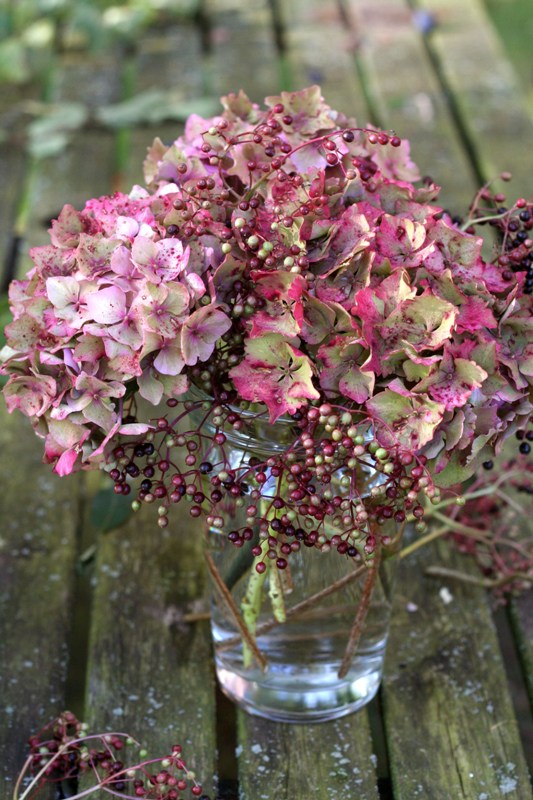
Em seguida dispus algumas hortênsias entre as bagas.


Then I placed a few hydrangea heads amongst the berries.

Este arranjo foi feito no jardim e, enquanto estava a fazê-lo e fotografá-lo, dei de caras com um canteiro de sedum com um tom de cor-de-rosa perfeito para a ocasião. Claro que apanhei alguma flores e acrescentei-as ao arranjo.


While I was arranging and photographing this in my garden, a bunch of sedum flowers caught my eye. As they had the perfect shade of pink, I cut a few and added them to the vase.

A certa altura achei que o arranjo estava um pouco contraído e que lhe faltava algum movimento — então peguei em algumas ramagens de abrunhos silvestres (cuidado com os espinhos!) e dispu-las em direcções opostas dentro da jarra.


At this moment I felt the arrangement was a bit contrived and that it was lacking some movement — so I cut some sloe branches (watch those thorns!) and placed them in opposite directions within the vase.

Em seguida, dediquei-me ao arranjo mais pequeno. A técnica (se é que lhe posso dar este nome) que usei foi semelhante à do arranjo maior: comecei por dispor as bagas e flores mais carnudas (neste caso hortênsias)…


Then it was time to make the smaller arrangement. The technique (if I may call it that) I used was similar to how I made the larger arrangement: I started by setting out the berries and the fuller flowers (the hydrangeas in this case)…

… depois coloquei a dália em evidência e enchi os espaços vazios com sedum, ervilhas-de-cheiro e amoras.


… then I placed the dahlia in the most prominent spot and filled any gaps with sedum, sweet peas and even a bunch of blackberries.

Podem ver que ainda acrescentei dois ramos de abrunhos silvestres ao arranjo pequeno.

You can see that in the end I couldn’t resist adding a couple of slow branches to the smaller arrangement.

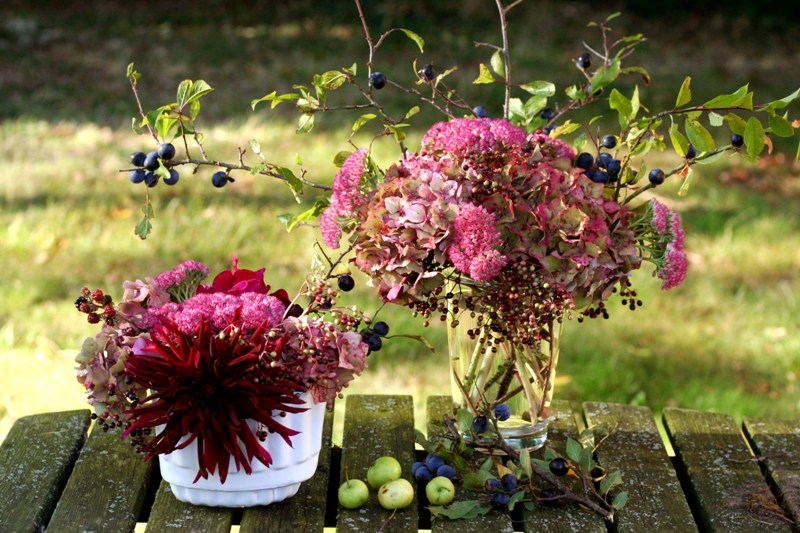
E assim se fazem dois arranjos outonais, perfeitos para enfeitar um canto de nossa casa durante uma semana. Espero que gostem das minhas sugestões e que se aventurem com aquilo que encontrarem por esse campo fora.

And so we have two autumn flower arrangements, perfect for adding a bit of colour to a corner of your home for a week. I hope you like my suggestions and that you feel inspired to experiment with your own country finds.

(photos: Constança Cabral)

Autumn :: Log Carrier

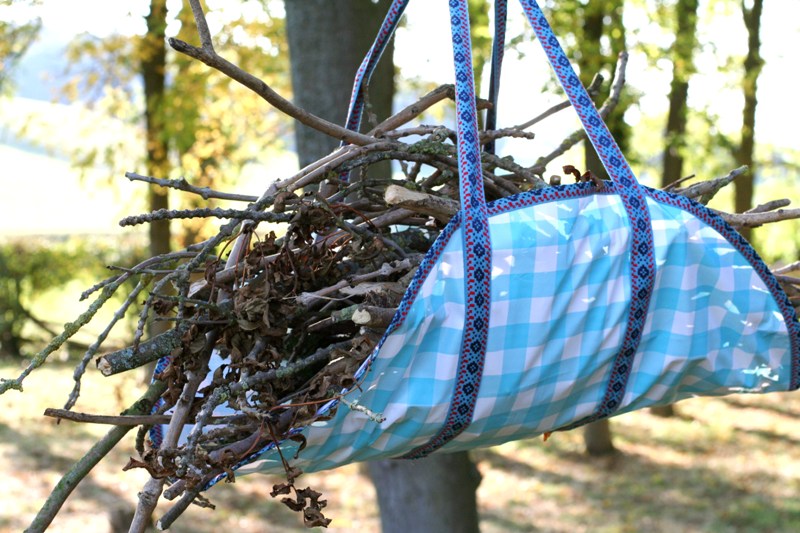
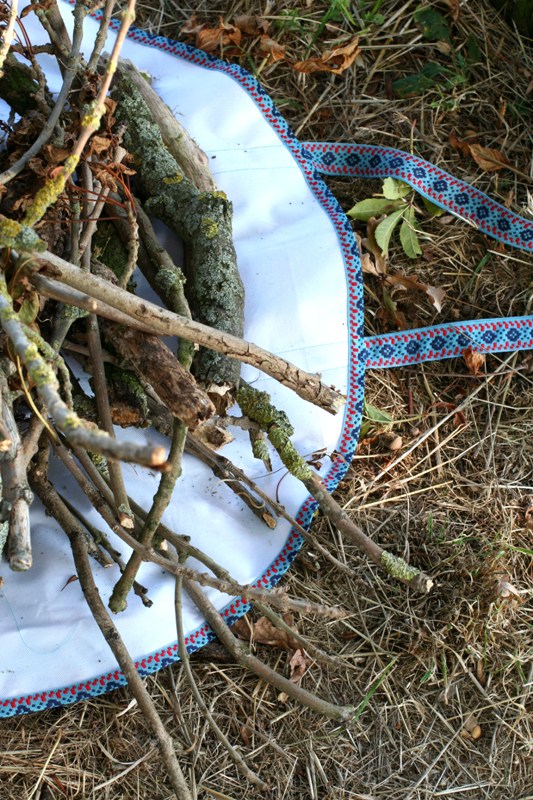
Finalmente fiz algo que o Tiago me andava a pedir há que tempos: um saco para transportar lenha. Não só serve para trazer para dentro de casa a lenha que o Tiago racha no jardim, como é óptimo para apanhar os galhos que vão caindo das árvores (esta zona é bastante ventosa) e que são ideiais para acender a lareira. O sistema não poderia ser mais simples: trata-se apenas de um círculo de oleado (queria ter cortado outro círculo para forrar o interior mas não havia oleado suficiente) debruado com um galão, a que depois cosi duas alças reforçadas. Esperemos que dure!
I’ve finally made something Tiago has been asking for a long time: a log carrier. It’s great not only to carry the wood he cuts in the garden inside, but also to collect those twigs that keep falling from trees (it’s rather windy around here) and which make ideal kindling. The construction of the carrier couldn’t be simpler: it’s just an oilcloth circle (I wish I’d had enough to cut another one in order to line it) bound with tape, with two strong handles sewn to it. Let’s hope it lasts!

(photos: Constança Cabral)
Como Fazer Geleia de Amora :: How to Make Blackberry Jelly

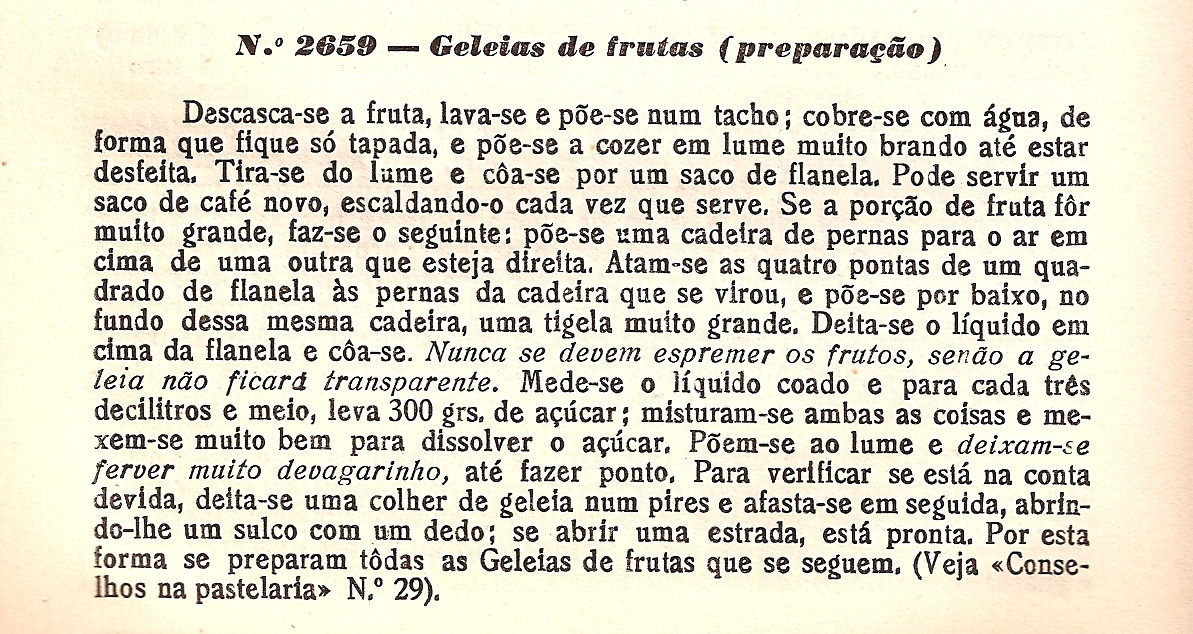
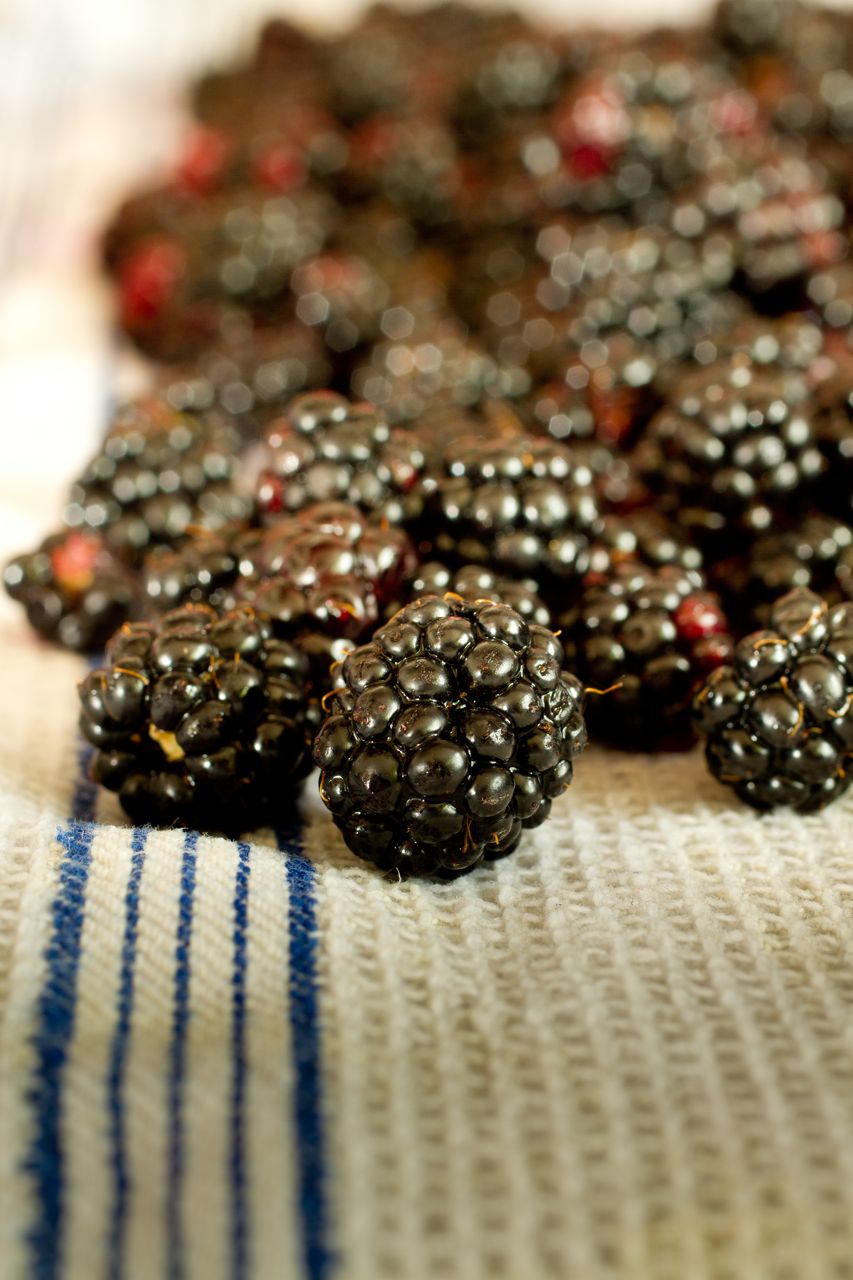
Afinal Setembro foi um mês óptimo para apanhar amoras silvestres. Fiz duas vezes geleia — uma só de amora e outra de amora e maçã (as maçãs têm muita pectina, o que ajuda à gelificação) — e decidi documentar o processo. Digitalizei a receita de geleia do Pantagruel da minha avó (ed. 1952); se quiserem saber mais sobre a forma como eu faço conservas, podem ler o meu post sobre doce de framboesa.
After all September turned out to be a great month to pick wild blackberries. I made jelly twice — the first time I only used blackberries, later on I added cooking apples to the mix (they’re high in pectin, which helps the jelly set) — and decided to document the process. The first image shows a basic jelly recipe from a classic Portuguese cookery book, the Pantagruel (I’ve got my grandmother’s copy from 1952) but there’s a great recipe in Pam Corbin’s preserves book. If you want to know more about how I go about preserving fruit, you can read my post on making raspberry jam.
(photos: Constança Cabral)