Around Here :: Spring

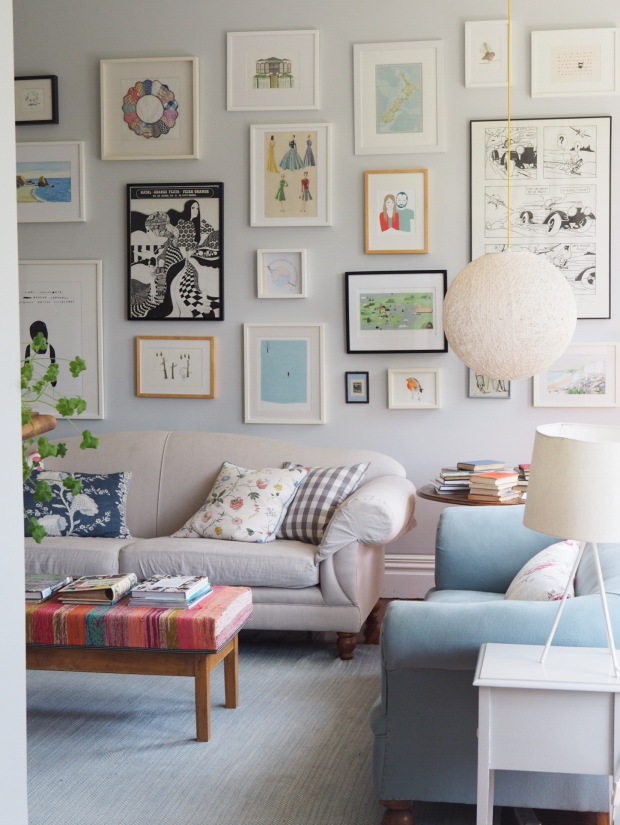
gallery wall constanca cabral

Por aqui estamos a viver uma das Primaveras mais frias e chuvosas de que há memória. É curioso como, apesar de já viver fora de Portugal há 8 anos, continuo com as mesmas expectativas em relação ao (bom) tempo e não consigo deixar de me sentir defraudada quando aquilo a que acho que tenho direito não se verifica. A verdade é que a vida é mais fácil com sol!

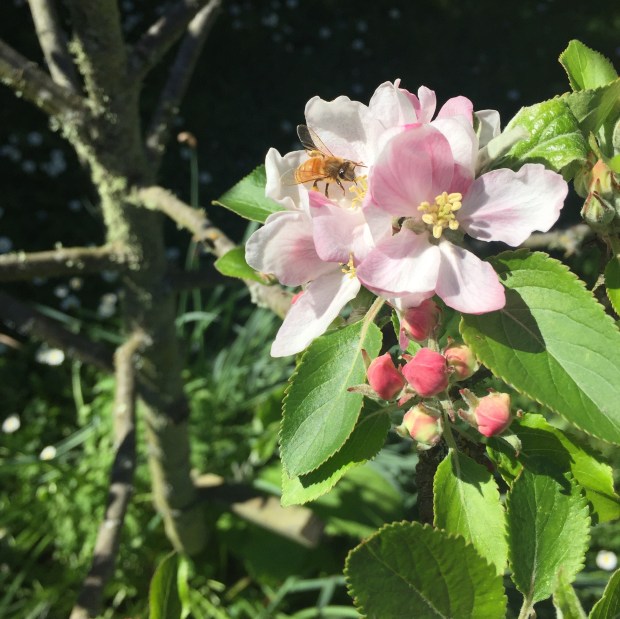
Novembro é sempre o apogeu das flores do nosso jardim. Estamos rodeados de rosas antigas, aquilegias de todas as cores, dedaleiras em vários tons de roxo e branco e sardinheiras aromáticas. Temos assistido a um frenesim de abelhas de todos os tamanhos e feitios e os pássaros acordam-me todos os dias às cinco e meia da manhã.

Dentro de casa também tem havido muita actividade. Remodelámos totalmente a despensa, devagar estamos a fazer obras à cozinha, tenho andado ocupada com cortinas e almofadas. Sou claramente adepta do slow decorating (um movimento que ainda não existe oficialmente, mas que se integra bem no célebre conceito de slow living). Esta nossa casa tem percorrido um longo caminho nestes cinco anos.

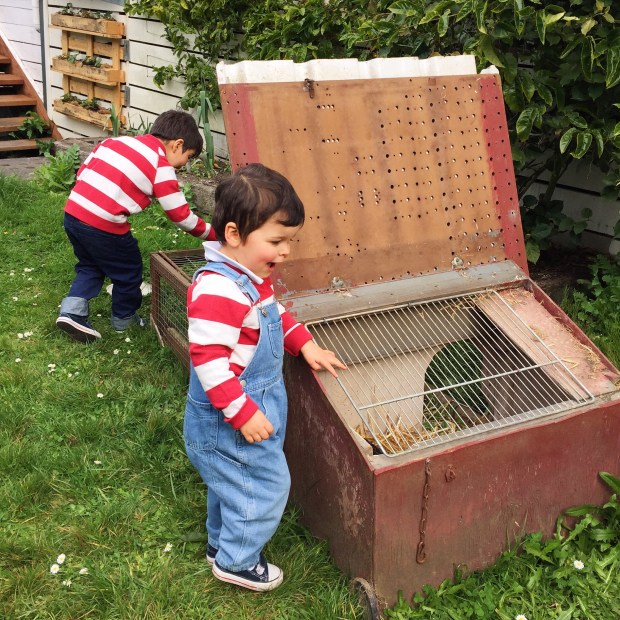
O ano está a chegar ao fim. Pensar que o Rodrigo tem a primeira classe praticamente feita e que o Pedro abandonou definitivamente o estado de toddler é impressionante. Não sou daquelas pessoas que querem parar o tempo — pelo contrário, estava desejosa de que esta fase de “rapazes” chegasse. Eles estão a crescer saudáveis e curiosos — temos tanta sorte!

Deixo-vos com algumas sugestões para este fim-de-semana, seja ele de Primavera ou de Outono:

Participei na nova rubrica “Sete dias, sete pratos” do Slower (a nossa semana está aqui).

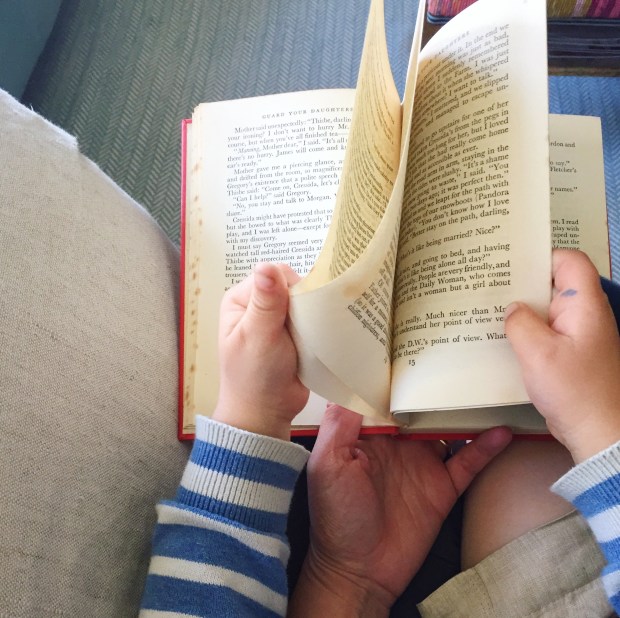
Este ano li bastante e destaco o Guard Your Daughters (1953), um livro que me me cativou por conseguir misturar harmoniosamente momentos de rir às gargalhadas com assuntos bastante sérios (felizmente hoje em dia compreendemos muito melhor a saúde mental das pessoas). Este livro esteve esgotado durante décadas mas a Persephone reeditou-o recentemente (aqui).

Hei-de fazer um post actualizado com os podcasts que tenho seguido nos últimos tempos, mas vou falar-vos já no Tea & Tattle, apresentado por duas amigas inglesas, que versa sobre livros, bem-estar, relações humanas, enfim. É uma mistura de conversas a duas e entrevistas, e gosto sobretudo do facto de elas não se limitarem a quem está actualmente na moda no Instagram — neste podcast há diversidade de idades, nacionalidades e interesses e isso é incrivelmente refrescante.

Espero conseguir voltar ao blog com maior assiduidade (já não escrevia aqui há demasiado tempo). Bom fim-de-semana para todos!

***

Around here we’re going through one of the wettest, coldest springs I’ve ever experienced. Even though I haven’t lived in Portugal for 8 years now, it’s funny how some (good) weather-related preconceptions will never leave me. I still feel positively defrauded when they don’t come to fruition! I mean, life is some much easier in the sunshine, isn’t it?

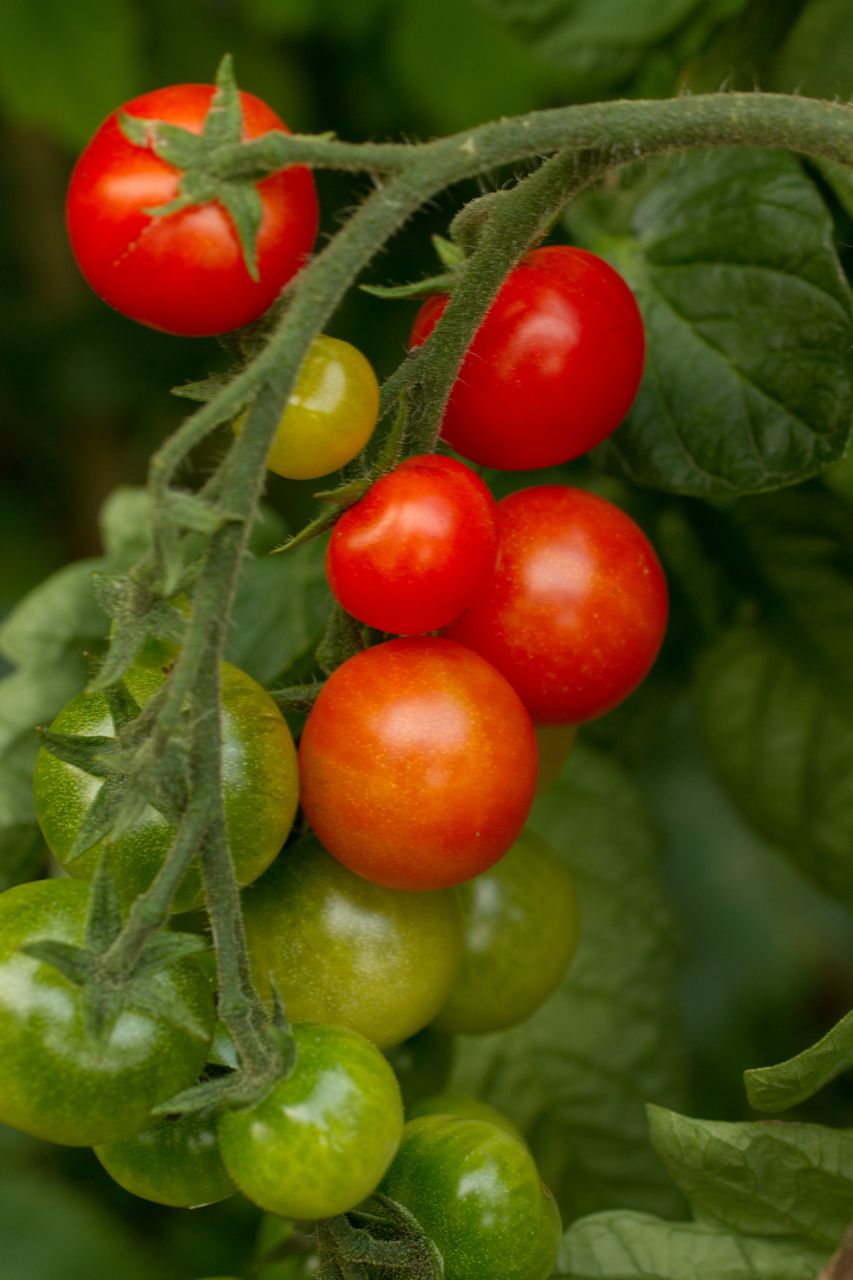
November is always the best month for flowers in our garden. We’re surrounded by old roses, aquilegias in every colour of the rainbow, foxgloves in various shades of purple and white, as well as many different species of fragrant pelargoniums. The bees are super active and the birds wake me up at 5.30 every morning.

Indoors we’ve also been quite busy. We’ve remodelled the pantry and are slowly doing up the kitchen. I’ve also been making curtains and cushion covers. I’m clearly in the camp of the slow decorating movement (not that that’s an official thing, but it goes very well with the whole slow living philosophy). This house has been through a long and winding decorating road over the past five years.

The year is coming to an end. To think that Rodrigo has almost completed his first year at school and that Pedro has definitely left toddlerhood behind amazes me. I’m not one of those people who’d like to stop time — on the contrary, I was anxious for this “boy” phase to come. They’re growing up healthy and curious — we feel incredibly lucky!

I’ll leave you with a couple of suggestions for your Spring/Autumn weekend:

This year I’ve read a lot and the book that’s stayed with me the most is “Guard Your Daughters” by Diana Tutton (1953). It’s captivated me because it manages to beautifully balance laugh-out-loud moments with rather serious matters (thank goodness mental health is much better understood nowadays). The book was out of print for several decades but Persephone has recently republished it (here).

I’ve been meaning to write an updated post with my favourite podcasts but, before that happens, I’ll quickly mention Tea & Tattle. It’s hosted by two British young women and it covers a range of topics like books, well-being, relationships, etc. It’s a mix of conversations between two friends and interviews and I really appreciate the diversity of voices, ages and backgrounds of the people they feature — it’s not just about who’s trending on Instagram.

I’m hoping to start blogging again more consistently (it’s been too long). Happy weekend, everyone!

Autumn Planting

21/100

[scroll down for English]

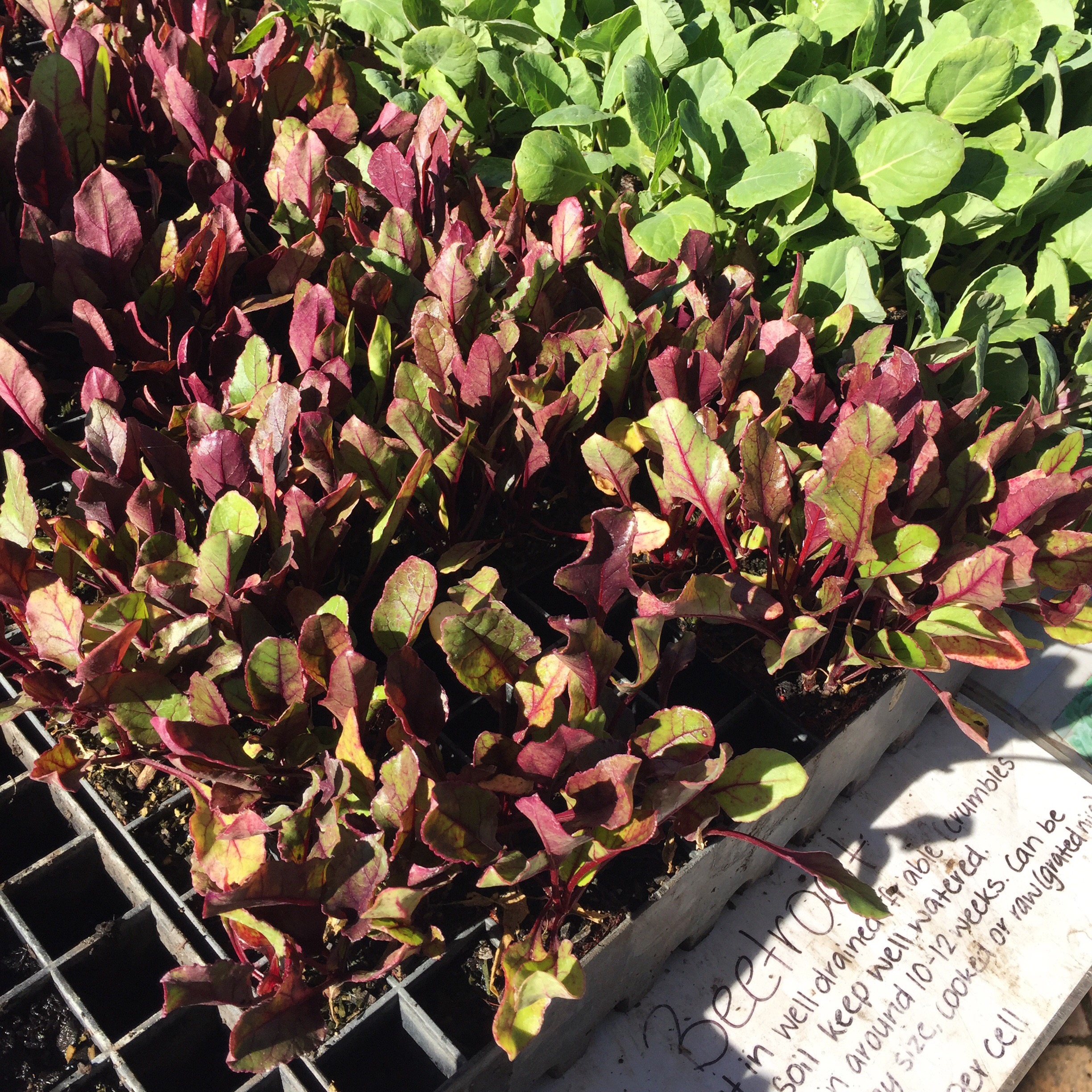
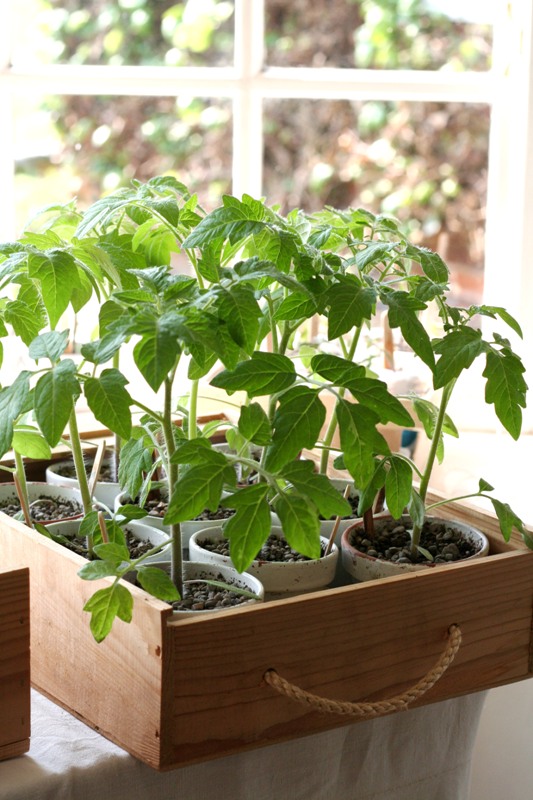
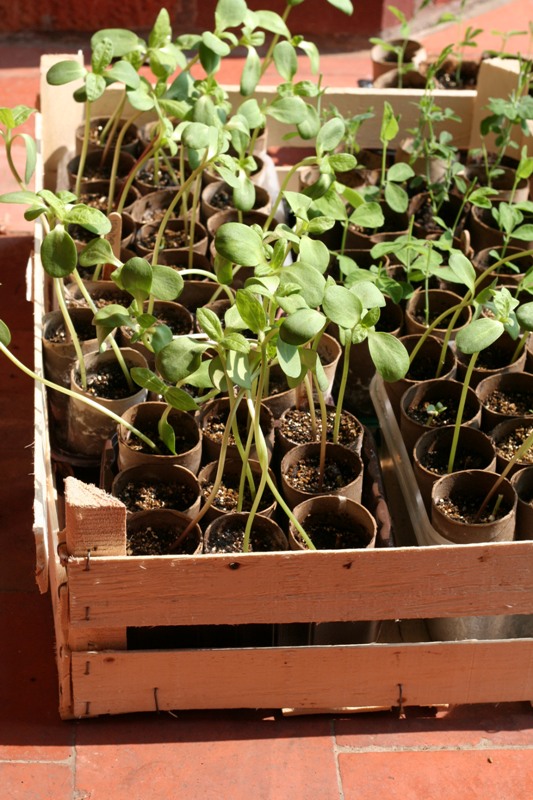
Com a chegada do Outono, estamos a preparar o jardim para a nova estação. Na Primavera normalmente faço sementeiras, mas no Outono tudo parece mais urgente e acabo sempre por comprar pés de plantas no mercado.

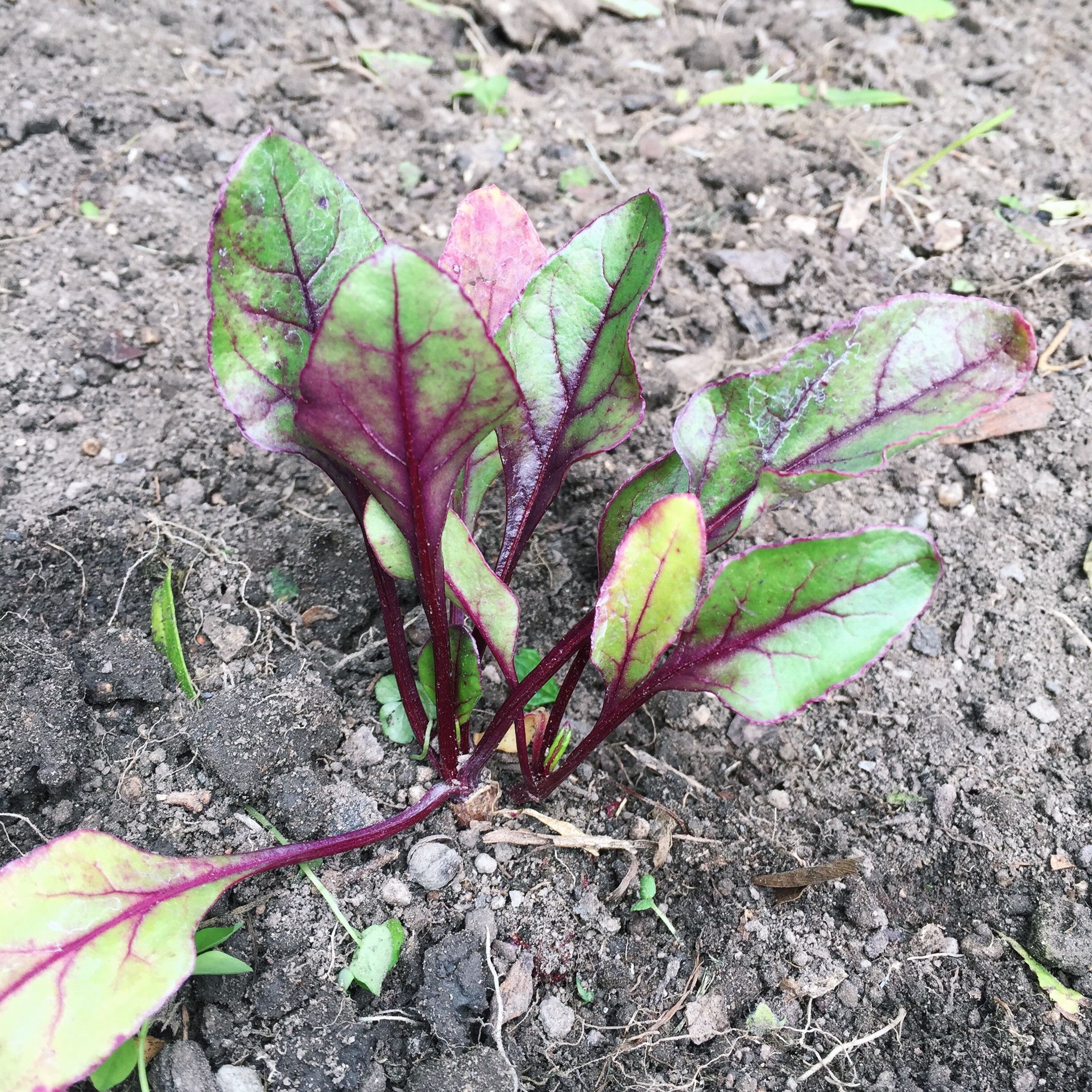
Algumas das minhas escolhas foram feitas em função dos meus rapazes: couve-flor (branca e roxa) e brócolos (romanescos e normais) para o Rodrigo, que diz que são os vegetais preferidos dele mas na verdade, quando os vê no prato, não demonstra o mesmo entusiasmo. Beterrabas para o Tiago, que fez as pazes com elas quando comeu uma de cultivo doméstico (muito mais saborosa do que as de supermercado). Os restantes — alhos franceses, alfaces e coentros — são para o benefício de todos cá em casa.

***

With the arrival of autumn we’re getting the garden ready for the new season. In spring I usually sow the plants I want to grow but in autumn everything feels more urgent, which means that I always end up buying seedlings instead of seed packets.

Some of my plant choices have been influenced by my boys’ tastes: cauliflower (white and purple) and broccoli (romanesco and the unfancy variety) for Rodrigo, who says they’re his favourites but never shows the same level of enthusiasm when he’s confronted with them on his own plate. Beetroot for Tiago, who has grown to love them ever since he tasted a homegrown one. The rest — leek, lettuce and coriander — were chosen for the enjoyment of us all. 

The Apple Tree

Rodrigo and the apple tree in 2013

Rodrigo and the apple tree in 2017

Processed with VSCO with c1 preset

OLYMPUS DIGITAL CAMERA

11/100

[scroll down for English]

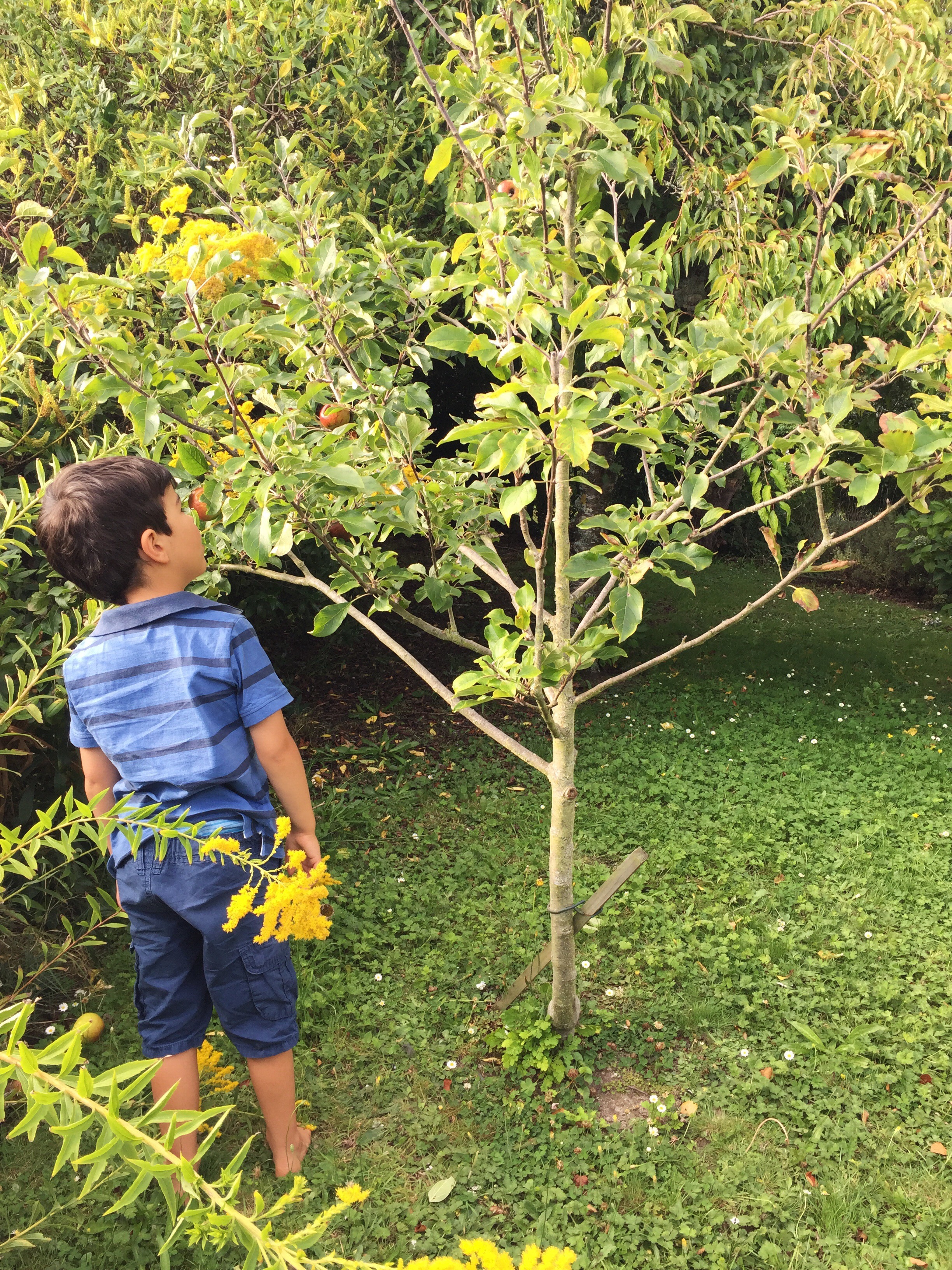
Ontem quando o Rodrigo e o Pedro entraram em casa a comer maçãs da nossa macieira, lembrei-me imediatamente das fotografias que tirámos ao Rodrigo quando plantámos a árvore há quase quatro anos (aqui). Plantar árvores, sobretudo árvores de fruto, é um acto espantoso que nunca deixará de me fascinar. Vê-las crescer em sintonia com os meus filhos… bem, nem tenho palavras para descrever os meus sentimentos em relação a isso.

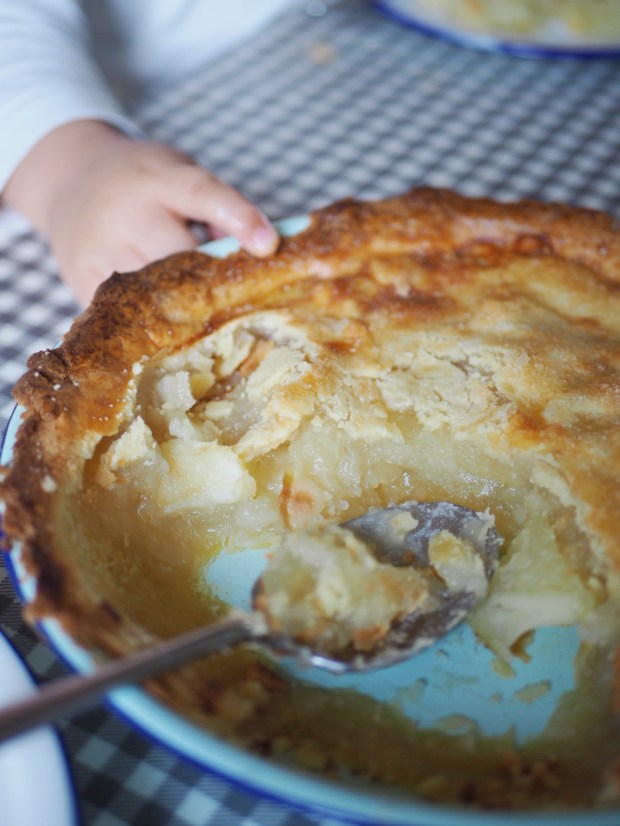
A colheita não foi propriamente digna de nota: a macieira ainda é jovem e as maçãs, apesar de saborosas (escolhemos as Cox Orange Pippin), tinham quase todas bicho. Os rapazes roeram umas quantas e as restantes acabaram em recheio de tarte!

***

Yesterday when I saw Rodrigo and Pedro enter the house whilst munching on our apples, I immediately recalled the photos we took with little  Rodrigo when we planted the apple tree nearly four years ago (here). Planting trees, especially fruit trees, is an amazing act which will never cease to fascinate me. Watching them grow in tandem with my children… well, I can’t quite put my feelings into words.

The crop wasn’t really substantial: the tree is still young and the apples, albeit really tasty (we chose Cox Orange Pippin), were almost all spoilt (mainly birds and worms). The boys ate a few and the remaining ones ended up in a pie!


Por Aqui :: Around Here

spring-flowers

vintage doll cot by Constanca Cabral

selling vintage doll cots and eco dolls by Constanca Cabral

duck eggs and vintage book about keeping poultry

bolo de natas by Constanca Cabral

buying strawberry plants

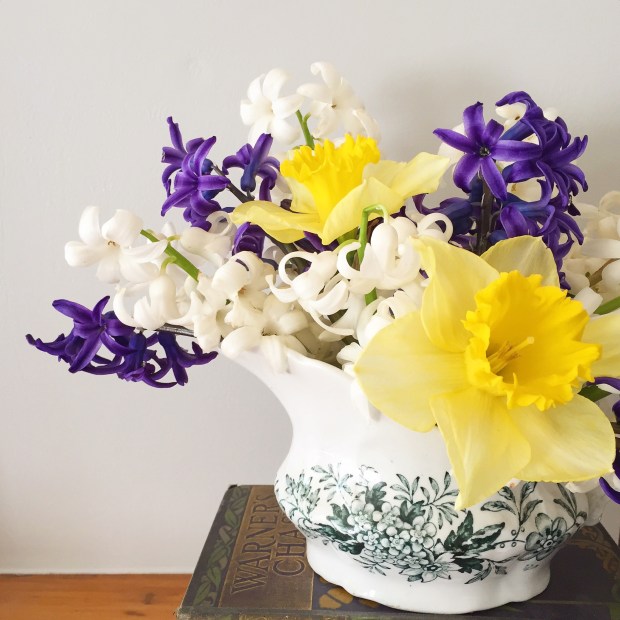
spring flower arrangement: homegrown daffodils and hyacinths in vintage gravy boat

backyard chicken

vintage sewing patterns and fabrics

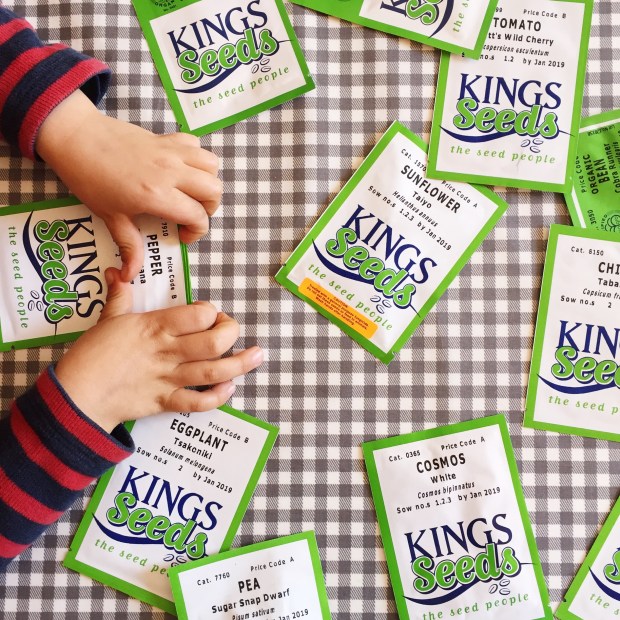
seed packets

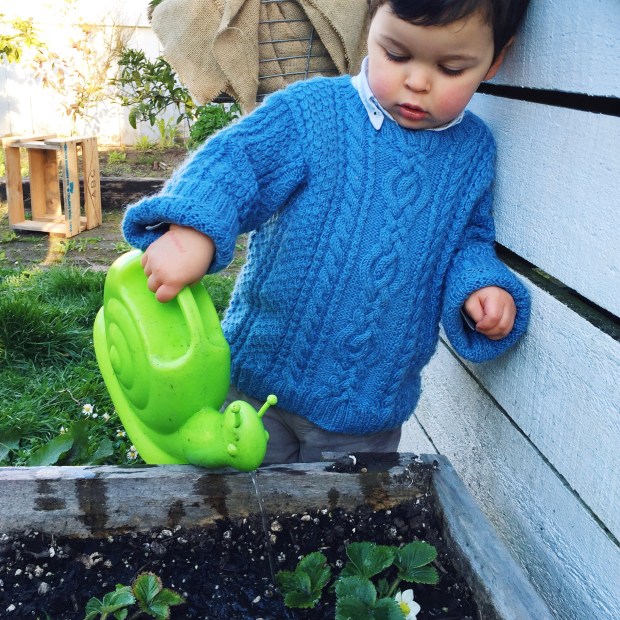
watering a box of strawberry plants

vintage-nz-stamps

new zealand sheep

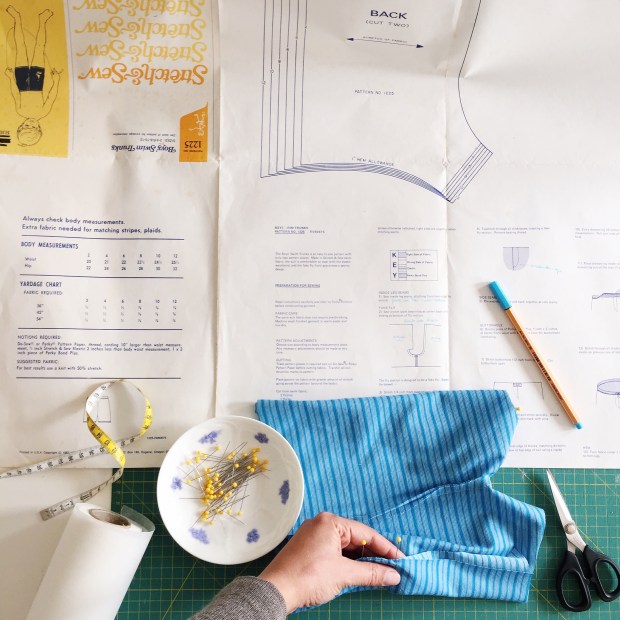
sewing in progress

backyard chicken

Por aqui a Primavera chegou. Os campos estão cheios de carneiros e vitelos, os jardins encheram-se de flores. O tempo anda muito instável, claro, mas os gorros foram arrumados nas gavetas e os casacos às vezes ficam pendurados à porta de casa. Tenho cosido bastante: roupa para os rapazes, que crescem sem parar, e almofadas para a nossa sala. Fiz uma série de bonecas e restaurei antigos berços de bonecas, e fui vendê-los a duas feiras (tenho de escrever um post sobre isto, e é urgente organizar-me para pô-los à venda online). Fizemos bolos (aquele da fotografia é o eterno e incontornável bolo de natas) e escrevemos postais aos avós. A época de jardinagem recomeçou — tenho de fazer um post sobre o nosso morangal em objectos reciclados. E temos uma galinha (emprestada) a chocar três ovos de pata! Podem imaginar a excitação que se vive por aqui…!

Tenho lido bastante, visto algumas séries de televisão e ouvido muitos podcasts interessantes. Muitas vezes penso que gostaria de partilhar algumas das minhas minhas descobertas e reflexões numa newsletter (semanal ou quinzenal) — têm interesse nisso? Se sim, cliquem neste link e inscrevam-se. Por agora, aqui ficam algumas sugestões:

  • A nossa biblioteca tem muitos DVDs para alugar e tenho-me divertido imenso a ver a série australiana Miss Fisher’s Murder Mysteries. Não é tão robusta como o Poirot ou a Miss Marple, mas o guarda-roupa é excelente, as personagens são interessantes e tem um forte teor feminista. E também tem graça ver um retrato (mesmo que idealizado) da sociedade de Melbourne nos anos 20.
  • Em contraste absoluto com a Miss Fisher, a série francesa Un Village Français tem-me causado muita ansiedade e alguns pesadelos, mas não posso deixar de reconhecer o seu mérito. É um relato ultra sóbrio de uma vila francesa durante a ocupação nazi e explora as relações humanas e os conflitos da época de uma forma incrivelmente realista e humanista.
  • Tenho andado a descobrir o trabalho da Gretchen Rubin. Estou a ler os seus livros sobre felicidade e hábitos (The Happiness Project, Happier at Home e Better than Before) e ouvi todos os episódios do podcast Happier. Tenho tendência a resistir (às vezes durante anos) a bestsellers e, até agora, estupidamente nunca tinha dado uma oportunidade a esta autora. A verdade é que o trabalho dela é muito mais do que auto-ajuda: faz-me reflectir sobre a minha personalidade, a maneira como vivo a minha vida, o meu estado de espírito e claro, a minha busca pela alegria e felicidade no dia-a-dia. Ao responder ao quiz sobre as quatro tendências de personalidade, verifiquei — sem grande surpresa — que sou uma “Rebel” (já responderam a este questionário? qual é a vossa tendência?). Requisitei os livros dela na biblioteca mas acho que vou acabar por comprá-los.
  • Gostei especialmente dos dois últimos episódios do podcast The Crafty Planner: um com a Liesl Gibson (dos moldes Oliver + S) e o outro com a Diane Gilleland (a autora do Craftypod, um dos primeiros podcasts que ouvi). São entrevistas muito diferentes, mas ambas fizeram-me reflectir sobre a indústria dos crafts e a forma como todos nós (consumidores e autores) desempenhamos um papel fundamental à sua sobrevivência e (boa) saúde.
  • Comecei a fazer vestidos para contribuir para a inciativa Dress a Girl Around the World. Quem viver na zona de Lisboa pode participar nos encontros mensais na loja The Craft Company, em Cascais (uma loja linda, por sinal); quem estiver longe pode fazer os vestidos em casa e enviá-los pelo correio para a loja. Para mais informações (e instruções detalhadas sobre como fazer um vestido muito rápido e simples), espreitem este post no Cose +.

Bem, o post já vai longo por isso hoje vou ficar por aqui. Se quiserem receber a minha newsletter, inscrevam-se clicando neste link. Obrigada e até breve!


Around here Spring has arrived. The fields are full of lambs and calves and the gardens are bursting with flowers. The weather is still quite unstable, which is to be expected, but the wool beanies have been put away and the jackets stay at home more often than not. I’ve been sewing quite a lot: clothes for the boys and cushions for our sitting room. I’ve made some dolls and refurbished several vintage doll cots and took part in a couple of markets (I want to write a post about it and I really must put them up for sale online). We baked a few cakes (the one in the photo is the timeless “bolo de natas”, my grandmother’s sponge cream cake) and we sent postcards to the grandparents. Gardening season has started — I’ll write a post about our upcycled strawberry garden soon. And we have a (borrowed) broody chicken in our garden — she’s sitting on three duck eggs! You can imagine all the excitement that’s going on around here…!

I’ve been reading quite a few books, watching a fair amount of TV series and listening to lots of interesting podcasts. I often think that I’d love to share with you my findings and thoughts in a (weekly? biweekly?) newsletter — would you be interested in subscg? If you are, just follow this link to sign up. Here are a few suggestions:

  • Our local library has a small collection of DVDs for rent and I’ve been enjoying watching the Australian TV series Miss Fisher’s Murder Mysteries. It’s not as robust as Poirot or Miss Marple but the wardrobe is amazing, the characters are interesting and there’s a strong feminist flavour to it. And it’s fun to see a portrait of 1920s Melbourne society (even if it’s a bit idealised).
  • In absolute contrast to Miss Fisher, the French TV series Un Village Français has caused me a lot of anxiety and a few nightmares, but I can nevertheless recognise its merits.  It’s a very sober account of a French village under Nazi occupation and it expertly explores human relationships, as well as the inherent conflicts of that particular time in an incredibly realist and humanist way. 
  • I’ve been familiarising myself with the work of Gretchen Rubin. I’m reading her books about happines and habits (The Happiness Project, Happier at Home e Better than Before) and I’ve listened to every episode of the Happier podcast. I tend to resist bestsellers (sometimes for years) and, up until now, I stupidly had not given her books a chance.  The fact of the matter is that her work goes way beyond self-help: it’s made me reflect upon my personality, the way I live my life, my moods and, of course, my everyday quest for joy and happiness. By taking her personality tendencies quiz, I realised — without much surprise — that I’m a “Rebel” (have you taken this quiz? what’s your tendency?). I’ve borrowed her books from the library but I’m considering buying my own copies.
  • I’ve especially enjoyed listening to the last two episodes of The Crafty Planner podcast: one with Liesl Gibson (of Oliver + S fame) and the other one with Diane Gilleland (the host of Craftypod, one of the first podcasts I ever listened to). They’re two very different interviews but they’ve both made me think about the craft industry and the role we play (both as consumers and authors) in regard to its survival and good health.

Well, this post is getting long so I’m going to wrap it up now. If you’d like to subscribe to my newsletter, just click on this link. Thank you!

Mãos à Obra!

“Este livro é sobre criatividade, gratificação e independência. 
Sobre saberes antigos adaptados à vida presente. 
Sobre descoberta e imaginação. 
Este livro é sobre coisas feitas à mão.”
É assim que começa “Mãos à Obra!”, o meu livro com a Marcador, que vai ser lançado amanhã em Portugal. Escrevo estas palavras com um aperto no estômago — sinto uma enorme alegria mas também uma boa dose de nervosismo. Um livro! Escrevi um livro!
Fui desafiada a escrevê-lo há dois anos e trabalhei nele com muito entusiasmo e afinco. Tentei ser criativa nos projectos, perfeita nos acabamentos e rigorosa nas explicações. A Marcador fez um excelente trabalho de design, paginação e revisão (escrevi o livro “à antiga” mas os textos foram todos revistos conforme o novo acordo ortográfico). As fotografias foram tiradas pelo Tiago e por mim em três países diferentes. Quando assinei o contrato, o Rodrigo era um bebé de colo e ei-lo agora, um rapazinho com quase 3 anos! Escrevi e fotografei parte do livro já com o Pedro na minha barriga, e revi provas nos intervalos das sestas. 
O blog foi o ponto de partida, mas o livro é muito mais do que o blog. Tem quase 50 projectos de costura, culinária, jardinagem e decoração e o tema subjacente é a casa. No capítulo introdutório fiz um apanhado das minhas opiniões e convicções a respeito deste estilo de vida que escolhi e estabeleci as bases para as diferentes matérias do livro. Há muito tempo que não escrevia tão intensamente — foi uma oportunidade óptima para repensar as minhas escolhas e tentar transmitir-vos aquilo em que acredito.
O livro está dividido em quatro partes: Primavera, Verão, Outono e Inverno. Já sabem que sou grande adepta de tirar o maior partido das estações do ano e fazer o possível por torná-las especiais. Ao tornar os nossos dias especiais, estamos a tornar a nossa vida especial. Não pretendo que nos tornemos todas meninas prendadas — longe disso! —; o meu objectivo é descomplicar estes assuntos e ajudar a desfazer o mito de que a criatividade é uma qualidade inata, que é concedida apenas a algumas pessoas.  
Quantas vezes ouvimos dizer “não tenho jeito de mãos” ou “não tenho imaginação”? Isso para mim não faz sentido. Nós somos capazes de tudo, desde que tenhamos muita curiosidade, bastante vontade, alguma paciência e um certo empenho. O importante é não ter medo de dar o primeiro passo.
Espero sinceramente que gostem do resultado. Ao longo deste processo tive sempre os leitores do blog muito presentes na minha cabeça. Se escrevi um livro, foi graças a vocês. E, por isso, o livro acaba assim:
“E a todos os leitores do meu blog, pelo interesse e entusiasmo com que têm vindo a acompanhar as minhas aventuras pelo mundo.”
Obrigada!
[o livro vai estar à venda em livrarias e hipermercados de Portugal, e online aqui]

//player.vimeo.com/video/109113108


“This is a book about creativity, gratification and independence.
About time honoured practices carried through to modern times.
About discovery and imagination.
This is a book about making things by hand.”

These are the first lines of “Mãos à Obra!” , my book with Marcador, which will be out tomorrow in Portugal. I’m writing these words with butterflies in my stomach — I feel tremendous joy but also a fair amount of nervousness. A book! I’ve written a book!

I was invited to write it two years ago and I worked on it long and hard, and with great enthusiasm. I  did my best to come up with creative projects, neat workmanship and clear instructions. The publisher did a great job in terms of design and edits. The photos were taken both by Tiago and myself, in three different countries. When I signed the contract Rodrigo was just a baby and look at him now, a little boy who’s almost 3! I wrote and photographed the final part of the book with Pedro already inside me and  proofread it in between nap times.

This blog was the starting point for the book but the book is so much more than just the blog. The almost 50 projects cover topics like sewing, baking, preserving, gardening, flower arranging and decorating and they all revolve around the idea of home life. The first chapter lays the foundation for the various themes and I delve deep into my choices and opinions on the subject of home living, appreciating the simple things in life and, of course, making things by hand. I had not written in such an intensive way in a long time and it was a great opportunity for me to rethink my beliefs and share my thoughts with you.

The book is laid out in four main sections: spring, summer, autumn and winter. You already now I am passionate about making the most of what’s in season and trying to make them feel special. By making our days special we are making our lives special. My aim isn’t to make women feel like they’ve got to become “accomplished ladies” — on the contrary, my goal with this book is to uncomplicate these subjects and to help dispel the myth that creativity is an innate skill that only graces certain people.

How many times have we heard things like “I’m not good with my hands” and “I have no imagination”? To me, that’s nonsense. We can make everything we set our hearts into as long as we have lots of curiosity, a strong will, a bit of patience and a fair amount of commitment. What’s important is to not being afraid of taking the first step.

I sincerely hope you’ll enjoy this book. Throughout this process I’ve always had my blog readers in mind. If I’ve written a book it’s because of you. And so the last sentence of the book is:

“To all my blog readers, for following my adventures around the world with so much interest and enthusiasm.”

Thank you!

[the book is written in Portuguese but if you’d like to buy it and have it shipped internationally, you can do so here]


Grow Your Own Herbs in Pots :: Book Review

Quando recebi o livro Grow Your Own Herbs in Pots: 35 Simple Projects for Creating Beautiful Container Herb Gardens,  escrito pela jardineira e artista Deborah Schneebeli-Morrell, achei logo que seria um óptimo livro para recomendar aqui no blog. Nem toda a gente tem a sorte de ter um jardim e nem todas as pessoas têm tempo e/ou interesse em cultivar flores e vegetais — no entanto, temos de concordar que não há plantas mais versáteis do que as ervas aromáticas. Compactas, decorativas, perfumadas, extremamente úteis na cozinha e com inegáveis propriedades medicinais, prestam-se bem ao cultivo em vasos. Qualquer pessoa pode cultivar as suas ervas aromáticas preferidas na varanda, jardim, pátio, terraço ou parapeito da janela da cozinha. E este livro pode ser um bom ponto de partida para a execução de um pequeno canteiro aromático.
Na minha opinião, Grow Your Own Herbs in Pots tem vários elementos que jogam a seu favor. Começa por ser extremamente apelativo: o papel é grosso e mate e as fotografias de boa qualidade e bastante detalhadas. Depois, a escolha de recipientes é realmente inspirada: a autora planta manjericão em latas de azeite, salsa em caixas de vinho, menta em bules de chá, coentros em tinas de zinco, funcho em caixas de peixe (sim, aquelas de esferovite!)… escolhas muito de acordo com as actuais tendências de reciclar e reutilizar (que eu subscrevo totalmente). Por outro o lado, o livro está bem organizado em secções: começa com informações gerais sobre cultivo biológico, substratos, sementeiras, propagação e por aí fora; seguem-se três partes intituladas ” ervas para a cozinha”, “ervas para a saúde” e “ervas perfumadas e decorativas”. As explicações são detalhadas, pequenos truques são mencionados ao longo das páginas em pequenas caixas verdes e o discurso é informal e cativante. O livro faz parte da colecção The Green Home da Cico Books.
As soon as I received the book Grow Your Own Herbs in Pots: 35 Simple Projects for Creating Beautiful Container Herb Gardens, written by gardener-artist Deborah Schneebeli-Morrell, I thought that it would be a great book to recommend here on my blog. Not everyone is lucky enough to have a garden and not every single person has the time and/or the inclination to grow flowers and vegetables — however, it’s common knowledge that herbs are the most versatile plants out there. Compact,  decorative, scented, extremely useful in the kitchen and with undeniable medicinal properties, they are very easy to grow in pots. Everyone can cultivate their favourite herbs in their balcony, terrace, garden, patio or even on the kitchen windowsill. And this book can be a good starting point in getting your very own herb border going.

In my opinion, Grow Your Own Herbs in Pots scores highly on several aspects. For starters, the book is extremely appealing: the paper is thick and matte and it has detailed, good-quality pictures. The choice of containers is very inspiring: the author plants basil in olive oil cans, parsley in a wine box, coriander in a galvanized bath, mint in a tea pot and fennel in fish boxes (yes, those polystyrene ones!)… choices that are much in tune with contemporary tends of re-using and recycling (with which I wholeheartedly agree). On the other hand, is well-organised into sections: it starts with general information about choosing herbs, growing organically, which compost to use, how to sow seeds and take cuttings, and so on; followed by three main chapters on “cook’s herbs”, “herbs for health” and “decorative and scented herbs”. All explanations are quite detailed, small tricks are displayed in little green boxes dotted around the pages and the discourse is informal and engaging. The book is part of The Green Home collection of Cico Books.

(photos: Constança Cabral)

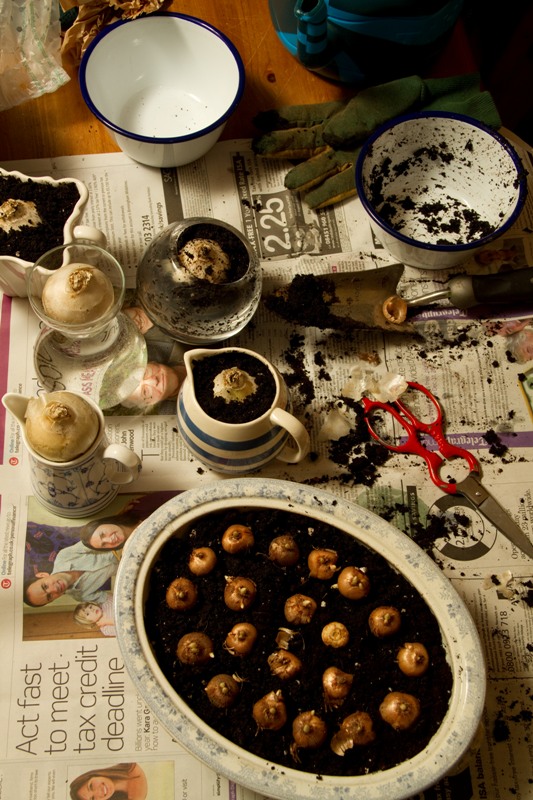
Crónica dos Bolbos :: The Bulb Chronicle

29/09/2010
22/10/2010
10/11/2010
30/12/2010
30/12/2010
28/01/2011
5/02/2011
26/02/2011
7/03/2011
27/03/2011
27/03/2011


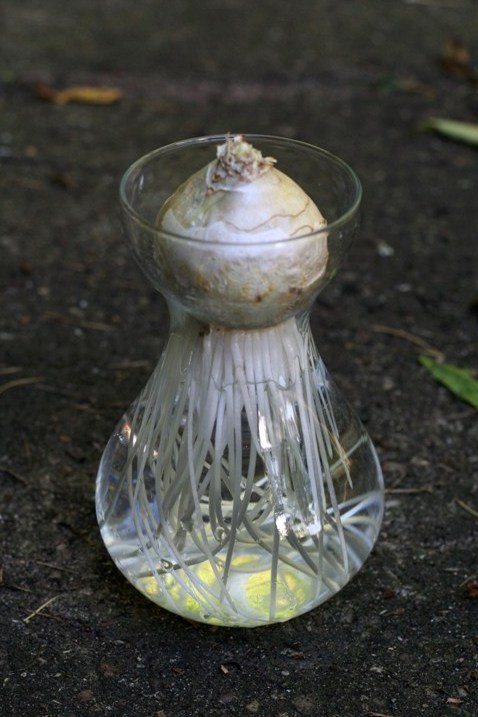
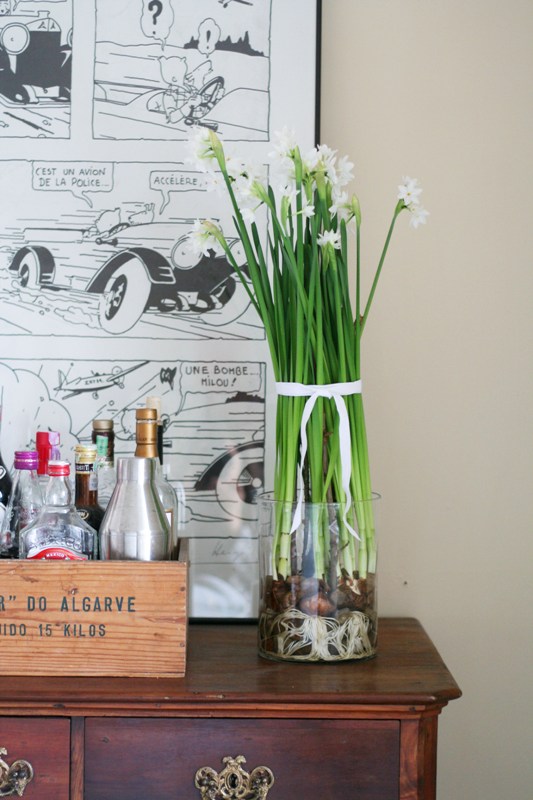
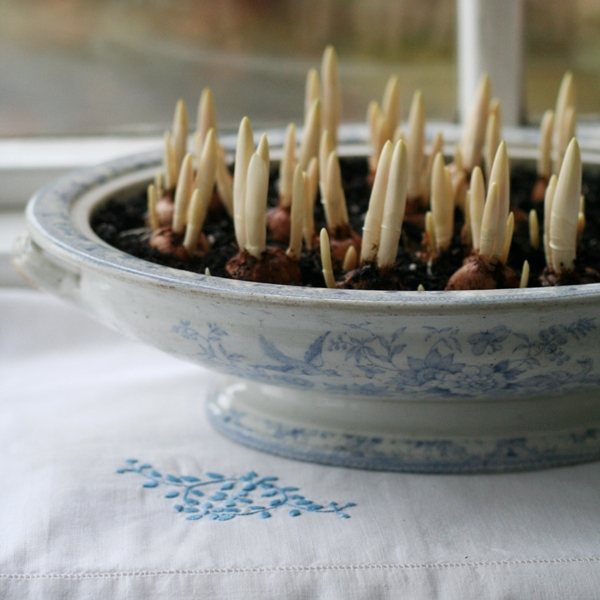
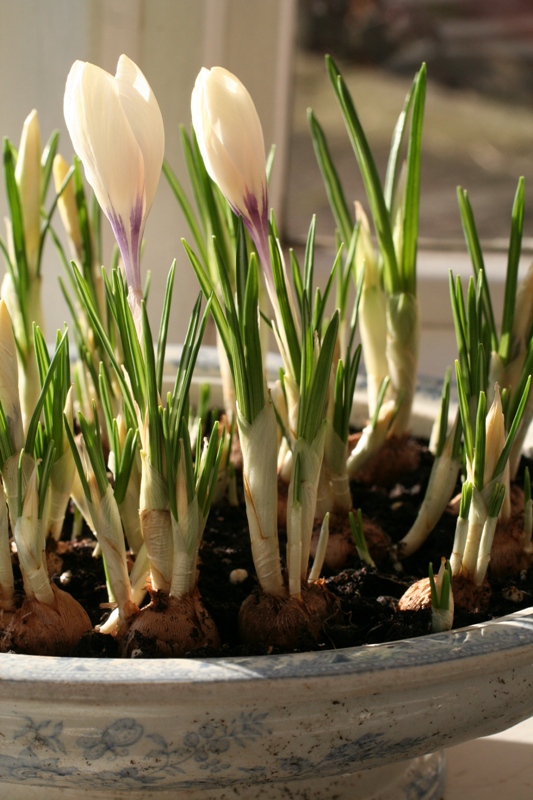
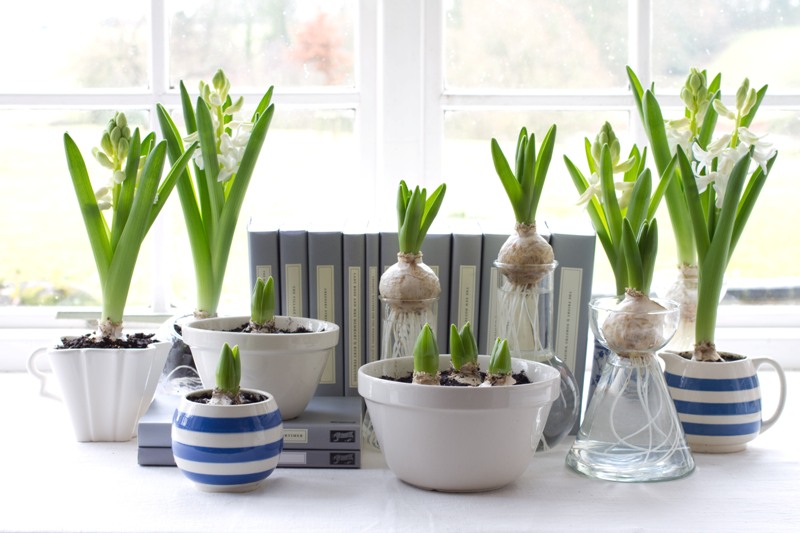
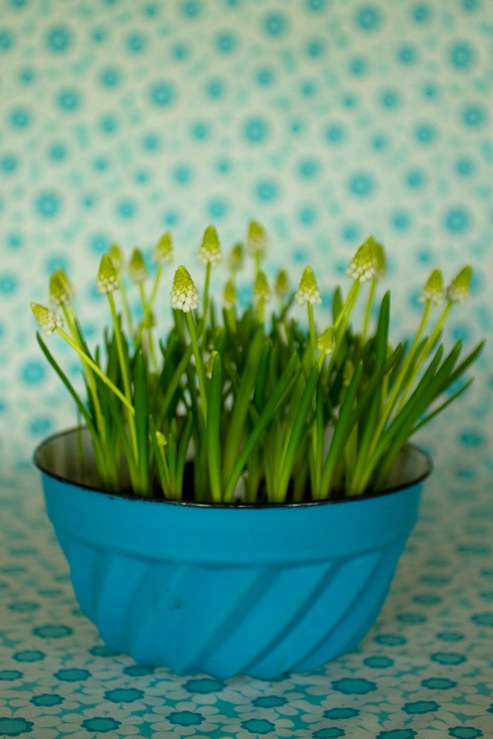
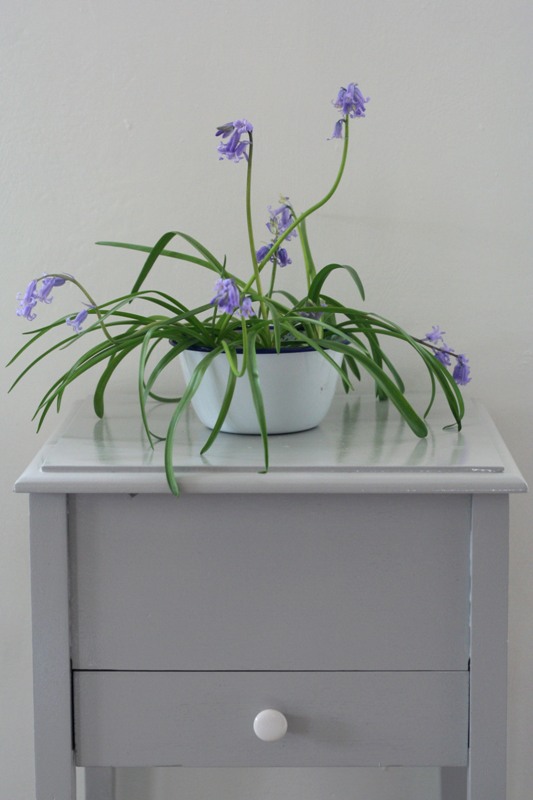
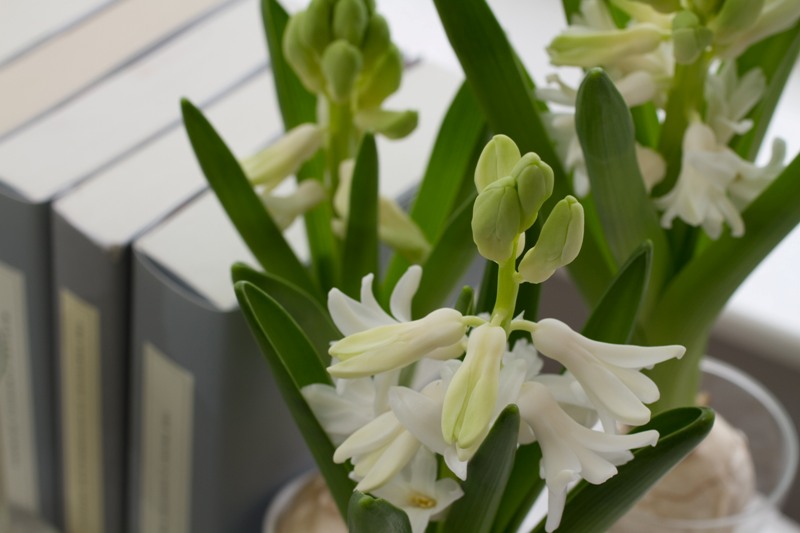
Agora que estamos em plena Primavera, chegou a altura de fazer o balanço das minhas tentativas de forçar bolbos em 2010-2011. Neste post expliquei como tudo começou e que conselhos segui e hoje, olhando para esta sucessão de fotografias, parece-me que o saldo é bastante positivo. À excepção dos narcisos da última imagem, tudo floresceu. Mas, mais importante do que isso, aprendi imenso, treinei a minha paciência, jardinei durante o Inverno e tive uma óptima desculpa para vasculhar lojas de caridade e feiras de antiguidades em busca de recipientes. Em Setembro tenciono começar tudo outra vez.

Now that Spring has truly sprung it’s time to assess my bulb forcing attemps in 2010-2011. In this post I wrote about how it all began and which advice I decided to follow and today, looking at all these pictures, I think the balance is quite positive. With the exception of the narcissi in the last photo, everything bloomed. But more importantly than that, I’ve learnt a lot, exercised my patience skills, managed to garden during Winter and had a great excuse to browse charity shops and antique fairs in search of containers. In September I plan to start all over again.

(photos: Constança Cabral; Tiago Cabral)