Flora Domestica

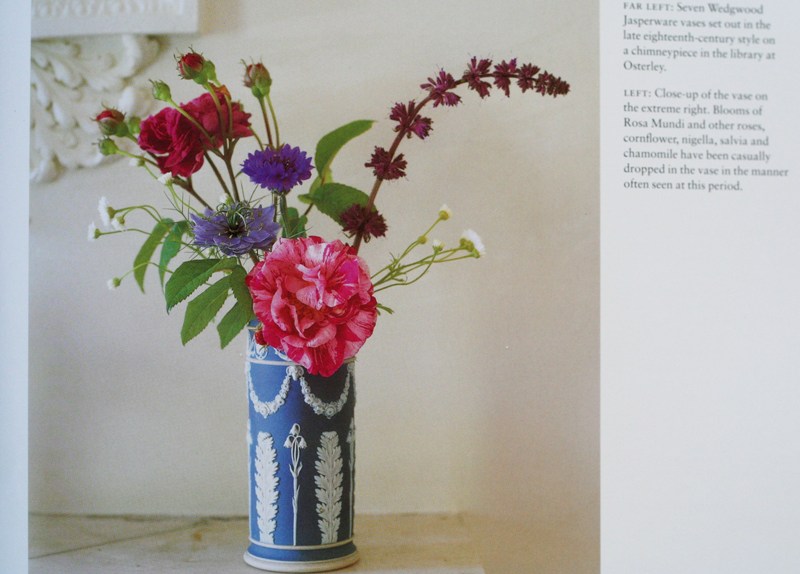
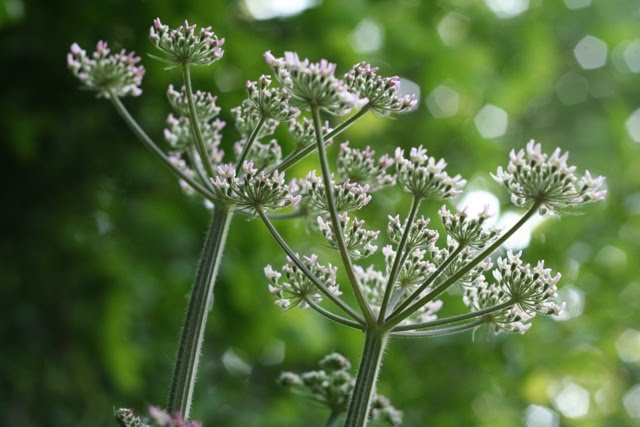
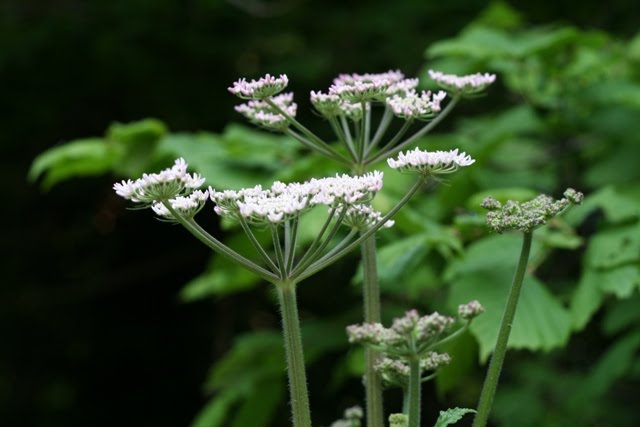
Estou a ler o excelente Flora Domestica: A History of Flower Arranging, 1500-1930 (podem ouvir aqui um segmento do Woman’s Hour sobre o assunto) e fiquei surpreendida por verificar que o meu género preferido de arranjos é característico do século XVIII! 
I’m reading the excellent Flora Domestica: A History of Flower Arranging, 1500-1930 (you can listen to a Woman’s Hour excerpt on the subject here) and I was surprised to find out that my favourite type of arrangements was very fashionable in the 18th century!

(images: Andreas von Einsiedel)

Scarf Week :: Street Style

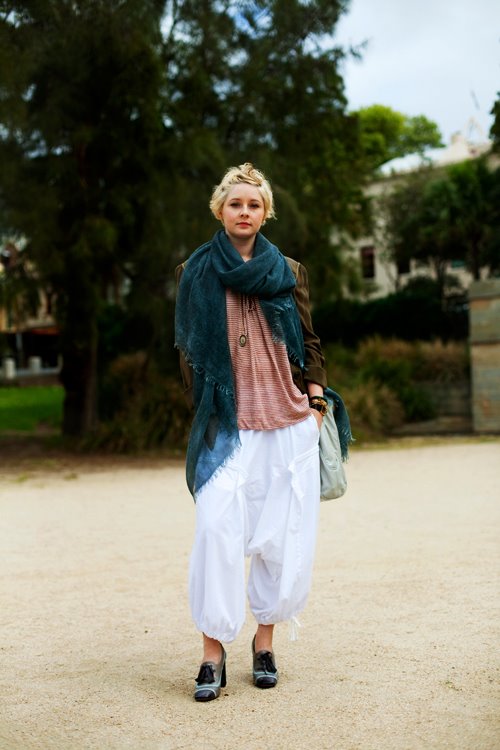
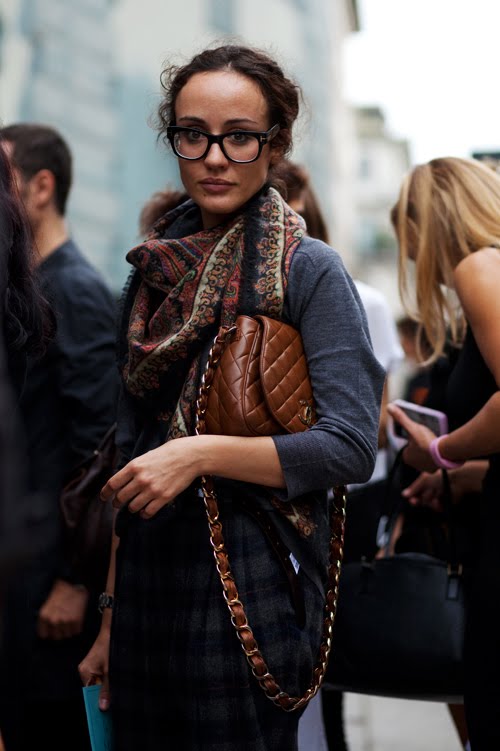
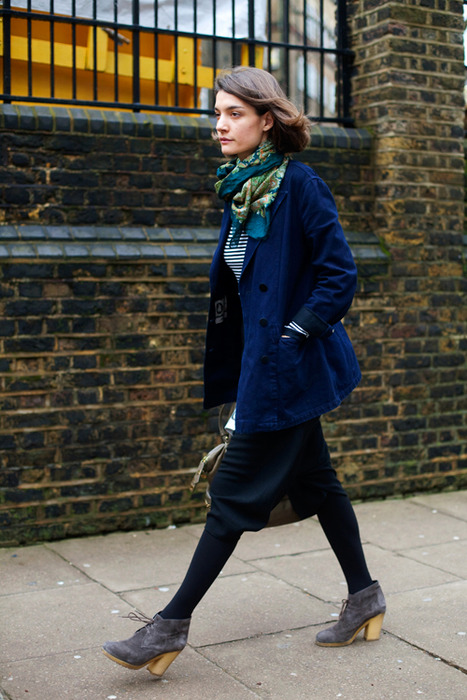
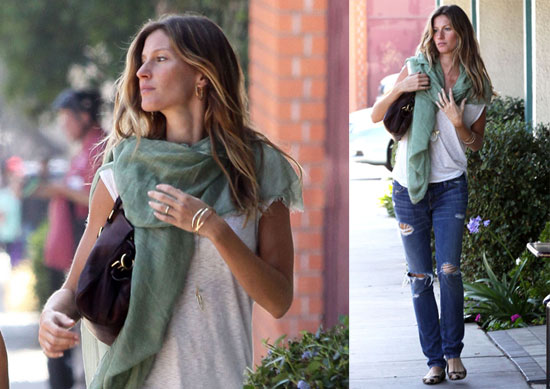
É claro que os lenços não são nem um acessório do passado, nem o exclusivo dos filmes e das celebridades – estas fotografias do blog The Sartorialist ilustram bem a maneira como as écharpes são usadas hoje em dia. Estas écharpes modernas tendem a ser de algodão muito fino e semi-transparente e o tamanho quer-se bastante generoso. Quanto à maneira de as usar… desde que transmita dinamismo e movimento, vale tudo.
It’s clear that scarves aren’t just an accessory from the past or an exclusive of films and celebrities – these pictures from The Sartorialist show us how they’re being worn nowadays. These modern scarves  tend to be made in sheer, lightweight cotton voiles and they’re usually quite large in size. As to how they’re worn, well, as long as it’s dynamic and playful, anything goes.

Scarf Week :: Vintage Fashion

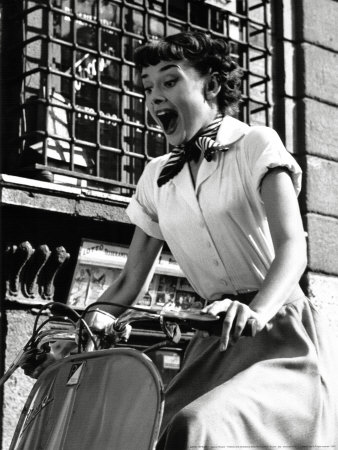
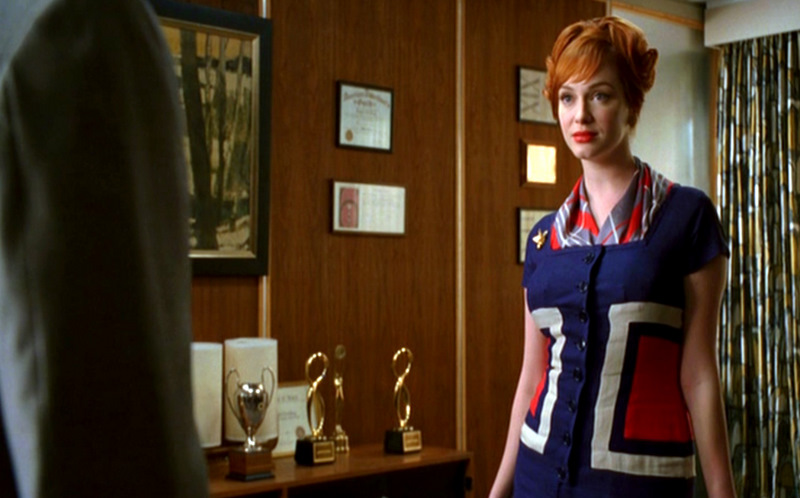
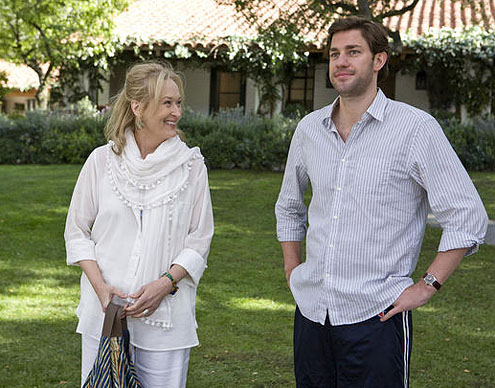
Há algo de intemporal e incrivelmente versátil numa écharpe – pode ser usada de inúmeras maneiras, dos 10 aos 100 anos, e o resultado é sempre original e cheio de personalidade. Esta semana vai ser dedicada aos lenços e hoje começamos pelo passado…
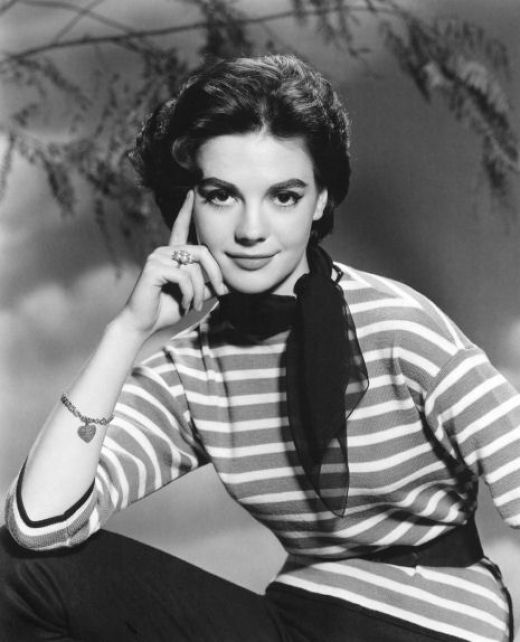
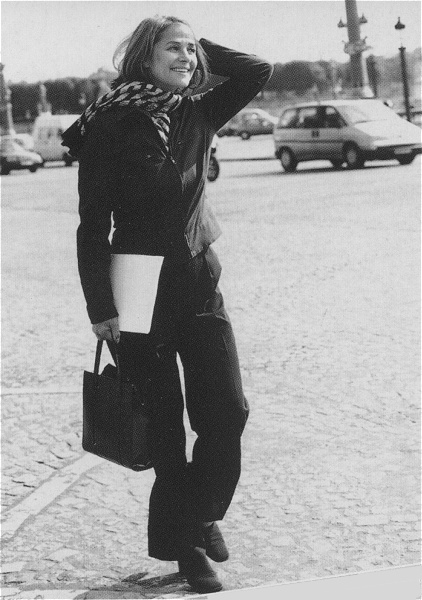
There something timeless and tremendously versatile about a scarf – it can be worn in many different ways regardless if you’re 10 or 100 years old and the result is always stylish and unique. This week will be dedicated to scarves and today we take a look at the past…
Jacqueline Kennedy
Claudia Cardinale
Grace Kelly
Sophia Loren
Natalie Wood
Charlotte Rampling

Outono :: Autumn

Nunca me canso do ritmo das estações do ano – antes pelo contrário, sinto-me revitalizada e entusiasmada pelo que aí vem. Com a chegada do Outono deixo para trás os padrões frescos e floridos do Verão e inclino-me para os amarelos, laranjas e encarnados. Planos para as próximas semanas: experimentar fazer doce de amora (as silvas estão carregadas), apanhar as últimas flores do ano (especialmente as dálias que plantei em Abril), comer as nossas courgettes e abóboras e, para me preparar para uma feira em Novembro, coser como se não houvesse amanhã.
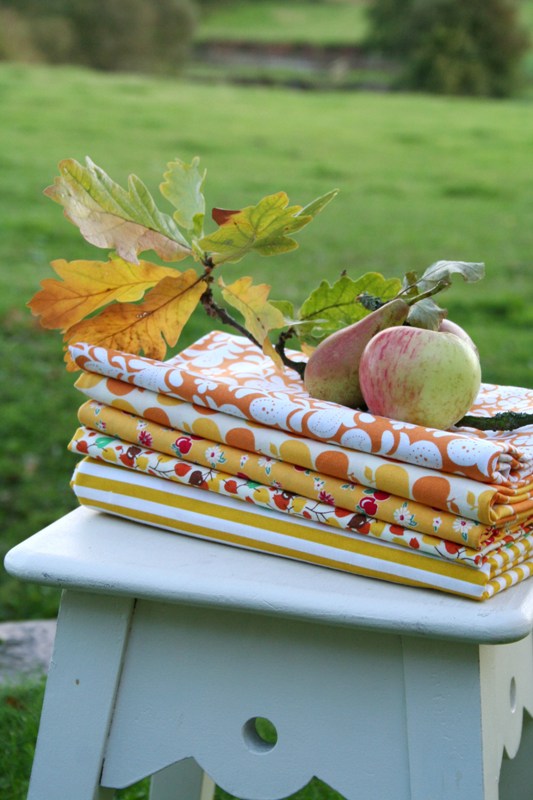
I never get tired of the rhythm of the seasons – on the contrary, I feel quite energised and excited about what’s to come. The arrival of Autumn makes me leave behind those fresh, floral patterns that are so characteristic of Summer and concentrate instead on yellows, oranges and reds. Plans for the next few weeks: trying my hand at making blackberry jam (the hedgerows are loaded with them), picking the last flowers of the year (especially the dahlias I planted in April), eating our very own courgettes and pumpkins and, in preparation for a fair in November, sewing like there’s no tomorrow.


(image: Constança Cabral)

Citronille

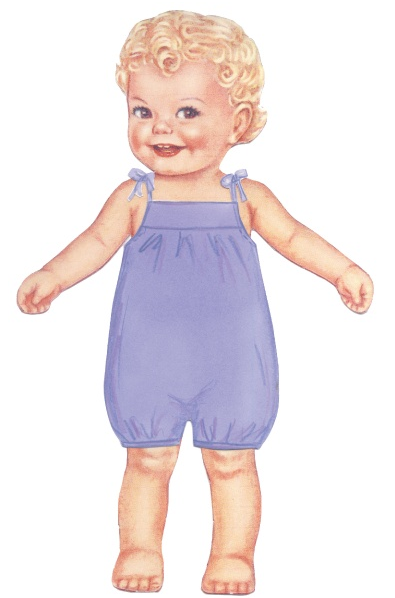
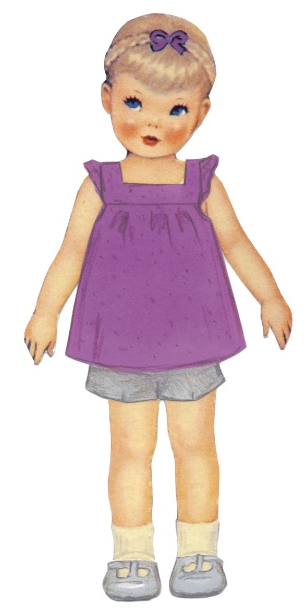
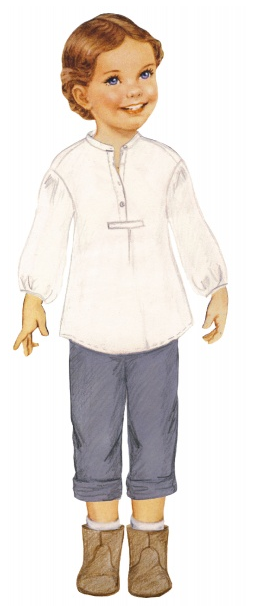
Estou doida com os moldes da Citronille. Já conhecia os livros Intemporels mas cheguei aos moldes através do blog da Alicia. Quando estivemos em França, em Maio passado, fartei-me de comentar com o Tiago como gosto da maneira como as crianças francesas estão vestidas. Ao invés do que se vê no Reino Unido – muitos brilhos e lantejoulas, sapatos de salto alto para 4 anos e vestidos de fadas e de princesas -, em França o lema é ‘less is more’: tecidos lisos ou padrões discretos (deve ser o país que mais consome tecidos Liberty), linhas direitas, modelos clássicos. Gosto muito!
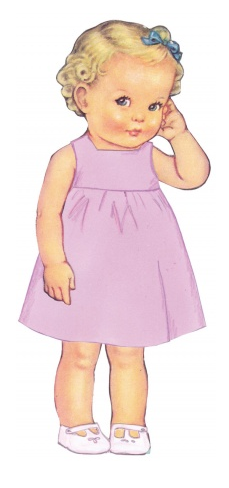
I can’t get enough of Citronille patterns. I was already familiar with the Intemporels books but it was Alicia‘s blog who made me discover the patters. When we were in France last May I kept telling Tiago how I love the way French children are dressed. Unlike what one sees in the UK – a profusion of glitter and sequins, high-heeled shoes for 4-year-olds and fairies and princess dresses -, in France the motto is ‘less is more’: plain fabrics or subtle patterns (I bet they’re the greatest consumers of Liberty fabrics in the world), straight lines, classic shapes. I love it!

(images: Citronille)
Mid-Century Textiles


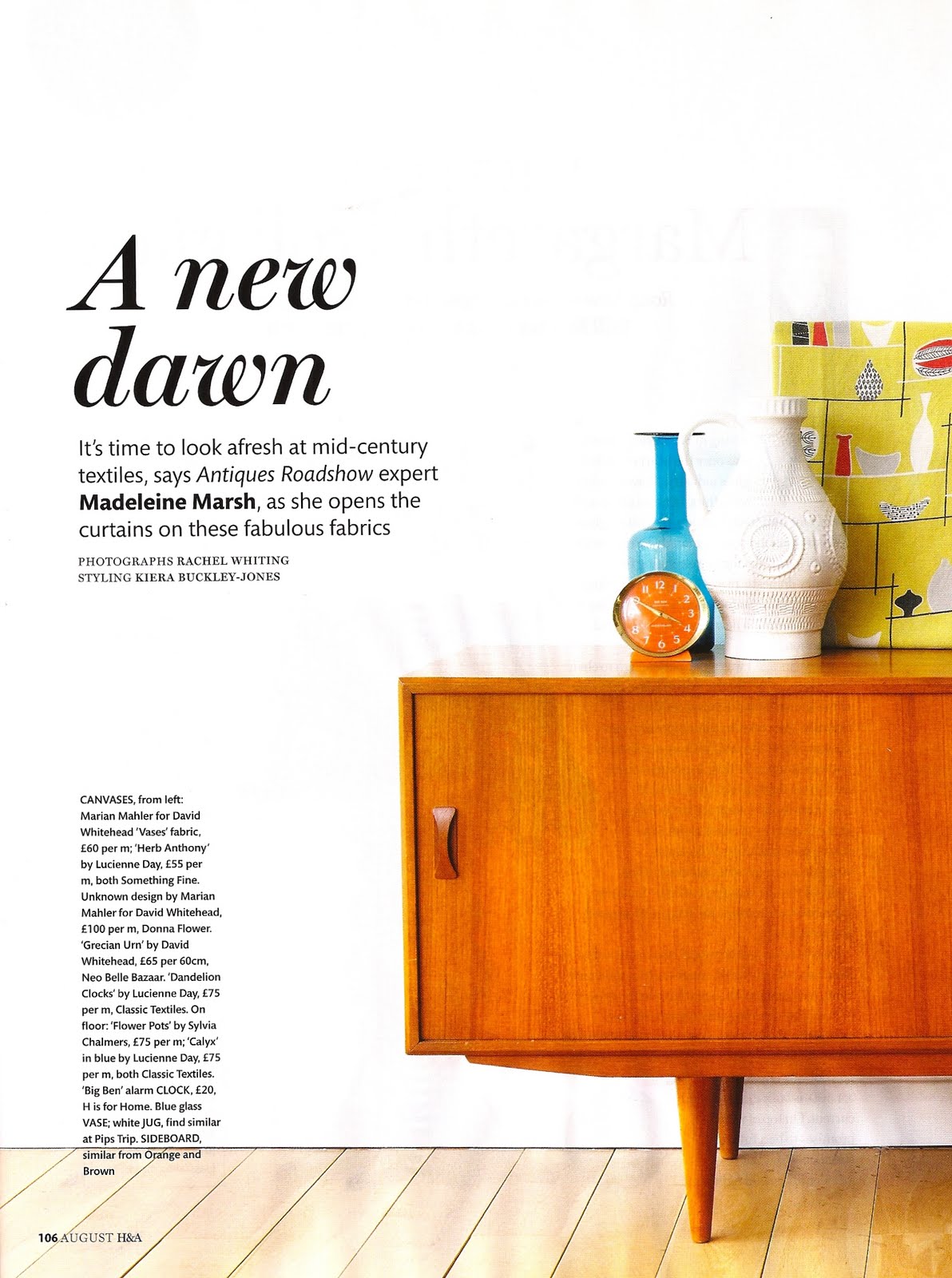
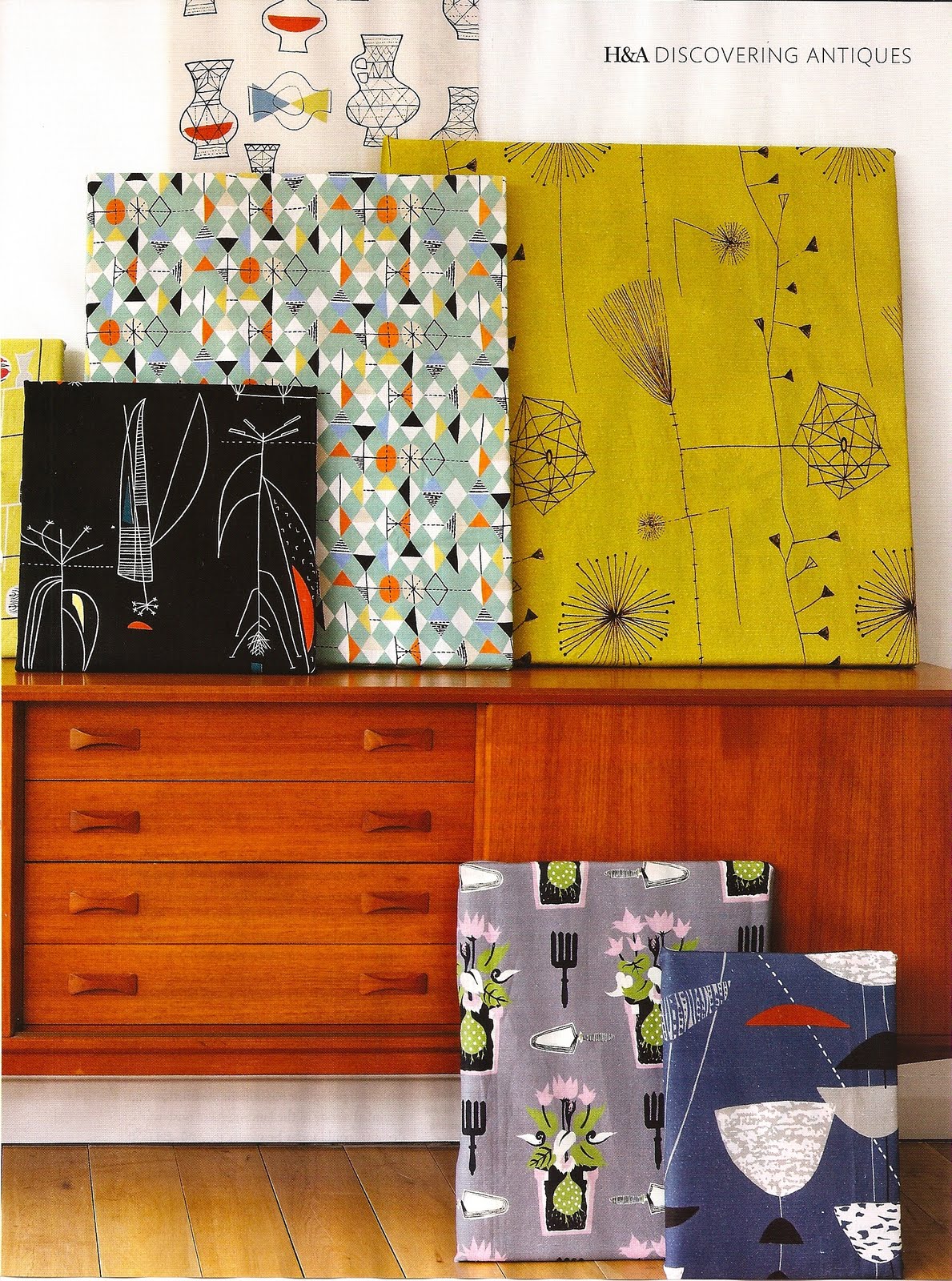
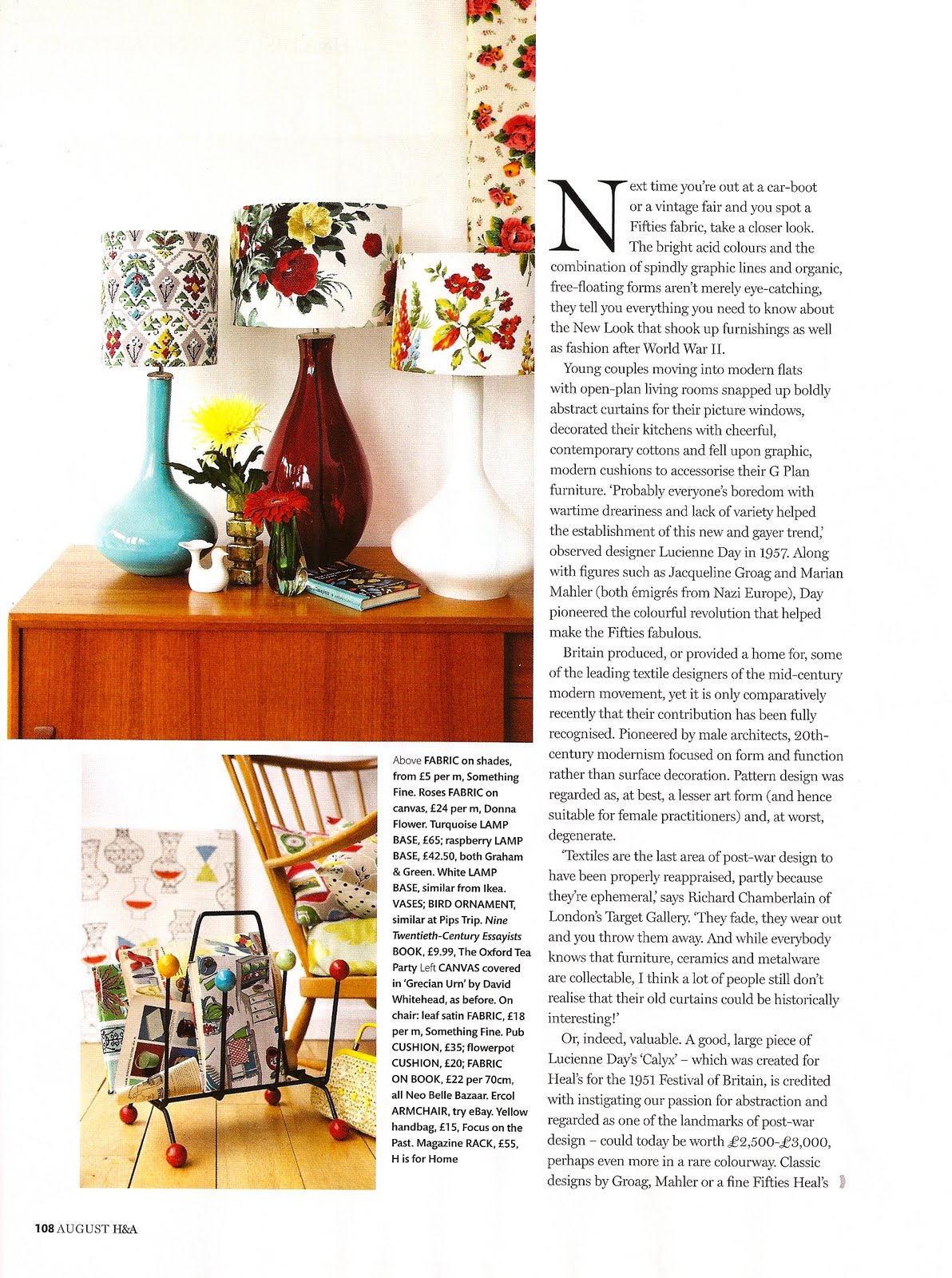
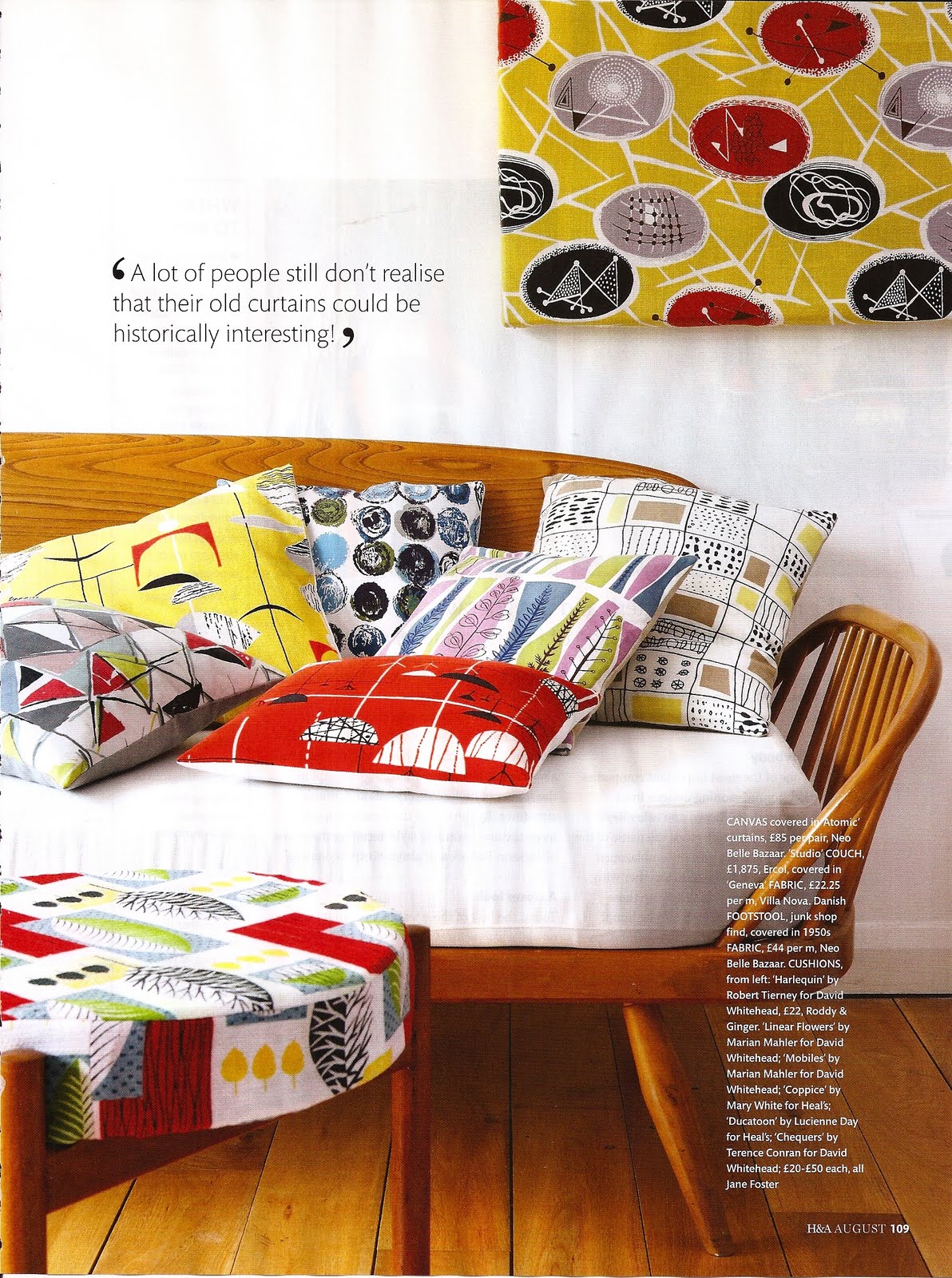
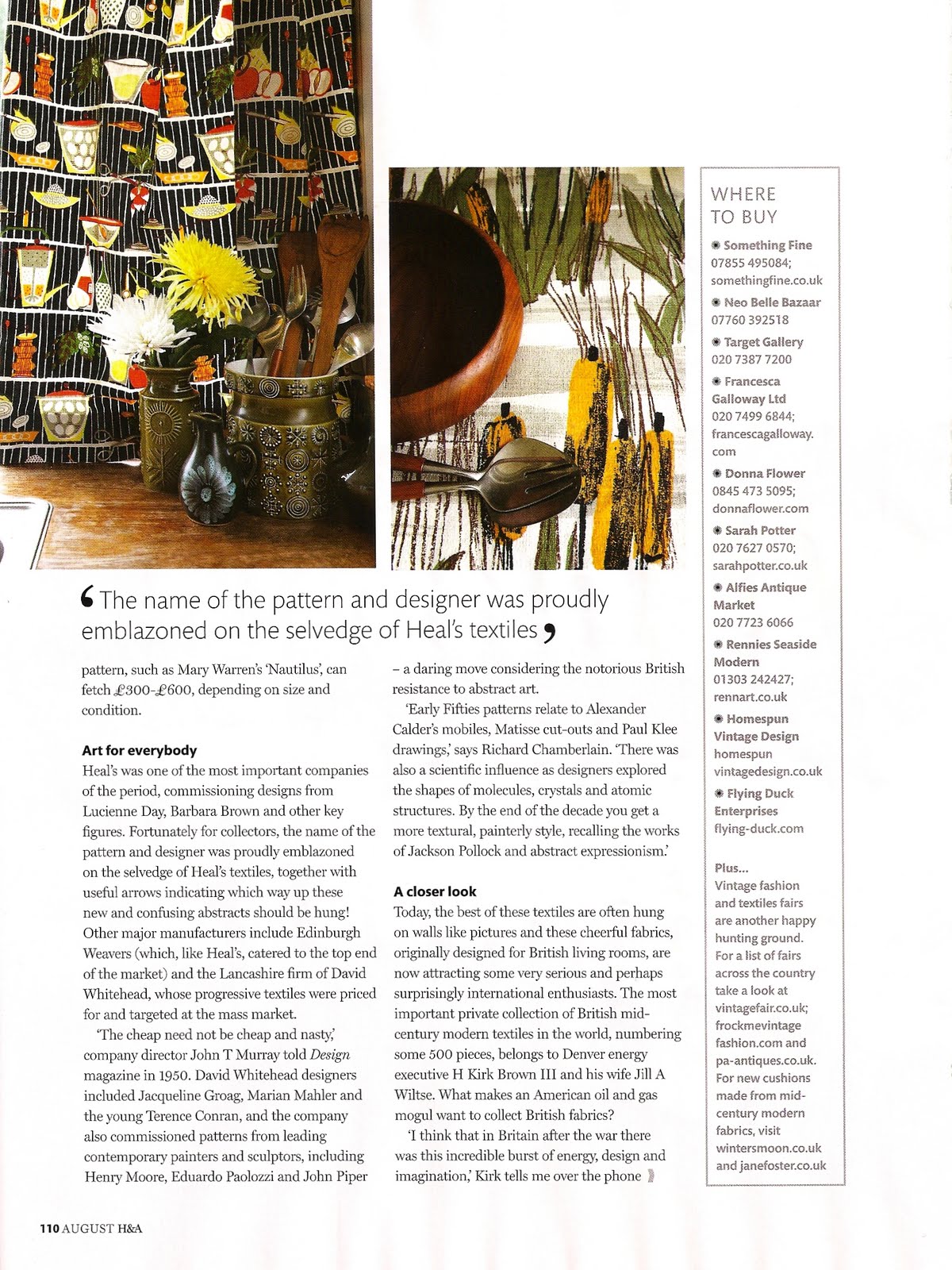
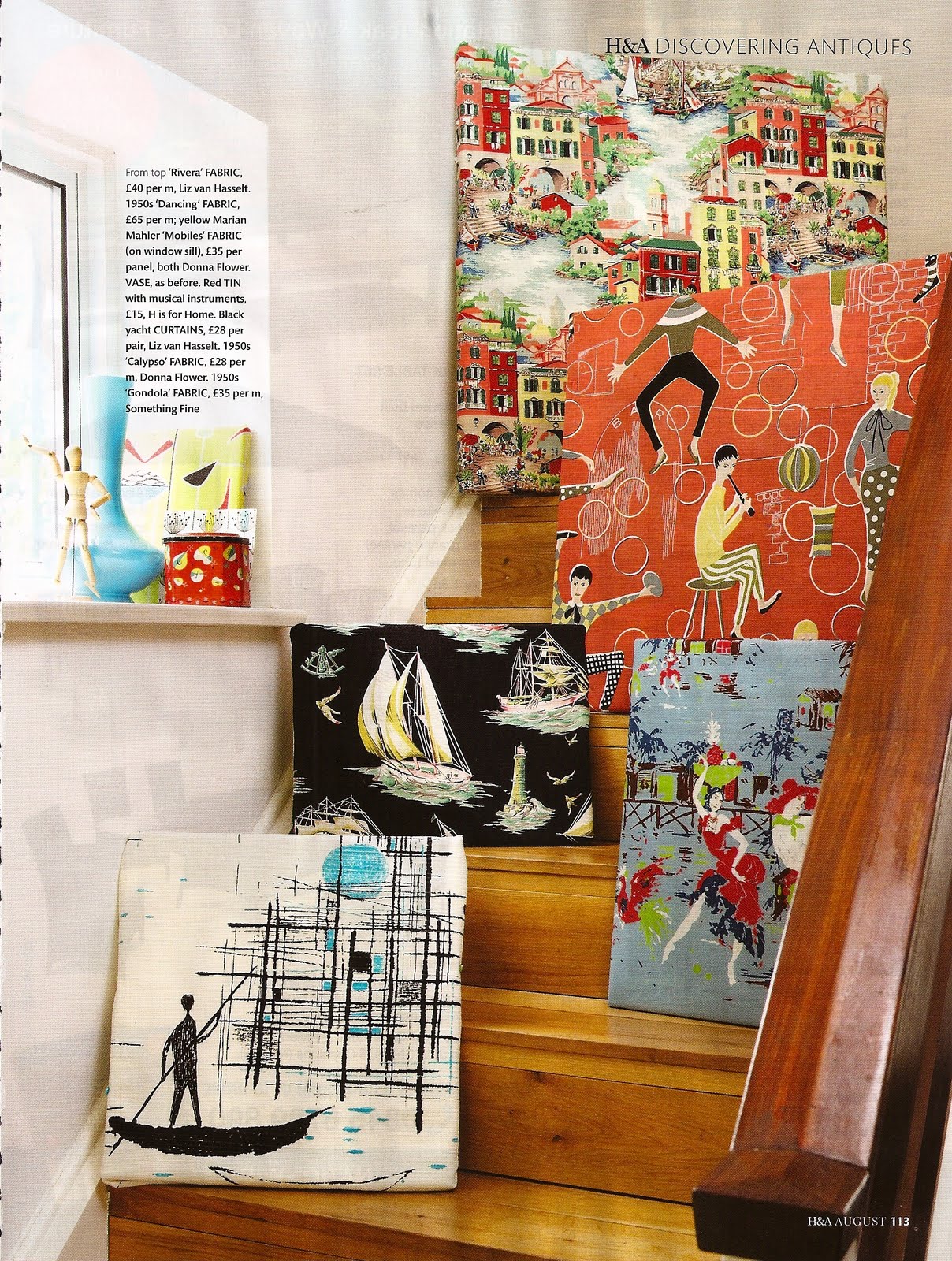
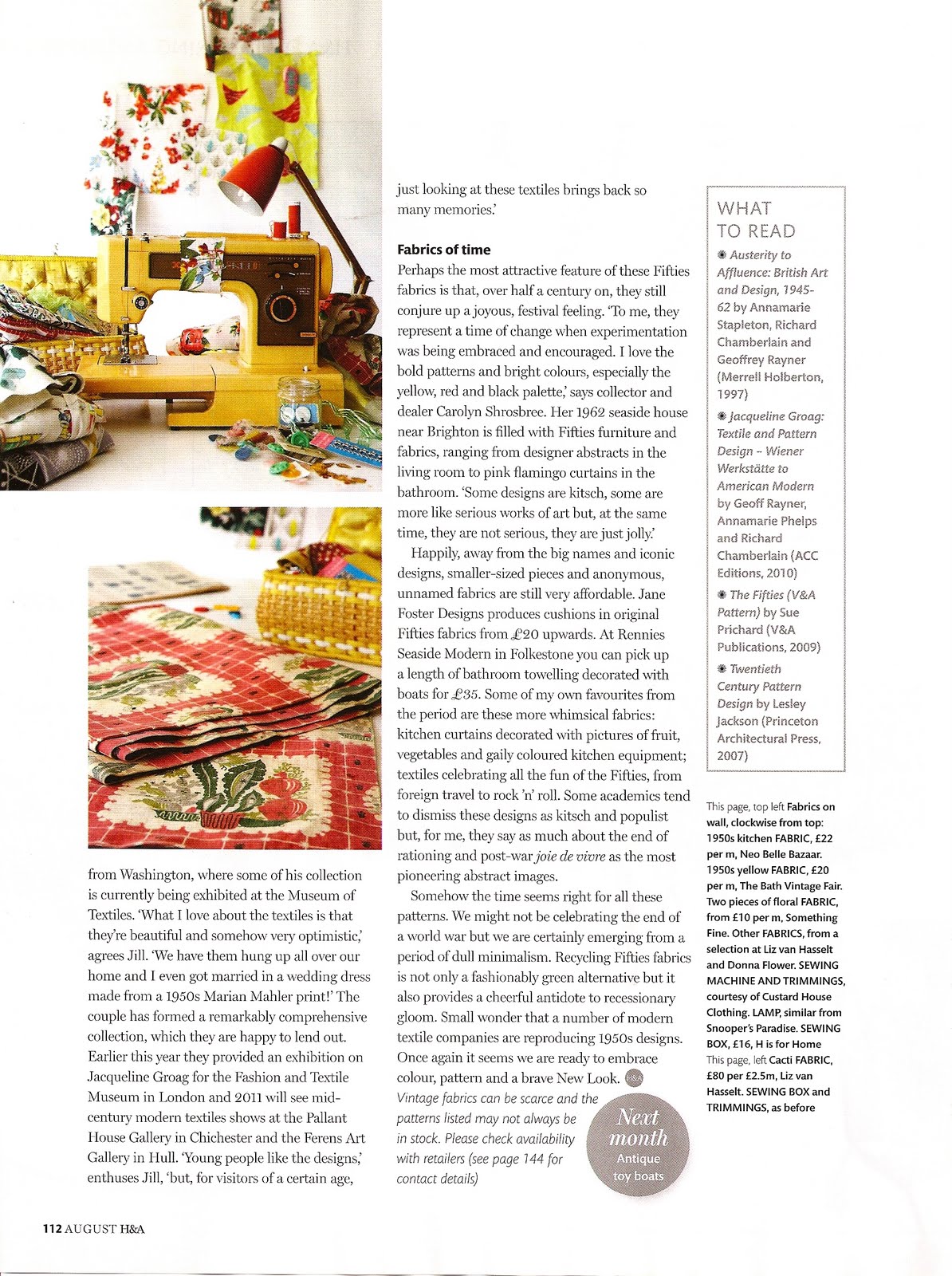
A mais recente edição da revista Homes & Antiques (na qual já falei aqui) tem um artigo sobre tecidos britânicos do pós-guerra. O texto é bastante informativo e, sobretudo, as fotografias são fabulosas. Há mais de 50 anos, estes padrões complementavam uma decoração bastante carregada e escura – paredes bordeaux ou verde-seco, muitos materiais e texturas misturados (madeira + tijolo + alcatifa) – mas o styling do artigo é fresco e bastante contemporâneo. Os móveis e acessórios são da mesma época, é certo, mas o branco das paredes, o chão de tábua corrida e a opção por pequenos apontamentos de tecido – almofadas, painéis e  abat-jours em vez de cortinados pesados e franzidos – tornam estes tecidos muito apropriados à decoração de uma casa em 2010. Conseguiriam usá-los em vossas casas?
The latest issue of Homes & Antiques (I’ve already blogged about the magazine here) has an article on mid-century British textiles. The text is quite good and the photographs are extraordinary. More than 50 years ago, these prints would be part of an overall heavy, dark decorating style – aubergine or green walls, a mixture of materials and textures (wood + brick + carpets) – but this article’s styling is fresh and very up-to-date. The furniture and accessories are from the same era, true, but the white walls, the wooden floors and the way of presenting the fabrics – small details like cushions, wall hangings and lampshades instead of heavy curtains – make these textiles very easy to use in 2010 interior decoration. Now tell me, would you use them in your home?
(images: Homes & Antiques, 08/2010)