Anglophilia

Aviso: estou longe de me considerar uma profunda conhecedora da cultura inglesa. A minha anglofilia é puramente impressionista, mas isso não a torna menos pujante. Penso que a primeira responsável terá sido a Enid Blyton… sim, a minha infância foi rica em livros dos Cinco, dos Sete, do Colégio da Quatro Torres, das Gémeas, da colecção Mistério e de alguns avulsos que encontrei nas estantes de casa da minha avó. (Começo a reparar que falo muito na minha avó).
~
Disclaimer: I cannot say that I have an insightful knowledge of the English culture. My anglophilia is purely an impressionist one. Impressionist, yet thriving. I think the first responsible for this has been Enid Blyton… yes, my childhood was rich in books as the Favous Five, the Secret Seven, the Mystery Series (aka Five Find-Outers and Dog), Malory Towers, St. Clare’s and some others I found at my grandmother’s. (I’m starting to realise that I talk about my grandmother a lot).
Depois li muitos livros da Daphne du Maurier, passei por uma fase Jane Austen, o ano passado fiquei rendida à Nancy Mitford e agora estou maluca com os livros da Persephone Books.
~
Then I read many books by Daphne du Maurier, went through a Jane Austen phase, last year was Nancy Mitford‘s turn and right now I’m absolutely crazy about Persephone Books.

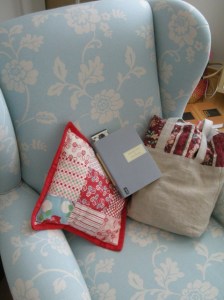
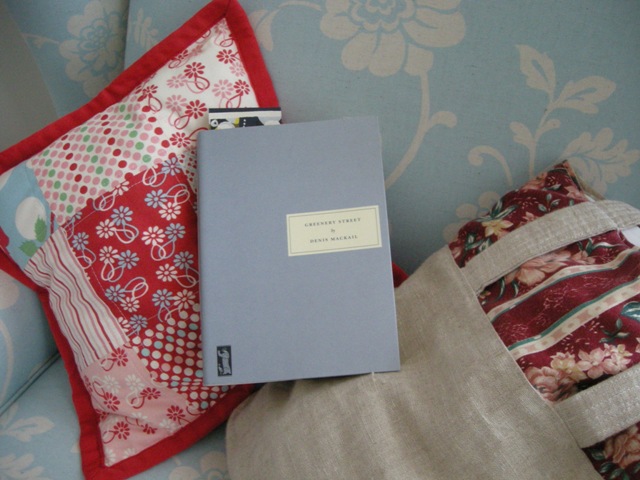
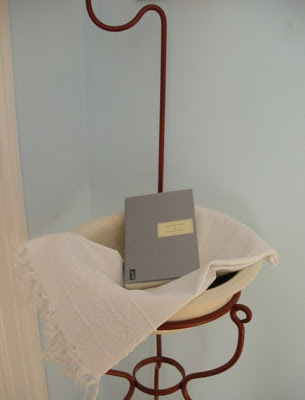
O livro que aparece em todas estas fotografias chama-se Greenery Street e foi escrito por Denis Mackail. É absolutamente delicioso, daqueles livros em que se saboreia a prosa e o espírito britânico. Mafalda, se passares em Walpole Street em Chelsea já sabes: estás em Greenery Street!

~

The book shown in every picture here is Greenery Street by Denis Mackail. It’s an absolutely delicious novel where you can actually taste both the writing style and the British spirit. Greenery Street is really Walpole Street in Chelsea, London.
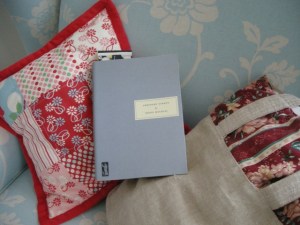

Esta editora produz livros verdadeiramente requintados, com capas sóbrias, papel de qualidade e com a cor perfeita, tipo de letra agradável e guardas muito bonitas e sempre diferentes (neste caso, as guardas são um cretone que a protagonista poderia ter escolhido para forrar o sofá da sala). Fazem lembrar-me as edições exemplares da Cotovia!

~

This publishing house prints truly exquisite books with sober covers, good and perfect-coloured paper, a pleasant font and lovely and distinctive endpapers (“There was no question about the endpaper fabric for Greenery Street – it had to be something that the Fosters would have had in their house. This 1925 cretonne is, we believe, exactly what Felicity might have bought at ‘Andrew Brown’s’ (Peter Jones) and used to cover the sofa.”). They remind me of Cotovia‘s unique books!
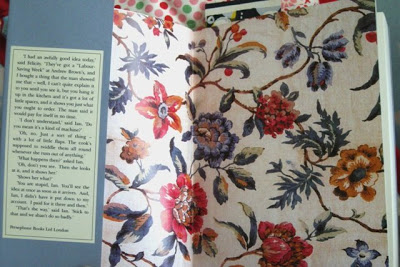

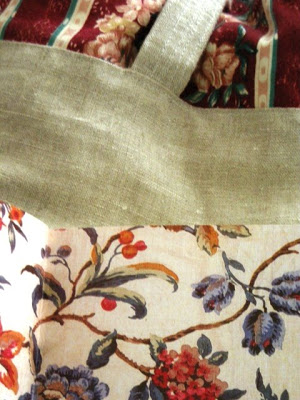
Aqui está a tal guarda. Fica mesmo bem com esta chita-cretone do meu saco!

~

Here’s the endpaper. It really matches my bag’s cretonne (a traditional Portuguese cretonne called “chita”).
Aqui está um excelente post sobre estes livros, escrito pela pessoa através da qual fiz esta fantástica descoberta.

~

Here is an excellent post on the subject, written by the person through whom I came across this wonderful discovery.

the Seventies

Sempre gostei de escrever cartas. O papel em si, o envelope, o selo (detesto aquelas vinhetas autocolantes), a caneta, o estado de espírito, tudo isso sempre me encantou. Uma carta não se escreve à pressa e continuo a escrever aos amigos que estão no estrangeiro ou mesmo àqueles que vivem na mesma cidade que eu. Não há nada como abrir a caixa do correio e, entre tantas contas, encontrar uma carta amiga.


I’ve always loved writing letters. The paper,the envelope, the stamp (I hate those electronic self-adhesive stamps), the pen, the state of mind, all of that has always charmed me. One does not write a letter in a rush and I keep writting to friends that live abroad and to those who live in my hometown. Nothing compares to opening the mail box and, amongst bills, finding a friendly letter.

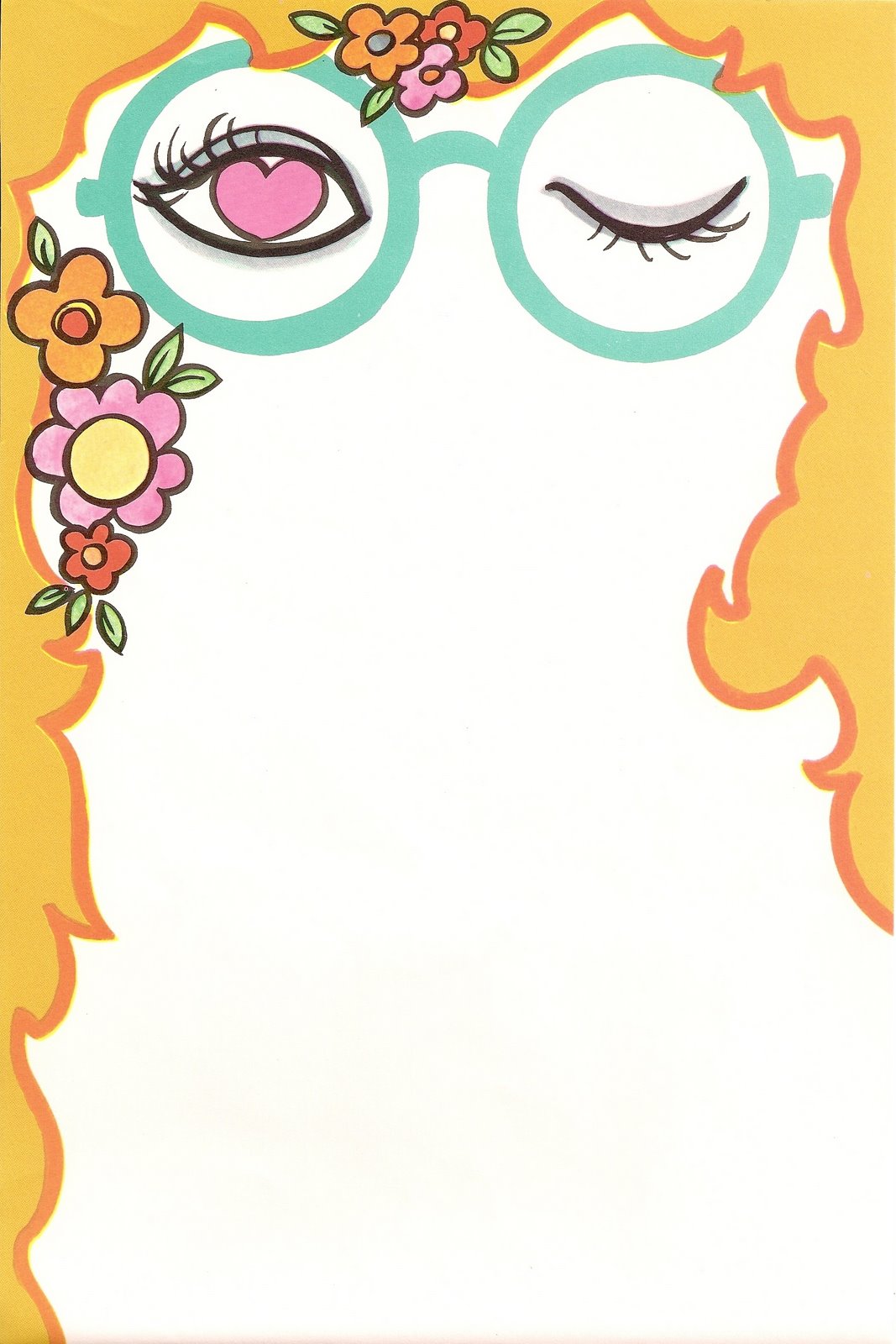
Este post é uma ode ao papel de carta. Estes exemplares que mostro aqui são dos anos 70 e pertenceram à minha mãe. São completamente datados, kitch qb, e acho-lhes muita graça. Guardo-os para ocasiões especiais!

This post is an ode to stationery. These ones I show here are from the 70’s and used to belong to my mother. They are totally dated and somewhat kitch and I’m fond of them. I save them for special occasions!

À la mode

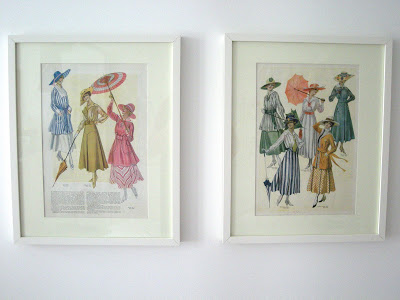
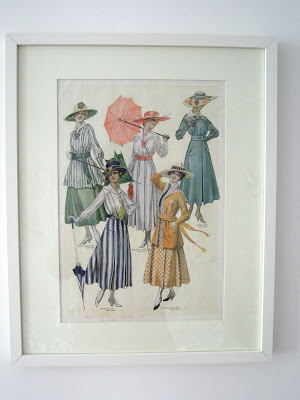
Estes quadros já me acompanham há muito tempo. São páginas de uma revista inglesa de moda das primeiras décadas do séc. XX e estiveram pendurados no meu quarto de jovencita. Depois de uma temporada esquecidos em cima do piano de casa da minha avó, resolvi recuperá-los cá para casa. Novas molduras e passepartouts, e ei-los com esplendor renovado! Os textos (também os há no verso) são muito engraçados e há uma das imagens que tem um comentário escrito em baixo, em caligrafia de avó: “como esta branca de fita amarella”. Alguem que se estava a inspirar nos modelos, certamente!
~
These pictures have been in my life for many years. They are pages from an English fashion magazine from the early 20th century and used to hang on one of the walls in my teenager room. After some time forgotten above my grandmother’s piano, I decided to give them a new life here at our home. New frames and they’re ready to go! The text (there’s text in the back too) is very funny and one of the pictures even has a hand-written note (in granny’s calligraphy). Surely someone was getting inspiration from the models!

A home

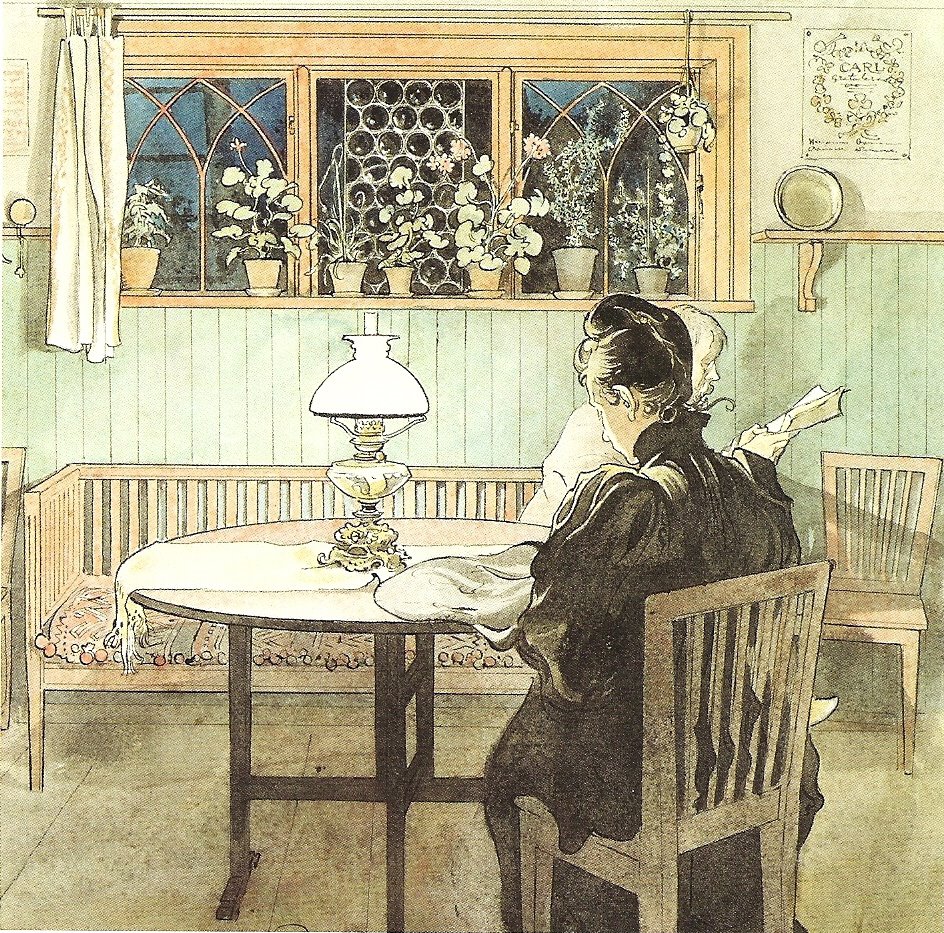
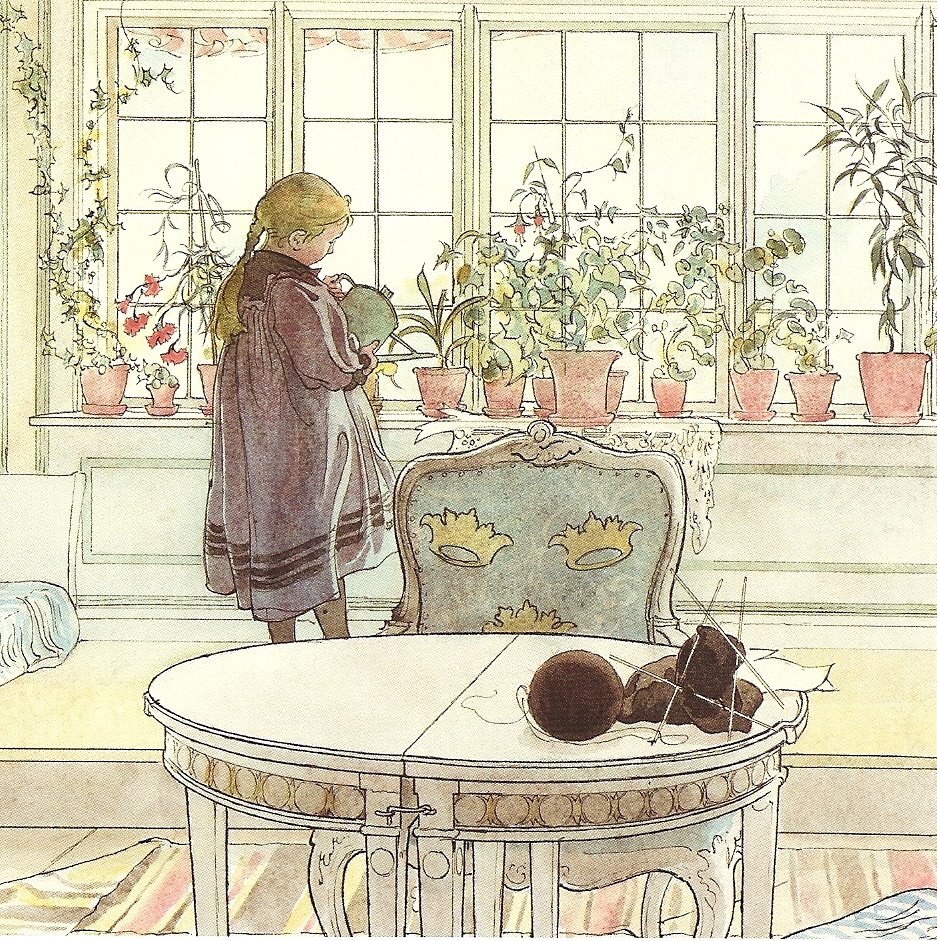
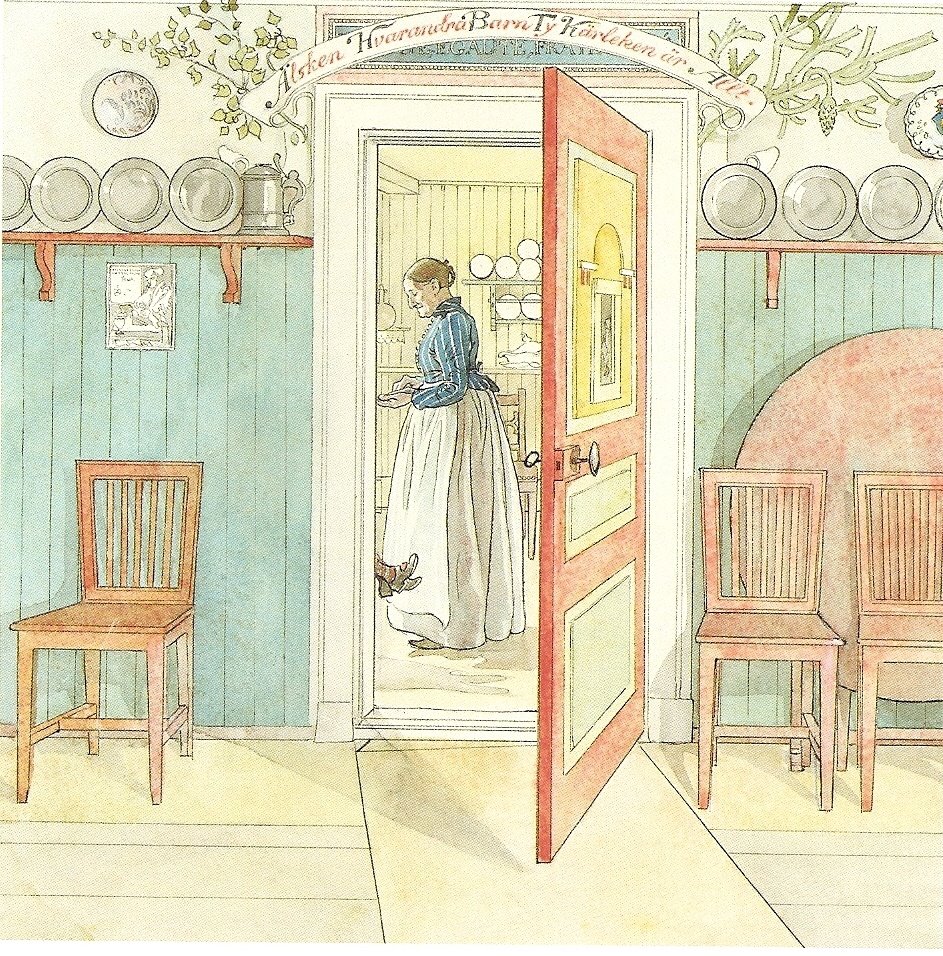
Aqui ficam imagens de um livro que desejo ter há meses: Uma Casa, de Carl Larsson, um artista sueco que, em plena opulência de finais do século XIX, fez a apologia da vida simples .
~
These are pictures from a book that I’ve wanted to have for months: A Home, from Carl Larsson, a Swedish artist that stood for simple life during the opulent years of the late XIXth century.

Shabby Chic

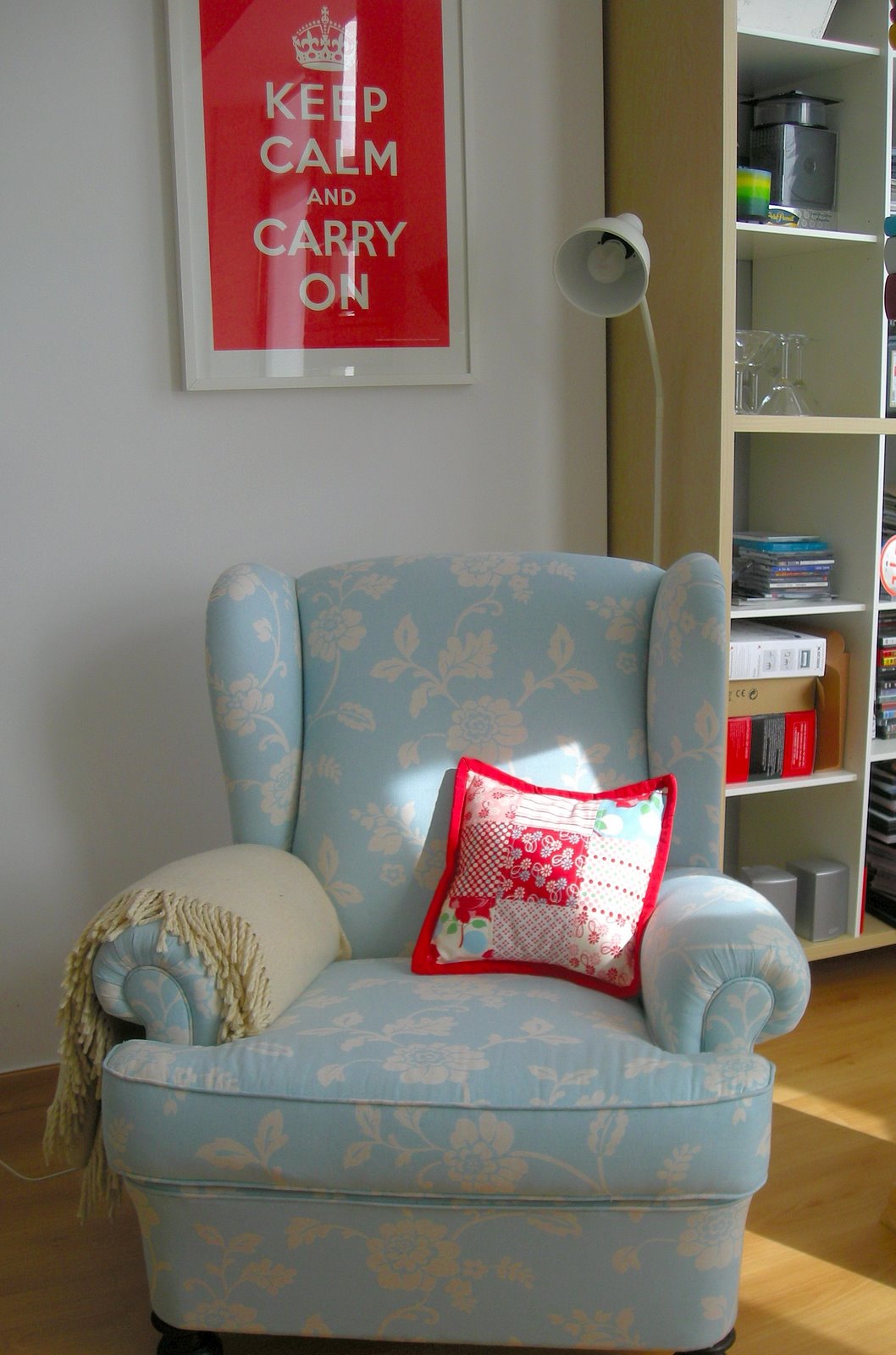
Voltei a tropeçar numa referência ao Saídos da Concha, desta vez a propósito de mobília pintada e do estilo shabby chic. Achei graça ao Shabby Chic Furniture porque, mesmo antes de ter tomado contacto com o livro da Rachel Ashwell, já imaginava novos usos para objectos antigos e sofria da obsessão por móveis pintados de branco… Acho que por mais horroroso que um móvel seja em castanho, o branco tem o condão de o transformar completamente, suavizando as linhas e proporcionando-lhe leveza. Obrigada Shabby Chic Furniture!

I’ve come across another reference to Saídos da Concha, this time regarding painted furniture and shabby chic style. I like Shabby Chic Furniture because even before I knew Rachel Ashwell’s book I used to imagine new uses for old objects and already had an obsession about white painted wooden furniture… I belive that no matter how ugly a piece of brown furniture is, white is always able to completely transform it, smoothing the lines and adding lightness. Thank you Shabby Chic Furniture!