Compor uma Prateleira :: Styling a Mantelpiece


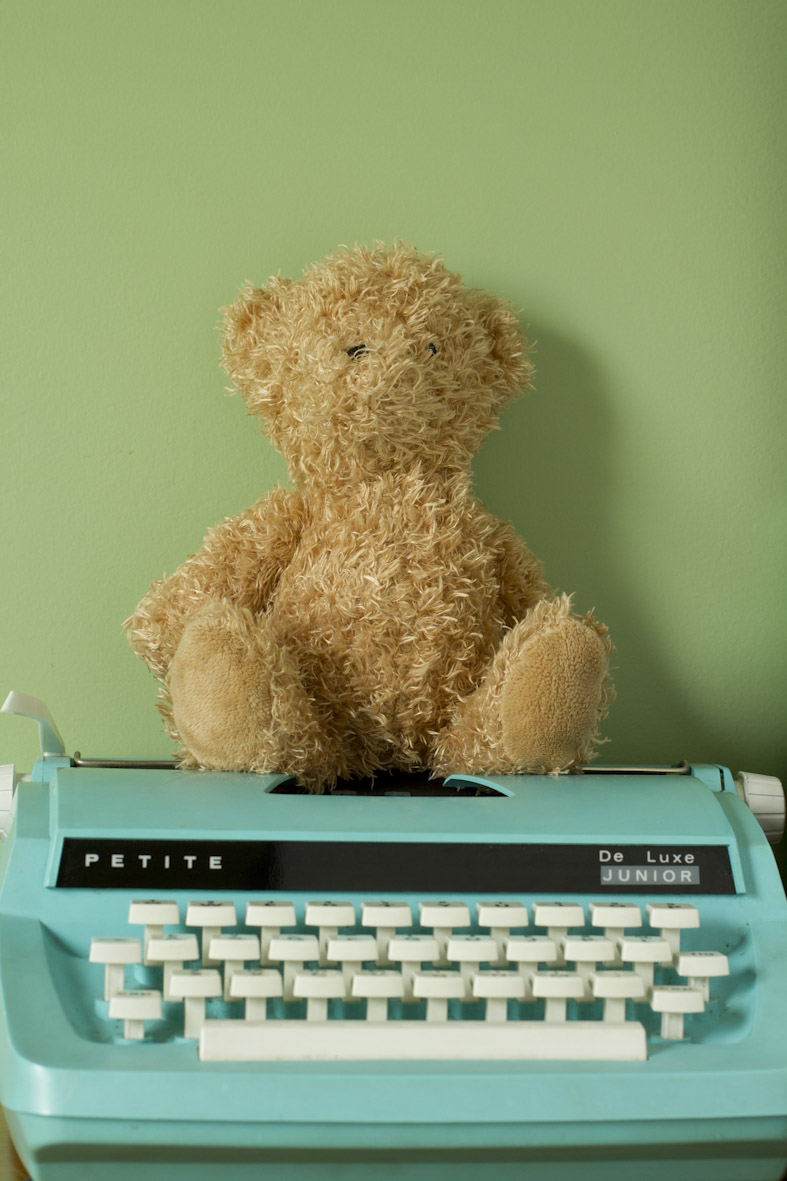
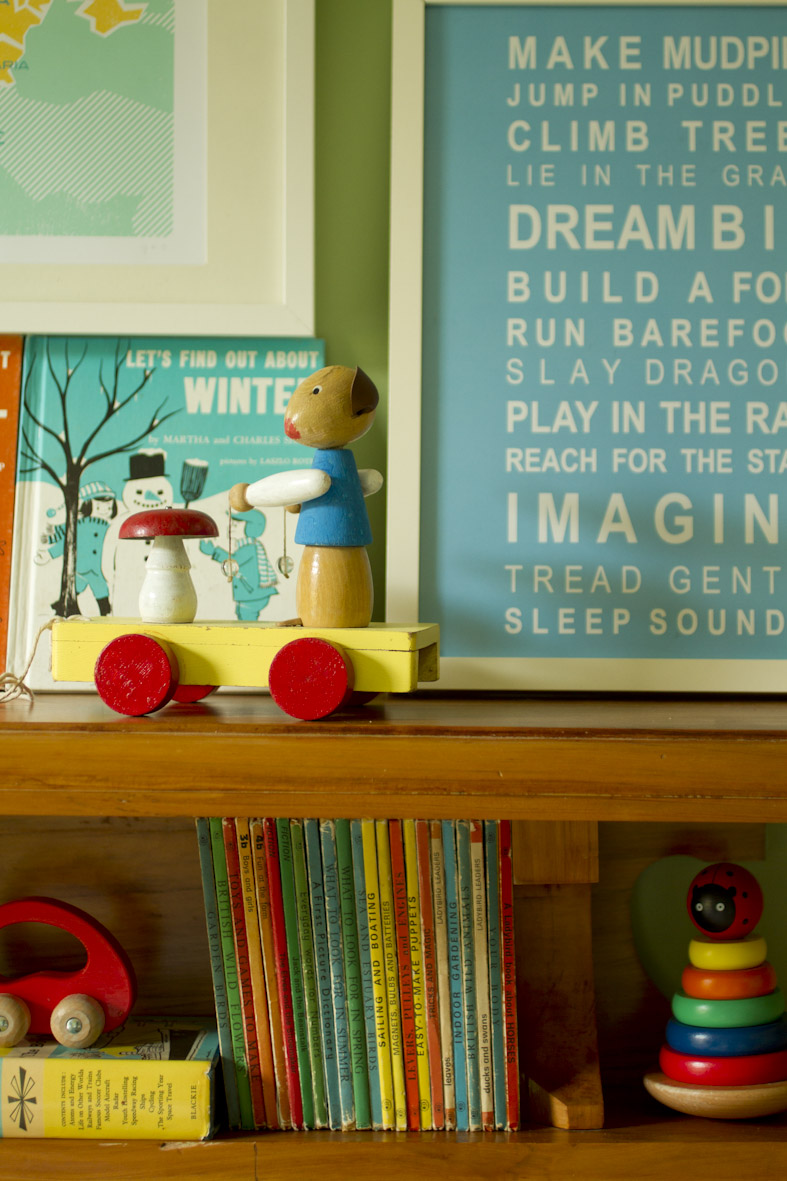
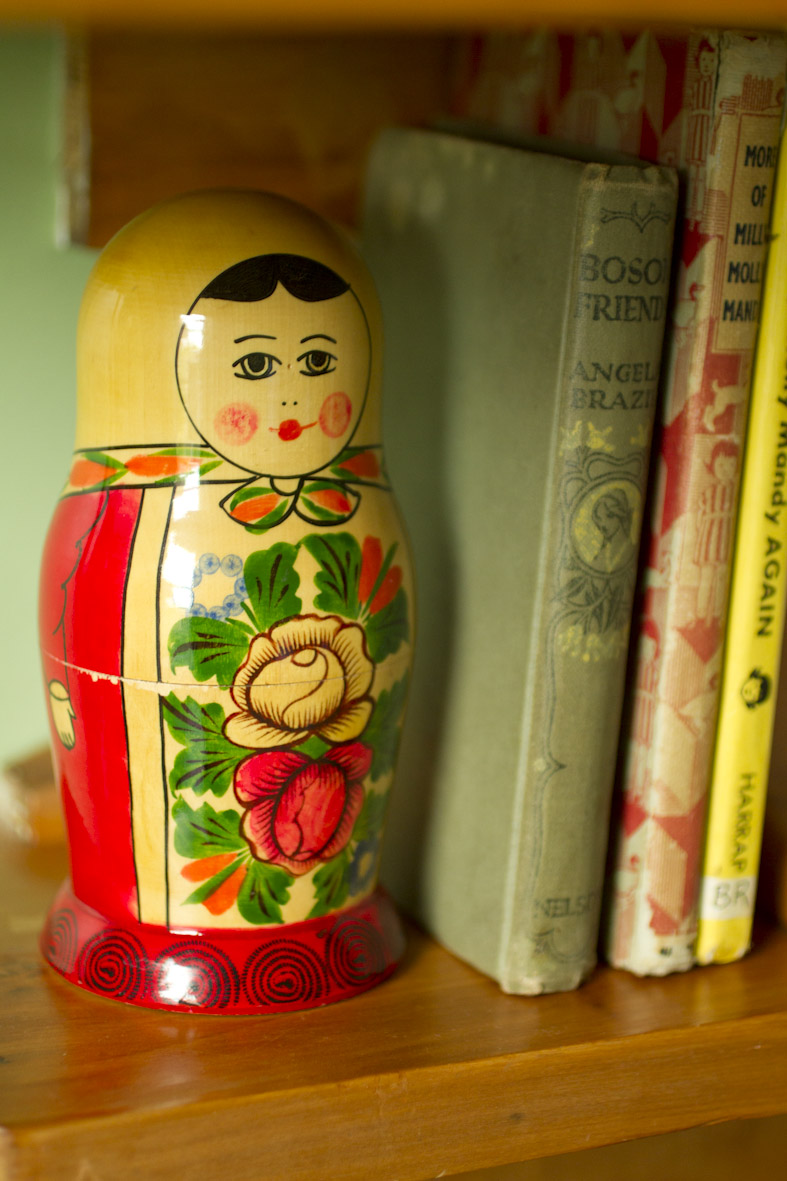
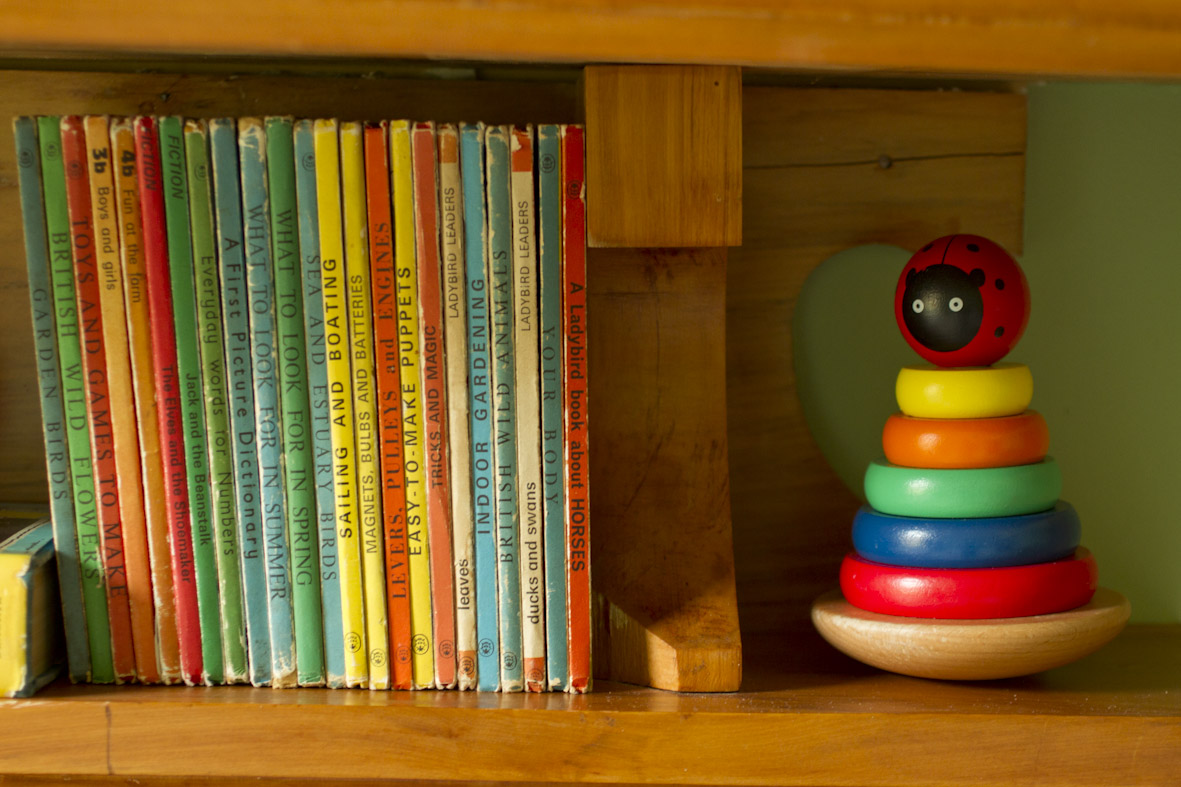
Compor a prateleira de uma lareira pode ser um exercício bastante giro. Pegar numa série de objectos que conversem entre si e dispô-los de uma forma harmoniosa e apelativa puxa pela nossa imaginação e criatividade. Sei bem que há aqueles dias em que não conseguimos combinar nada com nada e nessas alturas uma tarefa deste género pode revelar-se bastante frustrante. Mas há outras alturas em que basta pegar numa pilha de livros, num ou noutro quadro e e num grupo de frascos e a coisa parece funcionar como que por magia.
E no dia seguinte podemos mudar tudo. Essa é a graça destes arranjos: são espontâneos, simples e efémeros. Na nossa sala em Inglaterra fartei-me de usar a prateleira da lareira para assinalar a passagem das estações do ano — podem ver um apanhado de imagens aqui.
Claro que não é preciso ter uma lareira! Uma simples prateleira colocada num sítio proeminente pode servir como focal point de uma divisão. Todos nós temos objectos de que gostamos espalhados pela casa (ou guardados dentro de gavetas e armários) — que tal agrupá-los todos no mesmo sítio? Este é claramente um daqueles casos em que a união faz a força!
Arranging a mantelpiece can be a fun exercise. When you take a series of objects that are somehow related to one another and you display them in an appealing, harmonious way, you stretch your imagination and creativity. I know only too well that there are those days when you feel uninspired and frustrated because nothing seems to come together. But in other days you just take a pile of books, a couple of prints and some containers and you effortlessly create something nice.
 
And in the very next day you can take it all apart and start again. That’s the beauty of these compositions: they’re spontaneous, simple and ephemeral. In our living room in England I repeatedly used our mantelpiece to reflect the changing of the seasons — you revisit it here.
 
Of course you don’t need a proper mantelpiece: a simple shelf placed in a prominent place can be the ideal focal point of your room. Just have fun with it! We all have favourite objects scattered around the house (or indeed hidden inside cupboards and drawers) — how about grouping them together in the same place? This is clearly one of those cases when you can say that unity is strength! 
(photos: © Constança Cabral)
Toucador :: Dressing Table


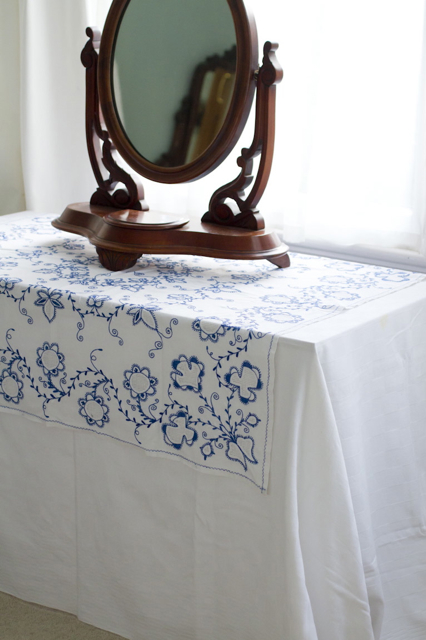
No meu quarto de solteira havia um toucador em forma de rim, com uma saia às riscas e um tecido florido da Laura Ashley no tampo. Quando me casei o quarto não era suficientemente grande para duas cómodas e um toucador, e passei a arranjar-me na casa-de-banho. Não sou de me embonecar muito, mas não há dúvida de que um toucador, apesar de não ser fundamental, é algo muito agradável (e ultra-feminino).

Há anos que me apetecia voltar a ter um móvel assim. Fartei-me de procurá-lo em Inglaterra e agora aqui na Nova Zelândia, mas nunca consegui encontrar o toucador perfeito (ou, quando o encontrei, estava bastante acima do meu orçamento). Ao ler o The Perfectly Imperfect Home (um livro absolutamente delicioso que recomendo vivamente), deparei-me com a solução ideal: uma simples mesa coberta de tecido e um espelho.

Para fazer a mesa, usámos um tampo de MDF e umas pernas do Ikea que tínhamos trazido na mudança. Depois de montada (o Rodrigo está a revelar-se um verdadeiro entusiasta do DIY… fartou-se de ajudar!), cobri-a com duas toalhas de mesa que já estão impróprias para consumo (cerzidas em demasiados sítios e com aquelas nódoas de humidade que são tão difíceis de tirar). O espelho foi comprado num antiquário em Woodville.

Estou toda contente porque não só tenho um toucador, como consegui pôr a uso duas toalhas que vieram das casas das nossas avós e que estavam praticamente destinadas à gaveta dos trapos.

In my room when I was a teenager there was a kidney shaped dressing table with a striped skirt and a Laura Ashley floral fabric on top. When we got married the room wasn’t large enough for two chests of drawers and a dressing table, so I used the mirror in the bathroom instead. However, a dressing table is a very nice thing indeed and I’ve been longing for one for years.

I searched high and low for a beautiful, affordable dressing table without any success (the pretty ones tend to be over my budget). And one day whilst reading The Perfectly Imperfect Home (a delightful book that I highly recommend), I found the answer: a simple table covered in fabric and a mirror.

To make the table we’ve used an inexpensive MDF board and some spare Ikea table legs we had in the garage. After putting the table together (Rodrigo was a great little helper… he shows signs of being very keen on DIY!) I covered it with two old tablecloths that were in a terrible state: darned in too many places and full of those yellow spots that are so hard to get rid of. The mirror was bought in a nice antique shop in Woodville.

I’m really happy, not only because I now have my own dressing table, but I also rescued two towels that used to belong to our grandmothers that were destined for the rag bag.


(photos: ©Constança Cabral)

Cestos :: Baskets


Cestos, cestos, cestos… sei que não sou a única que tem pancada por cestos e que não lhes consegue resistir. Por que é que hei-de comprar em plástico quando posso ter em verga, ou vime, ou palha?
A NZ tem restrições bastante apertadas em termos de aquilo que não pode entrar no país: sementes, plantas, alguns alimentos, madeira não tratada… e cestos. Não são propriamente proibidos, mas quem se muda para cá é aconselhado a não trazê-los, porque poderão ser alvo de um inspector alfandegário mais zeloso.
Quando estávamos a preparar a nossa casa para ser empacotada, ofereci dezenas de cestos, mas decidi arriscar e trouxe os meus preferidos: o cesto de picnic e todos os cestos portugueses. (Tivemos sorte e a alfândega não embirrou com nenhum.) Aquele tabuleiro de roupa que está em cima da mesa de jardim é uma espécie de canastra e foi comprado na Feira da Luz, em Lisboa. O cesto dos brinquedos do Rodrigo é um cesto algarvio que comprei em Tavira. Os restantes que aparecem nas fotografias já foram comprados cá, todos em segunda, terceira, ou quinta mão!
Baskets, baskets, baskets… I know that I’m not the only one who is obsessed with them. Why should I buy plastic when I can have wicker, rattan or straw? 
 
NZ has severe restrictions regarding what is allowed to enter the country: no seeds, plants, some types of food, untreated wood… and baskets. It’s not that they are prohibited… let’s put it this way: if you relocate to NZ, you are strongly advised not to bring any, because they could be subject to fumigation or disposal at your own expense.
 
When we were getting our home ready for packing I gave away dozens of baskets but decided to risk it and keep my favourites: the picnic hamper and all the Portuguese baskets. (We were incredibly lucky because there were no customs clearance issues with any of them.) That linen tray that’s standing on the garden table is an old-fashioned fish selling basket (check out some images here) and was bought at a market in Lisbon. Rodrigo’s toy basket is typical from the Algarve region. The other ones have all been bought over here and are second, third or even fifth hand!

(photos: 1, 2, 3- Constança Cabral; 4, 5- Tiago Cabral)

Provisório :: Temporary


O contentor com as nossas coisas ainda não chegou, o que significa que viemos morar para uma casa vazia. Há três anos, em Inglaterra, aconteceu precisamente o mesmo: duas semanas numa casa gelada no meio do campo, sem carro, sem sofás, a dormir em colchões no chão.
Houve, pois, que comprar o básico. Mas como não sei quantas vezes iremos passar por isto, tenho grande relutância em estar a comprar constantemente as mesmas coisas. Se tenho mesmo de comprar, ao menos que compre coisas (baratas) com algum interesse, que mais tarde possam vir a ser utilizadas noutros contextos.
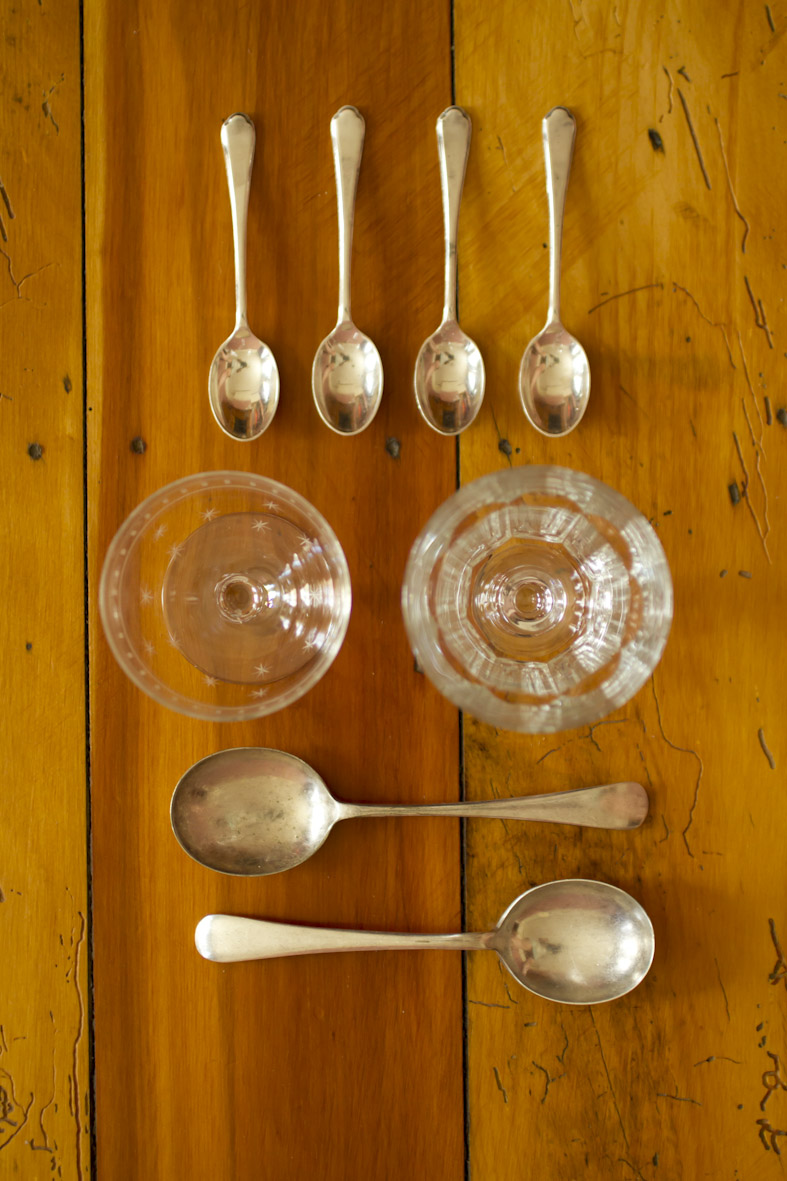
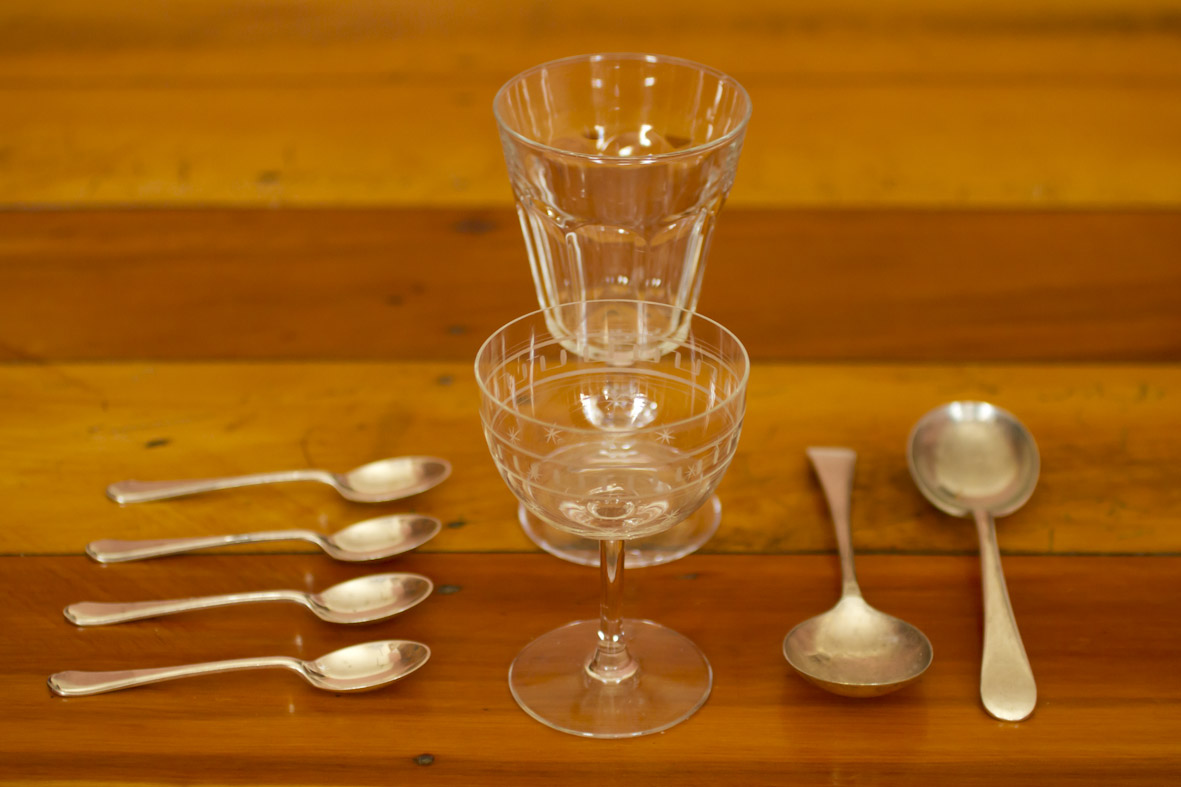
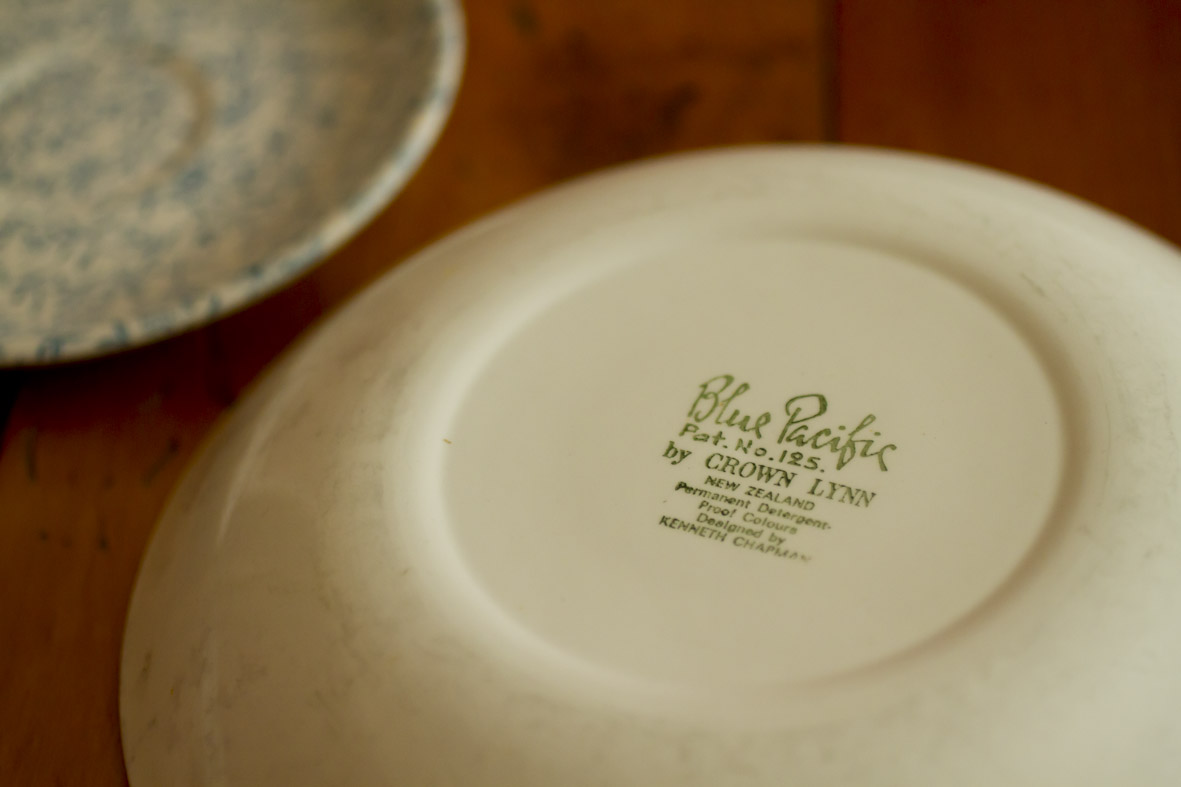
Não deu para fugir ao essencial: colchões, um berço de campanha, lençóis e toalhas de banho. Mas, na altura de comprar equipamento de cozinha, em vez de me dirigir ao supermercado mais próximo (não há Ikea na NZ), entrei em todas as lojas de caridade e velharias por que passei.
Os meus critérios foram barato e interessante. Barato a ponto de não pensar duas vezes antes de comprar; interessante de forma a que, mais tarde, tudo isto possa vir a ser usado nas nossas produções fotográficas caseiras, em festas de jardim, picnics, enfim.
Claro que nem tudo o que estamos a utilizar é em segunda-mão… o Tiago, apesar de ser uma pessoa extraordinária, às vezes tem pouca paciência para estas minhas idiossincrasias… quando se apercebeu de que eu me tinha esquecido de comprar facas e garfos (não me esqueci propriamente… mas tudo o que encontrei era feio ou caro), não hesitou em ir comprá-los ao supermercado.
Our container hasn’t arrived yet, which means that we came to live in a totally empty house. We went through the exact same thing three years ago in England: two weeks in a freezing house in the middle of nowhere, no car, no sofas, just two mattresses on the floor.
 
So we were forced to buy some basics. But because I don’t know how many times we’ll be in this position, I am extremely reluctant to keep buying the same things over and over again. If I really must buy, at least I want (cheap) things with some interest that will work in different contexts later on.
 
We couldn’t help spending money on essentials like mattresses, a portable cot, sheets and towels. But as far as kitchen kit goes, instead of heading over to the local supermarket (bearing in mind that there’s no Ikea in NZ) I went inside every single charity shop and junk shop I stumbled upon.
 
My criteria was cheap and interesting. Cheap to the point of buying it without giving it a second thought; interesting so everything can be used in our homemade photo shoots, in garden parties, picnics, etc.
 
Of course not everything we’ve been using is second hand… Tiago, albeit being an extraordinary person, sometimes is a little impatient in regard to my little extravagances… when he realised I had forgotten to buy knives and forks (I didn’t really forget… they were just either ugly or expensive) he went down to the nearest supermarket and bought a whole set of them.

(photos: Constança Cabral)
Casa Nova! :: New House!


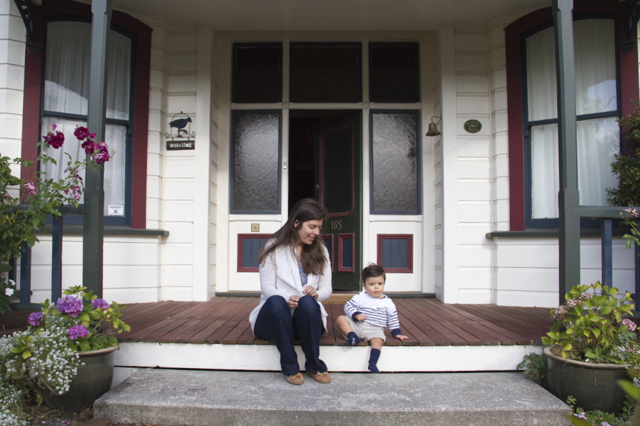
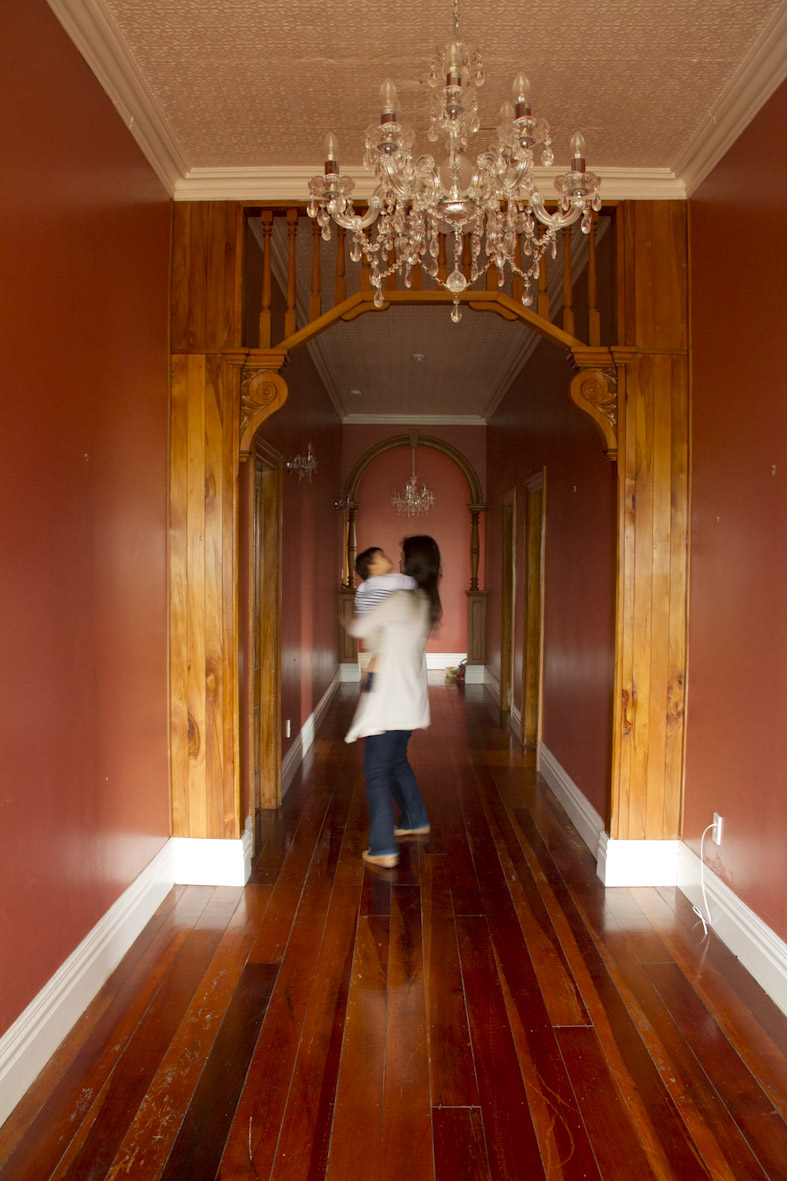
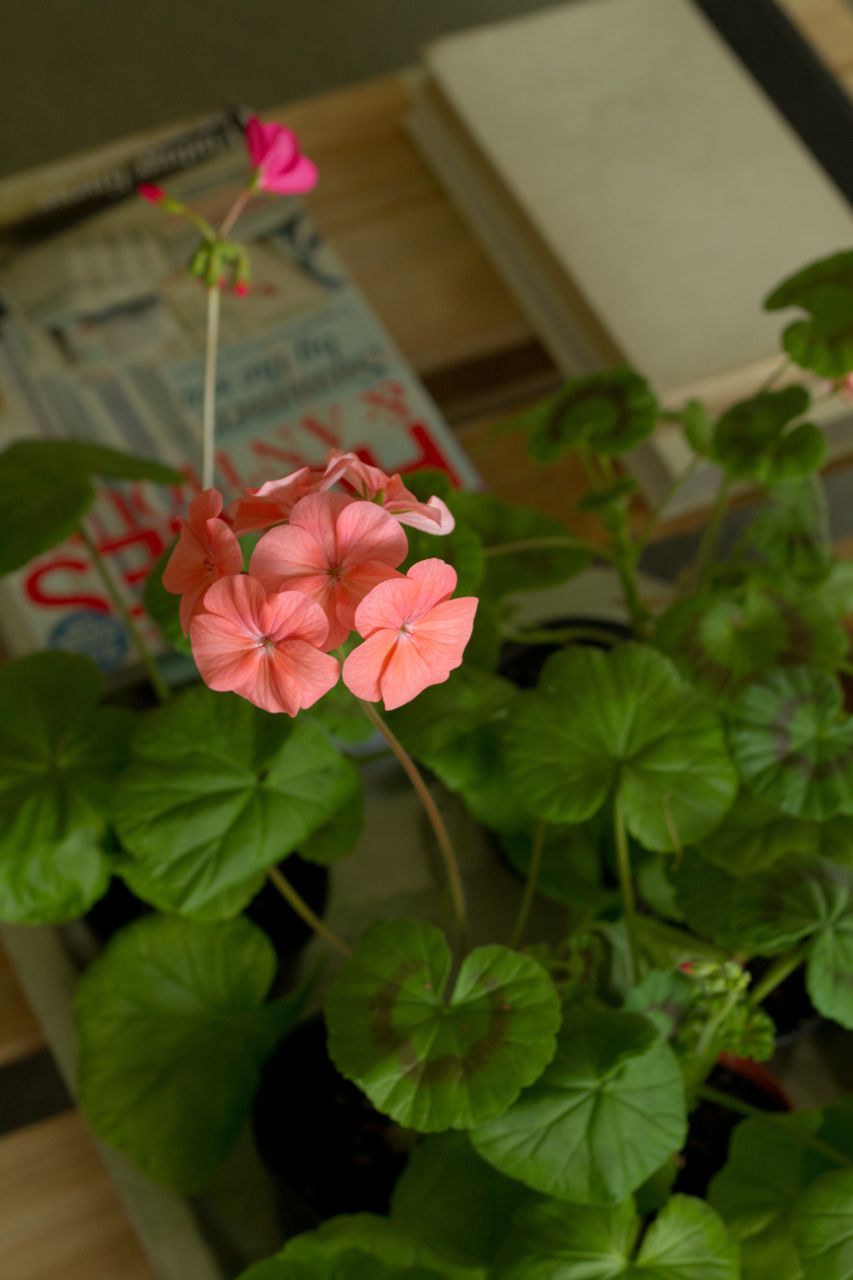
Já cá estamos! Agora ainda em fase de adaptação, com viroses e cansaço à mistura, mas muito contentes por estarmos finalmente em nossa casa.
Here we are! Although a nasty virus has got us all down, we’re really happy to finally be in our own home.
(photos: Tiago Cabral)

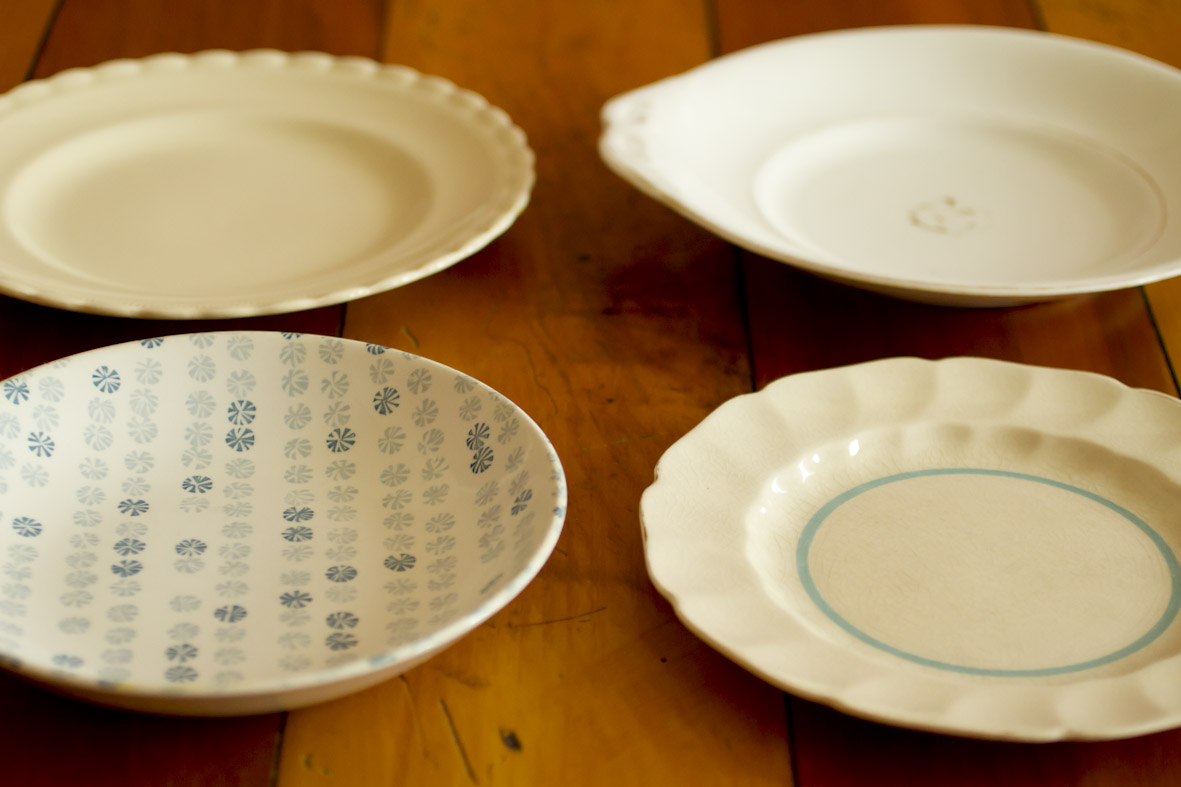
Serviço Bom :: Wedding China

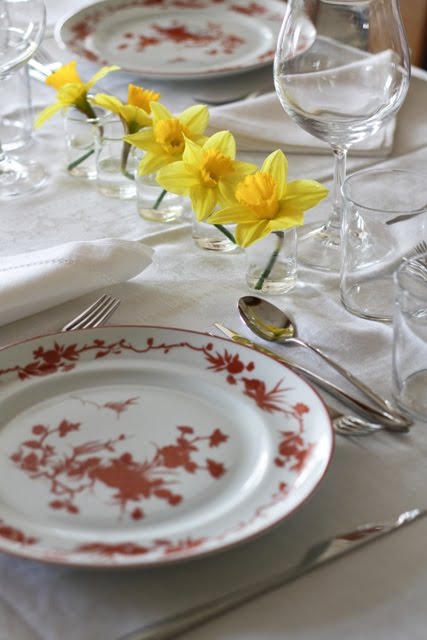
Agora que estou a preparar a casa para ser empacotada, pergunto-me se fará sentido, nos dias que correm, ter um “serviço bom”. O meu serviço bom é o Goa da Vista Alegre e foi-me sendo oferecido desde pequena: uma peça no Natal, outra nos anos. Antes de me casar, a minha mãe fez um apanhado do que eu tinha e comprou-me aquilo que faltava. Com 13 anos detestava-o; hoje em dia gosto imenso dele porque me lembra o legado português no Oriente (e vice-versa). Mas, em cinco anos de casada, quantas vezes tive oportunidade (ou vontade) de pô-lo a uso? No Natal? Na Páscoa? Numa ou outra ocasião especial?
Em conversa com um amigo que se casou recentemente, perguntei-lhe se iria incluir um serviço bom (para além de um serviço para todos os dias) na lista de casamento. “Claro” foi a resposta imediata. E eu pensei se faria sentido, hoje em dia, em casas pequenas e quase sem ajuda doméstica, comprar dois serviços de jantar. Não será melhor escolher apenas um serviço de qualidade, muito completo, em branco e com linhas intemporais, e depois decorar a mesa em função da ocasião? Uma toalha de linho bordada e copos de pé alto no Natal, uma toalha de uma cor forte e copos mais descontraídos em jantares com amigos, e por aí fora.

O que acham disto? Têm um serviço bom? Comprado ou herdado? Usam-no de facto? Têm sítio para o arrumar? Gostava de saber as vossas opiniões a este respeito!

As I’m getting our belongings ready for packing, I wonder whether it still makes sense to have a special dinnerware set nowadays — you know, a porcelain set reserved for special events. I realise this may be a very Portuguese (and a very bourgeois) subject but I thought I’d discuss it here anyway. My special china set is the Goa set by Vista Alegre and I got it over the years: one piece for Christmas, another one for my birthday. Before I got married my mother made a check list and bought me whatever was still missing. I used to hate it when I was 13; now I quite like it because it reminds me of the Portuguese legacy in the orient, and vice-versa. But in five years of marriage how many times have I put it to use? On Christmas day? Easter? On one or two special occasions?

Talking to a friend that just got married, I asked him if he was going to include a porcelain set “for best” in his wedding list (as well as another set for everyday use). “Naturally” was his immediate reaction. And I wondered whether it still makes sense — in this day and age of small flats and practically no domestic help — to buy two dinnerware sets. Wouldn’t it be best to choose just one good-quality set, preferably white and with very classic lines, and then accessorise the table according to the moment in question. An embroidered linen tablecloth and stem glassware for Christmas; a statement cloth (in a strong colour) and more relaxed glassware for a dinner amongst friends; and so forth. 

What do you think of this? Do you own a special dinnerware set? Did you buy it or did you inherit it? Do you actually use it? Have you got the space to store it? I’d love to hear your opinions on this subject. And just a quick note to all you non-Portuguese readers: while I was translating this post I kept thinking “everyone will find the whole thing ridiculous” but believe me when I tell you that normal people do own this kind of thing in Portugal. It’s a very traditional country and we still entertain our friends and family (and sometimes some special guests) at home.

(photo: Tiago Cabral)

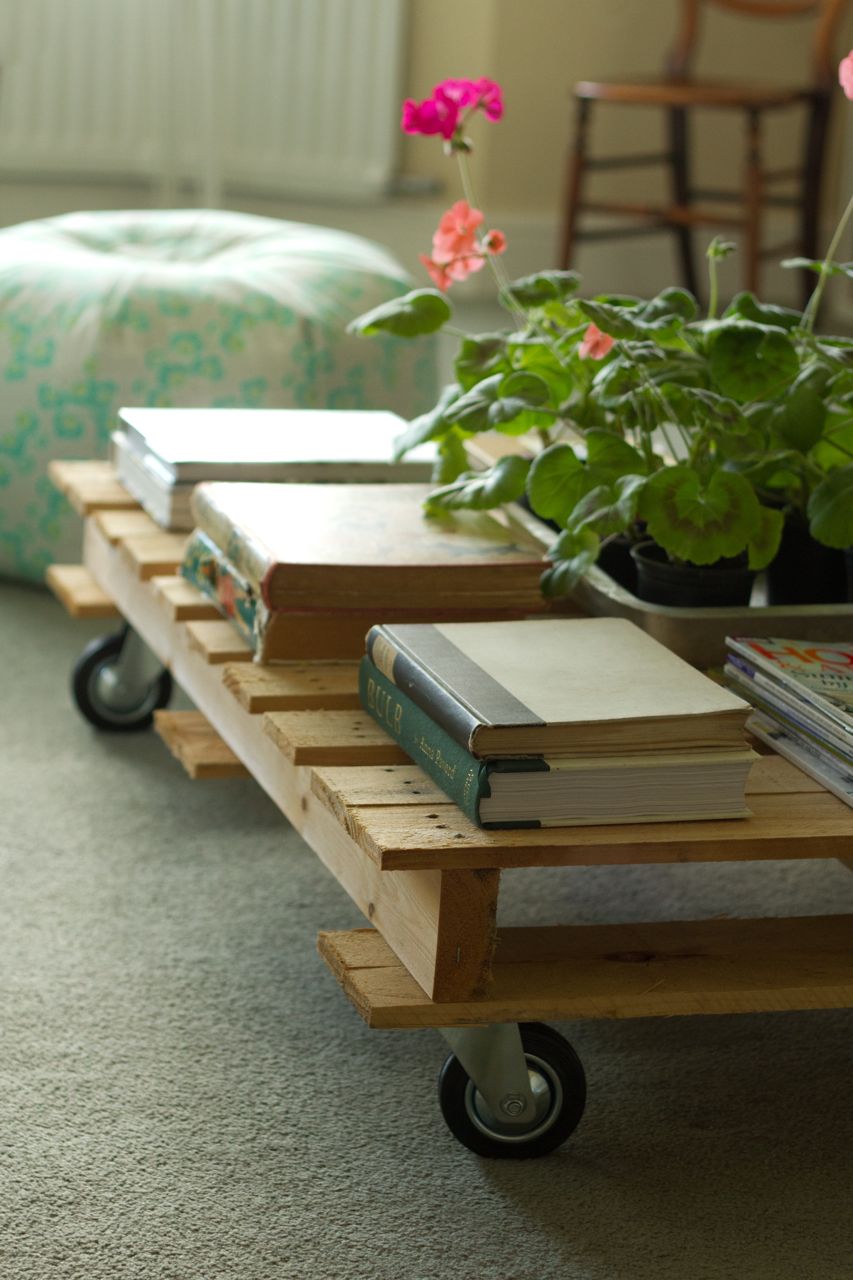
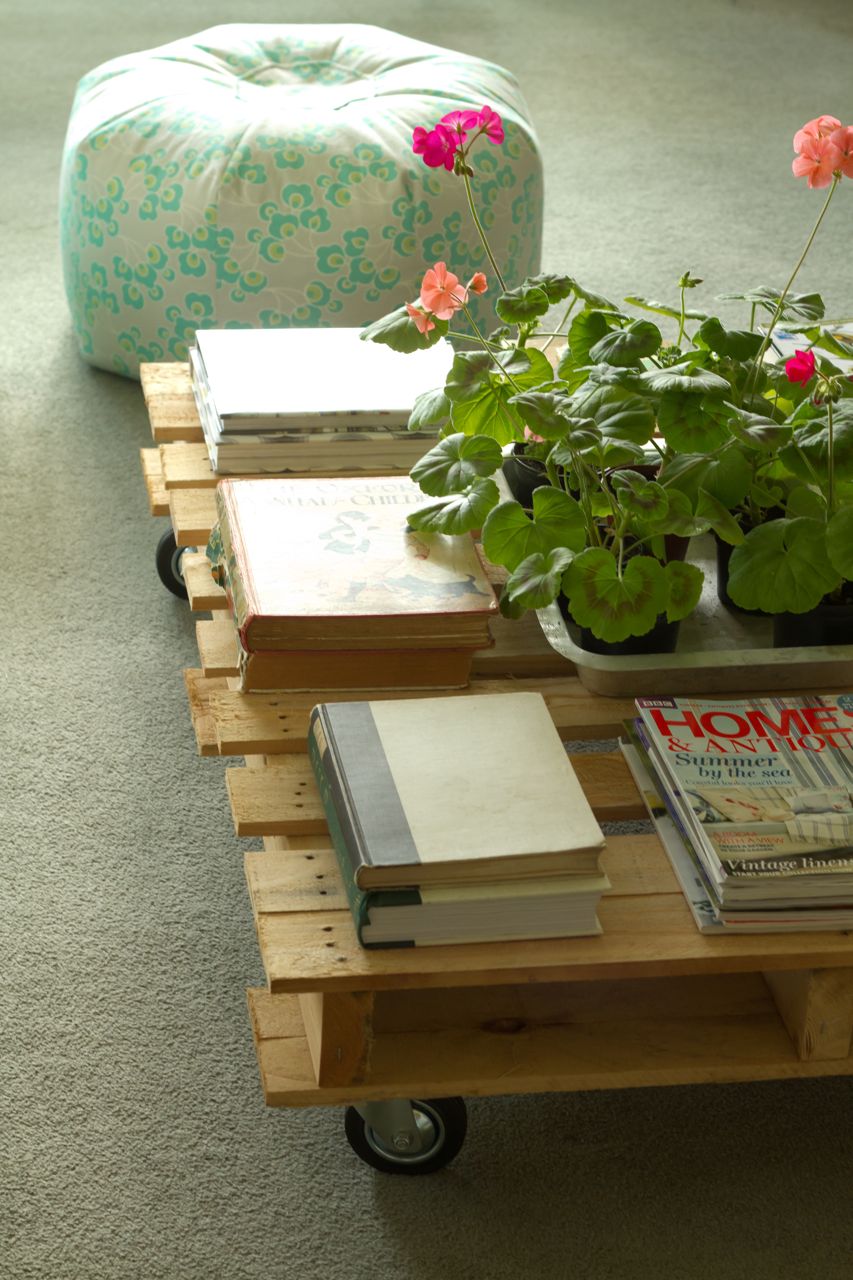
De Palette a Mesa de Café :: From Pallet to Coffee Table

Como transformar uma palette numa mesa de café:
1. ir buscar uma palette ao lixo (escolher uma em bom estado);
2. esfregá-la com uma solução de água e lixívia;
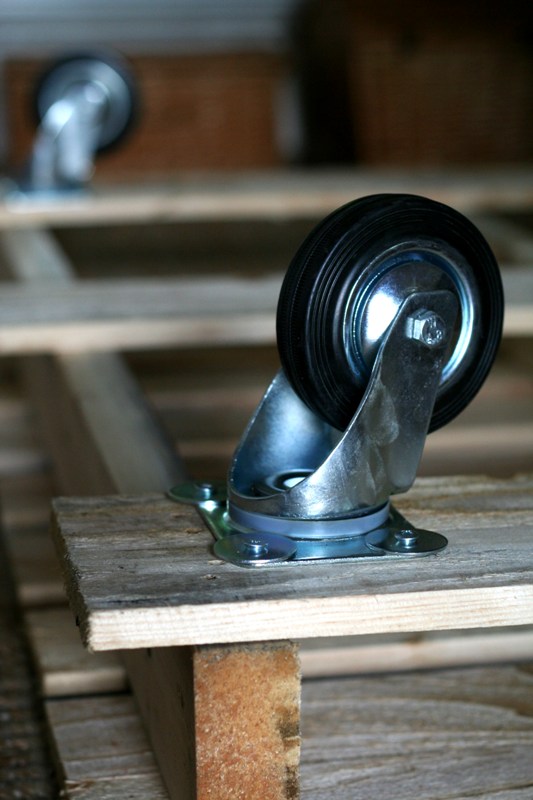
3. comprar quatro grandes rodas (as maiores que forem vendidas no armazém de bricolage) e aparafusá-las à parte de baixo da palette, uma em cada canto;
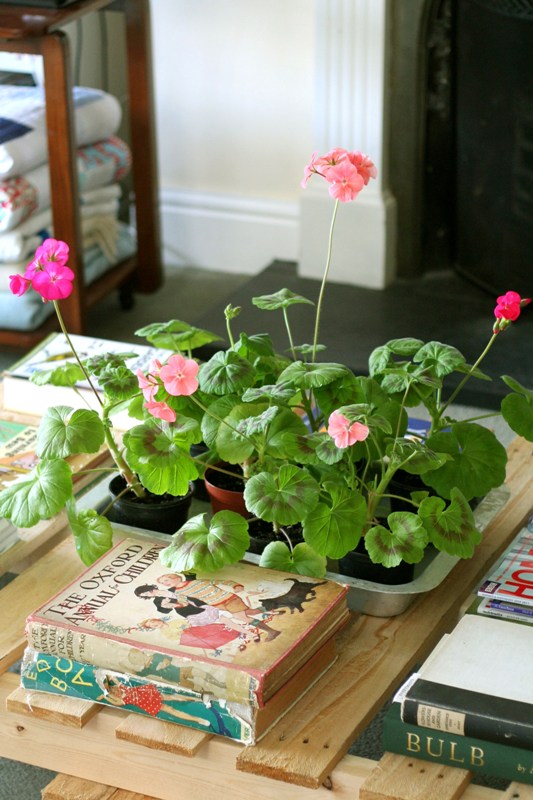
4. colocar a mesa à frente do sofá e enchê-la de livros, revistas e flores (estou tão orgulhosa das minhas sardinheiras!).
How to turn a pallet into a coffee table:

1. find a nice looking pallet near some waste bins;

2. wash it thoroughly with water and bleach;

3. buy four castor wheels (choose the largest ones your local diy shop sells) and screw them under the pallet, one on each corner;

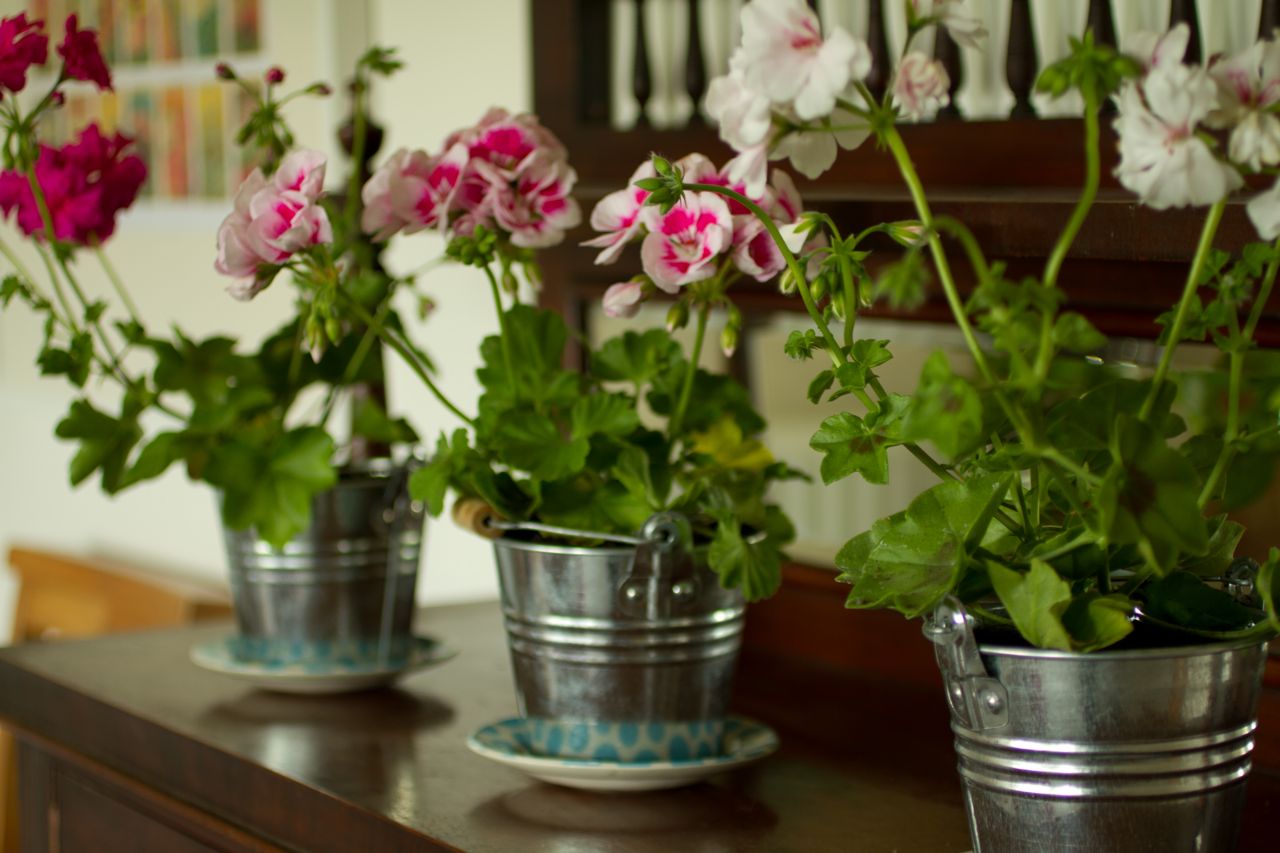
4. place the table in front of your sofa and fill it with books, magazines and flowers (I’m so proud of my pelargoniums!).

(photos: 2, 3, 5- Tiago Cabral; 1, 4- Constança Cabral)
Dia de Santo António :: Saint Anthony’s Day


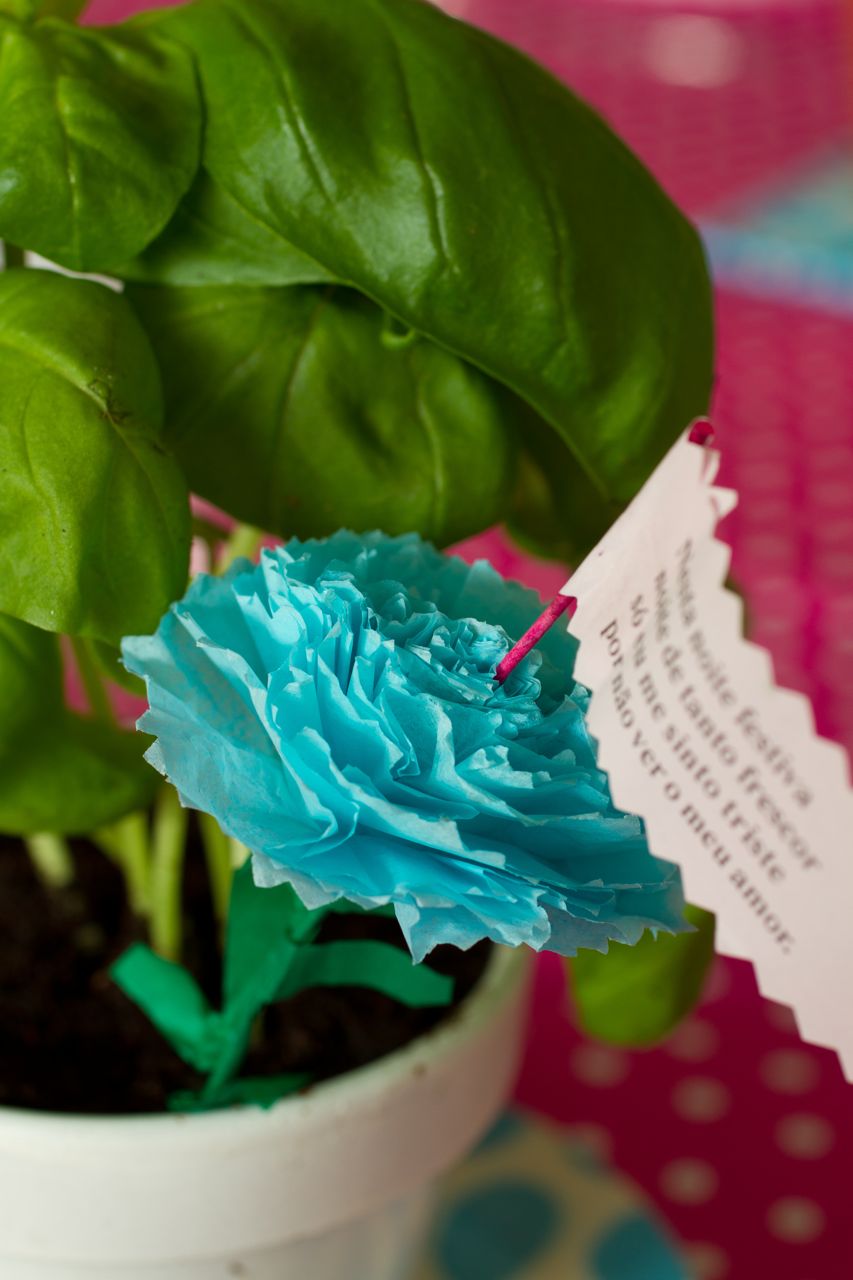
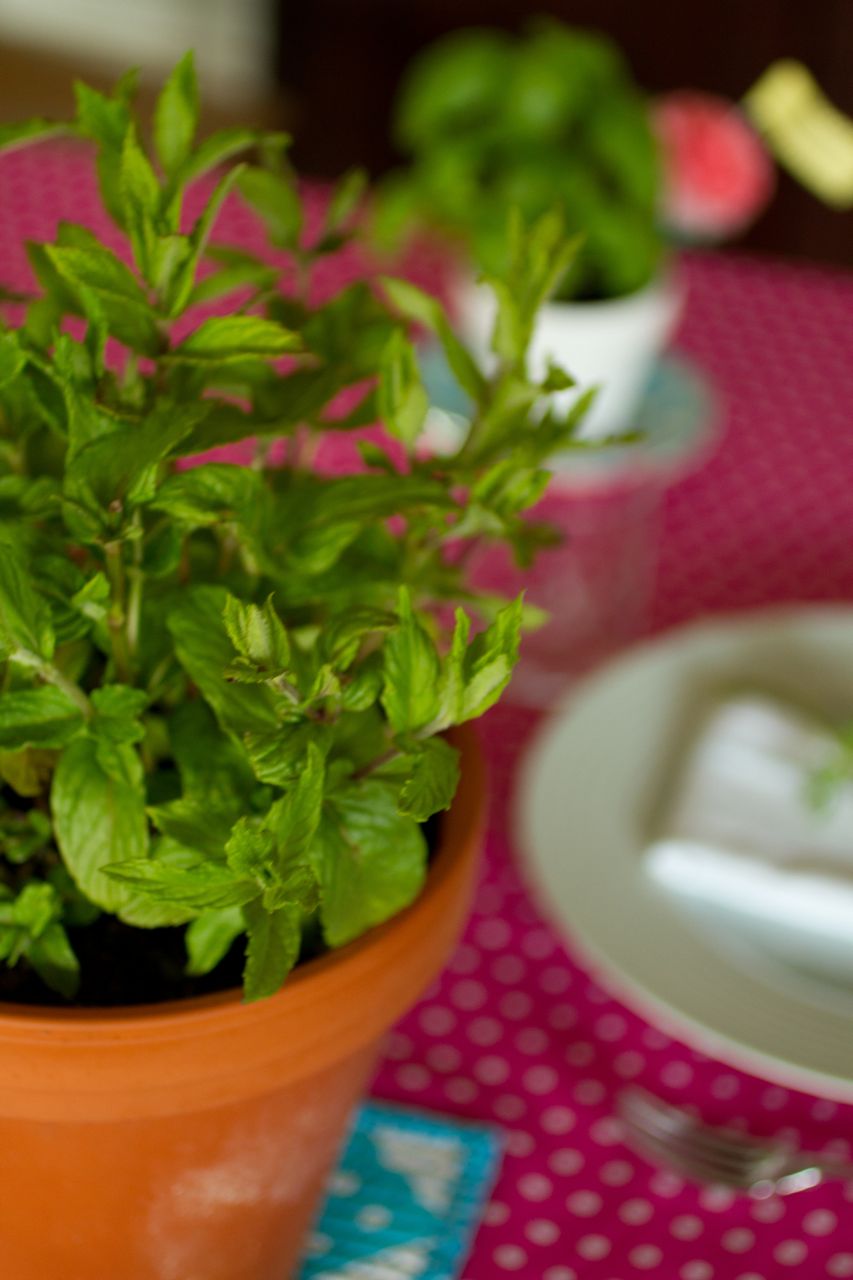
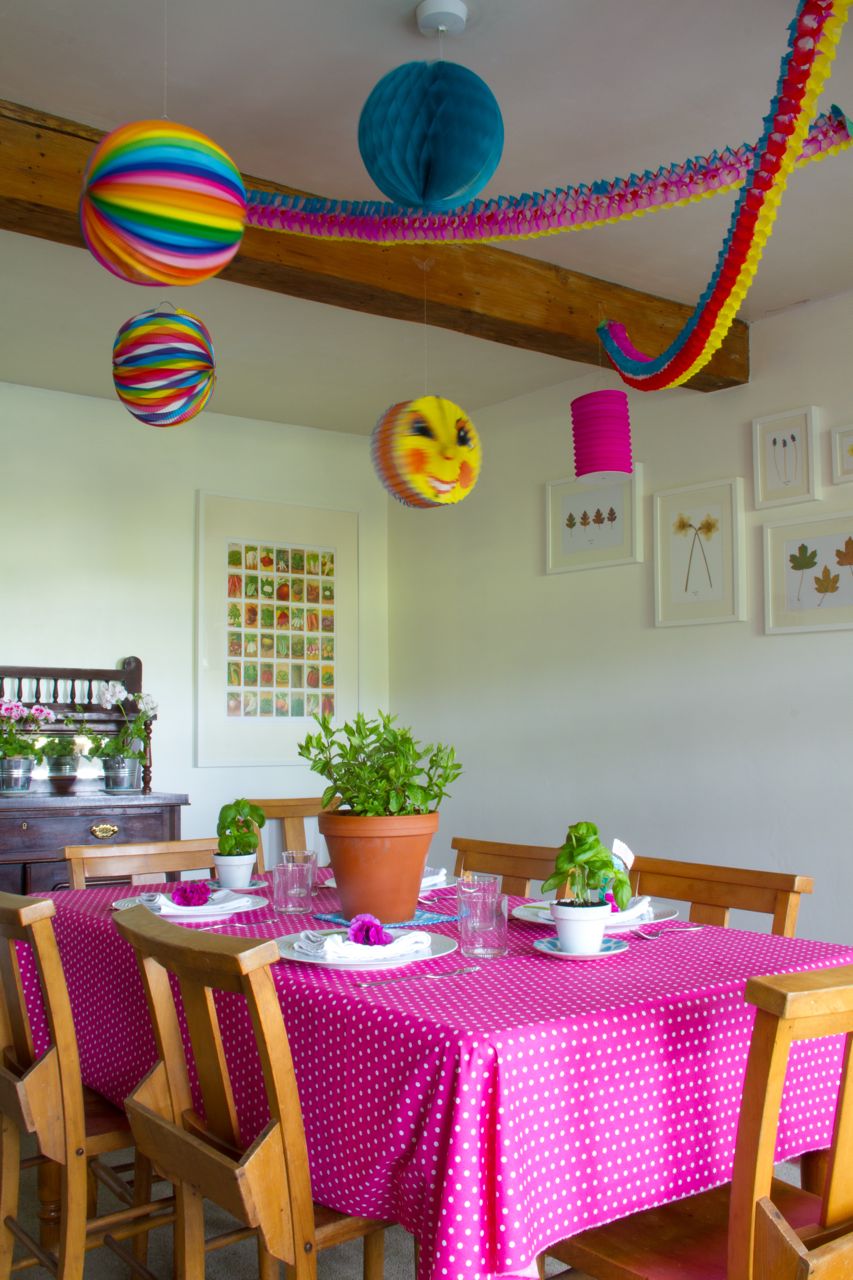
Lisboetas que somos, não podíamos deixar o dia de Santo António passar despercebido. Ainda tentámos assar umas sardinhas lá fora mas começou a chover torrencialmente (alegrias do clima britânico!) — então transferimos o arraial para dentro de casa. E na falta de manjerico, usámos manjericão!
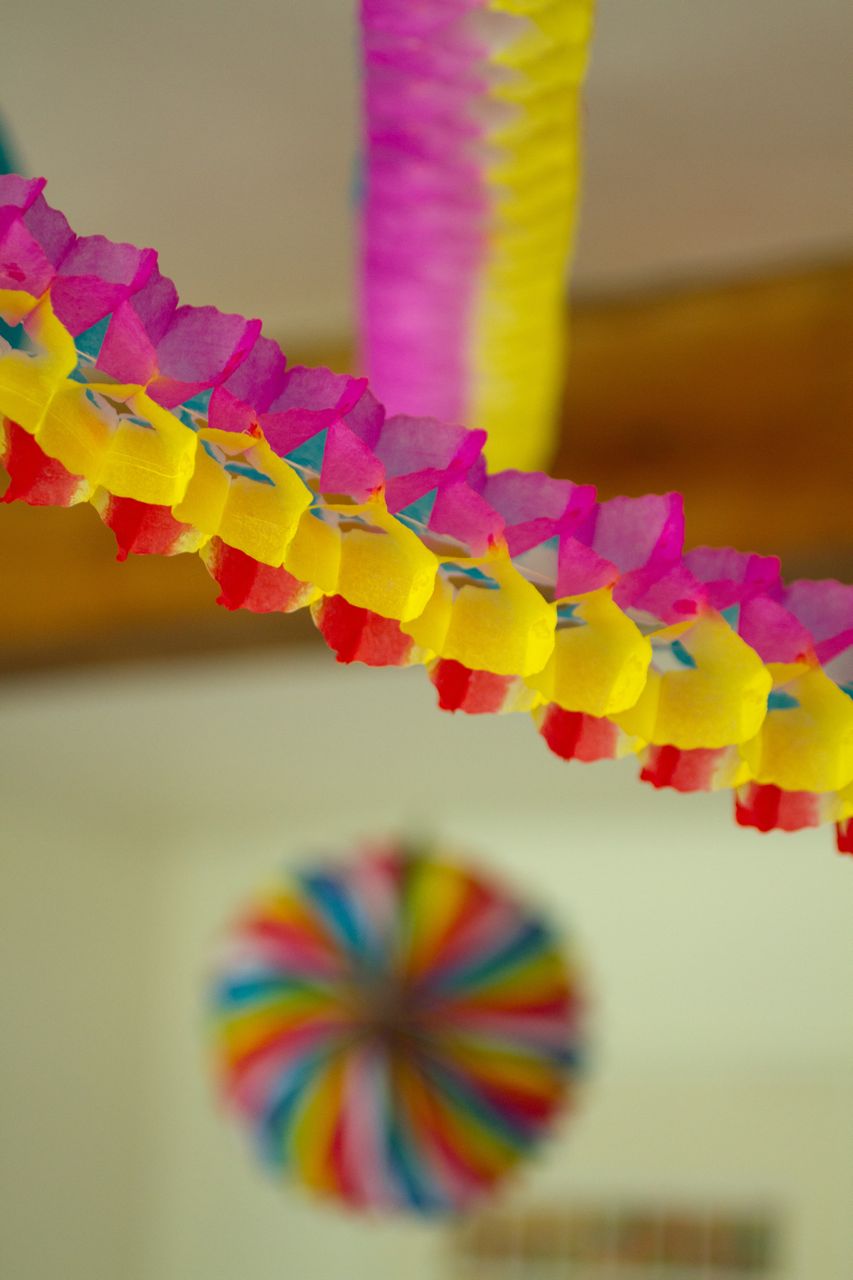
Both Tiago and I are from Lisbon so we had to celebrate St. Anthony’s Day (the 13th of June). In Portugal all through June there are street parties celebrating saints (read about them here) — they’re a great excuse to decorate the streets with paper lanterns and colourful bunting, eat grilled sardines, drink wine and sangria and party all night long. We tried to grill some sardines on the barbecue but it started to rain quite heavily (the joys of British weather!) so we moved the party indoors. And since bush basil is hard to find in the UK, we used regular basil instead!

(photos: Tiago Cabral)

Truques :: Tricks

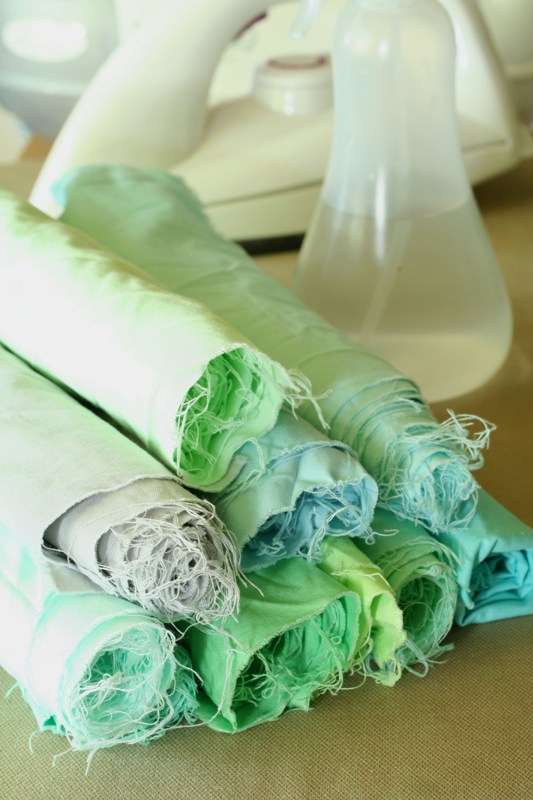
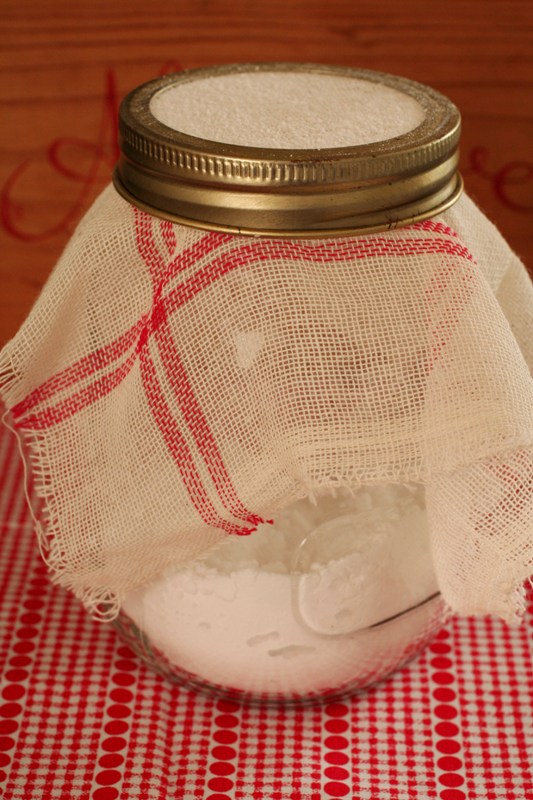
Entre a minha mãe, a minha avó a a Martha Stewart, farto-me de aprender pequenos truques para o dia-a-dia. Para engomar um pano com muitos vincos, nada melhor do que borrifá-lo com água, enrolá-lo e esperar meia-hora: o pano ficará húmido qb e será muito mais fácil passá-lo a ferro. Para secar garrafas, copos estreitos e afins, enfiar pelo gargalo um bocado de papel de cozinha enrolado funciona porque absorve completamente a humidade. E um frasco para conservas (daqueles com a tampa separada da parte de enroscar) com um bocado de gaze em cima é excelente para polvilhar bolos e bolachas com icing sugar.
Amongst my mother, my grandmother and Martha Stewart, I learn lots of great tricks for everyday life. When you wish to iron a piece of cloth that’s severely creased, spray it with water, roll it out and wait half an hour: it’ll end up evenly moist and you’ll be able to iron it in a breeze. To dry bottles, narrow glasses and the like, insert a piece of kitchen paper and all the humidity inside will be absorbed. And a preserving jar with a piece of cheesecloth tautly secured with the ring (leave out the cap) is great for dusting icing sugar over cakes and biscuits.


(photos: Constança Cabral)

Spring :: Herbarium

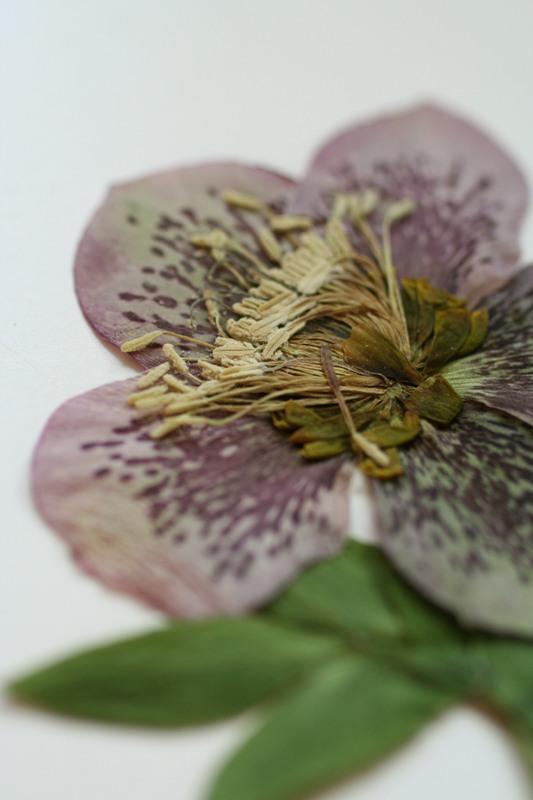
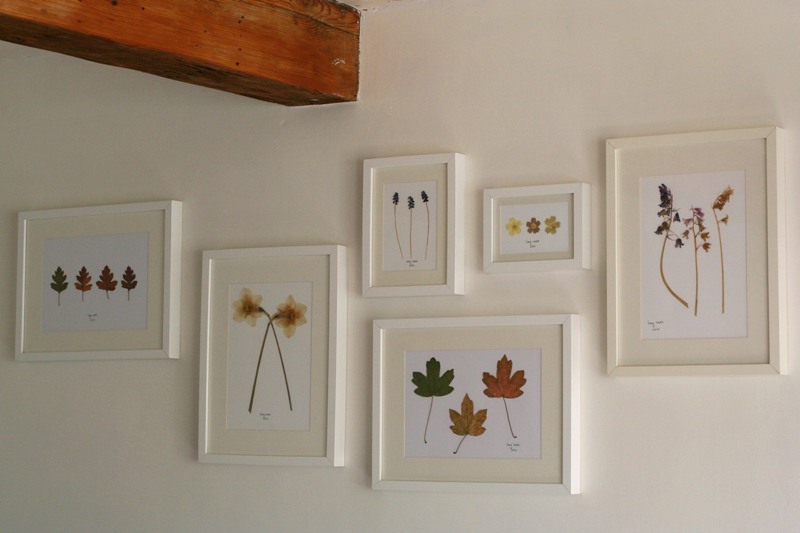
Uma boa ocupação de Primavera é fazer um herbário: apanhar flores e folhas, secá-las entre livros pesados durante umas semanas e depois, em vez de guardá-las dentro dum caderno, emoldurá-las e pendurá-las na parede.
Making a herbarium can be a nice Spring activity: picking flowers and leaves, drying them under heavy books for a few weeks and then, instead of keeping them inside a proper book, hanging them on the walls.
 
(photos: Constança Cabral)