Lady Hilaria’s Wholemeal Loaf

Não gosto de comer todos os dias o mesmo pão, por isso vou variando as receitas: branco, de mistura, com sementes… Há umas semanas fomos visitar o moinho de Stainsby e comprámos um pacote de farinha integral moída lá. Com a farinha veio uma fotocópia da receita que transcrevo em baixo. Já a fiz umas vezes (não propriamente à letra… não segui o método mas usei quase todos os ingredientes descritos) e acho que vale a pena experimentá-la.
I don’t like eating the exact same bread every day so I’m always trying new alternatives: white, half-wholemeal-half-white, with seeds… Some weeks ago we visited Stainsby Mill and bought a packet of their wholemeal flour. Along with it came a photocopy of the recipe I’m sharing below. I’ve tried it a few times (I didn’t exactly followed the instructions but used most of the ingredients it suggests) and I think it’s worth giving it a try.
Lady Hilaria’s Wholemeal Loaf
Cotehele Mill, which produces its own wholemeal flour, nestles on the edge of the Tamar, a mile away from the Cotehele estate, home to the Edgcumbe family for centuries. This is the recipe still used by Lady Hilaria, the daughter of the 6th Earl.

275g stoneground wholemeal flour
175g organic strong white flour
25g butter
5g salt
10mg fast-acting dried yeast
15ml oat bran
5ml dark brown sugar
5ml black treacle
345ml warm water
10mg sesame seeds

Mix all dry ingredients (except sugar and yeast) in a large mixing bowl. Rub in the butter and then mix in the dry yeast.

Stir the treacle and sugar into warm water Make a well in the middle of the bowl of ingredients and pour in the liquid. Knead for at least 10 minutes.

Place the elasticated, smooth dough on to a floured board. Pummel out the air, shape and divide. Place into greased loaf tin(s), cover and put in a warm place till double their size (about an hour). Ten minutes before the end of this process, sprinkle on the sesame seeds and brush with milk.

Cook in a preheated oven for approximately 35-40 minutes: the bottom of the leaf should sound hollow when tapped. Leave to cool on a wire rack.

(image: Constança Cabral)
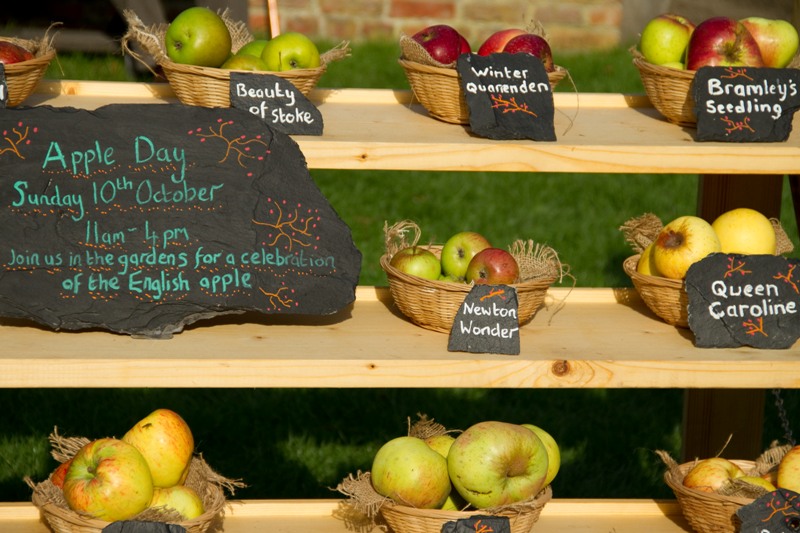
Dia da Maçã :: Apple Day

Acho que nunca tinha visto um Outono tão bonito como o deste ano: as folhas amarelas, cor-de-laranja, encarnadas e castanhas; o nevoeiro matinal e a luz dourada dos fins de tarde; a lareira à noite…
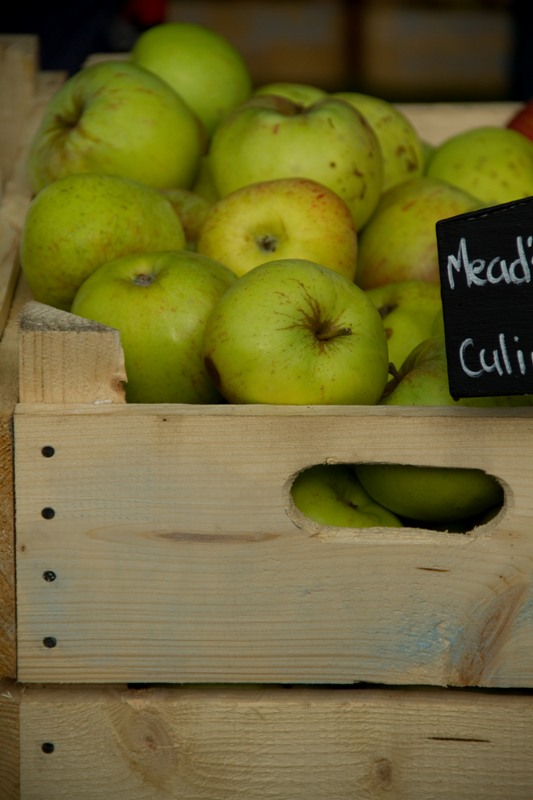
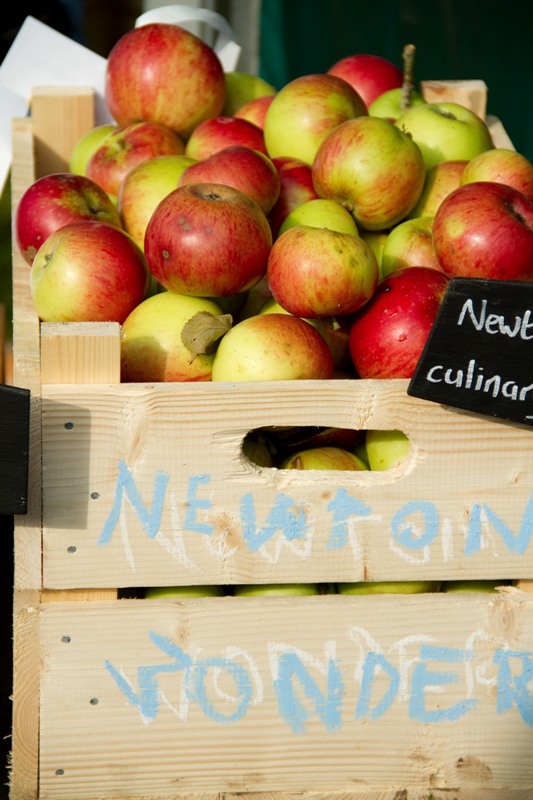
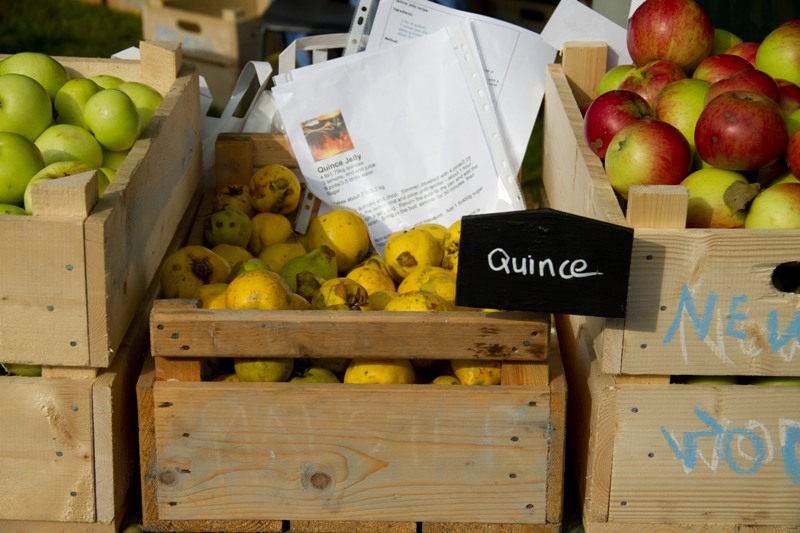
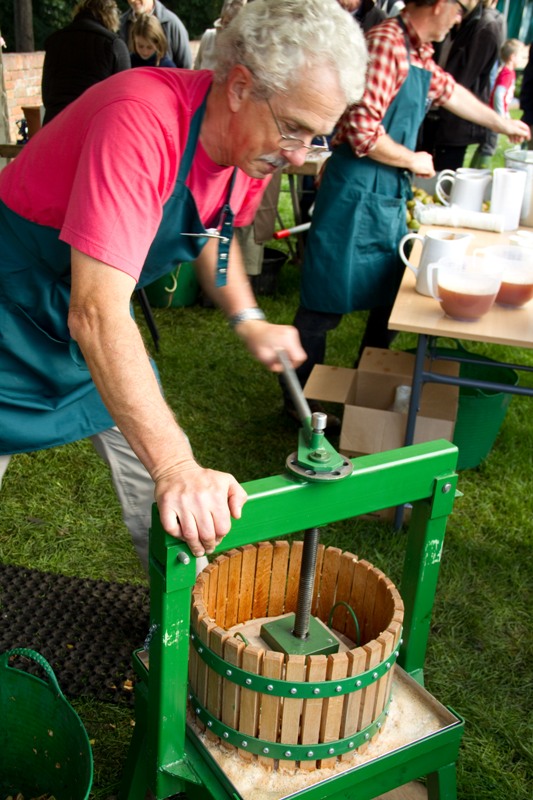
Há celebrações das colheitas por toda a parte e ontem fomos ao Dia da Maçã de Calke Abbey. Entre muitas variedades de maçãs, tive a boa surpresa de descobrir uns marmelos pequenos e muitíssimo aromáticos. Ando cheia de vontade de experimentar fazer marmelada e aproveitei para trazer para casa uns quantos… são difíceis de encontrar por aqui.
I don’t think I had ever witnessed such a lovely Autumn like this year’s: the leaves turning yellow, orange, red and brown; the misty mornings and golden afternoons; lighting the fire at night…
Harvest is being celebrated everywhere and yesterday we went to Calke Abbey‘s Apple Day. Amongst many varieties of apples, I was pleasantly surprised to find some small, incredibly aromatic quinces. I really want to try making marmelada – the Portuguese quince cheese – and I came home with a bag full of them… they’re quite hard to find around here. 

(images: Tiago Cabral)

Homemade

Cinco meses depois de terem sido semeadas, as courgettes e as abóboras estão a dar frutos. A sensação de comer algo que vi crescer é inexplicavelmente boa.
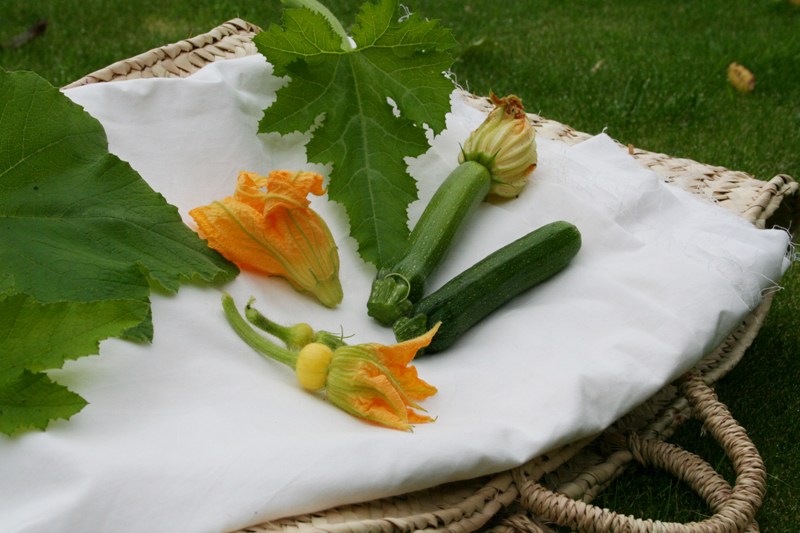
Five months after I sowed them, the courgettes and pumpkins are starting to fruit. It feels amazing to eat something that you’ve seen growing.
 (image: Constança Cabral)
Amoras :: Blackberries

Neste fim-de-semana apanhámos amoras silvestres. As amoras de cá são diferentes das portuguesas: maiores, mais sumarentas, mas não tão saborosas. Conseguimos apanhar 1 kg mas, como acabei por fazer geleia em vez de doce, a colheita rendeu muito pouco… Tenho de apanhar mais algumas enquanto é tempo!
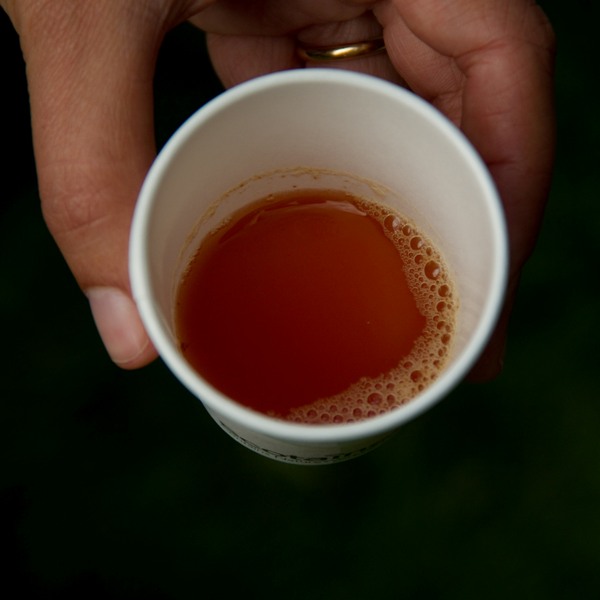
Last weekend we picked blackberries from the hedgerows. British blackberries are a bit different from the ones one finds in Portugal: they’re plumper and juicer but not as sweet. We managed to pick 1 kg but, since I ended up making jelly, not jam, I wasn’t left with much juice… I guess I’ll have to pick some more while I still can!

(images: 1, 2, 3- Tiago Cabral; 4, 5- Constança Cabral)

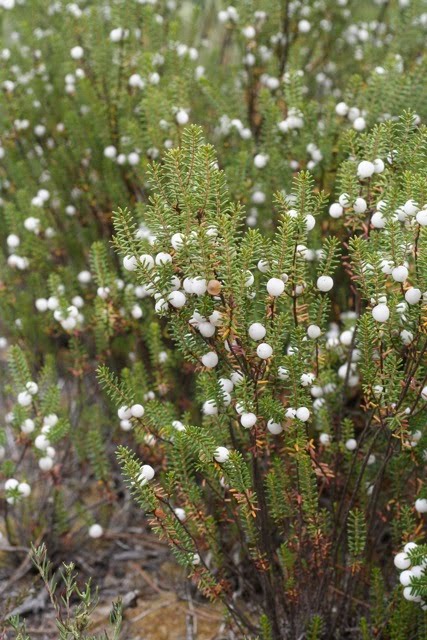
Geleia de Camarinhas :: Corema Album Jelly

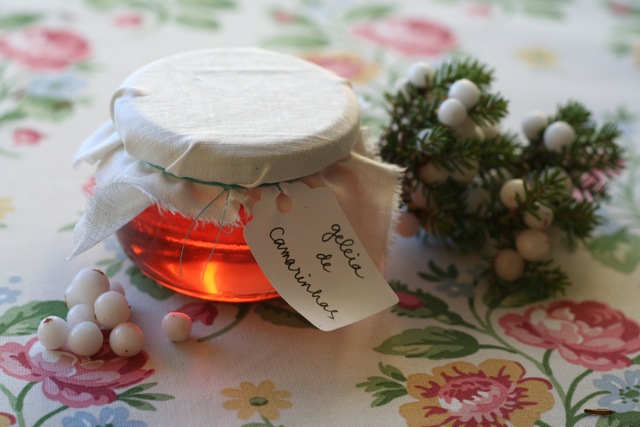
Quem já provou camarinhas ponha o dedo no ar! No pinhal de Leiria há zonas com imensos arbustos carregados destas bagas brancas e o meu pai falou-me em ter provado geleia de camarinhas quando era pequeno. Fui pesquisar receitas, tirei ideias dumas e doutras e fiz a geleia assim:
tantas bagas quantas conseguir apanhar
açúcar 
sumo de meio limão
Antes de mais, ponha um pequeno prato no congelador.
Comece por lavar muito bem as camarinhas. Ponha-as dentro duma panela, cubra-as com água e coza-as até que comecem a rebentar. Vá esmagando com um daqueles instrumentos para fazer puré de batata.
Passado um quarto de hora, forre um passador com pano cru (previamente fervido) – ou use um saco especial para coar geleias, ou um filtro de café em flanela. Deite lá para dentro o conteúdo da panela e pendure as pontas do pano num estendal interior, por exemplo. Por baixo coloque uma tijela grande. Espere umas horas.
Quando o líquido estiver todo coado, pese-o. Ponha-o noutra panela, acrescente açúcar (cerca de 2/3 do peso do sumo de camarinha) e sumo de limão. Em lume baixo, deixe dissolver completamente o açúcar (caso contrário, a geleia ficará cristalizada). Mal o açúcar tenha derretido totalmente, ponha o lume no máximo e deixe a mistura ferver. Passados 10 minutos, tire a panela do lume e deite um pouco de líquido no prato que estava no congelador. Volte a pô-lo no congelador e espere 1 minuto. Tire o prato para fora e empurre o líquido com o dedo. Se a superfície enrugar, a mistura já gelificou. Se continuar líquida, volte a pôr a panela ao lume e deixe ferver mais 5 minutos, e volte a fazer o teste do prato. Vá testando de 5 em 5 minutos até a mistura atingir o ponto certo.
Quando achar que a geleia está pronta, desligue o lume e deixe-a descansar 10 minutos. Depois deite-a em frascos esterilizados e muito quentes, e tape-os imediatamente. Certifique-se de que ficaram bem fechados e ferva-os (completamente imersos em água) durante 10 minutos. Deixe-os arrefecer em cima dum pano durante várias horas. 
Coma a geleia com torradas ou carne assada.
There’s a special costal species growing on the dunes and pine forests of the Iberian Peninsula western coast: an evergreen shrub full of white, edible berries called corema album (I can’t find the English common name… is it crawberry?). My father told me that he first tasted the jelly made with these berries when he was a teenager and he was surprised to find that although the berries were white (they look just like pearls), the jelly was pink. I did a quick search online and came up with a recipe for this jelly, which I made today. It can be eaten on toast or to accompany meat dishes. 
(images: Constança Cabral)

Groselhas :: Blackcurrants

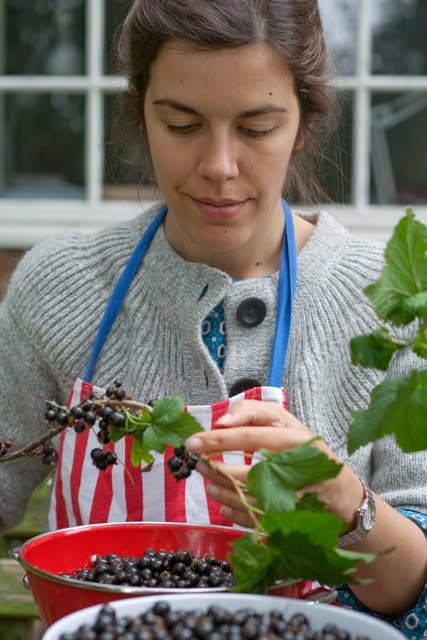
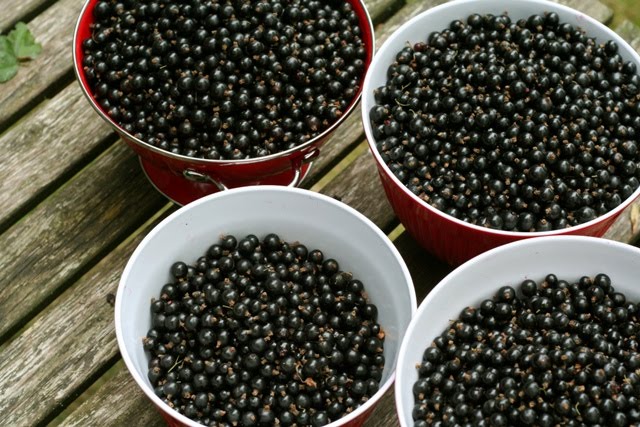
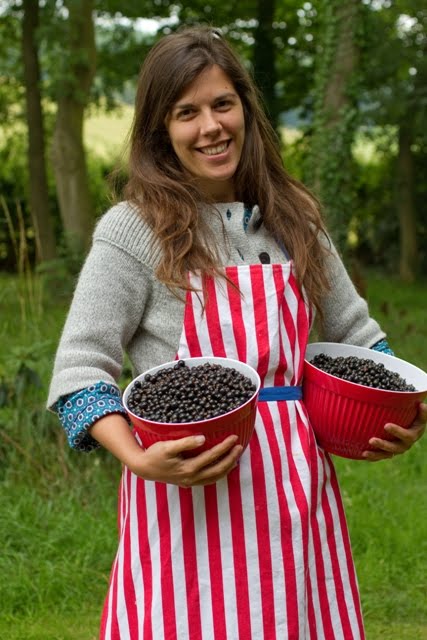
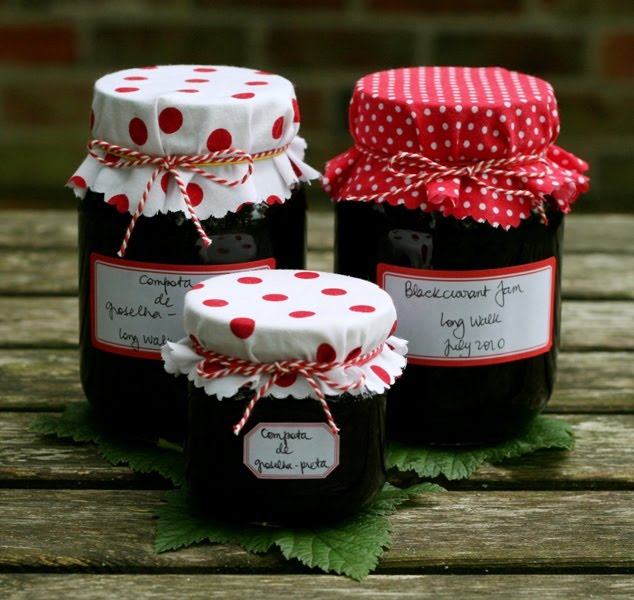
Há um arbusto de groselhas pretas ao pé de nossa casa. No outro dia o nosso senhorio bateu-me à porta e disse-me que as apanhasse antes que se estragassem, e que as usasse para fazer uma tarte ou algo do género. Meu dito, meu feito: o nosso domingo foi passado entre quilos e quilos de bagas. Adoptámos o método de podar para colher, opção que se revelou eficaz e confortável.
There’s a blackcurrant bush near our house and some days ago my landlord urged me to pick them and make a pie or something like that – so we spent our Sunday amongst kilos and kilos of berries. We adopted the prune as you harvest method, which is an efficient and comfortable way of picking blackcurrants.
Ainda não sei quantos quilos de groselhas temos ao certo, mas aposto em seis ou sete. Ao fim da tarde, enchi-me de coragem, li tudo o que encontrei sobre o assunto e fiz a primeira compota da minha vida! Usei esta receita e li e reli estes conselhos, e não é que resultou? Também queremos experimentar fazer cassis e xarope de groselha – alguém recomenda receitas?
I’m not sure how many kilos of berries we’ve ended up with but I’m guessing six or seven. Around 6 pm I took a deep breath, read everything I could find on the subject and made my first batch of jam ever! I followed this recipe and read and re-read these tips and guess what? it worked! We also want to have a go at making cassis and cordial – do you recommend any particular recipes?

(images: Constança Cabral; Tiago Cabral)

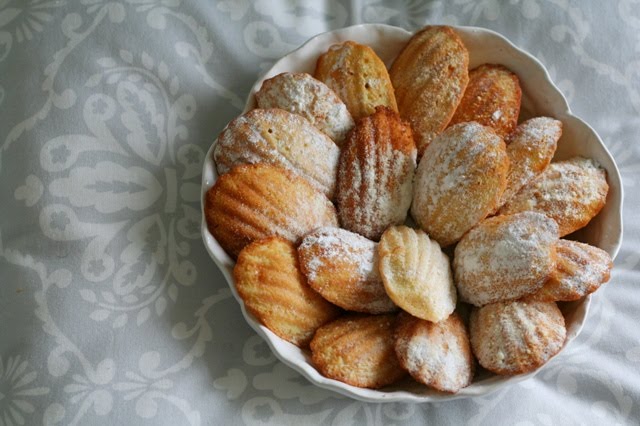
Madalenas :: Madeleines

Madalenas
200 g manteiga (amolecida)
200 g açúcar
200 g farinha
4 ovos
raspa de 3 limões
1 colher de chá de fermento
1 pitada de sal
icing sugar para polvilhar
Pré-aquecer o forno a 180º C. Untar muito bem as formas de madalenas e polvilhá-las com farinha.
Bater a manteiga com o açúcar. Juntar os ovos inteiros, um a um, e bater. Adicionar raspa de limão e bater. Ir incorporando a farinha (à qual se juntou previamente o fermento e o sal) aos poucos e envolver.
Encher formas até metade. Cozer até estarem douradas (tirar do forno no segundo em que estiverem cozidas!). Polvilhar com icing sugar.
Madeleines

200 g softened butter
200 g sugar
200 g flour
4 eggs
grated rind of 3 lemons
1 teaspoon baking powder
a pinch of salt
icing sugar

Preheat oven to 180º C. Butter and flour madeleine tins.

Mix butter and sugar. Add the eggs, one by one, and mix. Add lemon zest and mix. Gently fold in flour (previously mixed with baking powder and salt).

Pour batter into tins, filling them until just half full. Bake until golden (take them out of the oven the second they’re done… watch them like a hawk!). Dust with icing sugar. 

(image: Constança Cabral)