Winter :: Marmalade

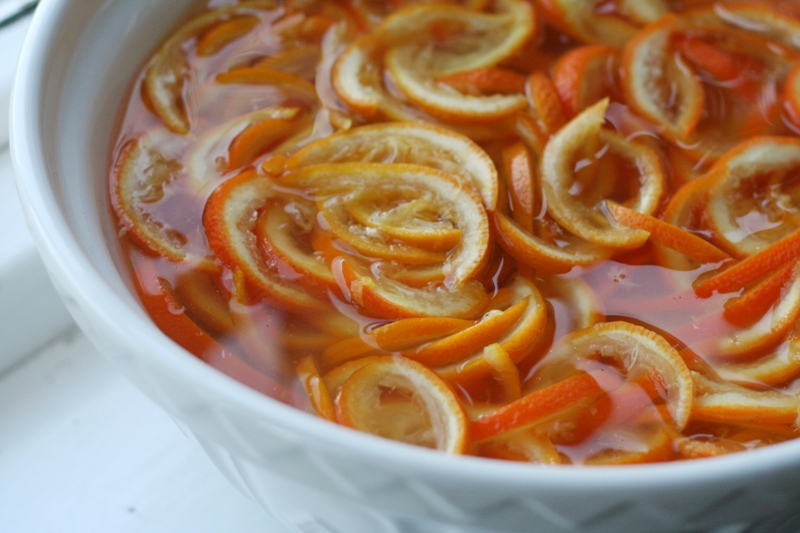
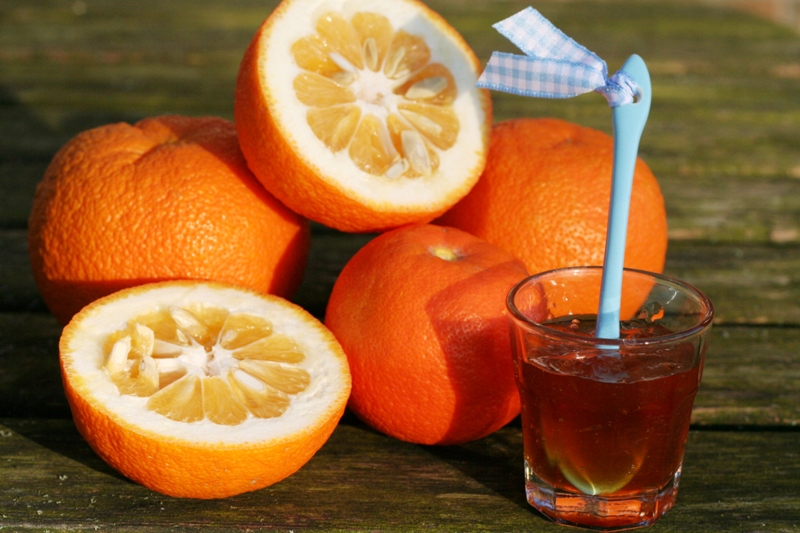
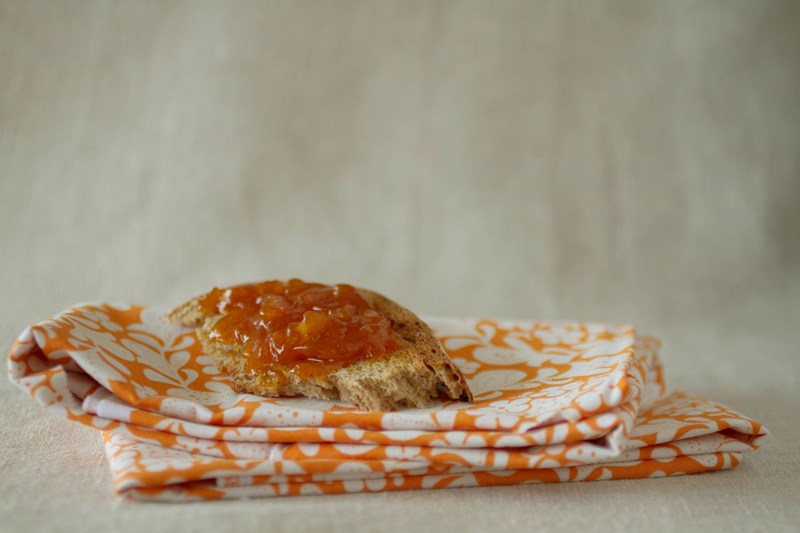
Numa época em que basta ir ao supermercado para encontrar toda a fruta e legumes imagináveis, as laranjas amargas continuam a ser sazonais. Os ingleses são doidos por marmalade (doce de laranja amarga) e, durante umas breves semanas entre Janeiro e Fevereiro, há laranjas de Sevilha à venda em todas as frutarias. Apesar de não ser uma das minhas compotas preferidas, “em Roma, sê romano”, portanto decidi experimentar fazer esta conserva. Segui uma receita deste livro mas não estou particularmente contente com o resultado: o doce ficou demasiado caramelizado. Talvez volte a tentar fazê-lo… E vocês – gostam de marmalade? Já alguma vez fizeram em casa?
In a time when you just have to go to the supermarket to find all manner of fruit and vegetables, bitter oranges are still truly seasonal. The British are crazy about marmalade and, for a few weeks in January and February, almost every greengrocer will stock some Seville oranges. Although it’s not one of my favourite preserves, “when in Rome, do as the Romans do”, so I decided to give it a try. I followed a recipe from this book but I admit I’m not thrilled with the result: the jam got too caramelised. I might try it again… What about you – do you like marmalade? Have you ever made it yourselves?
(images: Constança Cabral)

Doce de Abóbora :: Pumpkin Jam

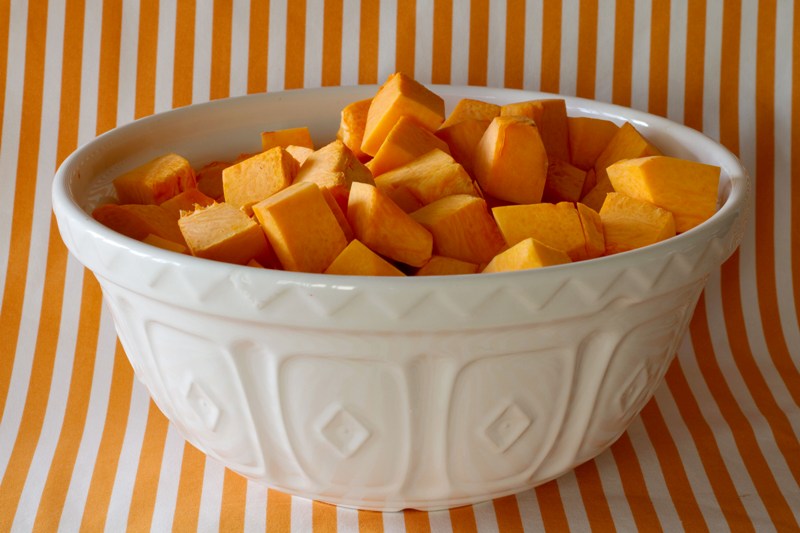
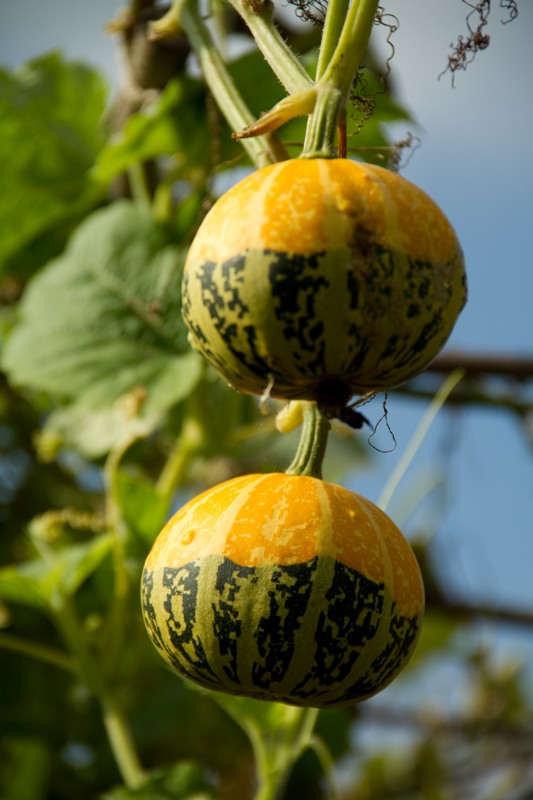
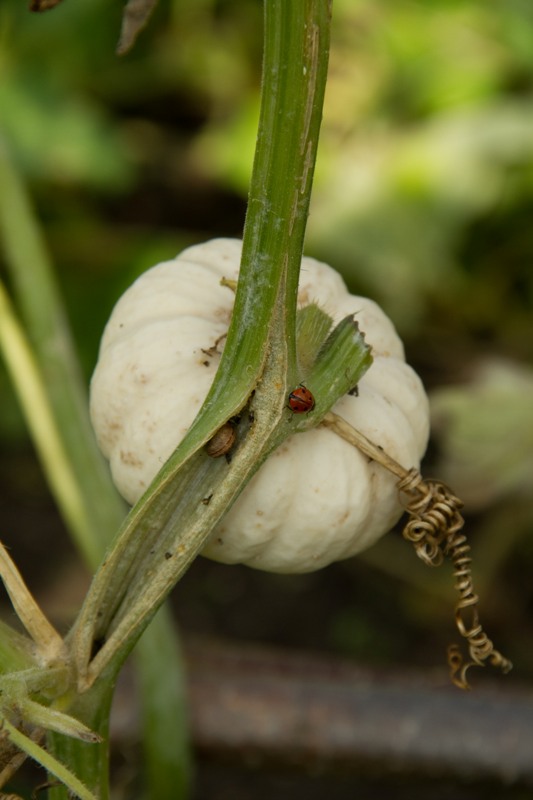
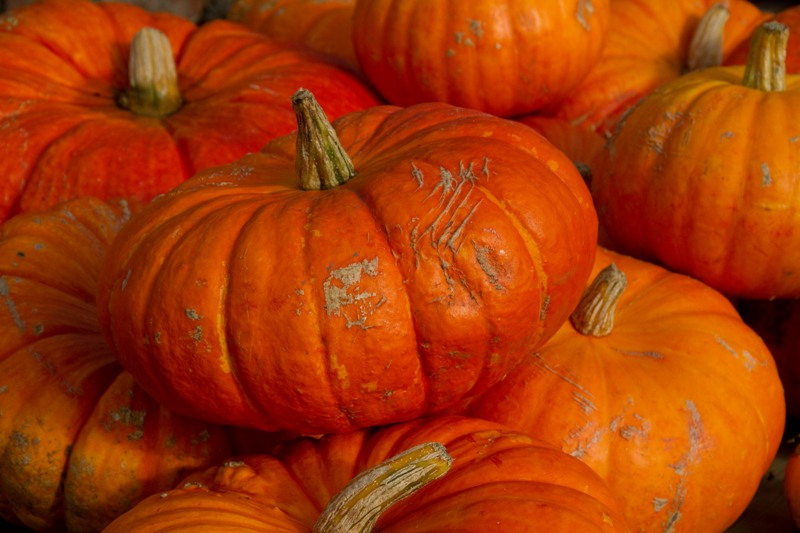
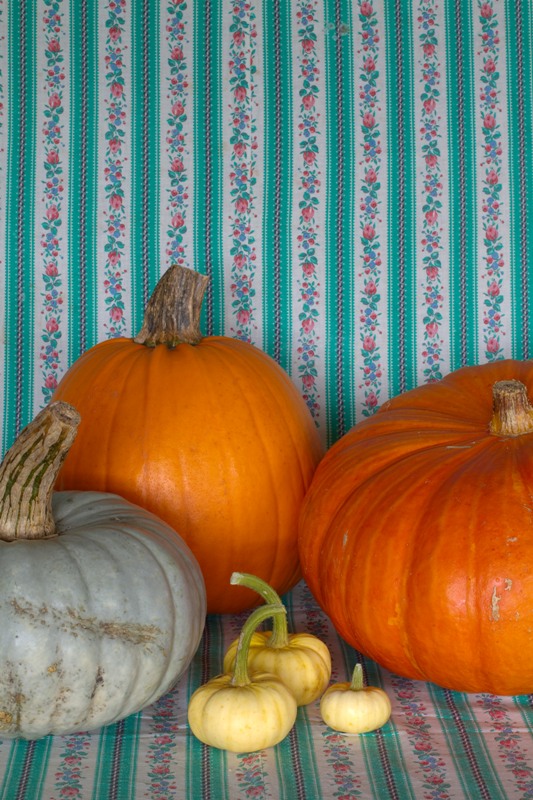
Um dos meus doces preferidos (e parece-me que da maioria dos portugueses) é doce de abóbora, especialmente com canela e noz. Aquelas abóboras que comprei em Outubro foram a desculpa perfeita para abrir o Pantagruel e experimentar fazer mais umas conservas.
One of my favourite jams (and I think a high percentage of Portuguese people will agree with me) is pumpkin jam, especially when it comes with added cinnamon and walnuts. Those pumpkins I bought in October were the perfect excuse to try making my own pumpkin jam.
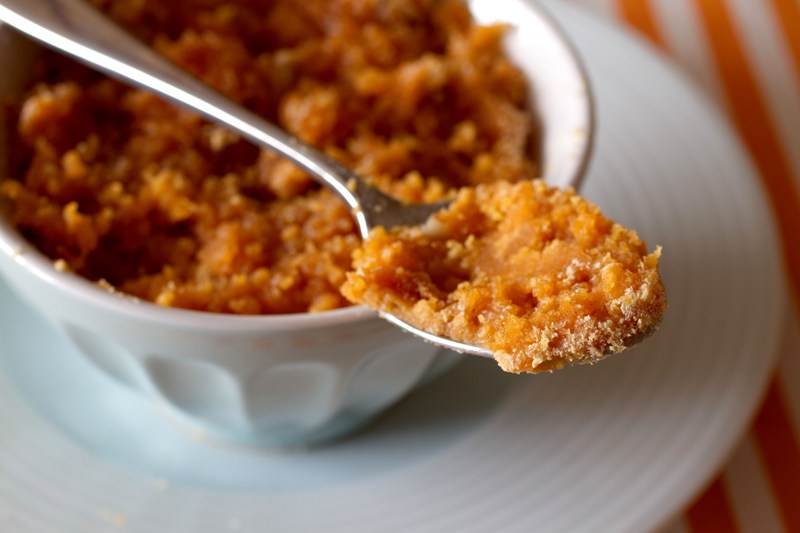
Li algures que nunca devemos dobrar as receitas de compotas mas achei que se calhar esse era mais um daqueles mitos sem fundamento nenhum… rapidamente se provou que estava redondamente enganada.  Falhei o ponto de açúcar e o doce ficou com esta consistência estranhíssima: duro e impossível de ser aproveitado.
I’ve read somewhere that one should never double jam recipes but I thought that was another one of those myths… well, I was wrong! I totally missed the correct sugar stage and the jam turned hard and impossible to eat.
Na segunda tentativa usei apenas 1 kg de abóbora (e reduzi a dose de açúcar: o Pantagruel indicava 1,5 kg mas eu só utilizei 1kg) e o doce saiu bem! Eis a receita para quem quiser tentar:

Doce de Abóbora (adaptada d’ O Pantagruel)

1 kg de abóbora
1, 5 kg de açúcar [eu usei 1 kg]
1 pau de canela [eu usei 2]
1 colher de chá bem cheia de canela em pó
[1 punhado de nozes partidas aos bocados]

Corta-se a abóbora em pedaços, que se descascam e cozem em água e pouco sal. Escorrem-se num passador, espremem-se num pano, passam-se por um passe-vite e mistura-se o polme resultante com o açúcar, mexendo bem para o dissolver. Põe-se então ao lume brando com o[s] pau[s] de canela e deixa-se ferver, mexendo sempre até fazer estrada. Tira-se, bate-se até abrandar o calor, liga-se com a canela em pó [e as nozes] e guarda-se em boiões.

The second time around I only used 1 kg of pumpkin (and decided to reduce the amount of sugar: the recipe calls for 1,5 kg but I just used 1 kg) and it worked! Here’s a tradicional Portuguese recipe for pumpkin jam with cinnamon and walnuts:


Pumpkin Jam (adapted from O Pantagruel)


1 kg of pumpkin 
1,5 kg of granulated white sugar [I used 1 kg]
1 cinnamon stick [I used 2]
1 rounded teaspoon of ground cinnamon
[a handful of chopped walnuts]


Cut the pumpkin in pieces, peel them and cook them in water and a pinch of sea salt until soft. Drain the pulp and pat it dry with a tea towel. Process the pulp using a mouli, place it in a preserving pan and add the sugar, mixing it with a wooden spoon until it dissolves completely. Turn the heat on, add the cinnamon stick[s] and let it boil. The mixture is ready when you scrape the spoon through it and you can see the base of the pan for a couple of seconds. When it has reached this stage, remove the pan from the heat, add the ground cinnamon and the chopped walnuts and pour into jars.

(images: Tiago Cabral)

Handmade Christmas :: Blackcurrant Jam

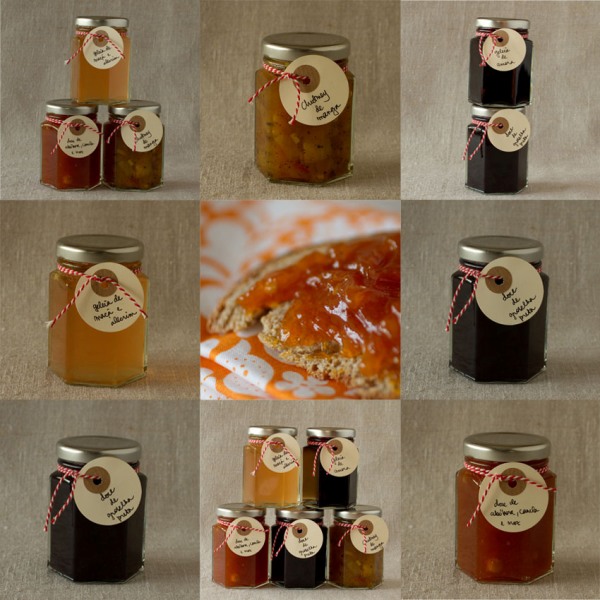
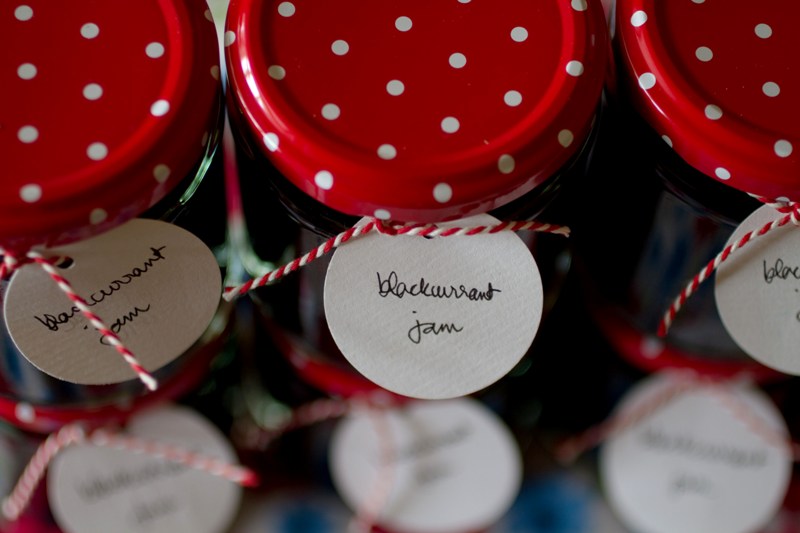
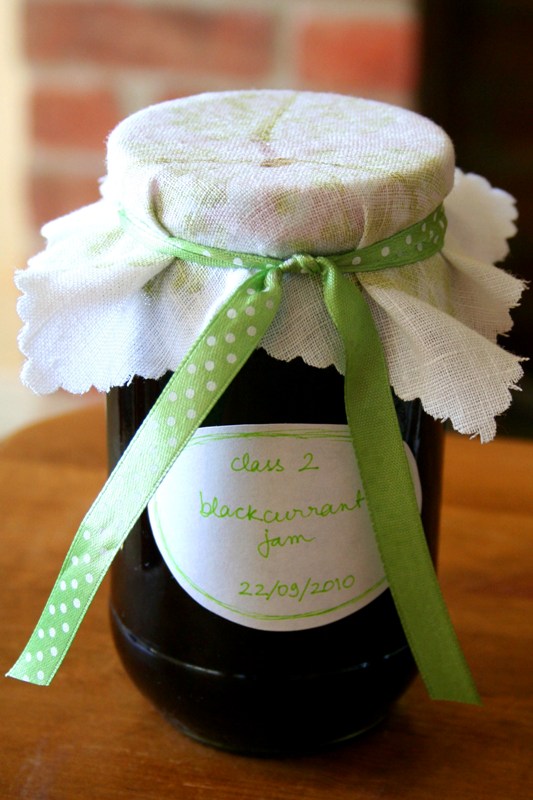
Sou grande apologista de oferecer comida no Natal. Quem não gosta de receber algo doce, feito com dedicação e embalado de uma maneira minimamente atraente? Quem consegue resistir a abrir um frasco nas profundezas do Inverno, sentindo imediatamente o cheiro e o sabor do Verão?
I’m a great advocate for giving food as a Christmas present. Who doesn’t like to receive something sweet, made with care and packaged in a nice way? Who can resist opening a jar in the depths of Winter and immediately smelling and tasting Summer?
(images: Tiago Cabral)

Handmade Christmas :: Granola

Parte da nossa lua-de-mel foi passada num b&b em Cape Cod. O pequeno-almoço era tomado em conjunto com os outros hóspedes (imaginem ter de fazer conversa com desconhecidos todas as manhãs) e havia sempre iogurte e granola caseira. O Tiago gostava imenso da parte da granola, eu nem por isso. Este Natal lembrei-me de lhe oferecer granola feita cá em casa: a receita vem neste livro e inclui  aveia, nozes pecãs, amêndoas e montes de sementes diferentes (sim, este ano trocámos presentes cedo!). É fácil e sabe melhor do que aquela de há três anos… talvez por poder ser saboreada em silêncio.

Part of our honeymoon was spent in a b&b in Cape Cod. Breakfast was eaten on a large table with all the other guests (just imagine having to make conversation with strangers every morning) and there was always yogurt and homemade granola. Tiago loved the bit about the granola, me… not so much. This Christmas I made him a batch of his own granola: the recipe was taken from this book and includes rolled oats, pecans, almonds and loads of different seeds (yes, this year we exchanged gifts early!). It’s very easy to make and tastes better than the one I had three years ago… maybe because it can be eaten in silence.

(image: Tiago Cabral)

We Can Do It!

Há uns meses fiz doce de groselha com as bagas que apanhámos no jardim. Nunca na vida tinha feito  conservas, nem tão pouco tinha tido a sorte de ver alguém fazê-las. Li umas receitas e segui alguns conselhos que encontrei em livros e sites, e simplesmente experimentei. A primeira tentativa não correu mal, mas a segunda e a terceira foram bem melhores. Seguiram-se geleia de camarinha (demasiado líquida), geleia de amora (boa), marmelada (óptima), geleia de marmelo (um desastre) e geleia de maçã (demasiado doce). Mas o doce de groselha continua a ser o meu preferido.
Some months ago I made blackcurrant jam from the berries we picked in the garden. Never in my life had a made any kind of preserve, nor had I had the chance of watching someone make it. I just read a couple of recipes and followed some advice I found in books and websites, and then simply gave it a try. The first attempt came out fairly good, but the second and third were much better. Then I made corema album jelly (too runny), blackberry jelly (good), quince cheese (excellent), quince jelly (a disaster) and apple jelly (too sugary). But blackcurrant jam remains my favourite.
Resolvi enviar um frasco de doce de groselha para a competição do Women’s Institute. E ontem recebi o resultado: então não é que tive 19 em 20?! Este episódio vem mais uma vez provar que, desde que uma pessoa se esforce minimamente e tenha acesso a bons materiais, tudo é possível. Quer aprender a coser? Siga umas instruções, invista num tecido apropriado e em boa linha e sente-se em frente  duma máquina de costura! Quer fazer bolos? Certifique-se de que o seu forno funciona bem, compre boa manteiga, bons ovos, excelente chocolate e siga uma receita! Acredite que é capaz e experimente!
I decided to enter the WI Real Jam Festival with a jar of blackcurrant jam. And yesterday I received the score card: I got 19 out of 20! This episode proves once again that, as long as you make an effort and have access to good materials, anything is possible. Do you want to learn to sew? Follow a tutorial, invest in a nice piece of fabric and in good quality thread and just sit in front of a sewing machine! Want to bake cakes? Check that your oven is working properly, buy real butter, nice eggs, excellent chocolate and follow a recipe! Believe in yourself and go for it!

(images: Constança Cabral)

Marmelada :: Quince Paste

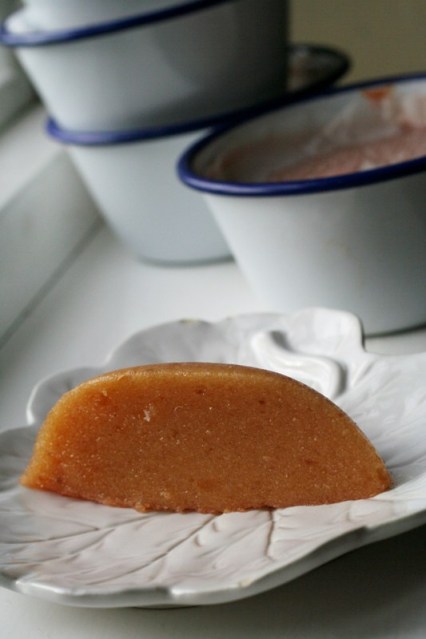
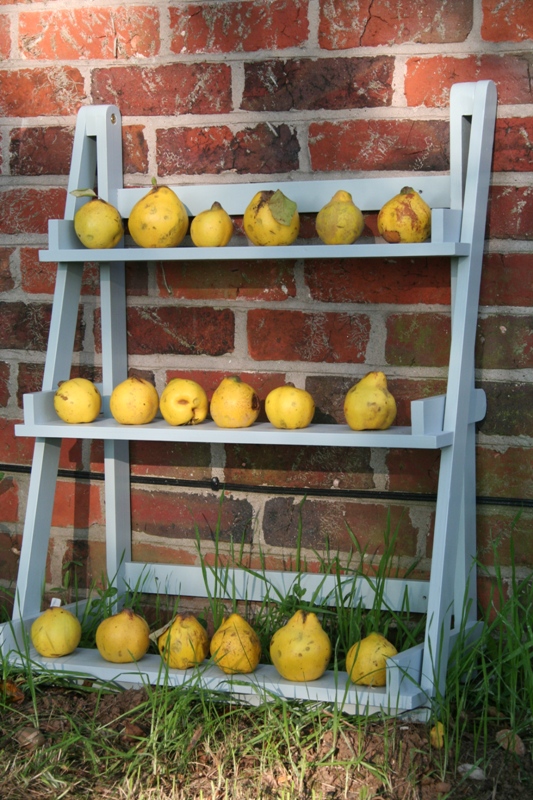
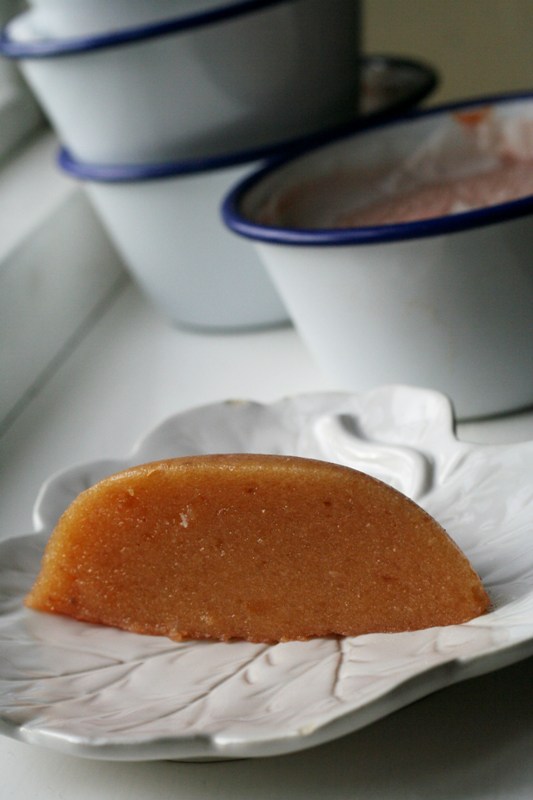
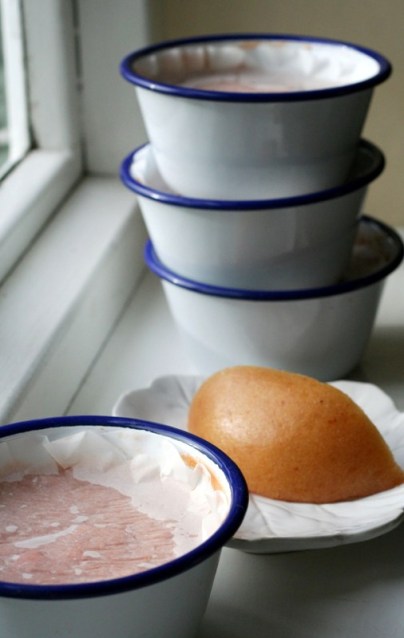
Pela primeira vez na vida fiz marmelada. Pesquisei várias receitas, pedi conselhos e acabei por me decidir pelo clássico Pantagruel, que tem uma receita de “marmelada branca” (supostamente a mais refinada das marmeladas). Esta versão à antiga demora imenso tempo a fazer mas o resultado compensa: a marmelada fica com a dose certa de açúcar e granulosa qb. Quanto aos recipientes, andei pelas lojas de caridade em busca de tigelas antigas mas não tive sorte nenhuma, por isso optei pelas clássicas taças de pudding em esmalte.
For the first time in my life I made marmelada. The english translation for this is “quince cheese” and you may have heard of it as “membrillo”, the Spanish version of this preserve. It’s usually eaten with hard cheese, or cut into squares, dusted with sugar and eaten like a treat. The recipe I followed comes from a classic Portuguese cookery book called Pantagruel. This old-school version of marmelada takes hours to make but the end result is worth every minute. As for containers, usually terracotta or ceramic bowls are used – I searched for old, interesting bowls in charity shops without any luck so I used enamel pudding basins instead.
Marmelada (Pantagruel)

Marmelos bons: 2 kg
Açúcar: 1,2 kg

Lavam-se os marmelos e, para a marmelada ficar branca, cozem-se inteiros, sem lhes tocar com a faca para não escurecerem.

Depois de frios, pelam-se à mão, tiram-se-lhes as pevides com os dedos e passam-se pelo passe-vite [usei a varinha mágica].

Leva-se o açúcar ao lume com água suficiente para o derreter [1/3 do peso do açúcar] e deixa-se ferver até chegar quase a ponto de rebuçado [deitando uma colher de calda em água fria, forma-se uma bola].

Junta-se o polme dos marmelos, e vai-se mexendo com uma colher de pau, até se ver o fundo do tacho. Retira-se do lume e bate-se até completo arrefecimento.

Deita-se em tigelas e deita-se secar até a superfície criar pele.

(Querendo-se fazer marmelada vermelha, cortam-se os marmelos à faca antes de os cozer).

Quince cheese, the Portuguese way

Quinces: 2 kg
Granulated sugar: 1,2 kg

Wash, peel and core the quinces. Cover with water and boil until the fruit is soft. 

Drain the water and process the pulp using a mouli or a hand blender until smooth.

Meanwhile, place the sugar in a pan and cover with 400 ml water. Bring it to a boil and stir until it has dissolved. Let it boil until you reach soft-ball stage (when you drop the syrup into cold water it forms a soft, flexible ball – approx. 120ºC/240ºF).

Add the quince pulp to the syrup and stir with a wooden spoon. It needs to boil violently for approx. 30 minutes and you’ll have to keep stirring (use a long spoon, cover your arms and watch out for burns… it’ll spit like a volcano). The mixture is  ready when you scrape the spoon through it and you can see the base of the pan for a couple of seconds. When it has reached this stage, remove the pan from the heat and keep stirring until it’s cooled down a bit. 

Pour into clean bowls (porcelain, enamel or terracotta). Place the bowls on a windowsill and cover them with parchment paper. Let the paste dry out for at least a week. It will keep for several months inside a pantry or an airing cupboard.

(images: Constança Cabral)