Autumn :: Apple & Cinnamon Cake

[scroll dow for English]

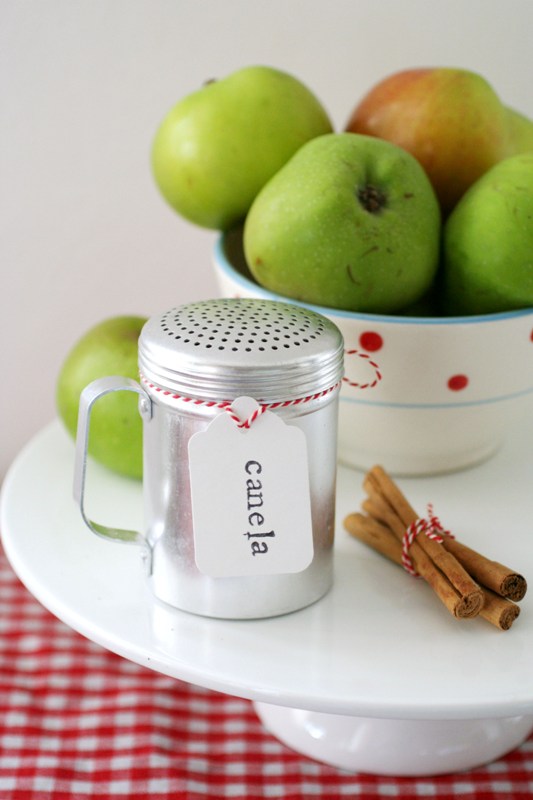
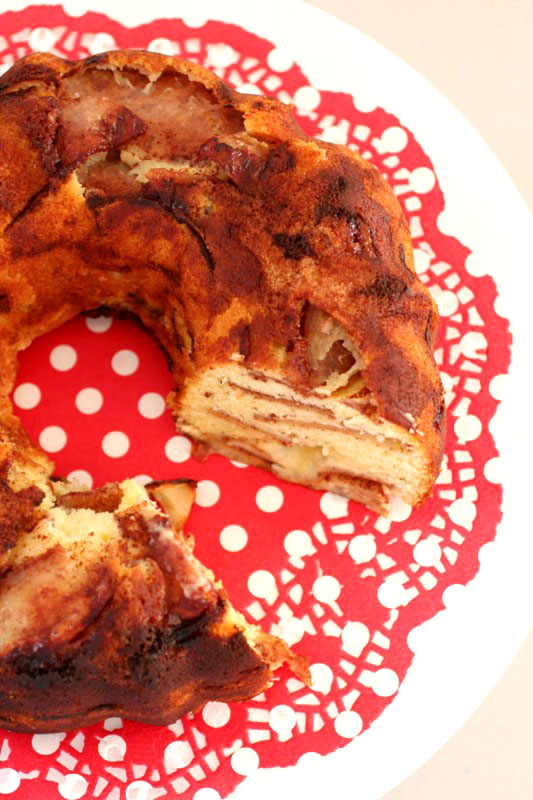
Num fim-de-semana de Outono, nada sabe melhor do que um bolo de maçã e canela ao lanche. Há uns tempos uma vizinha minha deu-me uma série de maçãs Bramley da sua árvore e, em vez de doces e geleias, lembrei-me de fazer um bolo. Se também o quiserem experimentar, aqui fica a receita:

Bolo de Maçã e Canela

4 maçãs (ou 2 maçãs grandes Bramley ou reinenta)
250 g açúcar
150 g manteiga
4 ovos, separados
200 g farinha de trigo
1 c. chá de fermento
canela em pó

1. Untar a forma com manteiga, povilhá-la com canela e cobrir a base com açúcar. Ligar o forno a 180ºC.

2. Descascar as maçãs, cortá-las em fatias finas e polvilhá-las com bastante canela.

3. Bater bem a manteiga com o açúcar até a mistura ficar cremosa e esbranquiçada.

4. Juntar as gemas de ovo e bater.

5. Noutra taça, bater as claras em castelo.

6. Ir incorporando no primeiro preparado, alternadamente, as claras em castelo e a farinha (cuidado para não bater demasiado a massa).

7. Colocar uma camada de fatias de maçã na forma, depois um pouco de massa, em seguida outra camada de maçãs, depois o resto da massa e terminar com as restantes maçãs (nesta altura poderá achar que a massa é curta mas a sério que chega: o truque é alternar camadas grossas de fatias de maçã com camadas finas de massa).

8. O bolo coze durante cerca de meia-hora mas, como todos os fornos são diferentes, é importante ir vigiando a cozedura. Não deixar cozer demasiado, sob pena de o bolo ficar muito seco.

***

On an autumn weekend nothing tastes batter than an apple and cinnamon cake for afternoon tea. Some weeks ago, a lovely neighbour gave me a few Bramley apples from her tree and instead of making yet another preserve, I decided to bake a cake. In case you’re interested in making one yourself, here’s  the recipe:

 
Apple and Cinnamon Cake

4 cooking apples (or 2 large ones)
4 eggs, separated
250 g caster sugar
150 g butter
200 g all-purpose wheat flour
1 teaspoon baking powder
ground cinnamon

1. Grease the tin, coat it with ground cinnamon and cover the bottom in sugar. Preheat the oven to 180ºC.
 
2. Peel and core the apples and cut them into fine slices. Sprinkle them with a fair amount of cinnamon.
 
3. Cream the butter and the sugar until the mixture is white and fluffy.
 
4. Add the egg yolks and beat them in well.
 
5. In another bowl, beat the egg whites until they reach soft peaks.
 
6. Incorporate a spoonful of eggs whites into the cake batter, then some flour, then some more egg whites and so on. Be careful not to overwork it.
 
7. Place a layer of apple slices in the tin, then a layer of cake batter, then a layer of apples, then the remaining batter and finish with the apples (at this point you may think that you’re a little short on batter but it really is enough: the trick is to alternate rather thick layers of apple slices with thin layers of cake batter).
 
8. Bake for approximately half an hour but since every oven is unique, do pay attention. Do not overbake it or else the cake will be too dry.
 

Licor de Abrunho :: Damson Liqueur

Às vezes ouvimos contar que as nossas avós e bisavós faziam licores em casa. “Extraordinário!”, pensamos, “que senhoras industriosas.” Pois hoje eu venho desfazer um mito: fazer licor em casa é facílimo. Há dezenas de receitas disponíveis (a minha edição do Pantagruel tem 18) mas no fundo trata-se sempre de deixar macerar a fruta em álcool, açúcar e especiarias.
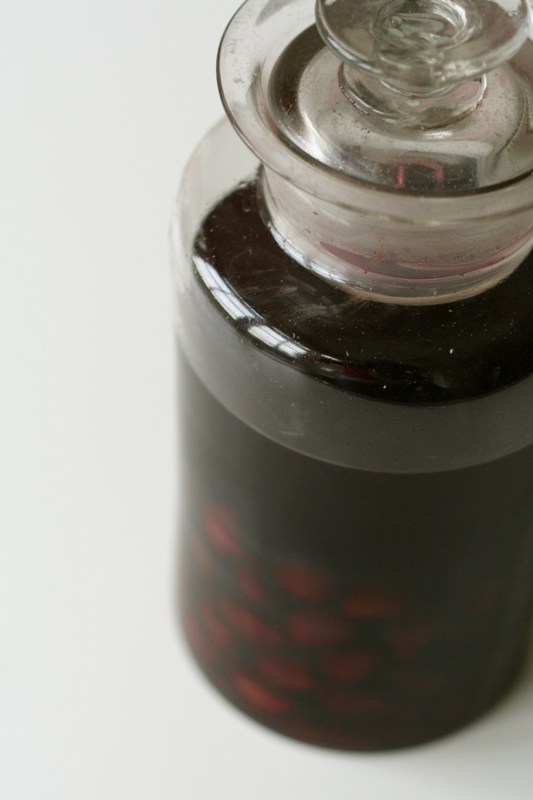
As duas fotografias foram tiradas com um mês de intervalo: é o nosso licor de abrunho, no dia em que foi feito e hoje. No Natal será filtrado e engarrafado — e bebido. O método é simples: meio quilo de fruta, 125 g de açúcar fino, raspa de um limão, um pau de canela e uma garrafa de vodka: tudo para dentro de um frasco grande e limpo (caso estivéssemos a viver em Portugal, teríamos usado aguardente). Agitar todos os dias. Esperar tês meses. Filtrar e engarrafar. O mais engraçado de tudo é que usei um frasco que a minha bisavó materna usava para fazer os licores lá de casa.
Sometimes we hear our family tell tales of how our grandmothers and great-grandmothers used to make liqueurs at home. “How extraordinary”, we think, “such industrious ladies”. Well, today I’m going to undo this myth: homemade liqueurs are the easiest things. There are dozens of recipes available but deep down it all comes to letting the fruit macerate in alcohol, sugar and spices. 

The two pictures above have been taken with a month’s difference: it’s our damson liqueur the day it was prepared and today. By Christmas time we’ll filter and bottle it — and drink it. Here’s how we made it: half a kilo of fruit, 125 g of caster sugar, the zest of a lemon, one cinnamon stick and one bottle of vodka: all poured into a large, clean jar. Shake it every day. Wait 3 months, then strain and bottle it. The loveliest thing was that I utilised the jar my great-grandmother used to employ to prepare her own liqueurs. 

(photos: 1- Tiago Cabral; 2- Constança Cabral)

Como Fazer Geleia de Amora :: How to Make Blackberry Jelly

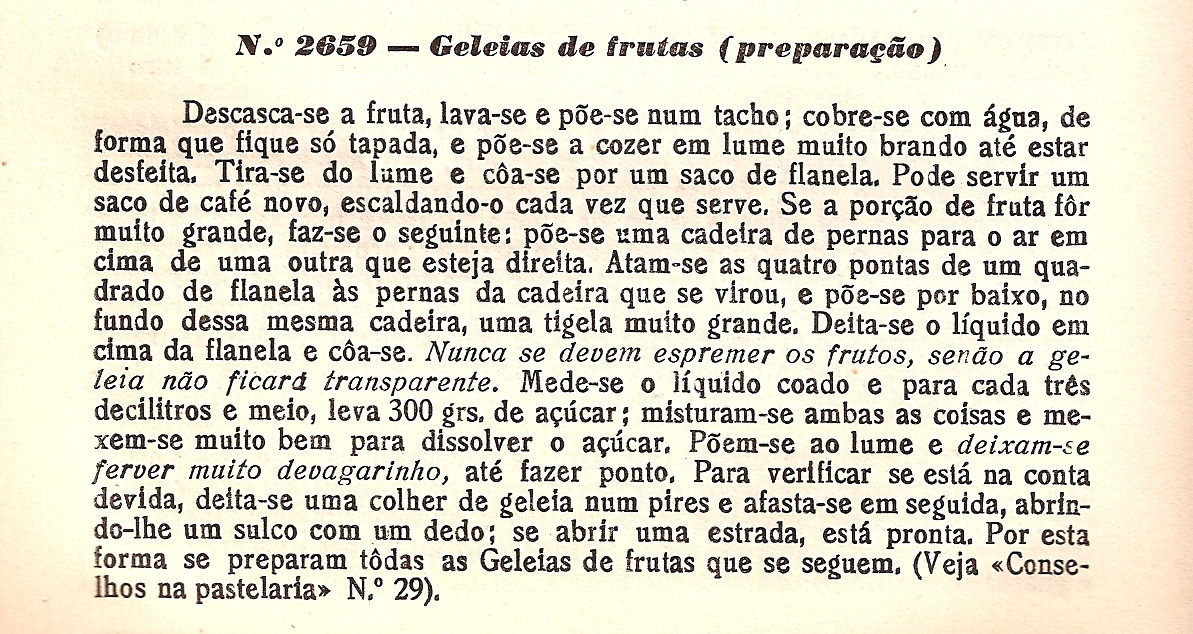
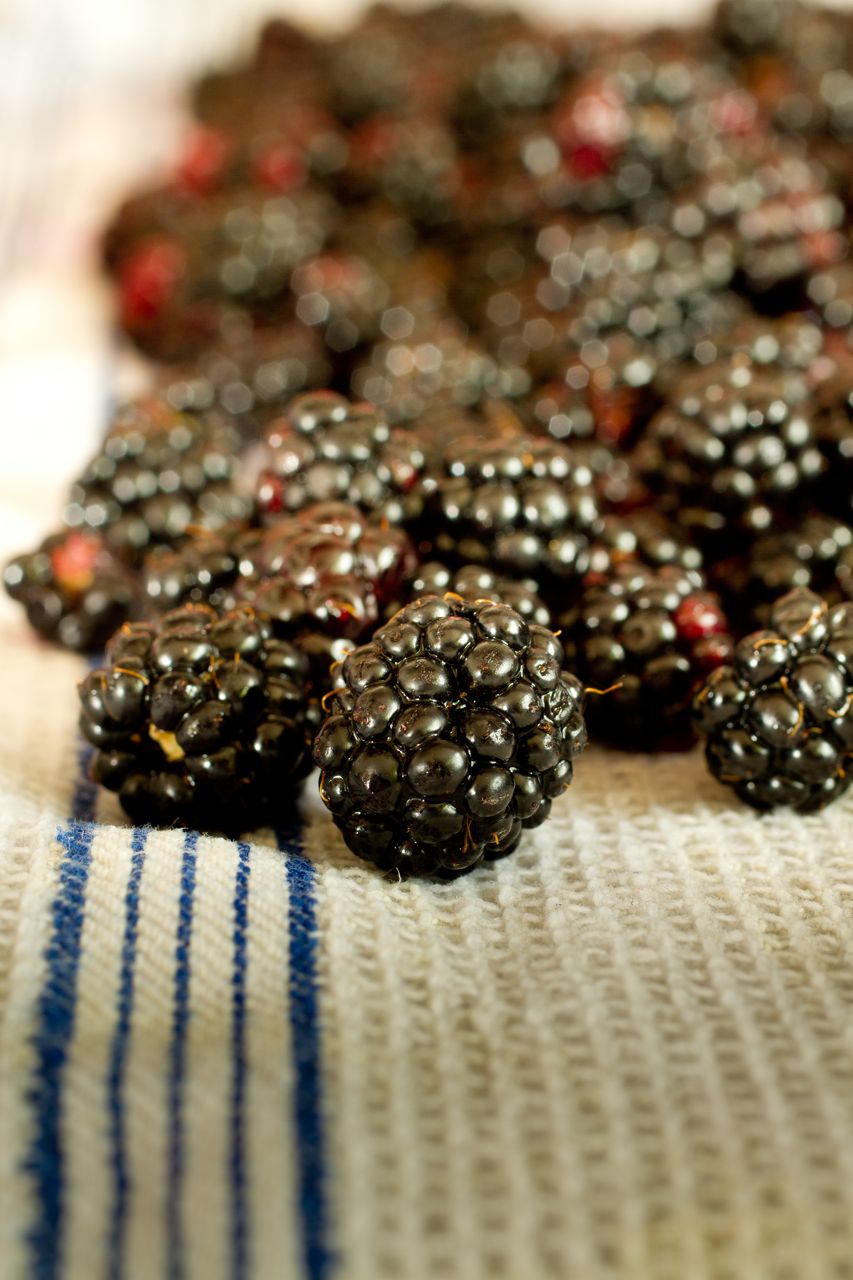
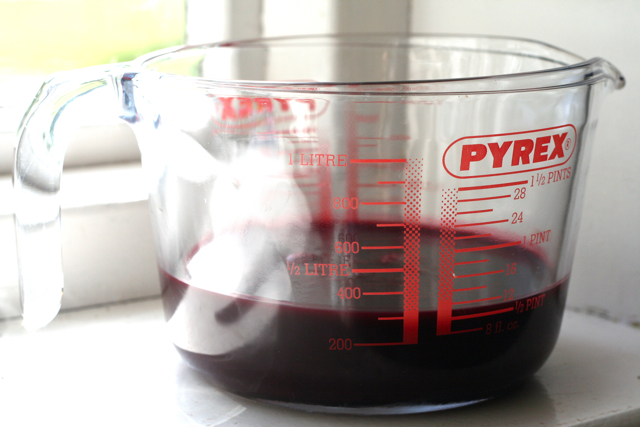
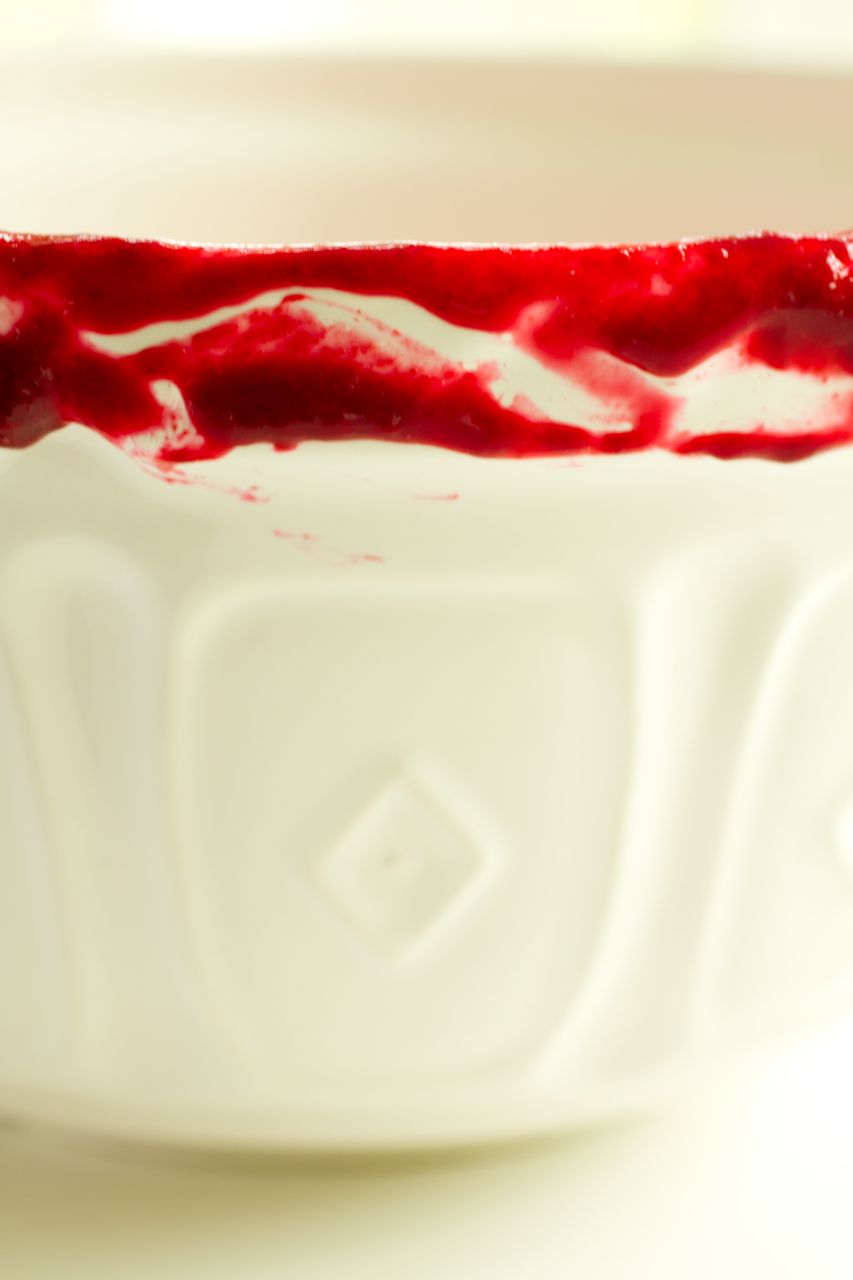
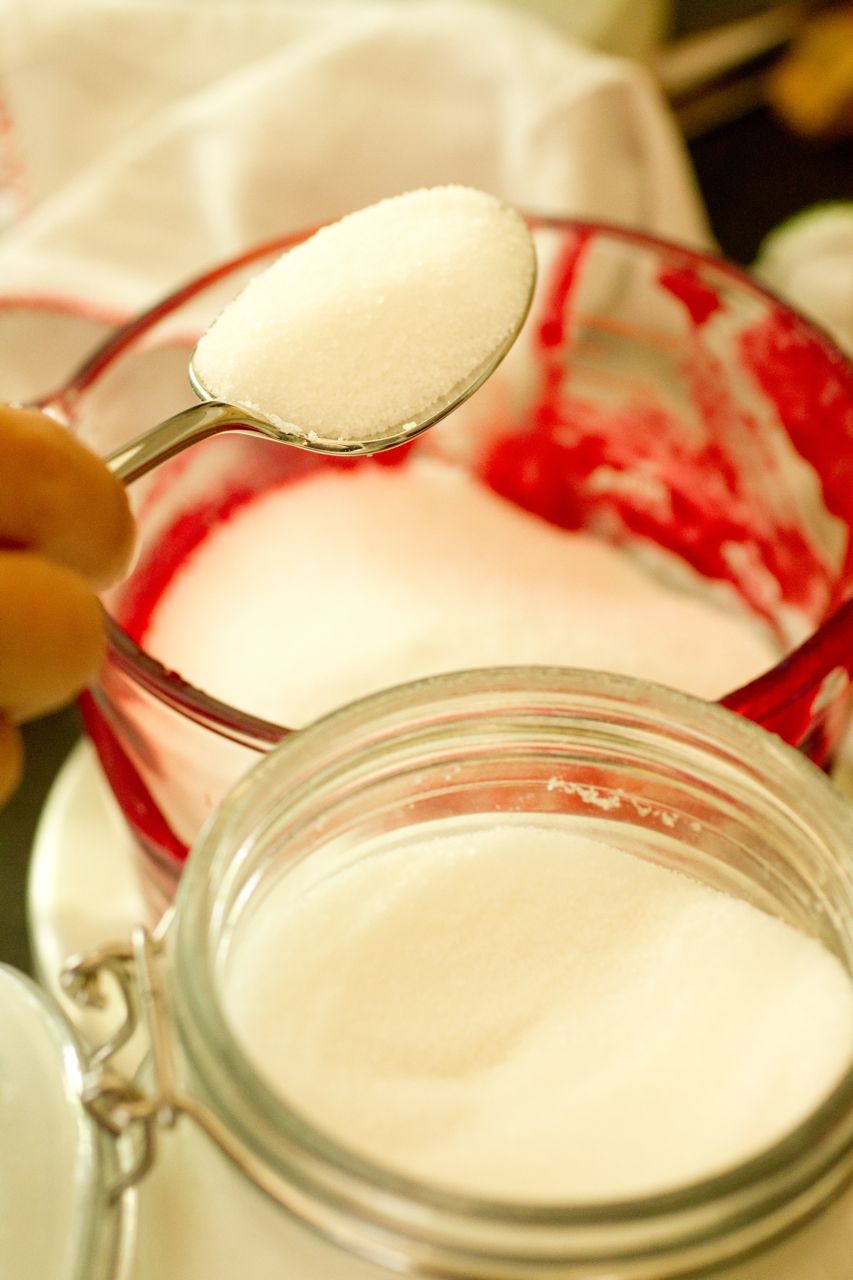
Afinal Setembro foi um mês óptimo para apanhar amoras silvestres. Fiz duas vezes geleia — uma só de amora e outra de amora e maçã (as maçãs têm muita pectina, o que ajuda à gelificação) — e decidi documentar o processo. Digitalizei a receita de geleia do Pantagruel da minha avó (ed. 1952); se quiserem saber mais sobre a forma como eu faço conservas, podem ler o meu post sobre doce de framboesa.
After all September turned out to be a great month to pick wild blackberries. I made jelly twice — the first time I only used blackberries, later on I added cooking apples to the mix (they’re high in pectin, which helps the jelly set) — and decided to document the process. The first image shows a basic jelly recipe from a classic Portuguese cookery book, the Pantagruel (I’ve got my grandmother’s copy from 1952) but there’s a great recipe in Pam Corbin’s preserves book. If you want to know more about how I go about preserving fruit, you can read my post on making raspberry jam.
(photos: Constança Cabral)

Abrunhada :: Damson Cheese

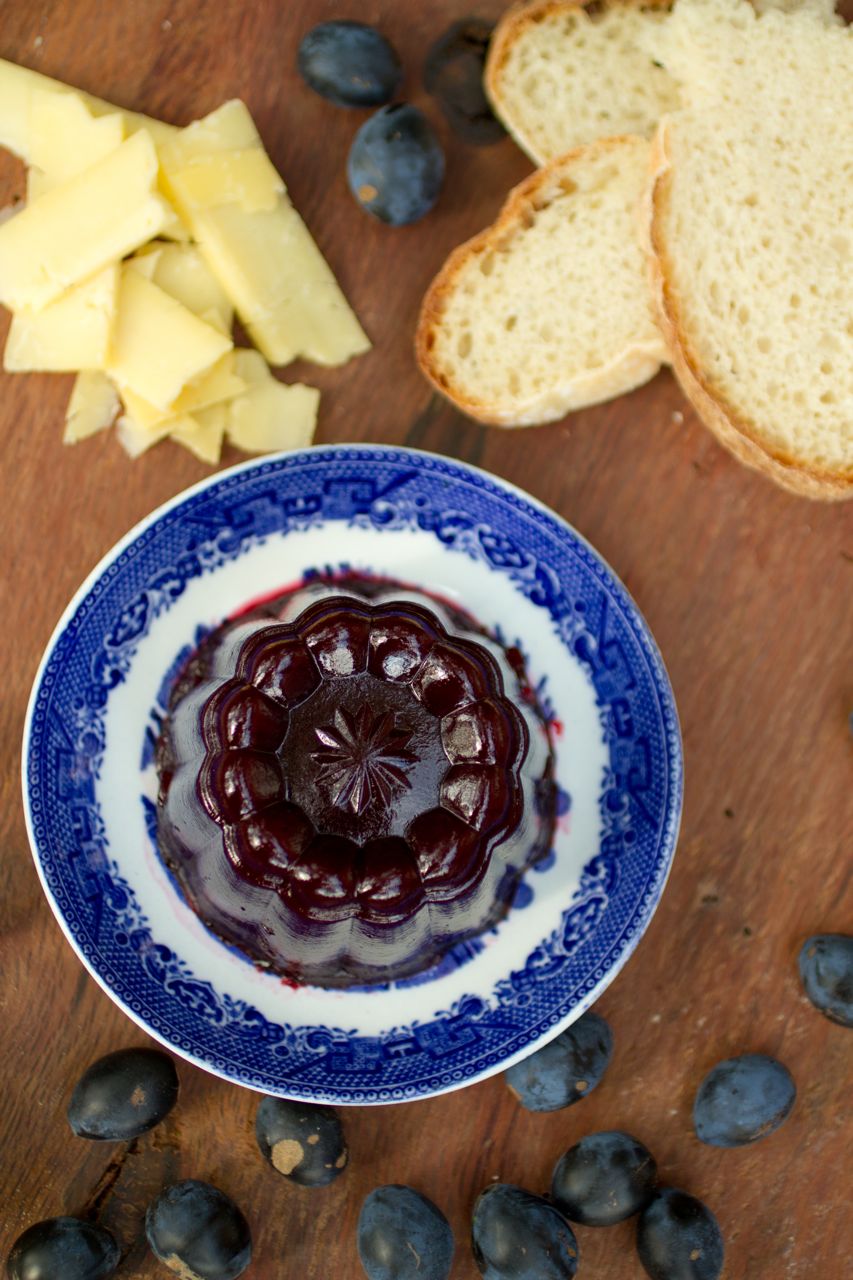
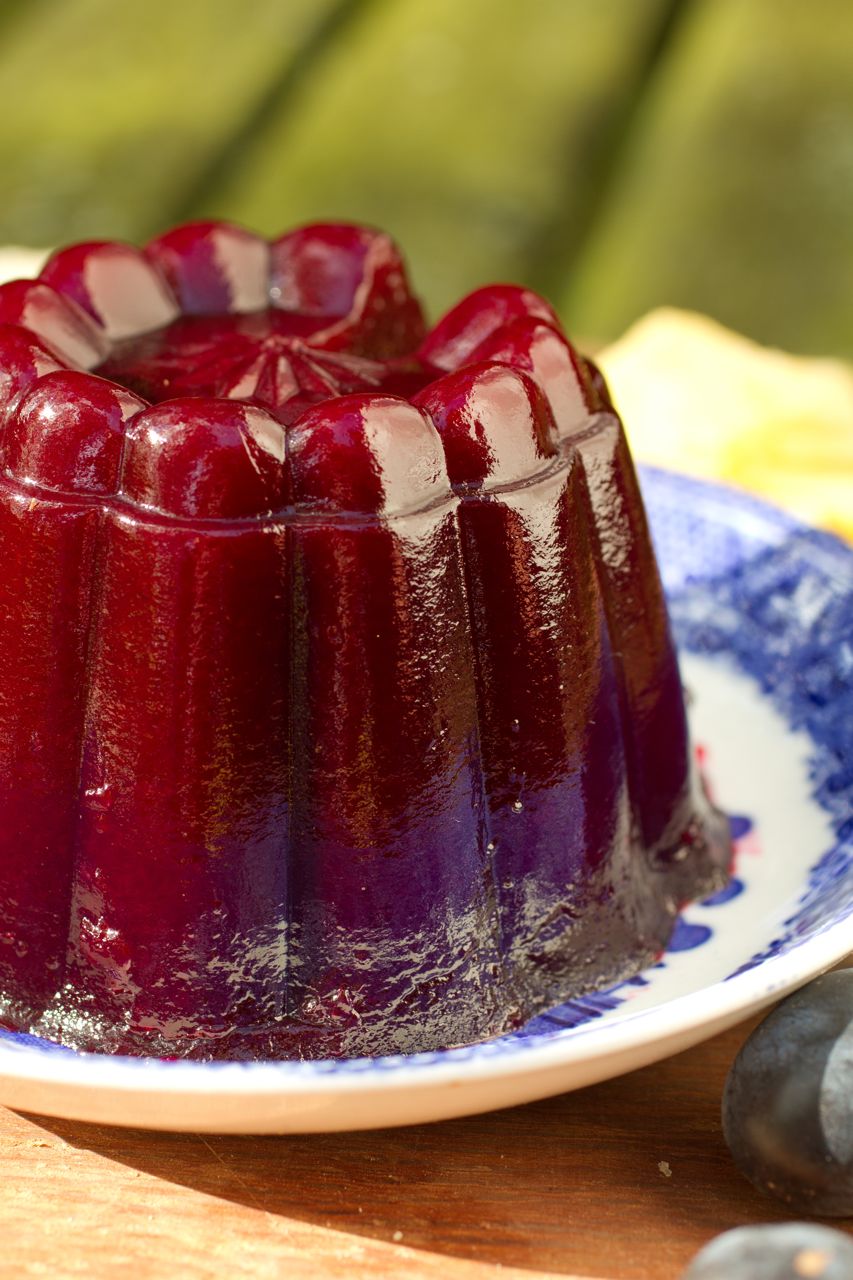
Uma das coisas que fiz com aqueles abrunhos foi abrunhada (marmelada de abrunho). O método que usei é muito parecido com o da marmelada e o resultado é uma pasta moldável, algo ácida e óptima quando combinada com um queijo seco. Primeiro há que cobrir os abrunhos com água num tacho e deixá-los cozer em lume baixo, até que rebentem e as cascas e os caroços se separem da polpa. Passa-se esse preparado por um passador de rede e, para cada 600 ml de puré, adicionam-se 450 g de açúcar. Deixa-se derreter o açúcar em lume baixo e depois ferve-se o preparado com o lume no máximo, mexendo até que faça ponto de estrada (quando a colher de pau faz um risco no fundo do tacho que se aguenta durante alguns segundos). Por fim, deita-se em taças esterilizadas (eu usei uma forma antiga de gelatina), deixa-se secar uns dias e desenforma-se (ou não).
One of the things I made with those damsons was damson cheese. It’s very similar to making quince cheese and the result is a malleable paste, a bit tart and great when paired with dry cheese. Start by covering the damsons with water and let them cook until they burst and the flesh and stones have come away from the pulp. Then push everything through a sieve and for every 600 ml of purée add 450 g of granulated sugar. Let the sugar dissolve in a low heat and then increase the heat and let it boil (keep stirring so it doesn’t burn) until you scrape the spoon through it and you can see the base of the pan for a few seconds. Finally, pour the mixture into sterilised bowls (I used an old glass mould), let it dry for a few days and that’s it!

(photos: Tiago Cabral)

Tarde de Chuva :: Rainy Afternoon

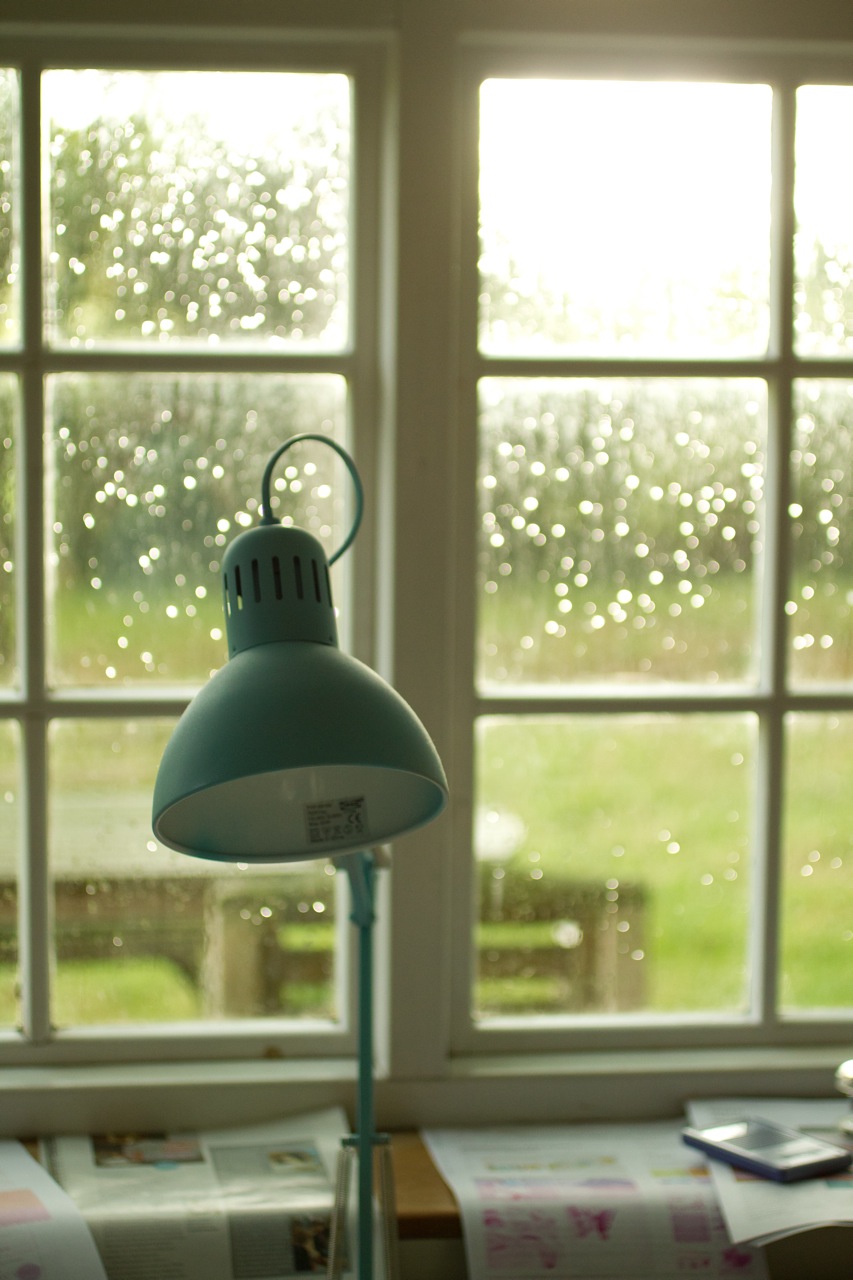
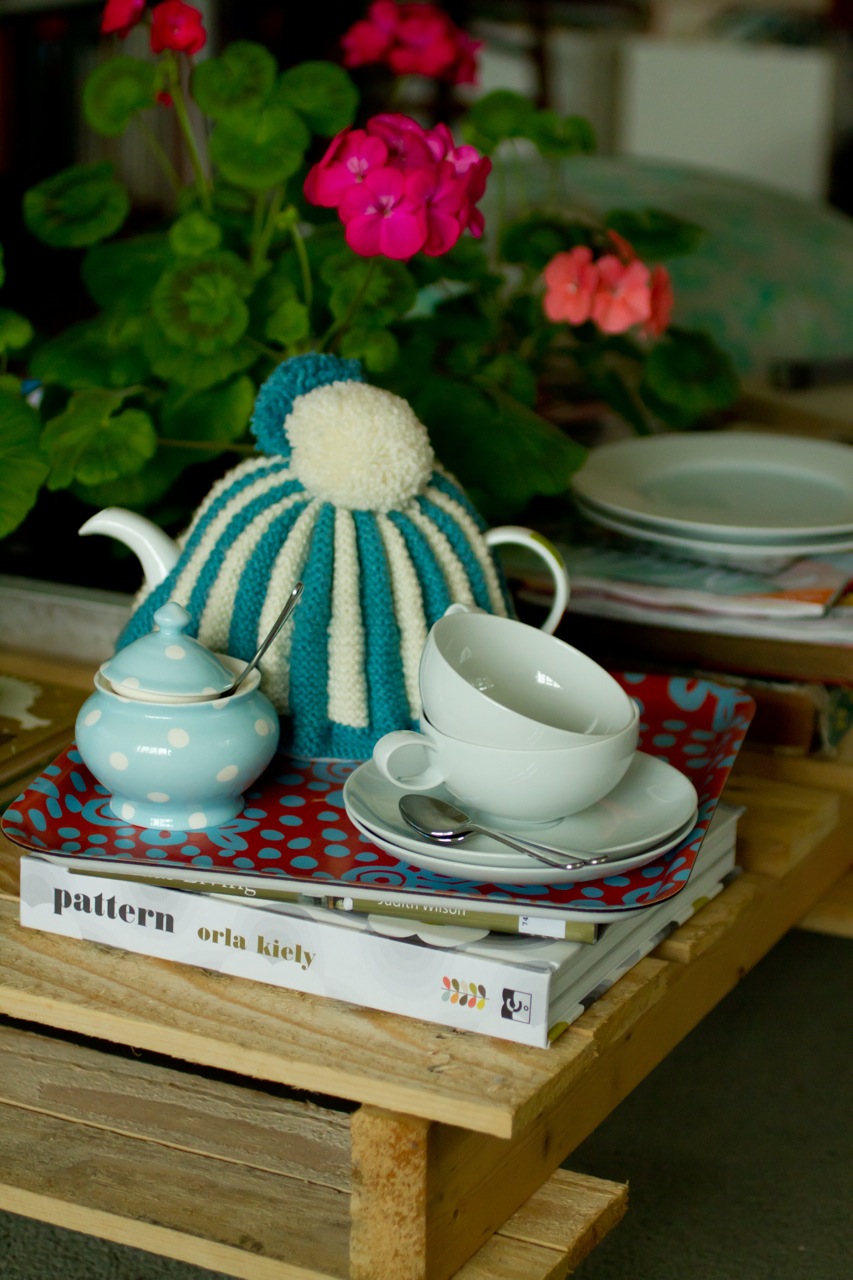
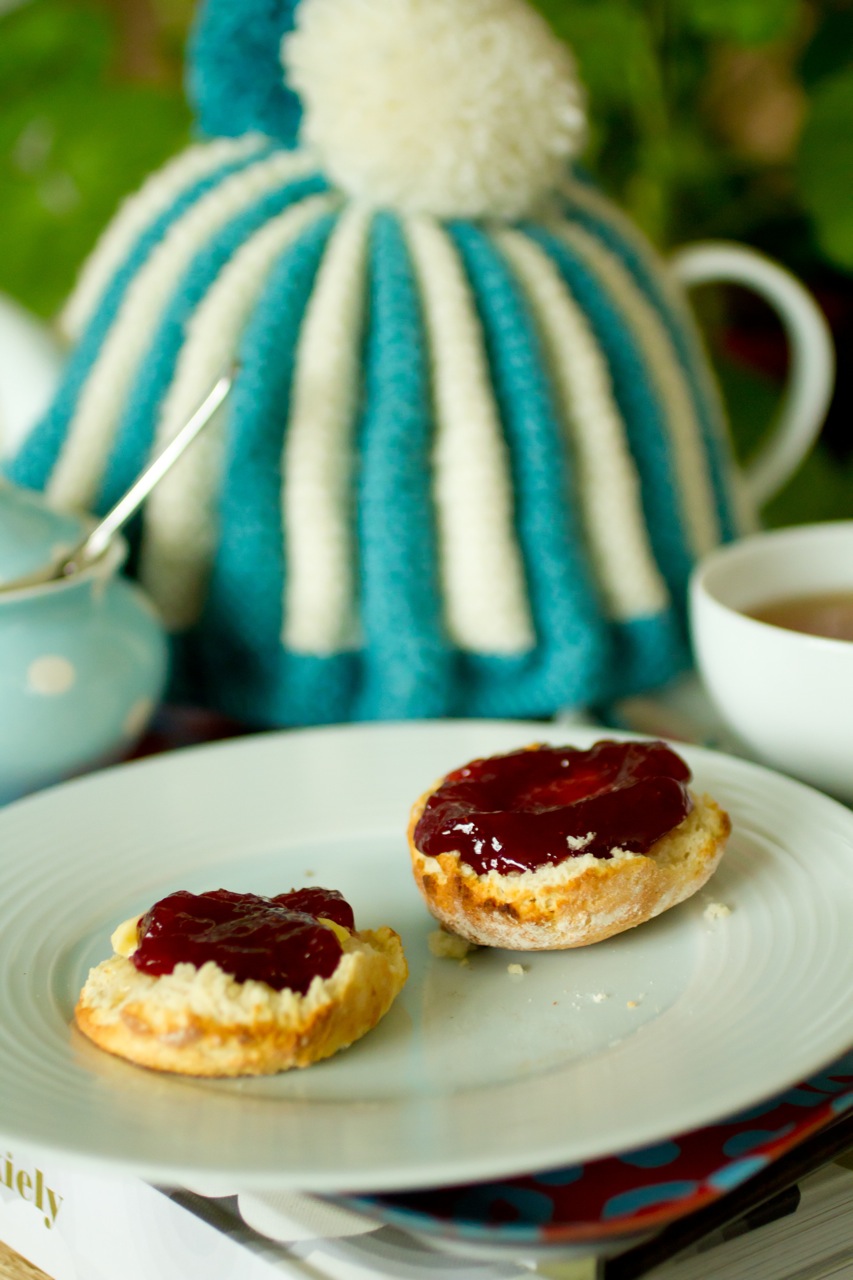
Há tardes em que só apetece chá e scones — aposto que sabem do que estou a falar. Lá fora não pára de chover, é sábado e o Outono está a instalar-se: de repente, um lanche reconfortante impõe-se.
(A minha receita de scones preferida vem neste livro, o abafador de bule foi tricotado pela minha mãe e a galinha foi feita por mim.)
There are those afternoons when all you want to do is have tea and scones — I bet you know what I’m talking about. It’s Saturday, it won’t stop raining and you feel autumn creeping in. All of a sudden, a comforting tea is all you need.
(My favourite scones recipe comes from this book, the tea cosy was knitted by my mother and the hen was made by me.)

(photos: Tiago Cabral)

Ameixas Bravas :: Damsons

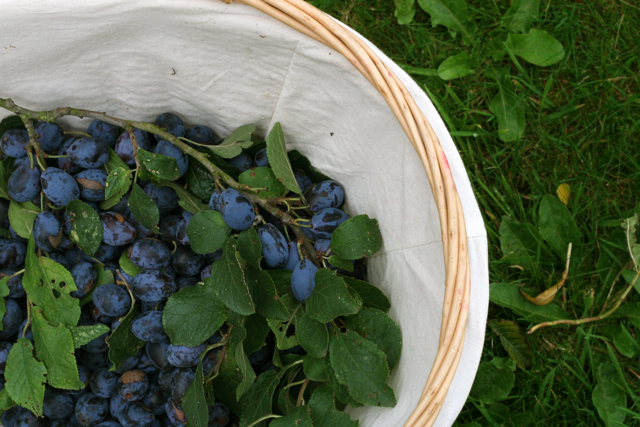
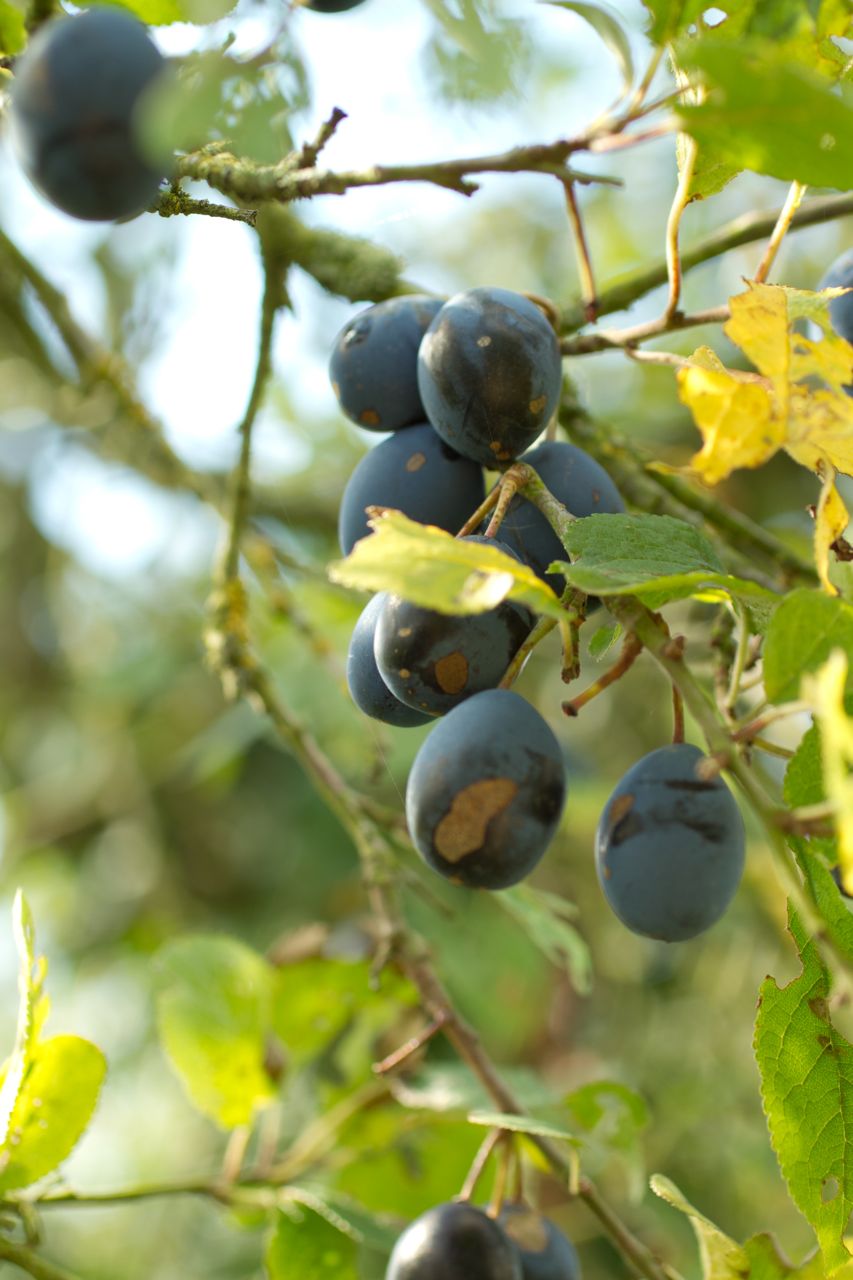
Hoje de manhã saí cedo de casa para ir apanhar amoras. Há um ano apanhei algumas e fiz geleia, e este ano queria repetir a dose. A certa altura um vizinho meteu conversa comigo, disse-me que já era tarde para apanhar amoras e perguntou-me se não queria apanhar antes damsons (um tipo de ameixa muito comum na Grã-Bretanha). Vim para casa com um cesto cheio e planos para fazer doce e licor de ameixa. Como é bom viver no campo! 
This morning I left the house early in search of blackberries. Last year I managed to pick a few and make jelly, and I wanted to do it again this year. Whilst I was raiding the hedgerows a neighbour came up to me, asked me what I was picking and told me it was much too late for blackberries. He was nice enough to offer me some damsons though. I came home with a basket full of fruit and now I’m planning to make damson jam and damson gin. Oh the joys of country living!

(photos: Constança Cabral)
Summer :: Vanilla Ice-Cream

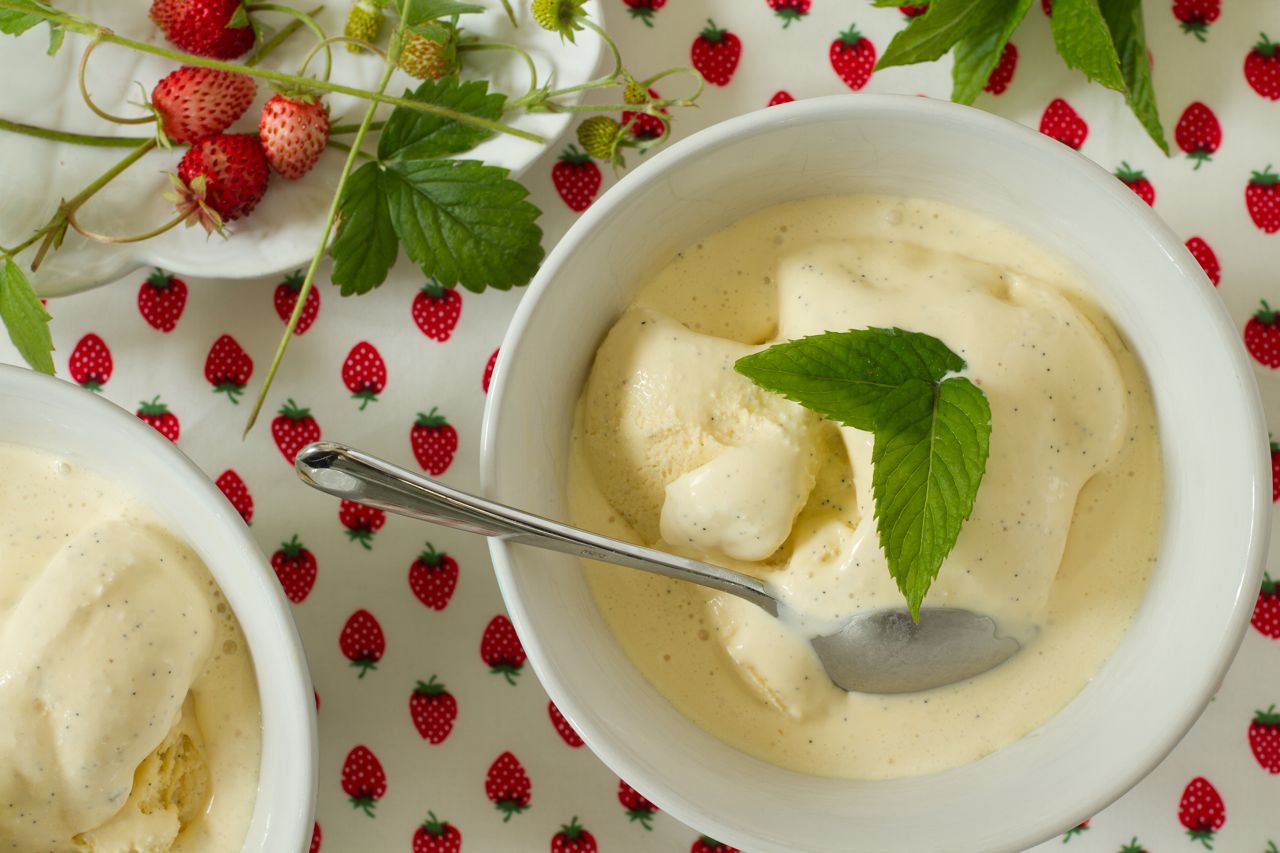
Há que aproveitar os últimos dias de Verão e para isso nada melhor do que fazer gelado em casa. Há uns dias fiz gelado de baunilha, a partir de uma receita deste livro, com ovos, natas, açúcar e uma vagem de baunilha. Como não tenho máquina de gelados, usei aquele velho método de, de hora a hora, quebrar os cristais de gelo com um garfo (fiz isto três vezes). Ficou óptimo!

[por razões de direitos de autor, não transcrevo a receita que utilizei — no entanto, há centenas de receitas semelhantes em livros e sites]
We must make the most of the last days of summer and in this time of year there’s nothing better than eating homemade ice-cream. A couple of days ago I followed a recipe from this book to make vanilla ice-cream using only eggs, cream, sugar and a vanilla pod. Since I don’t own an ice-cream maker I used that old method of breaking up the ice-crystals with a fork every hour for three hours. It turned out great!

[for copyright reasons I won’t transcribe the recipe I followed — however, there are hundreds of similar recipes in books and websites]

(photos: Tiago Cabral)

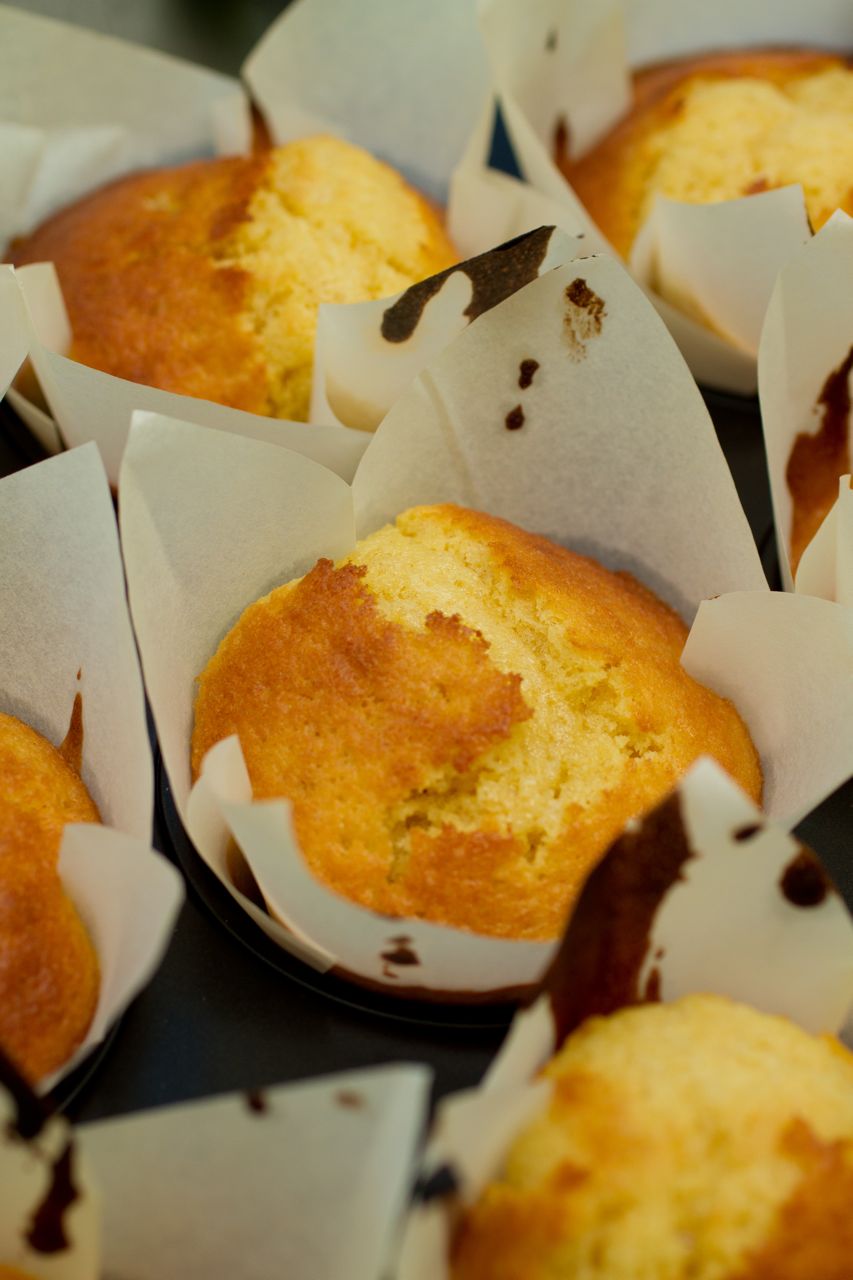
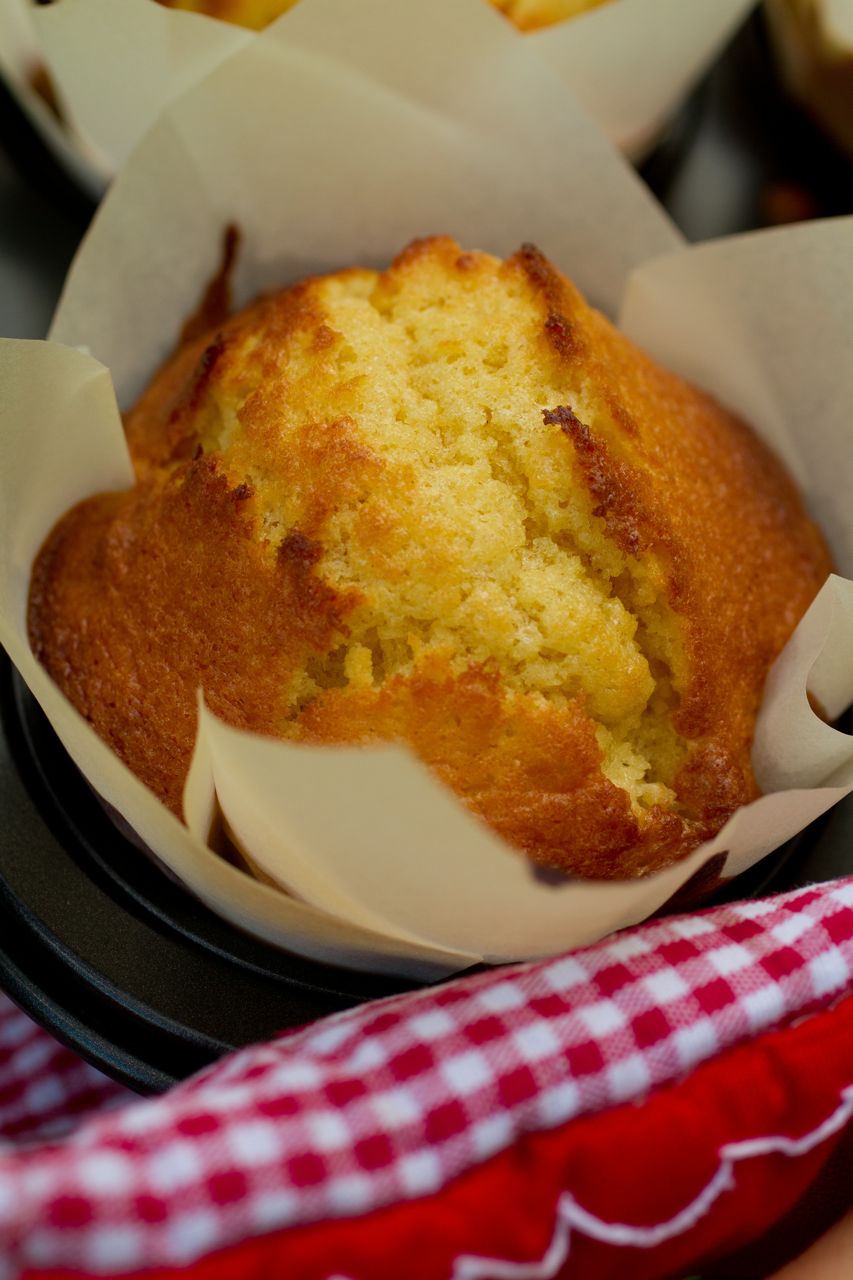
Queques à Portuguesa :: Muffins the Portuguese Way

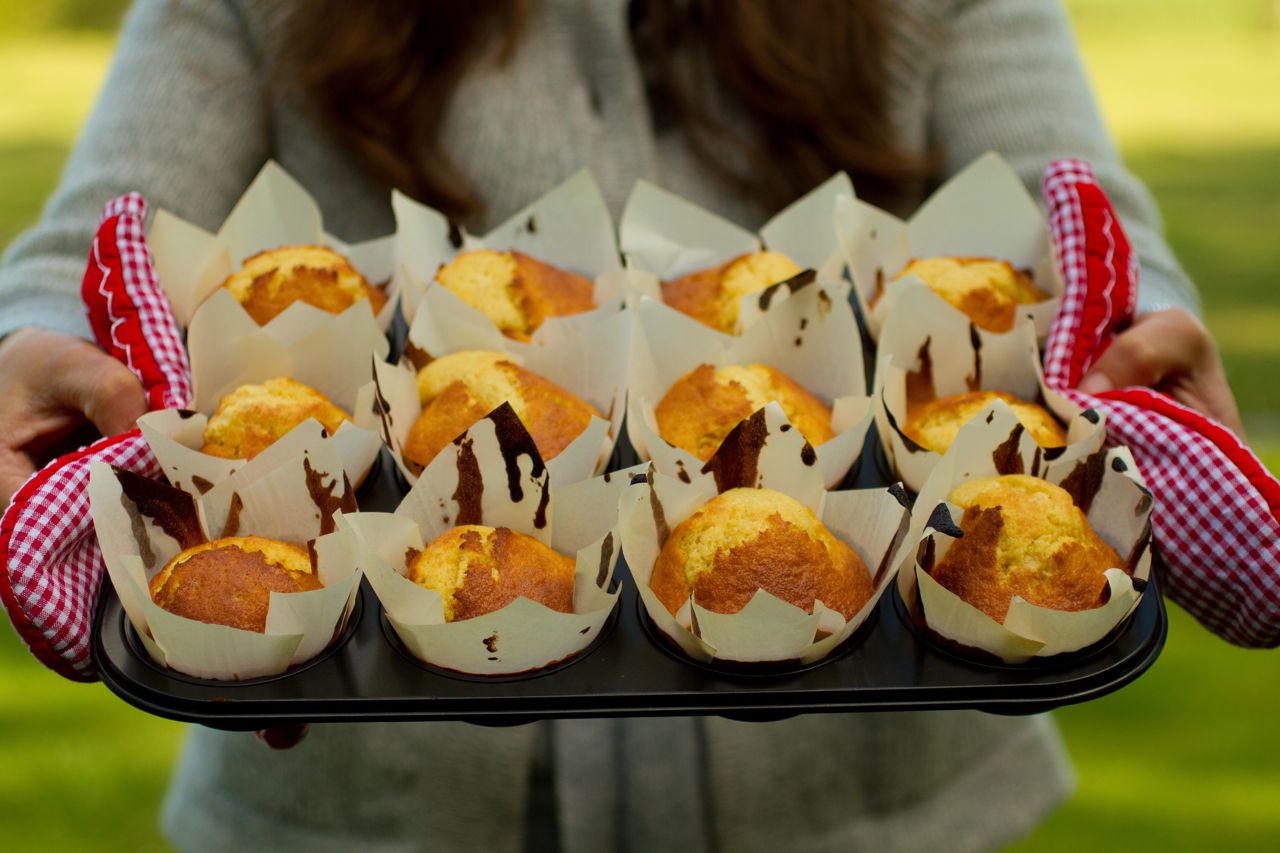
No Verão passado encontrei umas receitas numa gaveta em casa dos meus avós. Houve uma receita em especial que me chamou a atenção e copiei-a para a experimentar um dia: queques à maneira da minha bisavó. Segui escrupulosamente a lista de ingredientes mas confesso que alterei completamente o método (envolver o açúcar com a farinha e só depois bater os ovos, a manteiga, o leite e o fermento? não me parece). Só vos digo que ficaram queques dignos de pastelaria! Melhores, só naquelas formas recortadas! Eis a receita adaptada por mim:

1/2 kg de açúcar
1/2 kg de farinha
1 colher de chá de fermento
1 dúzia de ovos
300 g de manteiga derretida
3 dl de leite
Ligar o forno a 180ºC. Bater muito bem o açúcar com a manteiga derretida, até a mistura ficar branca e leve. Juntar os ovos um a um e ir batendo. Juntar o leite e bater. Juntar a farinha peneirada com o fermento e envolver apenas. Deitar a massa em formas de queque e pôr no forno até os queques  estarem cozidos. Todos os fornos são diferentes por isso não vale a pena dar indicações de tempo, mas quando a cozinha começar a cheirar a bolo, o melhor é ir testando a cozedura de tempos a tempos (eu uso uma faca, mas pessoas mais delicadas preferem um palito). Não deixar cozer demasiado, caso contrário os queques ficam sequíssimos.
Acho graça a estas receitas bem portuguesas que usam sem pudor meio quilo de açúcar e uma dúzia de ovos. Esta receita deu-me para 21 queques grandes, mas obviamente que pode ser dividida. Mas por que não fazê-los todos e levá-los para a praia para toda a família?

Last summer I found some recipes inside a drawer at my grandparents’ house. There was one in particular that caught my attention and I copied it so I could try it later: my great-grandmother’s recipe for muffins (“queques” in Portuguese). I followed scrupulously the list of ingredients but I confess I completely altered the method (mix the sugar and the flour and only then beat in the eggs, butter, milk and baking powder? I don’t think so). Let me just say the muffins turned out fine! They almost taste like the ones you find at good “pastelarias”. Here’s my adaptation of the recipe:


1/2 kg caster sugar
1/2 kg plain flour
1 teaspoon baking powder
12 eggs
300 g melted butter
300 ml milk

Preheat the oven to 180ºC. Cream the melted butter and sugar together until pale and soft. Add eggs, one at a time, beating them until fully incorporated. Add milk and beat again. Fold in the flour and baking powder, being careful not to overmix. Pour the mixture into muffin paper cases and bake until a knife comes out clean (more delicate people prefer to use a cocktail stick or a cake tester). Given that all ovens are different, I think it’s useless to give you time indications; however, when the kitchen starts smelling like cake start testing. Do not overbake or else the muffins will be too dry.
I like these very Portuguese recipes that aren’t afraid of using half a kilo of sugar and a dozen eggs. This recipe gave me 21 large muffins but you can half it if that seems too daunting. But why not make them all and take them to the beach to feed all the family?

(photos: Tiago Cabral)

Como Fazer Doce de Framboesa :: How to Make Raspberry Jam


Ora cá está o doce de framboesa que fiz ontem. Ficou bom, não muito doce, e cheira e sabe a framboesas. Missão cumprida, portanto.
Hoje vou falar-vos de como faço as minhas conservas. Como já vos disse, antes de vir viver para o campo inglês nunca na vida tinha feito — nem tão pouco tinha visto fazer — doces em casa. Li uns livros, pesquisei na internet e simplesmente experimentei. A primeira tentativa não saiu mal mas foi uma atrapalhação: gerir tantas panelas ao lume ao mesmo tempo, sem saber bem o que se iria passar no momento seguinte, foi bastante confuso. Lavar a fruta, esterilizar os frascos e mantê-los limpos, quentes e secos, deixar derreter bem o açúcar, caso contrário o doce cristaliza, não deixar queimar, não mexer demasiado, fazer o teste do prato para ver se o preparado já gelificou, voltar a deixá-lo ferver violentamente mais 5 minutos, fazer novamente o teste… E depois deitar a mistura para dentro dos frascos, não os encher nem de menos nem de mais, limpar os gargalos, pôr as tampas, enroscá-las bem, e ferver os frascos cheios durante 10 minutos para os pasteurizar (na Europa ninguém liga nenhuma a isto mas nos EUA são obcecados com esta fase final)…
Claro que a prática ajuda imenso e hoje em dia já faço tudo isto quase de olhos fechados. Como é que eu fiz este doce de framboesa?
Comecei por pôr um prato no congelador. Lavei os frascos e esterilizei-os dentro de uma panela com água a ferver durante 15 minutos e depois pu-los a secar dentro do forno a 150ºC. A panela com água vai ser necessária no final por isso o melhor é baixar o lume mas manter a água quente. As tampas não podem ser fervidas porque se estragam: depois de bem lavadas, o melhor é pô-las dentro duma tigela e, na fase final, cobri-las com água quente (as tampas devem estar quentes para ajudarem a criar vácuo dentro dos frascos).
Lavei 1 kg de framboesas e pus metade das bagas dentro duma panela destas (que comprei após a primeira tentativa de fazer doce e que recomendo vivamente: é muito larga, o que facilita a evaporação da água, e o fundo é bastante grosso, o que evita que os docem se queimem) e esmaguei-as com um daqueles instrumentos para fazer puré de batata. Em seguida, deitei lá para dentro o resto das framboesas e 1 kg de açúcar (usei 500 g de açúcar refinado comum e 500 g de jam sugar, um açúcar com pectina. Neste caso usei pectina porque as framboesas têm muito pouca pectina natural; no caso das groselhas e das maçãs, por exemplo, não é preciso adicionar pectina). Em lume baixo, mexi a mistura até o açúcar ter derretido completamente. Quando deixei de ver cristais de açúcar na colher de pau, juntei o sumo de um limão e aumentei o lume para o máximo e deixei a mistura ferver durante 10 minutos, mexendo de vez em quando mas não demasiado. Ao mexer estamos a favorecer a evaporação da água, mas simultaneamente a baixar a temperatura, e queremos que a temperatura seja bastante alta para que o doce gelifique. Ao fim de 10 minutos tirei a panela do lume e fiz o teste do prato: pus um bocado de doce no prato frio (aquele que estava no congelador), pus o prato no frigorífico, esperei 2 minutos e depois empurrei o doce com o dedo. Se o doce fizer rugas, significa que está pronto! Se continuar líquido, há que voltar a pô-lo a ferver e ir testando de 5 em 5 minutos.
Retirei toda a espuma que se formou na superfície e deixei o doce descansar durante 5 minutos, para que ele arrefecesse um bocado; caso contrário, quando o deitasse para dentro dos frascos as sementes viriam todas à superfície. Com a ajuda de um funil de boca larga e de uma concha da sopa (ou de um pequeno jarro), enchi os frascos quase até à superfície (os americanos dizem para deixar 1/4 de polegada, ou seja, 6 mm). Limpei os gargalos, enrosquei as tampas (quentes e bem secas) e pus os frascos dentro daquela primeira panela com água a ferver. Ao fim de 10 minutos, tirei-os lá de dentro e pu-los em cima de um pano da loiça dobrado, onde os deixei a arrefecer durante toda a noite. Na manhã seguinte, limpei-os (a água daqui tem imenso calcário) e pus-lhes umas etiquetas. Se algum frasco tiver transbordado ou não tiver feito vácuo, há que o pôr imediatamente dentro do frigorífico. Todos os outros aguentam um ano num sítio escuro, fresco e seco, como uma despensa.
Esta é a maneira como eu faço doce de framboesa — não quer dizer que seja a única maneira correcta de fazê-lo. É fruto de apenas um ano de experiências e daquilo que fui lendo aqui e ali. Parece muito trabalhoso mas asseguro-vos de que é um processo bastante simples. E o resultado é delicioso!
Here’s the raspberry jam I made yesterday. It’s not too sweet and tastes and smells like raspberries. Mission accomplished.
 
Today I’m going to tell you in detail how I make my preserves. As I’ve said before, before coming to the English countryside I had never made — or indeed seen anyone make — jams at home. I read some books, did a little research online and just gave it a try. The first attempt wasn’t too bad but I was overwhelmed with so many pans and things happening at the same time, without having a clue what to expect next. Wash the fruit, sterilise the jars and keep them warm, let the sugar dissolve completely, otherwise the jam will crystallize later on, do not stir too much, test the jam on a cold plate to se if it’s set; if not, boil again for 5 more minutes, test it again… And them pour the mixture into jars, do not fill them too much nor too little, clean the rims, seal them and can them in a hot water bath (no-one cares about this in Europe but in the US they’re pretty obsessed with this so I decided not to take any risks)…
 
Of course practice makes perfect and nowadays I can do all this with my eyes (almost) close. SO I exactly this I make this raspberry jam?
 
I started by placing a saucer in the freezer. I washed the jars in soapy water, sterilised them in a pan with boiling water for 15 minutes and them dried them in the oven at 150ºC. That pan will be needed later so reduce the heat but keep the water warm. The lids can’t be boiled or you’ll ruin them so I washed them well and placed them in a heatproof bowl; later I covered them with hot water (they must be warm in order for the jars to seal properly).
 
I washed 1 kg of raspberries and put half of them into a preserving pan (which I bought after my first attempt at making jam and which I highly recommend: it’s very wide, which facilitates evaporation, and the bottom is quite thick, which stops the jam from burning) and I crushed them with a potato masher. Then I added the remaining berries and 1 kg of sugar (I used 500 g of granulated sugar and 500 g of jam sugar; the latter contains added pectin. In this case I used it because raspberries are low in pectin; if you’re cooking blackcurrants or apples, for instance, pectin isn’t necessary at all). Over a low heat I stirred the mixture until the sugar was completely dissolved. When I could no longer see any sugar crystals, I added the juice of one lemon and increased the heat to high. I boiled it hard it for 10 minutes, stirring it from time to time but not too much. When you stir it you increase evaporation but the temperature decreases, and we want the temperature to be very high so that the jam will set. After 10 minutes, remove the pan from the heat and test for setting point: drop a little jam on the cold saucer (the one that you’d placed earlier in the freezer), allow it to cool for 2 minutes in the fridge and then push the jam with your fingertip. If it crinkles, it’s set! If it’s still too runny, boil it for 5 more minutes and test again.
 
I skimmed any foam from the surface of the jam and let it cool for 5 minutes, otherwise all the pips would rush to the top of the jars. With the help of a jam funnel and a ladle (or a small jug), I filled the jars almost to the top (Americans say you should leave 1/4 inch/6 mm of room at the top), wiped the rims and put the lids on (they must be warm and dry). Then I placed the jars inside that first pan (the one with the boiling water) and let them boil for 10 minutes. Then I placed them on a folded tea towel and left them there overnight. The next morning I wiped the jars (the water over here is very high on lime) and labelled them. If any of the jars has overspilled or hasn’t sealed, immediately place them in the fridge. All the others will keep for a year on a dark, cool, dry place such as a larder.
 
This is the way I make raspberry jam — it doesn’t mean it’s the only correct way to do it. It’s the fruit of my readings and experiences of only a year. It may seem like a lot of trouble but I promise you it’s quite simple. And the result is simply delicious!
(photos: Constança Cabral)