Winter :: Orange Chiffon Mini Cakes

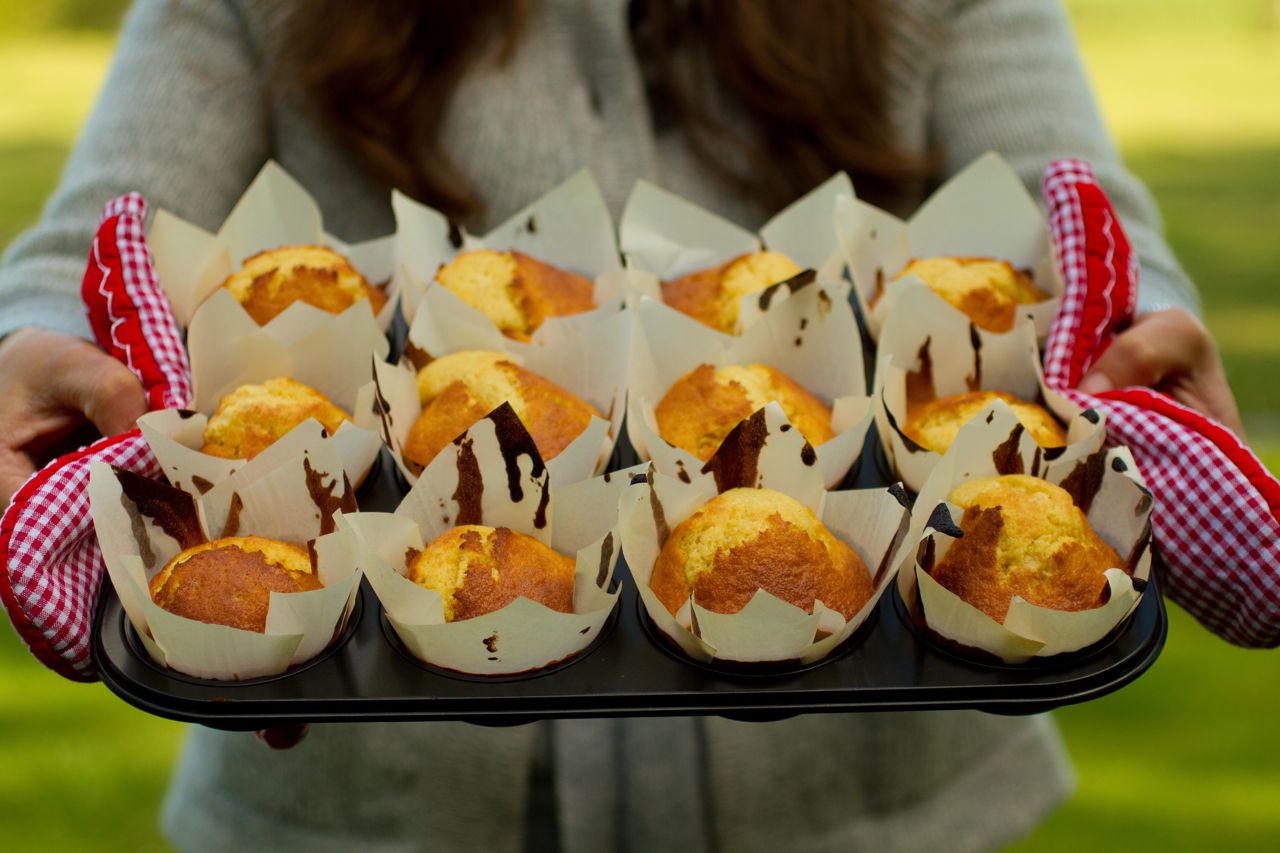
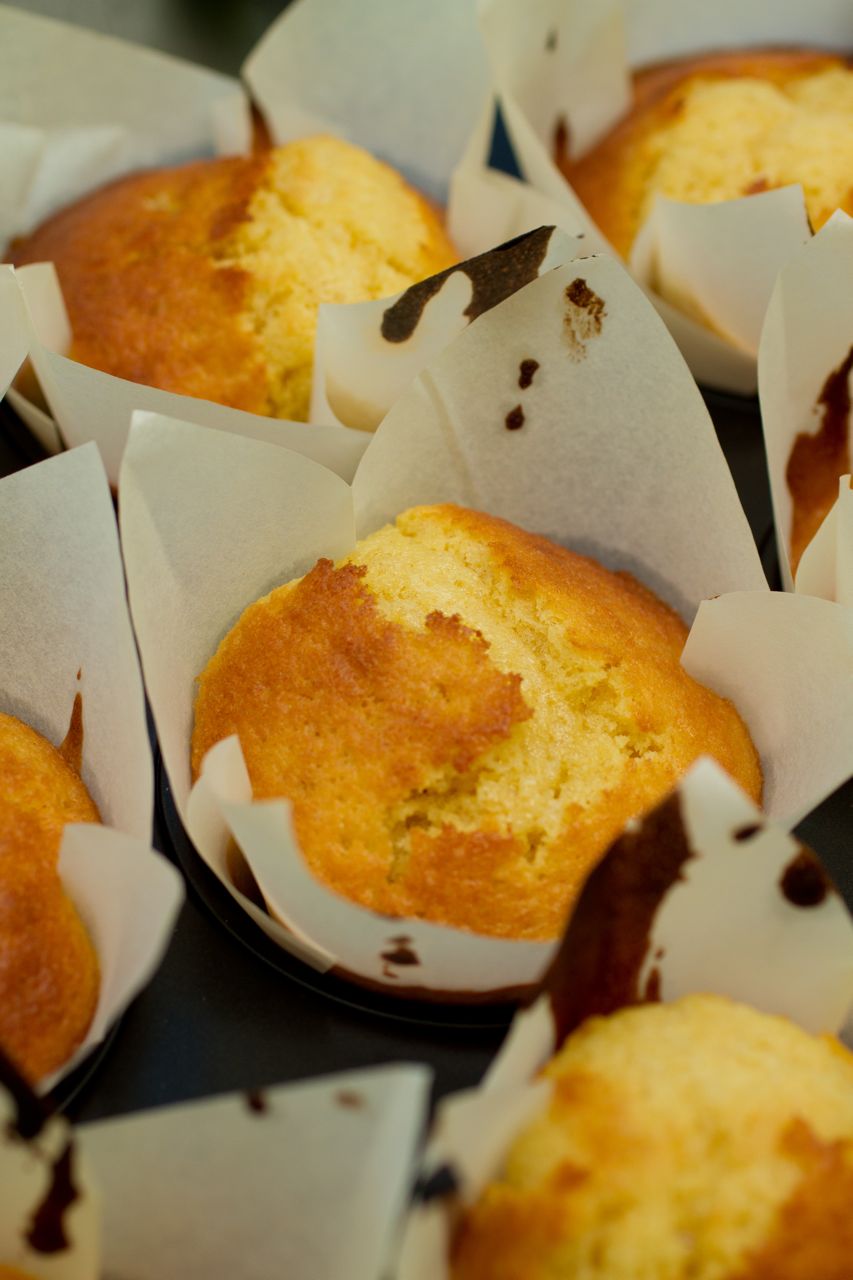
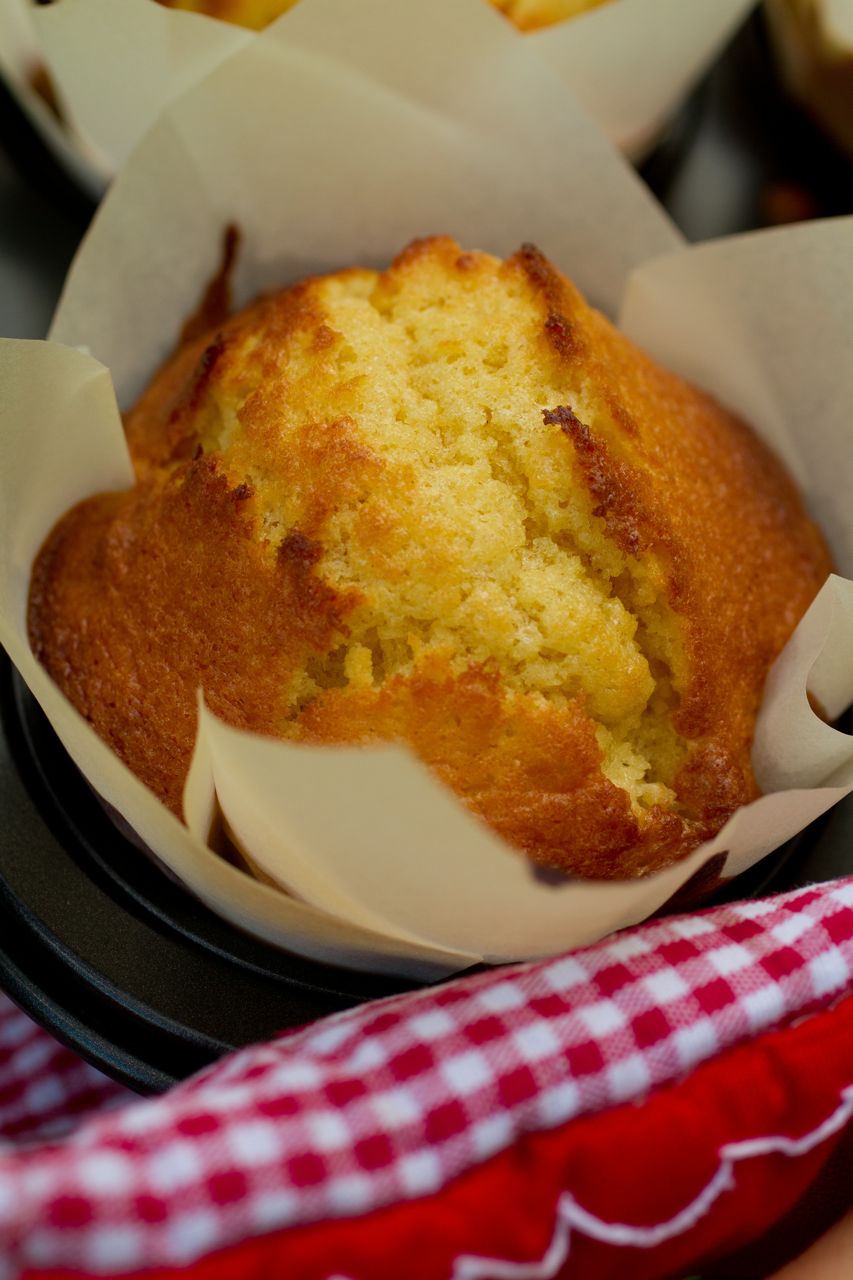
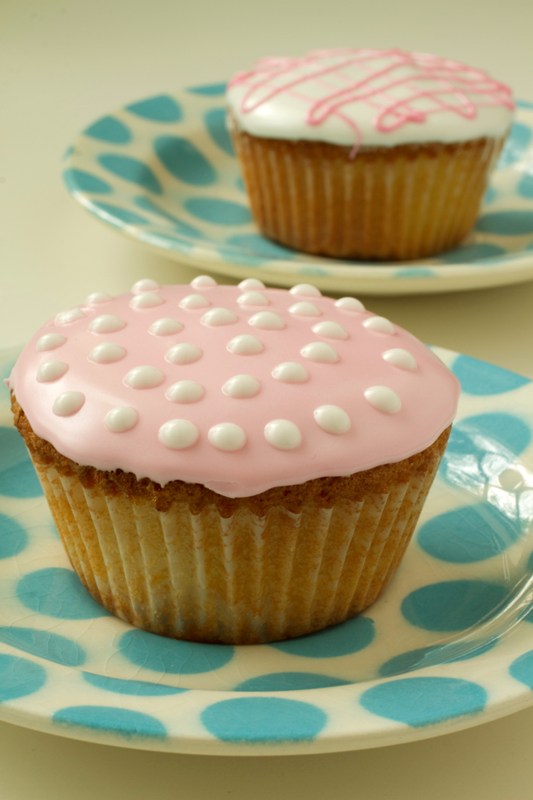
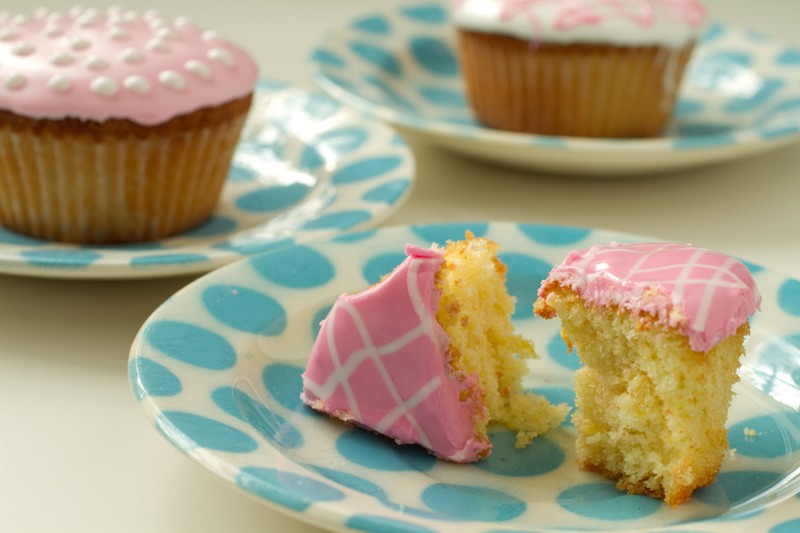
No Inverno há sempre citrinos óptimos e ontem apeteceu-me imenso um bolo de laranja para o lanche. Na edição de Dezembro de de 2007 da revista Everyday Food encontrei esta receita de orange chiffon cake (que recomendo vivamente). Como não tinha uma forma suficiente grande para a enorme quantidade de massa (uma forma grande de pão-de-ló teria sido perfeita), lembrei-me de deitar o excedente em formas de cupcakes. Para a cobertura, usei metade desta receita e, como sempre, deixei de fora o extracto de baunilha (não gosto dos meus bolos a saber a Dan Cake…).
Winter is great for citrus fruits and yesterday I really felt like eating a slice of orange cake for afternoon tea. Luckily I found this great recipe for orange chiffon cake in the December 2007 issue of Everyday Food magazine — it yields an enormous amount of batter and since I didn’t have a cake tin that was big enough for it, I poured the leftovers into cupcake cases. To ice the mini cakes I used half of this recipe and, as always, left out the vanilla extract.
(photo: Constança Cabral)

Presentes da Cozinha :: Gifts from the Kitchen

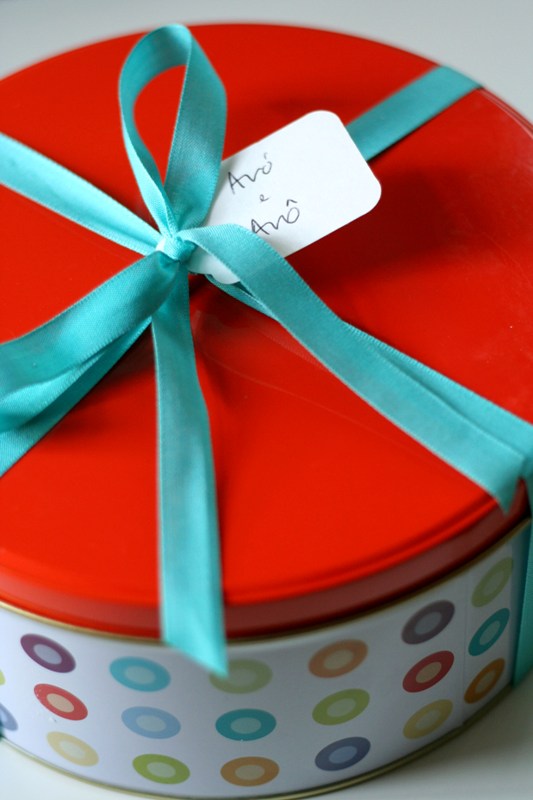
Hoje fomos conhecer um bebé novo, minúsculo e absolutamente amoroso. Como já tinha oferecido aos pais um dos meus babetes, hoje à tarde levei-lhes apenas um frasco de doce de laranja amarga e uma lata de bolachas de chocolate (a receita vem neste livro extraordinário). Foi uma tarde mesmo bem passada!

Today we met a new, sweet little baby. As I had already given her parents one of my bibs, this afternoon I simply took them a jar of homemade marmalade and a tin of chocolate biscuits (I used a recipe from this fabulous book). What a lovely time we had!

(photo: Tiago Cabral)

Spéculoos

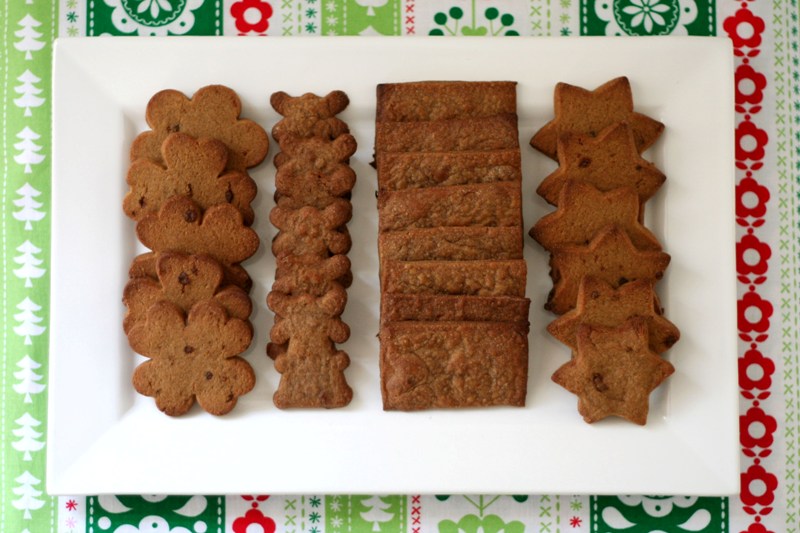
Por esta altura do ano, as cozinhas do norte da Europa começam a cheirar a bolachas de gengibre — há um ano fi-las, mas este ano apeteceu-me experimentar algo diferente. O Tiago e eu vamos muitas vezes a Bruxelas e há uns meses trouxe de lá material para fazer os famosos spéculoos: um livro, uma forma de madeiraa mistura de especiarias. Ao princípio não consegui usar a forma especial e recorri a cortadores de bolachas normais; passadas umas horas (sim, porque esta receita leva 1 kg de farinha e dá para muitas dúzias de bolachas), já com a cozinha mais quente e com a massa mais moldável, lá acertei com a espessura correcta e consegui fazer os moinhos. As bolachas são óptimas e a casa ficou a cheirar a Natal!
Around this time of the year, kitchens in northern Europe start to smell like gingerbread — last year I made some but this year I wanted to try something a bit different. Tiago and I often go to Brussels and a couple of months ago I bought there some equipment to make the famous spéculoos: a book, a traditional wooden mould and some spice mixture. At first I couldn’t figure out how to use the mould so I went for normal cookie cutters; a couple of hours later (yes, since this recipe calls for 1 kg of flour and yields many dozens of biscuits), with the kitchen warmer and the dough much more pliable, I managed to get it right and made some nice mills. The biscuits taste great and our home now smells like Christmas!
(photos: Constança Cabral)

Autumn :: Apple & Cinnamon Cake

[scroll dow for English]

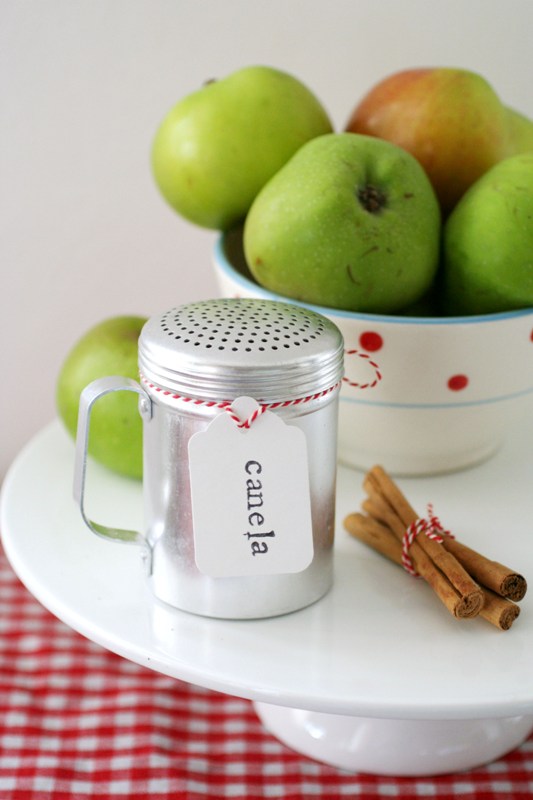
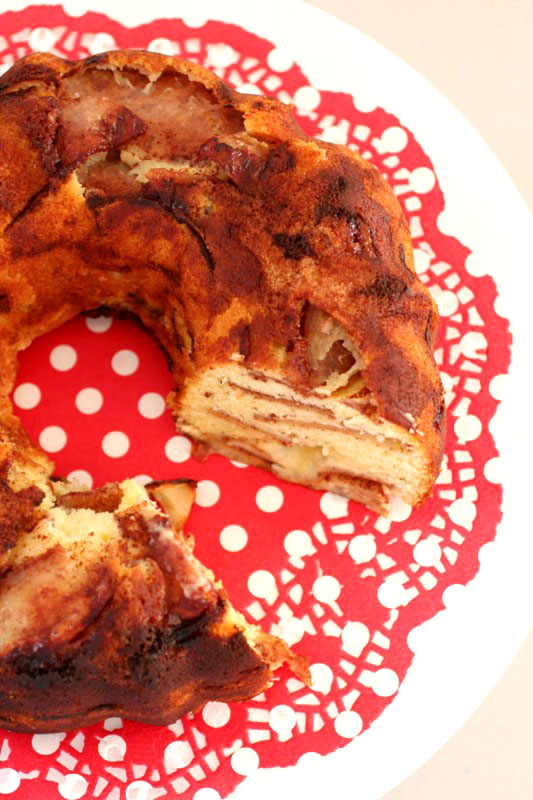
Num fim-de-semana de Outono, nada sabe melhor do que um bolo de maçã e canela ao lanche. Há uns tempos uma vizinha minha deu-me uma série de maçãs Bramley da sua árvore e, em vez de doces e geleias, lembrei-me de fazer um bolo. Se também o quiserem experimentar, aqui fica a receita:

Bolo de Maçã e Canela

4 maçãs (ou 2 maçãs grandes Bramley ou reinenta)
250 g açúcar
150 g manteiga
4 ovos, separados
200 g farinha de trigo
1 c. chá de fermento
canela em pó

1. Untar a forma com manteiga, povilhá-la com canela e cobrir a base com açúcar. Ligar o forno a 180ºC.

2. Descascar as maçãs, cortá-las em fatias finas e polvilhá-las com bastante canela.

3. Bater bem a manteiga com o açúcar até a mistura ficar cremosa e esbranquiçada.

4. Juntar as gemas de ovo e bater.

5. Noutra taça, bater as claras em castelo.

6. Ir incorporando no primeiro preparado, alternadamente, as claras em castelo e a farinha (cuidado para não bater demasiado a massa).

7. Colocar uma camada de fatias de maçã na forma, depois um pouco de massa, em seguida outra camada de maçãs, depois o resto da massa e terminar com as restantes maçãs (nesta altura poderá achar que a massa é curta mas a sério que chega: o truque é alternar camadas grossas de fatias de maçã com camadas finas de massa).

8. O bolo coze durante cerca de meia-hora mas, como todos os fornos são diferentes, é importante ir vigiando a cozedura. Não deixar cozer demasiado, sob pena de o bolo ficar muito seco.

***

On an autumn weekend nothing tastes batter than an apple and cinnamon cake for afternoon tea. Some weeks ago, a lovely neighbour gave me a few Bramley apples from her tree and instead of making yet another preserve, I decided to bake a cake. In case you’re interested in making one yourself, here’s  the recipe:

 
Apple and Cinnamon Cake

4 cooking apples (or 2 large ones)
4 eggs, separated
250 g caster sugar
150 g butter
200 g all-purpose wheat flour
1 teaspoon baking powder
ground cinnamon

1. Grease the tin, coat it with ground cinnamon and cover the bottom in sugar. Preheat the oven to 180ºC.
 
2. Peel and core the apples and cut them into fine slices. Sprinkle them with a fair amount of cinnamon.
 
3. Cream the butter and the sugar until the mixture is white and fluffy.
 
4. Add the egg yolks and beat them in well.
 
5. In another bowl, beat the egg whites until they reach soft peaks.
 
6. Incorporate a spoonful of eggs whites into the cake batter, then some flour, then some more egg whites and so on. Be careful not to overwork it.
 
7. Place a layer of apple slices in the tin, then a layer of cake batter, then a layer of apples, then the remaining batter and finish with the apples (at this point you may think that you’re a little short on batter but it really is enough: the trick is to alternate rather thick layers of apple slices with thin layers of cake batter).
 
8. Bake for approximately half an hour but since every oven is unique, do pay attention. Do not overbake it or else the cake will be too dry.
 

Queques à Portuguesa :: Muffins the Portuguese Way

No Verão passado encontrei umas receitas numa gaveta em casa dos meus avós. Houve uma receita em especial que me chamou a atenção e copiei-a para a experimentar um dia: queques à maneira da minha bisavó. Segui escrupulosamente a lista de ingredientes mas confesso que alterei completamente o método (envolver o açúcar com a farinha e só depois bater os ovos, a manteiga, o leite e o fermento? não me parece). Só vos digo que ficaram queques dignos de pastelaria! Melhores, só naquelas formas recortadas! Eis a receita adaptada por mim:

1/2 kg de açúcar
1/2 kg de farinha
1 colher de chá de fermento
1 dúzia de ovos
300 g de manteiga derretida
3 dl de leite
Ligar o forno a 180ºC. Bater muito bem o açúcar com a manteiga derretida, até a mistura ficar branca e leve. Juntar os ovos um a um e ir batendo. Juntar o leite e bater. Juntar a farinha peneirada com o fermento e envolver apenas. Deitar a massa em formas de queque e pôr no forno até os queques  estarem cozidos. Todos os fornos são diferentes por isso não vale a pena dar indicações de tempo, mas quando a cozinha começar a cheirar a bolo, o melhor é ir testando a cozedura de tempos a tempos (eu uso uma faca, mas pessoas mais delicadas preferem um palito). Não deixar cozer demasiado, caso contrário os queques ficam sequíssimos.
Acho graça a estas receitas bem portuguesas que usam sem pudor meio quilo de açúcar e uma dúzia de ovos. Esta receita deu-me para 21 queques grandes, mas obviamente que pode ser dividida. Mas por que não fazê-los todos e levá-los para a praia para toda a família?

Last summer I found some recipes inside a drawer at my grandparents’ house. There was one in particular that caught my attention and I copied it so I could try it later: my great-grandmother’s recipe for muffins (“queques” in Portuguese). I followed scrupulously the list of ingredients but I confess I completely altered the method (mix the sugar and the flour and only then beat in the eggs, butter, milk and baking powder? I don’t think so). Let me just say the muffins turned out fine! They almost taste like the ones you find at good “pastelarias”. Here’s my adaptation of the recipe:


1/2 kg caster sugar
1/2 kg plain flour
1 teaspoon baking powder
12 eggs
300 g melted butter
300 ml milk

Preheat the oven to 180ºC. Cream the melted butter and sugar together until pale and soft. Add eggs, one at a time, beating them until fully incorporated. Add milk and beat again. Fold in the flour and baking powder, being careful not to overmix. Pour the mixture into muffin paper cases and bake until a knife comes out clean (more delicate people prefer to use a cocktail stick or a cake tester). Given that all ovens are different, I think it’s useless to give you time indications; however, when the kitchen starts smelling like cake start testing. Do not overbake or else the muffins will be too dry.
I like these very Portuguese recipes that aren’t afraid of using half a kilo of sugar and a dozen eggs. This recipe gave me 21 large muffins but you can half it if that seems too daunting. But why not make them all and take them to the beach to feed all the family?

(photos: Tiago Cabral)

Parabéns Tiago! :: Happy Birthday Tiago!

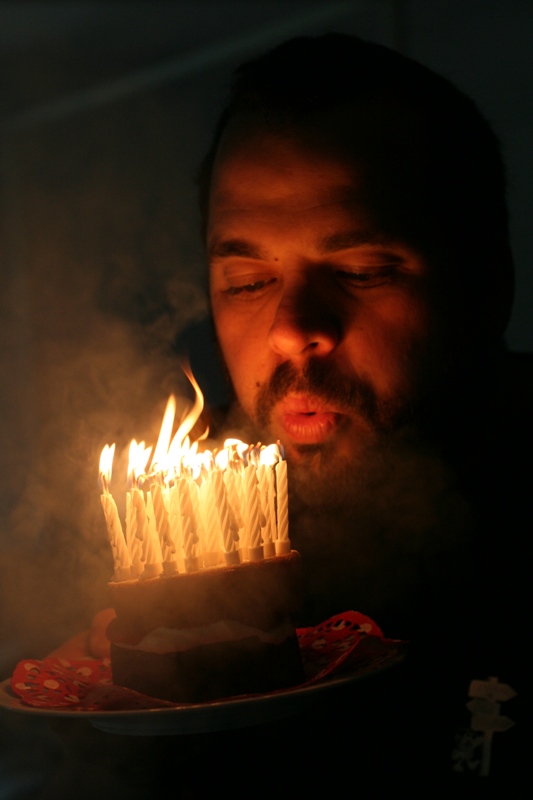
O Tiago hoje faz anos e fiz-lhe um mini Victoria Sandwich: 100 gramas de manteiga, 100 gramas de açúcar, 2 ovos, 100 gramas de farinha e uma colher de fermento; bater tudo, cozer em forno médio em duas pequenas formas redondas, rechear com chantilly caseiro e morangos. Polvilhar com icing sugar e já está!
Today is Tiago‘s birtday so I baked him a mini Victoria Sandwich: 100 grams of butter, 100 grams of sugar, 2 eggs, 100 grams of flour and a teaspoon of baking powder; mix it all together, divide the batter into two small round cake tins, bake in a medium oven, sandwich the cakes together with whipped cream and strawberries. Sprinkle with icing sugar and voilà!

(photos: Constança Cabral)

Mich Turner’s Cake Masterclass :: Book Review

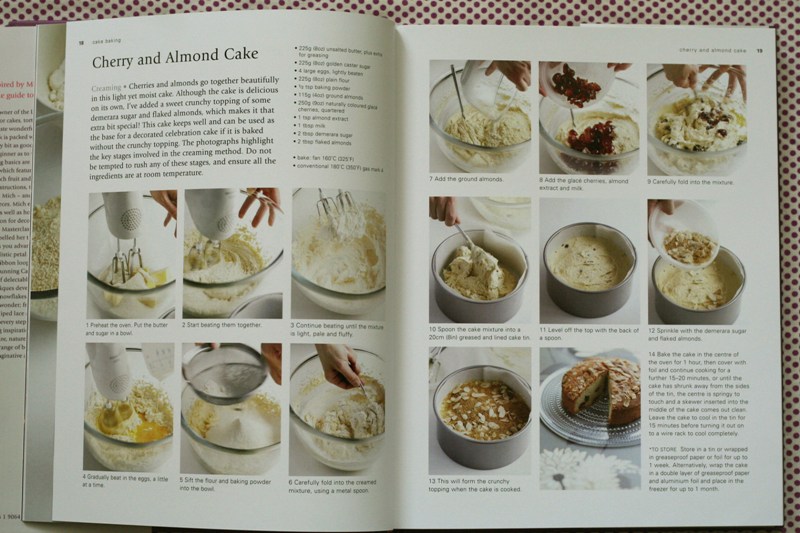
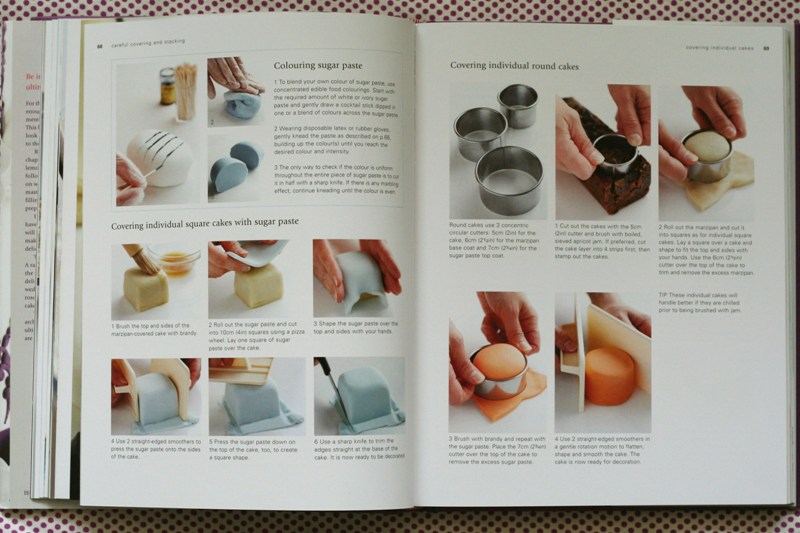
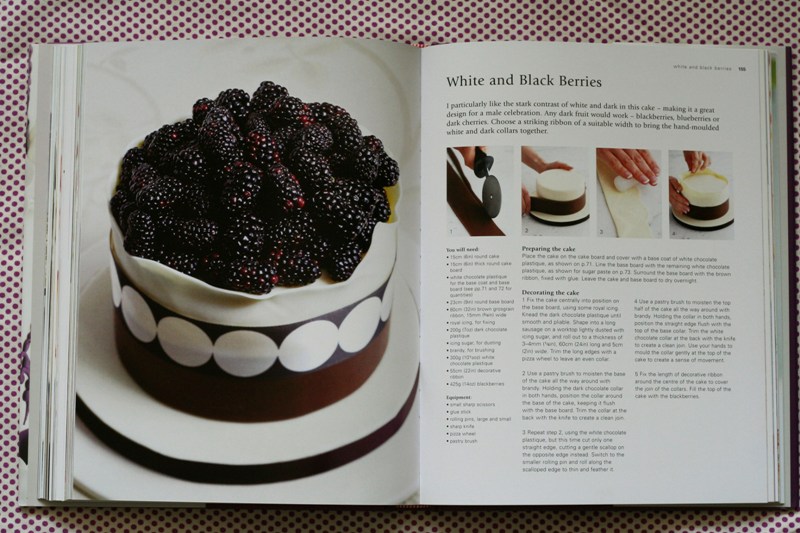
Desde pequena que faço bolos, mas raramente me aventuro em criações muito sofisticadas — não por preguiça ou falta de interesse, mas sim por ignorância pura. Fiquei muito entusiasmada quando recebi um exemplar do livro Mich Turner’s Cake Masterclass e, mal comecei a folheá-lo, vi a luz. Eis um livro bem estruturado que funciona quase como se estivessemos a participar num curso dado pela Mich Turner: cada capítulo funciona como uma aula, há inúmeras fotografias passo-a-passo, o grau de dificuldade vai aumentando ao longo do livro, as múltiplas técnicas estão bem explicadas e as imagens são de excelente qualidade. O livro começa com uma descrição do equipamento necessário, depois fornece 15 receitas-base de bolos. Em seguida há uma secção sobre cremes e recheios e várias páginas sobre bolos em andares e diferentes tipos de coberturas. O capítulo intitulado Masterclass ensina a utilizar sacos de pasteleiro para fazer riscas, pintas e desenhos e explica como fazer flores de açúcar, inserir fitas e pintar motivos nas coberturas dos bolos. Por fim, há uma extensa Cake Gallery em que a teoria é posta em prática com bolos para todos os gostos e ocasiões, desde casamentos, festas de crianças, aniversários, jantares íntimos, almoços de Verão…
I’ve been baking cakes ever since I was a little girl but rarely do I venture into very sophisticated creations — not because I’m lazy or just not interested but mainly due to sheer ignorance on the subject. I was delighted to receive a copy of Mich Turner’s Cake Masterclass to review and from the moment I started browsing it, I saw the light. Here’s a well structured book that feels like you’re taking part on a course taught by Mich Turner: each chapter works like a class, there are several step-by-step pictures, the degree of difficulty increases as the book progresses, the multiple techniques are thoroughly explained and the photos are excellent. The book starts with a section on essential equipment and then gives out 15 recipes and methods for fool-proof cakes. Then comes a chapter on fillings and frostings and several pages about covering and stacking cakes. The “Masterclass” chapter teaches you to hand pipe, paint and mould everything from pearls and stripes to various types of flowers. Finally, the last 100 pages are filled with a “Cake Gallery” where you can put the techniques into practice and create cakes for all tastes and occasions, such as weddings, children parties, birthdays, romantic dinners, Summer fêtes…

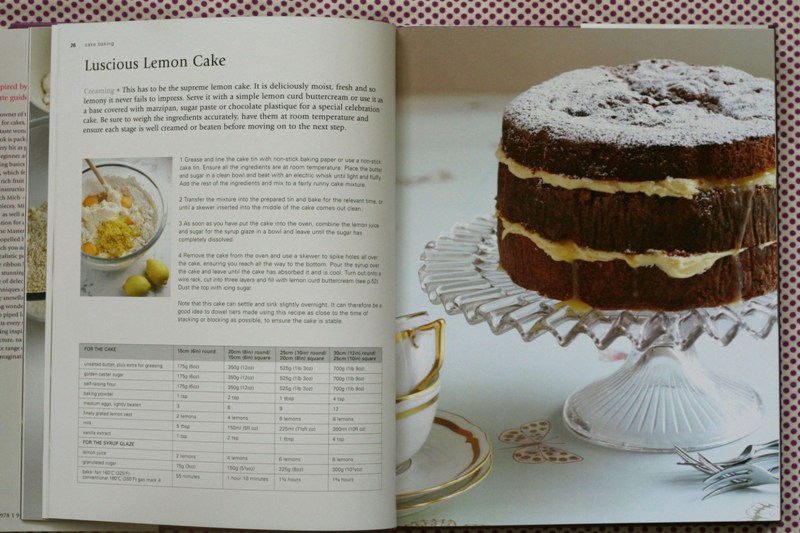
Após ter lido e relido o livro, não resisti a pôr em prática alguns dos ensinamentos. Fiz o Lucious Lemon Cake mas dividi a massa por 12 formas de queque; quando os bolos arrefeceram, cobri-os com royal icing (e pela primeira vez na vida usei corantes alimentares) e desenhei-lhes riscas e pintas com um saco de pasteleiro. Os bolos ficaram óptimos e estou cheia de vontade de experimentar outras técnicas mais avançadas. Se quiserem ver a Mich Turner a moldar rosas de pasta de açúcar, vejam este vídeo.
After having read and reread the book I couldn’t resist having a go myself at baking and decorating the Mich Turner way. I made the Lucious Lemon Cake but instead of baking a single large cake, I divided the batter into 12 small cake tins; as soon as the cakes were cool I covered them with royal icing (and for the first time in my life used food colouring) and piped lines and dots over them. They turned out great and now I want to experiment with more advanced techniques. If you’d like to see Mich Turner hand moulding sugar roses, check out this video.
(photos: Constança Cabral;  Tiago Cabral)

Biscoitos à Portuguesa :: Biscuits the Portuguese Way

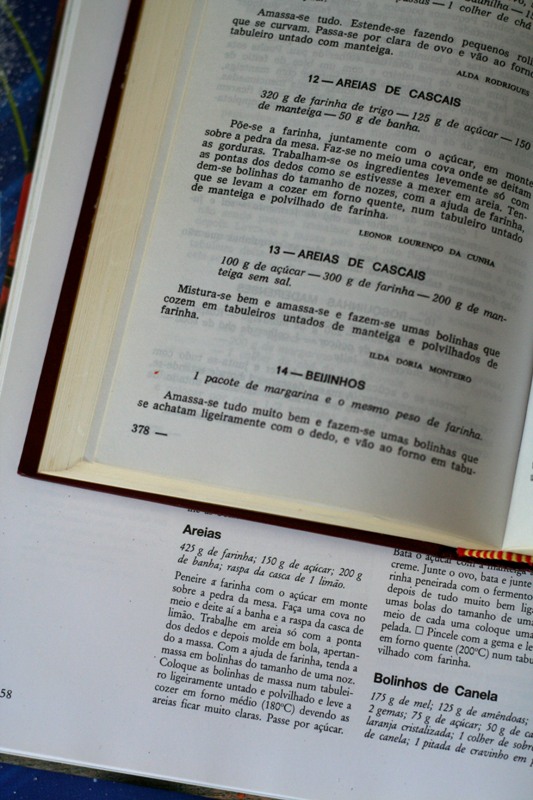
Há muito tempo que andava com vontade de experimentar fazer biscoitos portugueses, aqueles que há nas padarias de bairro e em casa das avós. Puxei do Coisas Boas (ed. Livros do Brasil) e do Receitas Escolhidas da Maria de Lurdes Modesto (não tenho o Cozinha Tradicional Portuguesa, mas hei-de comprá-lo um dia) e experimentei fazer areias de Cascais. Estas receitas pouco têm a ver com as actuais: um só parágrafo, nada de imagens e muito poucas explicações (assumia-se que as pessoas soubessem o básico). Achei graça à parte de peneirar a farinha “sobre a pedra da mesa”, como se toda a gente ainda tivesse uma mesa com tampo de liós na cozinha (quem me dera!). Quanto aos biscoitos, não os acho nada de especial mas a Mafalda adora.
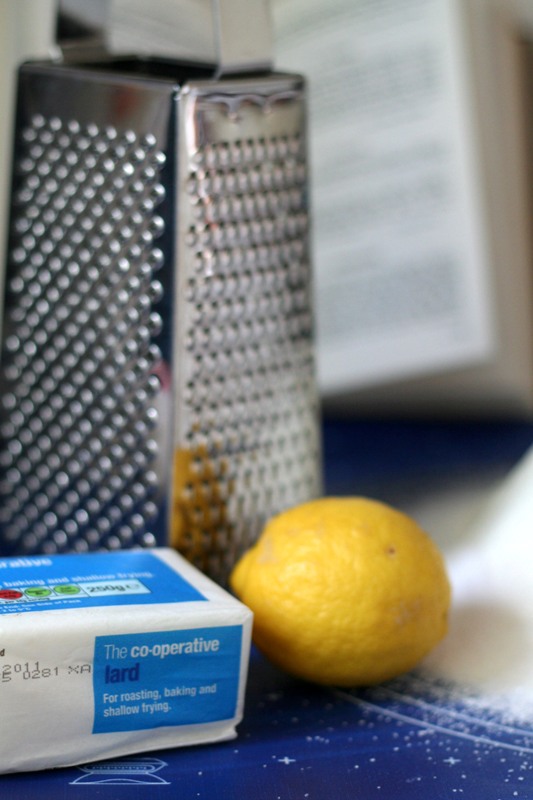
For a long time now I’ve been meaning to try making Portuguese biscuits, the ones you find in traditional bakeries and grannies’ homes. I pulled out my Portuguese books and made something called “areias de Cascais”, a sandy biscuit (“areia” literally means sand) made with flour, sugar, lard, lemon zest and cinnamon. These old recipes are so different from modern cookbooks: one single paragraph, no pictures and little explanations (it was assumed people knew the basics). As for the biscuits, I don’t think they’re anything special but Mafalda loves them.

(photos: Constança Cabral)