Bolbos IV :: Bulbs IV

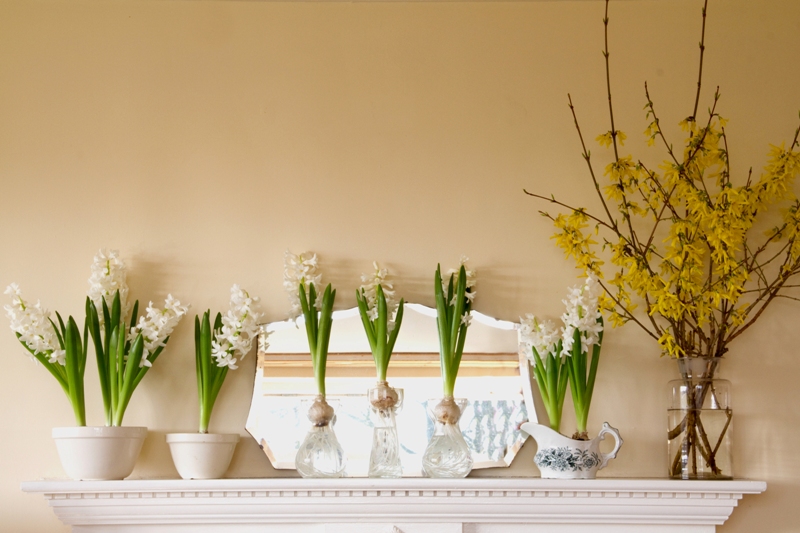
Os jacintos cumpriram a sua função deste ano. Agora vão descansar para o jardim, onde, se tudo correr bem, voltarão a florir na Primavera de 2012.
The hyacinths have fulfilled their missin for this year. Now they’re going to rest in the garden, where, if all goes well, they’ll bloom again in Spring 2012.
(photo: Constança Cabral)

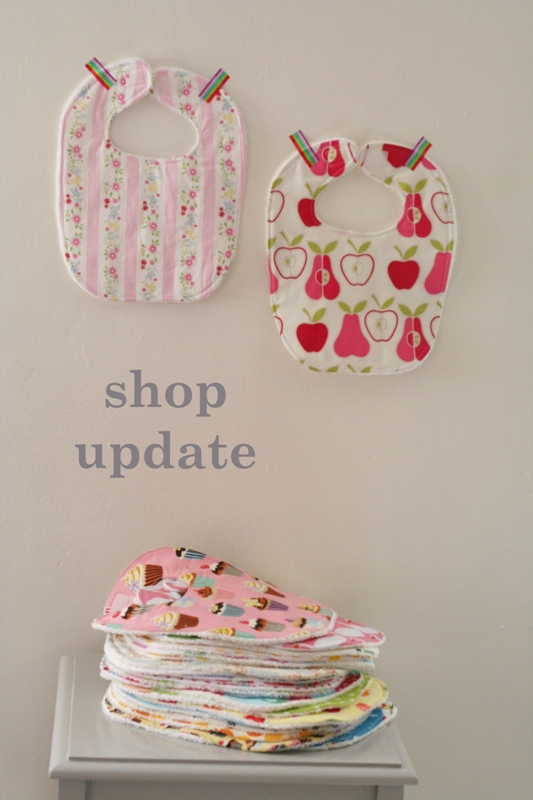
Shop Update :: Baby Bibs

Há novos babetes para todos os gostos na loja: em algodão, em oleado, tradicionais, modernos, floridos, gráficos, às pintas, quadrados e riscas. Estão todos disponíveis aqui.
There are new bibs for every taste in the shop: you’ve got cotton, oilcloth, traditional, modern, flowery, graphic, spots, stripes and checks. They’re all available here.
(photo: Constança Cabral)

Winter –> Spring

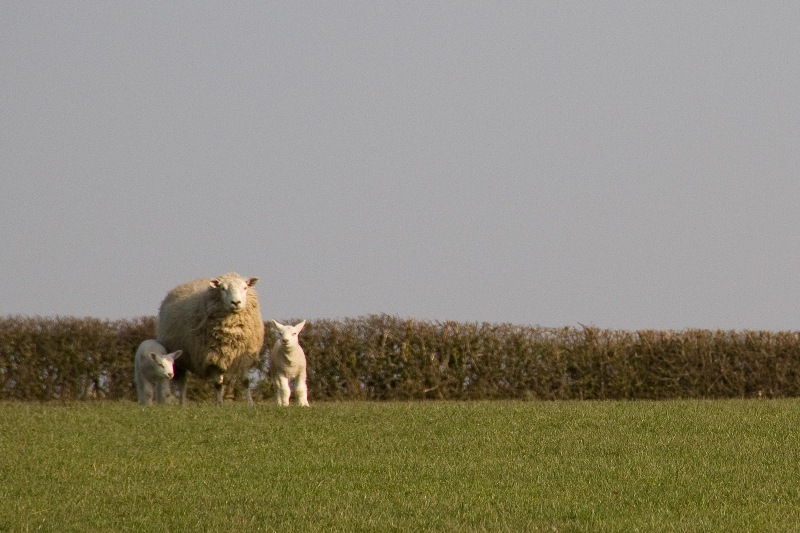
Todos os dias há sinais de que a Primavera está a chegar: bolbos à venda em toda a parte, cordeiros brancos e brincalhões, em certos dias céu azul e claramente um cheiro diferente no ar. É bom escancarar as janelas de manhã e só anoitecer às seis da tarde. Tudo à minha volta está cheio de promessas e optimismo.
Everyday there are signs of Spring: bulbs for sale everywhere, white, playful lambs, blue skies on certain days and definitely a different smell in the air. It feels great to open the windows in the morning and to see that dusk comes much later at 6 pm. Everything around me is full of promises and optimism.

(photos: Tiago Cabral)

Estores Suecos II :: Swedish Blinds II

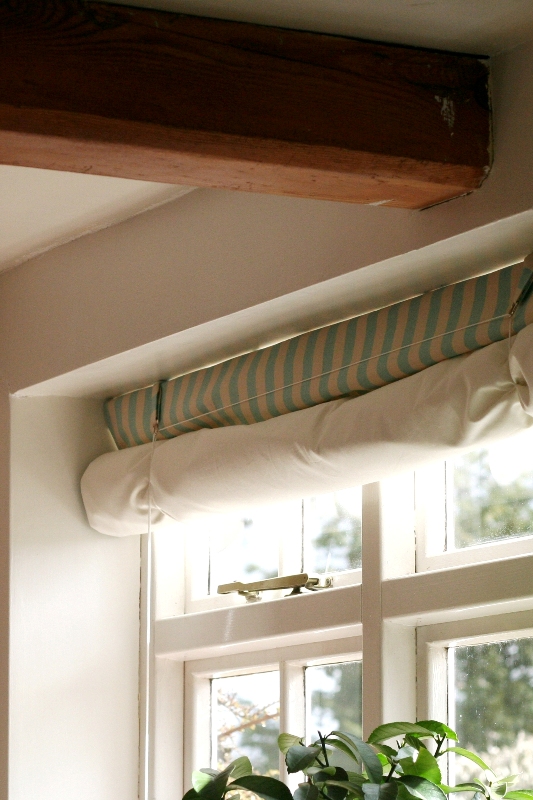
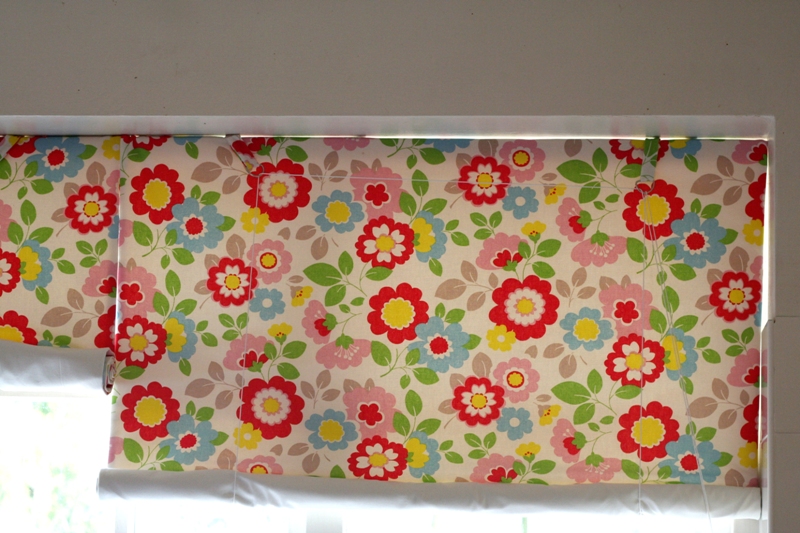
Normalmente escolho tecidos bastante simples (riscas, bolas ou até mesmo lisos) para fazer estores deste género porque, estando o tecido assim esticado, um padrão mais confuso pode rapidamente tornar-se cansativo. Prefiro introduzir cores e formas em almofadas, estofos, mantas, quadros… No entanto, visto que na cozinha não há mais nenhum padrão forte à vista, optei por este tecido da Cath Kidston (que encontrei em saldos aqui). É alegre e não excessivamente açucarado, e dá vontade de passar a tarde a fazer bolos.
When choosing fabrics for blinds, I usually go for simple ones like stripes, spots or even plain ones – because the material is so flat and exposed, a busier pattern can quickly become tiring. I’d rather introduce colours and shapes using cushions, armchair covers, quilts, artwork… But since there are no strong patterns in our kitchen I picked this Cath Kidston print (which I bought on sale here). It’s cheerful and not too twee and it makes me want to spend the afternoons baking cakes.
 
(photos: Constança Cabral)

Estores Suecos :: Swedish Blinds

Após um ano e dois meses, finalmente comecei a fazer cortinados cá para casa. Precisei do empurrão da minha mãe, cuja ajuda preciosa foi absolutamente vital nesta empreitada, e optei pela maneira mais fácil e barata: estores suecos. As explicações vieram deste livro (apesar de termos feito algumas adaptações), um dos livros de costura mais giros e úteis que possuo.
After one year and two months, I’ve finally started making curtains for our home. I needed a push and my mother proved invaluable in accomplishing this task. I went for the easiest and cheapest possible option: Swedish blinds. The instructions we followed came from this book (although we made a few minor alterations), one of the most attractive and useful sewing books I own.

(photos: Constança Cabral)
O Melhor Bolo de Anos :: The Best Birthday Cake


Ando sempre à procura de uma boa receita para um bolo de anos a sério: alto, denso e preferencialmente de chocolate. Este que fiz ontem é do Baking Bible da Mary Berry – como a receita saiu há uns meses no Sunday Telegraph, suponho que a possa partilhar aqui convosco. As minhas únicas alterações foram omitir o doce de alperce e acrescentar raspa de laranja ao recheio e cobertura.
I’m always on the lookout for a good recipe for a proper birthday cake: one that is tall, dense and preferably chocolatey. This one I baked yesterday is from Mary Berry’s Baking Bible – since this recipe came in The Sunday Telegraph a few months ago, I suppose I can share it here with you. My only alterations were adding some orange grated rind to the icing and filing and leaving the apricot jam out.


(photos: Tiago Cabral)

Winter :: Forced Muscari

Estamos finalmente em Março e o Inverno começa a dar lugar à Primavera. Estou contente por ter experimentado forçar bolbos este ano – os meus preferidos são, são dúvida, estes muscari brancos. Apesar de o frio cortante continuar lá fora, cá dentro as vistas são bem mais animadoras!

We’ve finally reached March and Winter starts giving way to Spring. I’m glad I’ve tried forcing bulbs  this year – my favourite ones are undoubtedly these white muscari (grape hyacinth). Although the bitter cold prevails outdoors, indoors the sights are much more cheerful!

(photos: Tiago Cabral)

The Girl’s Guide to Growing Your Own :: Book Review

Março é a altura ideal para começar a pensar em jardinagem. Desenganem-se aqueles que acham que só pode jardinar quem tem um jardim – qualquer pessoa com um pátio, terraço, varanda ou parapeitos de janela pode ter plantas e cultivar flores, ervas aromáticas e até alguns frutos e vegetais.

Mas como começar? Eu pertenço a uma geração urbana e pouco informada nestes assuntos de sementes, composto, rega e afins; para além disso, as mulheres da minha idade têm pouco tempo e não estão especialmente interessadas em passear-se com terra debaixo das unhas. Quem é que nos pode ensinar o básico de uma forma despretensiosa, didática e divertida? Uma boa candidata é a Alex Mitchell com o seu The Girl’s Guide to Growing Your Own.
March is the ideal time to start thinking about gardening. Those who think that only the people with gardens can garden couldn’t be more wrong – anyone with a patio, balcony or windowsills can have a go at growing flowers, herbs and even some fruit and vegetables.

But where and how to start? I belong to an urban generation that knows little about these matters of seeds, compost, watering and the like; in addition to this, women my age are busy and not particularly interested in walking around with soil under their fingernails. Who can teach us the basics in a fun, unpretentious, simple way? Well, a good candidate is Alex Mitchell and her The Girl’s Guide to Growing Your Own.

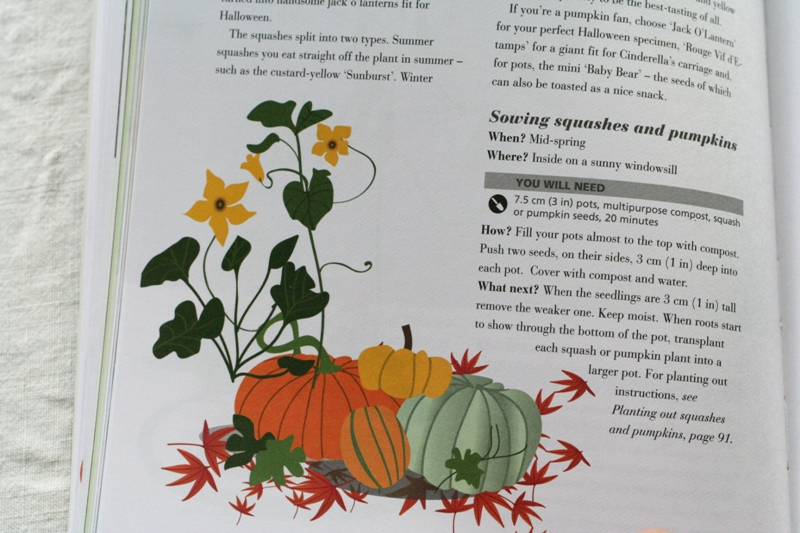
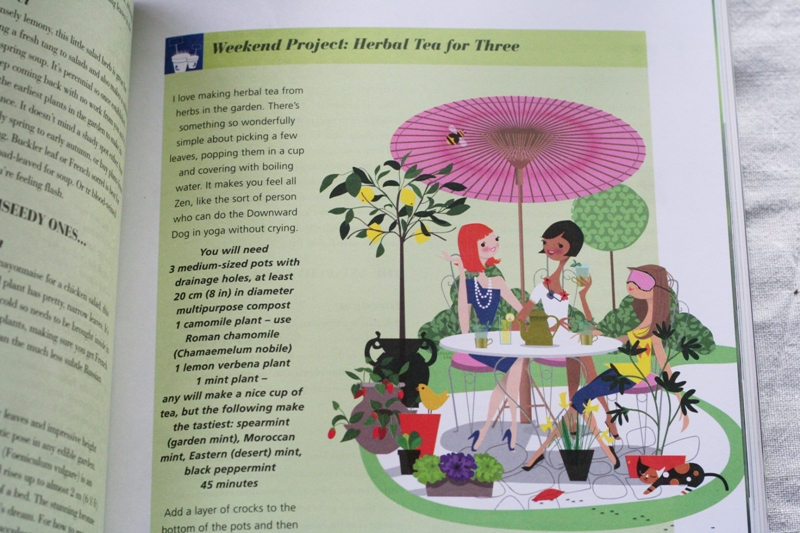
Este é um livro acessível, claramente direccionado para mulheres na casa dos 20 e dos 30 que querem cultivar plantas comestíveis. Não assume que toda a gente tem um jardim enorme, uma estufa a sério e um orçamento ilimitado. Apesar de ser dirigido a principiantes, o discurso não é minimamente paternalista – o jargão é dismistificado e os possíveis contratempos levados em conta. O livro está dividido em estações, com alguns capítulos extras com ideias para receber amigos e conselhos para lidar com pestes. Há instruções para cultivar em vasos e na terra e todas as tarefas têm a indicação de quanto tempo demoram, assim como o seu grau de dificuldade. Graficamente,  o livro é extremamente apelativo, com desenhos frescos e boas fotografias, e sem ser demasiado cor-de-rosa ou enjoativamente feminino. 

Apenas uma observação para o público português: à semelhança de todos os livros britânicos, este livro parte do princípio que as leitoras vivem num clima frio e húmido. Quem o quiser usar no sul da Europa – ou em qualquer outro clima quente e seco – terá de fazer as correspondentes adaptações (semear mais cedo, regar com maior frequência, etc).
This is an accessible book which is clearly targeted to 20- and 30-something women who wish to grow some produce. It doesn’t assume that everyone has a big garden, a proper greenhouse and a huge budget. Despite being directed to beginners, Alex’s speech isn’t patronising at all – in fact, gardening jargon is demystified (things like “double-digging”, “well-rotted manure”, “crocks” and “chitting potatoes” are explained) and possible setbacks are taken into account. The book is organised into seasons, with some extra chapters dedicated to entertaining and tips to dealing with pests. There are instructions for growing things both in pots and in the ground and Alex tells us how easy or difficult every task is, as well as how long it will take to be achieved. Graphically speaking, this book is extremely appealing, with fresh illustrations and good photos, without being too pink and twee.
Just a note concerning non-UK residents: like all British books, this book takes for granted that you live in a cold, damp climate. Whoever wants to use it in southern Europe – or another hot, dry climate – will have to make the necessary adjustments (sow earlier, water more regularly, etc).


The Girl’s Guide to Growing Your Own pode ser comprado aqui com um desconto de 20%: basta inserir o código Saidos (válido até 1 de Setembro de 2011). Os portes para o Reino Unido são de graça. Quem tiver curiosidade em relação ao jardim que a Alex tem em Londres, pode espreitar este vídeo.
The Girl’s Guide to Growing Your Own can be bought here with a 20% discount: just enter the code Saidos at checkout (valid until 1st September 2011). Shipping is free within the UK. If you’re curious about Alex’s kitchen garden in London, take a look here.
(photos: Constança Cabral)