Pintar um Candeeiro :: Painting a Desk Lamp


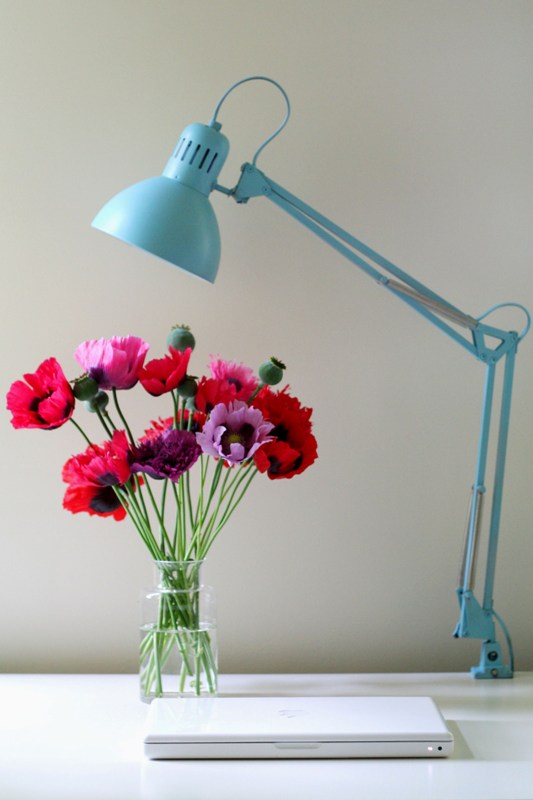
No escritório temos três candeeiros Tertial do Ikea que, se bem que práticos, têm pouca graça. Há muito tempo que queria pintá-los de azul e ontem o Tiago realizou esse meu desejo (ele tem muito mais jeito do que eu para pintar com spray). Agora só tenho de fazer uns cortinados a condizer!
In the study we’ve got three Tertial lamps from Ikea — although very effective, I’ve always felt they were a bit bland. I’ve been meaning to paint them blue for long and yesterday Tiago made my wish come true (he’s just so much better that me when it comes to spray painting). Now all I need to do is sew some complementing blinds!
 
(photos: 1, 3 – Constança Cabral; 2- Tiago Cabral)

Weekender Sunshine Top

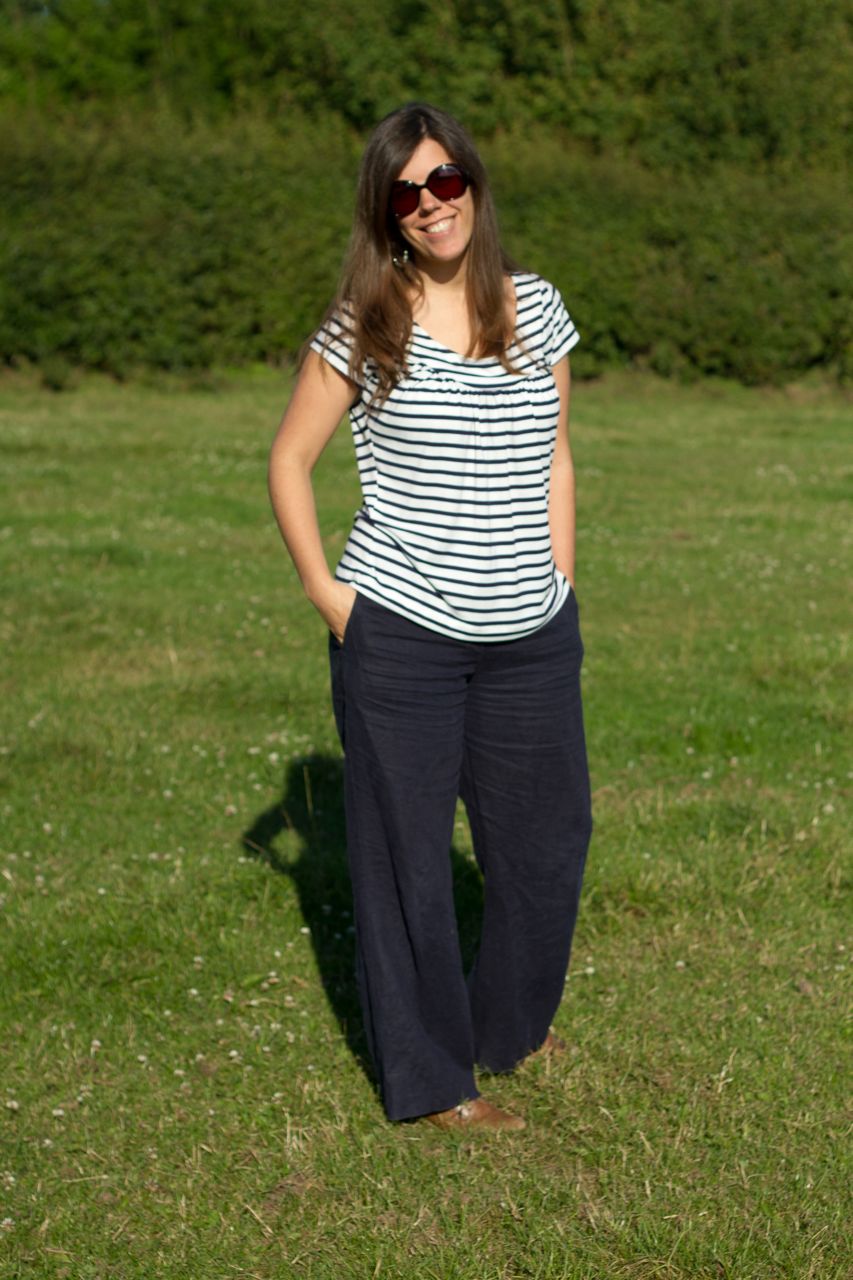
Nem acredito que fiz uma t-shirt! O molde é o Weekender Sunshine Top da marca HotPatterns e o tecido foi comprado no John Lewis. Foi a primeira vez que cosi malha (usei uma agulha de ponta redonda) e não achei este projecto especialmente fácil… o molde está bem desenhado mas as explicações são para quem já sabe fazer roupa — por sorte encontrei este passo-a-passo com fotografias. Quando voltar a fazer esta t-shirt vou corrigir os franzidos (acho que deviam estar mais concentradas no meio… assim fazem umas pregas estranhas debaixo dos braços). Mas não deixo de estar contente com o resultado e sinto que conquistei mais um desafio!

I can’t believe I’ve made a t-shirt! The pattern is the Weekender Sunshine Top from HotPatterns and the fabric was bought at John Lewis. This was my first time sewing with knits (I used a ball point needle) and I didn’t find this project particularly easy… the pattern is well drafted but it’s written for people who already know how to sew clothes — luckily I came across this illustrated step-by-step guide. When I make this t-shirt again I’m going to correct the gathering (I think it should be concentrated in the middle and not so much on the sides… I don’t like that strange puckering under the arms). But I’m happy with the result and I feel I’ve conquered yet another sewing challenge!

(photos: Tiago Cabral)

Oliver + S Popover Dress

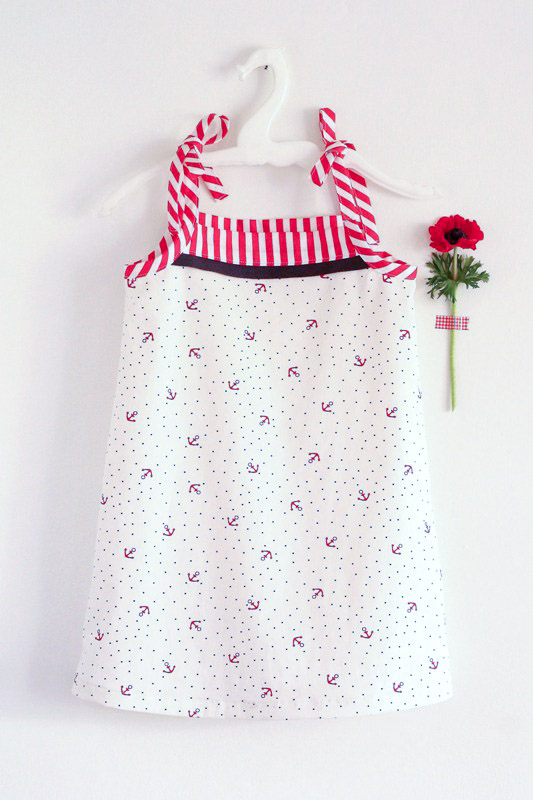
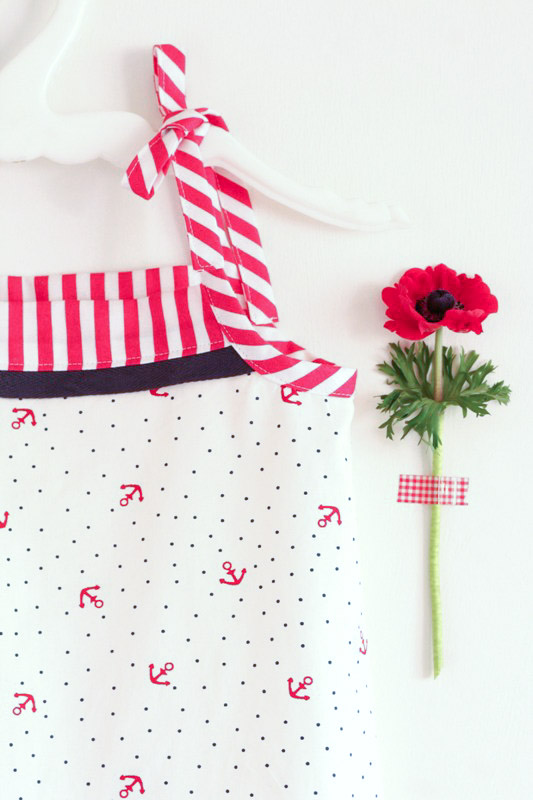
Sou grande fã dos moldes de roupa para criança Oliver + S. Já comprei dois ou três mas, antes de os experimentar, resolvi fazer o Popover Dress. Este vestido de Verão saiu numa das primeiras edições da revista Sew Hip e está disponível como download gratuito aqui. Fi-lo para a filha de uma amiga minha e repeti o tecido que usei neste vestido por duas razões: primeiro, porque o tecido é leve e fresco e excelente para um vestido de Verão, e depois porque a família da minha amiga está muito ligada ao mar e à pesca e acho que o padrão tem tudo a ver com isso. O vestido é muito simples e rápido de fazer: vale a pena experimentar!
I’m a big fan of Oliver + S sewing patterns for children clothing. I’ve bought two or three patterns but before I even try making them, I decided to sew the Popover Dress. This summer dress was published in one of the earlier issues of Sew Hip magazine and is available as a free download here. I made for for the daughter of a friend of mine and I repeated the same fabric I used in this dress for two reasons: first, because the fabric is light and soft and perfect for a summer dress, and also because my friend’s family has been connected to the sea and the fishing industry for a long time and I think this print couldn’t be more appropriate. The dress is very easy and quick to make: well worth a try!
(photos: Constança Cabral)

Verão :: Summer

Às vezes perguntam-me se tenho saudades de Portugal. Claro que sim — vivi quase 28 anos no país em que nasci e, como tenho a sorte de ter uma vida feliz, a maior parte das memórias é bastante boa. E depois segue-se a inevitável pergunta: o que te faz falta em Inglaterra? A família. Os amigos. E o Verão. 
Hoje não resisti a partilhar convosco estas fotografias da minha avó, na praia, no início dos anos 50. Ah… praia, céu azul, sol, fruta madura, roupa leve, dias que não acabam, a sensação de que a vida pára durante umas semanas… assim é, para mim, o Verão.
A todos os que lêem este blog, onde quer que vivam: espero que aproveitem este Verão ao máximo! 
Sometimes I get asked if I miss Portugal. Of course I do — for nearly 28 years I lived in the country where I was born and since I’m fortunate to lead a happy life, most of my memories are very good. And then comes the inevitable question: what do you miss now that you’re living in England? Family. Friends. And summer.

Today I’m sharing with you some pictures of my grandmother in the beach in the early 1950s. Ah… the beach, the sun, blue skies, ripe fruit, light clothes, days that never come to an end, the feeling that life stops for a few weeks… to me, that’s what’s summer is all about.

To everyone who reads this blog, wherever you live: I hope you make the most of this summer!

Mocho :: Owl

Já fizeram o mocho de feltro da Anna Maria Horner? Uma amiga minha pediu-me um porta-chaves em forma de mocho e lembrei-me logo deste molde. Fiz o corpo com o meu tipo de feltro preferido: uma camisola 100% lã (esta com mais de 40 anos) lavada na máquina a 90ºC.

Have you ever made Anna Maria Horner’s felt owl? A friend of mine asked me to make her an owl key chain and I immediately thought of this pattern. I made the owl’s body in my favourite kind of felt: an old 100% wool sweater (this one was over 40 years old) washed at 90ºC.

(photos: Tiago Cabral)

Queques à Portuguesa :: Muffins the Portuguese Way

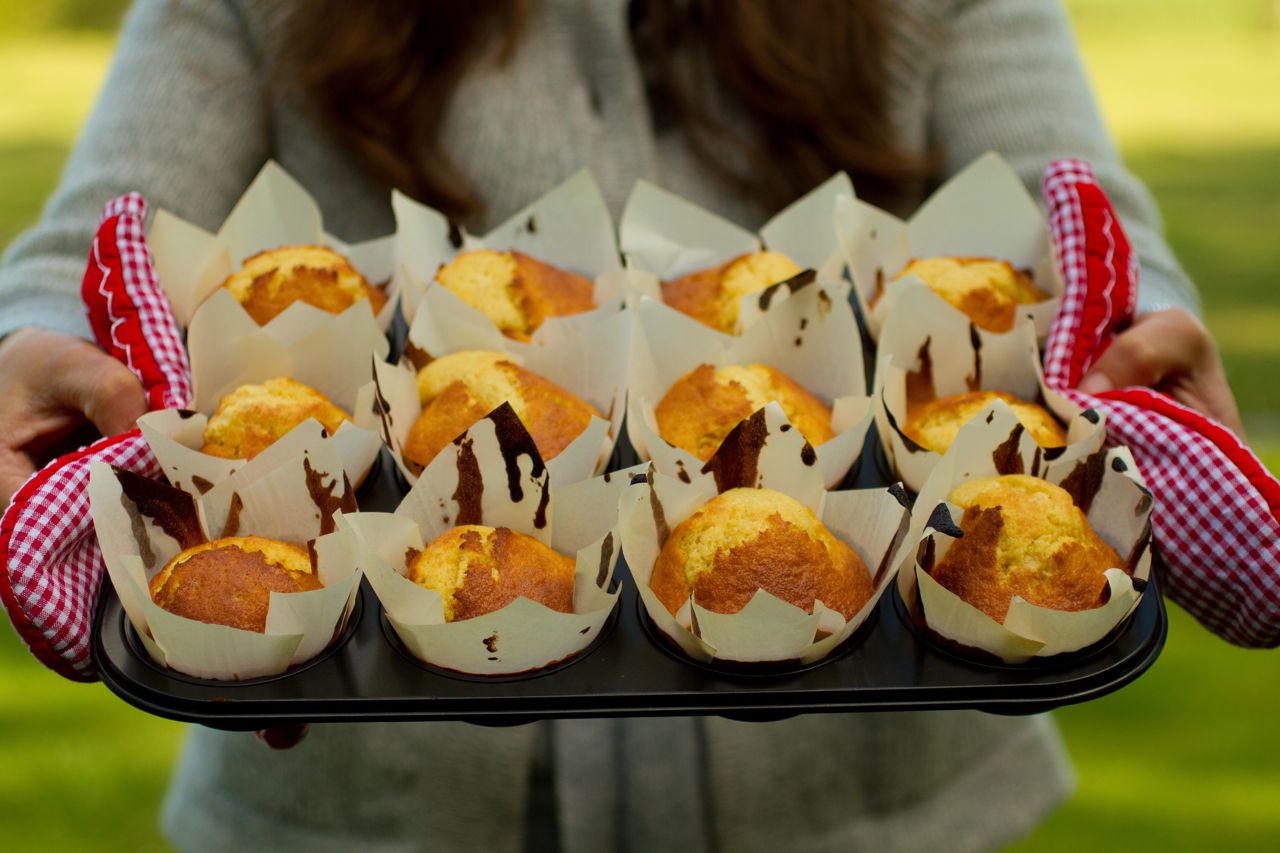
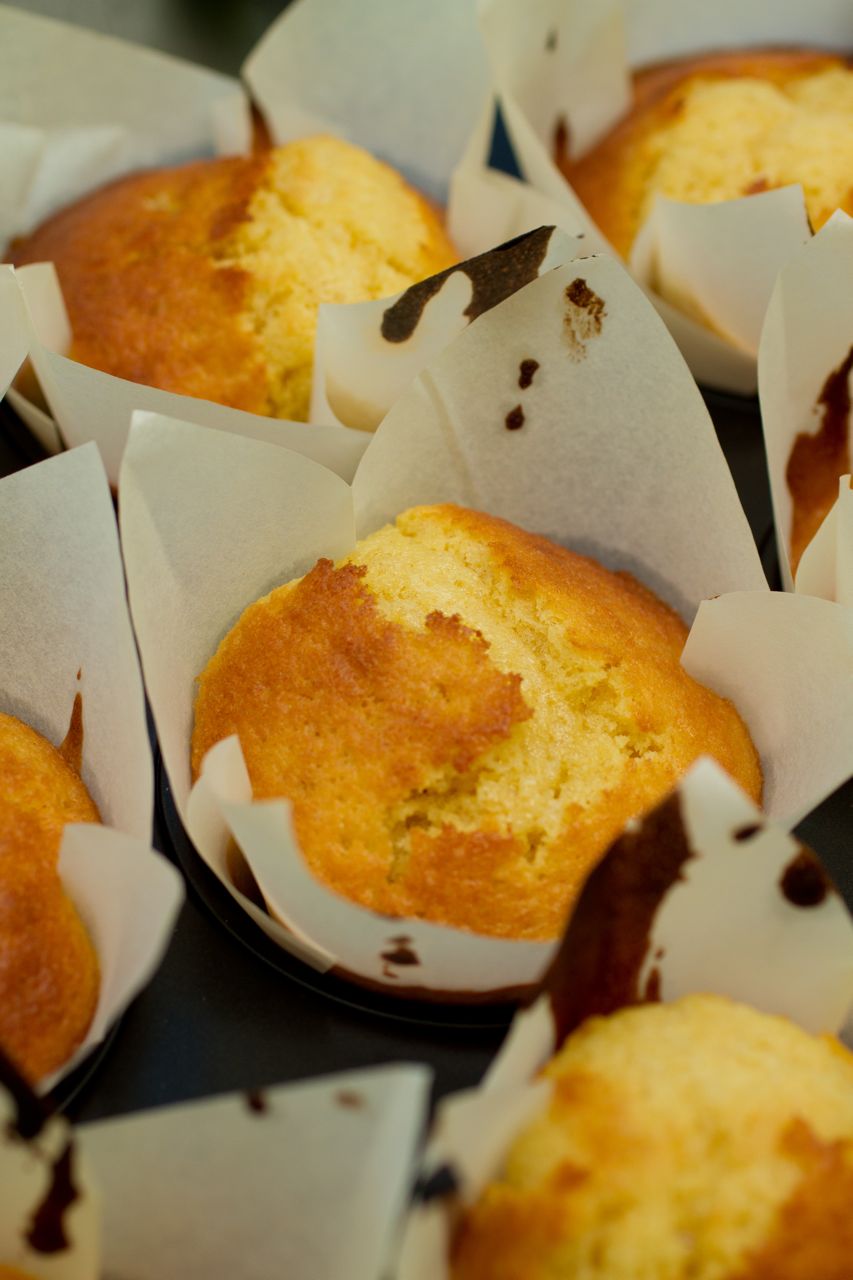
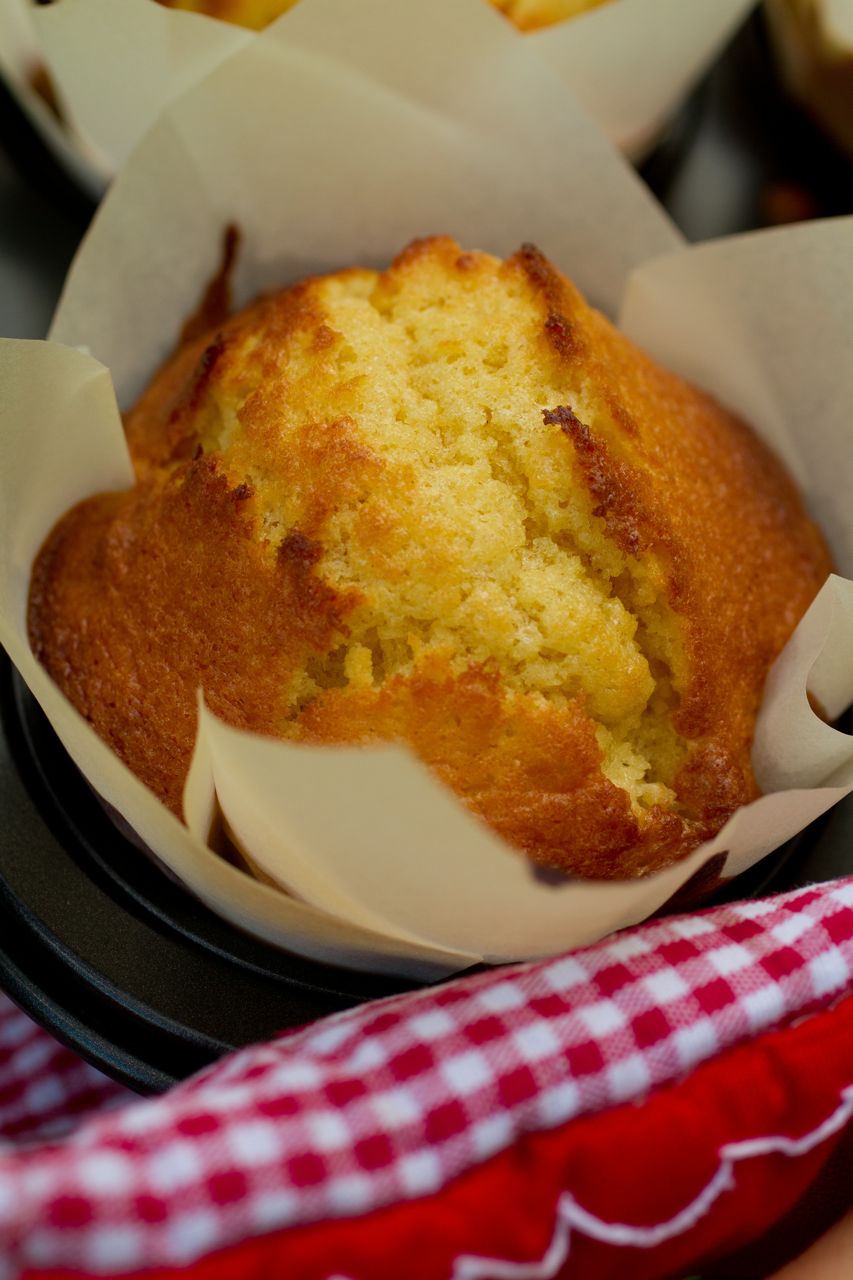
No Verão passado encontrei umas receitas numa gaveta em casa dos meus avós. Houve uma receita em especial que me chamou a atenção e copiei-a para a experimentar um dia: queques à maneira da minha bisavó. Segui escrupulosamente a lista de ingredientes mas confesso que alterei completamente o método (envolver o açúcar com a farinha e só depois bater os ovos, a manteiga, o leite e o fermento? não me parece). Só vos digo que ficaram queques dignos de pastelaria! Melhores, só naquelas formas recortadas! Eis a receita adaptada por mim:

1/2 kg de açúcar
1/2 kg de farinha
1 colher de chá de fermento
1 dúzia de ovos
300 g de manteiga derretida
3 dl de leite
Ligar o forno a 180ºC. Bater muito bem o açúcar com a manteiga derretida, até a mistura ficar branca e leve. Juntar os ovos um a um e ir batendo. Juntar o leite e bater. Juntar a farinha peneirada com o fermento e envolver apenas. Deitar a massa em formas de queque e pôr no forno até os queques  estarem cozidos. Todos os fornos são diferentes por isso não vale a pena dar indicações de tempo, mas quando a cozinha começar a cheirar a bolo, o melhor é ir testando a cozedura de tempos a tempos (eu uso uma faca, mas pessoas mais delicadas preferem um palito). Não deixar cozer demasiado, caso contrário os queques ficam sequíssimos.
Acho graça a estas receitas bem portuguesas que usam sem pudor meio quilo de açúcar e uma dúzia de ovos. Esta receita deu-me para 21 queques grandes, mas obviamente que pode ser dividida. Mas por que não fazê-los todos e levá-los para a praia para toda a família?

Last summer I found some recipes inside a drawer at my grandparents’ house. There was one in particular that caught my attention and I copied it so I could try it later: my great-grandmother’s recipe for muffins (“queques” in Portuguese). I followed scrupulously the list of ingredients but I confess I completely altered the method (mix the sugar and the flour and only then beat in the eggs, butter, milk and baking powder? I don’t think so). Let me just say the muffins turned out fine! They almost taste like the ones you find at good “pastelarias”. Here’s my adaptation of the recipe:


1/2 kg caster sugar
1/2 kg plain flour
1 teaspoon baking powder
12 eggs
300 g melted butter
300 ml milk

Preheat the oven to 180ºC. Cream the melted butter and sugar together until pale and soft. Add eggs, one at a time, beating them until fully incorporated. Add milk and beat again. Fold in the flour and baking powder, being careful not to overmix. Pour the mixture into muffin paper cases and bake until a knife comes out clean (more delicate people prefer to use a cocktail stick or a cake tester). Given that all ovens are different, I think it’s useless to give you time indications; however, when the kitchen starts smelling like cake start testing. Do not overbake or else the muffins will be too dry.
I like these very Portuguese recipes that aren’t afraid of using half a kilo of sugar and a dozen eggs. This recipe gave me 21 large muffins but you can half it if that seems too daunting. But why not make them all and take them to the beach to feed all the family?

(photos: Tiago Cabral)

Pacotes de Sementes :: Seed Packets


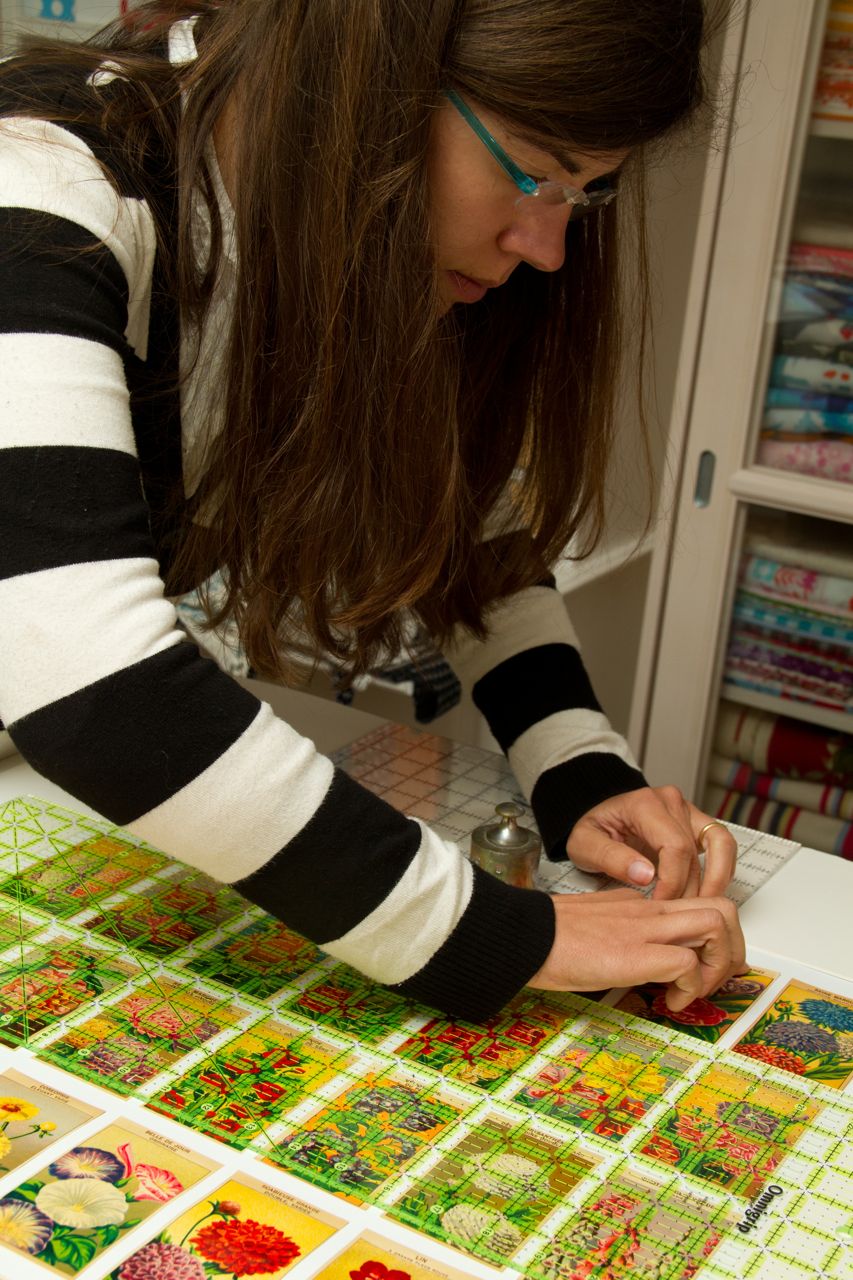
Há uns tempos comprei vários conjuntos de etiquetas francesas para pacotes de sementes. Estas etiquetas, produzidas nos anos 20, nunca chegaram a ser usadas; no entanto, apesar de terem 90 anos, estão novas. As cores são vibrantes e os desenhos muito engraçados. Lembrei-me de dividi-las entre flores e legumes e com elas fazer dois grandes quadros para a nossa casa-de-jantar (cujo tema é assumidamente botânico). Ao dispô-las e colá-las senti-me a fazer uma nova colecção de cromos.
A while ago I bought several sets of vintage French seed packet labels. These labels were produced in the 1920s but were never used and despite being 90 years old, they are in excellent condition. The colours are vibrant and the illustrations charming. I thought I’d divide them into two categories — flowers and vegetables — and use them to make two large wall hangings for our dining room (whose theme is undoubtedly botanical). While I was laying them out and glueing them, I felt again like a child with a new collection of trading cards.
(photos: 1-6: Tiago Cabral; 7- Constança Cabral)

Grow Your Own Herbs in Pots :: Book Review

Quando recebi o livro Grow Your Own Herbs in Pots: 35 Simple Projects for Creating Beautiful Container Herb Gardens,  escrito pela jardineira e artista Deborah Schneebeli-Morrell, achei logo que seria um óptimo livro para recomendar aqui no blog. Nem toda a gente tem a sorte de ter um jardim e nem todas as pessoas têm tempo e/ou interesse em cultivar flores e vegetais — no entanto, temos de concordar que não há plantas mais versáteis do que as ervas aromáticas. Compactas, decorativas, perfumadas, extremamente úteis na cozinha e com inegáveis propriedades medicinais, prestam-se bem ao cultivo em vasos. Qualquer pessoa pode cultivar as suas ervas aromáticas preferidas na varanda, jardim, pátio, terraço ou parapeito da janela da cozinha. E este livro pode ser um bom ponto de partida para a execução de um pequeno canteiro aromático.
Na minha opinião, Grow Your Own Herbs in Pots tem vários elementos que jogam a seu favor. Começa por ser extremamente apelativo: o papel é grosso e mate e as fotografias de boa qualidade e bastante detalhadas. Depois, a escolha de recipientes é realmente inspirada: a autora planta manjericão em latas de azeite, salsa em caixas de vinho, menta em bules de chá, coentros em tinas de zinco, funcho em caixas de peixe (sim, aquelas de esferovite!)… escolhas muito de acordo com as actuais tendências de reciclar e reutilizar (que eu subscrevo totalmente). Por outro o lado, o livro está bem organizado em secções: começa com informações gerais sobre cultivo biológico, substratos, sementeiras, propagação e por aí fora; seguem-se três partes intituladas ” ervas para a cozinha”, “ervas para a saúde” e “ervas perfumadas e decorativas”. As explicações são detalhadas, pequenos truques são mencionados ao longo das páginas em pequenas caixas verdes e o discurso é informal e cativante. O livro faz parte da colecção The Green Home da Cico Books.
As soon as I received the book Grow Your Own Herbs in Pots: 35 Simple Projects for Creating Beautiful Container Herb Gardens, written by gardener-artist Deborah Schneebeli-Morrell, I thought that it would be a great book to recommend here on my blog. Not everyone is lucky enough to have a garden and not every single person has the time and/or the inclination to grow flowers and vegetables — however, it’s common knowledge that herbs are the most versatile plants out there. Compact,  decorative, scented, extremely useful in the kitchen and with undeniable medicinal properties, they are very easy to grow in pots. Everyone can cultivate their favourite herbs in their balcony, terrace, garden, patio or even on the kitchen windowsill. And this book can be a good starting point in getting your very own herb border going.

In my opinion, Grow Your Own Herbs in Pots scores highly on several aspects. For starters, the book is extremely appealing: the paper is thick and matte and it has detailed, good-quality pictures. The choice of containers is very inspiring: the author plants basil in olive oil cans, parsley in a wine box, coriander in a galvanized bath, mint in a tea pot and fennel in fish boxes (yes, those polystyrene ones!)… choices that are much in tune with contemporary tends of re-using and recycling (with which I wholeheartedly agree). On the other hand, is well-organised into sections: it starts with general information about choosing herbs, growing organically, which compost to use, how to sow seeds and take cuttings, and so on; followed by three main chapters on “cook’s herbs”, “herbs for health” and “decorative and scented herbs”. All explanations are quite detailed, small tricks are displayed in little green boxes dotted around the pages and the discourse is informal and engaging. The book is part of The Green Home collection of Cico Books.

(photos: Constança Cabral)

Como Fazer Doce de Framboesa :: How to Make Raspberry Jam


Ora cá está o doce de framboesa que fiz ontem. Ficou bom, não muito doce, e cheira e sabe a framboesas. Missão cumprida, portanto.
Hoje vou falar-vos de como faço as minhas conservas. Como já vos disse, antes de vir viver para o campo inglês nunca na vida tinha feito — nem tão pouco tinha visto fazer — doces em casa. Li uns livros, pesquisei na internet e simplesmente experimentei. A primeira tentativa não saiu mal mas foi uma atrapalhação: gerir tantas panelas ao lume ao mesmo tempo, sem saber bem o que se iria passar no momento seguinte, foi bastante confuso. Lavar a fruta, esterilizar os frascos e mantê-los limpos, quentes e secos, deixar derreter bem o açúcar, caso contrário o doce cristaliza, não deixar queimar, não mexer demasiado, fazer o teste do prato para ver se o preparado já gelificou, voltar a deixá-lo ferver violentamente mais 5 minutos, fazer novamente o teste… E depois deitar a mistura para dentro dos frascos, não os encher nem de menos nem de mais, limpar os gargalos, pôr as tampas, enroscá-las bem, e ferver os frascos cheios durante 10 minutos para os pasteurizar (na Europa ninguém liga nenhuma a isto mas nos EUA são obcecados com esta fase final)…
Claro que a prática ajuda imenso e hoje em dia já faço tudo isto quase de olhos fechados. Como é que eu fiz este doce de framboesa?
Comecei por pôr um prato no congelador. Lavei os frascos e esterilizei-os dentro de uma panela com água a ferver durante 15 minutos e depois pu-los a secar dentro do forno a 150ºC. A panela com água vai ser necessária no final por isso o melhor é baixar o lume mas manter a água quente. As tampas não podem ser fervidas porque se estragam: depois de bem lavadas, o melhor é pô-las dentro duma tigela e, na fase final, cobri-las com água quente (as tampas devem estar quentes para ajudarem a criar vácuo dentro dos frascos).
Lavei 1 kg de framboesas e pus metade das bagas dentro duma panela destas (que comprei após a primeira tentativa de fazer doce e que recomendo vivamente: é muito larga, o que facilita a evaporação da água, e o fundo é bastante grosso, o que evita que os docem se queimem) e esmaguei-as com um daqueles instrumentos para fazer puré de batata. Em seguida, deitei lá para dentro o resto das framboesas e 1 kg de açúcar (usei 500 g de açúcar refinado comum e 500 g de jam sugar, um açúcar com pectina. Neste caso usei pectina porque as framboesas têm muito pouca pectina natural; no caso das groselhas e das maçãs, por exemplo, não é preciso adicionar pectina). Em lume baixo, mexi a mistura até o açúcar ter derretido completamente. Quando deixei de ver cristais de açúcar na colher de pau, juntei o sumo de um limão e aumentei o lume para o máximo e deixei a mistura ferver durante 10 minutos, mexendo de vez em quando mas não demasiado. Ao mexer estamos a favorecer a evaporação da água, mas simultaneamente a baixar a temperatura, e queremos que a temperatura seja bastante alta para que o doce gelifique. Ao fim de 10 minutos tirei a panela do lume e fiz o teste do prato: pus um bocado de doce no prato frio (aquele que estava no congelador), pus o prato no frigorífico, esperei 2 minutos e depois empurrei o doce com o dedo. Se o doce fizer rugas, significa que está pronto! Se continuar líquido, há que voltar a pô-lo a ferver e ir testando de 5 em 5 minutos.
Retirei toda a espuma que se formou na superfície e deixei o doce descansar durante 5 minutos, para que ele arrefecesse um bocado; caso contrário, quando o deitasse para dentro dos frascos as sementes viriam todas à superfície. Com a ajuda de um funil de boca larga e de uma concha da sopa (ou de um pequeno jarro), enchi os frascos quase até à superfície (os americanos dizem para deixar 1/4 de polegada, ou seja, 6 mm). Limpei os gargalos, enrosquei as tampas (quentes e bem secas) e pus os frascos dentro daquela primeira panela com água a ferver. Ao fim de 10 minutos, tirei-os lá de dentro e pu-los em cima de um pano da loiça dobrado, onde os deixei a arrefecer durante toda a noite. Na manhã seguinte, limpei-os (a água daqui tem imenso calcário) e pus-lhes umas etiquetas. Se algum frasco tiver transbordado ou não tiver feito vácuo, há que o pôr imediatamente dentro do frigorífico. Todos os outros aguentam um ano num sítio escuro, fresco e seco, como uma despensa.
Esta é a maneira como eu faço doce de framboesa — não quer dizer que seja a única maneira correcta de fazê-lo. É fruto de apenas um ano de experiências e daquilo que fui lendo aqui e ali. Parece muito trabalhoso mas asseguro-vos de que é um processo bastante simples. E o resultado é delicioso!
Here’s the raspberry jam I made yesterday. It’s not too sweet and tastes and smells like raspberries. Mission accomplished.
 
Today I’m going to tell you in detail how I make my preserves. As I’ve said before, before coming to the English countryside I had never made — or indeed seen anyone make — jams at home. I read some books, did a little research online and just gave it a try. The first attempt wasn’t too bad but I was overwhelmed with so many pans and things happening at the same time, without having a clue what to expect next. Wash the fruit, sterilise the jars and keep them warm, let the sugar dissolve completely, otherwise the jam will crystallize later on, do not stir too much, test the jam on a cold plate to se if it’s set; if not, boil again for 5 more minutes, test it again… And them pour the mixture into jars, do not fill them too much nor too little, clean the rims, seal them and can them in a hot water bath (no-one cares about this in Europe but in the US they’re pretty obsessed with this so I decided not to take any risks)…
 
Of course practice makes perfect and nowadays I can do all this with my eyes (almost) close. SO I exactly this I make this raspberry jam?
 
I started by placing a saucer in the freezer. I washed the jars in soapy water, sterilised them in a pan with boiling water for 15 minutes and them dried them in the oven at 150ºC. That pan will be needed later so reduce the heat but keep the water warm. The lids can’t be boiled or you’ll ruin them so I washed them well and placed them in a heatproof bowl; later I covered them with hot water (they must be warm in order for the jars to seal properly).
 
I washed 1 kg of raspberries and put half of them into a preserving pan (which I bought after my first attempt at making jam and which I highly recommend: it’s very wide, which facilitates evaporation, and the bottom is quite thick, which stops the jam from burning) and I crushed them with a potato masher. Then I added the remaining berries and 1 kg of sugar (I used 500 g of granulated sugar and 500 g of jam sugar; the latter contains added pectin. In this case I used it because raspberries are low in pectin; if you’re cooking blackcurrants or apples, for instance, pectin isn’t necessary at all). Over a low heat I stirred the mixture until the sugar was completely dissolved. When I could no longer see any sugar crystals, I added the juice of one lemon and increased the heat to high. I boiled it hard it for 10 minutes, stirring it from time to time but not too much. When you stir it you increase evaporation but the temperature decreases, and we want the temperature to be very high so that the jam will set. After 10 minutes, remove the pan from the heat and test for setting point: drop a little jam on the cold saucer (the one that you’d placed earlier in the freezer), allow it to cool for 2 minutes in the fridge and then push the jam with your fingertip. If it crinkles, it’s set! If it’s still too runny, boil it for 5 more minutes and test again.
 
I skimmed any foam from the surface of the jam and let it cool for 5 minutes, otherwise all the pips would rush to the top of the jars. With the help of a jam funnel and a ladle (or a small jug), I filled the jars almost to the top (Americans say you should leave 1/4 inch/6 mm of room at the top), wiped the rims and put the lids on (they must be warm and dry). Then I placed the jars inside that first pan (the one with the boiling water) and let them boil for 10 minutes. Then I placed them on a folded tea towel and left them there overnight. The next morning I wiped the jars (the water over here is very high on lime) and labelled them. If any of the jars has overspilled or hasn’t sealed, immediately place them in the fridge. All the others will keep for a year on a dark, cool, dry place such as a larder.
 
This is the way I make raspberry jam — it doesn’t mean it’s the only correct way to do it. It’s the fruit of my readings and experiences of only a year. It may seem like a lot of trouble but I promise you it’s quite simple. And the result is simply delicious!
(photos: Constança Cabral)