Como Fazer Geleia de Amora :: How to Make Blackberry Jelly

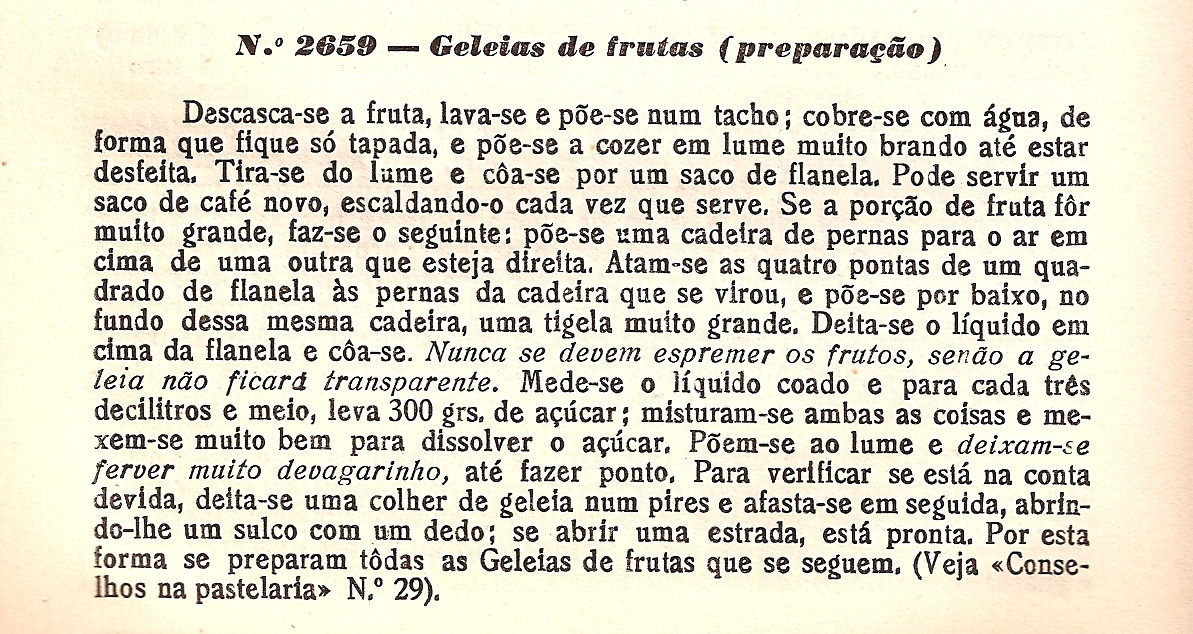
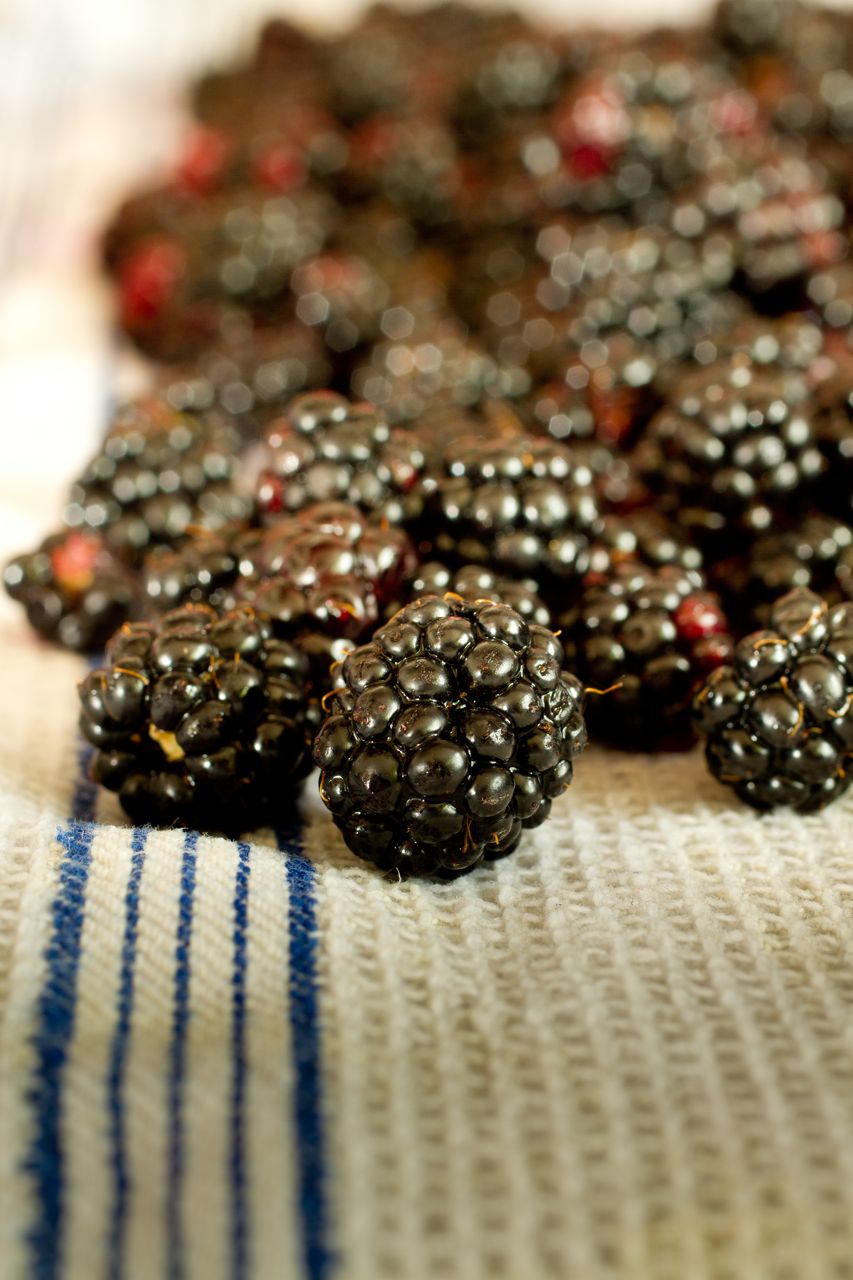
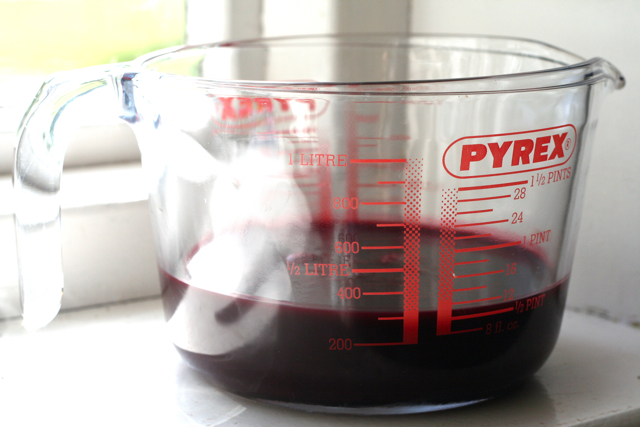
Afinal Setembro foi um mês óptimo para apanhar amoras silvestres. Fiz duas vezes geleia — uma só de amora e outra de amora e maçã (as maçãs têm muita pectina, o que ajuda à gelificação) — e decidi documentar o processo. Digitalizei a receita de geleia do Pantagruel da minha avó (ed. 1952); se quiserem saber mais sobre a forma como eu faço conservas, podem ler o meu post sobre doce de framboesa.
After all September turned out to be a great month to pick wild blackberries. I made jelly twice — the first time I only used blackberries, later on I added cooking apples to the mix (they’re high in pectin, which helps the jelly set) — and decided to document the process. The first image shows a basic jelly recipe from a classic Portuguese cookery book, the Pantagruel (I’ve got my grandmother’s copy from 1952) but there’s a great recipe in Pam Corbin’s preserves book. If you want to know more about how I go about preserving fruit, you can read my post on making raspberry jam.
(photos: Constança Cabral)

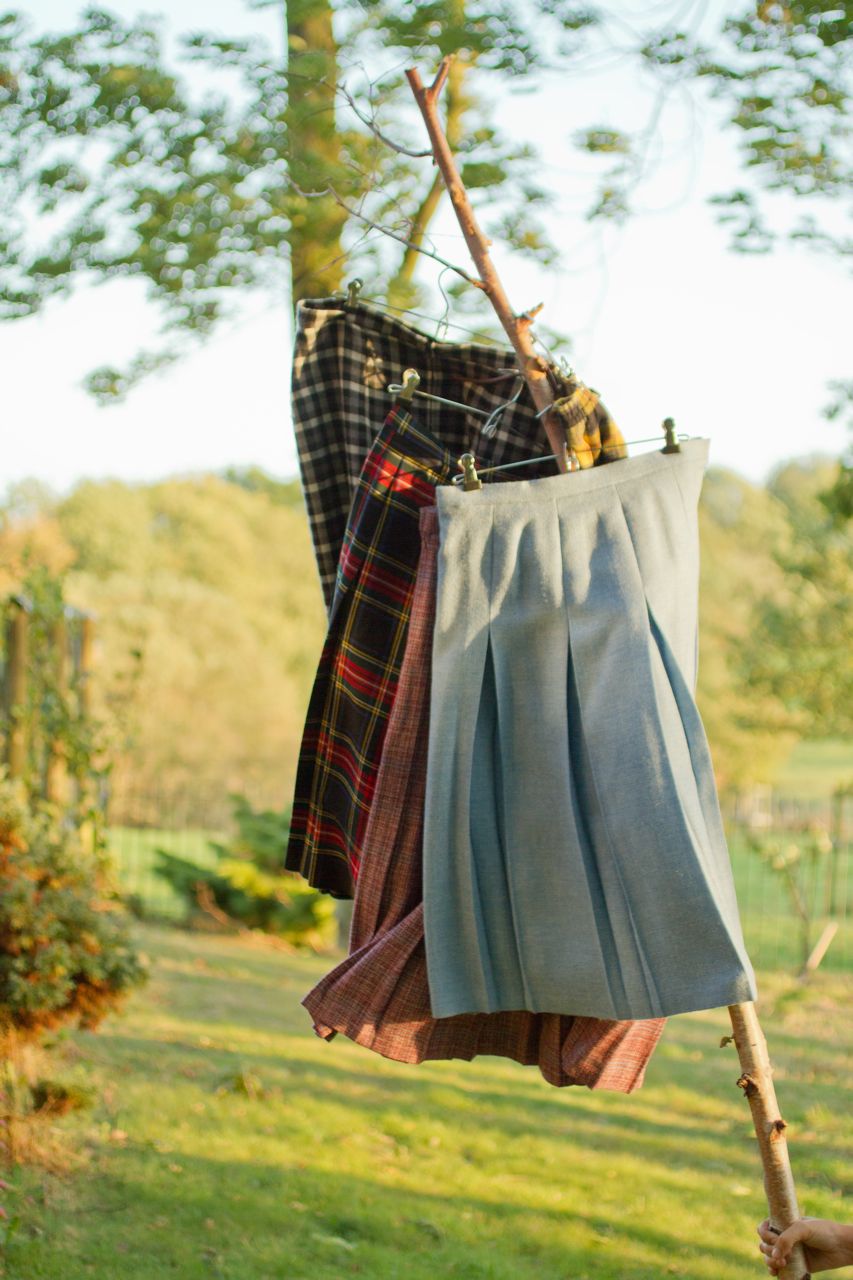
Kilts = Fabric

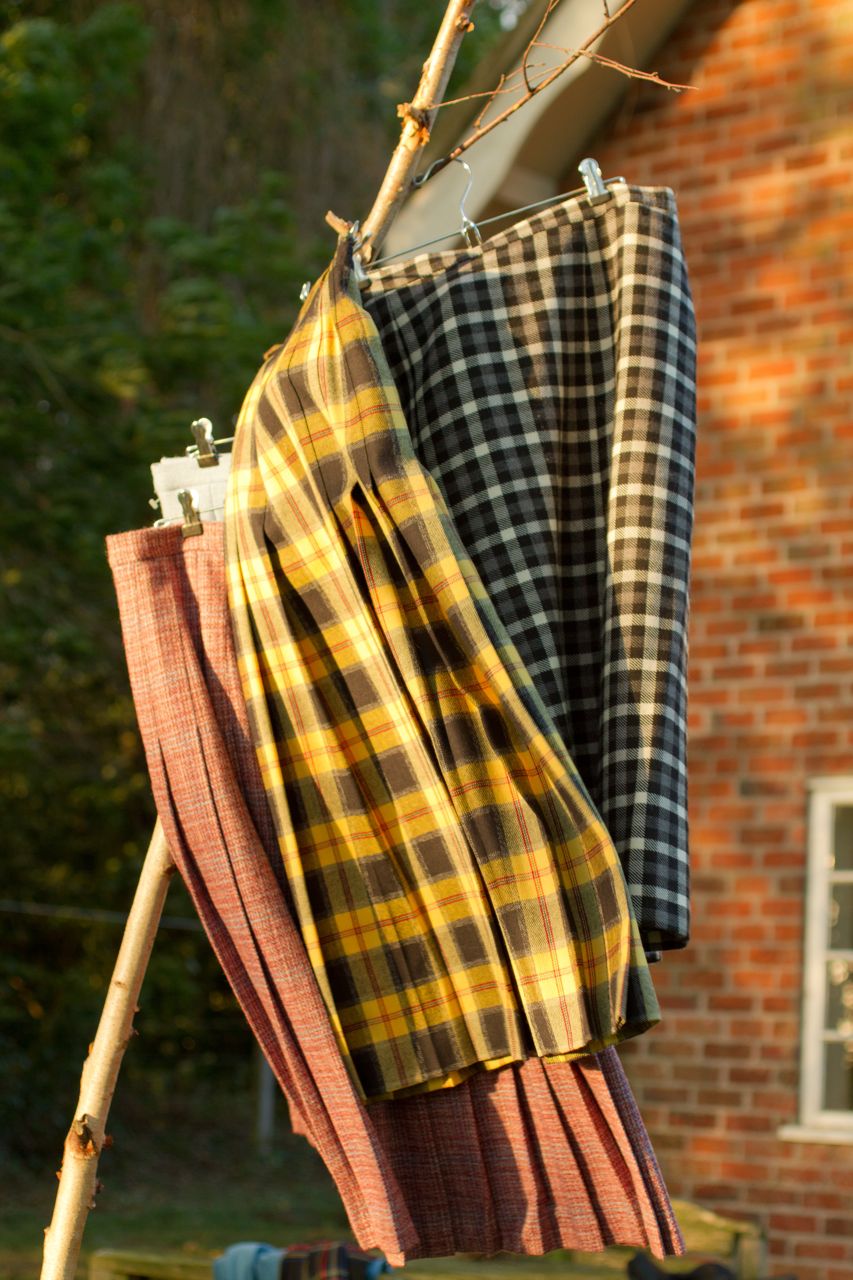
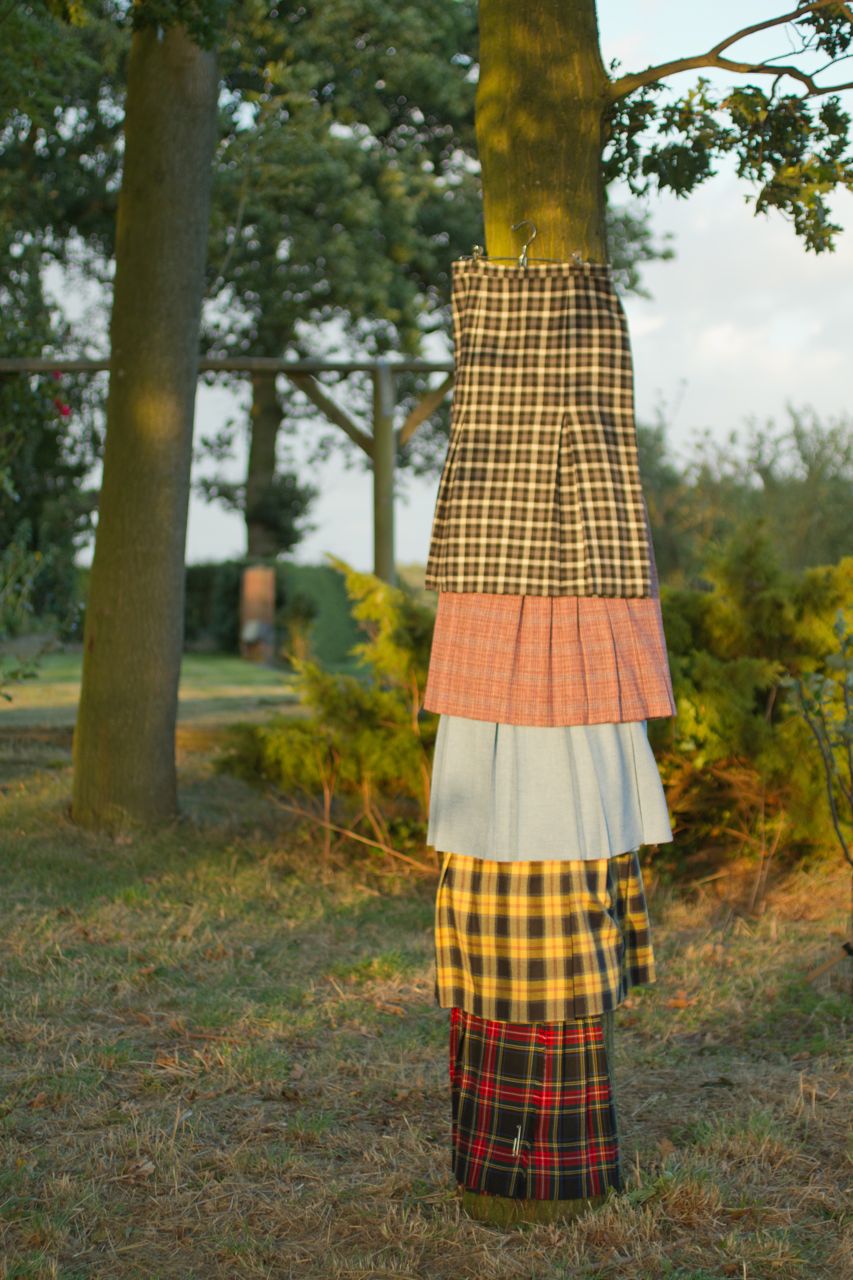
Estou toda contente porque agora que o Outono chegou, as lojas de caridade voltaram a ter stock de Inverno — o que significa saias e casacos de fazendas em pura lã, excelentes para desmanchar e reaproveitar! 
I’m thrilled because now that autumn is here, charity shops have winter clothes back in stock — which means pure wool skirts and jackets, ripe with potential to be taken apart and re-used for something else!

(photos: Tiago Cabral)

Barboteuse :: Intemporels pour Bébés

Hoje cosi pela primeira vez para o bebé. Agora que sabemos que vamos ter um rapaz e que já sinto uns movimentos dentro da barriga, parece que tudo é mais real. Usei o molde de barboteuse que aparece no livro Intemporels pour Bébés da Astrid Le Provost (a autora dos moldes Citronille) e aproveitei uma antiga camisa do meu pai, cujo tecido não poderia ser mais suave. Fiz para 6 meses, para o próximo Verão!

Today I sewed for the first time for our baby. Now that we know we’re having a boy and that I can feel some movements inside by tummy, it all seems much more real. I followed the barboteuse pattern from the book Intemporels pour Bébés by Astrid Le Provost (the authour of the Citronille patterns) and the (super soft) fabric came from a shirt that used to belong to my father. The size is 6 months, for next summer!
(photos: Constança Cabral)
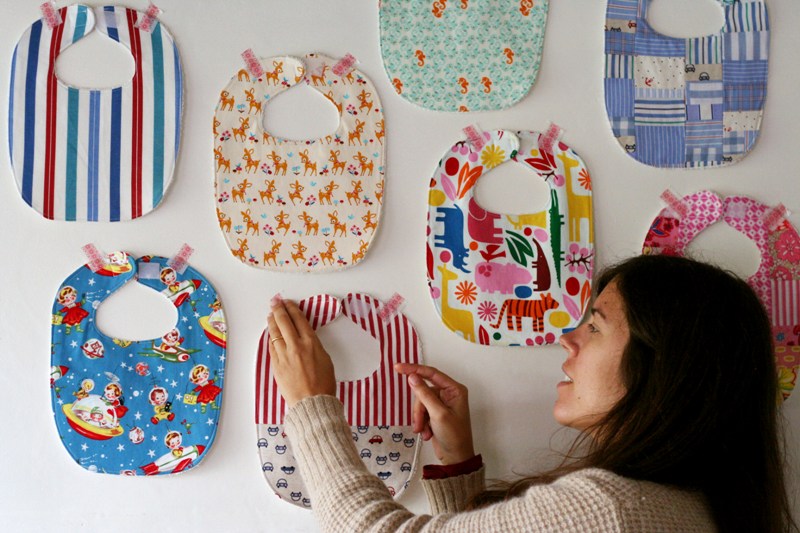
Shop Update :: Baby Bibs

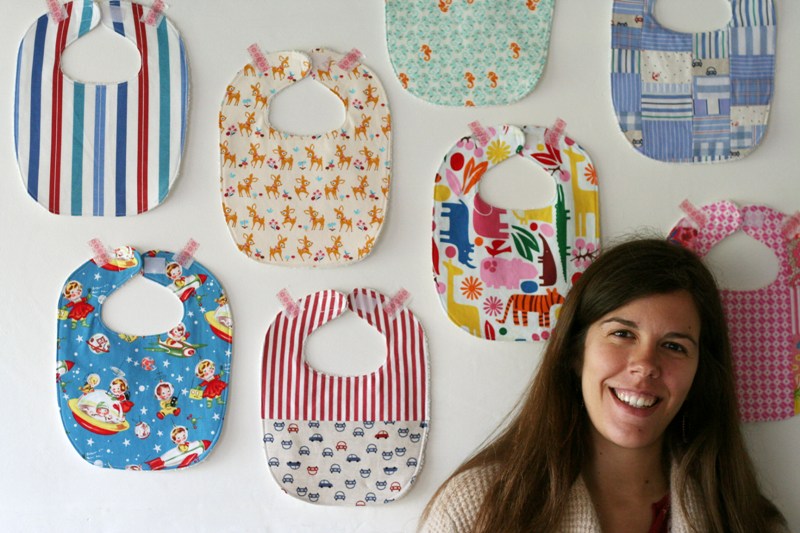
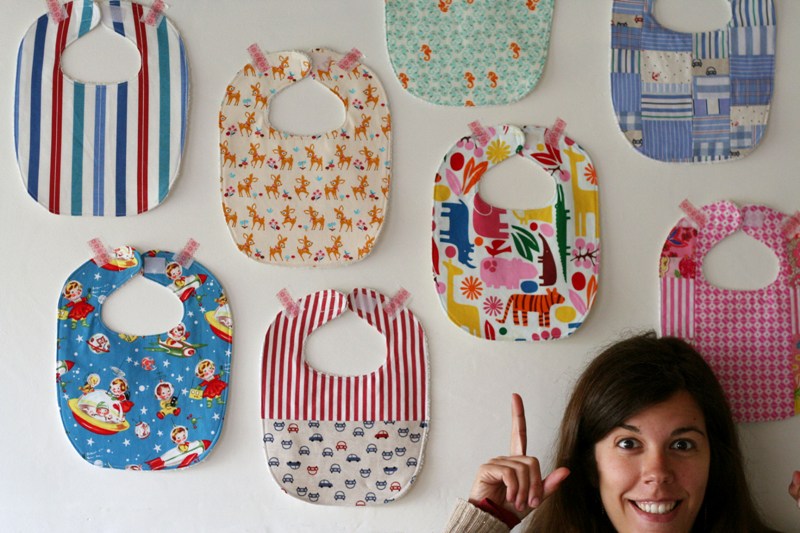
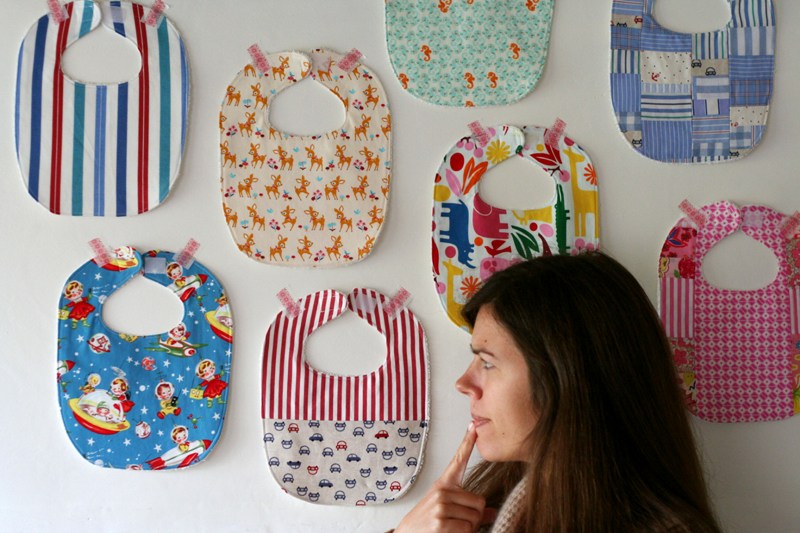
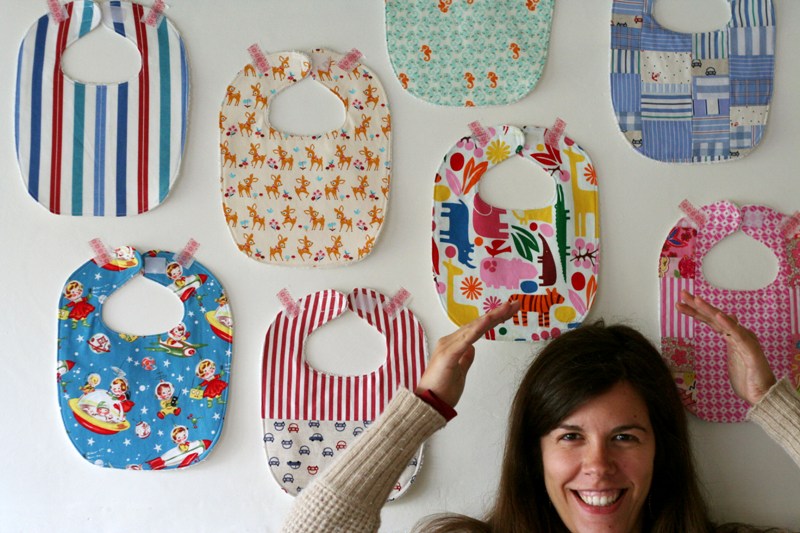
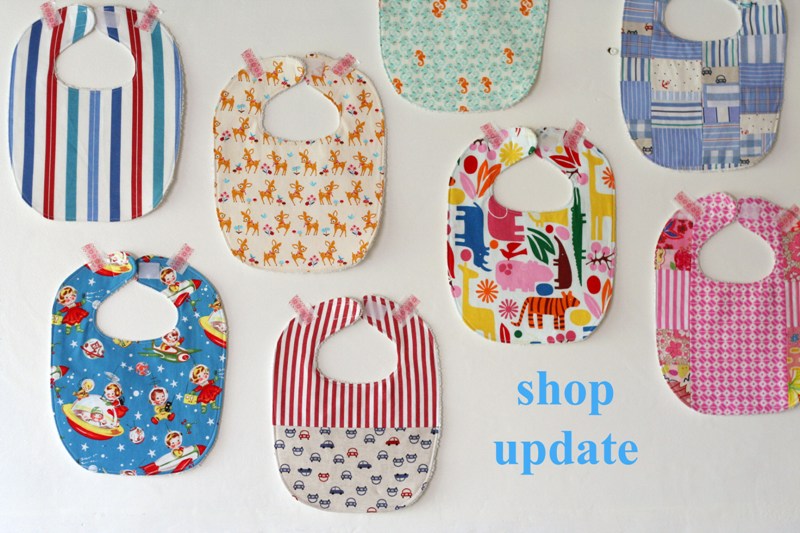
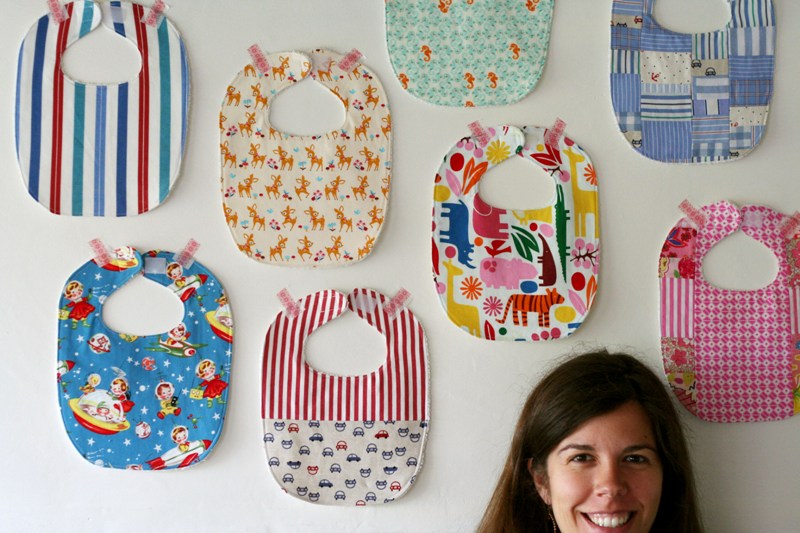
Há muitos babetes novos na loja. São todos feitos com tecidos 100% algodão e com turco de algodão super-absorvente na parte de trás; fecham com velcro e servem a bebés aproximadamente dos 0 aos 9 meses. São um óptimo presente para uma amiga grávida, para um recém-nascido, para um baptizado… Estão disponíveis aqui.
[E para quem tem perguntado se estou bem, podem ver que sim! :)]
There are lots of new baby bibs in the shop. They’re all made using 100% cotton fabrics and they’ve got super-absorbent toweling on the back; there’s a velcro closure and they fit babies from approximately 0 to 9 months old. They’re a great gift for a friend who’s pregnant, a newborn, a christening… They’re available here.

[And for those of you who’ve been asking if I’m feeling well, you can see that I feel great! :)]

(photos: Constança Cabral)
Outono :: Autumn

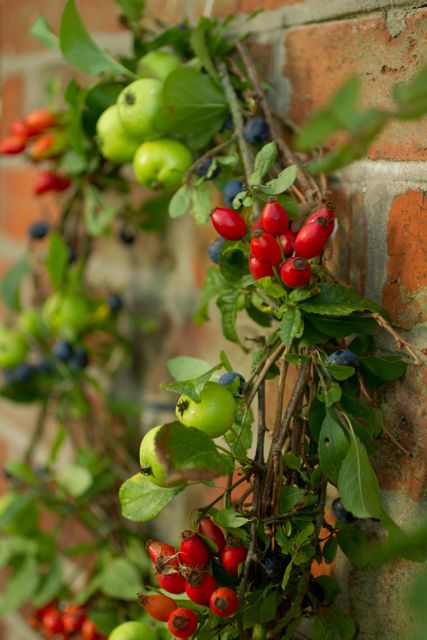
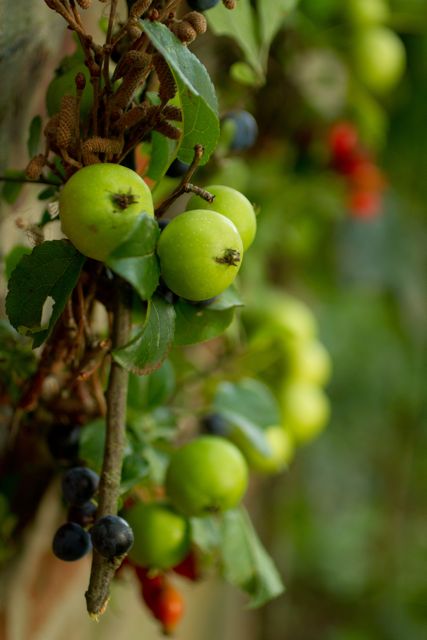
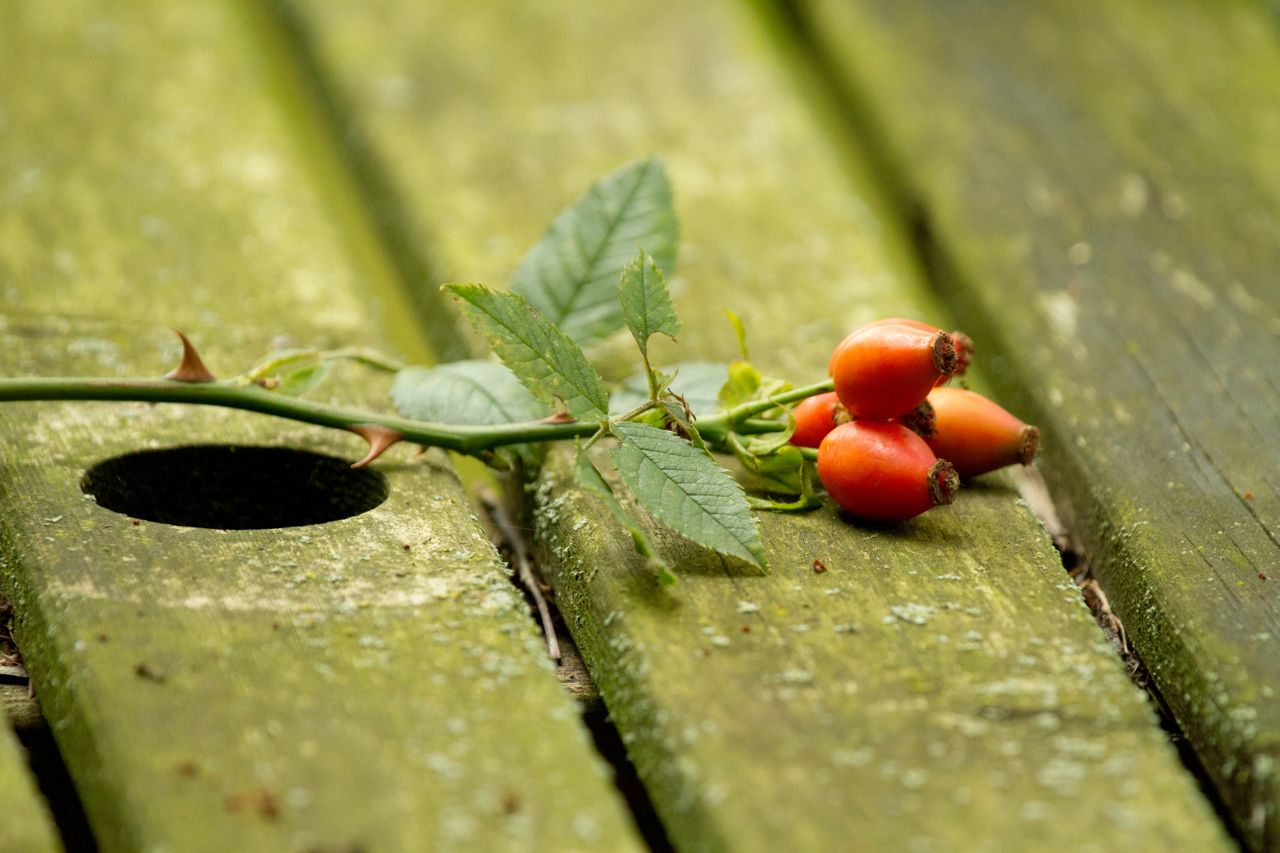
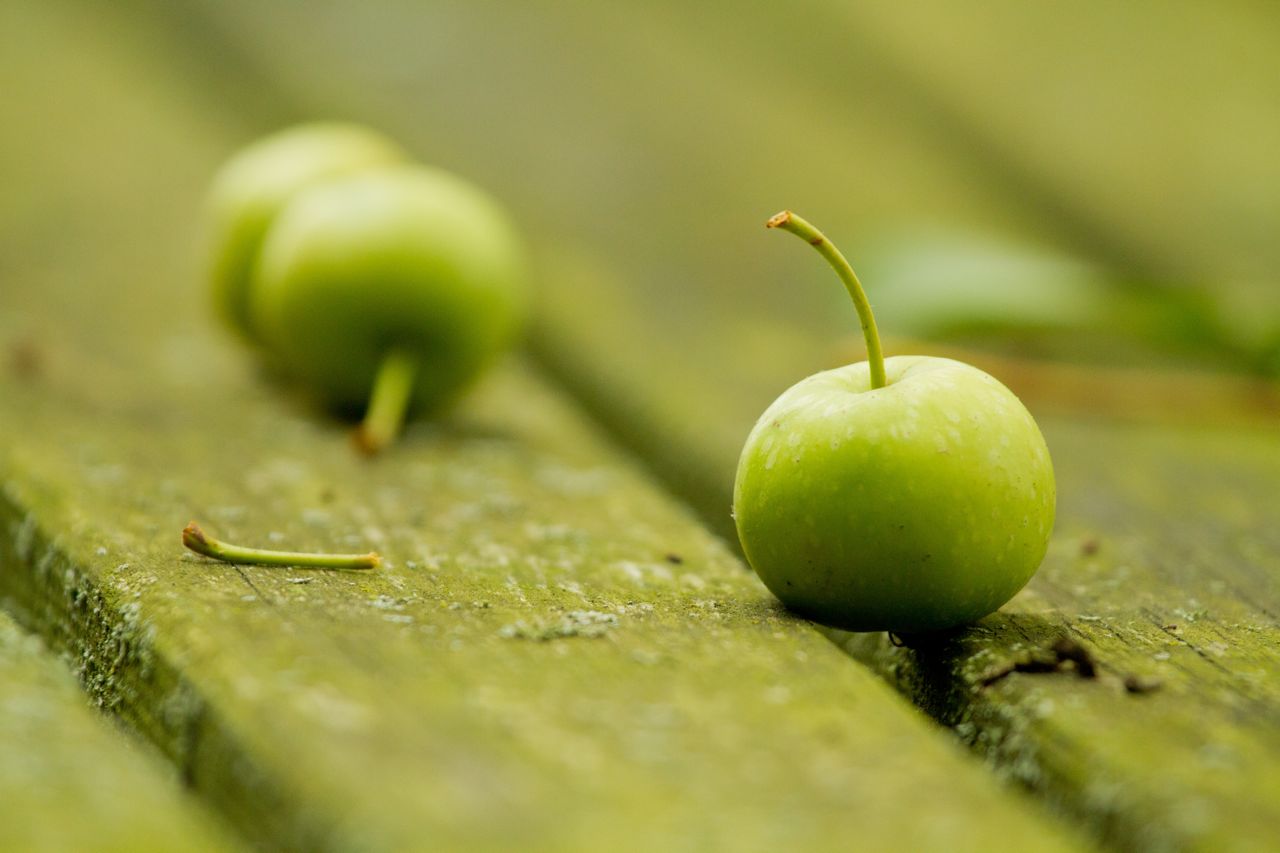
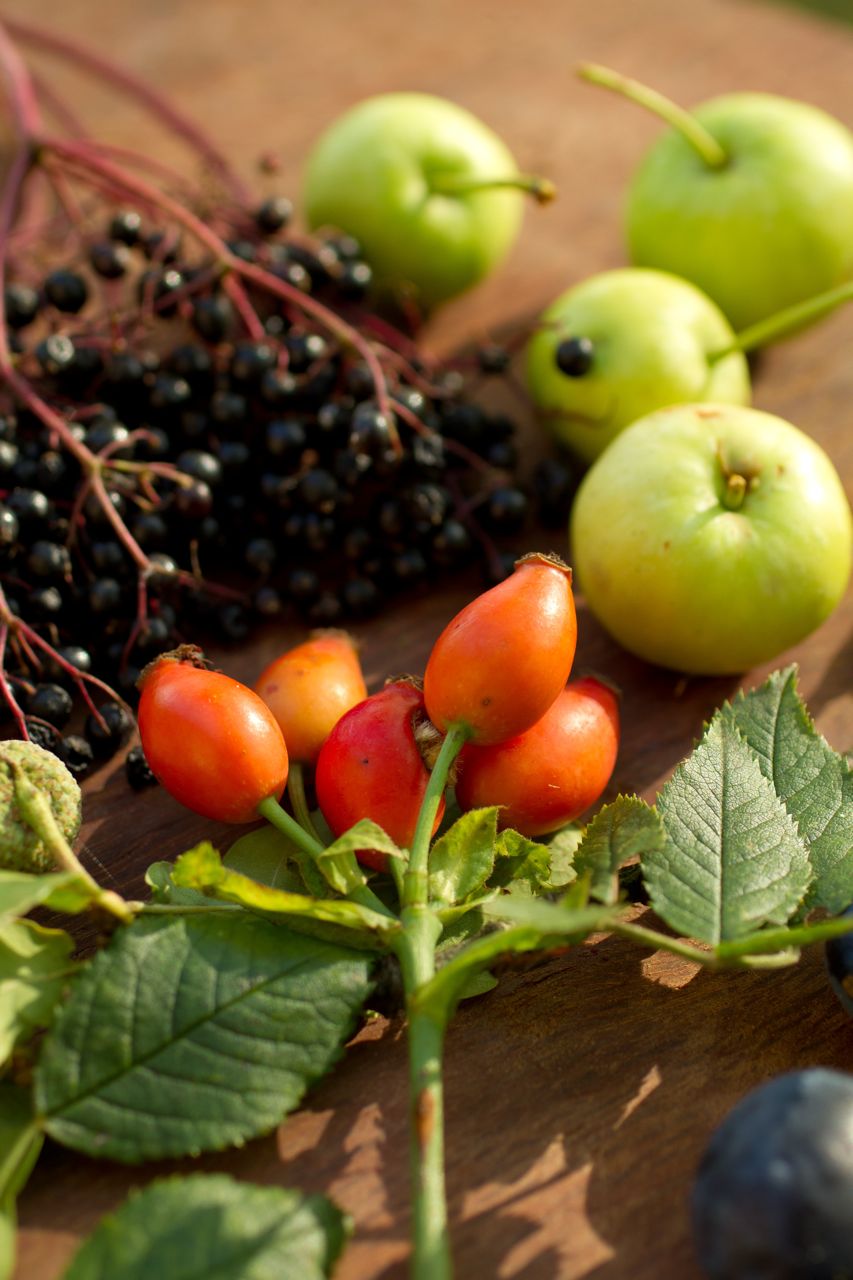
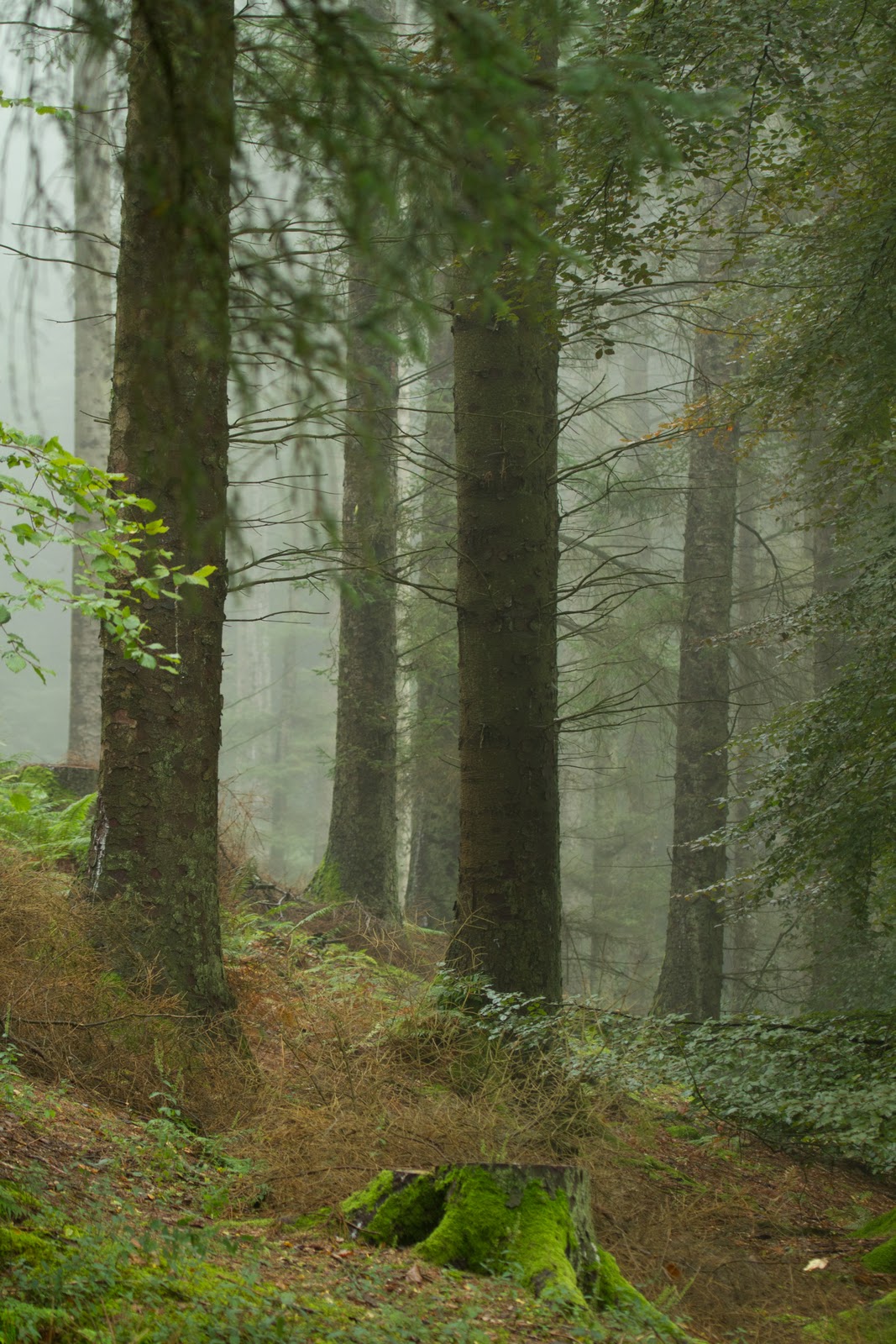
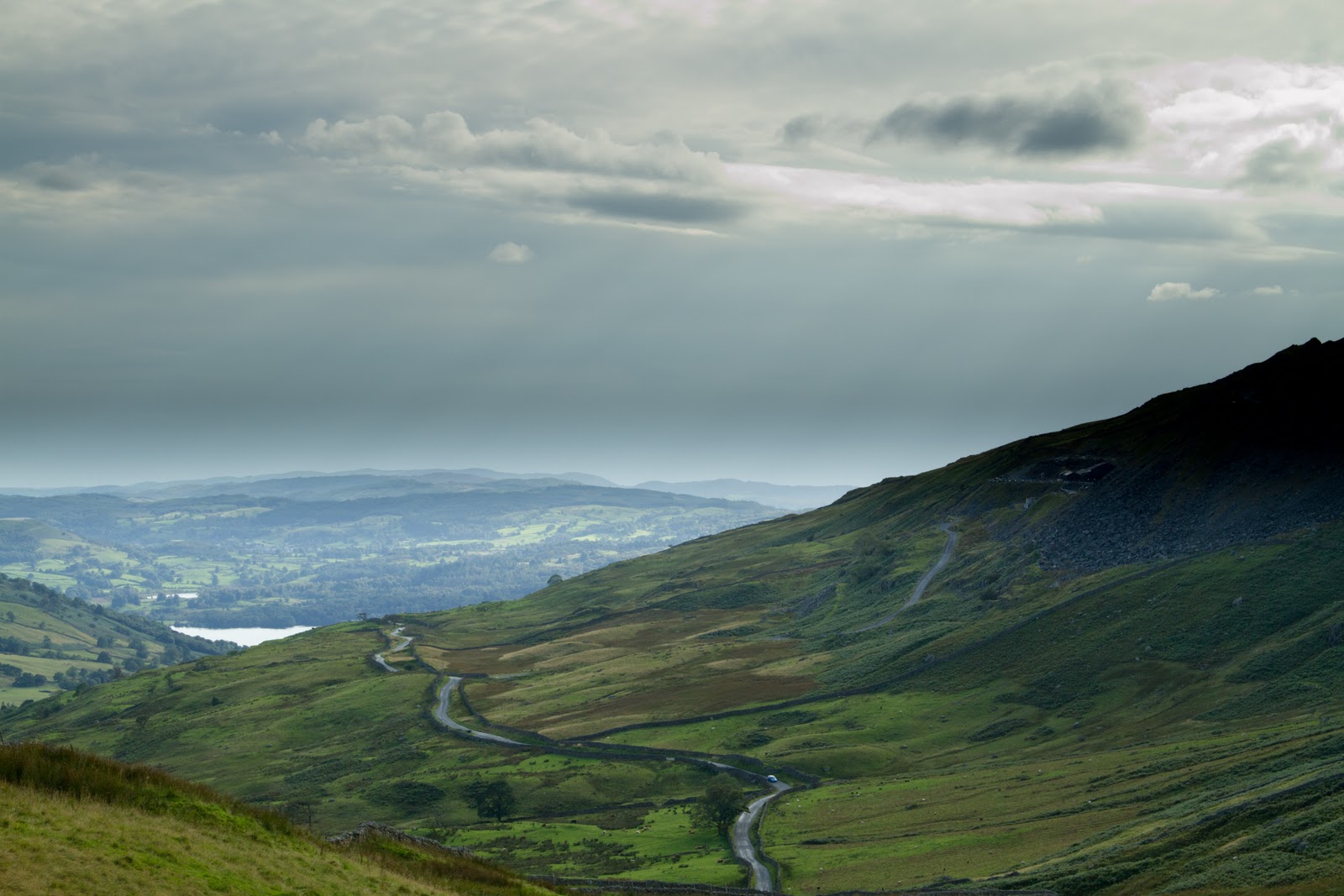
A minha estação preferida em Inglaterra é o Outono. As folhas mudam de cor, as sebes e os arbustos enchem-se de bagas, há bolotas e avelãs pelo chão, maçãs fresquíssimas nas árvores, abóboras de todas as formas e feitios. Apetece forrar livros, vestir uma camisola de lã e uma saia de fazenda escocesa, lanchar torradas e chocolate quente e dar passeios com as mãos nos bolsos.

Autumn is definitely my favourite season in England. The leaves change colour, the hedgerows are laden with berries, acorns and hazelnuts cover the ground, the freshest apples hang on trees and there are pumpkins in every shapes and sizes. You suddenly feel the urge to cover textbooks, wear woolen jumpers and tartan skirts, have toast and hot chocolate for tea and go for a walk with your hands in your pockets. 

(photos: Tiago Cabral)

Saco de Outono :: Autumn Bag

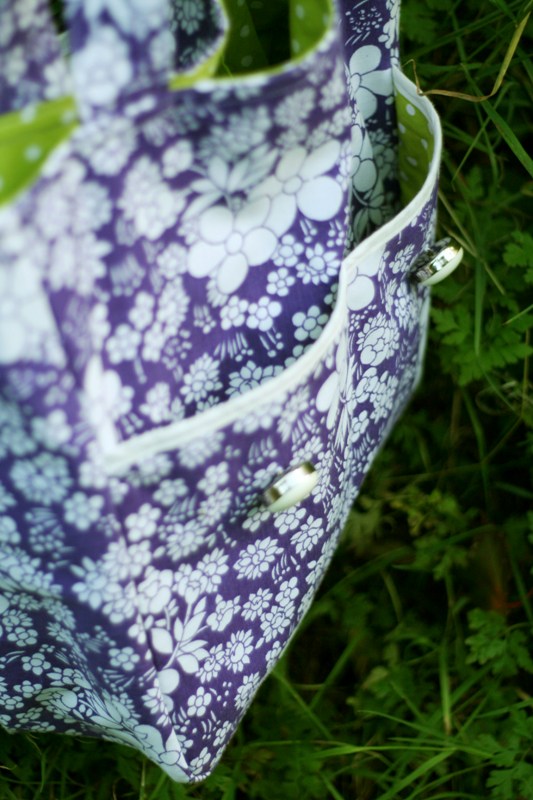
Fiz um novo saco para usar este Outono. O tecido exterior veio de um lençol dos anos 70 que encontrei numa loja de caridade e o modelo foi desenhado por mim — é uma variação do modelo que usei para os sacos de Inverno que fiz há um ano e gosto do facto de ser espaçoso e de ter tantos bolsos. Estou a fazer sacos deste género para a loja e espero tê-los prontos brevemente!
I made myself a new autumn bag. The outer fabric came from a 1970s sheet I found in a charity shop and the pattern was drafted by me — it’s a variation on the bag pattern I used last year to make some winter bags and I love the fact that it’s so spacious and comprises so many pockets. I’m currently making some similar bags to list in my shop and I hope they’ll be ready soon enough!

(photos: Tiago Cabral)
Abrunhada :: Damson Cheese

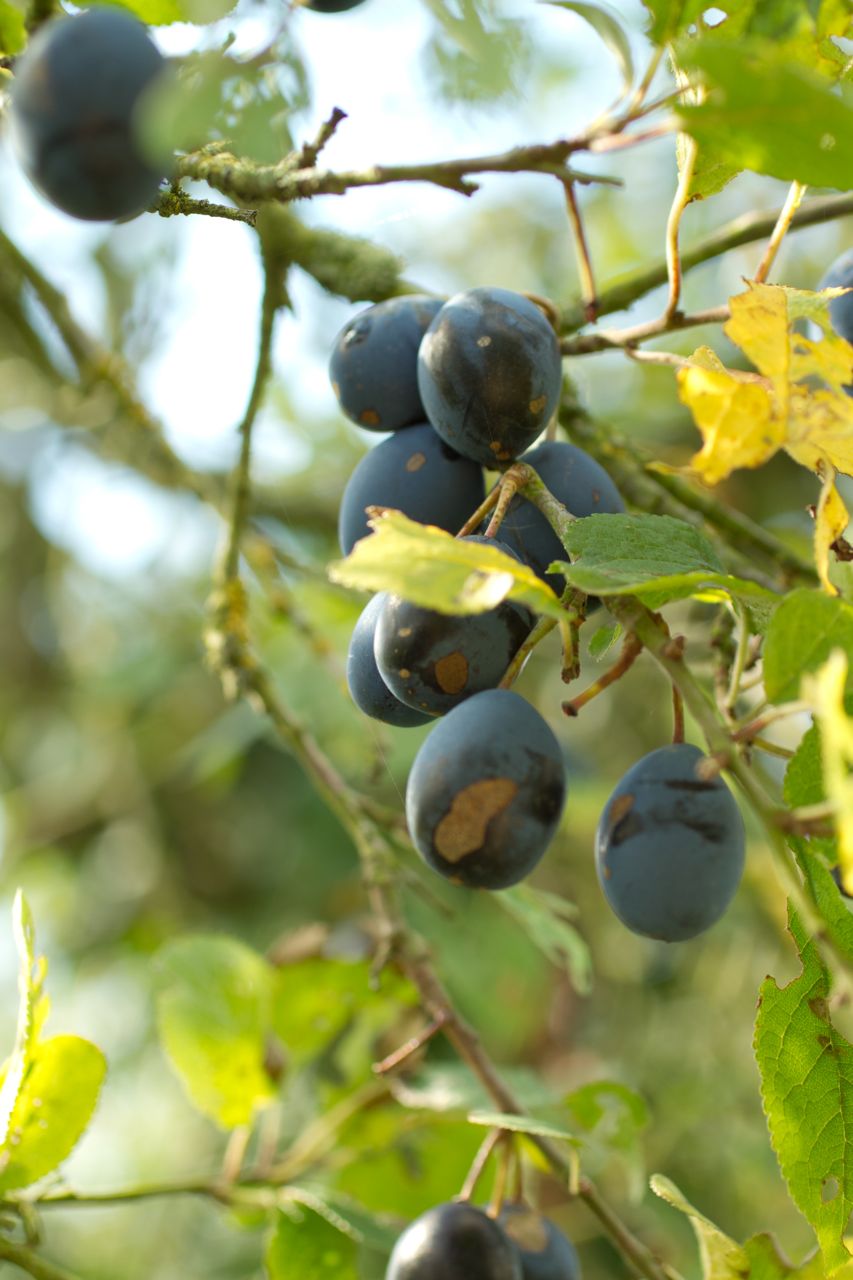
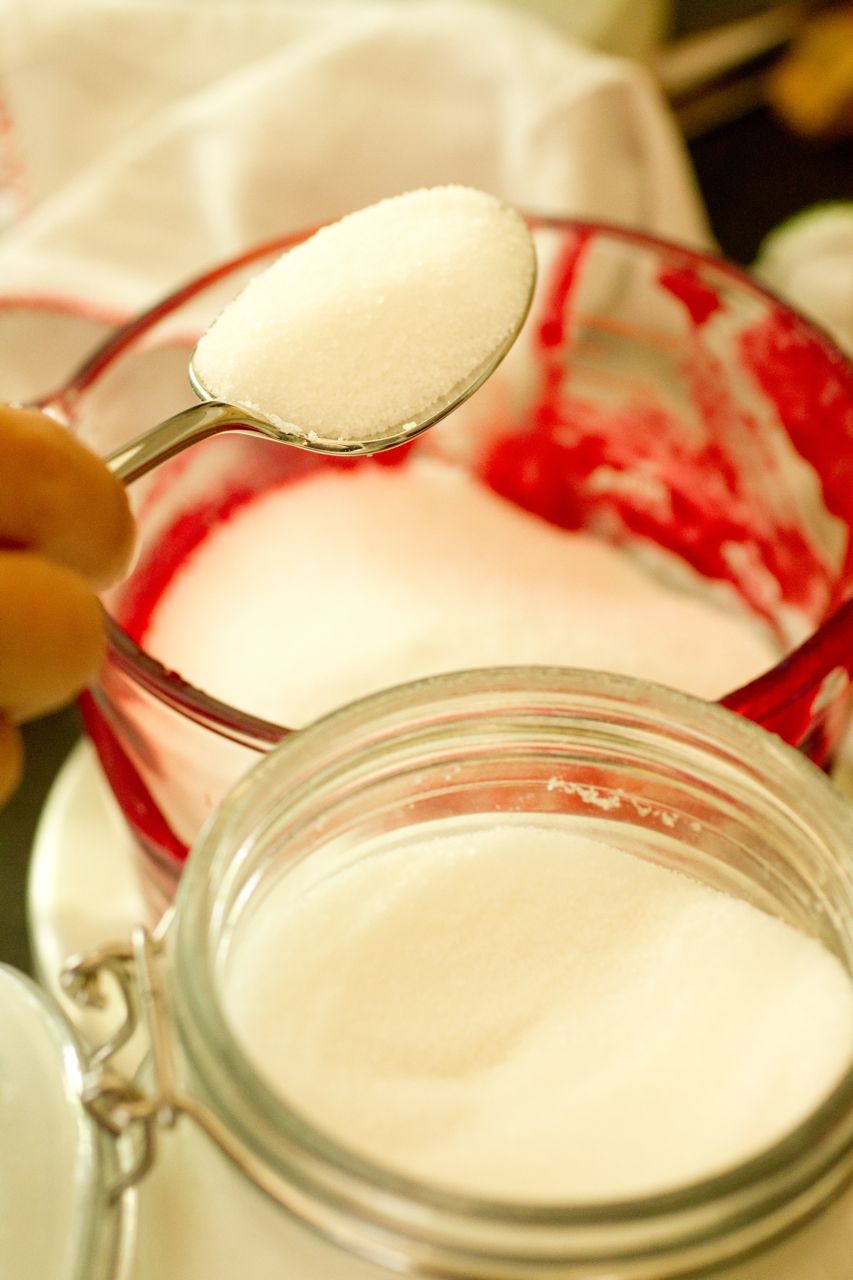
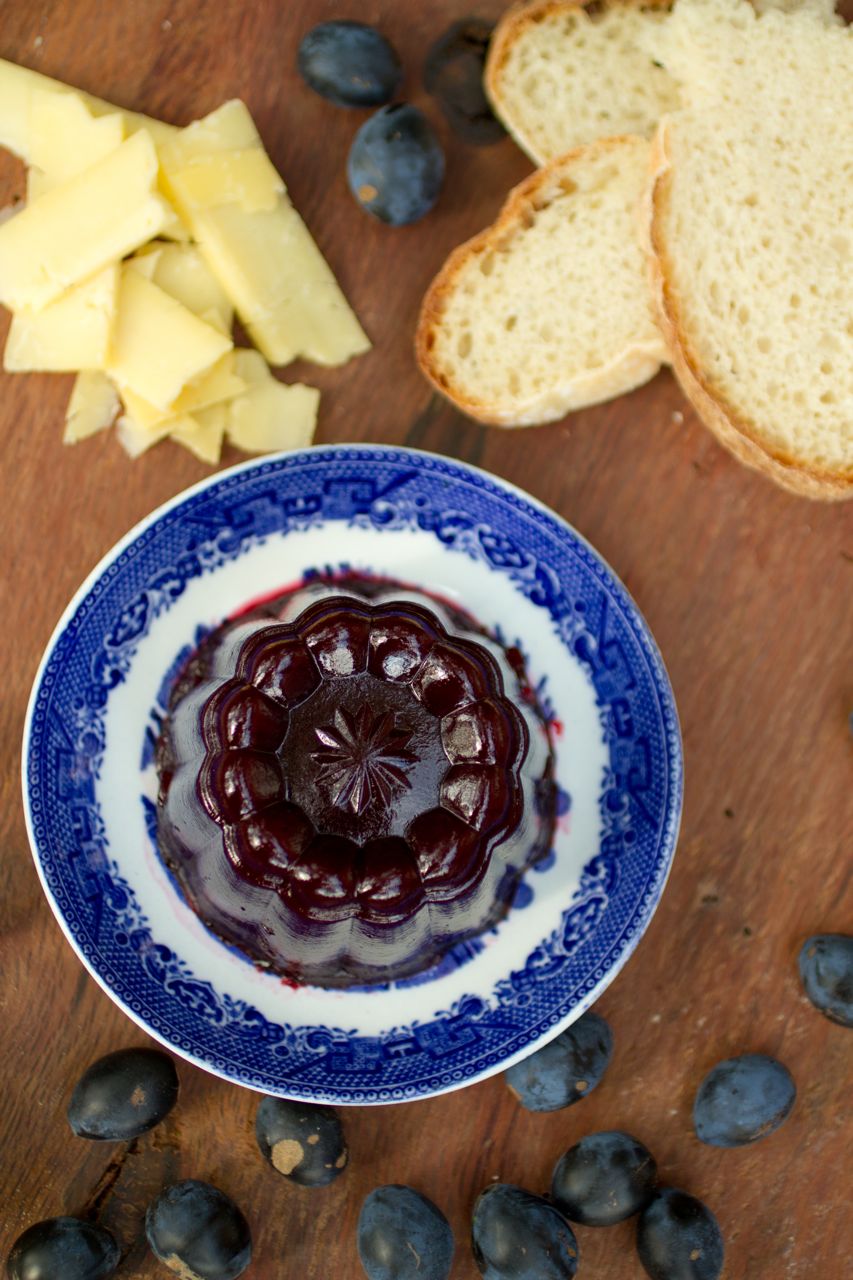
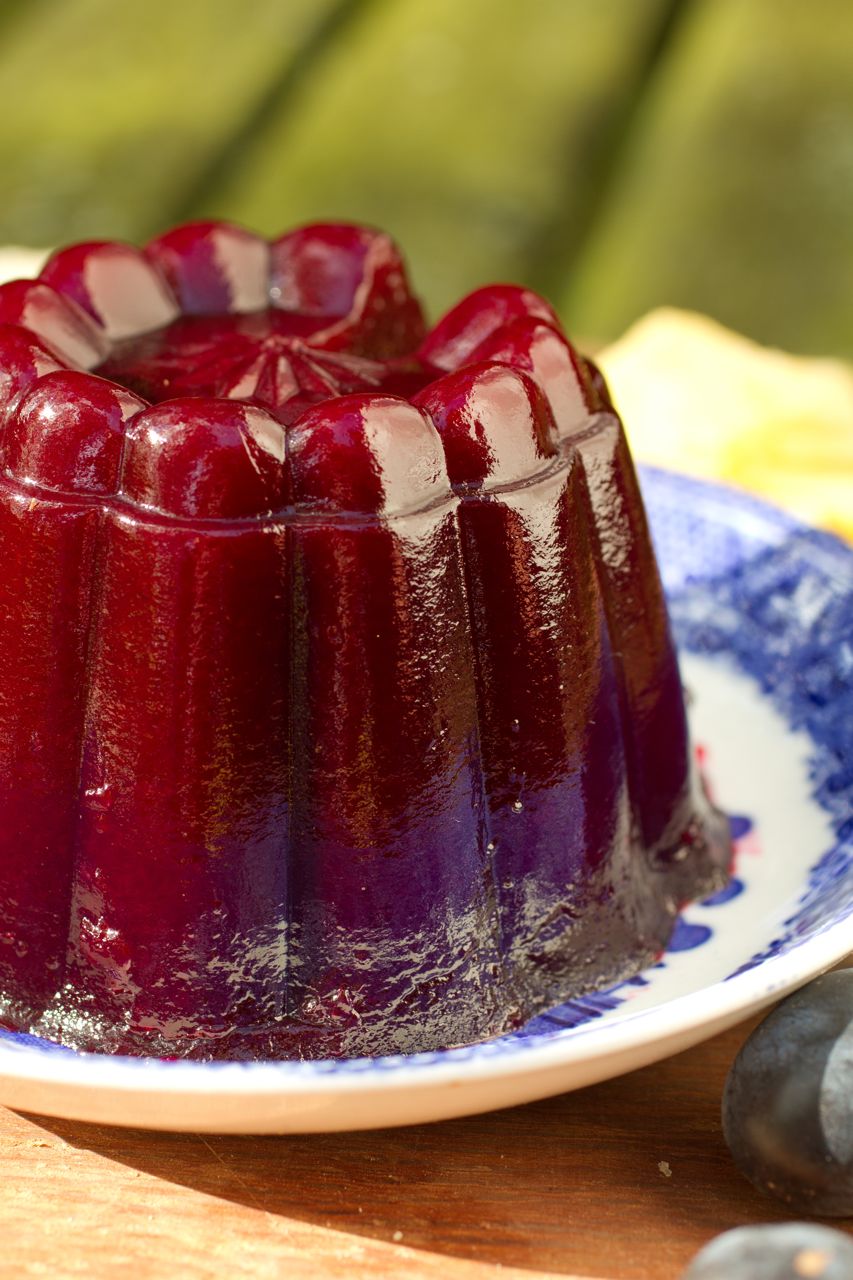
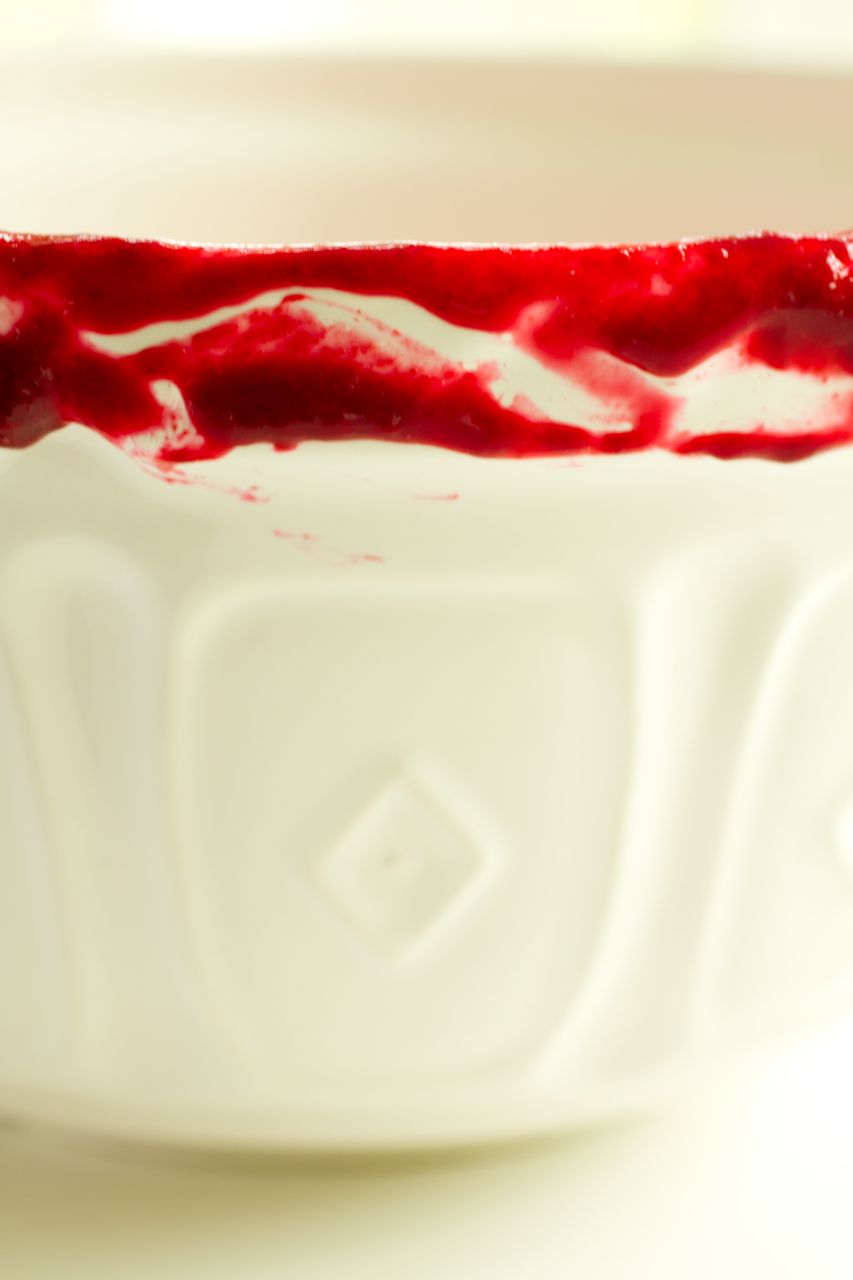
Uma das coisas que fiz com aqueles abrunhos foi abrunhada (marmelada de abrunho). O método que usei é muito parecido com o da marmelada e o resultado é uma pasta moldável, algo ácida e óptima quando combinada com um queijo seco. Primeiro há que cobrir os abrunhos com água num tacho e deixá-los cozer em lume baixo, até que rebentem e as cascas e os caroços se separem da polpa. Passa-se esse preparado por um passador de rede e, para cada 600 ml de puré, adicionam-se 450 g de açúcar. Deixa-se derreter o açúcar em lume baixo e depois ferve-se o preparado com o lume no máximo, mexendo até que faça ponto de estrada (quando a colher de pau faz um risco no fundo do tacho que se aguenta durante alguns segundos). Por fim, deita-se em taças esterilizadas (eu usei uma forma antiga de gelatina), deixa-se secar uns dias e desenforma-se (ou não).
One of the things I made with those damsons was damson cheese. It’s very similar to making quince cheese and the result is a malleable paste, a bit tart and great when paired with dry cheese. Start by covering the damsons with water and let them cook until they burst and the flesh and stones have come away from the pulp. Then push everything through a sieve and for every 600 ml of purée add 450 g of granulated sugar. Let the sugar dissolve in a low heat and then increase the heat and let it boil (keep stirring so it doesn’t burn) until you scrape the spoon through it and you can see the base of the pan for a few seconds. Finally, pour the mixture into sterilised bowls (I used an old glass mould), let it dry for a few days and that’s it!

(photos: Tiago Cabral)