Quilts & Quilting :: Contemporary Quilts

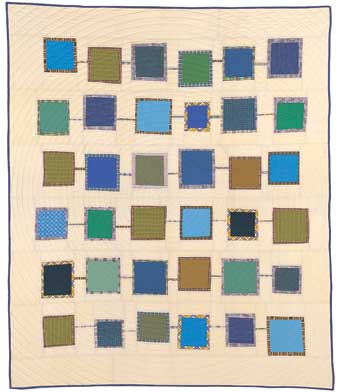
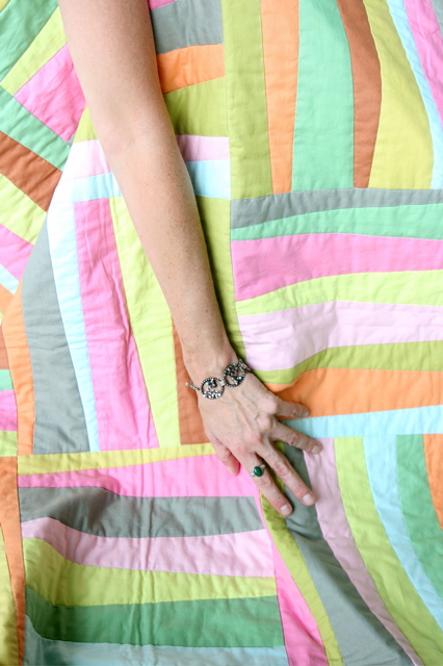
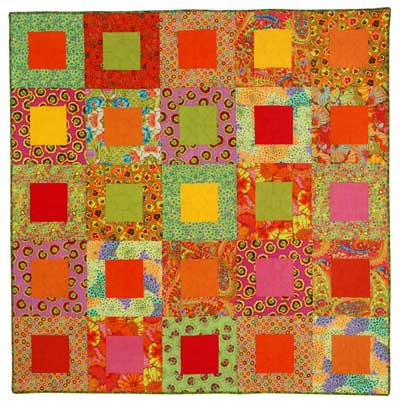
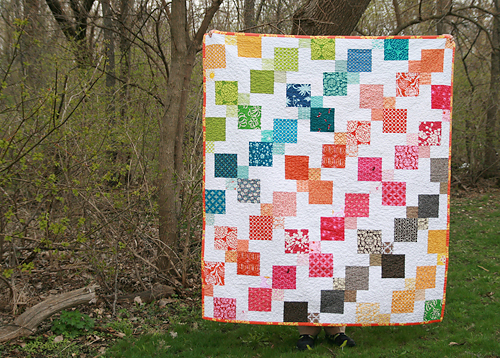
Sejam executados por profissionais ou por amadores entusiastas, hoje em dia há quilts para todos os gostos. Os motivos geométricos tendem a ser mais simples (muitos quadrados e rectângulos, linhas paralelas ou por vezes assumidamente tortas), os tecidos lisos aparecem em abundância e há uma clara preferência pelo branco como elemento de base para o patchwork. Aqui ficam alguns exemplos:
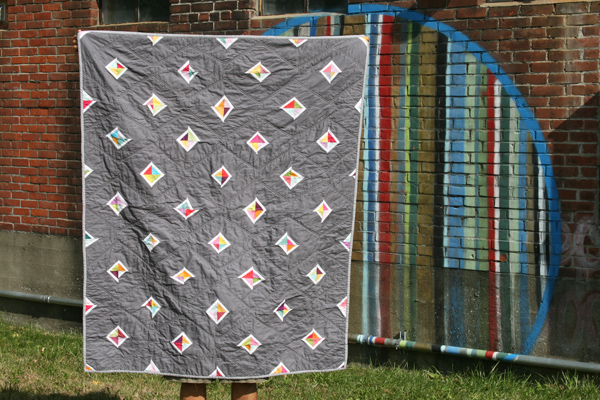
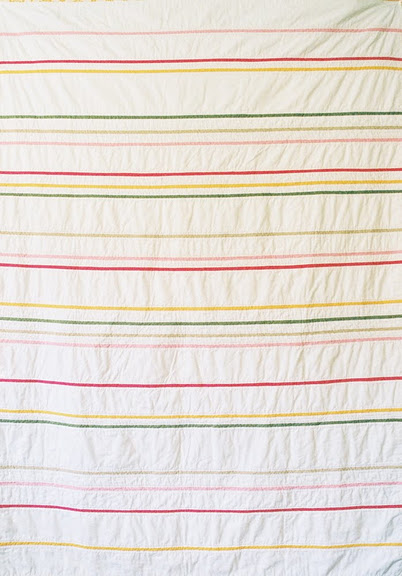
Either made by professionals or enthusiastic amateurs, nowadays there are quilts for every possible taste. The geometric motifs tend to be simpler (lots of squares and rectangles, parallel or even wonky lines), there’s a profusion of plain/solid fabrics and a huge taste for white as background for the patchwork. Here are some examples:
feathers

midwest modern quilt

Quilts & Quilting :: Old vs. Traditional vs. Modern

Nem todos os quilts antigos são tradicionais e nem todos os quilts tradicionais são antigos. Esquemas como log cabin, irish chain, double wedding ring, todo o tipo de estrelas e até mesmo motivos em appliqué ainda hoje são trabalhados, e a escolha de tecidos pode conferir-lhes uma estética muito tradicional ou, pelo contrário, ultra-moderna. Por outro lado, encontram-se quilts antigos tão depurados ou com uma paleta de cores tão vibrante que não destoariam em qualquer interior contemporâneo. Aqui ficam alguns exemplos daquilo a que me refiro:

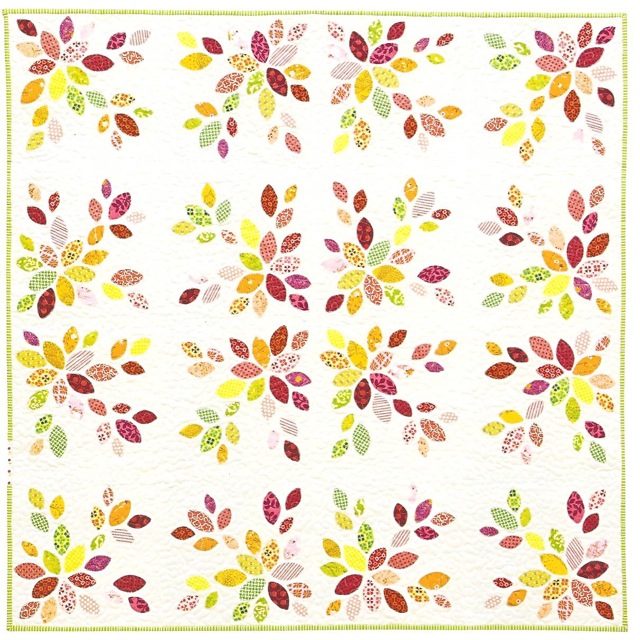
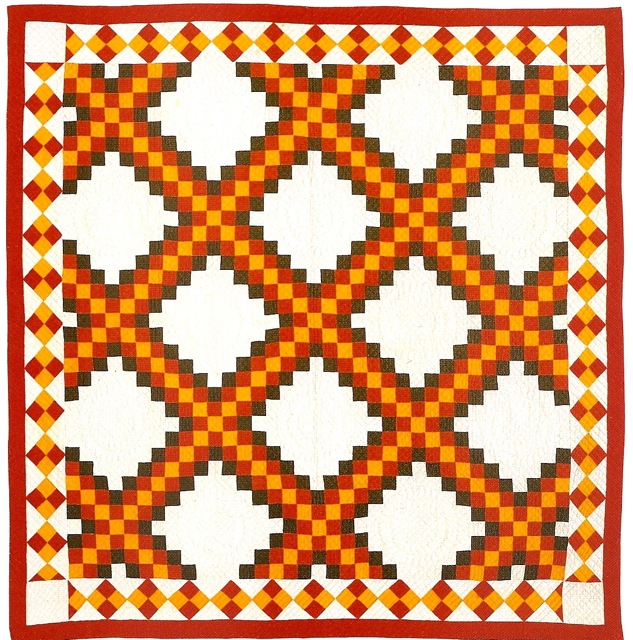
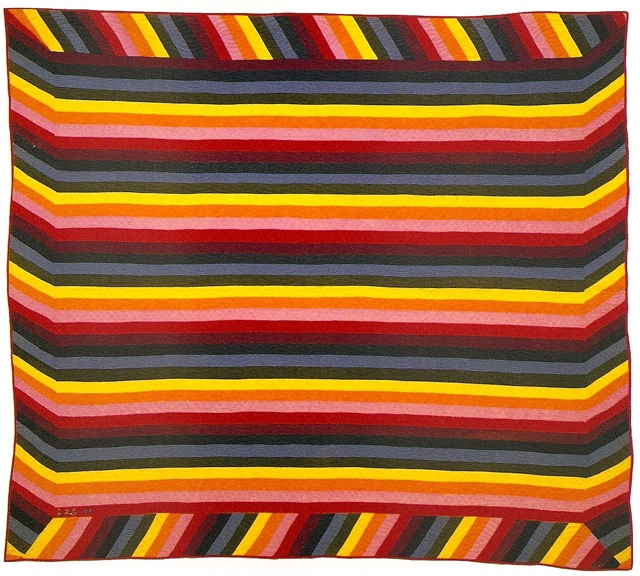
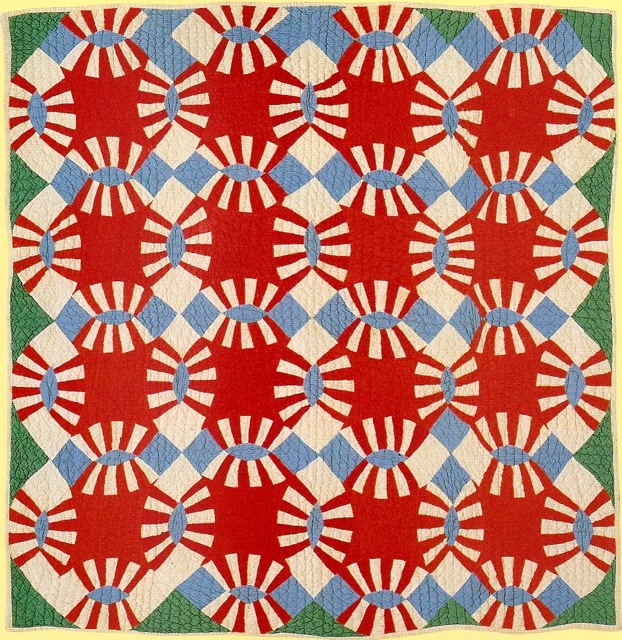
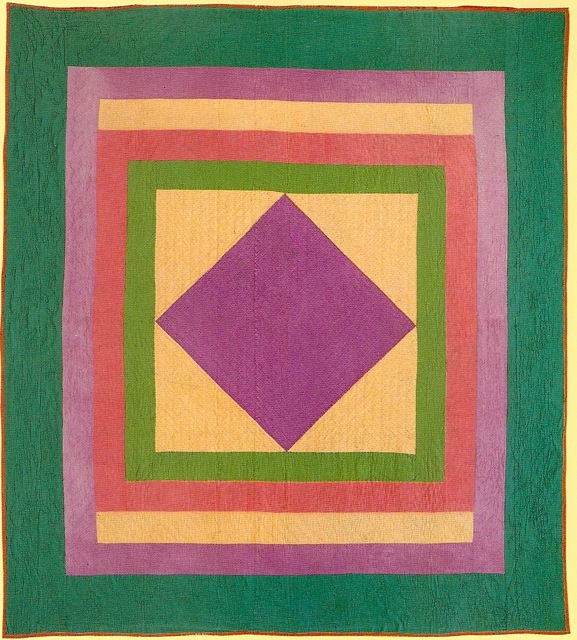
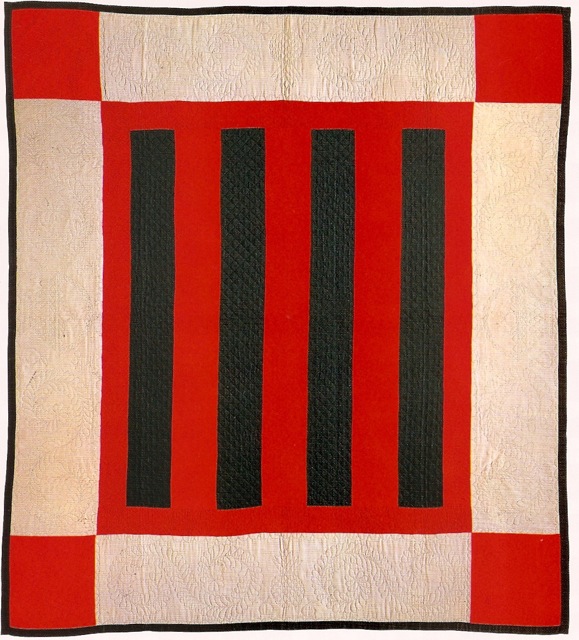
We can’t say that old quilts are necessarily traditional or that every traditional quilt must surely be old. Patterns like the log cabin, Irish chain, double wedding ring, all manner of stars and even appliqué motifs are still interpreted today and the fabric choices can make them look extremely traditional or very modern. On the other hand, some antique quilts look so understated or feature such vibrant colours that you wouldn’t be surprised to find them in a contemporary home. Here are some examples of what I’m talking about:

Log Cabin Quilt, Pennsylvania, c. 1880-1900 (source)
Bright Furrows Quilt from Modern Log Cabin Quilting
Bright Furrows Quilt, Susan Beal, 2011 (source)
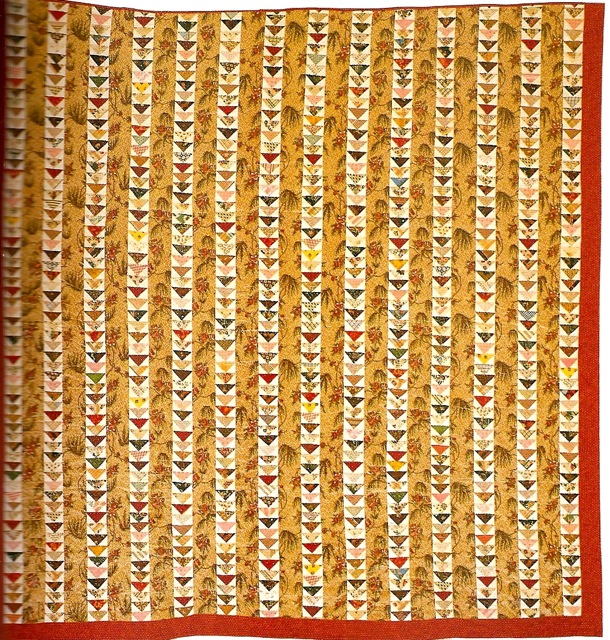
Flying Geese Quilt, Pennsylvania, c. 1825-1950 (source)
Fat Geese on a fountain
French General Fat Geese, Katy Jones, 2010 (source)
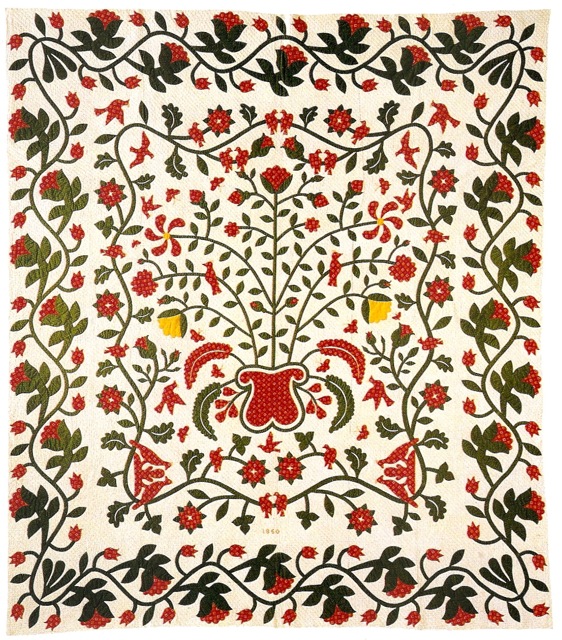
Floral (appliqué), New York, 1850 (source)
Little Leaves Quilt (appliqué), Elizabeth Hartman, 2010 (source)
Triple Irish Chain Quilt, Ohio, c. 1890-1910 (source)
Single Irish chain gorgeousness made by my mother
Single Irish Chain Quilt, 2008 (source)
Rainbow Quilt, Pennsylvania, 1893 (source)
Double Wedding Ring Quilt, Emma Hall, c. 1935-1945 (source)
Diamond in the Square (Amish quilt), Illinois, c. 1930-1950

Bars (Amish quilt), Pennsylvania, 1909 (source)

Quilts & Quilting :: What is a Quilt?

Afinal o que é um quilt? Qual a diferença entre patchwork e quilting? E faz sentido utilizar estes termos em inglês?
Um quilt é uma colcha. Quilting significa acolchoar, seja à mão, à máquina (doméstica ou long-arm), atando pequenos nós ou até cosendo botões em pontos estratégicos. Um quilt é composto por três camadas: 
– top (a parte de cima), que pode ser feita de (1) pedaços de tecido cosidos uns aos outros (estes retalhos são os patches, que dão o nome ao patchwork); (2) apenas um tecido (no caso dos wholecloth quilts); (3) motivos em appliqué (pedaços de tecido aplicados em cima de um tecido-base).
– batting (US)/wadding (UK) (o enchimento), a camada isoladora, que confere corpo e peso ao quilt e que, conforme o material utilizado (algodão, lã, polyester), pode aquecer muito ou pouco. Normalmente usa-se um tipo de enchimento comercial fabricado especificamente para quilting, mas há quem use flanela e quem recicle tecidos velhos, cobertores, etc.
backing (o forro), que pode ser em patchwork ou não (normalmente usa-se apenas um tecido).
Dá-se o nome de quilt sandwich a estas três camadas colocadas umas em cima das outras (top + batting + backing) para em seguida serem acolchoadas.
Depois de acolchoado, o quilt é debruado com uma fita a que se dá o nome de binding. O binding pode ser simples, duplo, cortado a direito ou em viés.
O termo quilting também é usado para significar o hobby e a indústria (que, por sinal, vale milhões nos EUA). Apesar de haver mantas de retalhos em todas as culturas, os quilts tal como os entendemos hoje em dia são herdeiros de uma forte tradição anglo-saxónica — daí a terminologia ser em inglês e as medidas imperiais (é quase impossível escapar às polegadas). Se tiverem interesse em explorar a história dos quilts, há dois livros de que gosto especialmente: The American Quilt. A History of Cloth and Comfort. 1750-1950 e Quilts 1700-2010. Hidden Histories, Untold Stories.

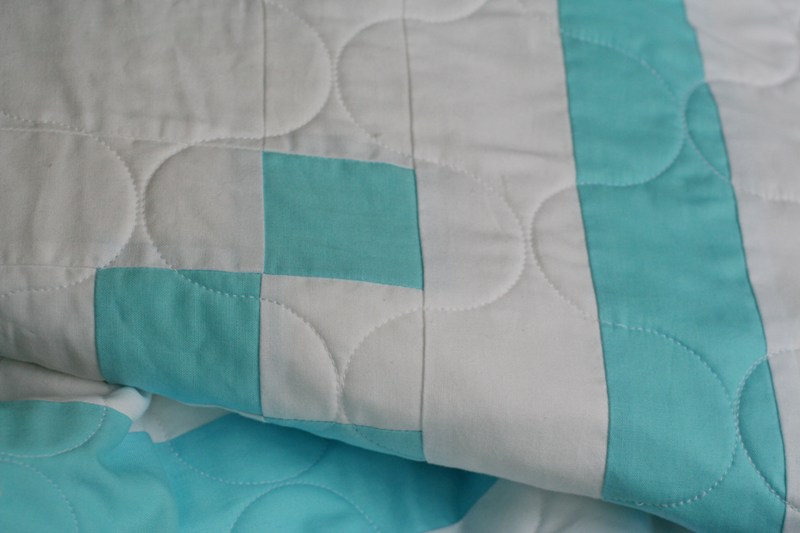
patchwork top (quilted using a domestic sewing machine)

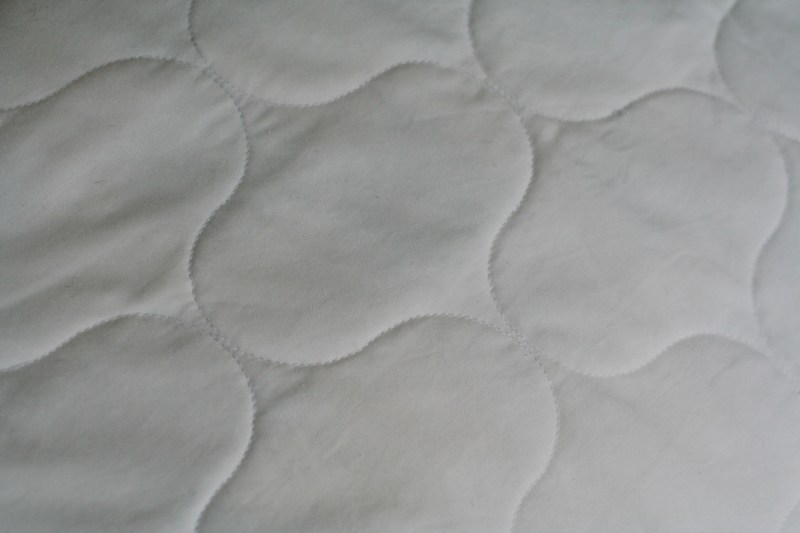
backing (quilted using a domestic sewing machine)

quilt sandwich (top + batting/wadding + backing)

patchwork top (long-arm quilting)

backing (long-arm quilting)
What exactly is a quilt? And what is the difference between patchwork and quilting?

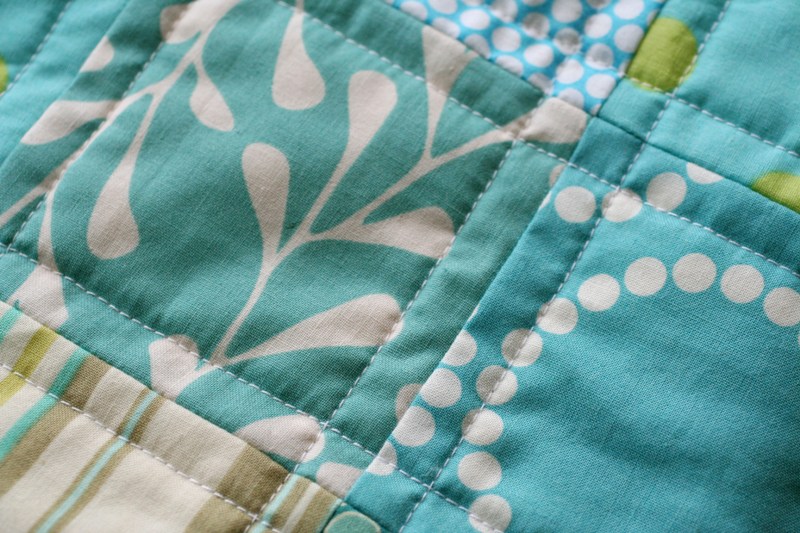
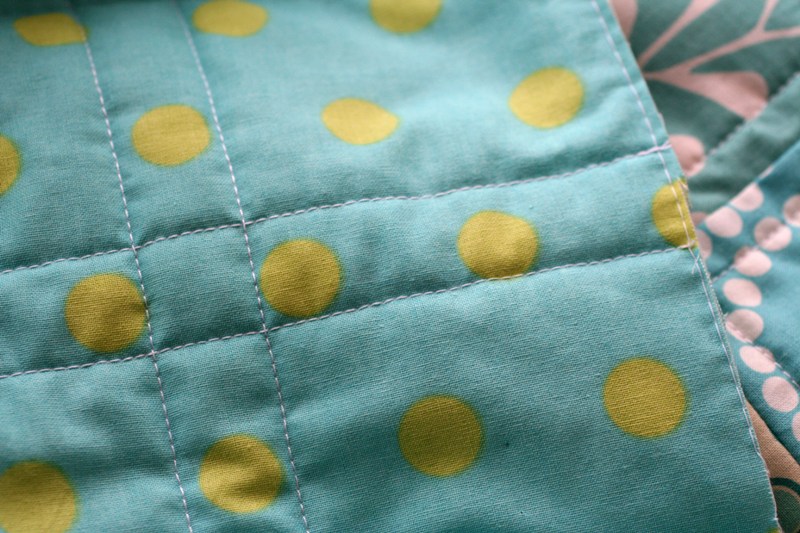
A quilt is a type of bed cover. Quilting means stitching fabric layers together, either by hand or by machine (either domestic or long-arm), or even by sewing ties or buttons. A quilt is composed of three layers:


top (the top fabric layer), which can be made out of (1) patchwork (patches of fabric sewn together to make blocks); (2) a single piece of fabric (in this case we’d call it a “wholecloth quilt”); (3) appliqué motifs (fabric shapes sewn onto a fabric background).


batting (US)/wadding (UK), the filling, the insulating layer that gives the quilt body and substance and that, depending on the material chosen (cotton, wool, polyester), can be warmer or cooler. Quilters tend to use commercial batting sold especially for quilting, but some people choose flannel or recycle old fabrics, blankets, etc.


backing, for which you can use a pieced cloth or a single fabric.


A quilt sandwich is when you place all these three layers over each other (top + batting + backing) to prepare them for the quilting step.


After having been quilted, the quilt is finished with a fabric strip called binding. Binding encloses raw edges and can be single, double, cut on the grain or on the bias.


Quilting also means the hobby or the industry (which, by the way, is worth millions in the USA). If you’re interested in digging deeper into the history of quilting, I especially like these two books: The American Quilt. A History of Cloth and Comfort. 1750-1950 and Quilts 1700-2010. Hidden Histories, Untold Stories.

(photos: Constança Cabral)

Quilts & Quilting

Acredito realmente em fazer coisas à mão. Vale a pena o esforço; vale a pena o tempo; vale a pena o empenho. E um quilt é das coisas mais especiais que uma pessoa pode fazer. Escolher os tecidos para o patchwork, dispô-los de maneira agradável, cosê-los, acrescentar o recheio e o forro, acolchoar todas as camadas e, por fim, coser o debrum — todos estes passos levam a que cada quilt fique impregnado de emoções e bons sentimentos. Fazer um quilt é fazer uma coisa para a vida, é pensar que será usado vezes sem conta e acalentar a esperança de que as gerações vindouras lhe darão algum valor.
Apesar de já ter feito várias referências a quilts neste blog, sinto que chegou a altura de lhes dedicar uma série de posts mais detalhados. Ao longo dos próximos dias vou tentar fornecer algumas explicações e fontes de inspiração sobre este assunto, com o objectivo de desmistificar termos e técnicas e na esperança de contagiar-vos com o meu entusiasmo. Vamos a isto?
I really believe in making things by hand. It’s worth the effort; it’s worth the time; it’s worth the commitment. And a quilt is one of the most special things a person can make. Choosing the fabrics for the patchwork, arranging them in a pleasing manner, piecing them, adding the wadding/batting and the backing, quilting all the layers and, finally, binding it all together — all these steps fill every quilt with emotions and good feelings. Making a quilt is making something for life, it’s thinking that it will be used over and over again, it’s hoping that future generations will look at it and appreciate it.


Despite the fact that I’ve often mentioned quilts in this blog, I feel it’s time to dedicate them a series of more detailed posts. Throughout the next days I’m going to try to provide you with some explanations and inspiration sources regarding this subject, in the hope of demystifying words and techniques and of infecting you with my enthusiasm. Are you up for it?

(photos: Tiago Cabral)

Outono Português :: Portuguese Autumn

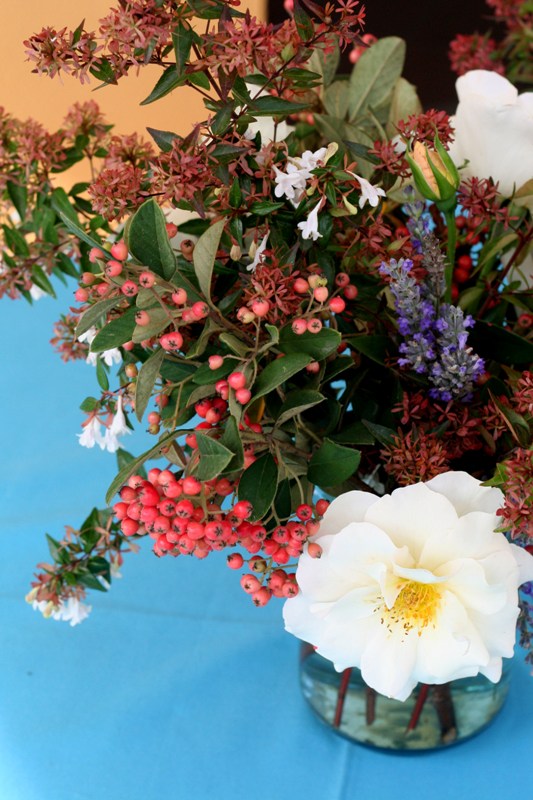
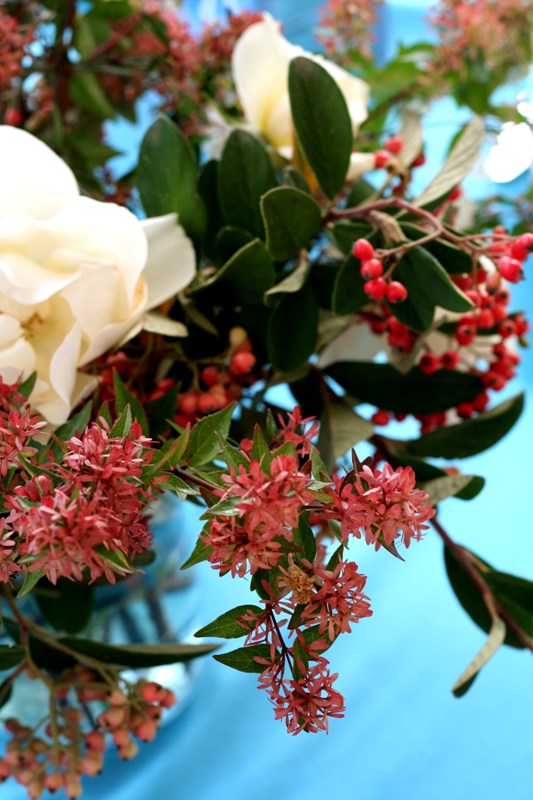
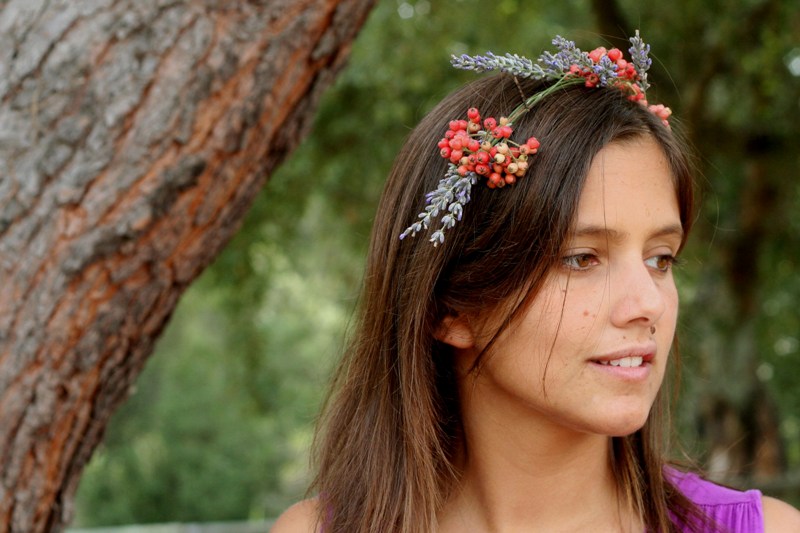
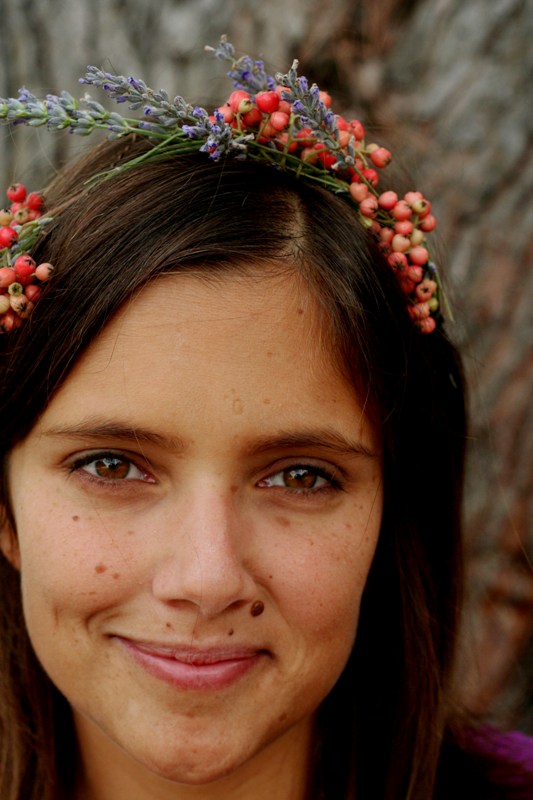
Uma ida de fugida a Portugal deu para ver como o Outono é diferente em terras do sul. Tudo é mais seco, até os tons de verde, o campo tem um cheiro doce e o céu é azul.
[os arranjos de flores foram feitos por mim e o modelo é a minha amiga Mafalda]
A short trip to Portugal gave me a glimpse of how different autumn is down south. Everything looks drier, even the shades of green, the countryside is sweetly scented and the sky is blue.

[the flower arrangements were made by me and the model is my friend Mafalda]
(photos: Constança Cabral)

Nemo

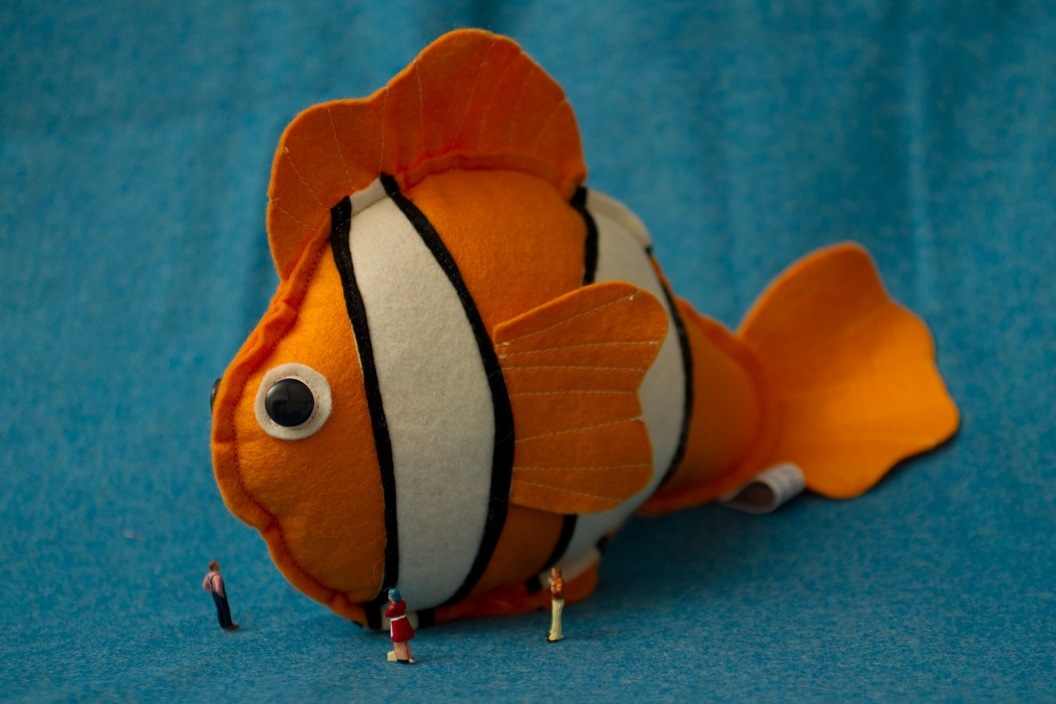
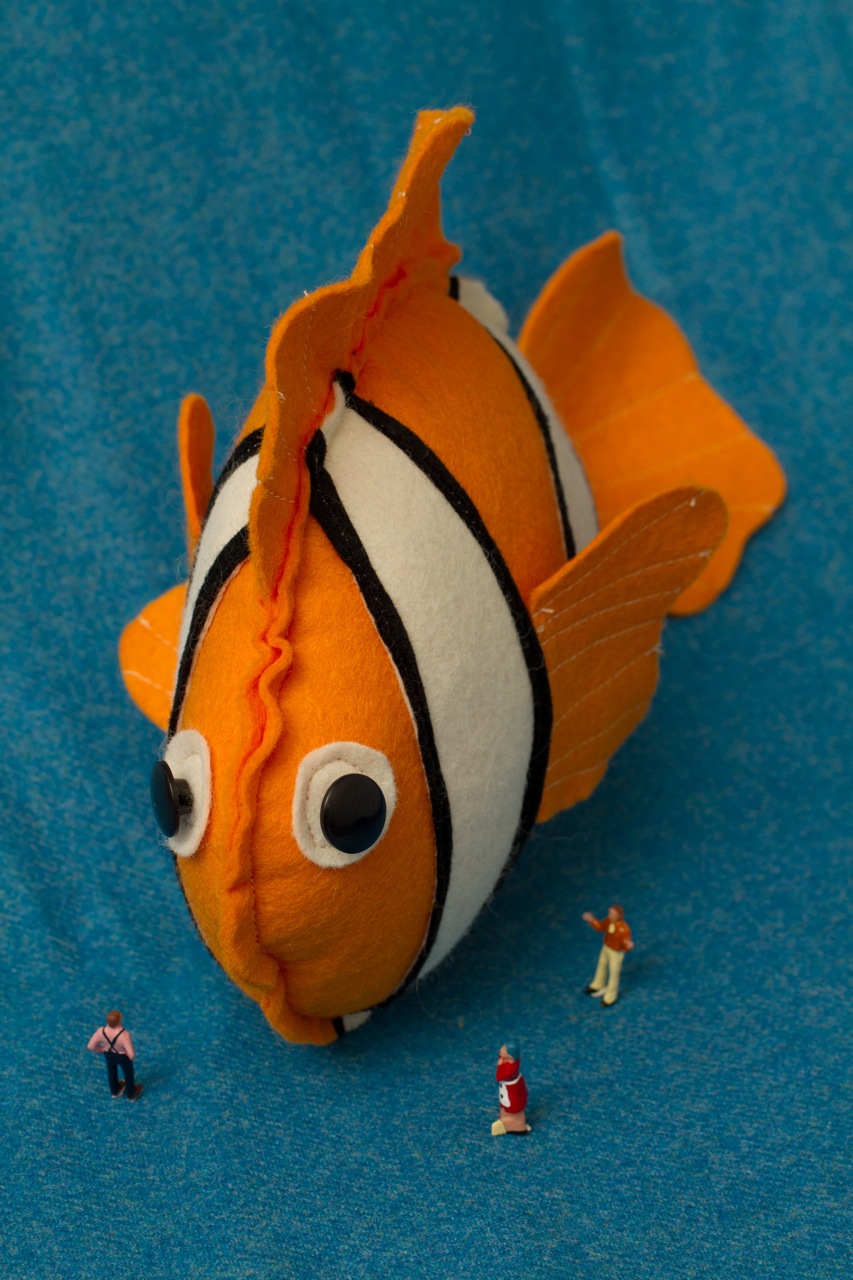
Recentemente fiz algo completamente novo e diferente: a minha interpretação de um desenho animado. Em causa estava o Nemo, personagem principal do filme de 2003 da Pixar, e uma amiga que tem uma ligação especial a ele. Procurei inspiração e instruções na internet mas nada encontrei — então fiz um desenho tosco de um peixe-palhaço e, com feltro, enchimento e dois botões, fiz o Nemo que podem ver nas fotografias. Se o voltar a fazer, terei de corrigir as barbatanas: é que o Nemo tem uma mais pequena do que a outra…
Recently I made something totally new and different: my own interpretation of an animated individual. In question was Nemo, the main character in Pixar’s 2003 film, and a friend of mine who’s got a special connection to him. I looked for inspiration and tutorials online but found nothing — so I made a rough drawing of a clownfish and using felt, toy stuffing and two buttons, sewed the Nemo you can see in the pictures. If I ever make it again, I’ll have to adjust the fins: the thing that makes Nemo unique is that his right fin is much smaller than his left fin…

(photos: Tiago Cabral)
Coin Quilt

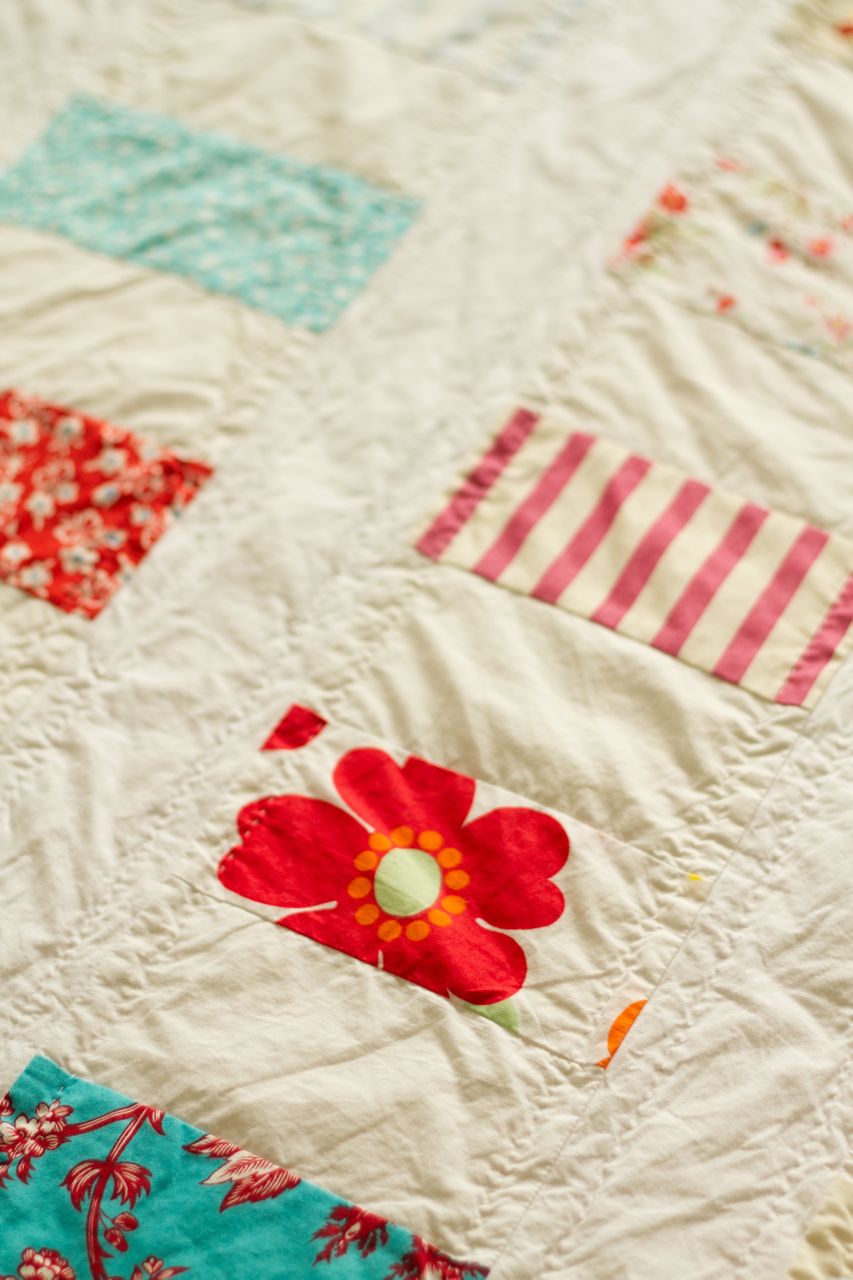
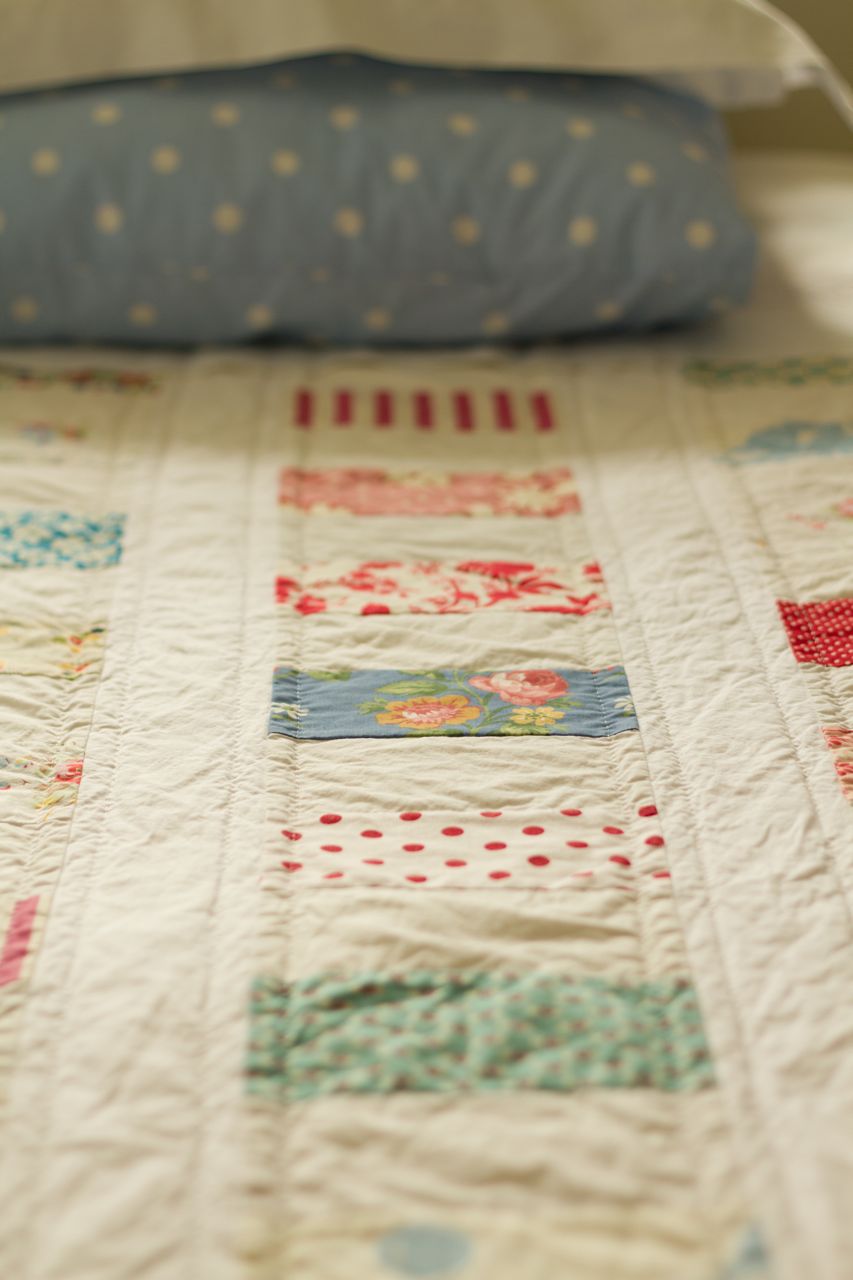
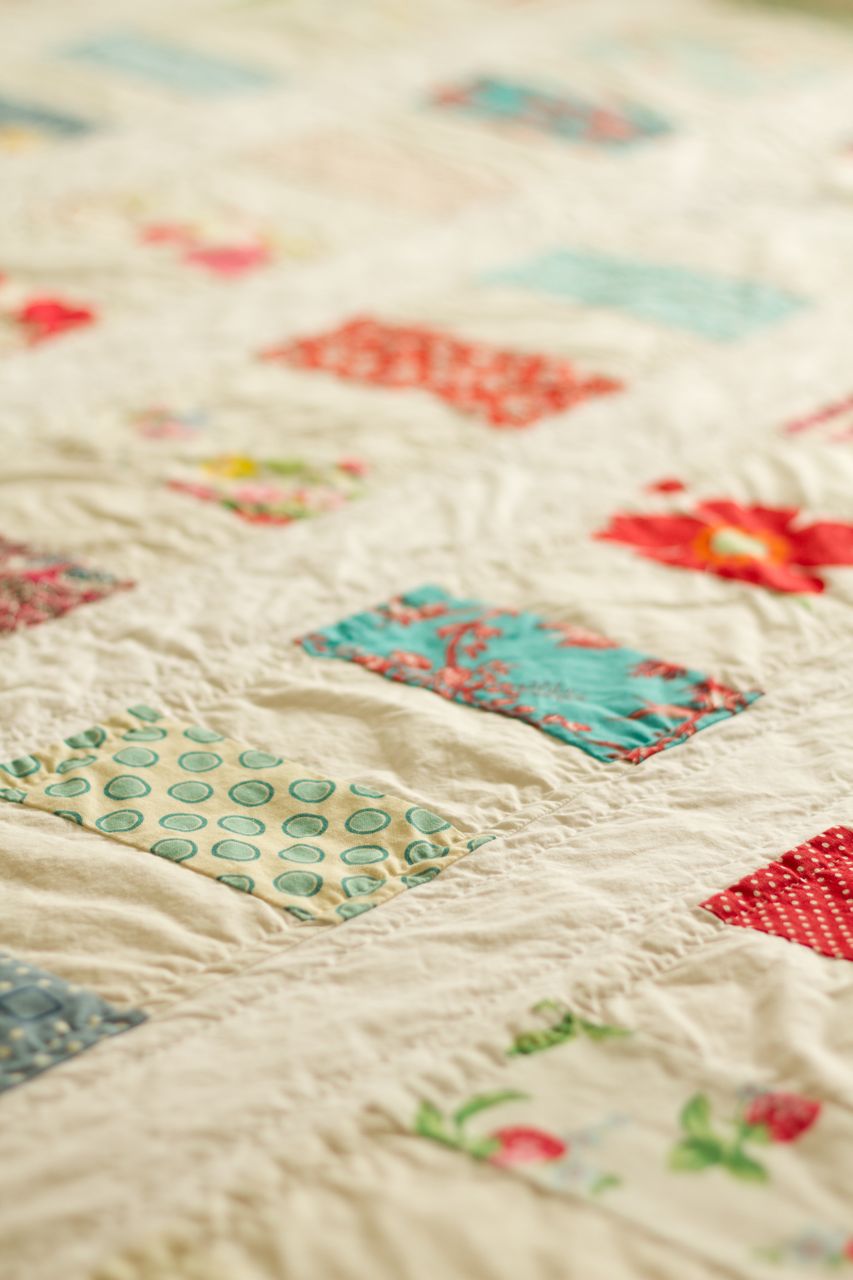
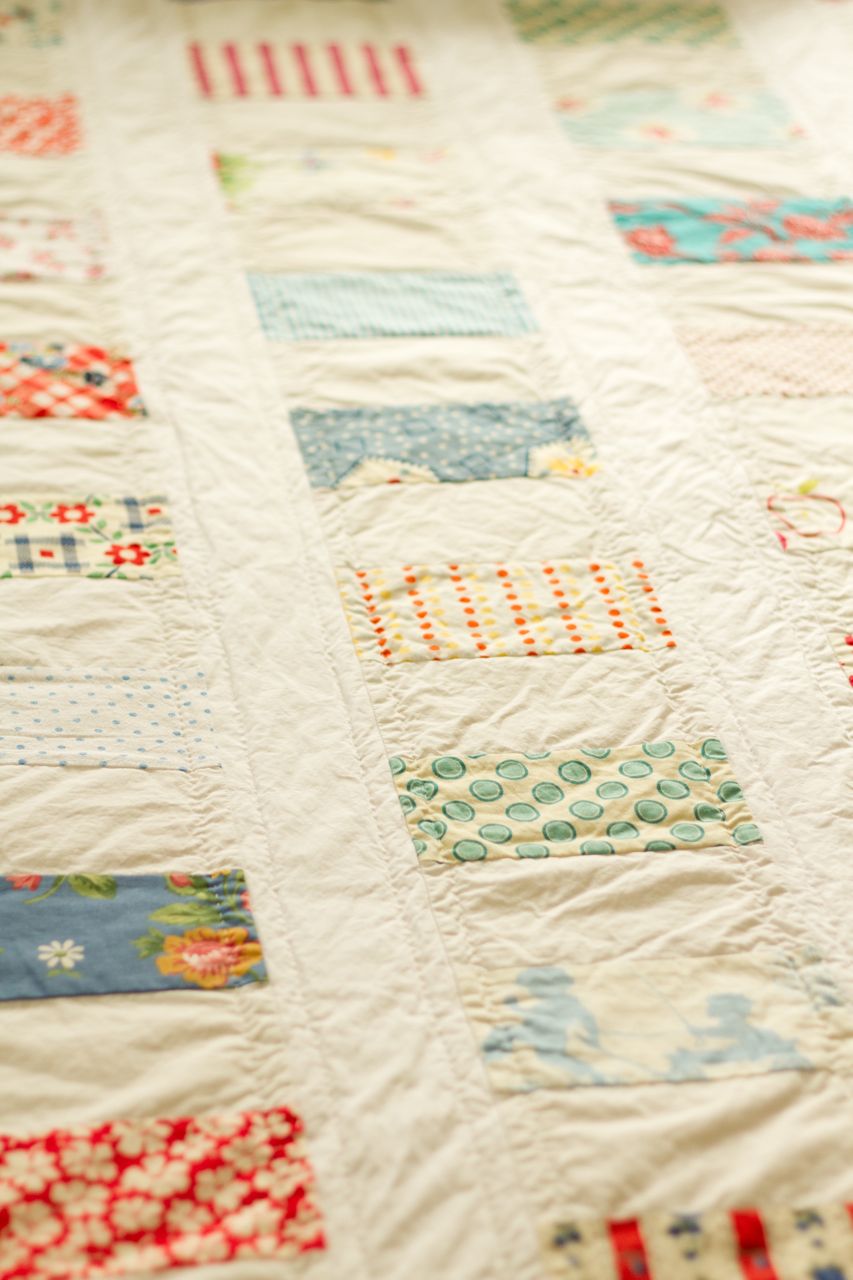
O meu coin quilt está finalmente acabado! Comecei a cortar os tecidos em Março de 2009 e cosi toda a parte de cima (o chamado top) ao longo desse ano. Depois mudámo-nos para Inglaterra e ficou esquecido numa prateleira…. até que há dois meses lhe voltei a pegar. Acolchoei-o e debruei-o à mão durante muitos serões e agora está pronto para ir para o nosso quarto em Lisboa. Um quilt feito à mão é mesmo especial e o resultado compensa largamente todo o investimento que lhe dedicamos. Recomendo vivamente!
My coin quilt is finally finished! I started cutting fabrics back in March 2009 and sewed the top throughout that year. Then we moved to England and there it lay forgotten on a shelf… until I took it up again two months ago. I quilted and bound it by hand over many evenings and now it’s ready to go into our bedroom in Lisbon. A handmade quilt is indeed something special and the result makes up for all the investment one puts in it. I highly recommend it!

(photos: Tiago Cabral)

Autumn :: Bulb Planting

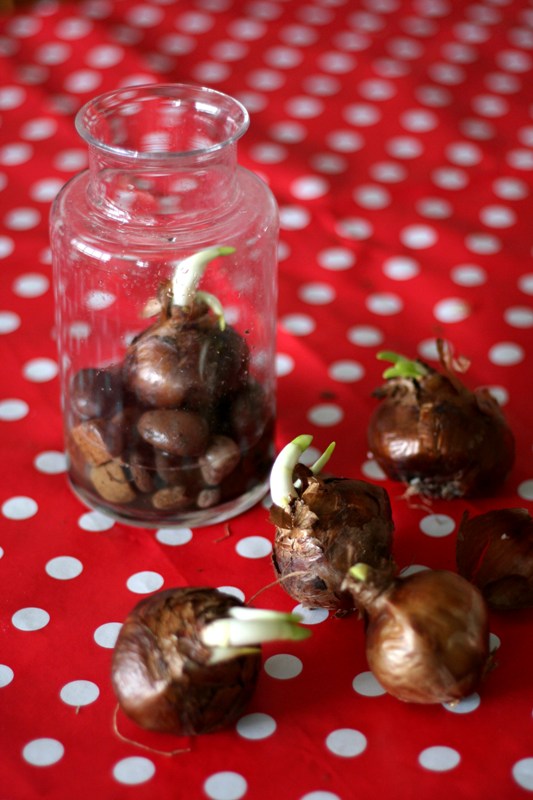
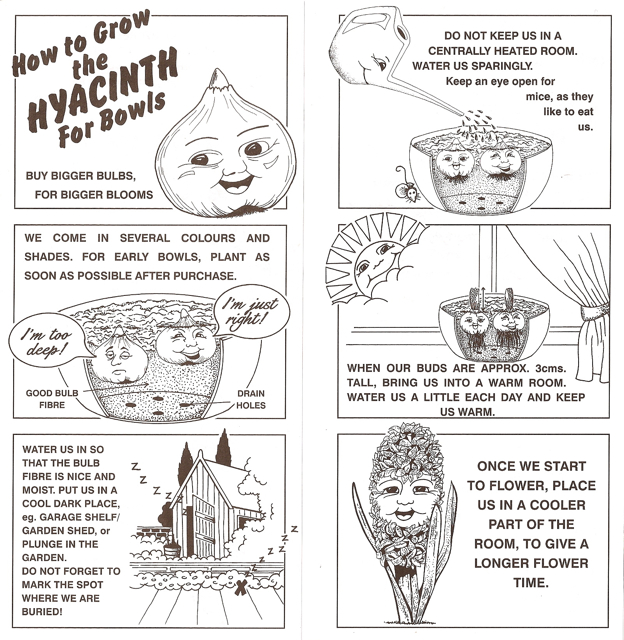
Chegou novamente a altura de plantar bolbos, tanto dentro de casa (para florirem durante o Inverno), como no jardim (para florescerem na Primavera). Esta semana comecei com jacintos (instruções aqui em cima) e narcisos-de-papel. Há um ano foi assim.
It’s that time of the year again: bulb season has begun! You can now plant bulbs indoors (to bloom all through winter) and in the garden (for flowers next spring). This week I’ve started with some prepared hyacinths (instructions above) and paperwhite narcissi. Here‘s what happened last year.
(photos: Constança Cabral)