
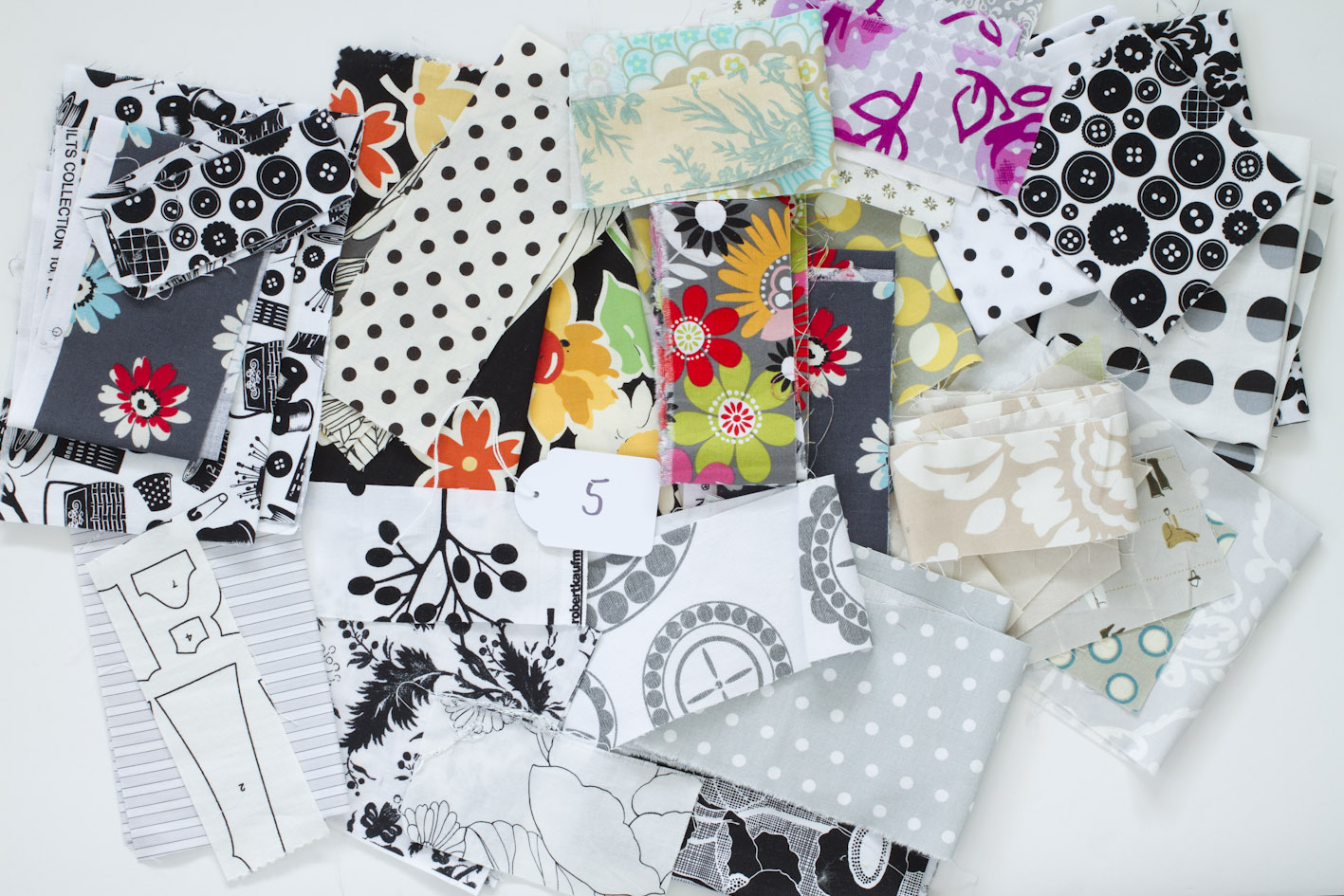
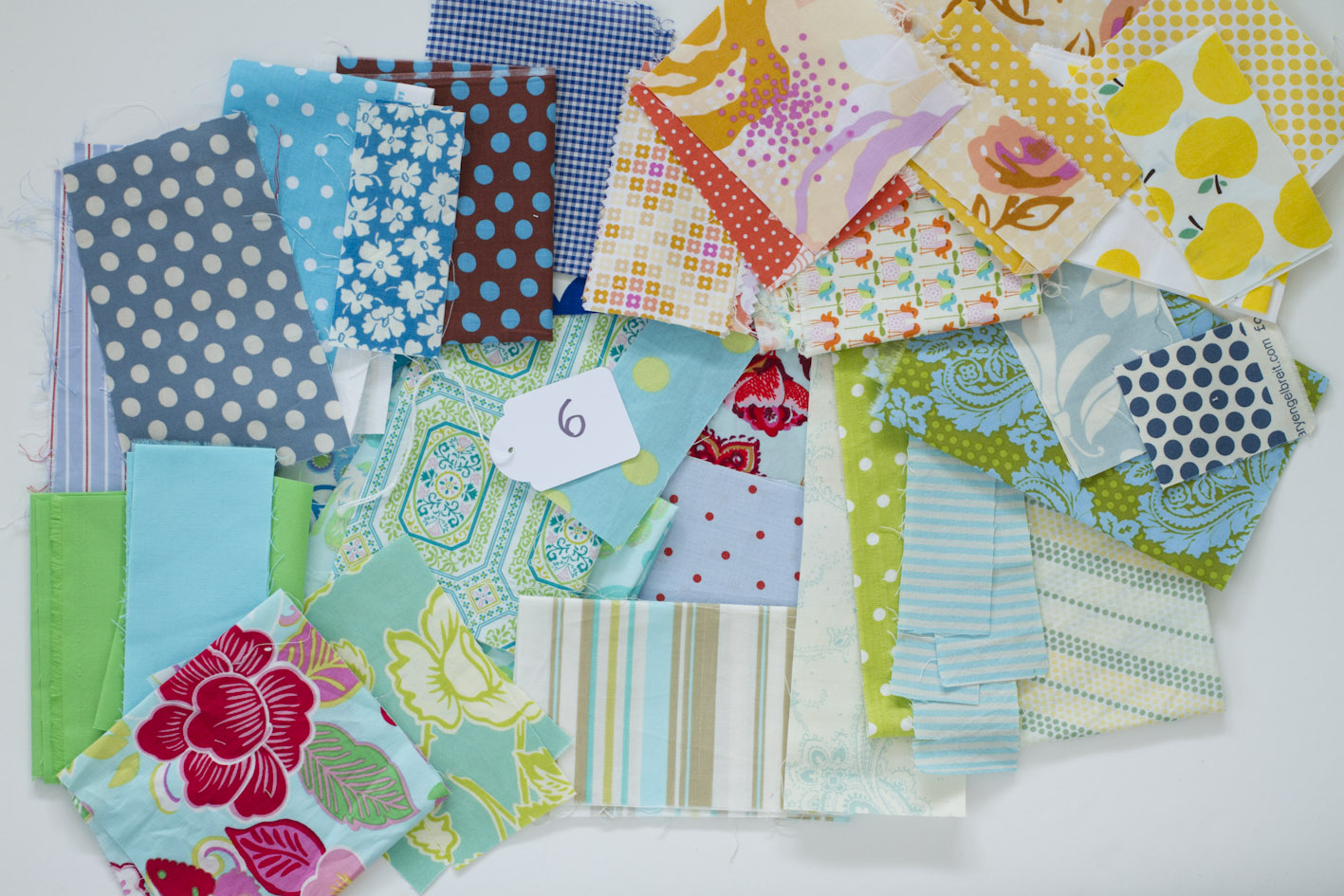

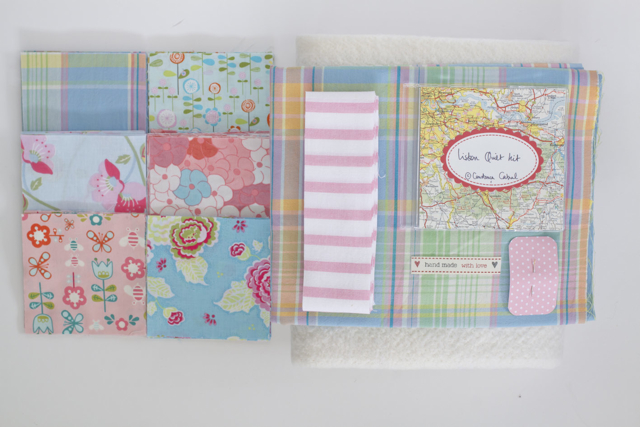
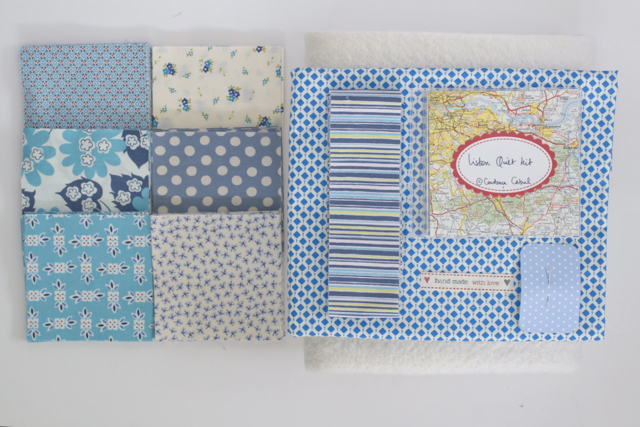
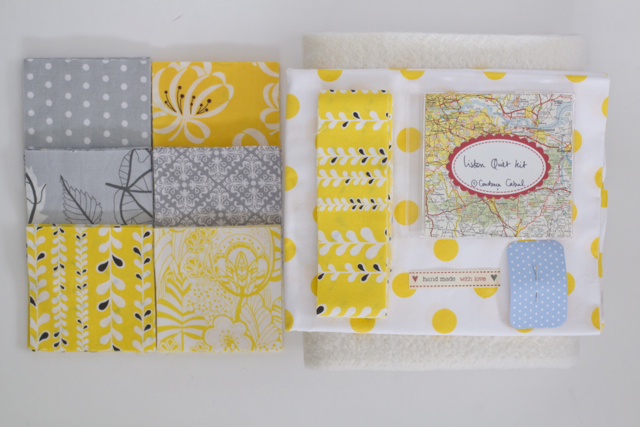
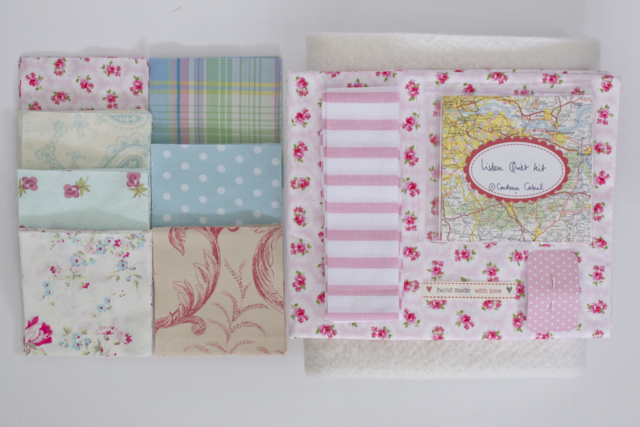
Há 12 novos conjuntos de retalhos disponíveis na loja. Todos vendidos. Obrigada!
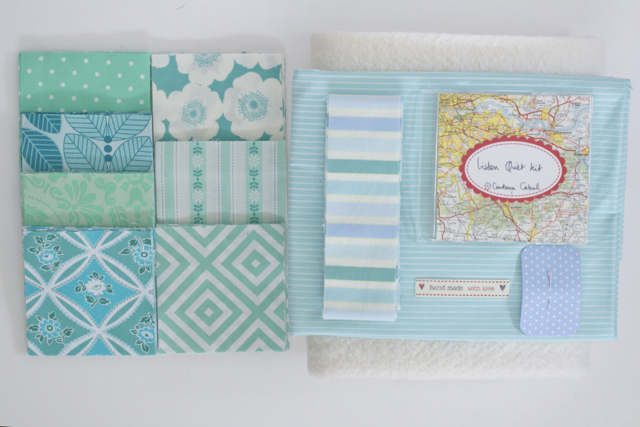
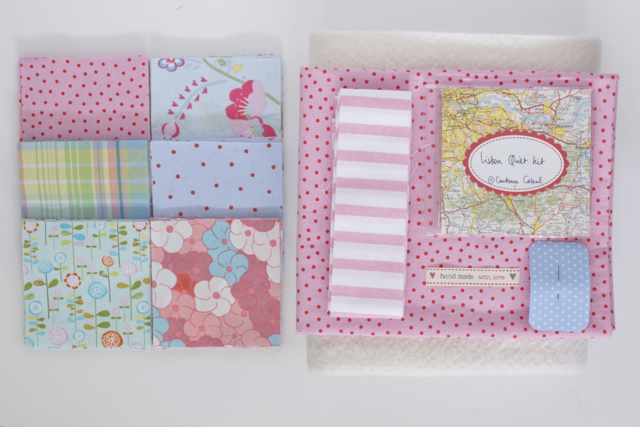
There are 12 new scrap bags available in the shop. Sold out. Thank you!
(photos: Constança Cabral)



(photos: Constança Cabral)

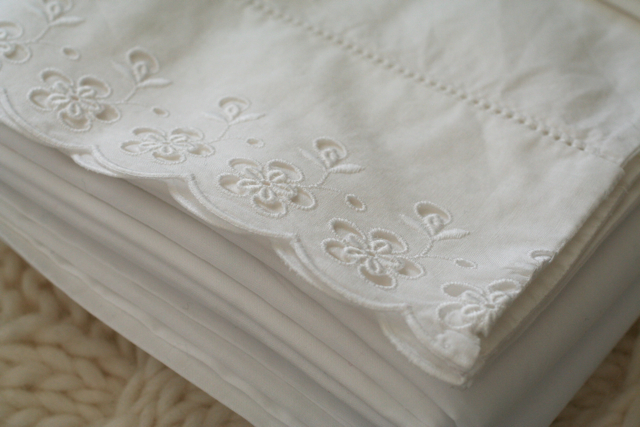
Ever since I was a little girl I’ve had a real fascination with house linen. If it’s part of someone’s trousseau, that’s even better. I love looking at bed sheets, pillow cases, tablecloths, linen hand towels, placemats — I like unfolding them, touching them and asking questions: who has embroidered it? who has commissioned it? who has used it? what’s it for? My mother was lucky enough to still have her bed linen embroidered by nuns (did that still exist in the 1960s? I want that too!). I confess I don’t much care for lace but give me hand-drawn hems, broderie anglaise and satin stitch and you’ll make me a very happy woman indeed.
I’ve already told you that I received a full china set over the years but as much as I am thankful and appreciate it, sometimes I wonder if I wouldn’t have preferred an old-fashioned trousseau. Things like wonderful tablecloths, lots of hand-embroidered bed sheets, the lot. Do you think I’m crazy?
When the time came to choose a wedding present for my dear friend Mafalda, I thought I’d give her bed linen. She doesn’t like quilts and my mother had already given her an embroidered tablecloth so my options were quite limited. I bought one plain sheet and two pillowcases (the best quality ones I could find in Lisbon) and stitched an eyelet panel over the edges. I think the set turn out both beautiful and practical for daily living (truth is, frills and ribbons and elaborated embroideries are a pain to wash and iron). Of course there’s much more refined bed linen available out there (you simply have to pop into Paris em Lisboa) and naturally nothing beats an antique bed sheet that used to belong to your great-grandmother, but I was pleased with this gift. I sincerely hope she likes it (and her husband as well)!
(photos: Constança Cabral)







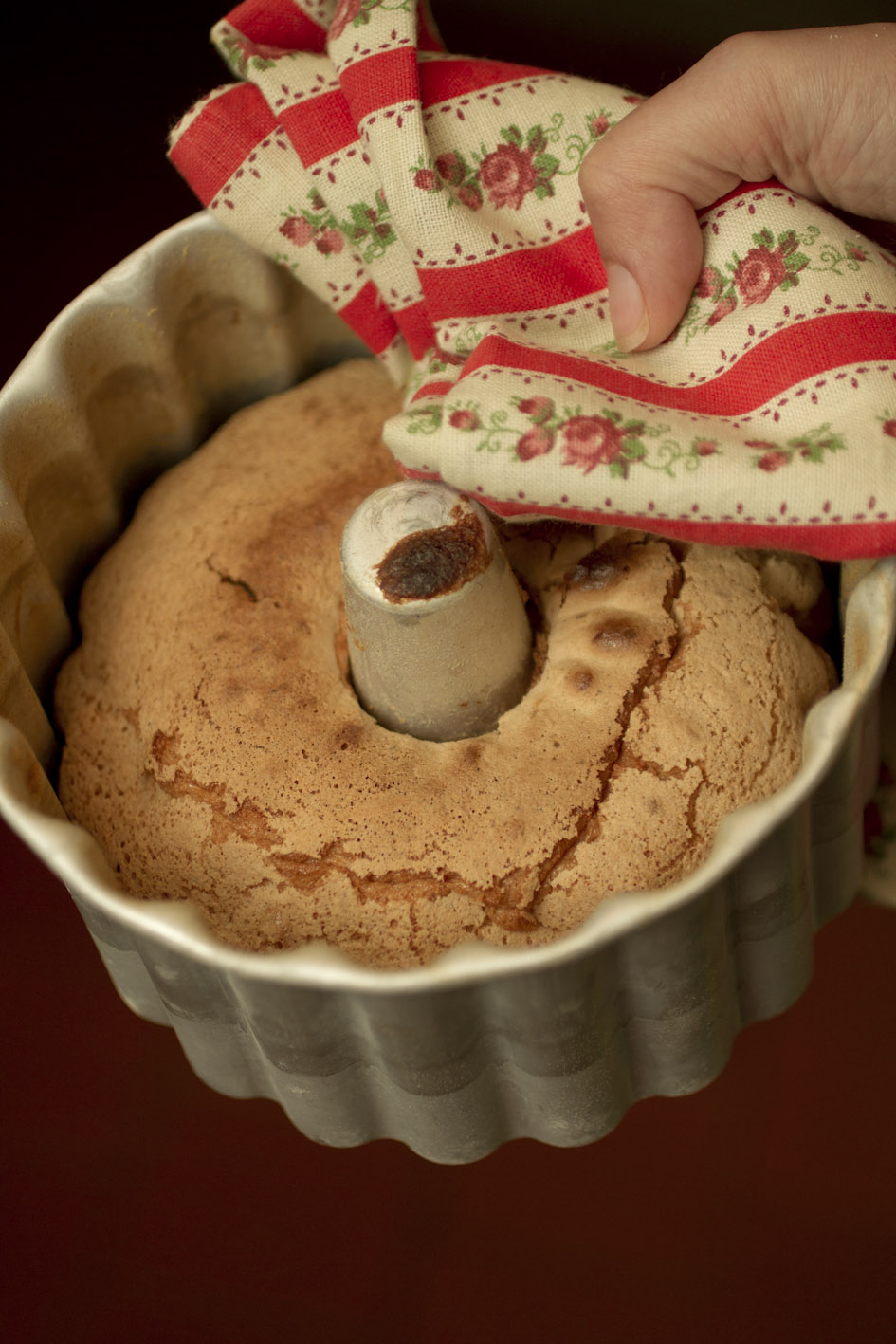
Há aqueles dias em que, confrontada com mais uma imagem de um bolo às camadas, com cobertura e decoração de bandeirinhas, só me apetece fazer/comer um singelo pão-de-ló. Se me quiserem acompanhar, eis a receita que a minha mãe me deu:
Decidir o número de ovos em função do número de pessoas a quem o bolo se destina. Como este bolo era só para nós os dois, fi-lo com três ovos.
Pré-aquecer o forno a 180ºC e untar e enfarinhar uma forma (escolher um tamanho de forma apropriado ao bolo que se vai fazer). Pesar os ovos (ainda com casca). Usar o mesmo peso dos ovos em açúcar (eu usei açúcar baunilhado, mas tradicionalmente usa-se açúcar normal). Usar metade do peso dos ovos em farinha. Acrescentar à farinha uma pitada de fermento para bolos.
Separar os ovos. Bater muito bem as gemas com o açúcar, até que a mistura fique branca e fofa. Acrescentar uma pitada de sal fino às claras e batê-las em castelo. Envolver metade das claras no primeiro preparado, depois envolver metade da farinha, depois o resto das claras e finalmente o resto da farinha.
Deitar na forma e pô-la no forno e, quando começar a cheirar a bolo, ir vigiando até o bolo estar bem cozido (eu espeto uma faca no bolo e, quando vier limpa, significa que o bolo está cozido). O tempo de forno depende do tamanho do bolo e do tipo de forno utilizado — este meu bolo demorou 20 minutos num forno eléctrico com ventoinha.
Tirar o pão-de-ló do forno, esperar 10 minutos e desenformar. É excelente acompanhado de leite com chocolate!
I sometimes find sophistication a bit tiresome. Of course I admire originality and wit and of course I’m inspired by blogs and Pinterest and magazines and books. Sophistication can be very appropriate in particular moments but I confess I tend to choose simplicity in my daily life. Simplicity doesn’t have to be wonky or untidy — on the contrary, the simplest things can actually be full of charm and refinement.
There are those days when, confronted with yet another image of a layered cake, fully iced and decorated with mini-bunting, I just want to bake/eat a simple pão-de-ló (Portuguese sponge cake). If you sometimes feel the same way, please feel free to try out my mother’s recipe:
First you’ve got to decide the number of eggs you want to use (this depends on the number of people the cake is aimed at). For Tiago and myself I used 3 eggs.
Pre-heat the oven at 180ºC. Butter and flour a cake tin (choose an appropriate size for the cake you’re going to make). Weigh the eggs (still in their shells). Use that same weight in sugar (I used vanilla sugar but traditionally one would use caster sugar). Use half of that weight in flour. Add a pinch of baking powder to the flour and sift it.
Separate the eggs. Beat the yolks with the sugar until the batter becomes white and thick (this takes some time). Add a pinch of salt to the egg whites and whisk them until soft peaks form (they shouldn’t move when you turn the bowl upside down). Gently incorporate half the egg whites into the cake batter, then half the flour, then the remaining egg whites and finally whatever is left of the flour.
Pour the batter into the tin and put it in the oven. When it starts smelling like cake, keep an eye on it and remove from the oven when it’s done (I insert a knife on the cake and when it comes out clean, I know that the cake is done). The amount of time the cake takes in the oven will depend on the size of the cake and on the type of oven. My cake took 20 minutes on a fan oven.
Wait 10 minutes and then take the cake out of the tin. It’s delicious with a glass of chocolate milk!
(photo: Tiago Cabral)
 Constanca Cabral