Jardinar :: Gardening

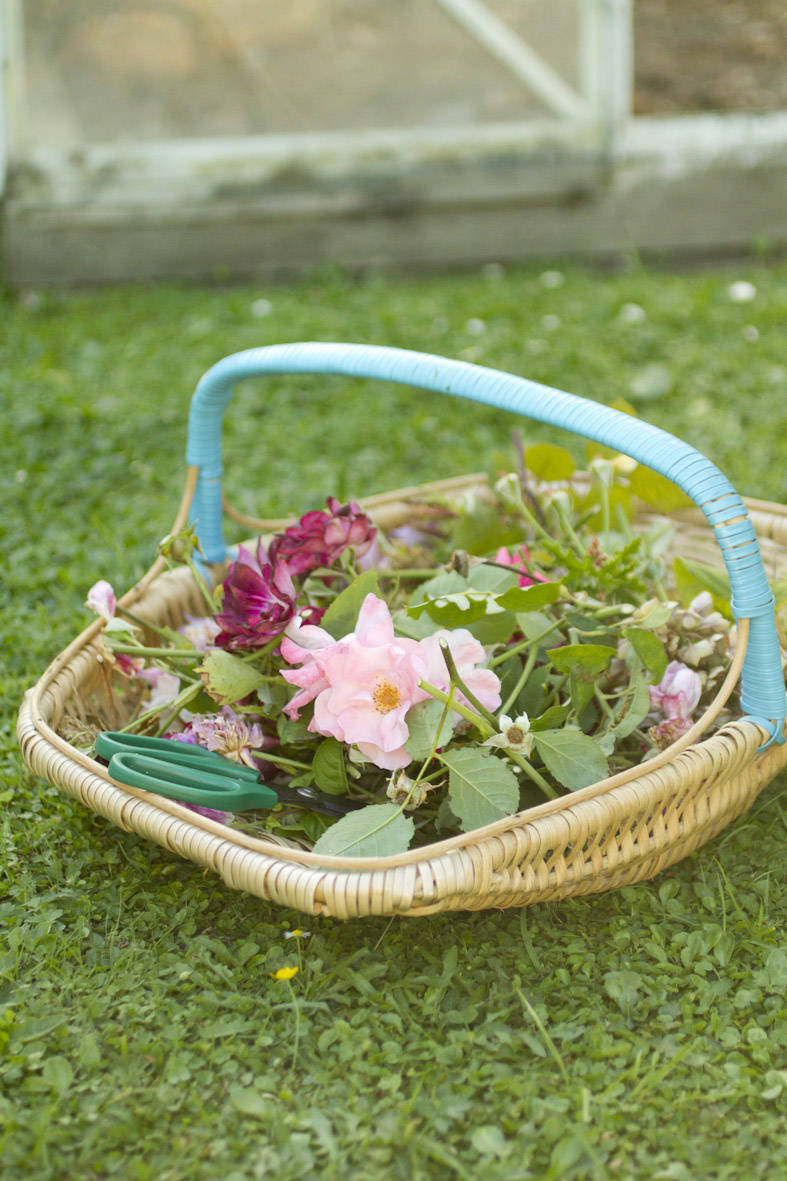
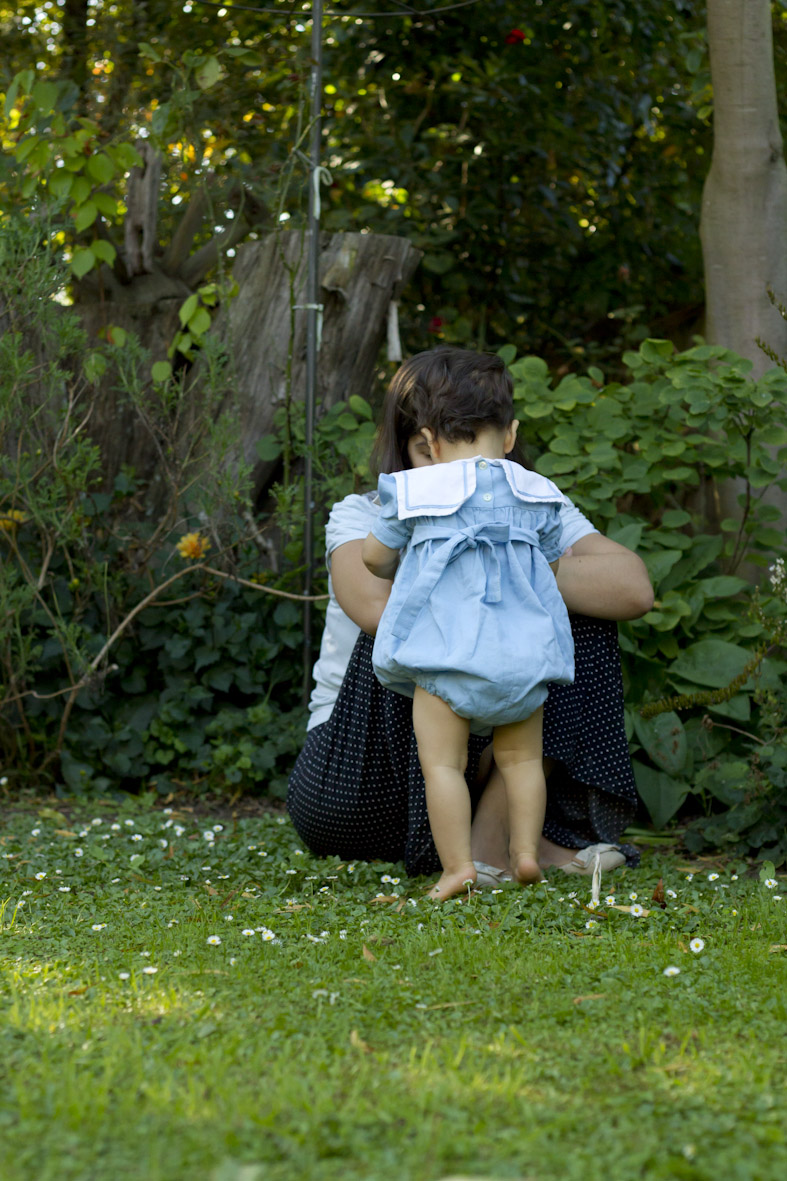
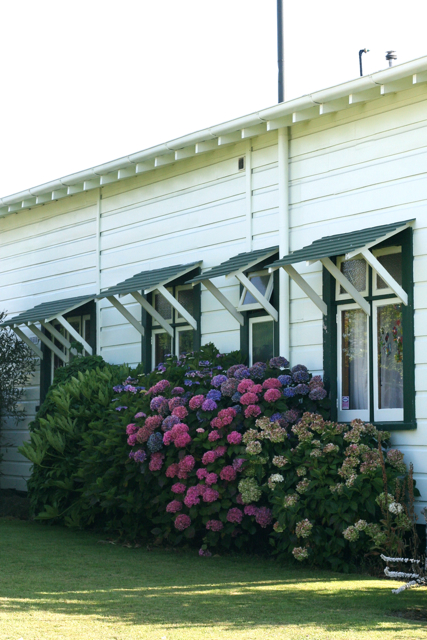
Depois de pormos o Rodrigo na cama, e enquanto o Tiago faz o jantar, eu rego o jardim e aproveito para cortar as flores murchas. É o momento mais tranquilo do meu dia.
After we put Rodrigo to bed, whilst Tiago cooks dinner, I water the garden and deadhead the flowers. It’s my peaceful moment.

(photo: Tiago Cabral)

Dom Rodrigo

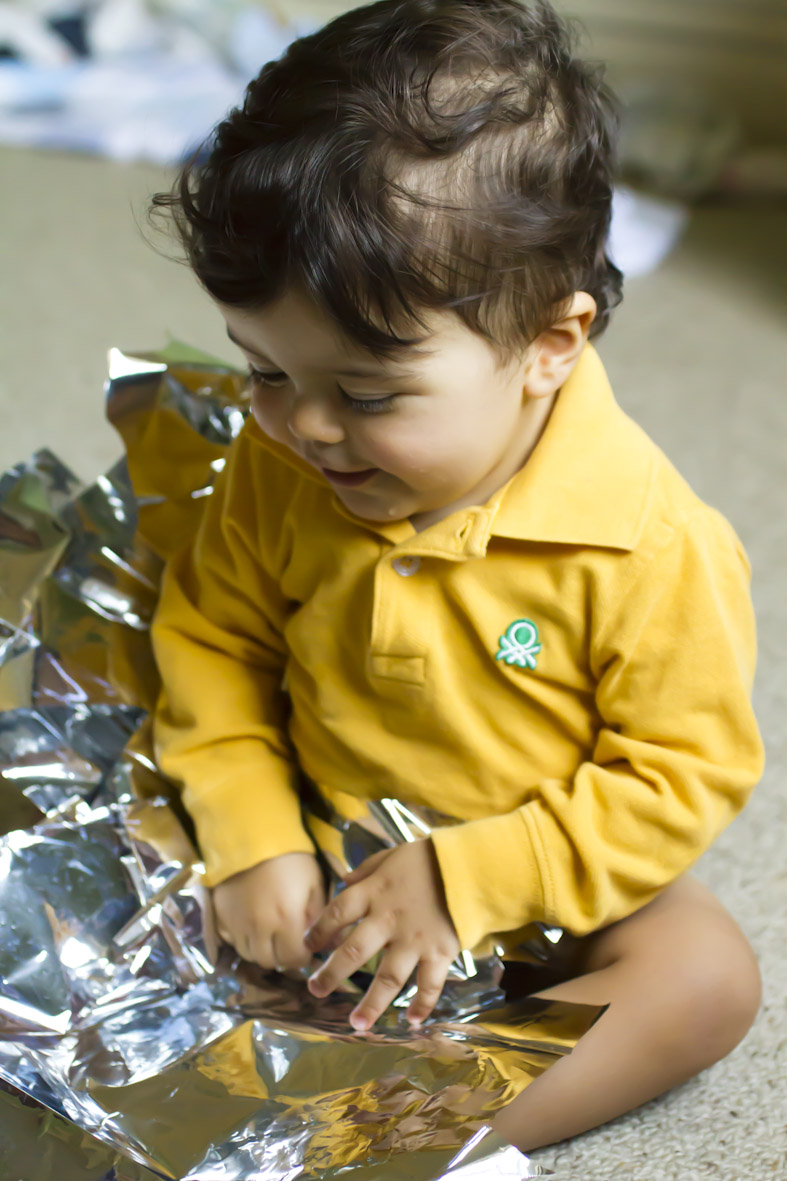
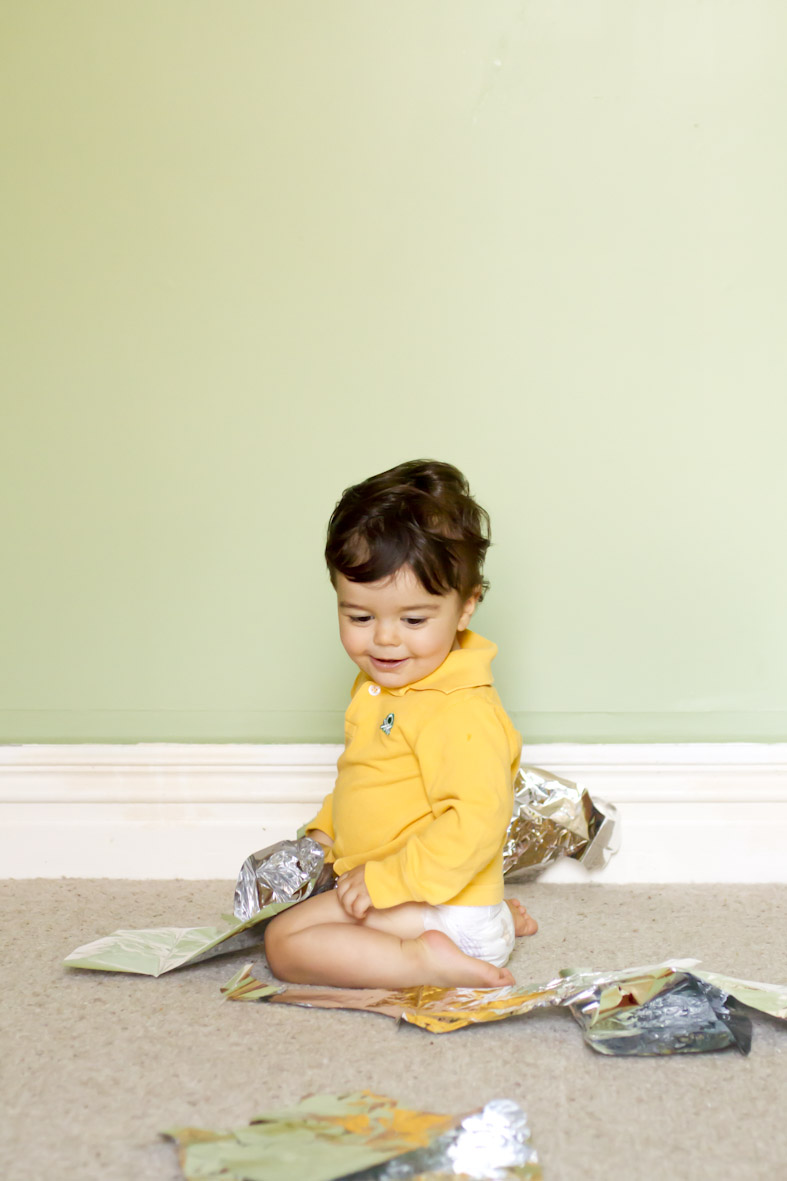
Achei que seria giro mascarar o Rodrigo de Dom Rodrigo. Não só pela piada do nome, como por se tratar de um dos meus doces preferidos — e também por ser uma máscara fácil, admito. Uma camisola amarela para a parte do doce de ovos e amêndoas, papel celofane prateado para o embrulho.

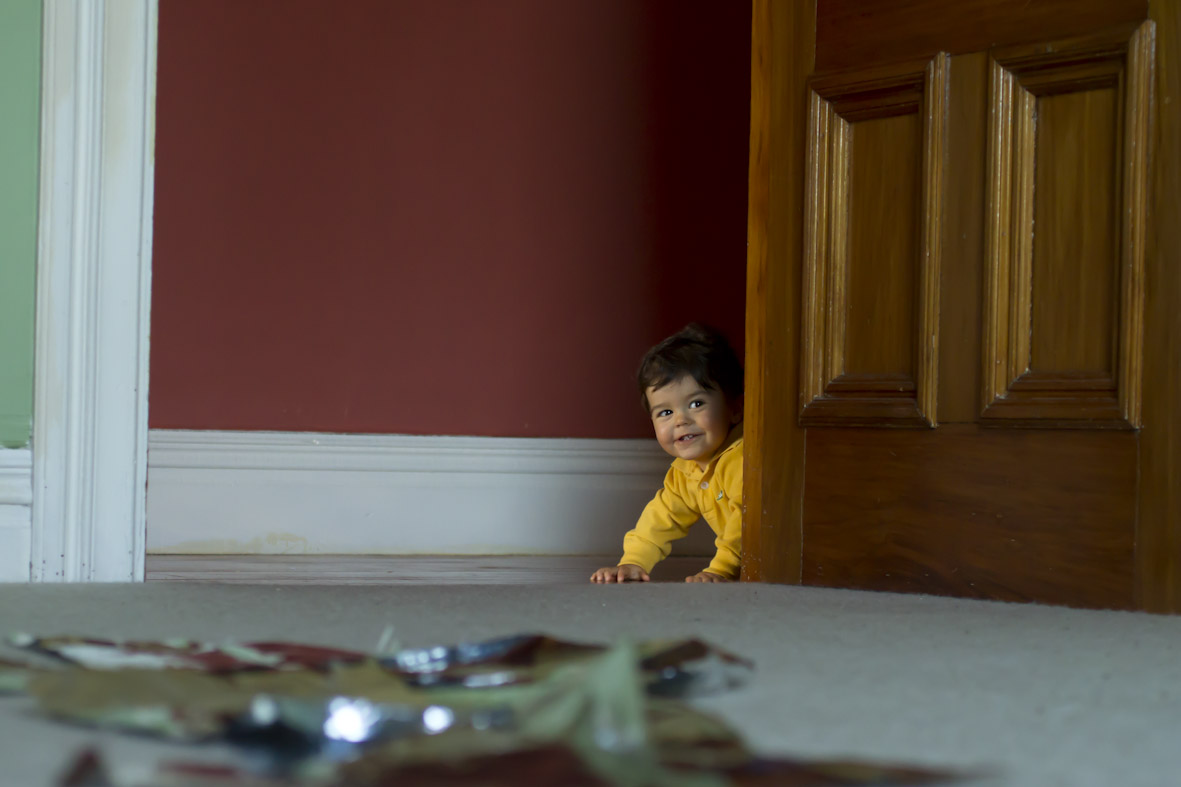
Cortei uns buracos para as pernas no papel celofane mas, no momento em que tentei embrulhar o Rodrigo (e friso a palavra tentei… claro que ele só fugia), o papel rasgou-se todo.
Por isso, a máscara de Carnaval do Rodrigo foi “Dom Rodrigo já comido”.
Us Catholics are known to dress up for Carnival, not Halloween. Mardi Gras this year coincided with Rodrigo’s first birthday, which meant that I really had to come up with something for the little one to wear.

One of my favourite Portuguese pastries is called Dom Rodrigo. It’s a wonderful and extremely sweet blend of egg yolks, almonds, sugar and cinnamon, all wrapped up in foil (check out some pictures here). Such an easy costume to create: a yellow top would represent the pastry, two squares of silver cellophane would be the wrapping.

However, as is often the case with children, my plans went wrong. I cut up some holes on the cellophane sheets but as soon as I tried putting them on (believe me, I did try… but he kept running away!), the cellophane tore.

So I guess Rodrigo’s costume was a “half-eaten Dom Rodrigo”.
(photos: Tiago Cabral)

Me @ Borboleta

A Mariana é dona da Borboleta, uma loja de roupa para crianças em Évora, e autora de um blog com o mesmo nome. Há uns tempos fez-me uma série de perguntas às quais gostei imenso de responder — foi divertido não falar sobre costura, mas sim sobre bebés e roupa infantil. Se tiverem curiosidade de ler as minhas opiniões a respeito de cueiros e afins, cliquem aqui. Muito obrigada, Mariana!
Mariana is the owner of a children’s clothes shop in Évora called Borboleta, and the author of a blog that goes by the same name. Some time ago she interviewed me but she didn’t ask the same old questions about blogging and sewing… she was more interested in hearing my opinions on babies and children’s clothing. This was fun but it’s only in Portuguese — however, if you want to try reading it with the help of Google translator, just click here.

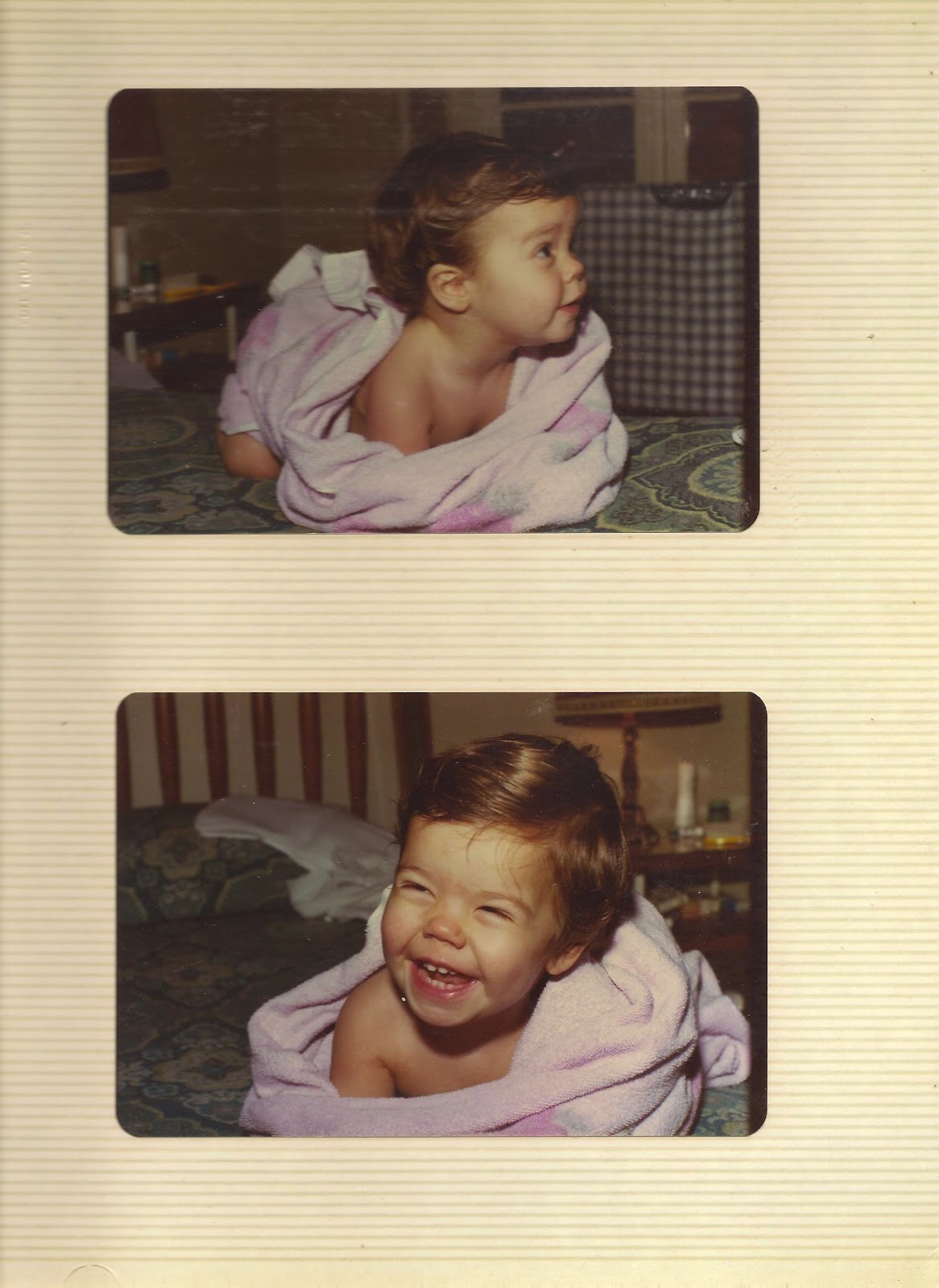
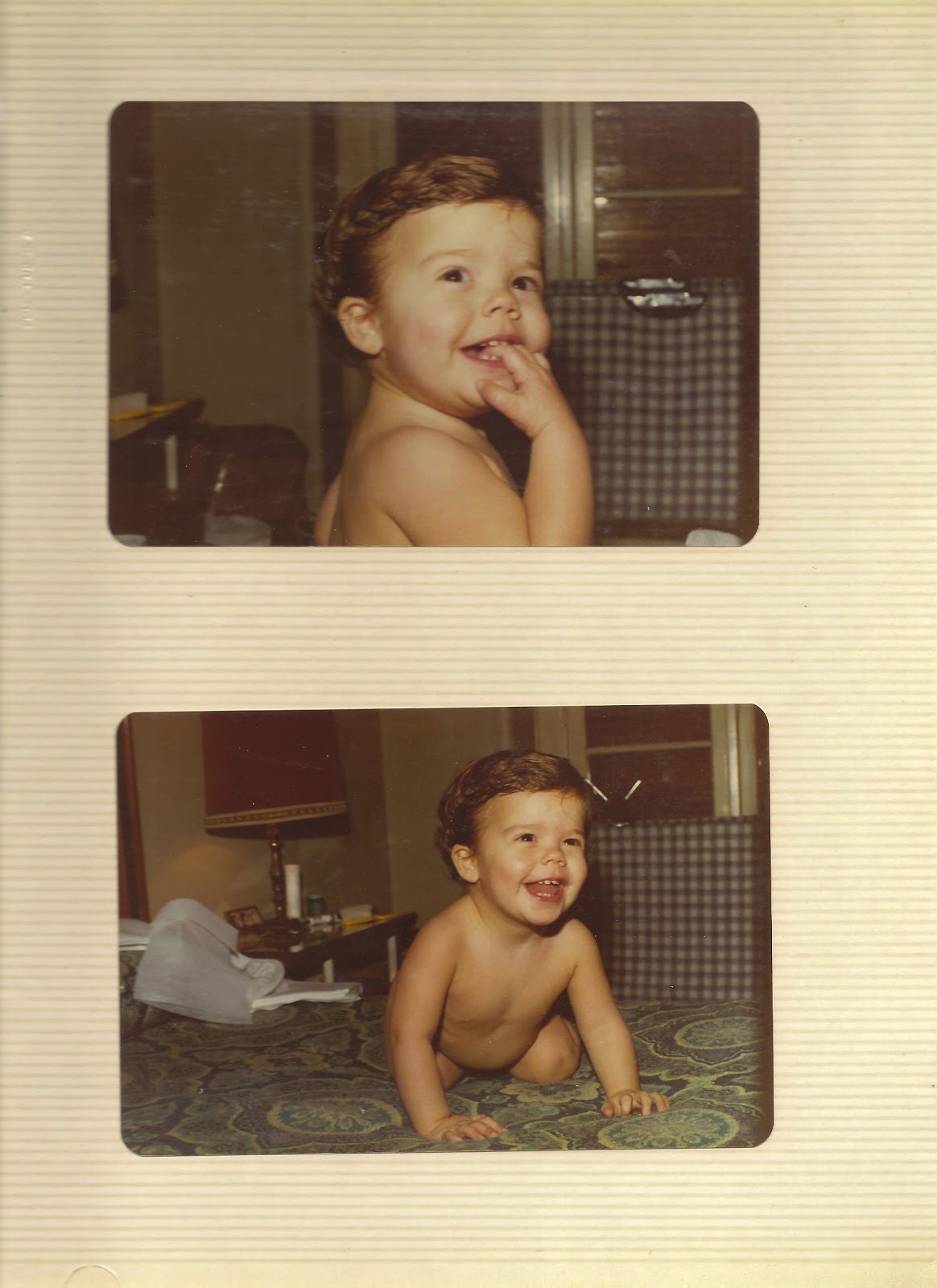
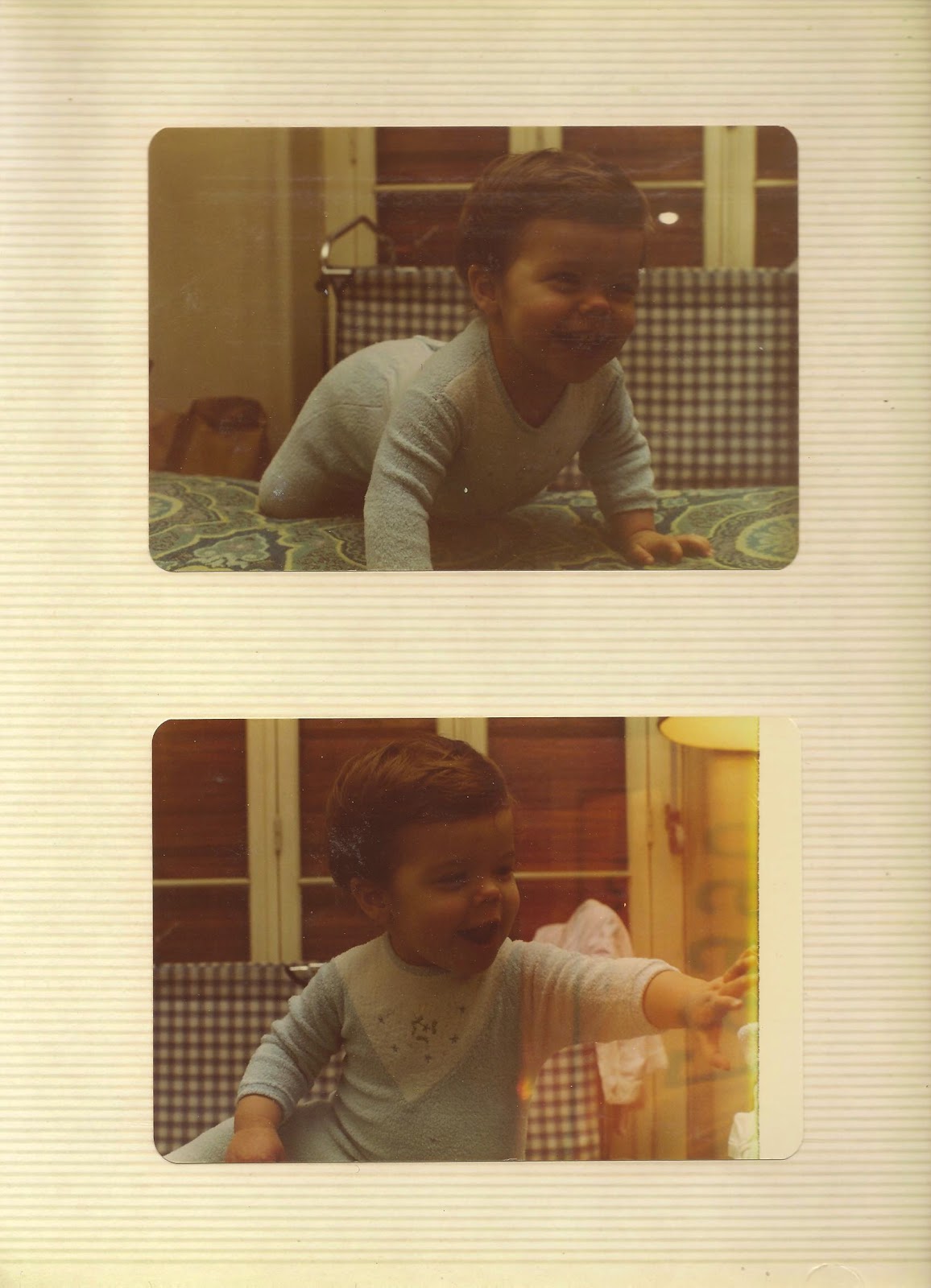
1983

Eu com um ano e pouco em casa da minha avó. O Rodrigo é parecido, não é? Não sei porquê mas tinha-me convencido de que iríamos ter um bebé igual ao Tiago… quando o Rodrigo nasceu, a primeira coisa que eu disse foi “ele é igual a mim!”.
This is me when I was a little more than one year old. Rodrigo doesn’t look too different, does he? I’m not sure why but I was convinced we were going to have a baby just like Tiago… when Rodrigo was born the first thing that came out of my mouth was “he looks just like me!”.

O Bolo :: The Cake

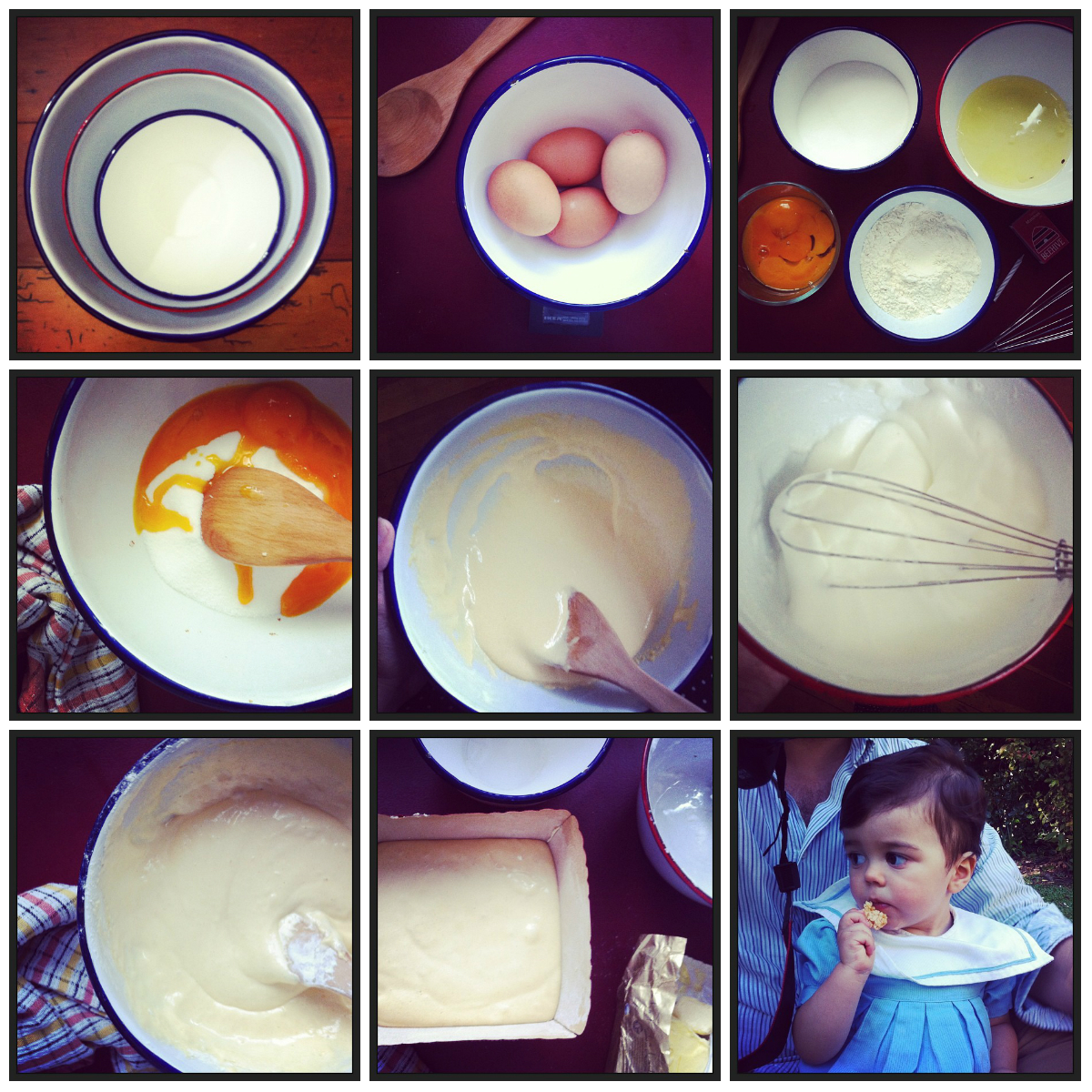
Quem me segue no Instagram sabe que fazer o bolo de anos do Rodrigo não foi pêra doce. O contentor com as nossas coisas ainda não chegou, o que significa que, de momento, os nossos utensíliosde cozinha são parcos. Comprei uns pratos e uns copos numas lojas de caridade (hei-de mostrá-los aqui), umas taças de esmalte muito giras mas com alguma ferrugem e uma ou outra coisa no supermercado. 
Bem, na altura de fazer o bolo percebi que não tinha nada. Nem os básicos de despensa (açúcar, farinha, fermento), nem batedeira eléctrica, nem forma de bolo, e as tais taças de esmalte não passariam numa inspecção da ASAE. Mas mesmo assim tentei fazer um pão-de-ló à mão — e ficou óptimo!
A receita é esta e não poderia ser mais simples. E sabe mesmo mesmo mesmo a pão-de-ló… vale a pena experimentá-la!
(nota: as pessoas mais velhas que lêem este blog acharão que sou uma exagerada com esta história de ter de bater a massa de um bolo com uma colher de pau e claras em castelo com uma vara de arames… mas a verdade é que nunca tinha feito um bolo assim e dá trabalho!)
Those of you who follow me on Instagram may know by now that making Rodrigo’s birthday cake wasn’t an easy task. Our container hasn’t arrived yet, which means that our kitchen kit is extremely limited at the moment. I’ve bought some plates and glasses in op-shops, a set of charming, old enamel bowls that have got the odd bit of rust and a couple of things at the local supermarket.

Well, when it was time to bake the cake I realised that I had nothing to work with. No larder staples like sugar, flour and baking powder, no electric mixer, no cake tin, and those enamel bowls could easily be considered a health and safety hazard. Even so, I tried making a pão-de-ló (Portuguese sponge cake) by hand and it worked!

I used this recipe, which couldn’t be simpler. And it really tastes like traditional pão-de-ló… do give it a go!

(note: older people who read this blog may be thinking that I’m overreacting with this whole “cake made by hand” thing… but I had never creamed a cake using a wooden spoon before nor had I created soft peaks with just a humble hand whisk… and it’s a lot of work!)


(photos: 1- Constança Cabral; 2- Tiago Cabral)

1!

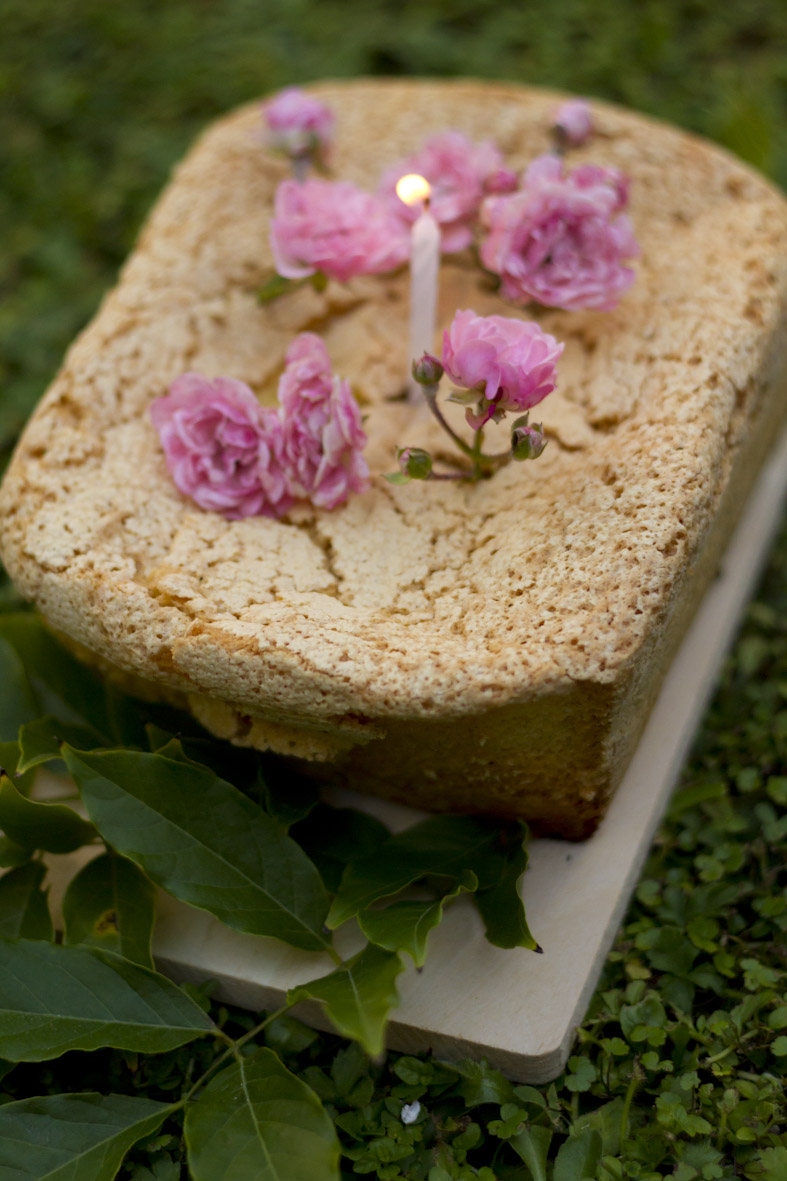
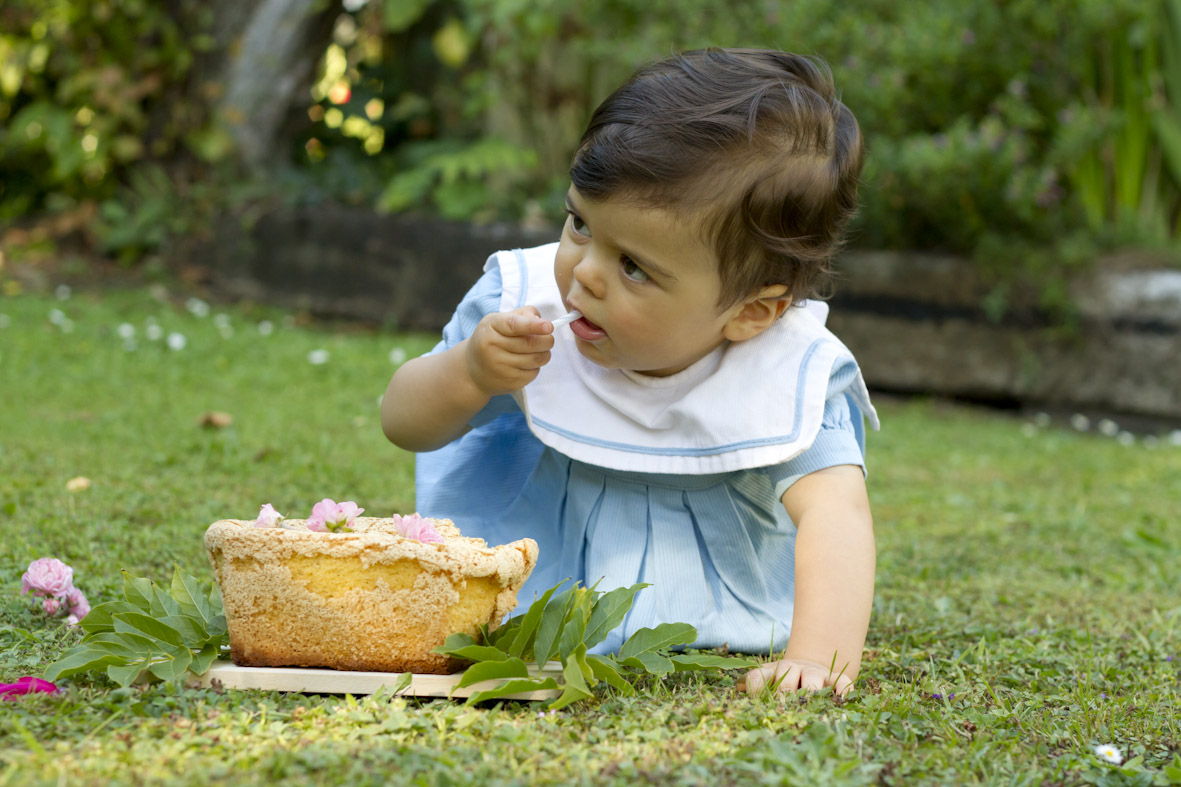
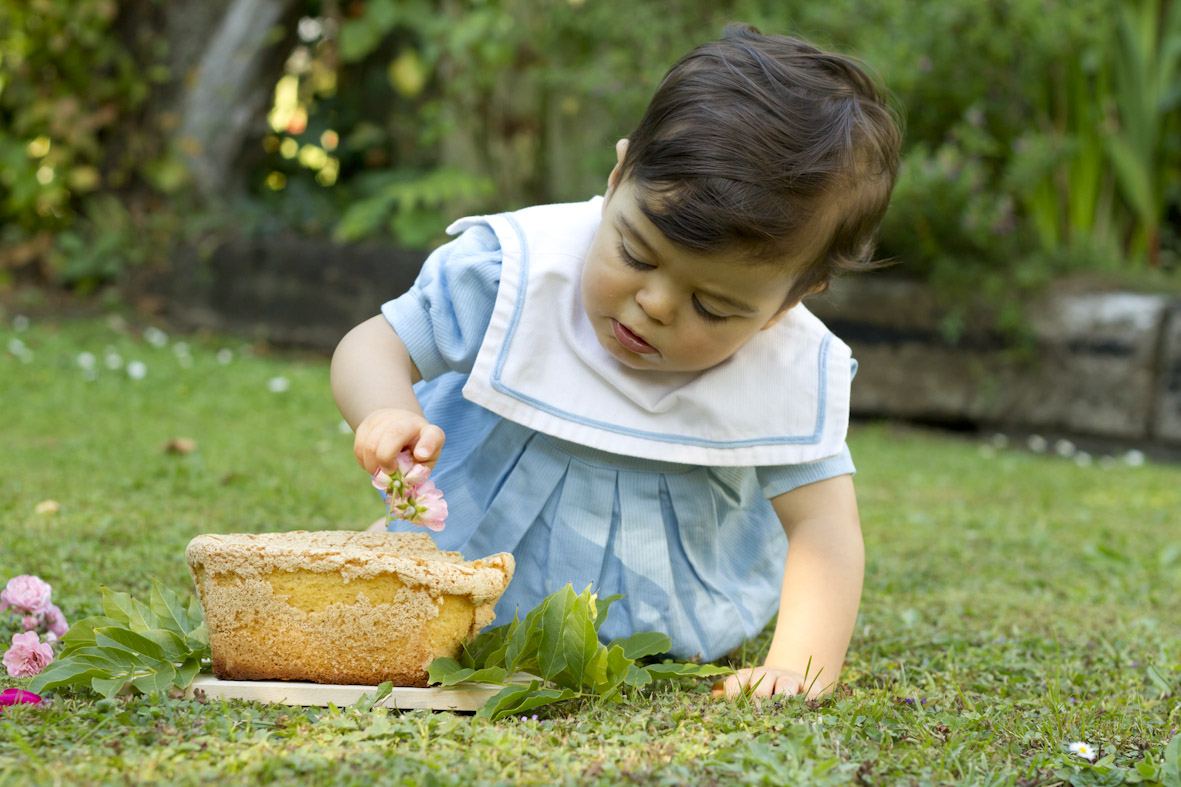
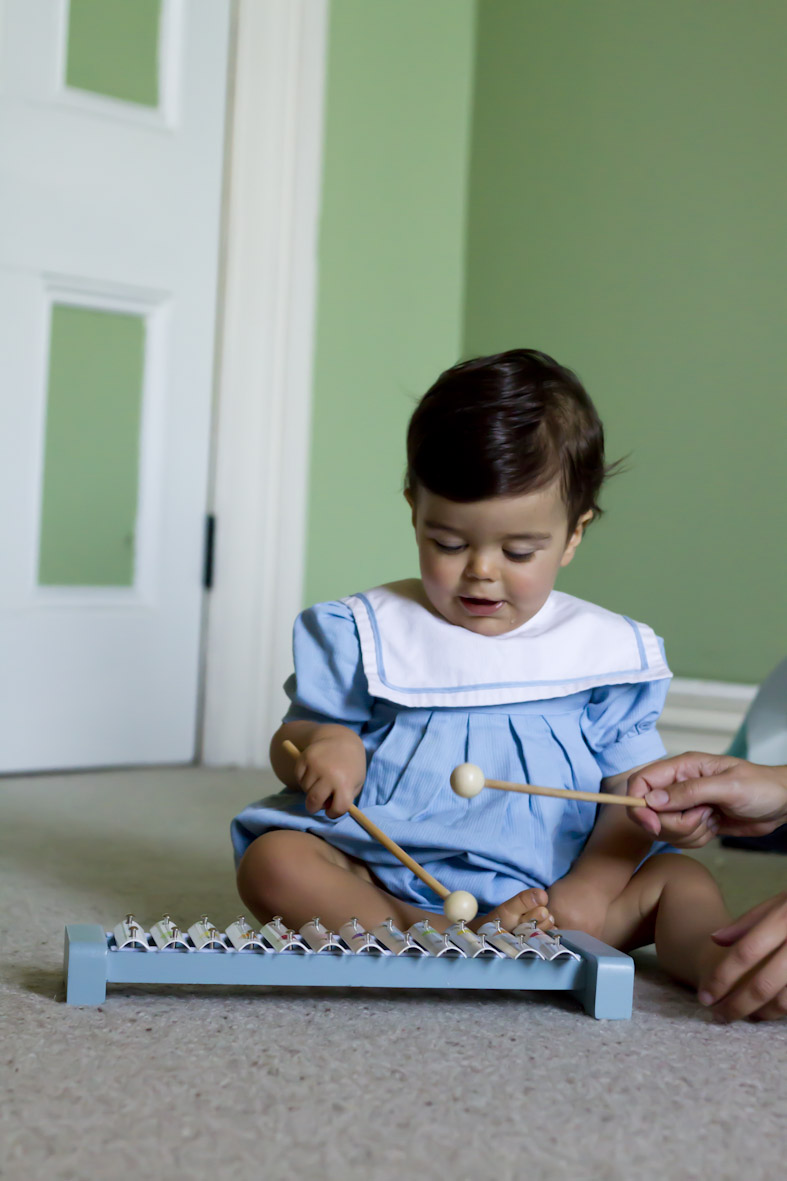
O nosso portuguesinho nascido no Reino Unido fez um ano na Nova Zelândia. Teve direito a pão-de-ló feito à mão (literalmente), vestiu um fatinho com vinte e muitos anos (o mesmo que o meu irmão vestiu quando fez um ano) e recebeu um xilofone de presente. A família fez cá muita falta mas pelo menos já estamos em nossa casa. Muitos parabéns, querido Rodrigo!
Our little British-born Portuguese turned one in New Zealand. He blew his candle on a handmade cake (literally), wore a romper that’s nearly 30 years old (my brother wore it when he himself turned one) and got  a xylophone as a gift. Family was acutely missed but at least we spent the day in our own home. Happy birthday, dear Rodrigo!

(photos: Tiago Cabral)

Casa Nova! :: New House!


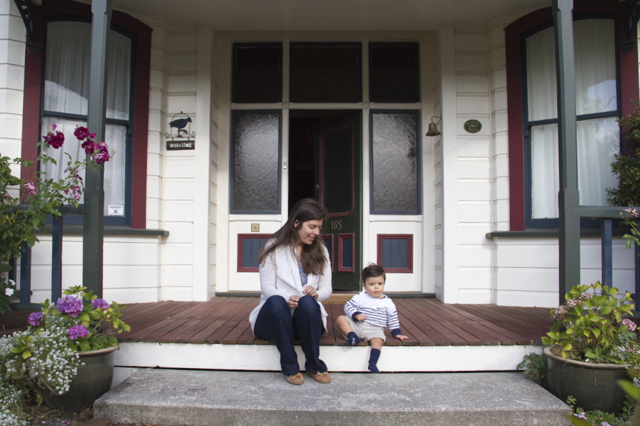
Já cá estamos! Agora ainda em fase de adaptação, com viroses e cansaço à mistura, mas muito contentes por estarmos finalmente em nossa casa.
Here we are! Although a nasty virus has got us all down, we’re really happy to finally be in our own home.
(photos: Tiago Cabral)

Villas

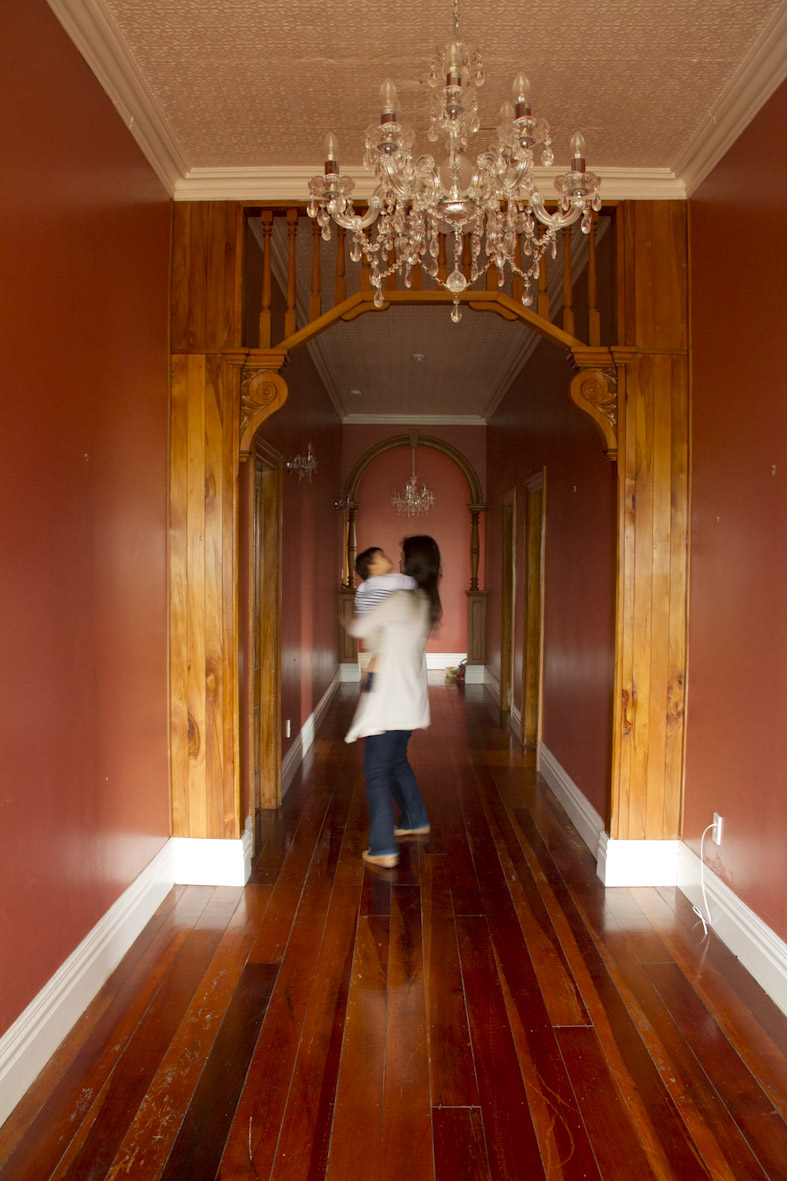
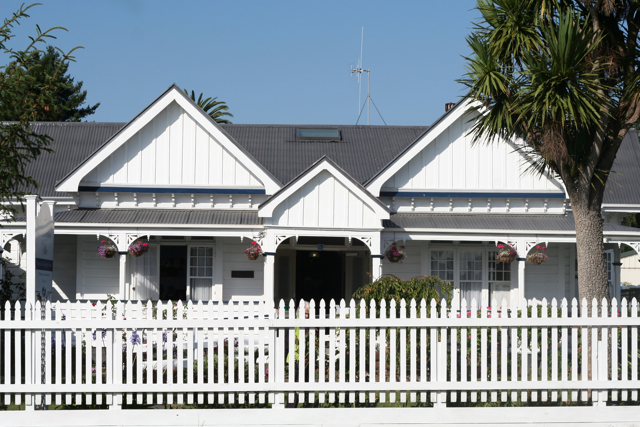
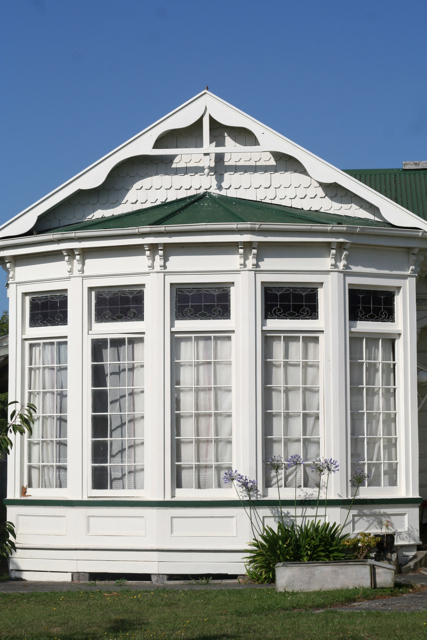
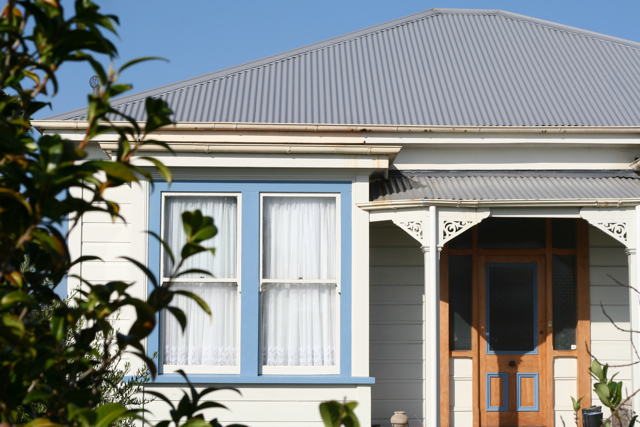
Gosto de casas antigas. Casas que já existiam muito antes antes de eu ter nascido e que, se forem bem tratadas e não houver uma catástrofe, permanecerão após eu ter desaparecido. Gosto da ideia de as casas terem acompanhado a vida de outras pessoas e gosto dos pormenores que só uma casa velha exibe. 
Na Nova Zelândia, as casas com 100 anos são de madeira e chamam-se villas. Têm tectos altos, salas quadradas, um corredor central, uma cozinha que dá para trás e normalmente apenas uma casa-de-banho (dentro de casa, valha-nos isso!). Não têm aquecimento central, algo que horroriza os europeus que vivem em países frios, mas que não choca dois portuguesinhos como nós. Têm lareiras, quase todas desactivadas hoje em dia, e com sorte uma salamandra. As janelas são grandes e o chão é feito de madeiras nativas como rimu ou matai (pode haver alcatifas a tapá-lo, mas isso é outra conversa). Os jardins são normalmente cottage gardens estilo inglês. Os telhados são em chapa ondulada!
As villas são casas muito bonitas e agradáveis — e, se tudo correr bem, daqui a uns dias estaremos a viver numa!
I like old houses. Houses that were here long before I was born and, provided that they’re well taken care of and that no natural catastrophes occur, will keep on existing long after I’m gone. I like the idea of houses that watch other people’s lives unfold and I like the details that only an old house can boast.

In New Zealand, 100-year-old houses made of wood (weatherboard) are called villas. They’ve got high ceilings, square rooms, a central corridor, a kitchen in the back and usually only one bathroom (indoors, thank goodness). There’s no central heating, something that horrifies northern Europeans but doesn’t chock two Portuguese such as ourselves. There are usually a couple of fireplaces (which tend to have been deactivated) and a woodburner if you’re lucky. The windows are huge and the floors are made of native woods such as rimu and matai (there might be a carpet covering them but that’s a whole other story). Gardens are usually cottage-style. The roofs are corrugated metal!

Villas are beautiful, agreeable houses — and if all goes to plan, in a few days we’ll be living in one!

(photos: Constança Cabral)

Ânimo :: Cheering Up

Querem saber o que faço quando estou desanimada?

Do you want to know what I do when I’m feeling a bit under the weather?

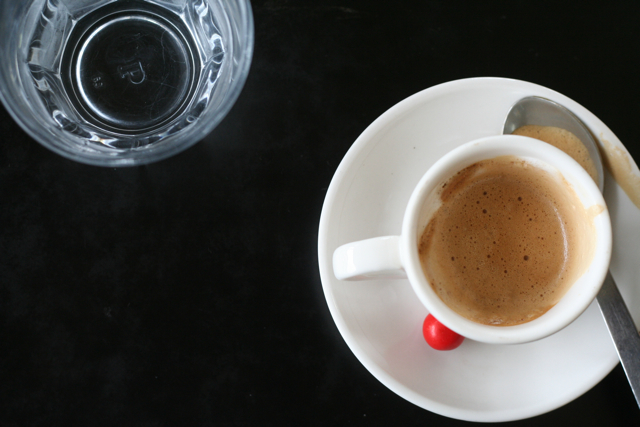
Vou beber um café. Felizmente na Nova Zelândia há café expresso e a maioria é bastante boa.
I go get a cup of coffee. Fortunately there are expressos in NZ and most of them are quite good.

Ponho um postal no marco do correio. 
I post a card in the mailbox.

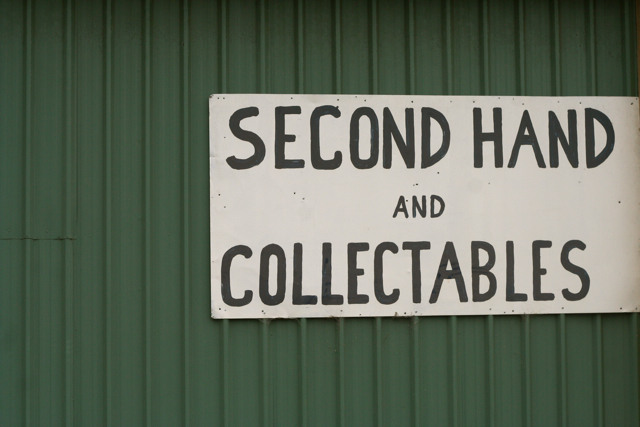
Vou à caça de tesouros.
I go on a treasure hunt.

Passo umas horas na biblioteca.
I spend a few hours in the library.

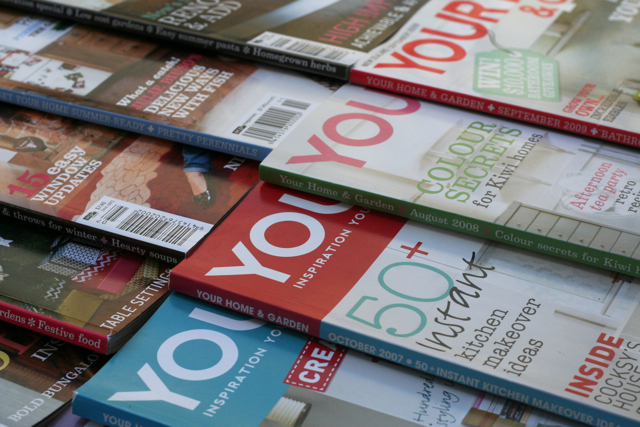
Folheio revistas de decoração. (Estas foram compradas por tuta e meia numa loja de caridade.)
I flick through some interiors magazines. (I bought a huge bundle of them at an op-shop.)

Vou à loja de tecidos.
I pop into the fabric shop.
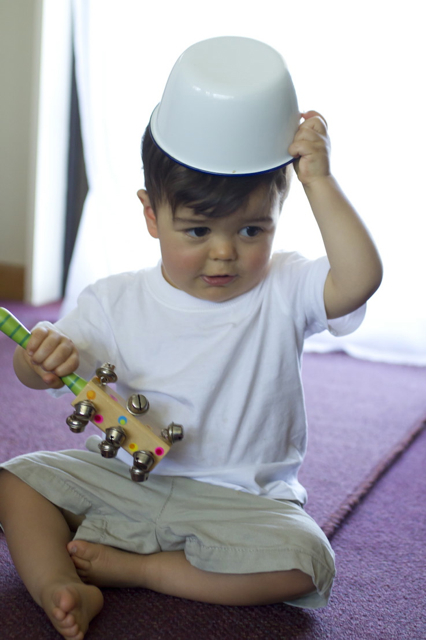
Brinco com este maluco.
I play with this little tornado.


(photos: 1-6: Constança Cabral; 7- Tiago Cabral)