Livros Infantis :: Children’s Books

Não consigo resistir a livros infantis antigos. Alguns compro pelo título — ou porque o li quando era pequena ou porque já ouvi falar muito nele —, outros apenas pelas ilustrações. Ultimamente então tenho comprado imensos. Alguns são tão giros que tenho pena que estejam fechados e arrumados numa estante — foi então que pensei que teria graça ir partilhando convosco algumas páginas desses livros.  
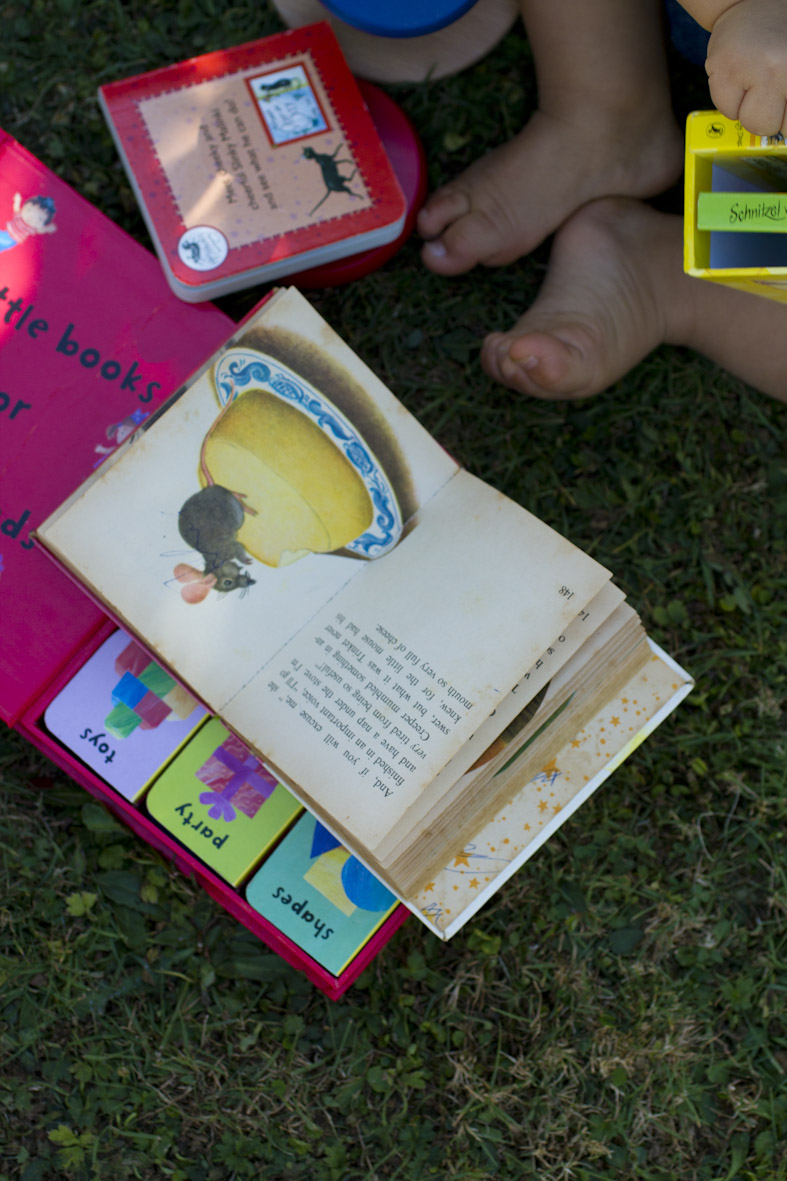
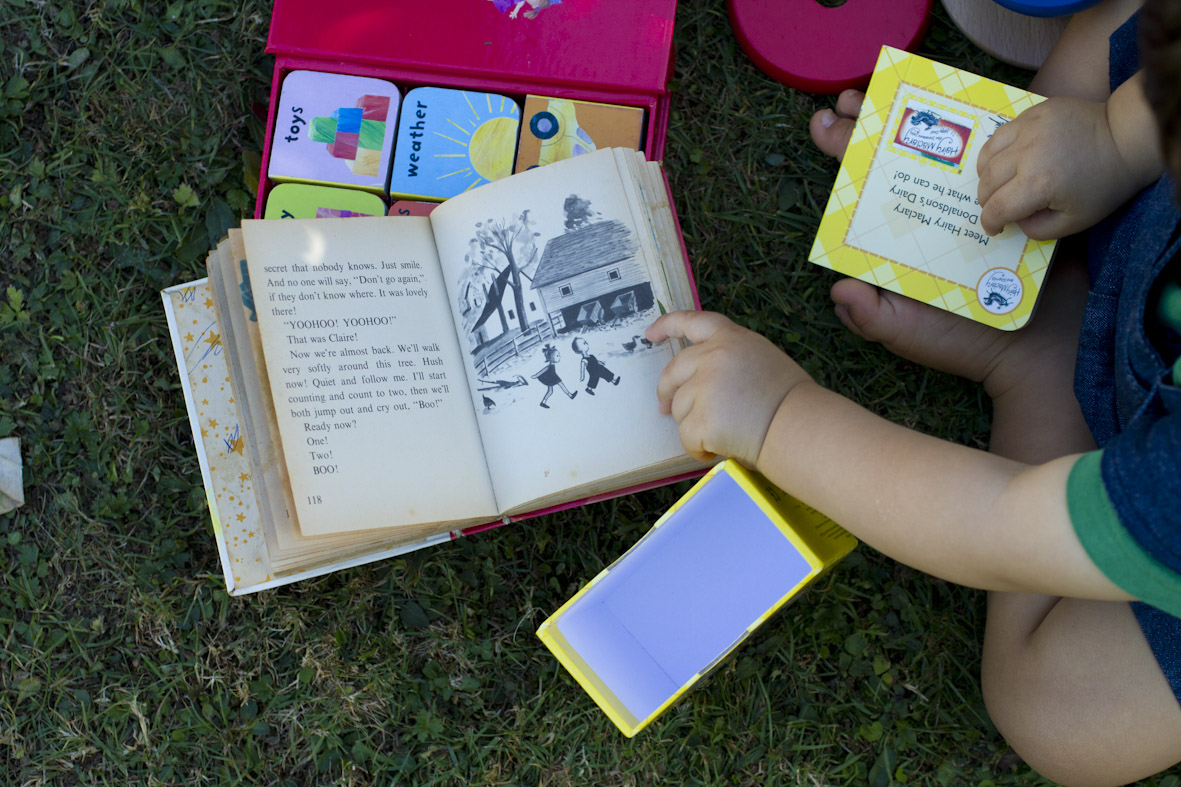
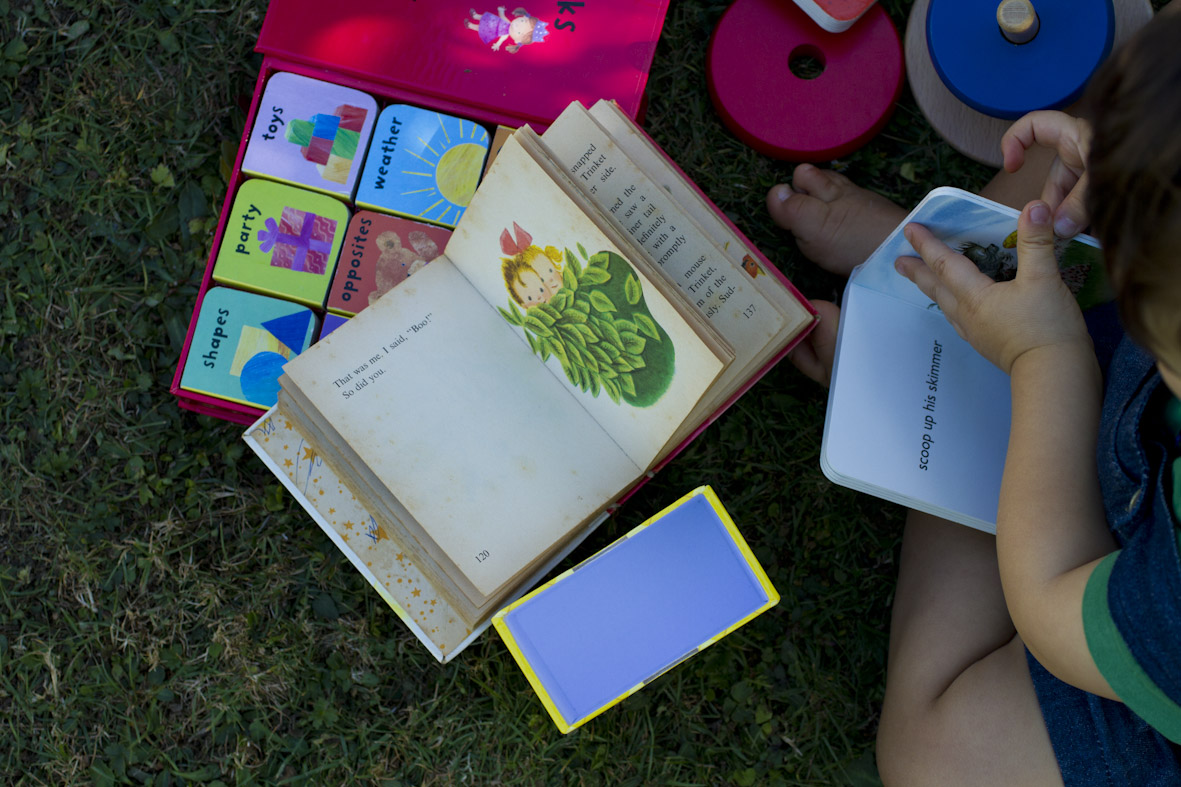
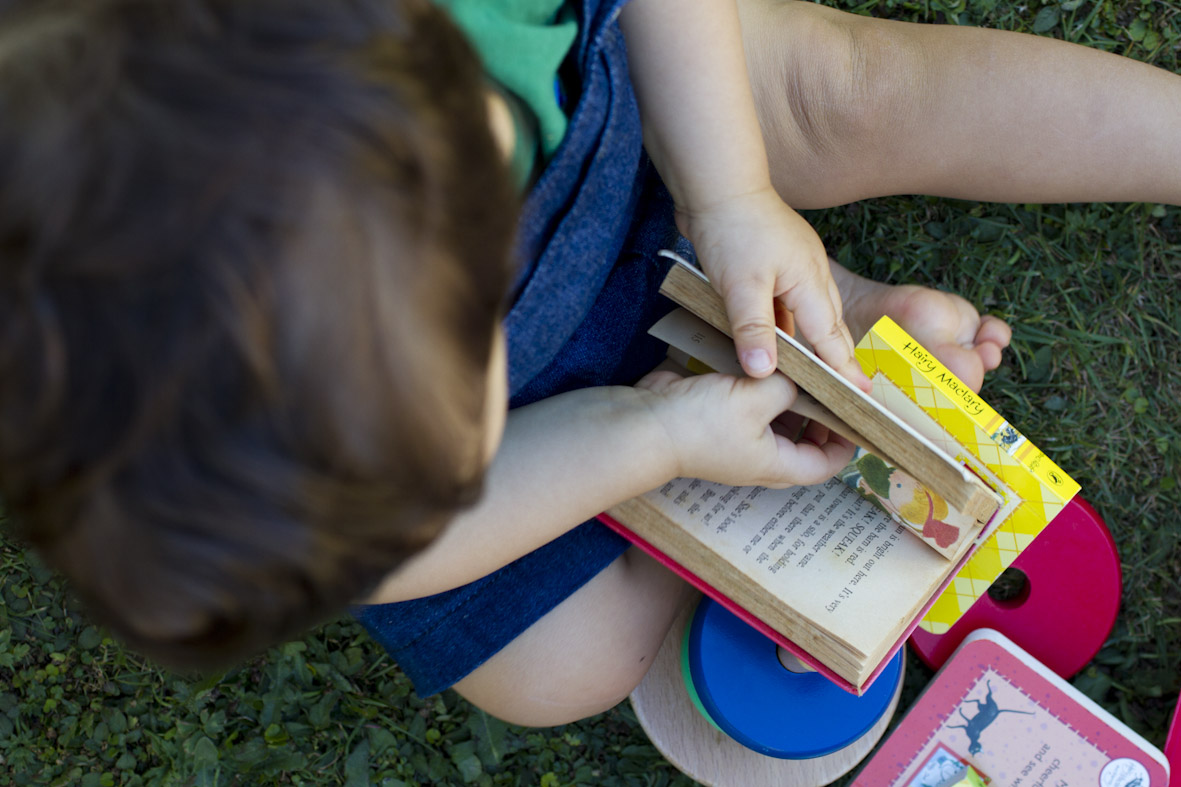
Este cujas fotografias vos mostro hoje está em mau estado (lombada descolada, algumas páginas riscadas) mas tem desenhos absolutamente encantadores. Chama-se Farmyard Tales e após uma breve pesquisa pelo nome do ilustrador, Gustaf Tenggren, descobri que ele trabalhou para os estúdios Disney e para os Little Golden Books. Agora que sei mais sobre o ilustrador, tenho pena que não tenhamos tirado mais fotografias do interior do livro!
E vocês, há algum livro infantil que tenha ficado na vossa memória sobretudo pelas ilustrações?
I can’t resist old children’s books. Some I buy for the title — either because I read it when I was little or because I’ve heard so much about it —, others I buy only for the drawings. I was thinking that some of those books are too cute to be closed and put away on a shelf — that’s when it occurred to me that maybe you’d enjoy having a peek of what’s inside.

This one I’m showing you today was bought for the illustrations alone. It’s called Farmyard Tales and it’s in pretty bad condition… however, the drawings are absolutely delightful. I’ve looked up the illustrator’s name — Gustaf Tenggren — and found out that he worked for Disney and for the Little Golden Books. Now that I know more about him I wish we’d taken more photos of the book!

What about you — is there any particular book from your childhood that you remember especially because of its drawings?

(photos: Tiago Cabral)

Respostas :: Answers

Normalmente respondo às perguntas que vão surgindo na secção de comentários ou, caso a comentadora em questão tenha um endereço email associado ao seu perfil, directamente por email. No entanto, ultimamente não tenho conseguido responder a tempo, por isso o post de hoje vai ser dedicado a perguntas e respostas.
– Que história é essa da alfândega da Nova Zelândia? Qual é o problema de deixar entrar no país madeira não tratada e cestos?
As autoridades da NZ tentam a todo o custo proteger o país de pestes. Tanto a madeira não tratada como os cestos podem trazer “bichos” que se poderão tornar desastrosos em relação ao ecossistema neozelandês.
– O Rodrigo já está na escola? E como é que está a correr?
O Rodrigo vai de manhã à escola. O ideal é que, daqui a uns tempos, passe a ir também à tarde (género das 9h às 15h). Ele adora lá andar, a professora é impecável e já tem muitos amigos (e uma amiga preferida… começa cedo!). O único problema é que se recusa a dormir a sesta lá. Esperemos que com o tempo a coisa vá ao sítio.
Para mim é fundamental ter algum tempo livre. Para espairecer, para pôr a casa em ordem e, principalmente, para trabalhar. Nós não temos qualquer ajuda (que inveja de quem tem as mães, avós, tias, primas e amigas ao pé!) e eu, para além de mãe, continuo a ser mulher, filha, nora, irmã, neta, amiga… enfim, continuo a ser uma pessoa autónoma. Por outro lado, ele tem de aprender a viver em sociedade, a partilhar, comer coisas diferentes, ouvir outra língua e fazer amigos!
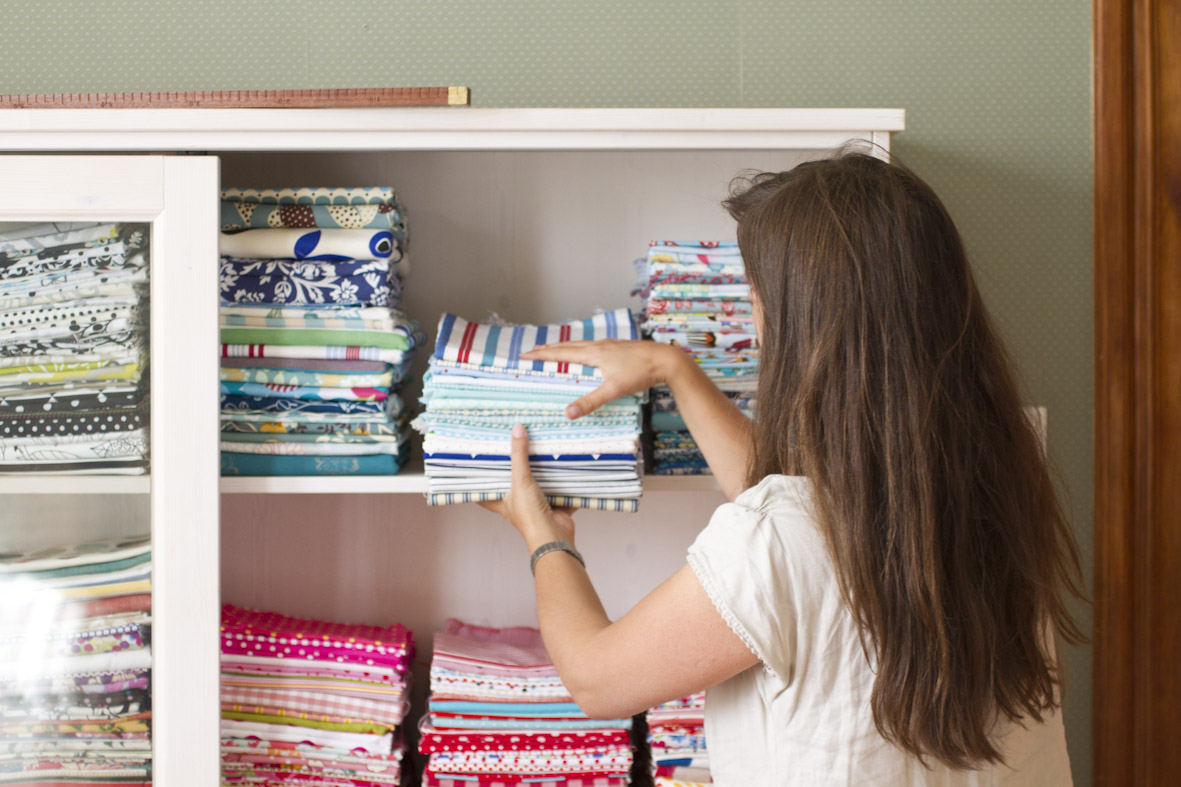
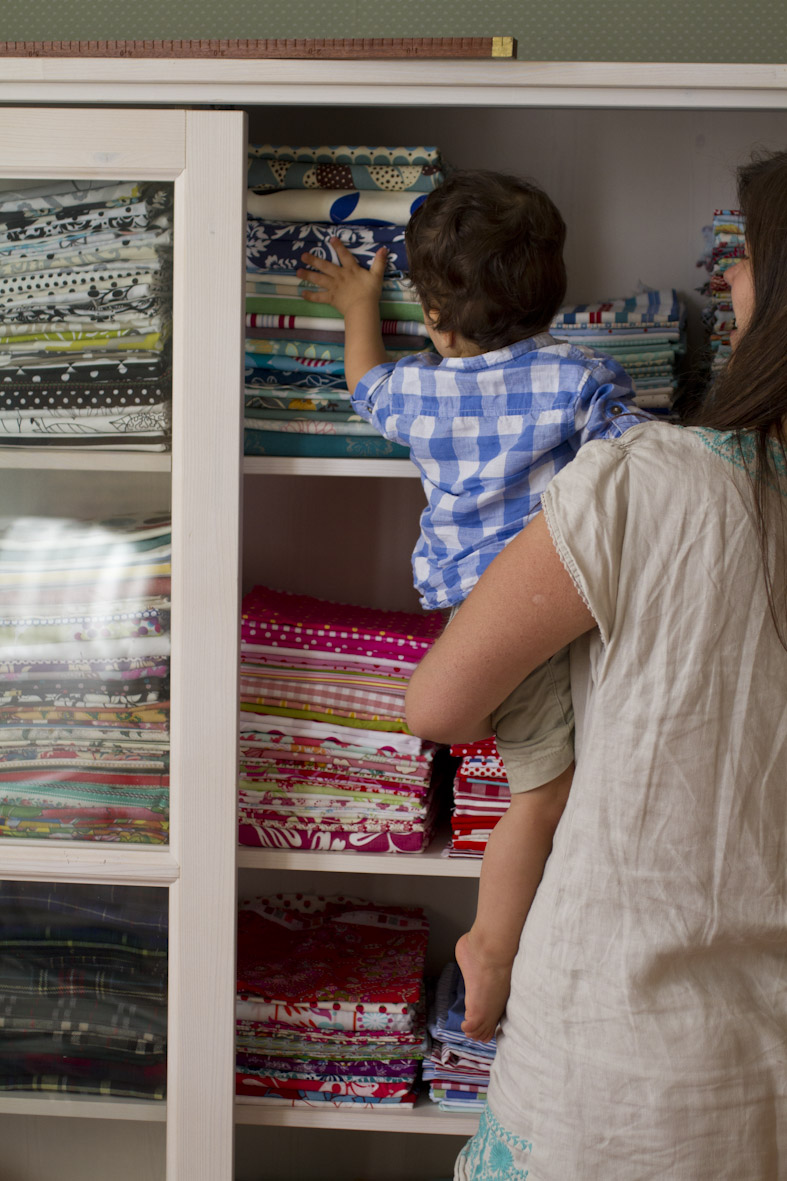
– Onde posso comprar o metro como aquele de madeira que aparece em cima do armário dos tecidos?
Esse metro foi presente, por isso não sei ao certo onde se pode comprar um igual. Sei que a pessoa que mo ofereceu (obrigada, querido João!) perguntou em todas as retrosarias da Rua da Conceição (em Lisboa) onde poderia encontrar um… e conseguiu! É capaz de também ser vendido na internet.
– Vai haver mais quilt kits?
Sim! Mas ainda não sei quanto custarão os portes de envio. Isto de viver no fim do mundo tem que se lhe diga… 
Se me tiver escapado alguma pergunta, escrevam-me para constancaspc@gmail.com. Obrigada a todas pelos comentários e emails!
I usually answer questions in the comment section or, if the person has an email address associated with their profile, I email them directly. However, lately I’ve been struggling with a severe lack of time, which means some questions that have been left unanswered. Today’s post is dedicated to a few q&a’s. 

– What do you mean NZ customs will bar entry to any untreated wood or wicker baskets? 
NZ authorities try their hardest to prevent any potential pests of entering the country. Bare wood and other untreated, natural materials like wicker, hay and rattan can harbour “bugs” that could prove devastating to NZ’s ecosystem. 

– So Rodrigo goes to nursery/kindergarten already? Is he happy there?
Rodrigo spends his mornings at playschool. He’ll eventually spend most of his day there (something like 9 am to 3 pm). He absolutely loves it, his teacher is great and he’s made lots of friends (and a special girlfriend… already!). The only problem is that he just won’t sleep when he’s there. Let’s hope that he overcomes that refusal soon.

For me it’s absolutely vital to have some free time. To unwind, to get the house in order and especially to work. We haven’t got any sort of support network (how I envy those people who’ve got mothers, grandmothers, aunties, cousins and friends within a hand’s reach!) and in addition to being a mother, I’m also a woman, a wife, daughter, sister, friend… in a nutshell, I’m still a person. On the other hand, he must learn social skills like sharing, eating different foods, hearing another language and making friends! 

– Where can I buy a wooden measuring stick such as the one that’s on your fabric cupboard?
That measuring stitck was a present so I have no idea where it was bought. Have you tried googling it? I’m sure it can be found online.

– Will there be any more quilt kits for sale?
Yes! But I still haven’t figured out how much shipping them is going to cost. Maybe I’ll have more customers in NZ, Australia and America and less in Europe? Let’s wait and see.

In case I’ve failed to answer one of your queries, just write me an email to constancaspc@gmail.com. Thank you so much for all your comments and emails!

(photo: Constança Cabral)

Os Meus Podcasts Preferidos :: My Favourite Podcasts

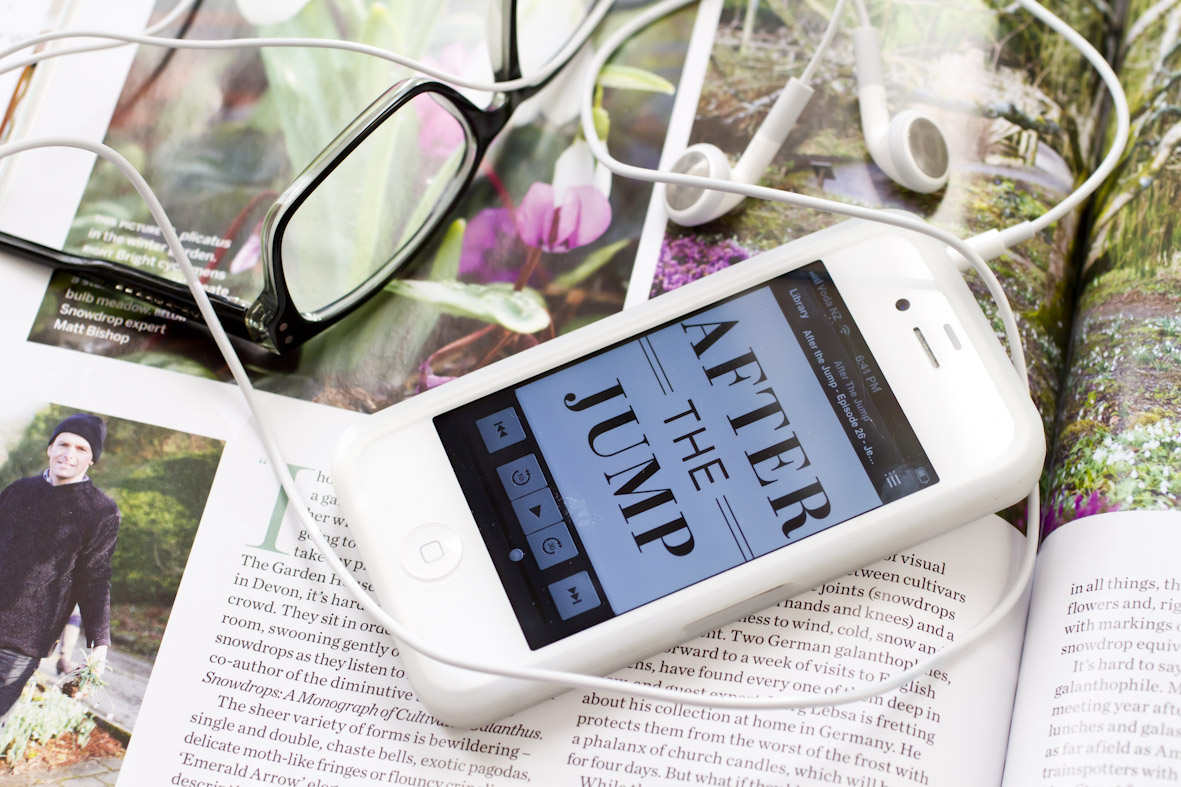
Adoro podcasts. Gosto de ouvi-los enquanto corto tecidos, arrumo a cozinha, dobro roupa, faço bolos. E, desde que tenho um iPhone, os podcasts tornaram as idas a pé para levar e buscar o Rodrigo à escola (um quilómetro para lá, outro para cá… e depois mais um para lá e outro para cá) bastante menos monótonas.
Querem saber quais são os meus podcasts preferidos?
Um programa de rádio da BBC em que se abordam os mais variados assuntos (política, economia, literatura, culinária, cultura popular…) numa perspectiva feminina. Ultra-britânico e absolutamente imperdível… vale mesmo a pena explorar os arquivos.
A ideia por trás do programa (também da BBC) é ficar a saber que oito músicas uma pessoa escolheria caso ficasse desterrada numa ilha deserta. As respostas tendem a assinalar momentos importantes na vida dos entrevistados. Entre tantos outros, adorei ouvir as respostas da Emma Thompson e achei graça saber mais sobre o percurso da Cath Kidston.
Acho que este foi o primeiro podcast sobre personalidades do mundo dos crafts que ouvi. Lembro-me distintamente de ter passado um dia em Ponte de Lima (ainda em 2006?) em que ouvi podcast atrás de podcast, enquanto o Tiago estava numa convenção de cervejeiros. Mais uma vez, os arquivos são de grande interesse.
A Diane não só entrevista crafters, como fala muito de estratégias para que tem um negócio criativo. É um podcast mais curto do que o Craftsanity mas mais to the point.
O programa de rádio da Grace Bonney, a fundadora do famosíssimo blog Design*Sponge. Um podcast muito indie, muito actual e muito norte-americano.
Quando penso neste podcast lembro-me imediatamente do nosso espaçoso mas sombrio escritório em Inglaterra e da chuva a bater na janela… fartei-me de ouvi-lo em 2010/2011, quando andava fascinada com o nosso jardim e quando ainda tinha tempo livre (ou seja, antes de o Rodrigo ter nascido). Tal como o nome deixa adivinhar, este podcast é sobre hortas alternativas. A autora é inglesa.
Também gosto muito de ver vídeos na internet, mas isso é assunto para outro post
E vocês, ouvem podcasts? Quais são os vossos preferidos?
I love podcasts. I enjoy listening to them while I cut fabric, tidy up the kitchen, fold clothes and bake cakes. And ever since I got an iPhone, podcasts make the trips on foot to and from Rodrigo’s nursery (1 km to get there, another one to come back… and then yet another one to collect him and the last km to get home) a lot less monotonous.

Do you want to know which are my favourite podcasts?

A BBC Radio 4 programme that offers a female perspective on the world. All matters of subjects are discussed: politics, economy, literature, cookery, popular culture… Utterly British and absolutely unmissable. The archives are really worth exploring.

Another BBC radio show. This one asks guests which 8 pieces of music they would take with them in the event of one day getting stuck on a desert island. The answers are so interesting because they tend to point out important moments in the interviewees’ lives. Amongst others, I loved listening to Emma Thompson‘s choices and I enjoyed learning more about Cath Kidston‘s path.

I think this was the first podcast about craft personalities that I ever listened to (back in 2006?). The interviews are long and extremely detailed, which makes them super interesting — again, dig into the archives… you won’t regret it.

Not only does Diane interview crafters, she also talks in-depth about writing a blog and running a creative business. It’s shorter than Craftsanity and more to the point. 

You know Grace Bonney, the founder of Design*Sponge? This is her radio show. Very indie, very current, very North-American.

When I think about this podcast I immediately remember the rain hitting the window of our spacious yet sombre study in England… I listened to all the episodes in 2010/2011, when I was fascinated by our garden and still had some free time in my hands (i.e. before Rodrigo was born). As the title says, it’s a podcast about alternative kitchen gardens. The host is a very nice English girl.

I also love watching videos online but that will be the subject of another post. 

What about you, do you listen to podcasts? Tell me about your favourite ones in the comment section below!

(photo: Tiago Cabral)

Mercado :: Farmers’ Market

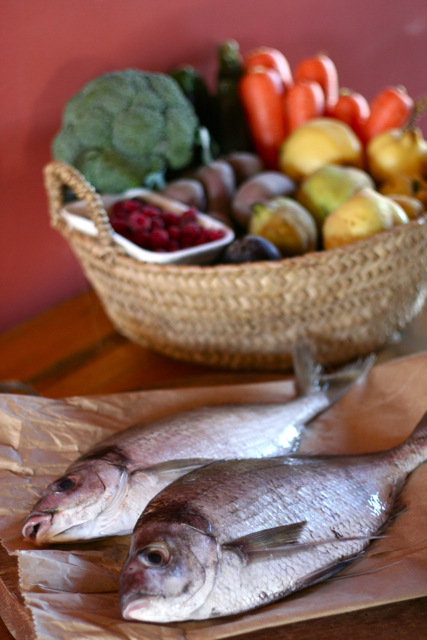
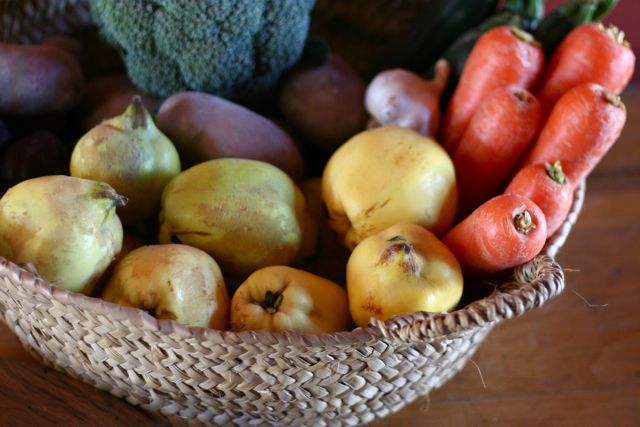
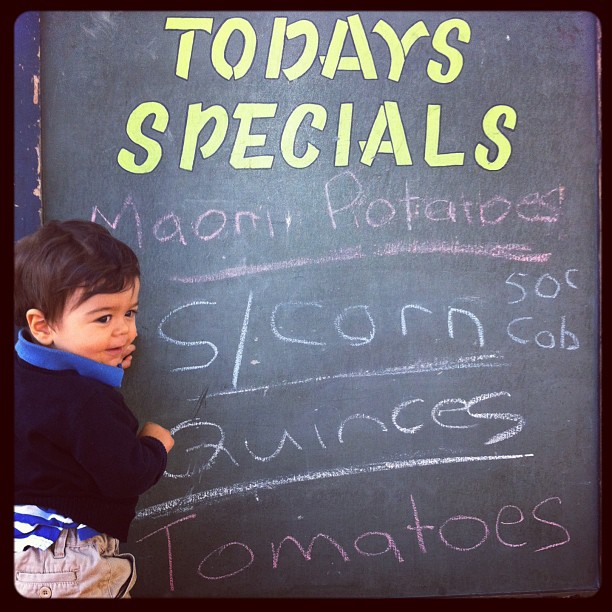
Sexta-feira é dia de mercado na vila onde moramos. Há carrinhas com peixe, carne e pão, e algumas bancas com legumes, fruta, doces, vinho, plantas, flores e até sabonetes. Hoje havia marmelos à venda e o céu estava azul. Que belíssima maneira de começar o fim-de-semana!
Friday is farmers’ market day in our new town. There’s fish, meat, bread, fruit, vegetables, jams, wine, plants, flowers and even soap for sale. Today I spotted some quinces and the sky was bright blue. What a great way to start off the weekend!

(photos: Constança Cabral)
Cestos :: Baskets


Cestos, cestos, cestos… sei que não sou a única que tem pancada por cestos e que não lhes consegue resistir. Por que é que hei-de comprar em plástico quando posso ter em verga, ou vime, ou palha?
A NZ tem restrições bastante apertadas em termos de aquilo que não pode entrar no país: sementes, plantas, alguns alimentos, madeira não tratada… e cestos. Não são propriamente proibidos, mas quem se muda para cá é aconselhado a não trazê-los, porque poderão ser alvo de um inspector alfandegário mais zeloso.
Quando estávamos a preparar a nossa casa para ser empacotada, ofereci dezenas de cestos, mas decidi arriscar e trouxe os meus preferidos: o cesto de picnic e todos os cestos portugueses. (Tivemos sorte e a alfândega não embirrou com nenhum.) Aquele tabuleiro de roupa que está em cima da mesa de jardim é uma espécie de canastra e foi comprado na Feira da Luz, em Lisboa. O cesto dos brinquedos do Rodrigo é um cesto algarvio que comprei em Tavira. Os restantes que aparecem nas fotografias já foram comprados cá, todos em segunda, terceira, ou quinta mão!
Baskets, baskets, baskets… I know that I’m not the only one who is obsessed with them. Why should I buy plastic when I can have wicker, rattan or straw? 
 
NZ has severe restrictions regarding what is allowed to enter the country: no seeds, plants, some types of food, untreated wood… and baskets. It’s not that they are prohibited… let’s put it this way: if you relocate to NZ, you are strongly advised not to bring any, because they could be subject to fumigation or disposal at your own expense.
 
When we were getting our home ready for packing I gave away dozens of baskets but decided to risk it and keep my favourites: the picnic hamper and all the Portuguese baskets. (We were incredibly lucky because there were no customs clearance issues with any of them.) That linen tray that’s standing on the garden table is an old-fashioned fish selling basket (check out some images here) and was bought at a market in Lisbon. Rodrigo’s toy basket is typical from the Algarve region. The other ones have all been bought over here and are second, third or even fifth hand!

(photos: 1, 2, 3- Constança Cabral; 4, 5- Tiago Cabral)

NZ Op-Shops

As lojas de caridade neozelandesas são muito diferentes das inglesas. Para começar, as coisas que estão à venda são mais antigas. E bastante mais usadas. E algumas das peças que lá tenho encontrado foram feitas à mão.
A NZ é um país muito periférico — faz-me lembrar Portugal em tantos aspectos —, o que significa que as pessoas tiveram de tirar o maior partido dos recursos que cá havia. Em Inglaterra nota-se o consumismo e o “usar e deitar fora” em tudo, até nas lojas de caridade. Na NZ, fico com a ideia de que se dá/dava mais valor aos objectos.
(Atenção, isto não é uma crítica, apenas uma constatação. Só cá estou há três meses e é disto que me tenho apercebido.)
Vejamos o exemplo da roupa de criança. Nunca em Inglaterra encontrei peças como estas. Roupa com 30 anos no mínimo, favos feitos à mão, tudo bastante coçado, a fazer pensar que terá sido usado por irmãos, primos, conhecidos. Alguns modelos clássicos, outros terrivelmente datados. Vendidos ao preço da chuva. Pena o poliéster fazer quase sempre parte da composição dos tecidos… caso contrário, teria trazido tudo para casa. Mesmo assim, não resisti a comprar alguns vestidos…
NZ op-shops are quite different from English charity shops. For starters, here in NZ you can find  much older things for sale. And what’s for sale has been well-used. And some of it is handmade.

NZ is a peripheral country — it reminds me of Portugal in so many ways —, which means that people here have been forced to make the most of their resources. In England you can see the consumerism and the throw-away culture everywhere, even in charity shops. In NZ I get the feeling objects are/were more cherished.

(Please note that this isn’t criticism: it’s merely what I’ve been sensing over the last 3 months.)

Take children’s clothes, for instance. I could never find items like these ones in England. Clothes that are at least 30 years old, some hand-smocked, all showing signs of having been worn by numerous siblings and cousins. Some of them have classic lines, while others are completely dated. And they’re all sold so cheaply. It’s a shame that polyester is usually more than half of the fabric’s composition… otherwise I would have taken almost everything home. Nevertheless, I couldn’t resist buying a few dresses…

(photos: Constança Cabral)
Caixotes :: Boxes

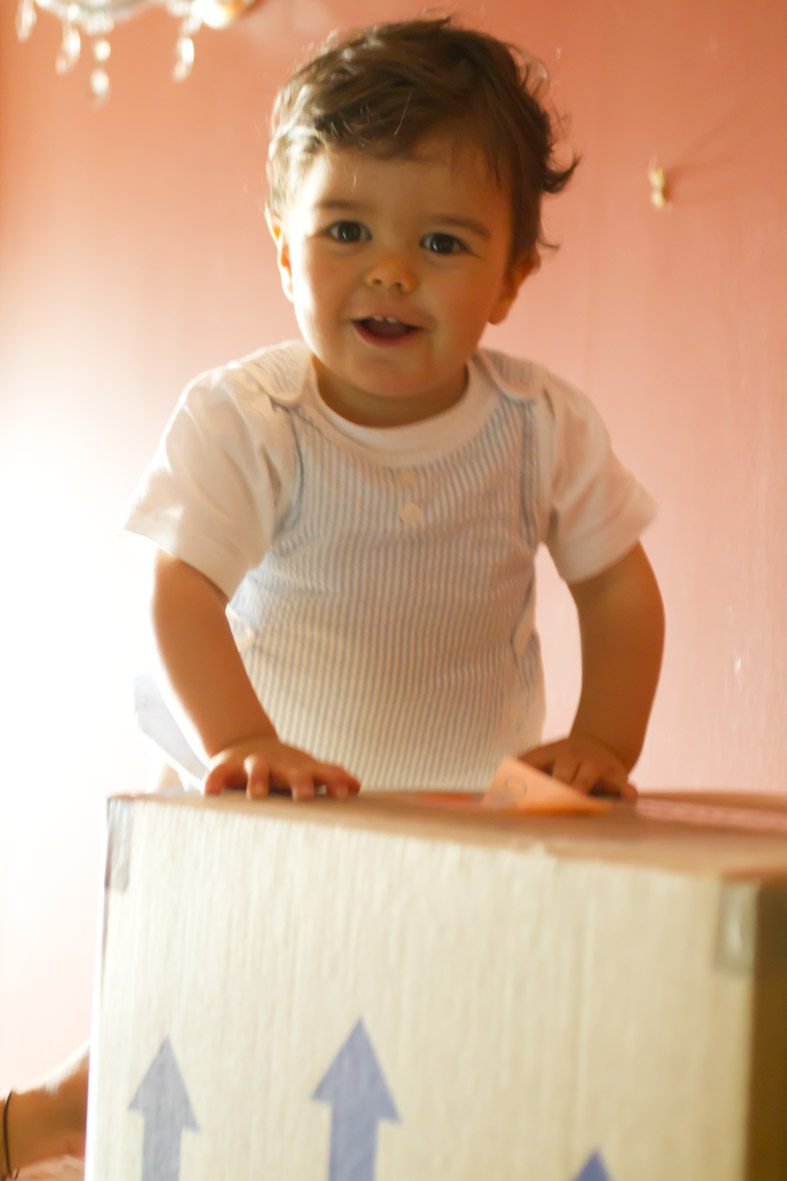
Lembram-se destas fotografias? Passados três meses, as caixas são as mesmas, o continente é outro e o bebé está bem mais crescido.
O nosso contentor já chegou e agora há que arrumar, arrumar, arrumar!
Remember these pictures? Three months have now passed — they’re the same boxes but we are in a different continent and the baby has grown so much!

Our container has arrived and now we must find a place for every single thing. Our home is finally in the making!
(photos: Tiago Cabral)
Provisório :: Temporary


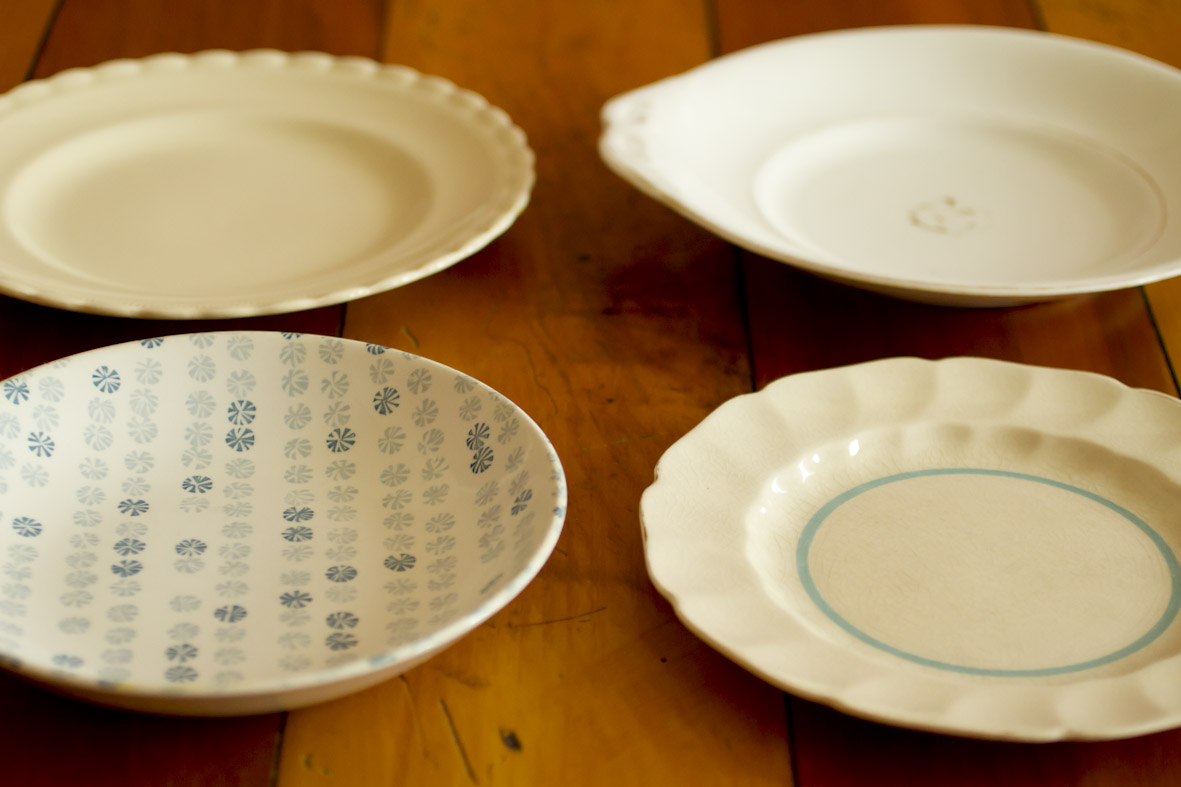
O contentor com as nossas coisas ainda não chegou, o que significa que viemos morar para uma casa vazia. Há três anos, em Inglaterra, aconteceu precisamente o mesmo: duas semanas numa casa gelada no meio do campo, sem carro, sem sofás, a dormir em colchões no chão.
Houve, pois, que comprar o básico. Mas como não sei quantas vezes iremos passar por isto, tenho grande relutância em estar a comprar constantemente as mesmas coisas. Se tenho mesmo de comprar, ao menos que compre coisas (baratas) com algum interesse, que mais tarde possam vir a ser utilizadas noutros contextos.
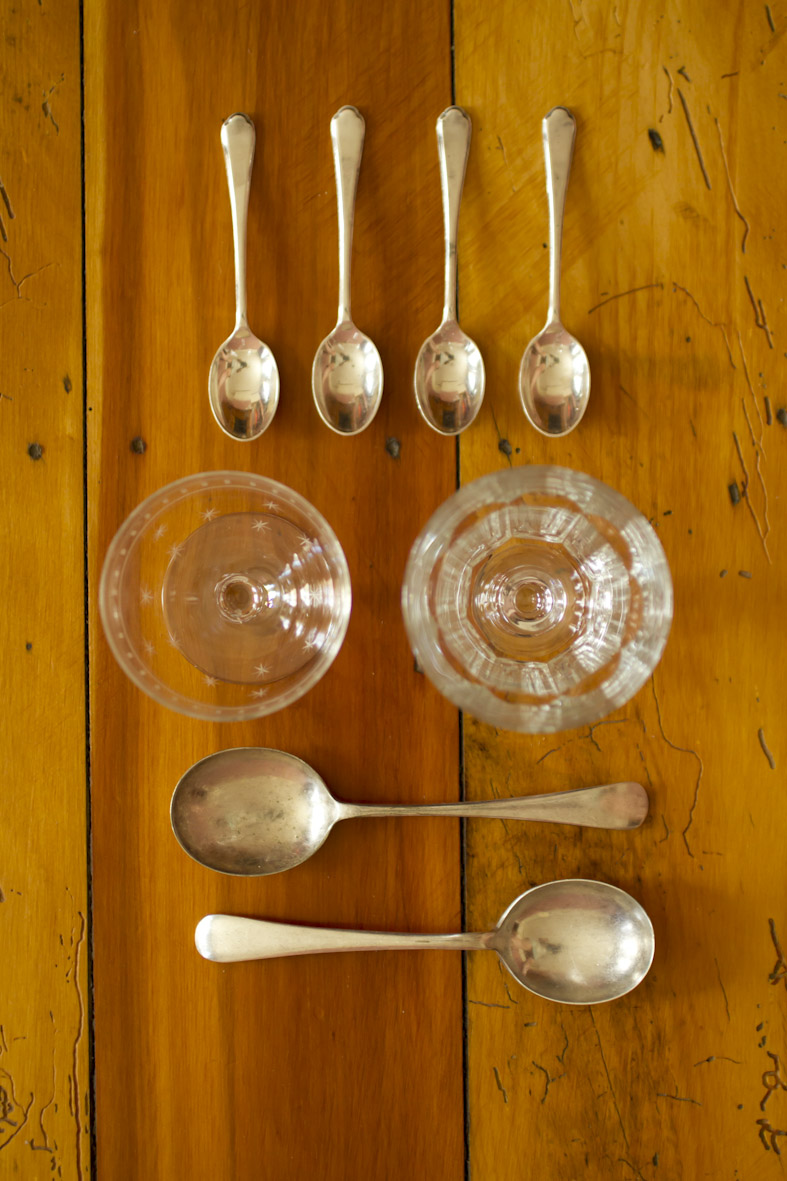
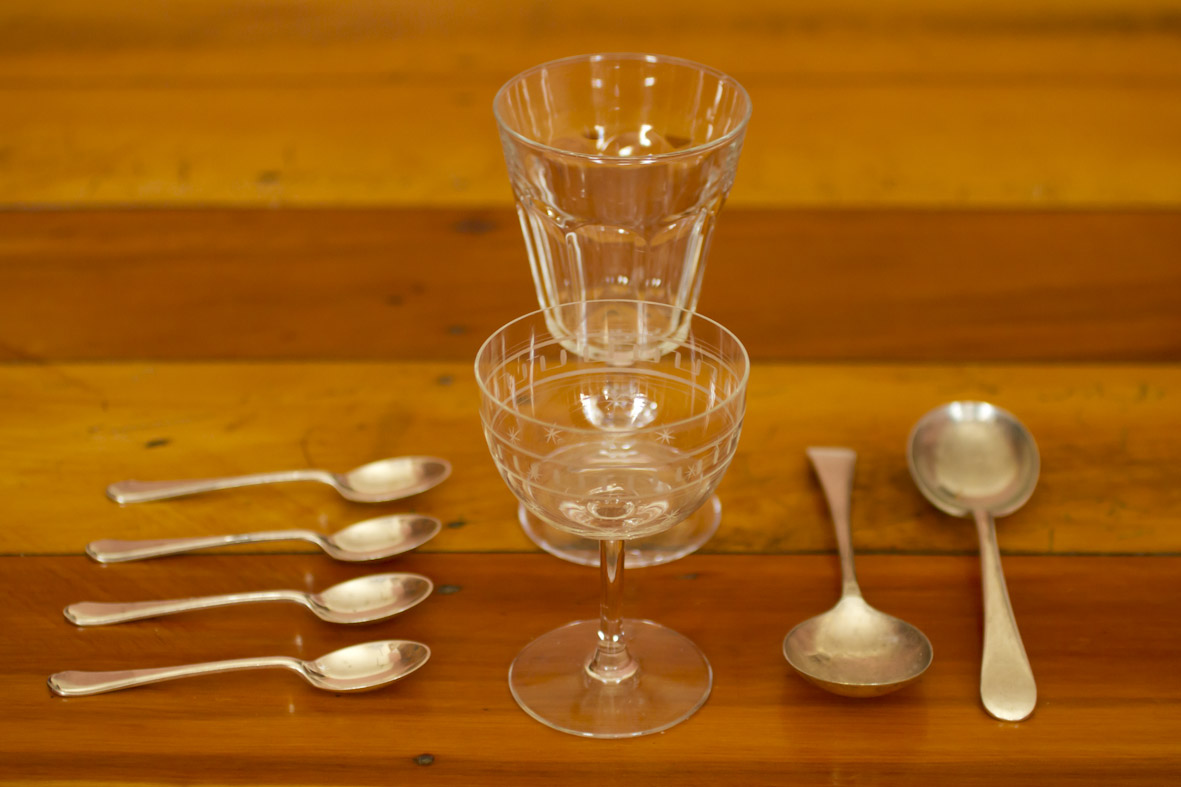
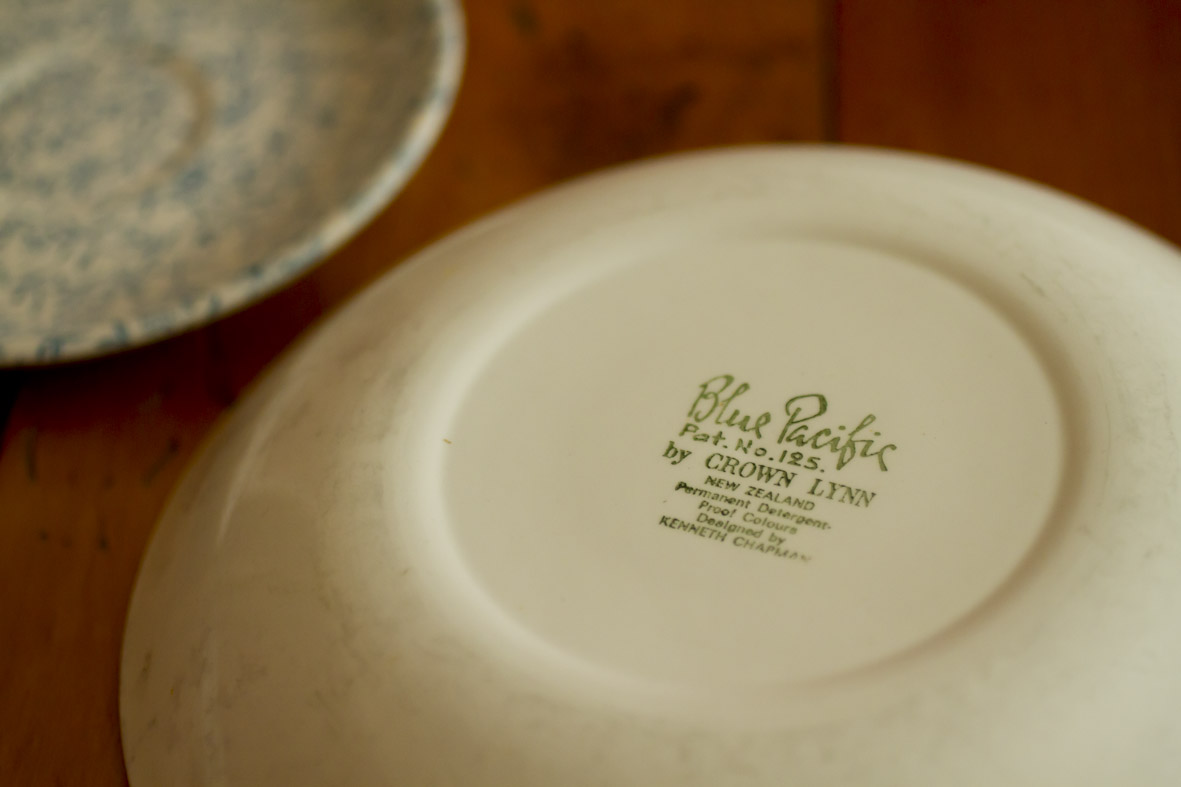
Não deu para fugir ao essencial: colchões, um berço de campanha, lençóis e toalhas de banho. Mas, na altura de comprar equipamento de cozinha, em vez de me dirigir ao supermercado mais próximo (não há Ikea na NZ), entrei em todas as lojas de caridade e velharias por que passei.
Os meus critérios foram barato e interessante. Barato a ponto de não pensar duas vezes antes de comprar; interessante de forma a que, mais tarde, tudo isto possa vir a ser usado nas nossas produções fotográficas caseiras, em festas de jardim, picnics, enfim.
Claro que nem tudo o que estamos a utilizar é em segunda-mão… o Tiago, apesar de ser uma pessoa extraordinária, às vezes tem pouca paciência para estas minhas idiossincrasias… quando se apercebeu de que eu me tinha esquecido de comprar facas e garfos (não me esqueci propriamente… mas tudo o que encontrei era feio ou caro), não hesitou em ir comprá-los ao supermercado.
Our container hasn’t arrived yet, which means that we came to live in a totally empty house. We went through the exact same thing three years ago in England: two weeks in a freezing house in the middle of nowhere, no car, no sofas, just two mattresses on the floor.
 
So we were forced to buy some basics. But because I don’t know how many times we’ll be in this position, I am extremely reluctant to keep buying the same things over and over again. If I really must buy, at least I want (cheap) things with some interest that will work in different contexts later on.
 
We couldn’t help spending money on essentials like mattresses, a portable cot, sheets and towels. But as far as kitchen kit goes, instead of heading over to the local supermarket (bearing in mind that there’s no Ikea in NZ) I went inside every single charity shop and junk shop I stumbled upon.
 
My criteria was cheap and interesting. Cheap to the point of buying it without giving it a second thought; interesting so everything can be used in our homemade photo shoots, in garden parties, picnics, etc.
 
Of course not everything we’ve been using is second hand… Tiago, albeit being an extraordinary person, sometimes is a little impatient in regard to my little extravagances… when he realised I had forgotten to buy knives and forks (I didn’t really forget… they were just either ugly or expensive) he went down to the nearest supermarket and bought a whole set of them.

(photos: Constança Cabral)