There are those recipes I keep using over and over again because they always work. I’ve already told you about these chocolate chip cookies but here’s the link again. Give them a try and never again will you be able to eat the ones from the supermarket!
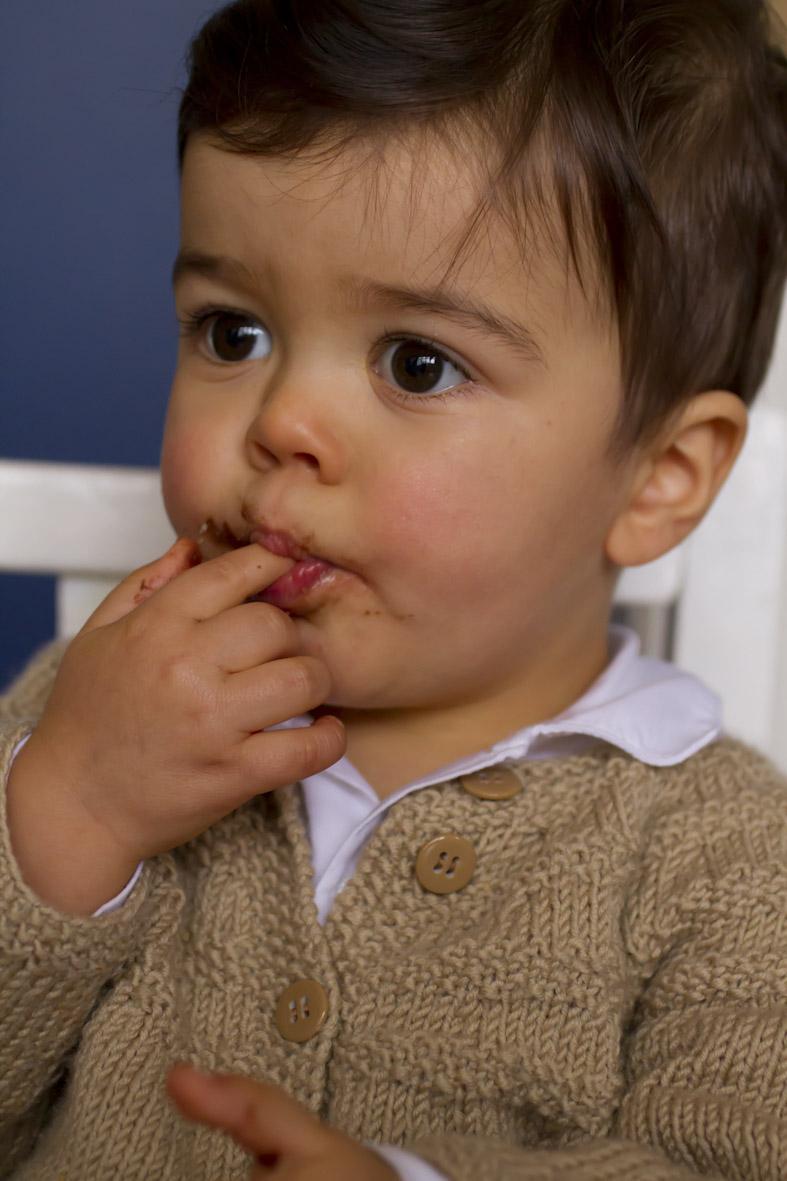
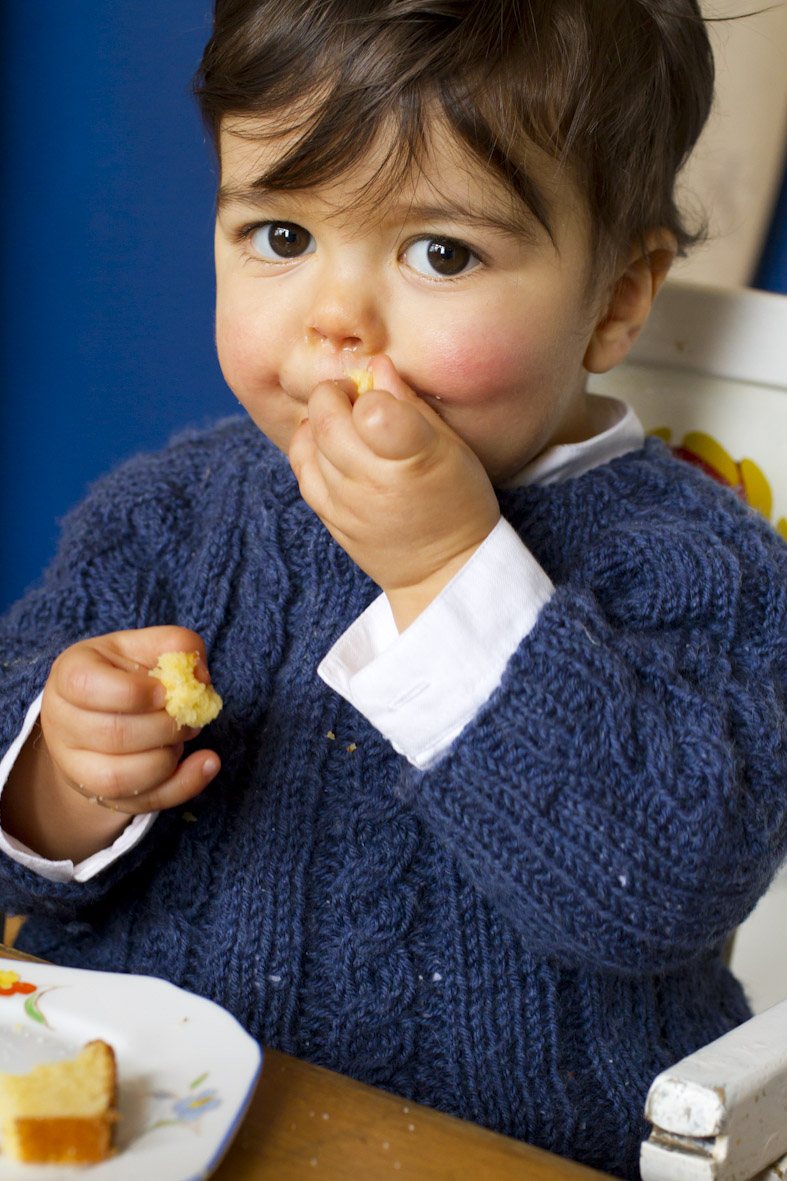
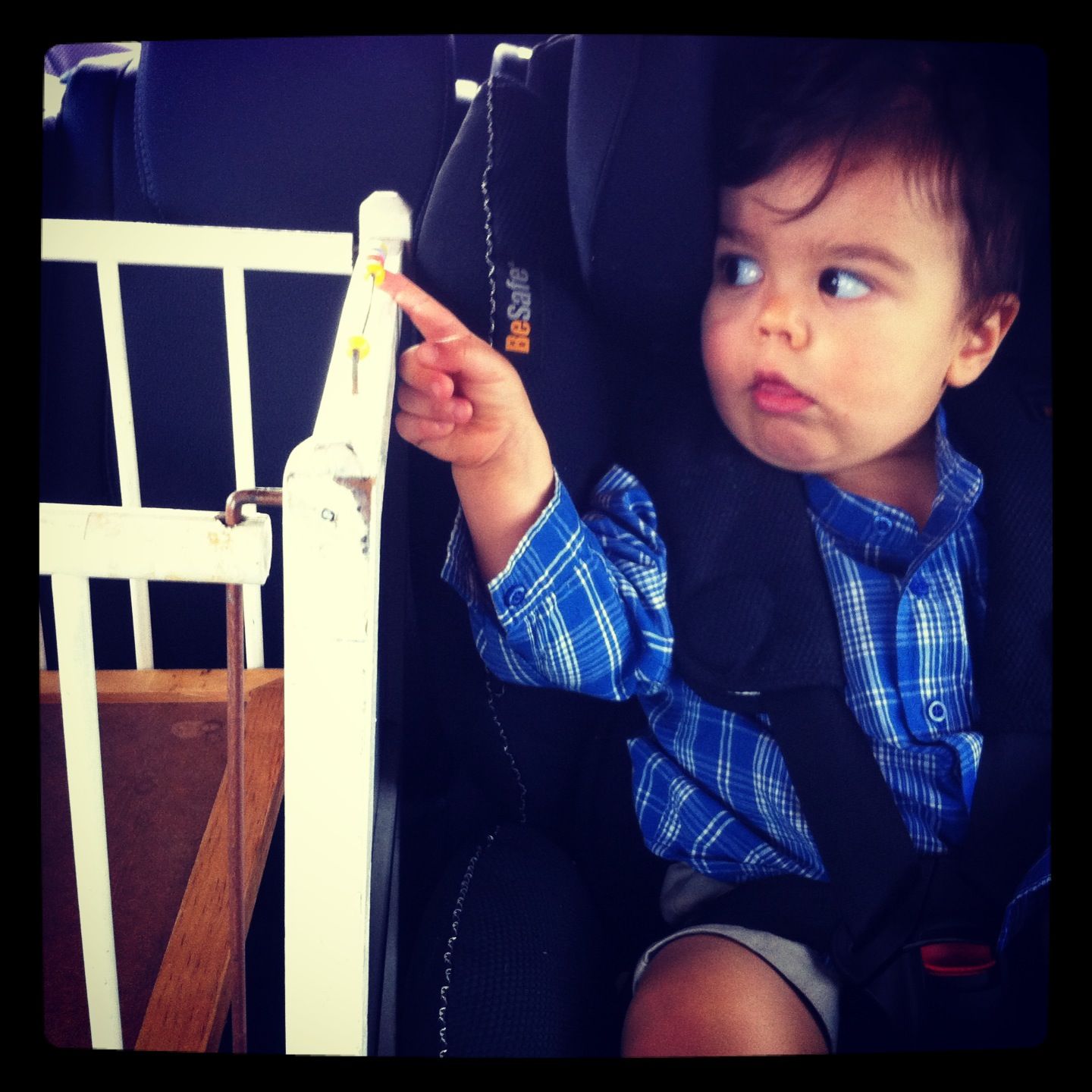
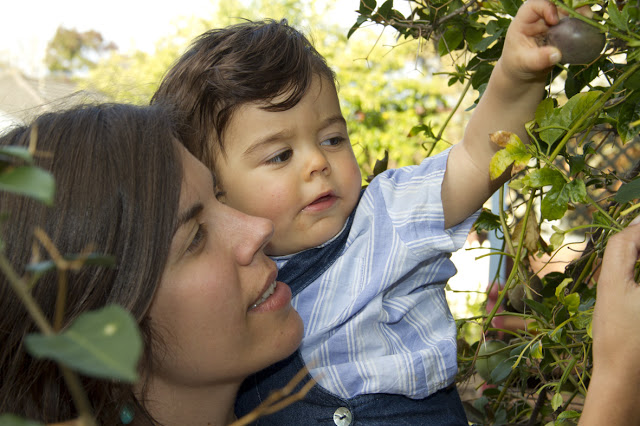
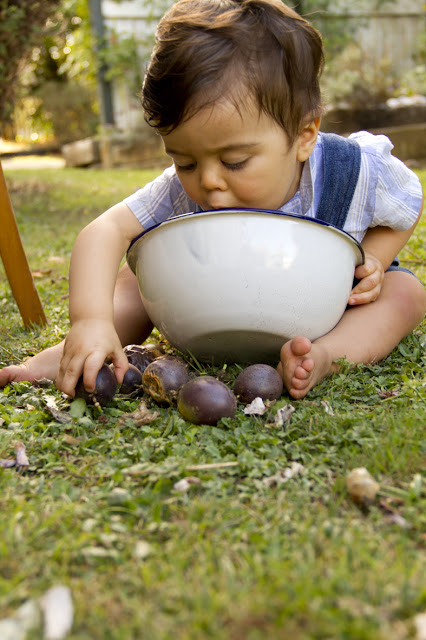
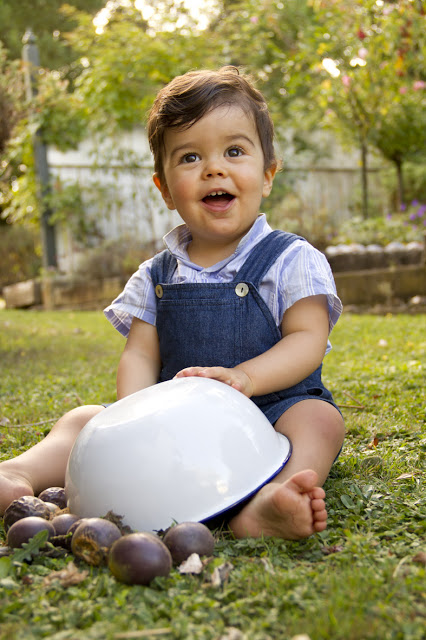
PS. I realise it may look as though Rodrigo is constantly eating sweets but I assure you that’s not the case… in fact, as soon as he saw his porridge bowl he started screaming for it and didn’t care about the biscuits anymore! The cardigan was knitted by my mother using a pattern from this book.
De Volta à Costura :: Back to Sewing
Manawatu Gorge
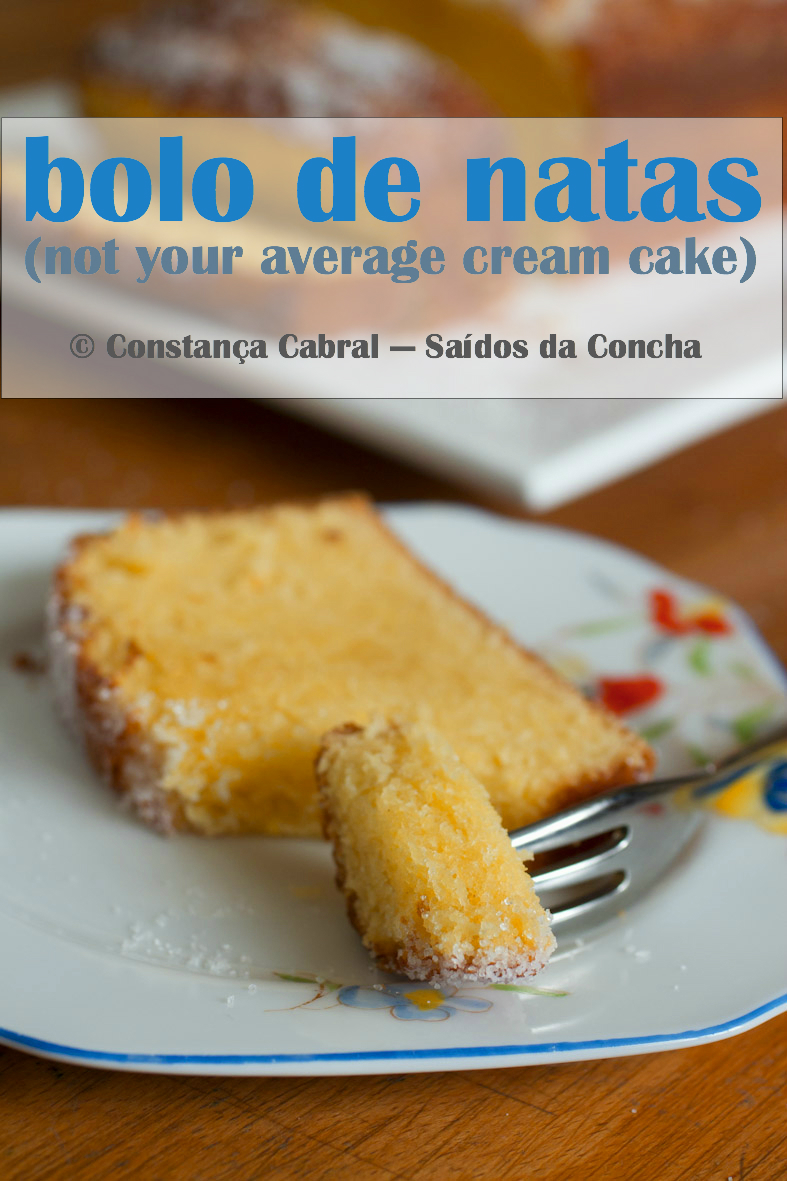
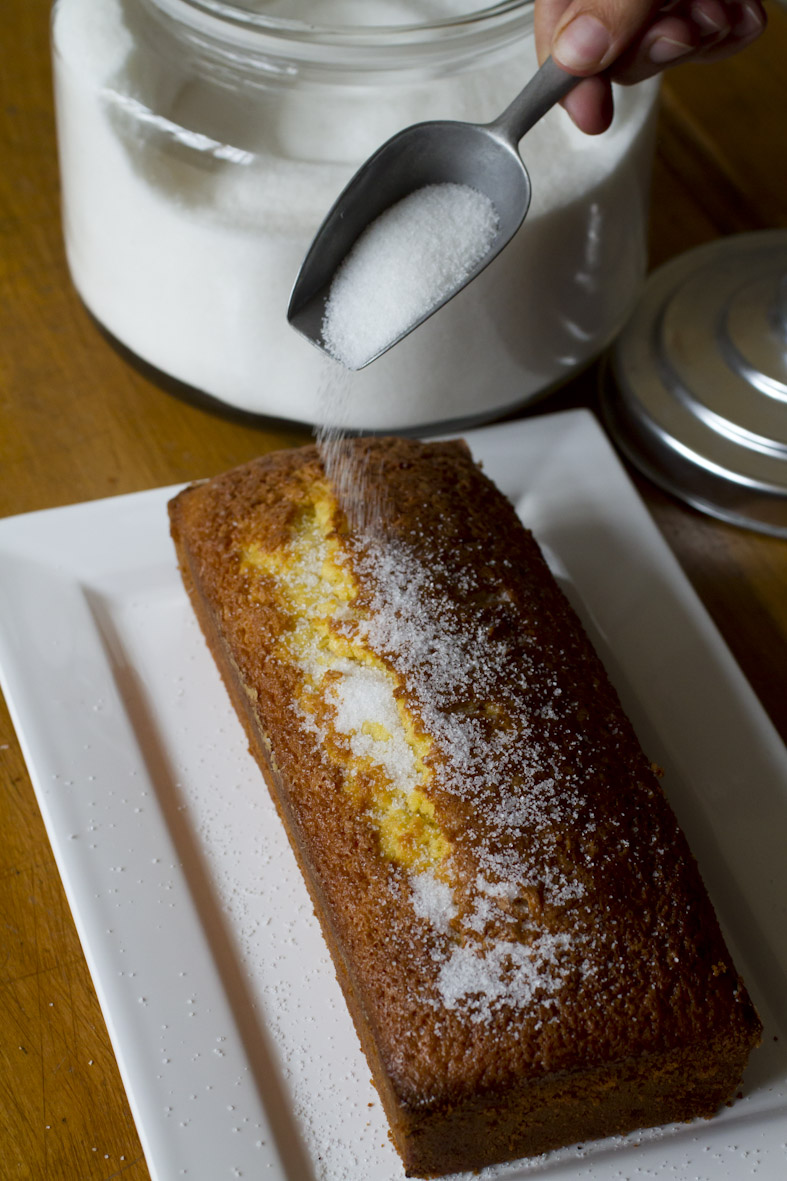
Bolo de Natas :: (Not Your Average) Cream Cake
Roupa de Criança :: Children’s Clothes
Roupa infantil é algo que me entusiasma. Há mães que não ligam nenhuma e que só querem é roupa prática, outras que são obcecadas e que gastam rios de dinheiro em toilettes todas as estações. Eu sou assim para o médio mais. Não me é indiferente aquilo que o Rodrigo veste por muitas razões: quero que ele tenha roupa confortável, com bons materiais e bem feita, e gosto que ele ande giro! Mas isto não significa que ele seja a montra do meu gosto, até porque 1- como não vivo em Portugal não tenho acesso fácil à roupa que por lá se vende (apesar de recebermos uns pacotes das avós de vez em quando); 2- sou incapaz de perder a cabeça com peças que só vão ser vestidas durante uns meses. Conclusão: as minhas decisões encontram-se bastante condicionadas. E como não tenho feito nem um décimo das coisas que tinha planeado para ele…
I love children’s clothing. Although I’m not obsessed, I’m also not indifferent to it — I admit it’s a subject that gets me really excited. Some mothers just want practical pieces that they don’t have to iron or be too precious about; others spend a fortune on elaborate outfits every season. I think I’m somewhere in between: I care about what Rodrigo wears because I want him to have nice quality clothes that are comfortable and that make him look cute! But he’s not a true reflection of my taste because: 1- I am very much inclined to the Portuguese and Spanish style but since I’m living so far away from the Iberian peninsula, I can’t really buy those clothes (although we do get sent the occasional box of clothes by both grannies); 2- I am on a budget; 3- I have lots of plans to sew clothes for him but I never seem to find the time or inclination to just do it. Must work on that!
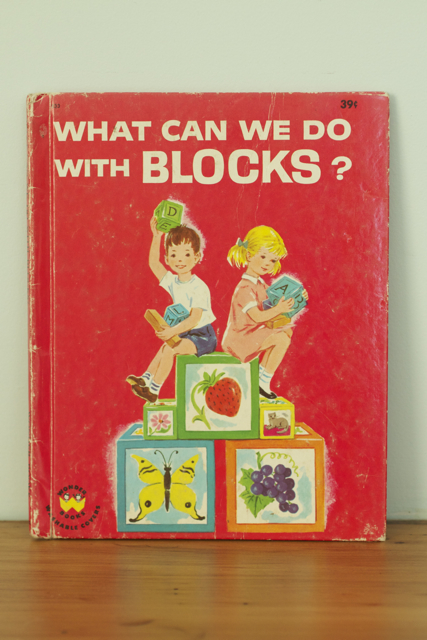
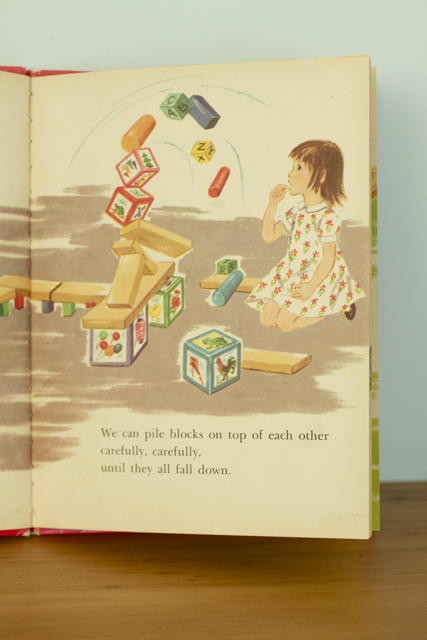
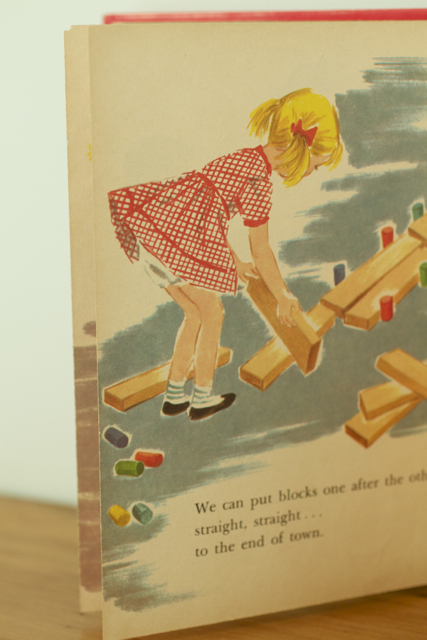
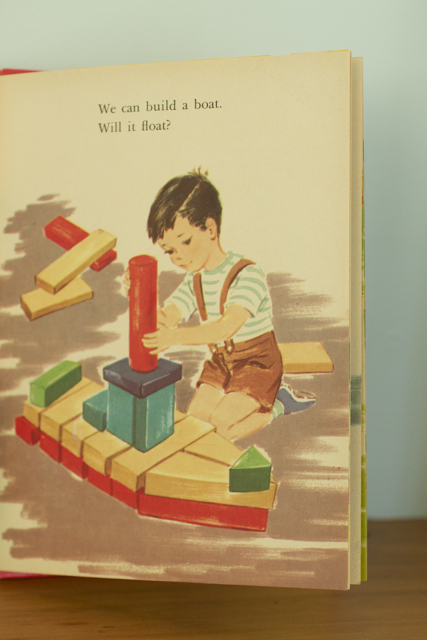
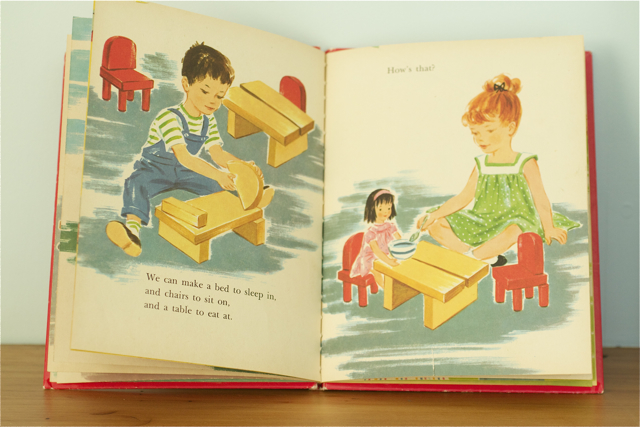
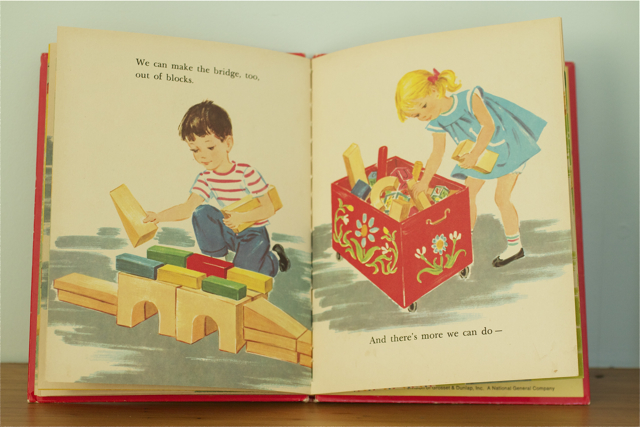
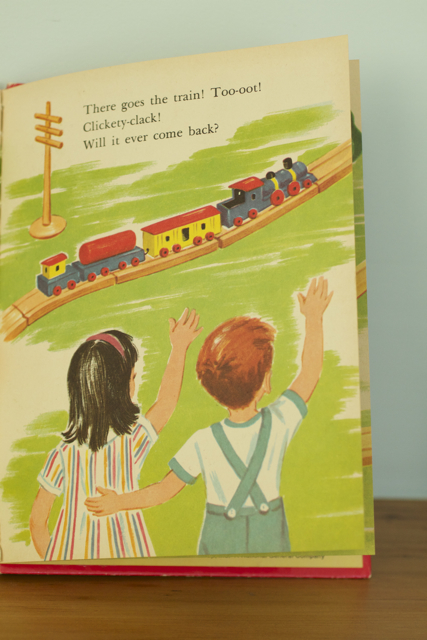
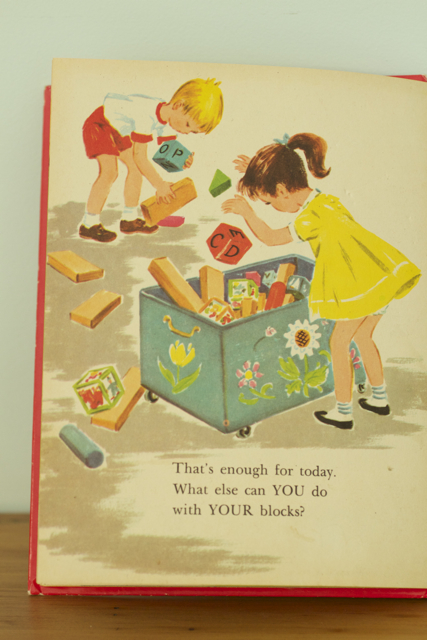
But why this post today? Well, I found a children’s book from the sixties (What Can We Do with Blocks?, 1964, Wonder Books, Inc) that shows exactly the kind of kids’ clothes that I love. A little bit classic, a little bit preppy, with vivid colours, clean lines and fresh details. Boys in dungarees and striped t-shirts, shorts and knee high socks, cabled jerseys and braces. Girls in dresses and ballet flats, shorts and tunics, and of course trousers and dungarees as well. I’m not too keen on lots of gathers and frills and lace. I like classic with a modern twist — sober but relaxed at the same time.
What about you, can you easily find exactly the type of clothing you like? I must admit I’m compiling a mental list of things I’d love to find in shops… Do tell me about your tastes in children’s clothing!
(photos: ©Constança Cabral)
Caça ao Tesouro :: Treasure Hunt
Toucador :: Dressing Table
No meu quarto de solteira havia um toucador em forma de rim, com uma saia às riscas e um tecido florido da Laura Ashley no tampo. Quando me casei o quarto não era suficientemente grande para duas cómodas e um toucador, e passei a arranjar-me na casa-de-banho. Não sou de me embonecar muito, mas não há dúvida de que um toucador, apesar de não ser fundamental, é algo muito agradável (e ultra-feminino).
Há anos que me apetecia voltar a ter um móvel assim. Fartei-me de procurá-lo em Inglaterra e agora aqui na Nova Zelândia, mas nunca consegui encontrar o toucador perfeito (ou, quando o encontrei, estava bastante acima do meu orçamento). Ao ler o The Perfectly Imperfect Home (um livro absolutamente delicioso que recomendo vivamente), deparei-me com a solução ideal: uma simples mesa coberta de tecido e um espelho.
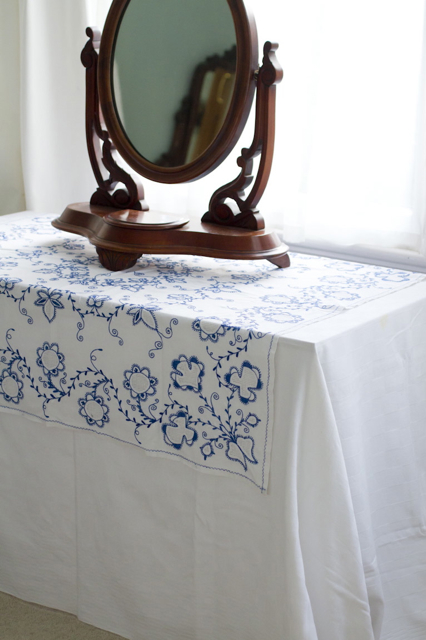
Para fazer a mesa, usámos um tampo de MDF e umas pernas do Ikea que tínhamos trazido na mudança. Depois de montada (o Rodrigo está a revelar-se um verdadeiro entusiasta do DIY… fartou-se de ajudar!), cobri-a com duas toalhas de mesa que já estão impróprias para consumo (cerzidas em demasiados sítios e com aquelas nódoas de humidade que são tão difíceis de tirar). O espelho foi comprado num antiquário em Woodville.
Estou toda contente porque não só tenho um toucador, como consegui pôr a uso duas toalhas que vieram das casas das nossas avós e que estavam praticamente destinadas à gaveta dos trapos.
In my room when I was a teenager there was a kidney shaped dressing table with a striped skirt and a Laura Ashley floral fabric on top. When we got married the room wasn’t large enough for two chests of drawers and a dressing table, so I used the mirror in the bathroom instead. However, a dressing table is a very nice thing indeed and I’ve been longing for one for years.
I searched high and low for a beautiful, affordable dressing table without any success (the pretty ones tend to be over my budget). And one day whilst reading The Perfectly Imperfect Home (a delightful book that I highly recommend), I found the answer: a simple table covered in fabric and a mirror.
To make the table we’ve used an inexpensive MDF board and some spare Ikea table legs we had in the garage. After putting the table together (Rodrigo was a great little helper… he shows signs of being very keen on DIY!) I covered it with two old tablecloths that were in a terrible state: darned in too many places and full of those yellow spots that are so hard to get rid of. The mirror was bought in a nice antique shop in Woodville.
I’m really happy, not only because I now have my own dressing table, but I also rescued two towels that used to belong to our grandmothers that were destined for the rag bag.
(photos: ©Constança Cabral)
Curd de Maracujá :: Passion Fruit Curd
(photo: Tiago Cabral)
Maracujás :: Passion Fruit
Memórias Livrescas :: Bookish Memories
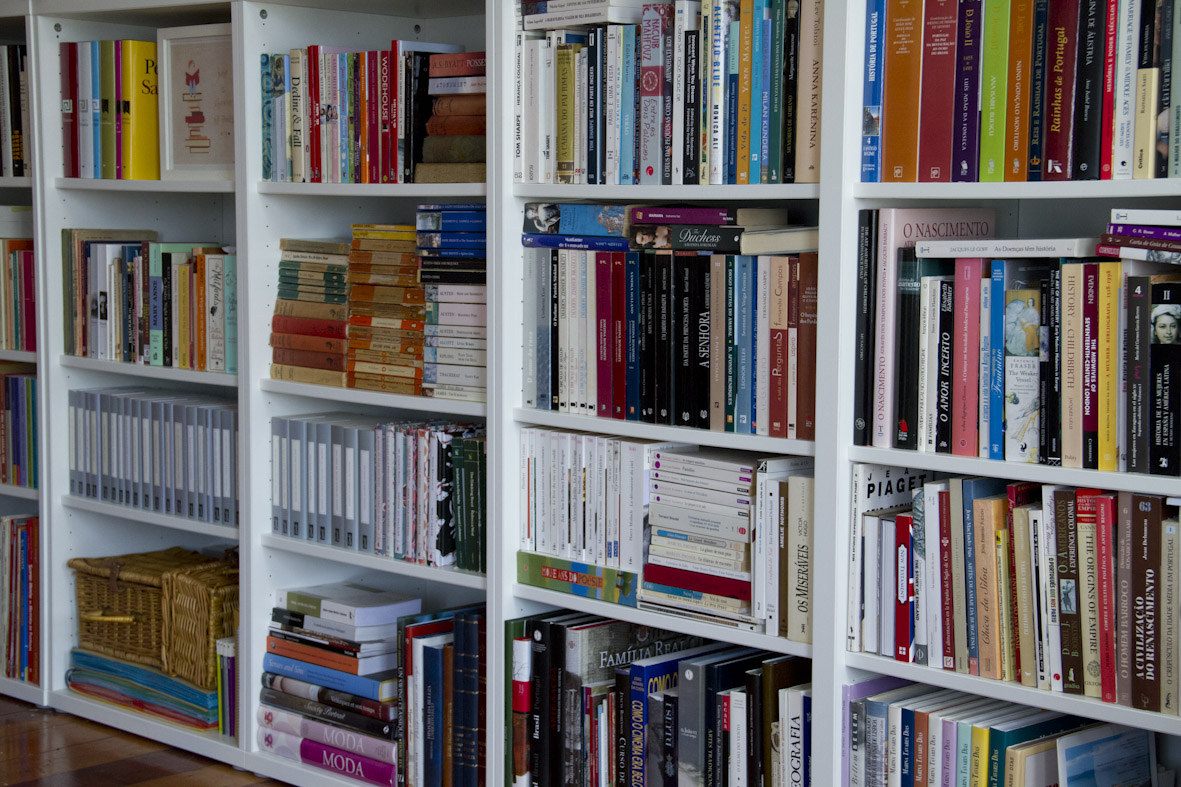
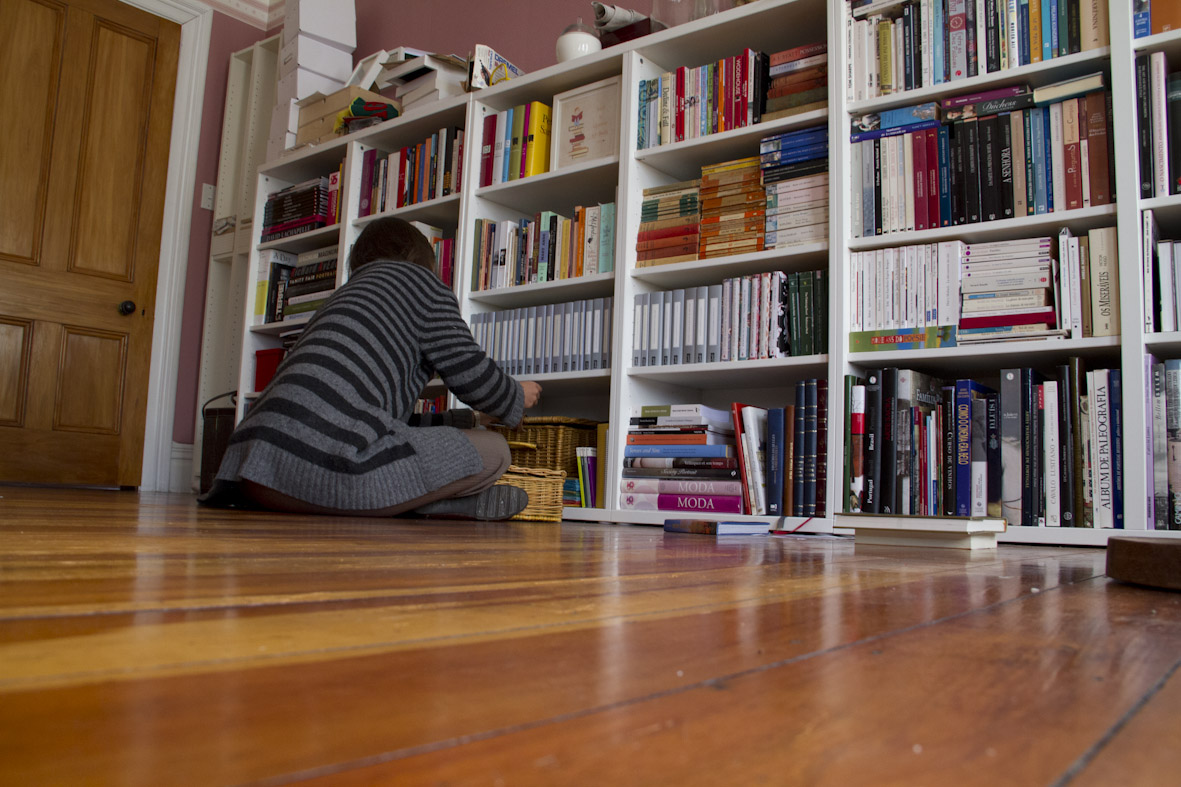
Arrumar os meus livros na estante da sala tem tido um efeito curioso: o enredo do livro mistura-se com as minhas recordações de quando o li. Há livros que me transportam imediatamente para um sítio e uma época: a tetralogia da Luísa Beltrão (que pertence ao meu pai, por isso não está nesta estante) leva-me imediatamente para os tempos do liceu, quando vivíamos numa casa comprida e escura nas Avenidas Novas, e nas tardes de fim-de-semana eu ocupava o canto mais soalheiro da casa a ler. Essa salinha mais tarde foi transformada em sala de pequenos-almoços, mas no início tinha um cadeirão antigo forrado a chintz cor-de-vinho perfeito para ler e falar ao telefone. Devorei os quatro livros nesse cadeirão, ao som de um CD de músicas dos anos 60 (sempre em repeat).
Filling up my bookshelves has brought back so many memories. It’s curious how the plot of a particular book becomes entwined with my own circumstances when I read it… some books take me right back to a specific time and place. Luísa Beltrão’s tetralogy (a family saga set in Portugal in the 19th and 20th centuries) transports me to my mid-teens when we lived in a long, rather dark, ancient flat in Lisbon — on weekends my books and I would take possession of the sunniest corner of the sitting room. That tiny space was later turned into a breakfast room but during those early times it had an old armchair covered in burgundy chintz that was perfect for reading and chatting on the phone. I devoured those four books seating on that armchair and listening to a CD of 60s pop music.
Persephone books… I started reading them when I was just married and they showed me a provincial England where I went to live a couple of years later. In The Diary of a Provincial Lady (I own a very pretty Virago edition) I had my first encounter with bulb forcing (and some time later I tried doing it myself). Other books make me think about my granny’s home, with its study filled with bookshelves from top to bottom — some of those books actually helped me win a two-week trip to Brazil when I was 18. When I pick up my books on Women’s History I think about my master’s essay that was left unfinished and wonder if I’ll ever return to it. Jorge Amado’s novels gained new colours when I visited Ilhéus on that same trip to Brazil. The Portuguese classics remind me of my first foray into proper, grown-up literature (Eça de Queiroz at my parents’ home, Júlio Dinis at my granny’s) and scream for me to read them again as my Portuguese is getting some horrible foreign traces… And I won’t even mention childhood books — those were all left in Portugal.
What about you, do you also have blurry memories of books and life?
(photos: Tiago Cabral)