Blog Love

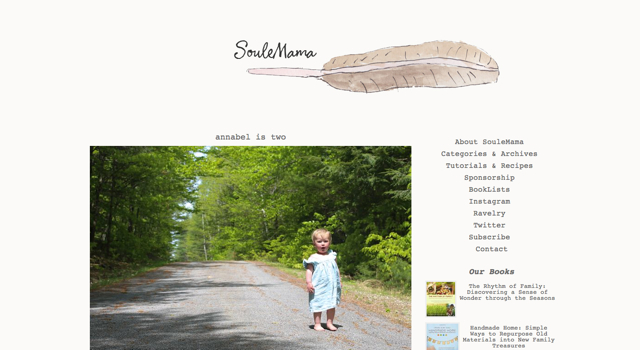
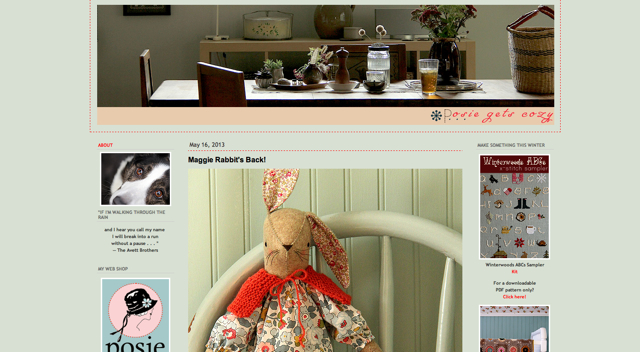
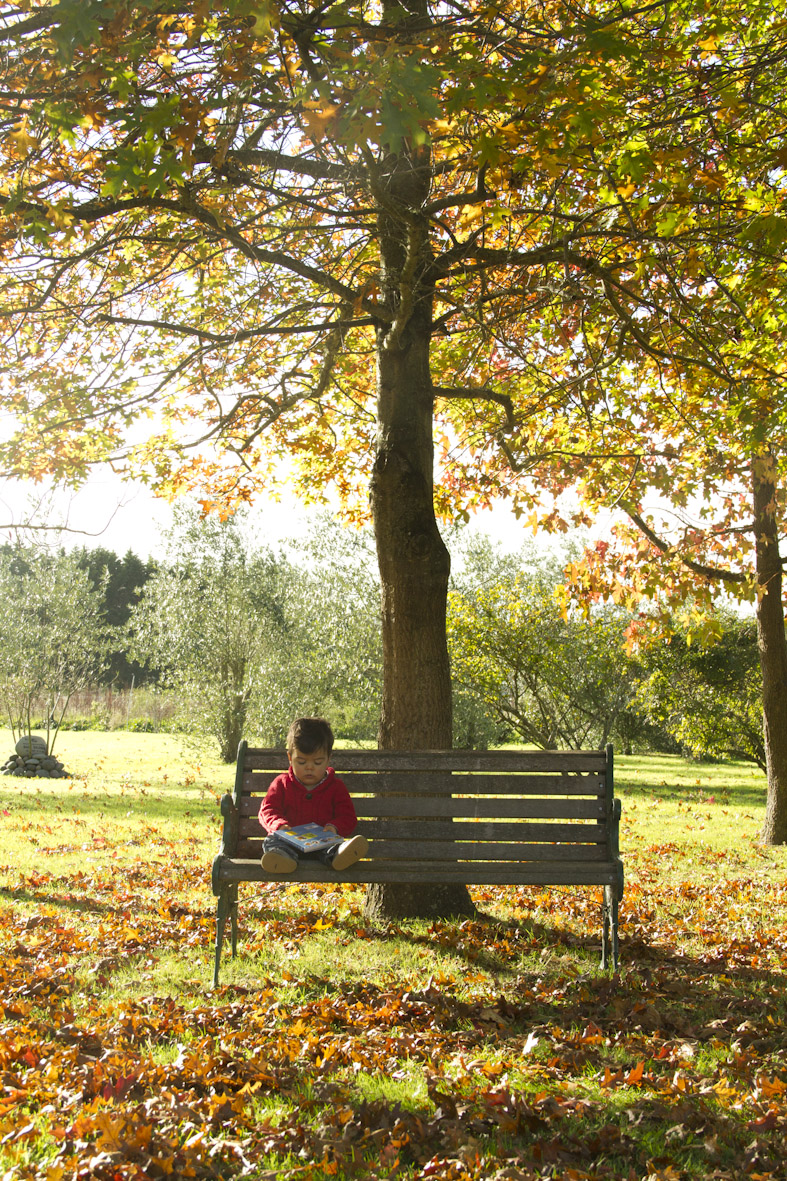
Há uns meses deixei de ter blogroll (aquela lista dos blogs que sigo). A verdade é que muitos dos links já estavam desactualizados e hoje em dia (leia-se: desde que tenho o Rodrigo) passo muito menos tempo na internet. Mas continuo a ler alguns blogs e, curiosamente, dois dos meus preferidos são blogs que leio há 6 ou 7 anos, blogs que me entusiasmaram desde o início, que fizeram com que eu quisesse fazer parte desta comunidade online, e blogs com os quais me continuo a identificar. São blogs serenos, inspiradores e muito humanos. Estou a referir-me ao Soulemama e ao Posy gets Cozy. Acompanho a vida destas duas mulheres, entro em casa delas, assisto ao nascimento de filhos, espanto-me com conquistas do dia-a-dia, pasmo com a maneira como mostram a natureza que as rodeia, delicio-me com as caras dos seus bebés. Sinto-me em sintonia com elas e gosto da maneira como encaram o mundo. 
Há blogs para todos os gostos. Eu prefiro aqueles que transmitem coisas boas e que me fazem querer ser uma pessoa melhor.
E vocês, quais são os vossos blogs de eleição?

Some months ago I deleted my blogroll (that list of blogs I follow). Truth is, many of those links weren’t working anymore and nowadays (i.e. since Rodrigo was born) I spend less time on the internet. But I still enjoy reading blogs and, interestingly enough, two of my favourite blogs are blogs I’ve been reading for 6 or 7 years. They’ve proved to be exciting to me from the start, they’ve made me want to be a part of this online community and I still identify myself with them. They are serene, inspiring and profoundly human. I’m talking about Soulemama and Posy gets Cozy. I’ve been following the lives of these two women for years, they’ve invited me into their homes, I’ve witnessed the birth of their children, I’m in awe of their daily conquests, I’m amazed at the way they portray nature, I delight in their babies’ faces. I feel in sync with them and I like the way they envisage the world.

There is a blog for every possible taste. I prefer those that convey good feelings and that make me want to be a better person.

What about you, what are your favourite blogs?

(photos: © Amanda Blake Soule & Alicia Paulson)

Madalenas Mergulhadas em Chocolate :: Chocolate Dipped Madeleines

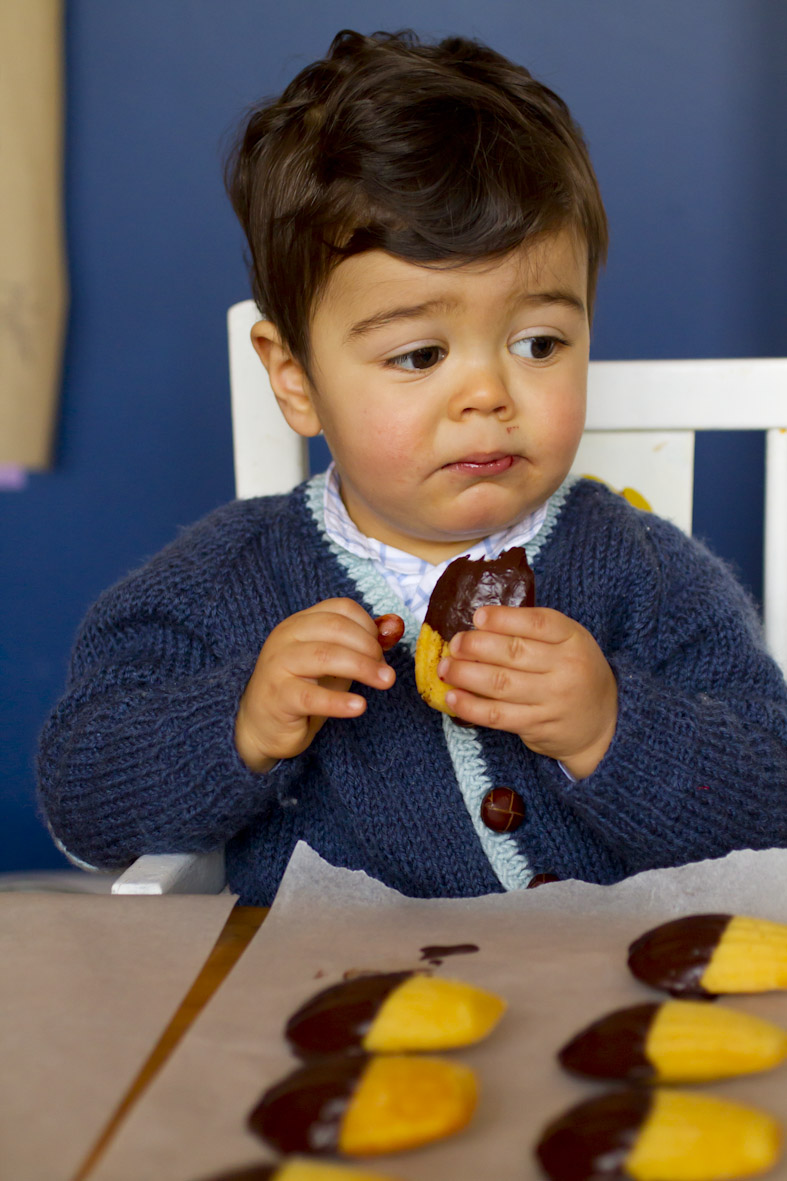
Há uns tempos demos um jantar cá em casa e lembrei-me de fazer madalenas para oferecer com o café. Usei a minha receita como base, mas fiz algumas alterações: substituí a raspa de limão por laranja e, em vez de polvilhá-las com icing sugar, resolvi mergulhá-las em chocolate preto.
O chocolate que uso para cozinhar é exactamente o mesmo que gosto de comer no dia-a-dia — com isto quero dizer que não utilizo chocolate de culinária género Pantagruel nos meus bolos e sobremesas. (Chocolates de luxo são outro assunto — hoje estou a falar do chocolate que como diariamente.) Isto não é uma questão de snobeira, mas sim de gosto: quanto melhores os ingredientes, melhor o produto final. As marcas que prefiro variam conforme o país onde estou: em Inglaterra e aqui na NZ uso Green & Black’s 70% Cocoa (o Maya Gold também é óptimo), na Bélgica adoro o Côte d’Or Fondant Puur e em Portugal compro o melhor chocolate preto que houver nas prateleiras do supermercado (imagino que já haja mais variedade do que há 3 ou 4 anos por isso não vou indicar marcas).
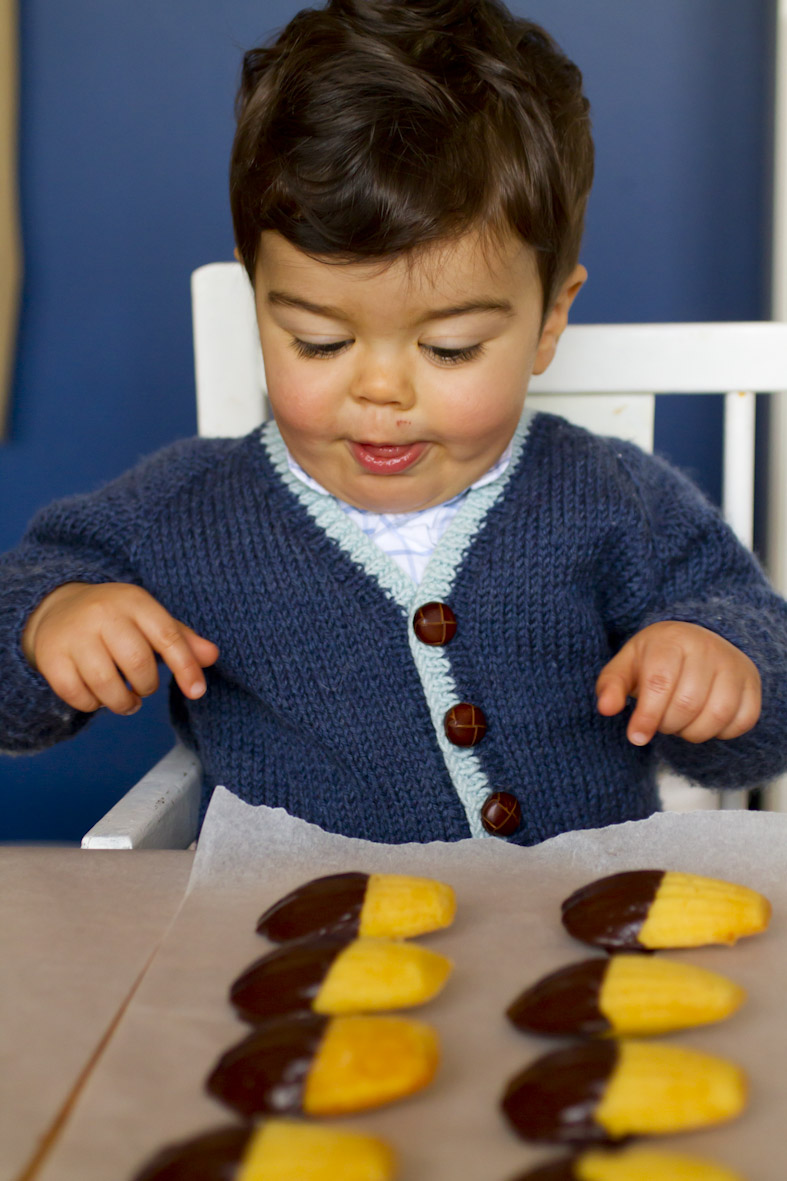
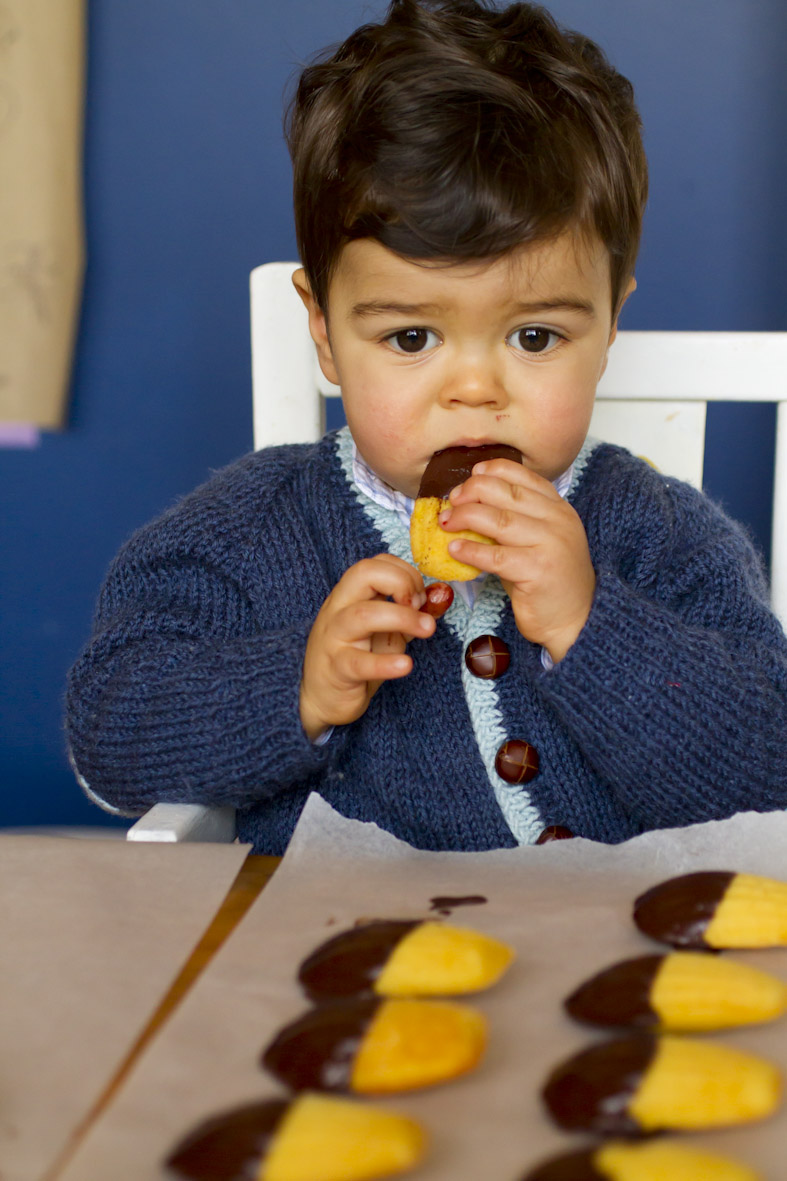
Agora, nem toda a gente gosta de chocolate preto. É intenso e ligeiramente amargo, sim. E não é muito doce. Daí a reacção do Rodrigo às madalenas: entusiasmo inicial, surpresa quando deu a primeira dentada e decepção no final. Mas nós adultos adorámos!
Some weeks ago we gave a dinner party and I decided to bake madeleines to offer along with coffee. I used my basic recipe but made a few alterations: I substituted grated lemon rind for orange and instead of dusting them with icing sugar, I dipped them in dark chocolate.

The chocolate I use in the kitchen is exactly the same one I eat — by this I mean that I don’t buy cooking chocolate. (Luxury chocolate is a whole different ball game — today I’m talking about everyday chocolate.) This isn’t a question of snobbery, it’s simply a matter of taste: the better the ingredients, the better the outcome. The brands of chocolate I prefer depend on the country I’m in: in England and here in NZ I use Green & Black’s 70% Cocoa (Maya Gold is also great), in Belgium I love Côte d’Or Fondant Puur and in Portugal I buy the best I can find on the supermarket shelf. 

Now, not everybody likes dark chocolate. It’s intense and a bit bitter. It’s not too sweet. Hence Rodrigo’s reaction when he tasted the madeleines: he was excited at first, a bit surprised after the first bite and disappointed in the end. But us adults loved them!

(photos: © Constança Cabral)

Work in Progress


Ainda não vos mostrei quase nada desta nossa nova casa porque, apesar de ter muito potencial, óptimas áreas e pormenores muito bonitos, há muita coisa que tem de ser mudada. Papéis de parede (e frisos de papel de parede!), uma cozinha disfuncional, linóleos duvidosos nas casas-de-banho, cortinados indescritíveis e esquemas cromáticos malucos… vamos andar entretidos durante muuuito tempo.
O ideal teria ter feito isto à portuguesa: grandes obras antes de nos termos mudado, tudo de uma vez e nada feito por nós próprios. Mas, por tantas razões, isso esteve fora de questão. E o potencial desta casa vai ter de ser preenchido, principalmente por mim e pelo Tiago, ao longo dos próximos meses (anos?).
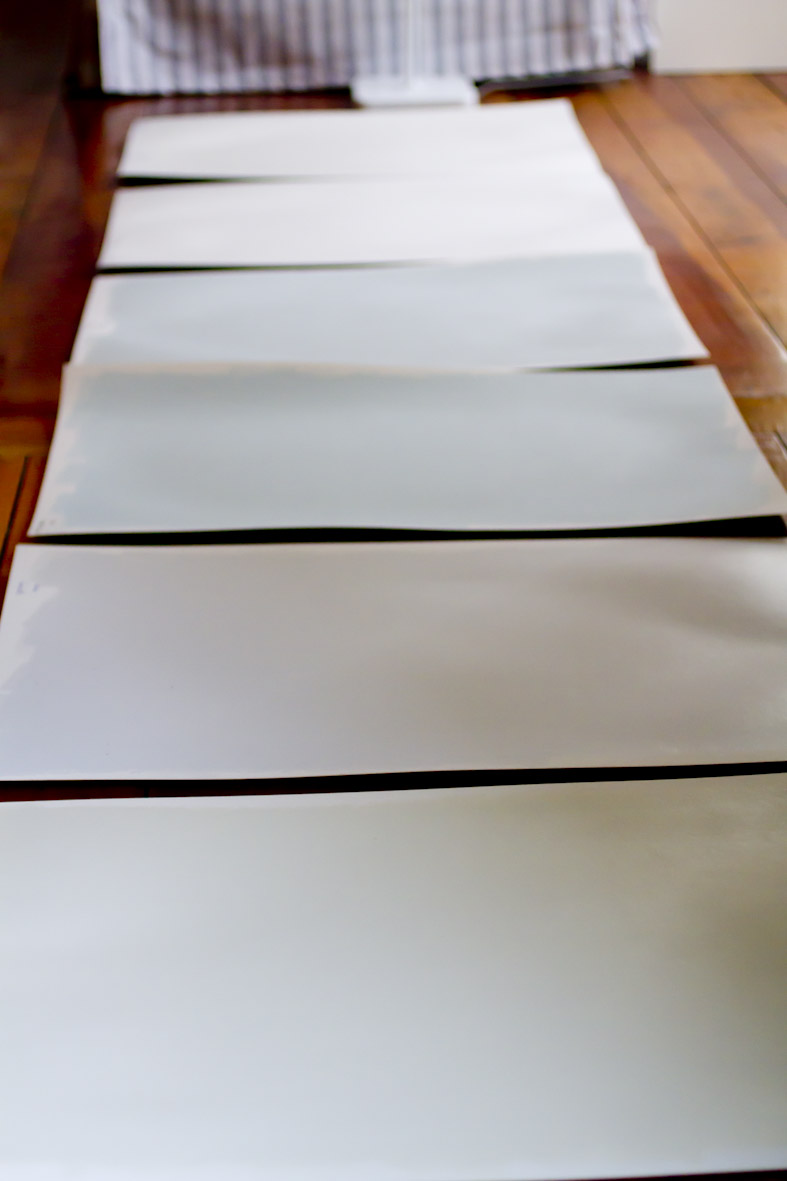
Primeiro passo: escolher as cores das tintas para as paredes. Branco para os quartos, cinzento-claro para as salas e um azul-esverdeado-acinzentado para o corredor. Passei uma manhã a testar amostras mas acho que ainda não acertei nos tons…
I still haven’t shown you much of our new house because, although it’s got a huge potential, great areas and some very beautiful details, there is a lot that needs to be done. Dated wallpapers (and wallpaper borders!), a dysfunctional kitchen, bathroom floors covered in linoleum, ornate drapes and creative colour schemes… I think we’re going to be busy for a while.
 
I would have loved to have done this the Portuguese way: a major renovation before we’d moved in, all in one go and nothing made by ourselves. But for so many reasons that was completely out of the question. And thus the potential of this house is going to have to be fulfilled mainly by Tiago and myself over the next few months (years?).
 
First step: choosing paint colours for walls. White for the bedrooms, light grey for the sitting- and dining room and a blueish-greenish-greyish for the corridor. I’ve spent a morning testing colours but I still haven’t found the perfect shades…
 
(photos: © Constança Cabral)
Calças de Pijama :: Pyjama Bottoms

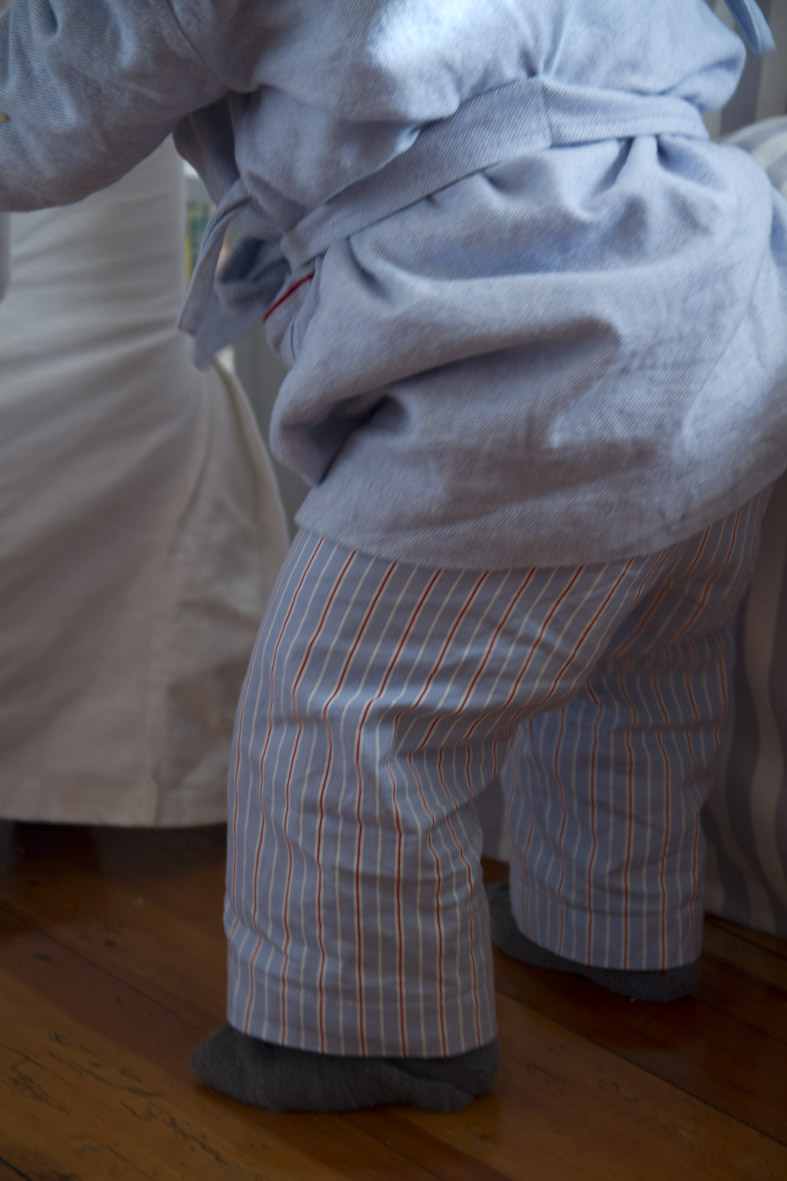
O Rodrigo precisa de umas quantas calças de pijama novas. Há um certo paradoxo na roupa infantil: por um lado, as crianças crescem tão depressa que não parece fazer sentido ter muita roupa mas, por outro, a rapidez com que a roupa fica suja e gasta faz com que seja necessário ter bastantes peças (pelo menos no caso de pessoas que não têm nem querem ter um secador de roupa… talvez um dia venha a ser mesmo indispensável, mas vou adiando o mais possível a compra de tal máquina).
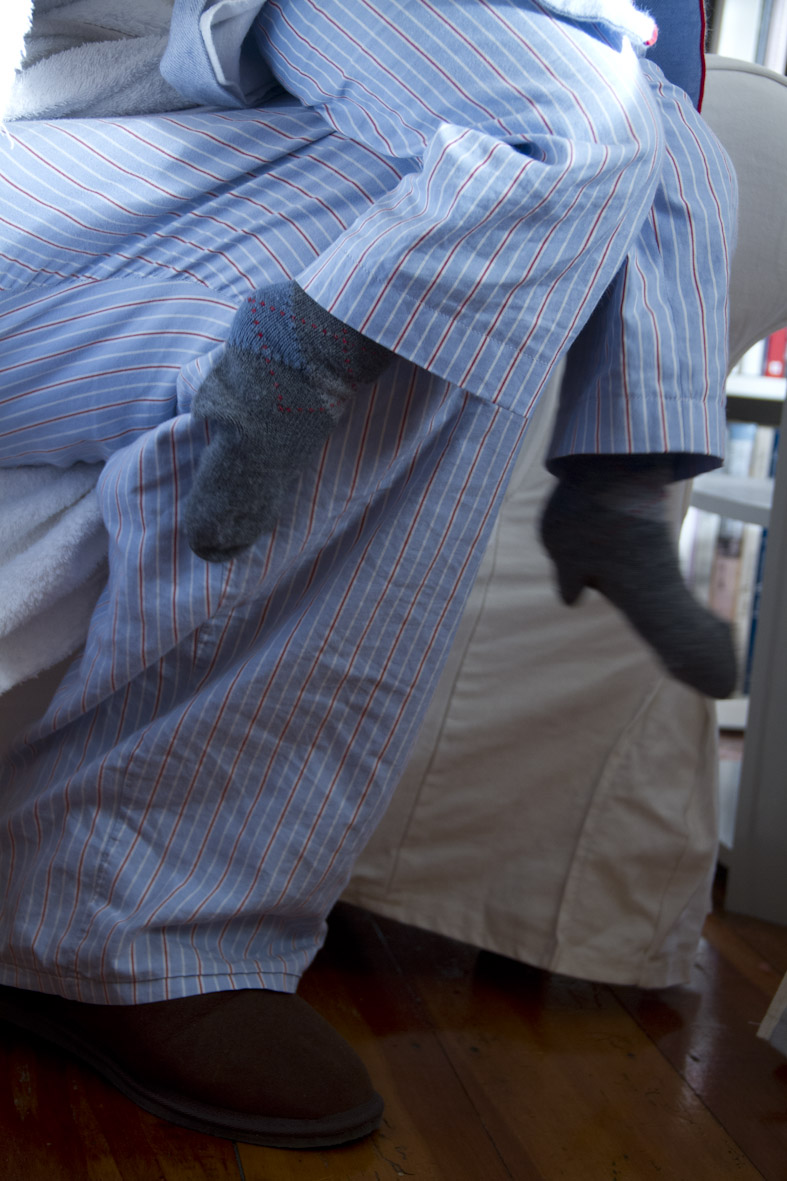
Segui um molde Oliver+S (a versão digital dos Bedtime Story Pajamas) mas com pequenas modificações: apesar de ter cortado o tamanho 18-24 meses (que, por falar nisso, fica quase-demasiado-justo), prolonguei a altura das pernas até ao tamanho de 3 anos — assim as calças duram mais tempo (isto se não se rasgarem entretanto) e pude fazer uma (generosa) bainha normal, em vez de usar tiras de tecido para as debruar, como as instruções indicavam. 
Por graça, fiz as calças do Rodrigo com o mesmo tecido que usei há 4 anos para fazer umas calças de pijama para o Tiago. Tal pai, tal filho!
Rodrigo needs a couple of new pairs of pyjama bottoms. There’s a certain paradox associated with children’s clothing: on the one hand, kids grow so quickly that there’s no point in them having a lot of clothes; however, their clothes often get stained and worn out  and that why it’s convenient to have a few extra pieces (especially as I don’t have and don’t want to buy a tumble dryer… maybe one day it’ll be indispensable but for now I’m postponing it as much as I can).

I followed a pattern by Oliver+S (the digital version of the Bedtime Story Pajamas) with some minor alterations: although I cut a size 18-24M (which, by the way, turned out almost-too-small), I lengthened the legs by cutting them a size 3T — that way the trousers will hopefully be worn a bit longer (provided that they don’t get destroyed in the meantime) and also because that enabled me to sew regular hems (albeit quite generous ones), bypassing the need to bind them with an extra piece of fabric (as per instructions). 

When I was picking out the fabric, I thought it would be fun to choose the same material I used 4 years ago to make a pair of pyjama bottoms for Tiago. Like father, like son!

(photos: © Constança Cabral)

Outono :: Autumn

O Outono na Nova Zelândia tem sido bastante suave. Nuns dias chove, noutros dias faz sol, algumas árvores mudam de cor, avistam-se umas bagas à beira da estrada. Às vezes tenho saudades do espantoso Outono inglês, mas depois lembro-me do frio e da humidade e consolo-me com este Outono mais ao gosto português.
Autumn in New Zealand has been quite mild. Some days it rains, some days the sun shines, a few trees change colours, berries can be spotted on roadside verges. I often miss the spectacular English autumn but then I remember the cold and the damp and I find a lot of comfort in this rather Portuguese-flavoured autumn.

(photos: © Constança Cabral)
Bicarbonato de Sódio :: Bicarbonate of Soda


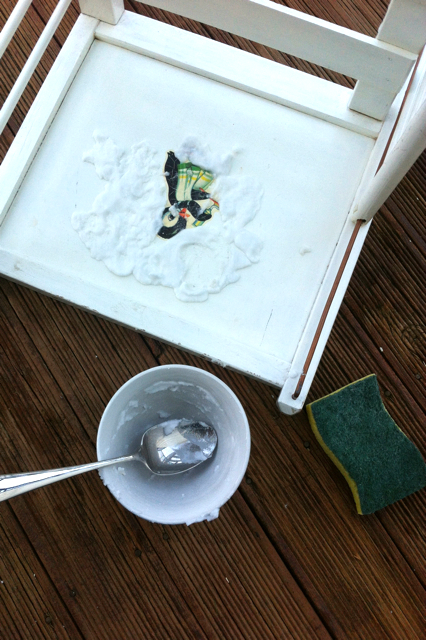
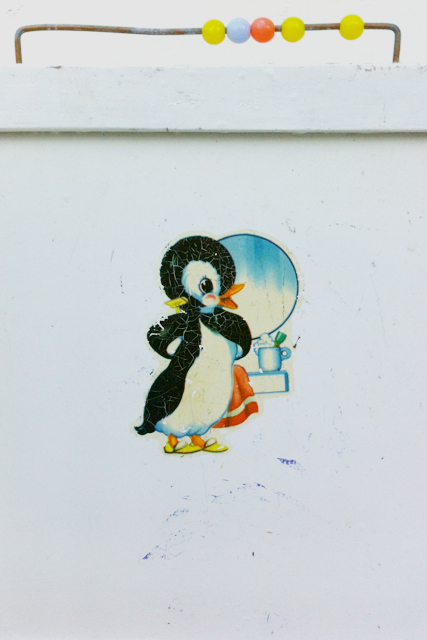
(antes :: before)
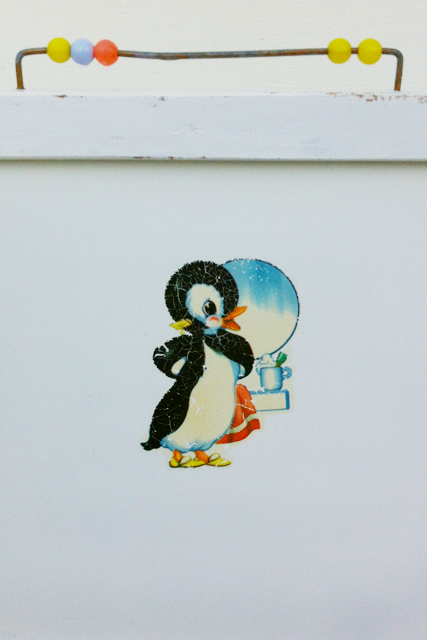
(depois :: after)


Não sou a primeira pessoa nem serei com certeza a última a exaltar as fantásticas propriedades do bicarbonato de sódio. Entre as suas mil e uma utilizações possíveis, é um poderoso agente de limpeza. Já experimentaram? Basta misturar um bocado de água até fazer uma pasta, esfregar e sai (quase) tudo!
(apesar de não ter nenhuma filha, não resisti a esta cama de bonecas — aliás, acho que vou fazer um colchão, lençol, cobertor e colcha… só para mim!)
I’m not the first and I won’t be the last person to praise the virtues of good old bicarbonate of soda. Amongst its 101 possible uses, it’s a powerful cleaning agent. You simply mix it with water to make a paste and then scrub away. Most of the dirt will come out!
 
(although I don’t have any daughters, I couldn’t resist this doll bed — in fact, I think I’m going to make a mattress, top sheet, blanket and quilt for it… just for me!)
 
(photos: © Constança Cabral)

Informalizar o Serviço Bom :: Dressing Down Your Best China


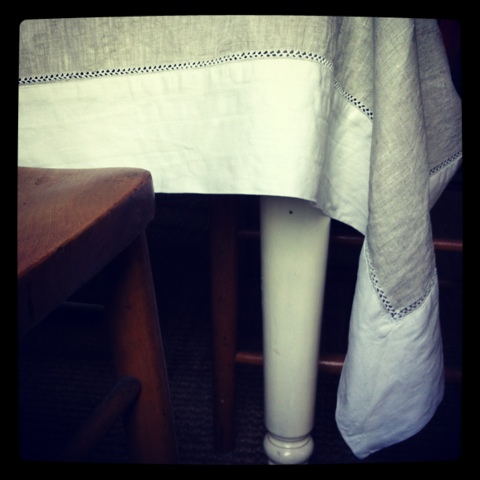
No fim-de-semana passado demos um jantar cá em casa e tirei estas fotografias com o telemóvel enquanto estava a pôr a mesa. Já conversámos aqui sobre esta questão de ter ou não um “serviço bom” (esse post teve muitos comentários e eu gostei imenso de ler as vossas opiniões sobre o assunto). Quando chegou a altura de pôr a mesa, a escolha da toalha não estava a ser fácil. Não tenho assim tantas toalhas (quem me dera ter um esplêndido enxoval!) e aquelas que tenho ou são demasiado descontraídas (e mostram bem que têm sido muito usadas no dia-a-dia) ou são demasiado delicadas e formais para o tipo de jantar que íamos dar. Felizmente lembrei-me de que tinha esta toalha de linho, que comprei em Lisboa quando me casei, e que é a toalha perfeita para aquele meio-termo que a mãe apelida de “prático-bom”: arranjadinha q.b. mas nem demasiado trabalhada (o que tornaria o jantar muito cerimonioso), nem demasiado simples (o que seria um bocadinho ridículo com estes pratos). Copos normais e uns molhos de alecrim do nosso jardim ajudaram a compor a mesa para o jantar.
These are just two snapshots I took with my phone while I was setting the table for a dinner party we gave last week. We have talked before about whether or not it makes sense to own expensive dinnerware that isn’t intended for everyday use (this was such a popular post — I really enjoyed reading about your opinions on the matter). As I was setting the table, I was struggling with my choice of tablecloth. I don’t own that very many tablecloths (even though I would love to have a splendid trousseau!) and the ones I have that aren’t stained or worn out were a bit too lacey and formal for the dinner party we were giving, especially when paired with this delicate china. Fortunately I remembered I had this linen tablecloth I bought in Lisbon when we were first married. It is the perfect middle ground cloth — not too precious and not too casual — and it does a nice job at dressing down this china. Everyday glasses and minimal table decorations (those are sprigs of rosemary from the garden) helped to complete the look I was after.
(photos: © Constança Cabral)

Geleia Novamente :: Jelly Yet Again

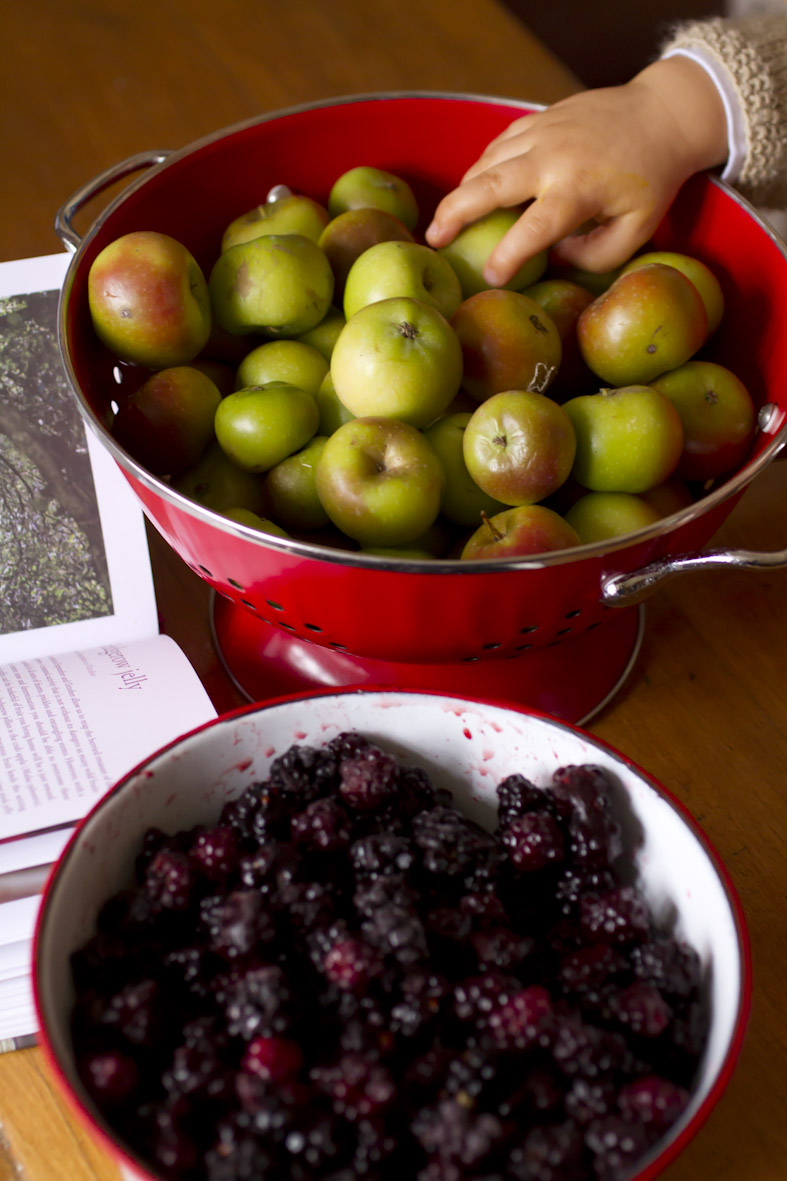
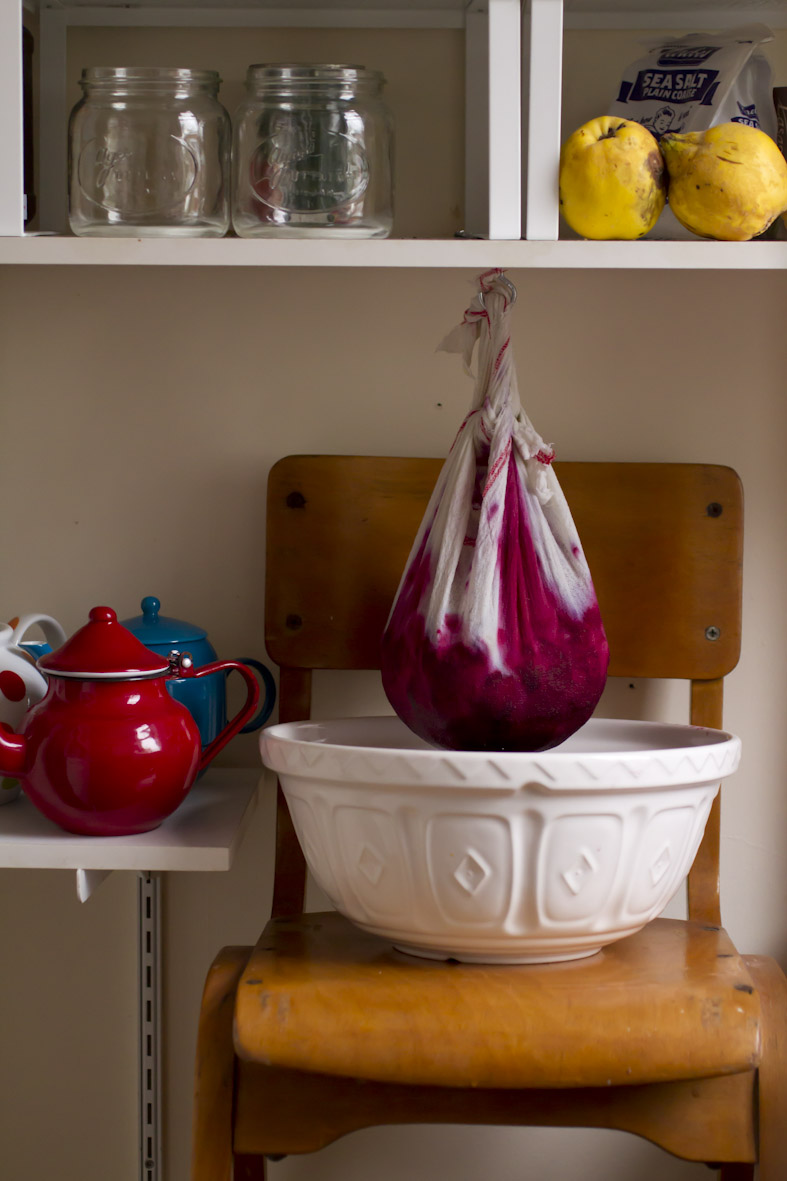
A primeira vez que fiz doce, jurei para nunca mais. Esterilizar os frascos, não deixar queimar o preparado, atingir o ponto certo, selar tudo hermeticamente, pasteurizar… foi uma grande confusão. Mesmo assim, o doce ficou bom e a partir daí as compotas do supermercado passaram a saber a pouco. Comprei alguns utensílios (sou da opinião de que tudo na vida é mais fácil com o equipamento certo), li muito sobre o assunto (hei-de mostrar-vos os meus livros preferidos) e simplesmente experimentei.
Há uns tempos fiz geleia de amora e maçã silvestre (acho que é esta a tradução de crab apple, mas corrijam-me se não for bem isto). As amoras tinham-nos sido dadas no fim do Verão e congelei-as logo, as maçãs foram compradas numa quermesse de igreja. Esta é uma das minhas geleias preferidas e, apesar de demorar dois dias (é preciso coar a fruta), é muito fácil de fazer. O método é sempre o mesmo: esterilizar os frascos, cozer a fruta, coar, acrescentar o açúcar, ferver furiosamente o preparado até que se atinja o ponto certo, enfrascar, pasteurizar. Um dia hei-de escrever tudo com muitos pormenores mas, por agora, vejam aqui a receita-base do Pantagruel.
The first time I tried making jam I swore I’d never do it again. Sterilising the jars, being careful not to let it burn, testing for setting, pasteurising… what a great fuss it all was. Nevertheless, the jam turned out fine and supermarket jam just never tasted the same. I was hooked. I bought some equipment (I’m of the opinion that everything in life is easier with the right kit), read a lot on the subject (I’ll tell you about my favourite preserving books in another post) and just got on with it.

Some weeks ago I made blackberry and crab apple jelly. The blackberries were given to us in late summer and I immediately froze them and the crab apples were bought at a church sale. This is one of my favourite jellies and although it takes two days for it to be ready, it’s very simple to make. The method is always the same: you sterilise the jars, boil the fruit, strain it, add the sugar, boil furiously until you reach setting point, pour into jars and pasteurise them. One day I’ll write about it in detail but not today because at the moment my hands and feet are absolutely frozen (these old houses without central heating are only fit for tough people and I’m still rather soft).
(photos: © Constança Cabral)
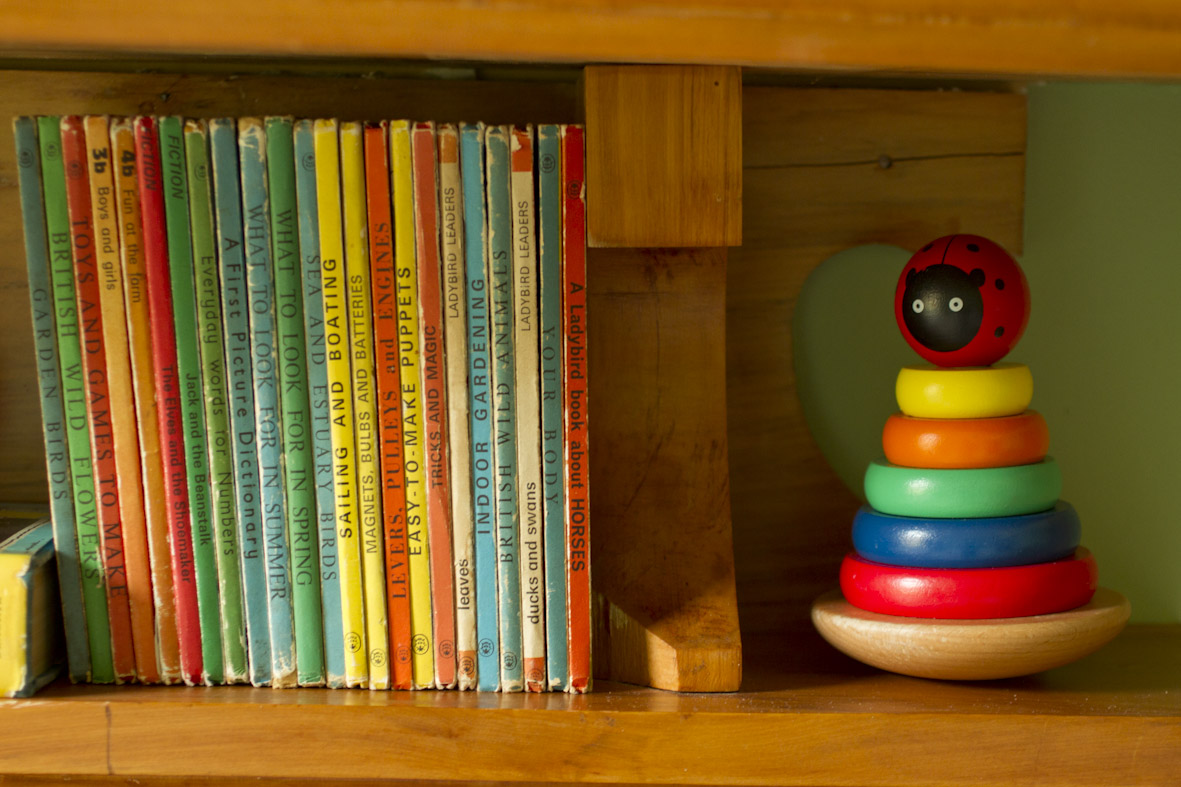
Compor uma Prateleira :: Styling a Mantelpiece


Compor a prateleira de uma lareira pode ser um exercício bastante giro. Pegar numa série de objectos que conversem entre si e dispô-los de uma forma harmoniosa e apelativa puxa pela nossa imaginação e criatividade. Sei bem que há aqueles dias em que não conseguimos combinar nada com nada e nessas alturas uma tarefa deste género pode revelar-se bastante frustrante. Mas há outras alturas em que basta pegar numa pilha de livros, num ou noutro quadro e e num grupo de frascos e a coisa parece funcionar como que por magia.
E no dia seguinte podemos mudar tudo. Essa é a graça destes arranjos: são espontâneos, simples e efémeros. Na nossa sala em Inglaterra fartei-me de usar a prateleira da lareira para assinalar a passagem das estações do ano — podem ver um apanhado de imagens aqui.
Claro que não é preciso ter uma lareira! Uma simples prateleira colocada num sítio proeminente pode servir como focal point de uma divisão. Todos nós temos objectos de que gostamos espalhados pela casa (ou guardados dentro de gavetas e armários) — que tal agrupá-los todos no mesmo sítio? Este é claramente um daqueles casos em que a união faz a força!
Arranging a mantelpiece can be a fun exercise. When you take a series of objects that are somehow related to one another and you display them in an appealing, harmonious way, you stretch your imagination and creativity. I know only too well that there are those days when you feel uninspired and frustrated because nothing seems to come together. But in other days you just take a pile of books, a couple of prints and some containers and you effortlessly create something nice.
 
And in the very next day you can take it all apart and start again. That’s the beauty of these compositions: they’re spontaneous, simple and ephemeral. In our living room in England I repeatedly used our mantelpiece to reflect the changing of the seasons — you revisit it here.
 
Of course you don’t need a proper mantelpiece: a simple shelf placed in a prominent place can be the ideal focal point of your room. Just have fun with it! We all have favourite objects scattered around the house (or indeed hidden inside cupboards and drawers) — how about grouping them together in the same place? This is clearly one of those cases when you can say that unity is strength! 
(photos: © Constança Cabral)

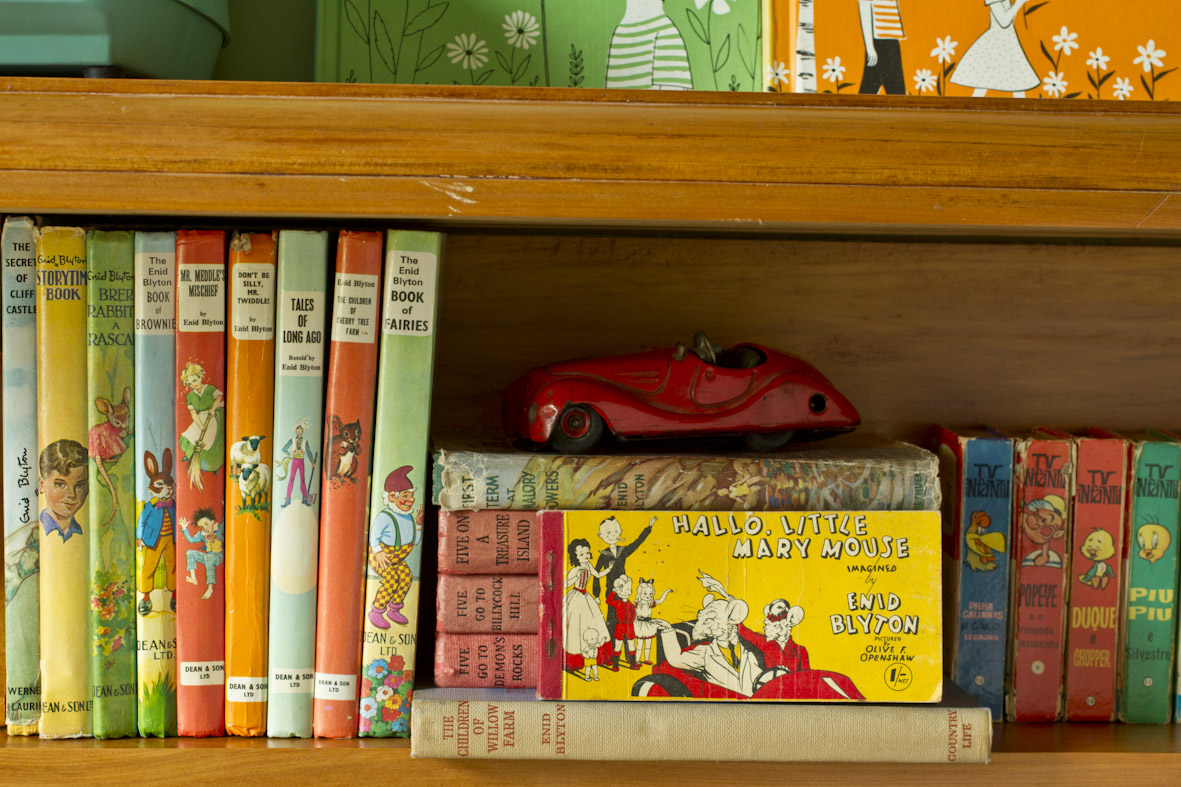
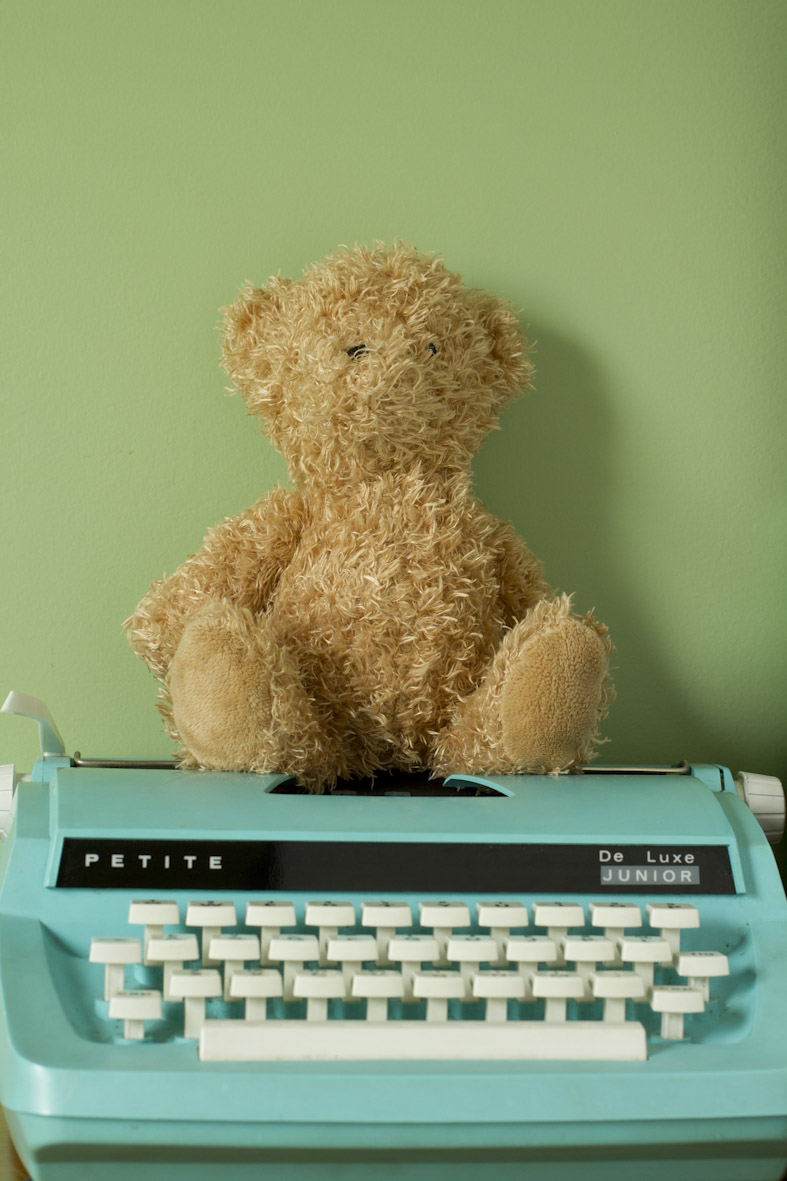
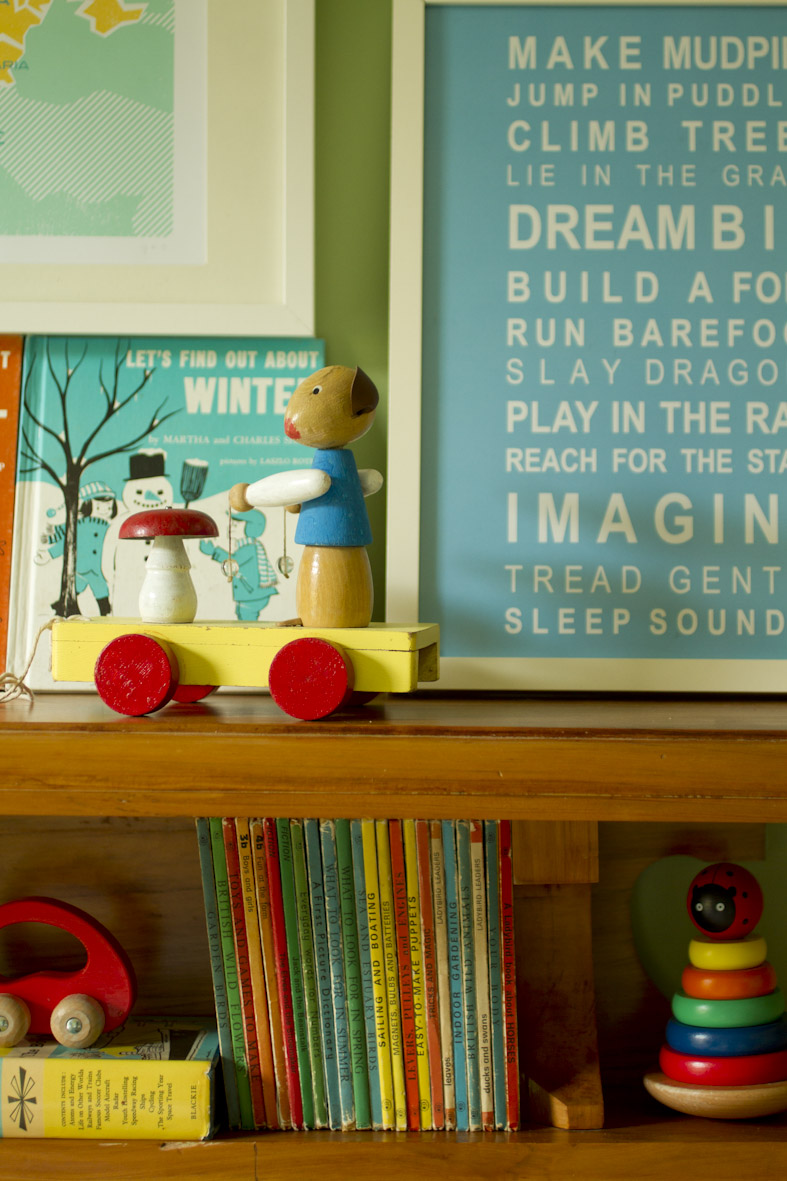
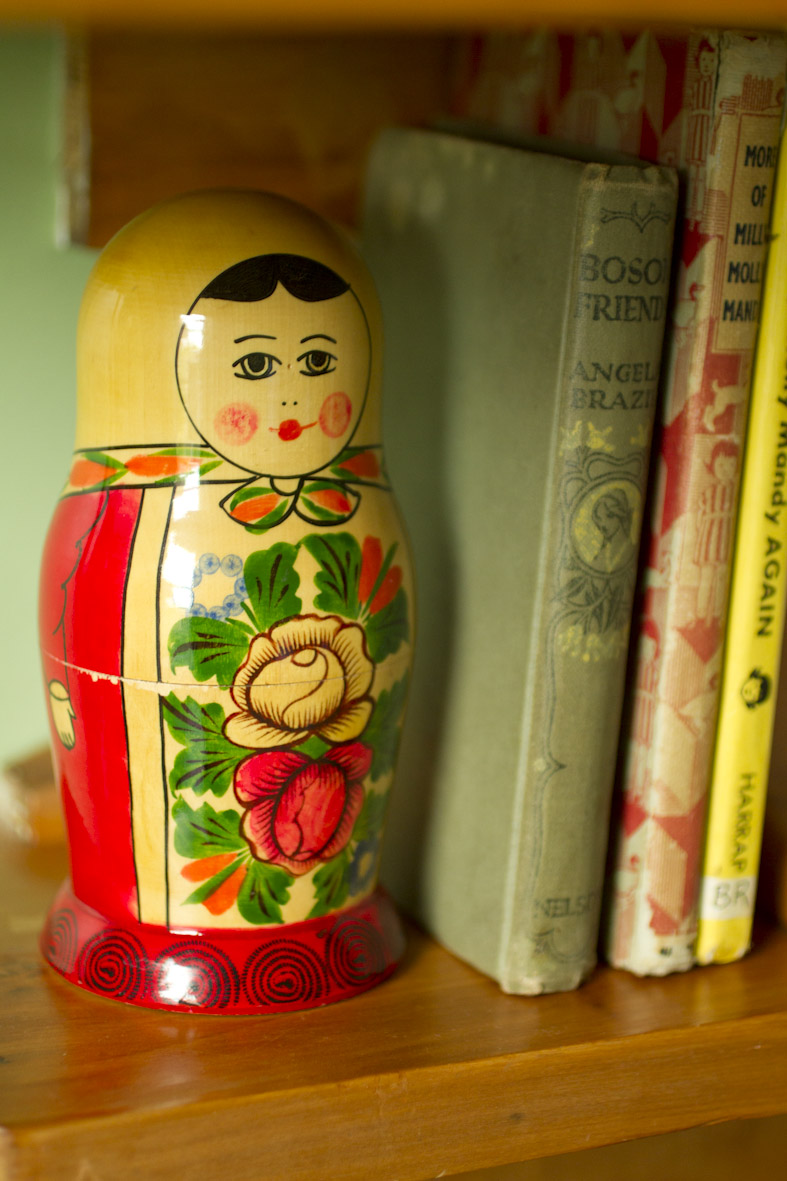
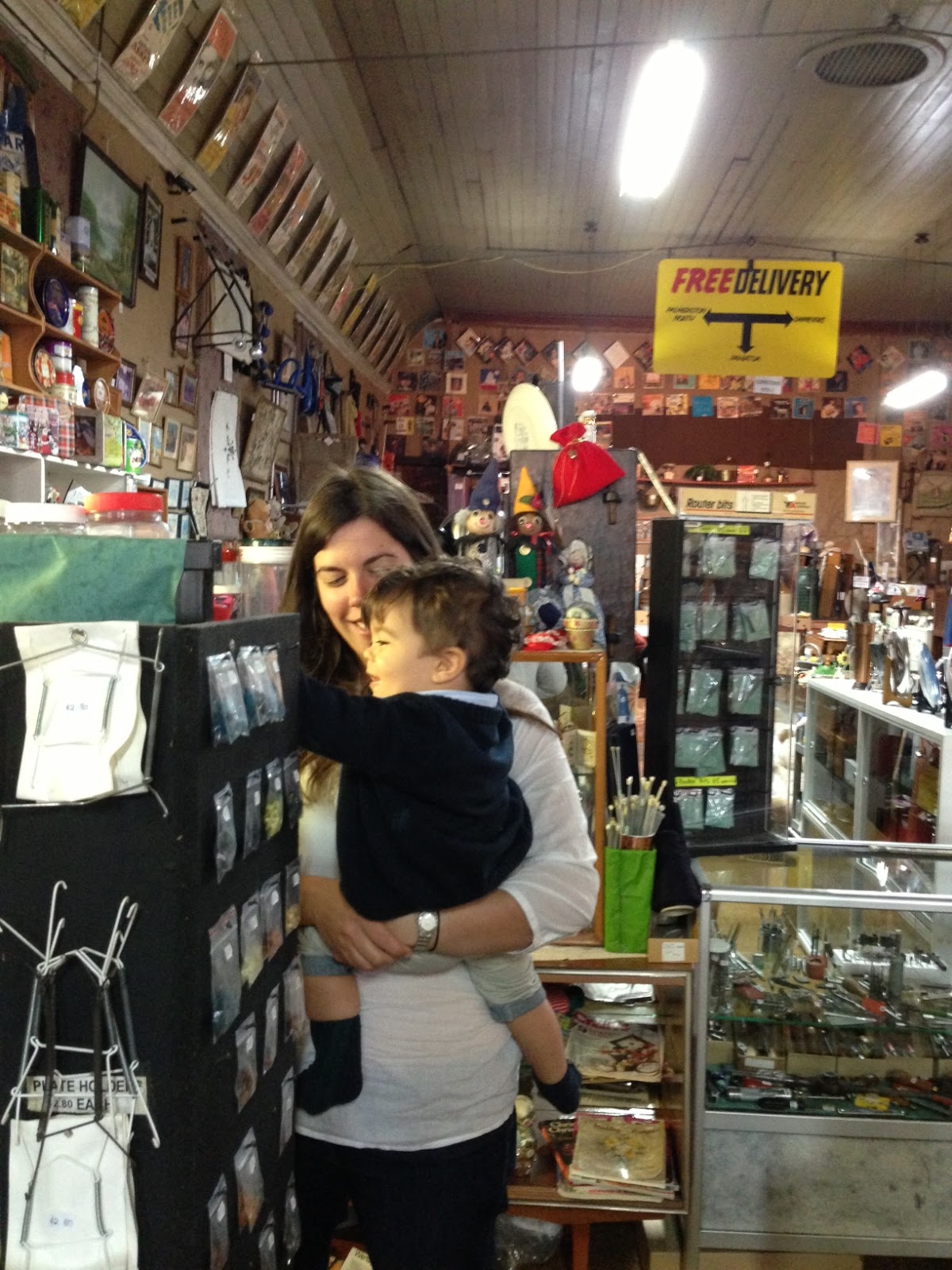
Coisas Velhas :: Old Stuff

Porquê este meu amor pelas coisas antigas de uso quotidiano?

Porque têm história. A história da minha família ou a história de desconhecidos. E contam a história do momento em que as encontrei.
Porque carregam memórias. E sentimentos. 
Porque evocam outros tempos. Saudosismos primários à parte, houve coisas que se perderam com o passar dos anos e sabe bem reencontrarmo-nos com elas.
Porque (normalmente) têm qualidade. Foram feitas para durar. O uso amaciou-as. Tornou-as mais leves, com arestas menos aguçadas. 
Porque não são perfeitas. Têm rachas, riscos, nódoas, buracos, sujidade, ferrugem. Têm patine! E isso pode ser absolutamente encantador (abaixo o restauro demasiado meticuloso de objectos e edifícios!).
Porque são úteis. Mesmo que seja num contexto completamente diferente do original.
Porque puxam pela nossa criatividade. Lá está, o seu propósito original pode ser obsoleto nos dias que correm, mas há sempre maneira de pô-las a uso.
Porque encontrá-las é normalmente uma aventura. Numa feira, no lixo, numa loja de caridade, numa gaveta em casa da avó, numa caixa enviada pelo correio. 
Porque são únicas. Têm personalidade. Mesmo que tenham sido produzidas em massa na sua época, já passaram por muitas mãos, dispersaram-se pelo mundo, muitas perderam-se pelo caminho, outras sobreviveram. Aquelas que ainda existem são especiais.
Serão precisas mais razões para gostar de coisas antigas?
Why do I love old everyday things so much?

Because they tell a story. Either my family’s story or other people’s stories or even the story of how I came across that particular piece.

Because they carry memories. And feelings too.

Because they evoke the past. I’m not saying that everything was better in the olden days — far from it! — but some things got lost along the way and it feels good to recover them.

Because they (usually) have got quality. They’ve been made to last. And the fact that they’ve been well use has made them softer, rounder, lighter.

Because they’re not perfect. They’ve got cracks, holes, scratches, stains, dirt and rust. They’ve got patina! And that can be absolutely charming (I’m totally against over-restored objects, buildings and sites).

Because they can be useful. Even if it’s in an entirely different context from the original one.

Because they trigger your creativity. As I’ve just said, their original purpose may be obsolete by now but they normally can be put to use in other (creative) ways.

Because finding them is usually an adventure. You can spot them at fairs, charity shops, on the street, inside a drawer at your granny’s, you can even get it in a parcel!

Because they’re unique. Even if they were originally mass-produced, they’ve been through a lot — some got lost along the way, others have survived. Those that still exist are special.

Does one need any more reasons to love old stuff?

(photo: © Constança Cabral)